REVIEW · CUSCO
Cooking class and market tour with a local chef
Book on GetYourGuide →Operated by Cusco Gastronomic Tours & Coooking Class · Bookable on GetYourGuide
Cusco tastes better when you meet it at market level. This market tour + cooking class led by chef Ronal turns ingredients into full-on Peruvian plates you can actually repeat at home. I like the clear, hands-on teaching and the way Ronal connects the food to Cusco culture, not just steps. I also like that you pick your cocktail and main dish, while the starter is handled for everyone. One consideration: the tour isn’t for people with altitude sickness, and transportation isn’t included, so you’ll want to plan your way to the workshop.
You’ll spend about 4 hours learning two big cooking styles from Cusco’s everyday menu. Your class starts with a market walk for fruits, cheese, and local ingredients, then moves into the kitchen for a Peruvian starter and your chosen main. Expect a pisco-based drink (or a fruit-and-honey mocktail) and two main-course options—lomo saltado or ceviche—plus vegetarian alternatives and diet adaptations.
Meet at Calle San Juan de Dios 264, right in front of the Aranwa boutique Hotel (look for the glass-and-wood door across the track, with no ads). It’s an efficient setup: you’ll tour, cook, drink, and eat without losing time hunting for instructions.
In This Review
- Key takeaways before you go
- San Pedro Market Meets Cusco Flavor: What the tour actually feels like
- From market to kitchen: how the 4-hour flow works
- Your starter course: rocoto relleno and causa rellena
- Rocoto relleno (stuffed chili)
- Causa rellena (potato cake with yellow chili sauce)
- Cocktails and mocktails: pisco, passion fruit, and smart non-alcohol options
- Pisco sour (classic style)
- Passion fruit sour
- Non-alcoholic Peruvian fruit drink with honey
- Main course choice in Cusco style: lomo saltado vs. ceviche
- Lomo saltado (beef with native potato fries)
- Ceviche (trout, mango, avocado, and sweet potato)
- Dietary needs and altitude support: what’s built in
- Where your $57 goes: value, not just price
- Practical details that make the difference
- Who should book this Cusco cooking class (and who should skip it)
- Should you book this experience?
- FAQ
- FAQ
- How long is the cooking class and market tour?
- Where is the meeting point?
- What is included in the price?
- What dishes do you cook?
- Can I choose my cocktail and main dish?
- Are vegetarian options available?
- Can the class adapt to allergies or special diets?
- Is transportation included?
- What language is the instruction in?
- Is this suitable for altitude sickness?
- Is alcohol included?
Key takeaways before you go
- San Pedro market tasting focus: you sample local fruits and cheeses while learning what’s seasonal and why it matters.
- Chef-led, not lecture-led: Ronal teaches cutting and cooking in a practical way so you’re cooking, not watching.
- You choose your drink and main: each person selects a favorite cocktail and either lomo saltado or ceviche.
- Diet flexibility with real prep: vegetarian options are built in, and Ronal adapts for allergies and restrictions.
- Altitude support tools on hand: you may be offered natural medicine for altitude symptoms and digestive teas.
- Recipes included: you’ll get recipes to cook the dishes later.
San Pedro Market Meets Cusco Flavor: What the tour actually feels like
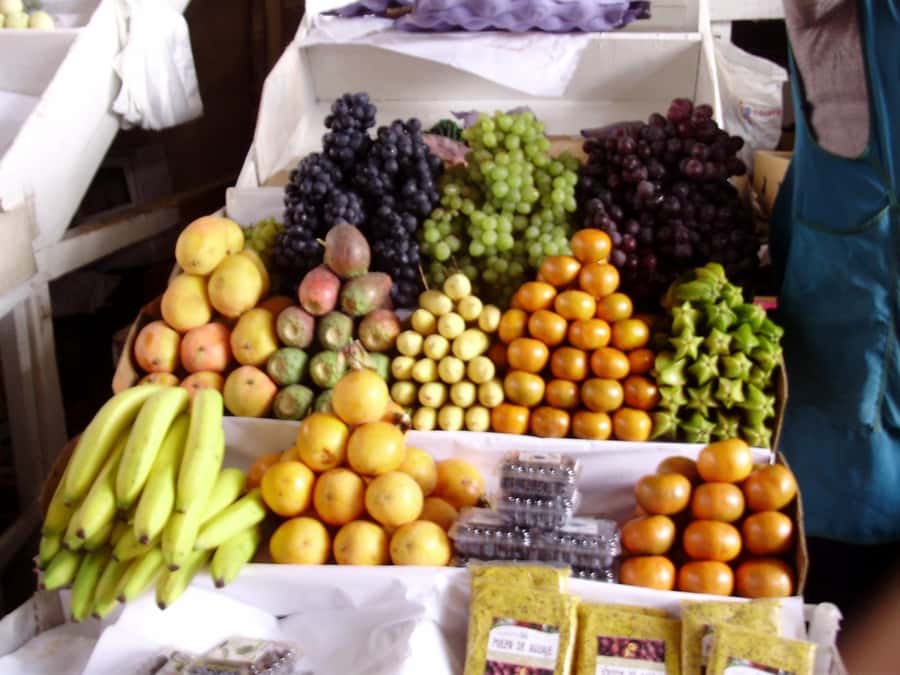
The best part of this experience is that it starts where Cusco food starts: the market. The walk is built around recognizing ingredients in real life—fruits you don’t see in your home grocery store, local cheeses, and the basics that show up in classic Peruvian dishes. You get context as you go, including how ingredients are chosen and how flavors fit together in local cooking.
You’ll also notice something important: you’re not just buying ingredients; you’re learning how to read a menu. Market knowledge makes the rest of the class easier. When you later cook the rocoto relleno or assemble a ceviche, you already know what the ingredients are supposed to taste like.
One extra practical perk from the way the class is run: you’ll get ingredient input before cooking, which helps you avoid the common mistake of arriving hungry, distracted, or unsure what you’re doing.
You can also read our reviews of more shopping tours in Cusco
From market to kitchen: how the 4-hour flow works
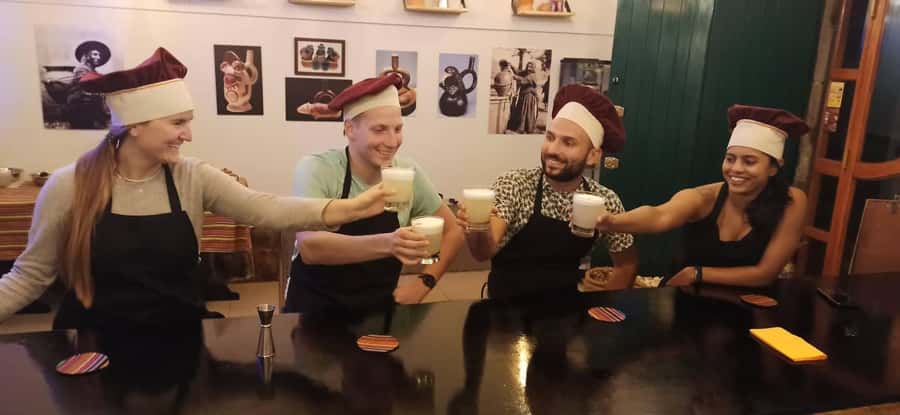
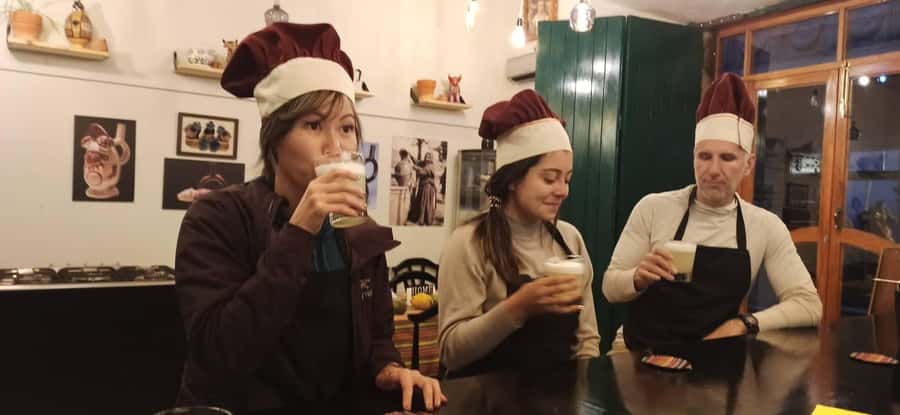
After the market segment, you switch gears to the workshop kitchen. The experience is organized so you don’t feel rushed, but you also don’t spend hours waiting. You’ll get kitchen aprons and utensils, plus water. The teaching style is step-by-step, and you’ll be doing real prep work—cutting, mixing, and cooking—rather than just assembling.
Dishes are planned ahead of time: the class lets participants choose their preferred cocktail and main dish before the session starts. That matters because it keeps the workflow smooth. In other words, you won’t get to the kitchen and then realize you’re one step behind.
The kitchen portion is also where the class becomes a genuine Cusco food lesson. You’re not only making one dish. You’re learning how Peruvian flavor-building works across spicy, citrusy, and savory profiles.
Your starter course: rocoto relleno and causa rellena
Everyone prepares the starter dishes, so you share the same flavor foundation before splitting into your own main-course choices.
Rocoto relleno (stuffed chili)
This is the classic entrance dish: rocoto relleno. You’ll work with a stuffed chili filled with meat, onions, peas, carrots, peanuts, and dry grapes, then topped with local cheeses and baked in the oven. Even if you’re new to Peruvian cooking, this dish teaches a useful technique: how to balance heat with sweetness and richness in one bite.
Causa rellena (potato cake with yellow chili sauce)
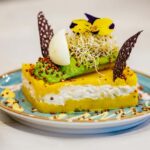
Next is causa rellena. The base is a potato cake mixed with yellow chili sauce, then stuffed with avocado and fish tartare, finished with mayonnaise and spices. It’s a great contrast to the heat-and-cheese baked chili: causa is cooler, brighter, and more layered.
If you’re choosing between the two dishes in your mind, think of it like this: rocoto relleno shows you how Peruvian cooking builds depth through stuffing and baking. causa rellena shows you how it builds structure and brightness with potato, chili sauce, and careful layering.



Cocktails and mocktails: pisco, passion fruit, and smart non-alcohol options
This is a pisco-forward class, but it’s not only for alcohol drinkers. You’ll make a cocktail in base pisco and you can choose your version.
Pisco sour (classic style)
The classic pisco sour is served with lime, syrup, and egg whites. It’s one of Peru’s signatures, and the class treats it like more than a novelty drink—you learn the basic process and why it tastes the way it does.
Passion fruit sour
For the fruit lovers, there’s a passion fruit sour version using fresh passion fruit juice. It keeps that pisco backbone but shifts the flavor toward something brighter and more tropical.
Non-alcoholic Peruvian fruit drink with honey
If you want the experience without alcohol, you can choose a fruit-and-honey drink made with Peruvian fruits. This is a practical touch for groups where not everyone drinks, and it keeps the class feeling inclusive.
One note for your expectations: alcohol and drugs aren’t allowed, so don’t plan to bring extra drinks. Your drink is part of the class flow, provided as included.
Main course choice in Cusco style: lomo saltado vs. ceviche
Now the class gets fun because you pick your main dish. Everyone starts the same, then you split based on taste.
Lomo saltado (beef with native potato fries)
If you choose lomo saltado, you’ll be cooking beef tenderloin with rice, onions, tomato, soy sauce, oyster sauce, and vinegar, served alongside native potato fries. This dish is a crowd-pleaser because it mixes Peruvian ingredients with a stir-fry logic that creates bold, fast flavor.
The useful thing here is learning the timing and the mix: onions and tomato bring freshness, sauces add depth, and vinegar helps pull everything together.
Ceviche (trout, mango, avocado, and sweet potato)
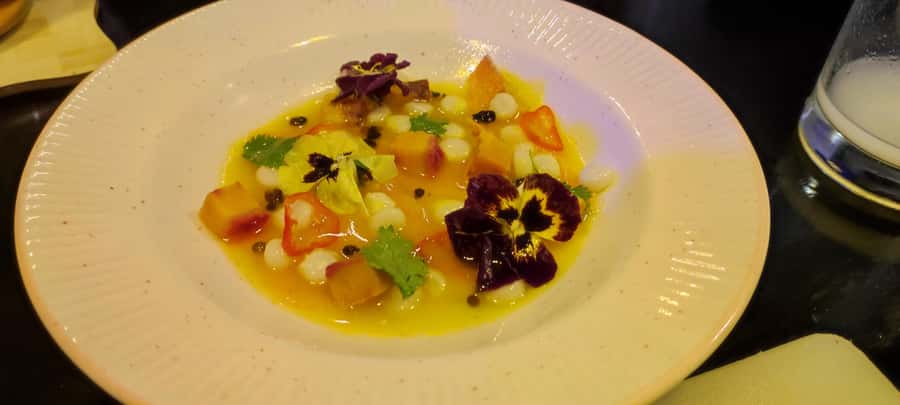
If you choose ceviche, you’ll make a trout ceviche with mango, avocado, lime juice, onions, celery, ginger, corn, and sweet potato. It’s citrus-forward but not one-note. The mango and avocado soften the bite, while corn adds texture and sweet potato rounds out the sweetness.
If you’ve had ceviche before and it tasted flat, this is exactly the kind of class that can fix that. You’re not just copying a recipe—you’re learning what each ingredient is doing in the flavor balance.
Vegetarian options exist in the planning of the class, and Ronal can adapt the menu for different dietary restrictions. Just keep in mind that you may still see meat in the market environment, since it’s part of how the local food economy works.
Dietary needs and altitude support: what’s built in
Cusco altitude can mess with your plans. This class is designed with that reality in mind. If needed, you may be offered natural medicine for altitude sickness and digestive teas. That doesn’t replace medical care, but it’s a thoughtful safety net in a place where symptoms can pop up quickly.
Dietary restrictions are also handled directly. The setup supports adaptations for many restrictions, including vegetarian options. The class includes clean, organized prep and the kitchen materials you need to keep things moving.
A small but real consideration: the market tour may show meat from animals that are part of the local population’s diet. If you’re strictly avoiding meat or you’re sensitive to that kind of sight, plan how you’ll handle it before you go.
Where your $57 goes: value, not just price
For $57 per person, you’re getting a lot for a half-day experience in Cusco.
What’s included:
- Professional chef-led workshop and guide
- Fresh ingredients
- Kitchen and bar utensils
- Kitchen aprons
- Water
- A cocktail (pisco-based options or non-alcoholic fruit-honey drink)
- A starter and a main course
- Optional natural medicine for altitude symptoms and digestive teas
What’s not included: transportation.
Here’s how I think about value. In this class, you’re paying for three things at once: (1) expert guidance while you cook, (2) the market learning time before you cook, and (3) the ingredients and equipment that let you actually make restaurant-style food. If you’ve ever tried to cook Peruvian classics from a book, you know how much difference fresh ingredients and real technique make.
Also, you’re not locked into one main dish. The ability to choose your cocktail and your main course makes the experience feel less like a fixed set menu and more like you’re customizing your Cusco meal.
Practical details that make the difference
A few logistics matter for a smooth experience.
- Duration: about 4 hours, designed to fit well between other Cusco stops.
- Language: instruction is available in English and Spanish.
- Instructor: Ronal leads the experience.
- Location: Calle San Juan de Dios 264, in front of the Aranwa boutique Hotel area, with a glass-and-wood door across the track.
- Group vibe: you might end up in a smaller group, and if your timing lines up, it can feel very personal.
- Recipes after: you can expect recipes to be provided after the class so you can recreate the dishes.
Also, note what the experience doesn’t allow: baby strollers, baby carriages, and baby strollers of any kind. So if you’re traveling with kids, double-check ages too—this isn’t suitable for children under 2, and it lists multiple child-age cutoffs up through under 6.
Who should book this Cusco cooking class (and who should skip it)
This is a great fit if:
- You want a hands-on Cusco cooking class rather than a food tour that ends at tasting only.
- You care about learning technique (cutting, mixing, timing), not just collecting photos.
- You like the idea of a market walk plus a meal that you cooked yourself.
- You want flexible dietary handling, including vegetarian options.
- You enjoy pisco culture and want to learn it through a cocktail you actually prepare.
You should skip it if:
- You have altitude sickness or are in a group that can’t handle Cusco altitude demands.
- You fall outside the listed weight limits.
- Your priority is pure sightseeing with no kitchen time.
If you’re a solo traveler, this is especially appealing. The format supports questions, and the class can feel friendly without being forced into a big-tour crowd.
Should you book this experience?
If you want your Cusco trip to include something you can taste and repeat, book it. The market-to-kitchen structure is the key: you learn ingredients first, then cook with confidence. The biggest win is Chef Ronal’s approach—clear instruction, practical technique, and attention to dietary needs.
I’d especially recommend it early in your trip so you can use what you learn for later tastings. And if you’re sensitive to altitude or meat-market visuals, plan accordingly before you commit.
FAQ
FAQ
How long is the cooking class and market tour?
It lasts about 4 hours.
Where is the meeting point?
You meet at Calle San Juan de Dios 264, in front of the Aranwa boutique Hotel (across the track, at a glass-and-wood door with no ads).
What is included in the price?
A professional chef and guide, the cooking workshop, fresh ingredients, kitchen/bar utensils, aprons, water, a cocktail, a starter dish, and a main course.
What dishes do you cook?
You prepare a starter that includes rocoto relleno and causa rellena, plus you make one cocktail based on pisco. For the main course, you choose either lomo saltado or ceviche.
Can I choose my cocktail and main dish?
Yes. You choose your cocktail and main dish, while the starter is the same for everyone.
Are vegetarian options available?
Yes. Vegetarian options are available, and the chef can adapt to dietary restrictions.
Can the class adapt to allergies or special diets?
Yes. The class can adapt to dietary restrictions, and the chef adjusts accordingly.
Is transportation included?
No. Transportation is not included.
What language is the instruction in?
The instructor is available in English and Spanish.
Is this suitable for altitude sickness?
No. It’s not suitable for people with altitude sickness.
Is alcohol included?
A cocktail is included, and alcohol and drugs are not allowed. You can also choose a non-alcoholic Peruvian fruit and honey drink option.