REVIEW · CARTAGENA
Bean to Bar: Cocoa and Chocolate Workshop
Book on GetYourGuide →Operated by Local Colombia · Bookable on GetYourGuide
Chocolate making can feel like magic.
In Bolívar, you’ll learn the bean-to-bar chain in a hands-on class, then put that knowledge straight to work while tasting chocolate across different origins and percentages.
I like that it’s not just a sweet show. You get real process—cacao roasting, separation steps, and why cacao variety matters at a national level. I also like the small, private-group feel, where the guide can answer your questions and adjust the pace.
One consideration: it’s not suitable for people with food allergies, and the hands-on nature means you’ll be around multiple chocolate types (white, milk, dark, and pure cocoa). If allergies are an issue, confirm details before you book.
In This Review
- Key Things I’d Put on Your Radar
- Entering a Proper Chocolaterie in Bolívar
- The 105-Minute Timeline: What You’ll Do, Step by Step
- Cocoa Roasting and Separation: The Process You Can Taste
- Tasting Percentages Like 40%, 46%, 80%, and 100%
- Making Your Own Chocolates: Bonbons, Truffles, or a Bar
- Why Alejandra’s Explanations Matter (More Than You Think)
- What the Private Group Format Changes
- Price and Value for a 105-Minute Class
- Practical Tips Before You Go
- Who This Workshop Fits Best
- Should You Book This Bean to Bar Workshop in Bolívar?
- FAQ
- How long is the Bean to Bar: Cocoa and Chocolate Workshop?
- Is this a private group experience?
- What languages are the instructors?
- What will I taste during the class?
- What can I make during the workshop?
- Where does the workshop meet in Bolívar?
Key Things I’d Put on Your Radar
- Private-group format that keeps questions from getting lost
- Roasting and separation steps, so you understand what you’re tasting
- Percent-and-origin tasting with white 40%, milk 46%, dark 80%, and pure cocoa 100%
- Hands-on making where you can shape bonbons, truffles, or a chocolate bar
- A guide with strong energy, including Alejandra, who explains the full process clearly
Entering a Proper Chocolaterie in Bolívar
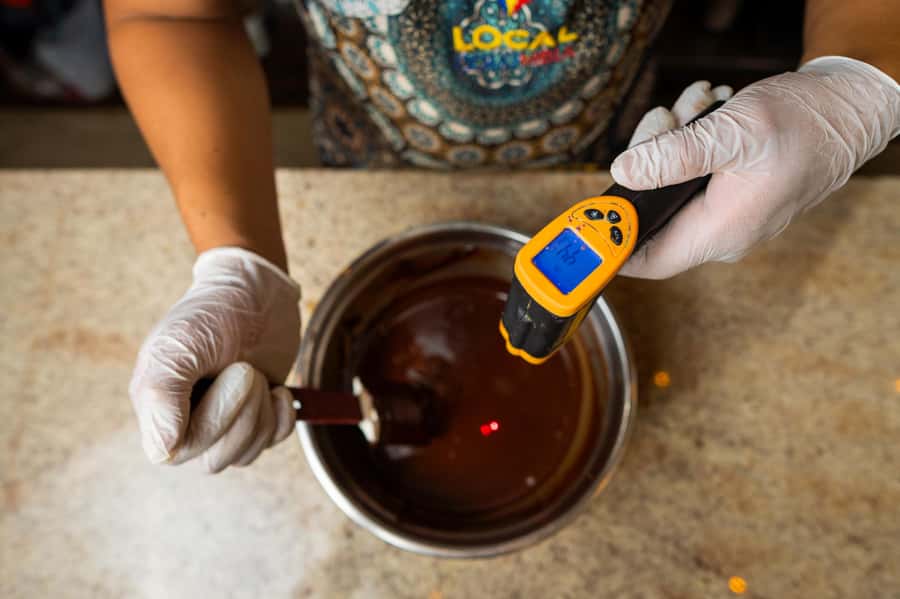
This workshop starts in a real chocolaterie space, not a classroom corner with a few sample bars. You’ll step into a setup with state-of-the-art machinery and skilled artisans who are there to support the workflow. Even when some production tasks aren’t running at that moment, the space still helps you picture how cocoa becomes chocolate in a working environment.
The vibe is part educational, part sensory. Expect that mix of machine sounds and the sharp, sweet smell that only cocoa can produce. It’s the kind of environment where you stop thinking of chocolate as a finished product and start seeing it as an engineered food—temperature, timing, and texture all matter.
Plan to wear comfortable, stain-friendly clothing. This activity is hands-on, and chocolate has a way of finding its way onto sleeves.
You can also read our reviews of more drinking tours in Cartagena


The 105-Minute Timeline: What You’ll Do, Step by Step
The session runs 105 minutes, which is long enough to learn the process and still make something with your own hands. You’re not rushed through “a quick taste and a short demo” style experience. Instead, you get a sequence that flows from cacao basics to creating your own chocolates.
Here’s how the session typically feels in practice:
- You begin by getting oriented in the chocolaterie workspace and learning how the machinery fits into the bean-to-bar process.
- You move through key chocolate-making steps you can actually understand, especially roasting and separation of cacao components.
- Then you shift into the making portion, where you’ll craft bonbons, truffles, or chocolate bars (your exact creation depends on how the class is set up during your session).
- Finally, you connect what you learned to what you taste, sampling chocolate made from different cacao percentages and origins.
Because some steps may be completed ahead of time, you’ll likely spend more of the class on the parts that teach your hands and your palate. This is a good thing. You still learn the chain of production, but you also get that “I made this” satisfaction.
Cocoa Roasting and Separation: The Process You Can Taste
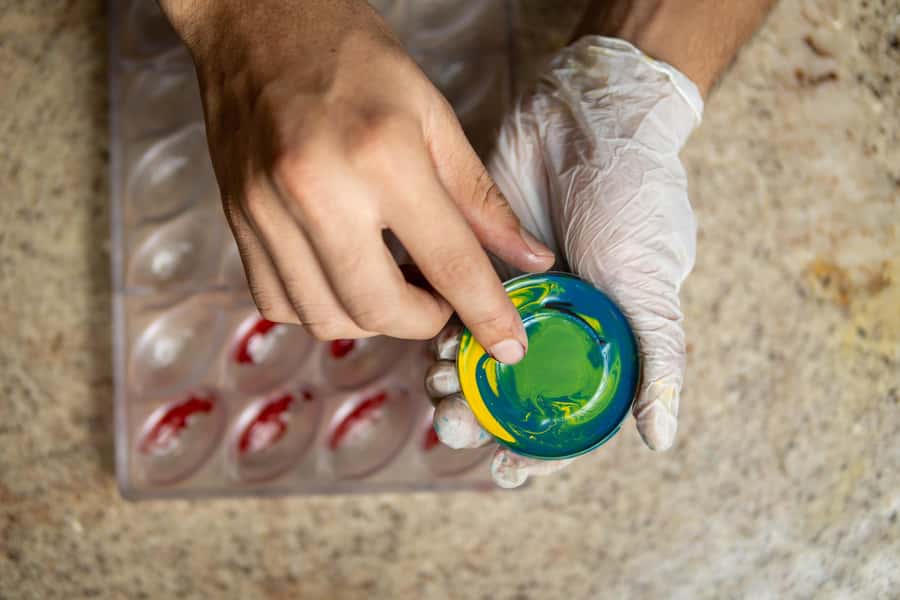
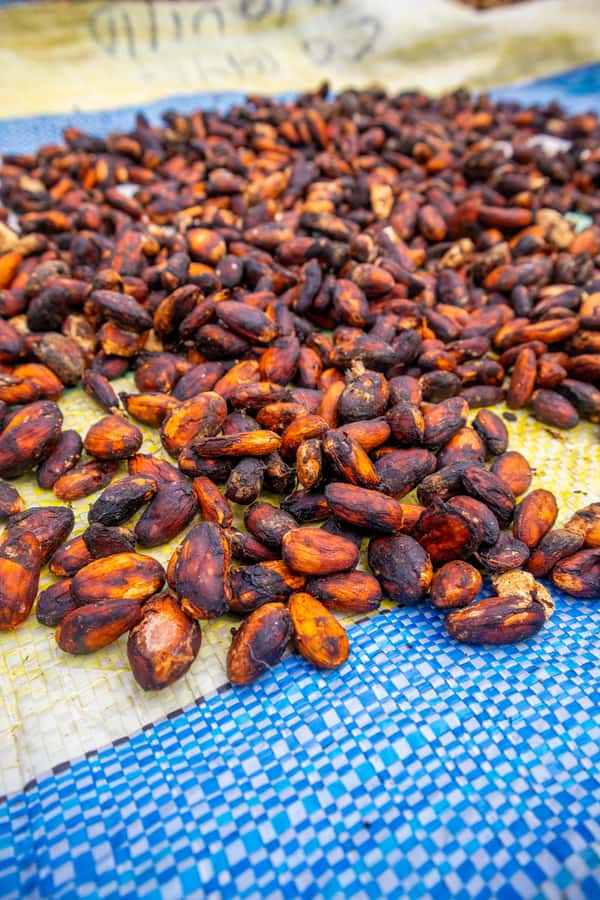
The star education moment here is that you learn what happens before chocolate reaches your tongue. Cacao roasting and separation sound technical, but the payoff is simple: those steps influence flavor, aroma, and how chocolate behaves later.
Roasting is where cocoa’s deeper notes start forming. If you’ve only ever compared chocolate by sweetness, this is where you learn to compare chocolate by roast character and aroma. Separation matters because cacao isn’t one ingredient—it’s components that behave differently and contribute differently to the final texture and taste.
You’ll also hear about the significance of different cacao varieties at a national level. That’s a big deal, because “chocolate” is not one taste. The cacao you start with changes the flavor direction, and the percentage you choose doesn’t tell the whole story by itself. In this class, percentages are paired with origin and composition, so you get a clearer mental map fast.
Tasting Percentages Like 40%, 46%, 80%, and 100%
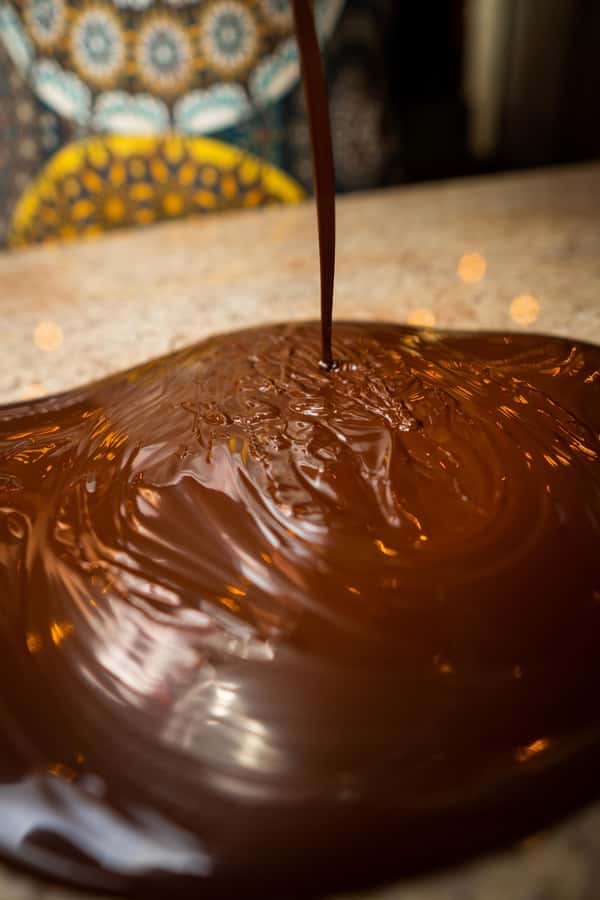
The tasting included is one of the most practical parts of the workshop because it gives you reference points you can remember later. You’ll sample chocolates across several percentages and types, including:
- White (40%)
- Dark (80%)
- Milk (46%)
- Pure cocoa (100%)
- Plus blends
This is how you start sounding like a chocolate nerd without trying. Once you’ve tasted across those ranges, you’ll notice how flavor complexity can shift even when the chocolate is still sweet enough to be comfortable. You also learn that higher percentage doesn’t automatically mean better—just different.
Here’s the useful takeaway for you: when you shop later, you’ll have a baseline for what you like. You’ll be better at choosing between chocolate that tastes more roasty, more cocoa-forward, more creamy, or more intense.
Making Your Own Chocolates: Bonbons, Truffles, or a Bar
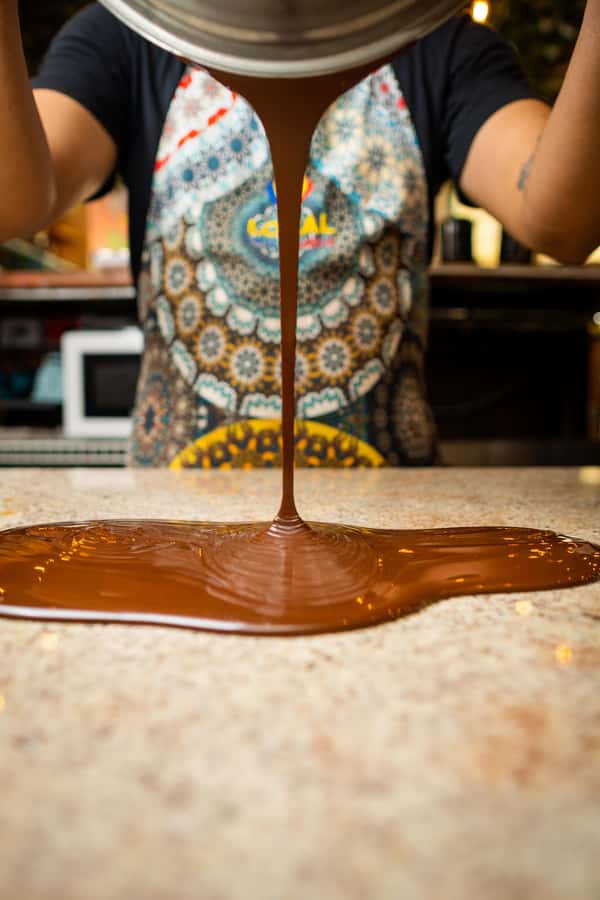
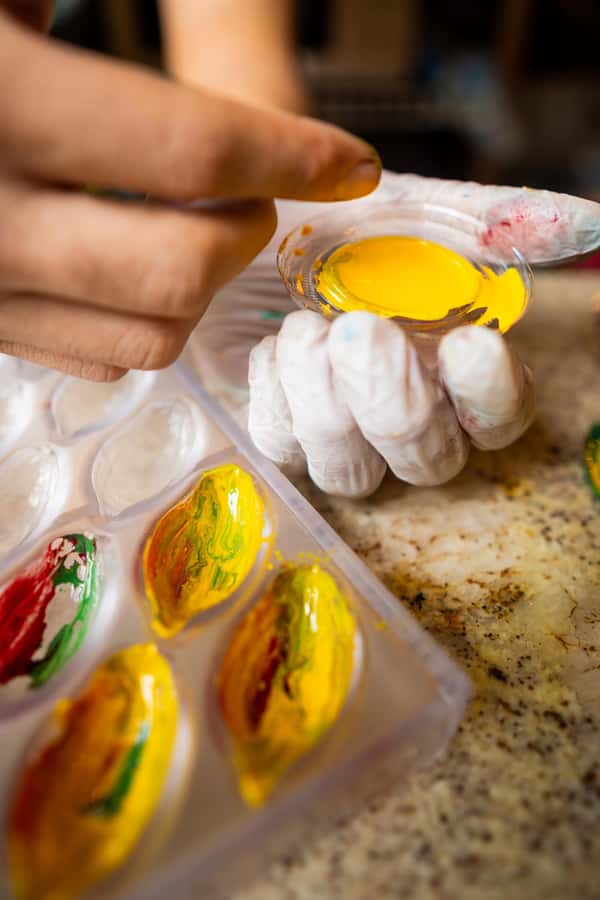
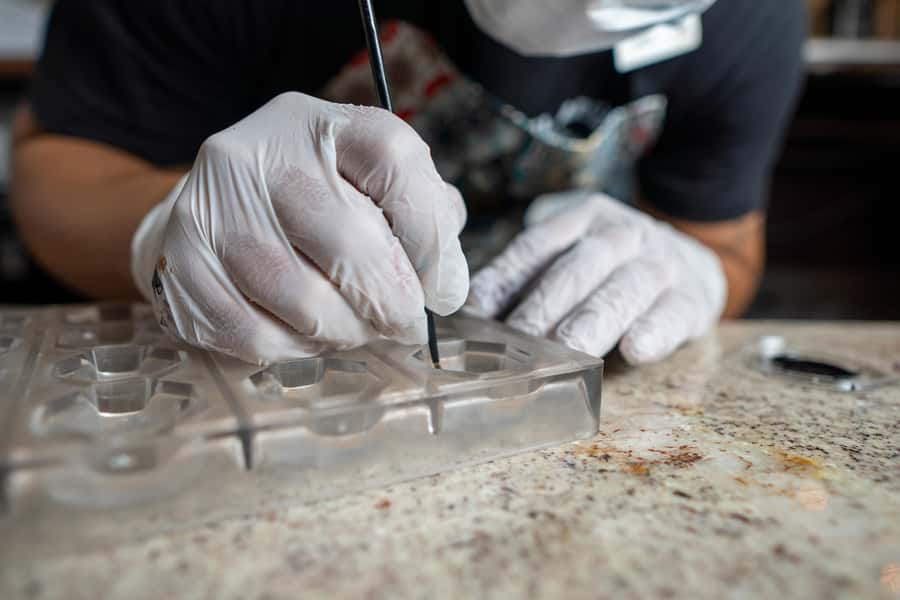
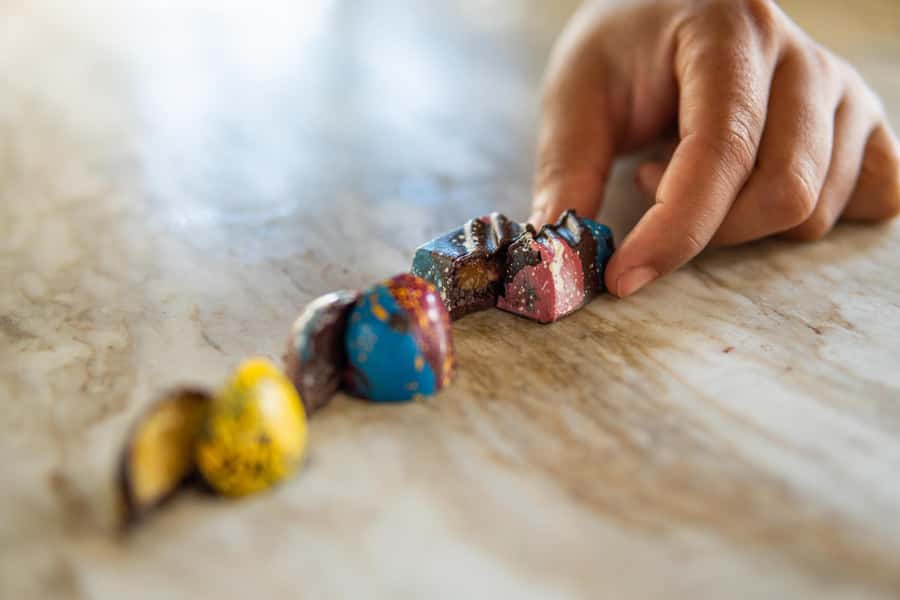
Now for the fun part: your hands get involved. Under the guidance of expert artisans, you’ll create chocolates like bonbons, truffles, or chocolate bars.
This is the moment when the class stops being theoretical. You watch how texture changes, how the chocolate looks as it sets, and how small decisions affect the final result. And because the guide is there in the background with expertise, you’re not stuck guessing.
If you’re the type who loves to experiment, this part will feel like a creativity workshop too. The experience is designed to let you channel your inner chocolatier—whether you’re starting from scratch or you’ve made chocolates before.
One note: the class is hands-on, and you’ll likely be working with multiple chocolate types. That’s part of the learning. It also means you should avoid going if you have food allergy concerns.
You can also read our reviews of more tours and experiences in Cartagena
Why Alejandra’s Explanations Matter (More Than You Think)
A standout from past sessions has been the guide’s passion. Alejandra, for example, is known for strong energy and for answering questions in a way that makes the process click. When the guide explains the chain from bean to bar, it’s not just facts—it’s context.
What that gives you:
- You understand why the process matters for flavor.
- You learn to connect what you see (machinery, steps, texture) with what you taste.
- You leave with more than recipes. You leave with better chocolate instincts.
Even if you don’t consider yourself a chocolate person, this kind of guiding turns curiosity into confidence fast. You’ll start tasting deliberately, not just snacking.
What the Private Group Format Changes
This is listed as a private group, and you’ll feel that difference immediately. In a larger group, chocolate workshops can become a conveyor belt: watch, taste, move on. Here, the pacing is more flexible, and your questions get a real answer instead of a polite half-response.
You also get more practical attention during the making portion. That matters because chocolate can be temperamental—texture and setting are part of the challenge. The better the guidance, the more fun you’ll have.
Another practical upside: it’s also a strong indoor plan. If weather in Cartagena or the broader region isn’t cooperating, you still get a satisfying activity that uses the senses instead of forcing you to “just wait it out.”
Price and Value for a 105-Minute Class
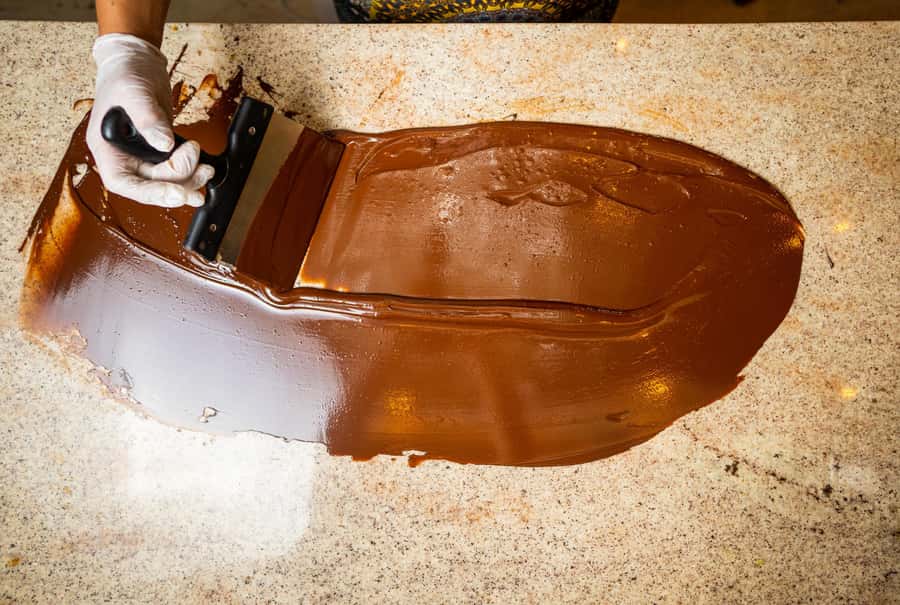
At $101 per person for 105 minutes, this isn’t a budget throwaway. But it also isn’t priced like a fancy restaurant tasting that leaves you full and clueless.
The value comes from three things you get together:
- Hands-on creation (not just tasting).
- Process education through actual bean-to-bar steps like roasting and separation.
- A tasting lineup that includes multiple percentages and types, from white (40%) to pure cocoa (100%).
If you’re the kind of traveler who loves workshops that teach you something you can use later, this price starts to make sense. You’re paying for instruction, ingredients, and access to a working chocolaterie environment.
If you only want to eat chocolate and don’t care about process, you might find it pricey. But if you want a deeper souvenir than a photo, it’s a solid spend.
Practical Tips Before You Go
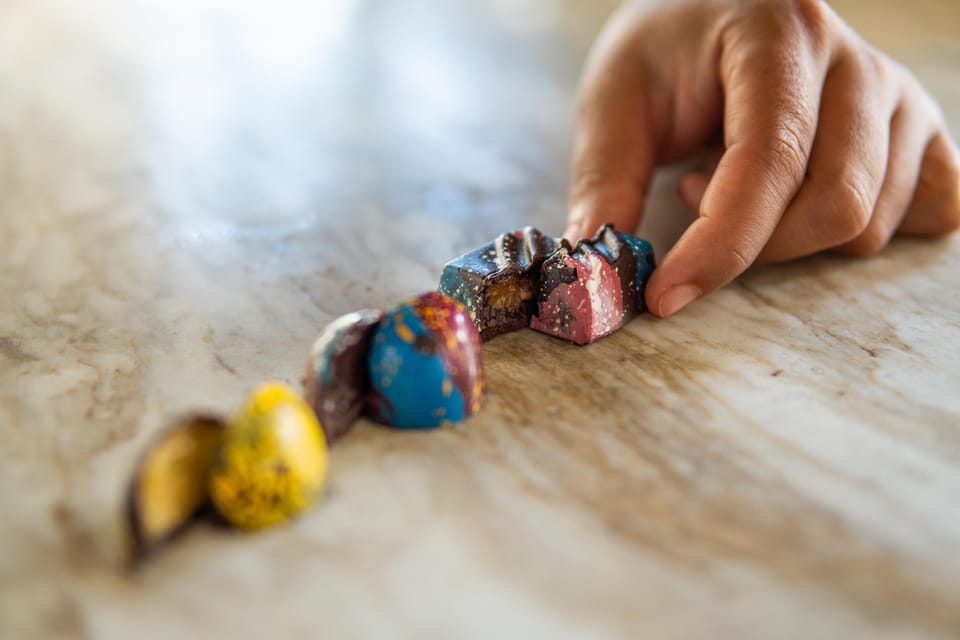
A few things will make your experience smoother:
- Wear comfortable, stain-friendly clothing. Chocolate is not shy.
- Come with an open mind. The workshop includes both cocoa-forward tastes (like 100% pure cocoa) and creamier styles (like white 40% and milk 46%).
- If you have any allergies, do not assume. The experience is not suitable for people with food allergies based on the activity info, so you should only book if your situation is clearly safe.
- Plan to bring curiosity, especially if you like food science. Roasting, separation, and cacao variety are part of what you’ll connect later.
Who This Workshop Fits Best
This bean-to-bar class is a great match if you:
- Want a hands-on foodie activity rather than a passive tour
- Like learning how ingredients become something better
- Enjoy tasting chocolates across different percentages and types
- Appreciate expert guidance and clear explanations (especially if you get Alejandra-style energy)
It’s also a good choice for travelers looking for an indoor afternoon activity that still feels authentic and local, not like a generic souvenir stop.
Should You Book This Bean to Bar Workshop in Bolívar?
Book it if you want more than chocolate flavor—you want chocolate understanding. This workshop combines a real production environment, clear process education (roasting and separation), and a guided making session where you can craft bonbons, truffles, or a bar.
Skip or reconsider if you need allergy-friendly accommodations (the activity is not suitable for people with food allergies) or if you’re only looking for a quick sweet snack. For everyone else, it’s an enjoyable, genuinely useful way to spend a little time learning how cacao becomes the chocolate you love.
FAQ
How long is the Bean to Bar: Cocoa and Chocolate Workshop?
The workshop lasts 105 minutes.
Is this a private group experience?
Yes, it’s a private group.
What languages are the instructors?
The instructor speaks English and Spanish.
What will I taste during the class?
You’ll taste chocolate including white (40%), dark (80%), milk (46%), pure cocoa (100%), and blends, plus chocolates of various percentages and origins.
What can I make during the workshop?
You’ll have the opportunity to craft chocolates such as bonbons, truffles, or chocolate bars, guided by the artisans.
Where does the workshop meet in Bolívar?
Meet at the beginning of Arsenal Street, near the convention center. Look for a two-story pink building with wooden barrels outside and a free hugs sign. The host will guide you to the exact spot when you arrive.