REVIEW · CUSCO
City Tour Cusco
Book on GetYourGuide →Operated by Machupicchu Tou Services · Bookable on GetYourGuide
Cusco rewards curiosity fast. In just a few hours you’ll connect Inca power with later Spanish layers. What makes this tour work is the tight route plus a guide who helps you read what you’re looking at, not just where to stand.
I especially love Sacsayhuamán’s sheer scale and the way the tour explains the site’s different levels. I also like how the stops build a theme—Inca worship spaces, water engineering, and strategic viewpoints—so the day feels like one story. One thing to consider: the route is not suitable for people with mobility impairments, so wear shoes that can handle uneven ground and plan for some stairs and walking.
In This Review
- Key things to know before you go
- Cusco in 5 Hours: What this city tour really gives you
- Price and value: why $15 is more than just a cheap ticket
- Pickup and getting started at Plaza de Armas (and back again)
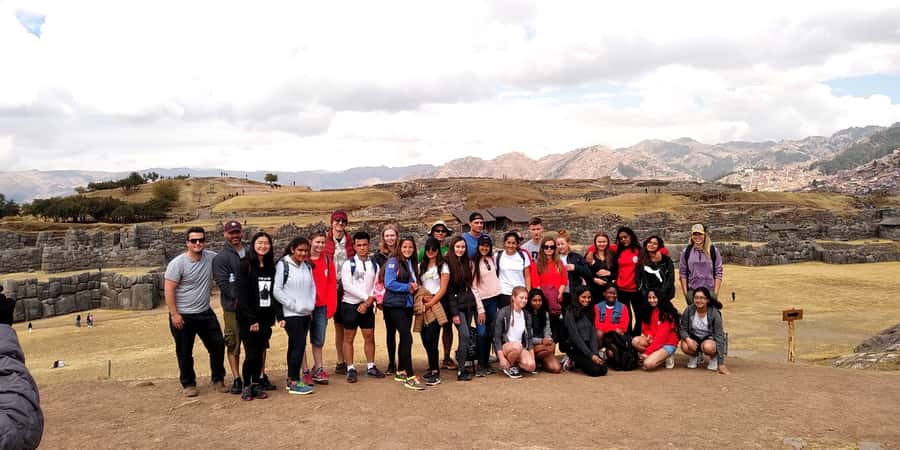
- Sacsayhuamán: walking the three levels and reading the Inca’s power
- Q’enqo (Qenqo): the Puma shrine and Pachamama altar context
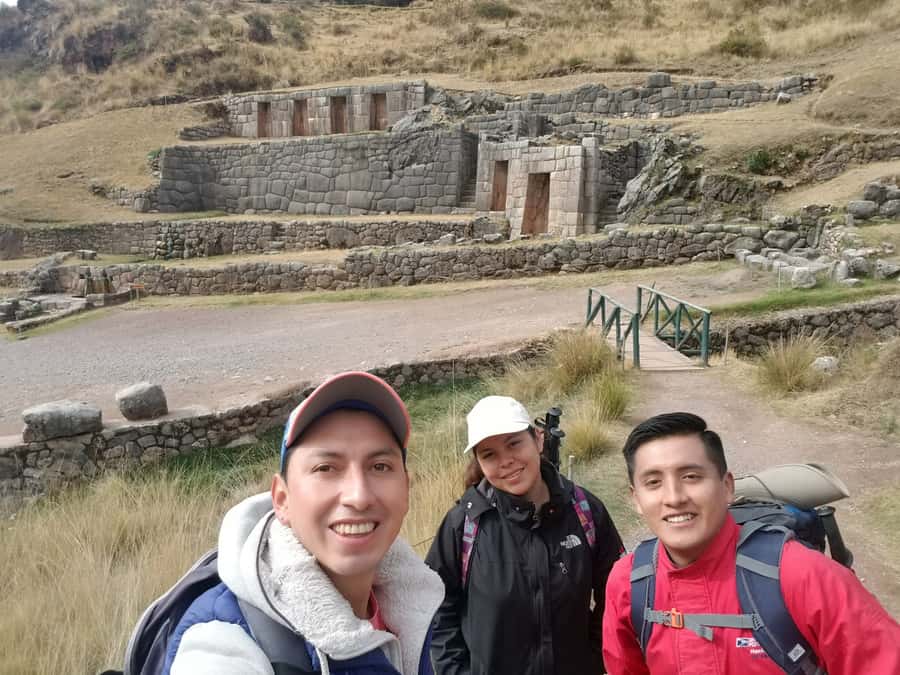
- Tambomachay: water sources still tied to irrigation
- Puca Pucará: the watchtower that explains the valley
- How Cusco art and the Inca–Spanish mix show up on this route
- What’s included (and what to plan for yourself)
- Accessibility and who this tour fits best
- Should you book this Cusco City Tour?
- FAQ
- Where is pickup for the City Tour Cusco?
- How long is the tour?
- How much does the tour cost?
- Is a guided tour included?
- What languages are available for the guide?
- What’s not included in the price?
- Do I need to bring identification?
- Are entrance tickets included?
- Can I bring luggage or large bags?
- Is this tour suitable for people with mobility impairments?
Key things to know before you go
- Five hours, four major Inca sites: Sacsayhuamán, Q’enqo, Tambomachay, and Puca Pucará in one day.
- Three tiers at Sacsayhuamán: you’ll move through the upper levels to understand how the towers dominated Cusco.
- Q’enqo’s Puma Temple focus: learn what’s inside the shrine, including its sacrificial altar context.
- Tambomachay’s water sources: spot spring-fed areas tied to irrigation for nearby fields and terraces.
- Puca Pucará as a watchtower: get the “read the valley” perspective from above the imperial city.
- English and Spanish guide: professional guiding is part of the value, not an optional add-on.
Cusco in 5 Hours: What this city tour really gives you
This is a 5-hour Cusco city tour built for people who want the big names without spending the whole day in transit. You start in Cusco, head out to the major Inca sites around the city, then return and finish back at the Plaza de Armas (Cuzco Main Square).
The best part is that the route isn’t random. It moves from a ceremonial fortress (Sacsayhuamán) to a sacred shrine (Q’enqo), then to Andean water meaning (Tambomachay), and ends with a strategic vantage point (Puca Pucará). If you’ve only got a short stay in Cusco, this kind of structure helps the sites click instead of feeling like separate stops.
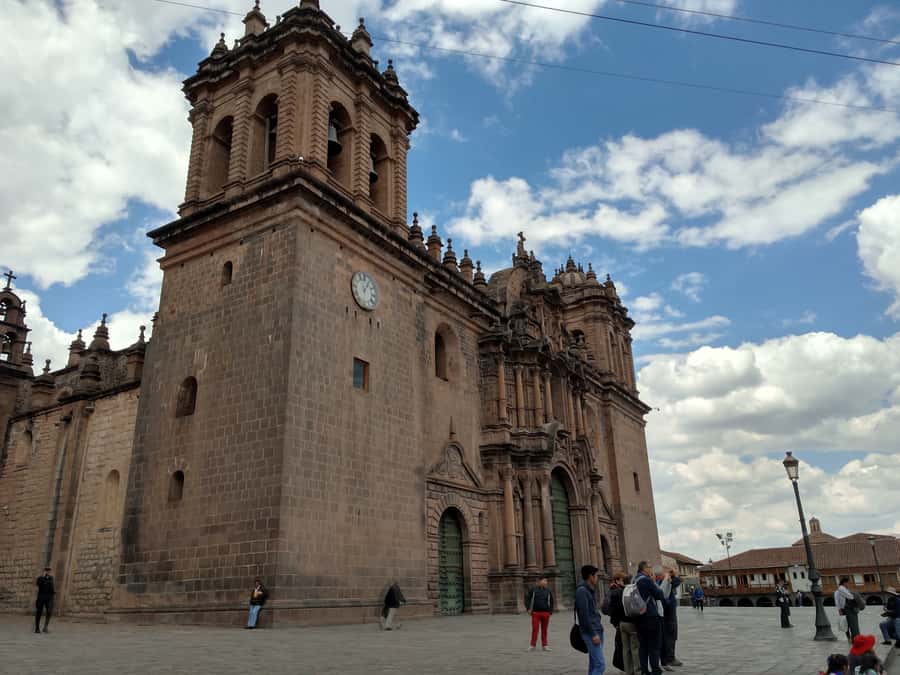
You’ll also get help spotting the Inca and Spanish architecture connection. Even if you’re not visiting museums, street-level details—shapes, building language, and what survived through time—tend to make more sense when a guide points out what to notice.
You can also read our reviews of more city tours in Cusco
Price and value: why $15 is more than just a cheap ticket
At $15 per person, the value comes from what’s included. You get tourist transportation, a professional tourist guide, and guided time on the sites for about 5 hours, plus 24/7 assistance from the agency.
What’s not included matters for planning. You’ll likely need to budget for entrance tickets (not included), plus meals, beverages, and snacks. That means the $15 is the base price for the tour experience, while your total day cost depends on what you spend at each site and how long you choose to refuel.
If you want the practical takeaway: this is a good pick when you want guidance and a ride between sites, but you still control your own spending on food and entry fees.
Pickup and getting started at Plaza de Armas (and back again)
You’ll have 2 pickup location options, including Plaza De Armas, Cusco. The tour also states that pickup is included from your hotel, with a collection schedule provided. If you prefer a simpler meet-up, you can coordinate from a neutral point and align schedules with the provider.
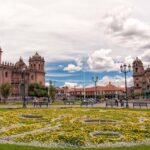
You’ll start in Cusco, then return to finish at Cuzco Main Square. That’s convenient because it gives you a known landing spot for dinner, a rest break, or catching another activity right after.
Also keep in mind the rules that affect day comfort: luggage or large bags are not allowed. Plan on bringing what you need for walking and cooling down, like a small daypack and a layer for the wind outside the city.
Sacsayhuamán: walking the three levels and reading the Inca’s power
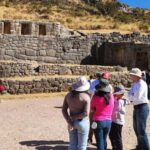
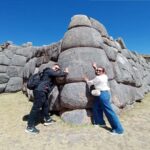
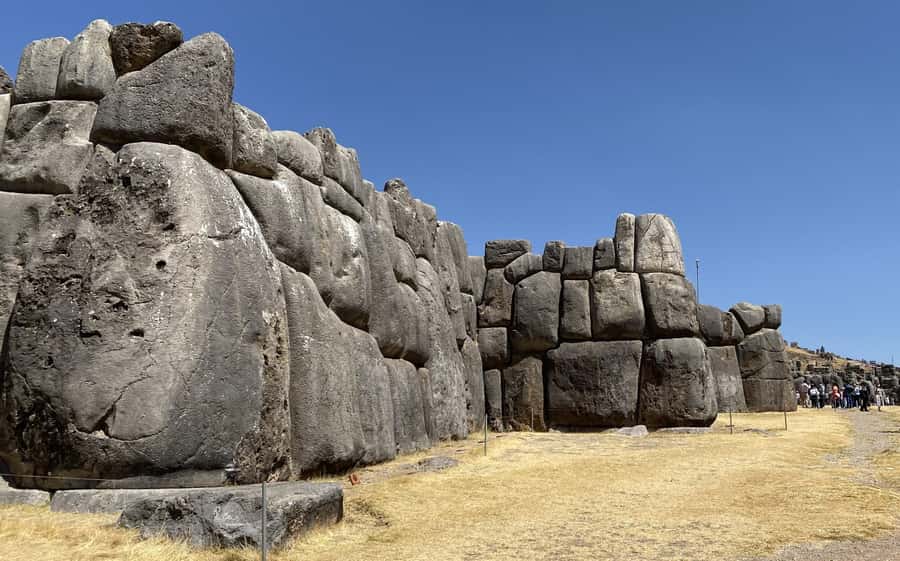
Sacsayhuamán is the first big emotional hit of the day. You leave the city to visit this ceremonial fortress set with dramatic stone work and views that make the Inca scale feel very real.
What I like most about this stop is the tour approach. You don’t just see a few walls and move on. You’ll tour the three levels of the site. In the upper part, you’ll focus on the bases of the great towers that once dominated Cusco. That detail matters because it changes how you interpret the place. Instead of “big rocks,” you start seeing structure, intention, and how the Inca designed space for presence and ceremony.
Practical note: Sacsayhuamán can involve uneven ground and steps. If you’re using walking poles, wearing grippy shoes, and keeping water handy, you’ll enjoy the explanations more instead of spending your energy on your footing.
Q’enqo (Qenqo): the Puma shrine and Pachamama altar context
Next comes Q’enqo, described as an ancient temple of the Puma. This stop feels more intimate than Sacsayhuamán, and that’s the point. The Inca didn’t build only for spectacle—they also built for ritual use.
You’ll learn what’s easy to miss when you’re standing in front of stone: what the shrine is tied to and what the space was used for. The tour mentions an altar inside the area connected to the Pachamama, with context around sacrifices.
A helpful way to experience this is to let your guide “translate” the stone. Look for the features that suggest ceremonial design rather than modern landscaping. When a guide ties those details to the Puma shrine story, the site stops feeling like a random ruin and starts feeling like a planned sacred space.


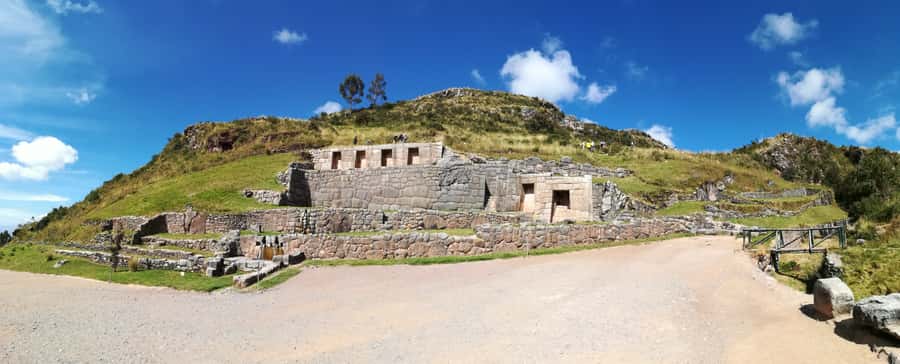
Tambomachay: water sources still tied to irrigation
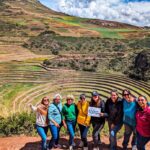
Then you’re at Tambomachay, framed as a monument of remarkable architectural excellence and one of the pillars of Andean cosmovision. That line is more than poetic language. In practice, it means you’re being asked to look at stone and water as one system, not two separate topics.
The tour highlights the spring water sources that still help irrigate the fields and terraces near Cusco. That’s a major reason this stop feels meaningful. It’s not just “old things from the past.” It’s a living relationship between landscape features, water flow, and agriculture—things the Andean world has treated with respect for a long time.
If you’re the type who likes to understand how places function, Tambomachay is a strong payoff. Even without technical details, you’ll come away with a clearer mental model for why water mattered so much.
Puca Pucará: the watchtower that explains the valley
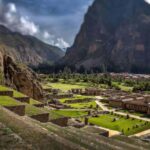
To close, you enter Puca Pucará, described as a strategic watchtower dominating the valley and the imperial city. This is where the tour often clicks for people who like to understand geography, power, and planning.
The value isn’t just the view. It’s what you learn to look for from that height: why this spot would have been useful for watching movement and controlling sightlines. When you can connect the position to the idea of defense, communication, or oversight, the day stops being a list of sites and becomes a coherent picture of how Cusco functioned.
Wear that last layer here if you need it. Even on a calm day, higher viewpoints can feel cooler, and you’ll likely linger a bit as the guide explains what you’re seeing.
How Cusco art and the Inca–Spanish mix show up on this route
This tour explicitly aims to help you understand the styles of Cusco art and the Inca and Spanish architecture contrast. While the stops are largely Inca, the guide’s job is to connect what you see outside the city with what survived or changed inside it.
Here’s what to do as you go: treat architecture like a clue. In Cusco, you’ll often notice where older stone logic meets later building habits. That includes changes in shape, building rhythm, and how spaces get used over time.
If you’ve been wondering how a city can hold both Inca and Spanish identities without feeling like two places, this is one of the best ways to get oriented. The tour makes the connections early, then reinforces them when you leave the city and see how carefully the Inca shaped their ceremonial and strategic spaces.
What’s included (and what to plan for yourself)
Included:
- Tourist transportation
- Professional tourist guide
- Guided on the sites for about 5 hours
- Assistance from your agency 24/7
Not included:
- Entrance tickets
- Meals or beverages
- Snacks or other items
- Travel insurance
What to bring:
- Passport or ID card
Not allowed:
- Luggage or large bags
Languages:
- English and Spanish
This is a day where your own prep makes the difference. Bring your ID, bring a small bag you can manage on foot, and plan for buying snacks or a light meal since they aren’t included. If you’re traveling light, you’ll enjoy the tour more because you’re not thinking about where to store stuff.
Accessibility and who this tour fits best
This experience is not suitable for people with mobility impairments. The main reason is simple: the route includes major archaeological sites around Cusco that tend to involve walking on uneven ground and dealing with stairs or steep paths.
If you’re generally comfortable walking and you can handle some rough footing, you’ll probably enjoy it a lot. It’s also a good fit for:
- First-time visitors who want the core Cusco-area Inca landmarks
- Travelers who prefer guided context over reading on your own
- People trying to make the most of a short stay (because it’s 5 hours total)
If you need step-free access, you might want to look for an alternative format in Cusco that’s built around shorter, flatter stops.
Should you book this Cusco City Tour?
I’d book it if you want a structured, guided route through Cusco’s most important nearby Inca sites and you like the idea of learning what to notice rather than just taking photos. The combination of transport + professional guide + a focused 5-hour itinerary at $15 is hard to beat for value—especially because you’ll end back at Plaza de Armas with time to keep exploring.
Skip it if mobility is a challenge for you, or if you prefer fully self-paced visits where you control every minute. Also budget for entrance tickets and your own food, since those aren’t included.
If you want an efficient first taste of Cusco’s Inca roots and its Spanish-era city identity, this one is a smart way to spend your time.
FAQ
Where is pickup for the City Tour Cusco?
Pickup options include Plaza De Armas, Cusco, and the tour also states pickup is included from your hotel. A collection schedule is provided, and pickup can be coordinated from a neutral point.
How long is the tour?
The duration is 5 hours.
How much does the tour cost?
The price is $15 per person.
Is a guided tour included?
Yes. The tour includes a professional tourist guide and guided time on the sites for about 5 hours.
What languages are available for the guide?
The live tour guide is available in English and Spanish.
What’s not included in the price?
Entrance tickets, meals or beverages, snacks or other items, and travel insurance are not included.
Do I need to bring identification?
Yes, you should bring a passport or ID card.
Are entrance tickets included?
No, entrance tickets are not included.
Can I bring luggage or large bags?
No. Luggage or large bags are not allowed.
Is this tour suitable for people with mobility impairments?
No, it is listed as not suitable for people with mobility impairments.