REVIEW · CUSCO
1 day excursion to Qeswachaka bridge and the 4 lagoons
Book on GetYourGuide →Operated by Journey Peru SAC · Bookable on GetYourGuide
A day trip that feels like Inca time travel. This outing links the Queswachaka bridge (the last Inca-origin suspension bridge) with the four Andean lagoons, so you get both cultural craft and real scenery in one long day. I love how the stops are timed for photos, with clear guide explanations at the bridge and at each lagoon.
One note before you book: you’re spending a lot of time on winding roads early in the morning, and the van can feel tight if you’re on the taller side or you’re sensitive to a bumpy drive.
In This Review
- Key Points to Know
- A Day from Cusco to Queswachaka and the Four Lagoons
- The 4:00 a.m. Pickup: Why the Rhythm Matters
- Cusipata Breakfast: A Real Fuel Stop, Not a Quick Token
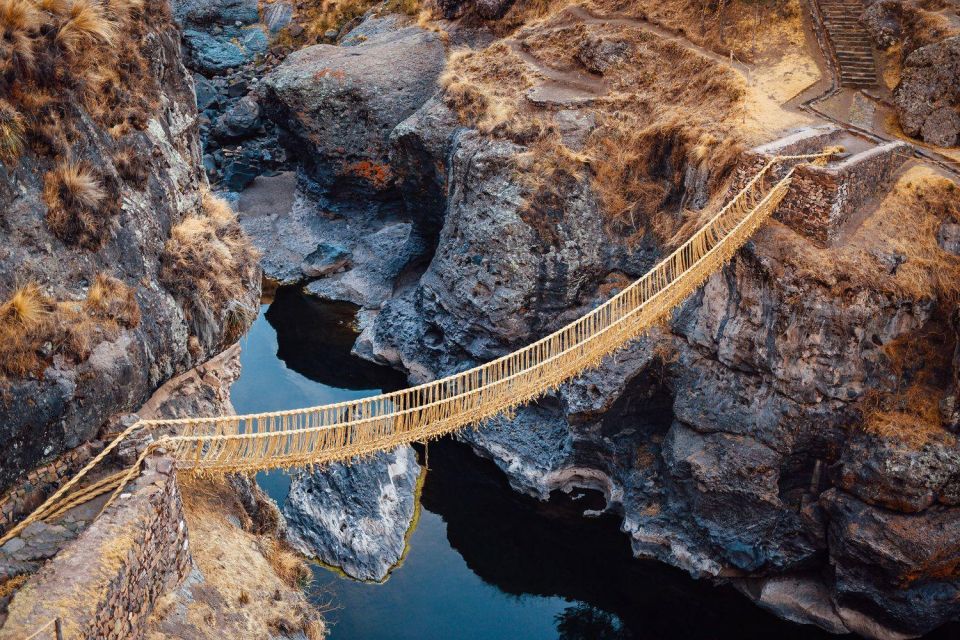
- Quehue and the Queswachaka Bridge: The Last Inca Suspension Bridge
- The one caution: bridge access can change
- Photo time is real time
- Pomacanchi Lagoon: Birds, Big Water, and a Slower Pace
- Acopia Lagoon: A Short Hop with a Different Feel
- Asnacocha Lagoon: Minerals in the Conversation
- Pampamarca Lagoon: The Scenic Wrap-Up Before Lunch
- A Boat Ride Moment (When Offered)
- Time in the Van: Comfort, Altitude, and Road Reality
- Bilingual Guidance: What You Gain by Listening
- Price and Value: Is $50 Fair for This Day?
- Who This Tour Suits Best (And Who Should Rethink It)
- Should You Book the Queswachaka and Four Lagoons Tour?
- FAQ
- What time is the hotel pickup in Cusco?
- What does the tour include in terms of meals?
- Where do the stops happen during the day?
- Is the Queswachaka bridge part of the tour?
- Are entrance fees included in the price?
- What languages is the guide available in?
- What should I bring?
- Is the tour suitable for wheelchair users or people with heart problems?
Key Points to Know
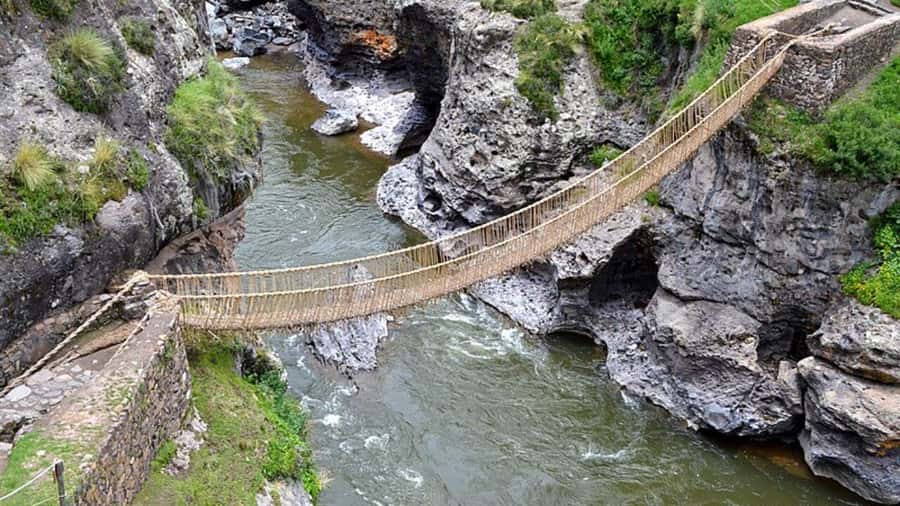
- Queswachaka bridge (Inca-origin suspension): the main event, with guided context and time for pictures at Quehue.
- Four lagoons in sequence: Pomacanchi, Acopia, Asnacocha, and Pampamarca, each with its own feel.
- Birdlife at Pomacanchi: the largest lagoon is a great place to slow down and scan the water and shore.
- Guides who explain while you go: bilingual guides share details on the bridge and what you’re seeing around the lagoons.
- Long day logistics: 4:00 a.m. pickup and a return around 18:00 means you’ll want a water-and-snack mindset.
A Day from Cusco to Queswachaka and the Four Lagoons
This trip is built for one thing: getting out of the Cusco basin early and into the high Andean scenery before your brain fully wakes up. Pickup is at 4:00 a.m. from hotels near the historic center, and then the day quickly becomes a mix of road time, short guided stops, and periods of standing still to look at water, birds, and stone-colored hills.
If you’re the type who likes travel that’s active but not exhausting (walk a bit, look a lot, take photos, listen), this works well. You also get built-in meals: a breakfast stop en route and a lunch back in Cusipata after the lagoon circuit. For a $50 per person day trip, that package value matters.
The biggest trade-off is the driving. Even without “extreme adventure” vibes, you’re on South Peru roads for hours—elevation included—and that can make the ride feel tougher than you expect.
You can also read our reviews of more tours and experiences in Cusco

The 4:00 a.m. Pickup: Why the Rhythm Matters
Starting at 4:00 a.m. isn’t just for schedule bragging. It’s what makes the itinerary possible—Cusco is relatively close, but the drive to Quehue and the lagoons takes real time. Going early also helps you avoid the most crowded moments at photo spots and gives you calmer light for the bridge.
Here’s what to plan for:
- You’ll likely have lots of seated time. If you’re tall, you might feel cramped.
- The road has turns and bumps. Even when the drive is handled well, you’re still on a mountain route.
So I treat this as a “prepared comfort” day: hydrate, bring layers, and don’t plan on feeling fresh until later. Once you’re at the lagoons, the early wake-up tends to pay you back fast.
Cusipata Breakfast: A Real Fuel Stop, Not a Quick Token
Your first real human moment comes in the village of Cusipata, where the plan includes breakfast before continuing south. This matters because you’re not just sightseeing—you’re doing a long day in high altitude conditions. You’ll want your energy up early, and a provided breakfast helps you avoid the classic mistake of starting dehydrated and hungry.
After breakfast, you continue toward Quehue, where the bridge is. Along the drive, the itinerary includes guided context stops—things like plant talks and small viewpoint moments. One traveler also noted extra explanations related to an Inca path and even a mini-volcanic feature, so your guide may include a few learning stops that aren’t obvious from a basic route description.
Quehue and the Queswachaka Bridge: The Last Inca Suspension Bridge
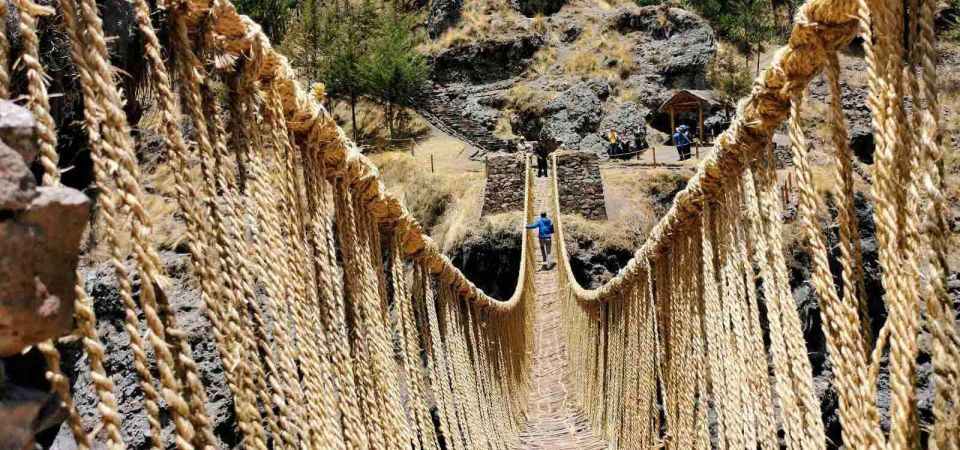
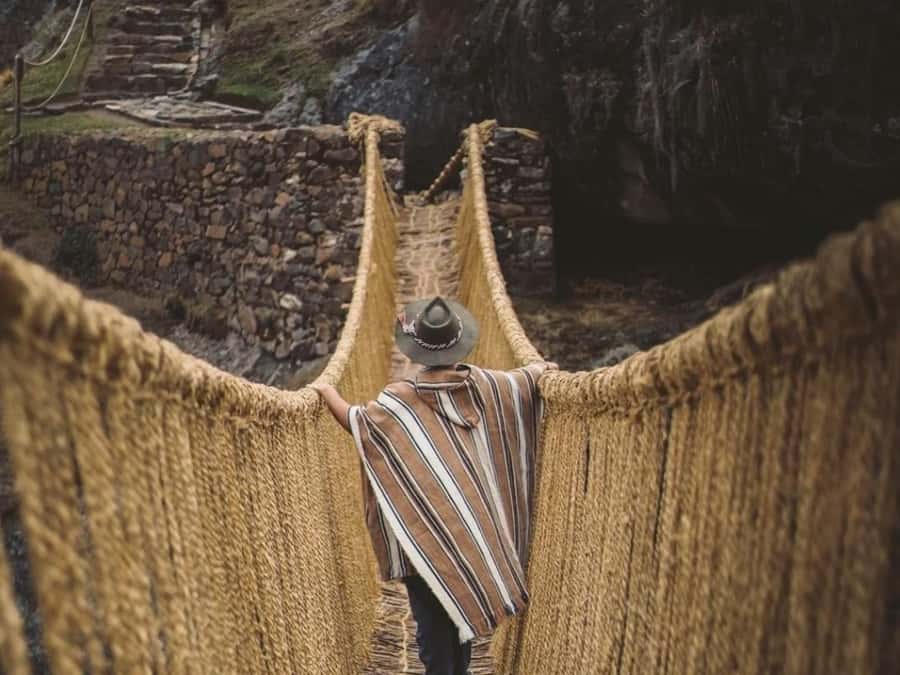
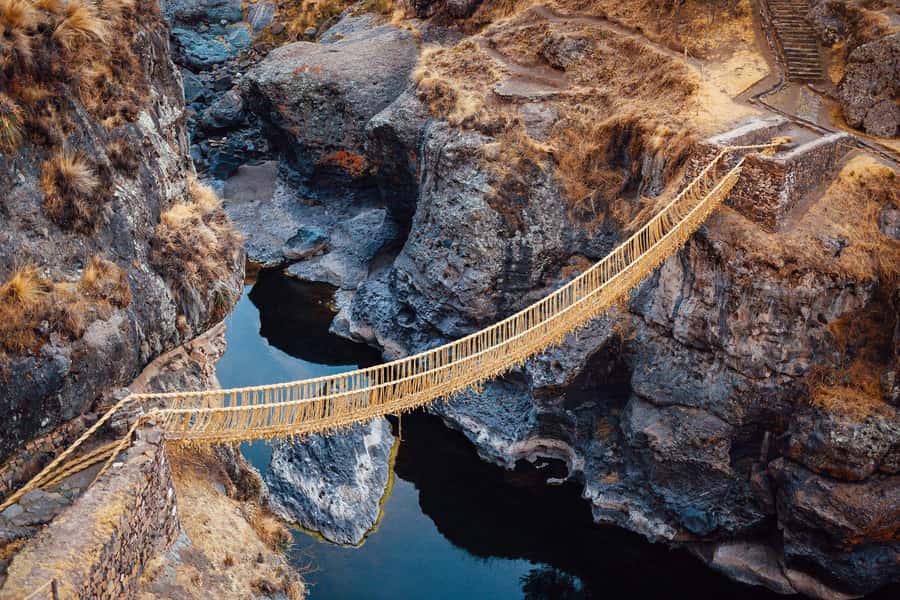
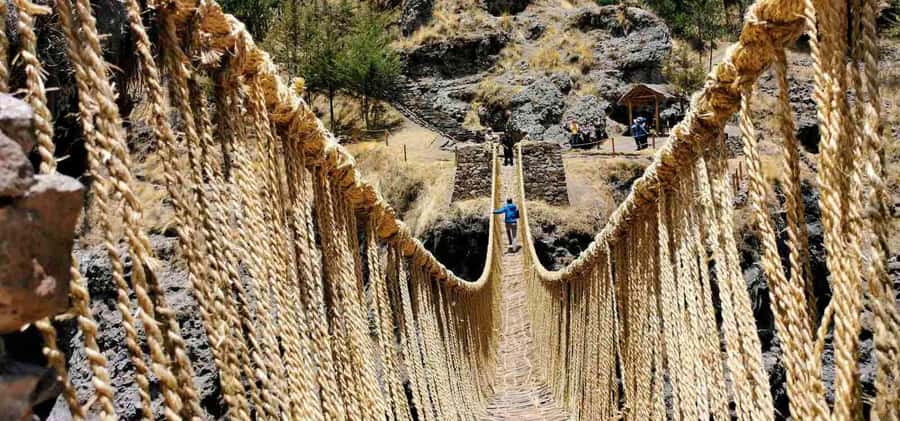
When you finally reach Quehue, the mood shifts. This is the part that makes the trip memorable: the Queswachaka bridge, an Inca-origin suspension bridge that locals maintain using traditional methods.
I like this stop because it’s not only about staring at the structure. A bilingual guide gives a brief explanation—so you understand what you’re looking at instead of treating it like just another photo backdrop. Guides may also point out details during the explanation, including how the bridge’s construction fits into local Inca heritage and the broader Andean culture of rebuilding and maintaining.
The one caution: bridge access can change
There’s a practical risk you should know. At least one departure had the bridge cut off and visitors could not cross because of timing around repairs; the bridge was expected to be rebuilt in June. That doesn’t mean this happens every time, but it does mean you should keep your expectations flexible. If crossing is a must for you, check details close to departure with the operator.



Photo time is real time
You’ll have time for pictures at the bridge. I suggest you use that window smart:
- Shoot a few wide photos first, then come back for close-ups.
- If the bridge is busy, take your time—most people rush and miss the best angles.
Pomacanchi Lagoon: Birds, Big Water, and a Slower Pace
From the bridge area, the day moves to the lagoons, starting with Pomacanchi Lagoon, described as the largest of the four. This lagoon is a great place to slow down, breathe, and let the surroundings do the work.
Why I’d prioritize Pomacanchi:
- It’s the first lagoon, so your senses are still fresh after the bridge.
- It’s where birdlife becomes a highlight—one traveler specifically noted a great variety of birds here.
If you enjoy quiet observation, this is your moment. Stand where you can see the shoreline and scan rather than just aiming your camera at the most obvious view. Birds can be quick, and the best moments are often the ones you notice first with your eyes, not your lens.
Acopia Lagoon: A Short Hop with a Different Feel
A few kilometers away sits Acopia Lagoon. This stop is less about a single dramatic feature and more about the cumulative effect of seeing multiple lagoons with slightly different tones and settings.
Even if your time here is shorter than the bigger lagoon, Acopia adds a pattern to the day: you’re not just looking at one lake—you’re learning how high Andean water behaves across a chain of basins. Your guide may point out changes you might otherwise miss, like how the water interacts with the land shape.
I find these “in-between” lagoon moments are often the most relaxing. You get to recharge while still feeling like the day is moving forward.
Asnacocha Lagoon: Minerals in the Conversation
Next comes Asnacocha Lagoon, noted as being rich in mineral resources. This matters because it’s one of the stops where the guide’s explanations help you understand why the lagoon looks and behaves the way it does.
If you’re the kind of traveler who likes a little science, this is where you’ll feel rewarded. Even without technical detail, “mineral-rich” is a cue that the lagoon environment has characteristics that connect to color, shoreline features, and how the water is part of the local ecology.
I’d treat Asnacocha as your “pay attention” lagoon stop. Listen closely during the guide’s short comments. You’ll get more out of the view when you know what you’re looking for.
Pampamarca Lagoon: The Scenic Wrap-Up Before Lunch
The final lagoon on the circuit is Pampamarca Lagoon, where you’ll spend time enjoying the natural environment before the day turns back toward food.
This stop is the end-of-lagoon stretch, so it works well for:
- the last big photo set
- a slow walk for perspective
- a quiet pause to compare what you saw at Pomacanchi, Acopia, and Asnacocha
Once the lagoon time ends, the plan continues back to Cusipata for lunch. You’ll likely be grateful—one of the best parts of this day trip is that lunch is included and has been described as very good by at least one traveler. On a long day like this, a decent meal is not a small detail. It’s what helps you enjoy the last leg back to Cusco.
A Boat Ride Moment (When Offered)
One traveler highlighted the boat ride as a must-do during their time on the lagoons. The route you’ll follow in this trip focuses on four lagoon visits, and boat time may be offered as part of the lagoon experience.
So here’s the practical advice: if your guide mentions a boat ride during the lagoon portion, ask when and how it fits. It’s often one of those “short, memorable” activities that turns a good scenery day into a great one.
If a boat ride isn’t offered on your specific departure, don’t assume you’re missing out entirely. The lagoons themselves are the core of the tour.
Time in the Van: Comfort, Altitude, and Road Reality
The trip is a classic Cusco-area distance day: scenic, but long. Reviews you’ll come across often mention two things—time spent driving and road conditions. Even when the driver and guide handle it well, the route includes elevation and lots of turns, and the van can be tight.
If you want to make the ride easier:
- Bring water and use it early, not just at the end.
- Wear layers. Mornings can feel colder than you expect.
- If you get motion discomfort, plan for it. Ginger, motion sickness meds (if you normally use them), and sitting in a better spot can help, but the key is being prepared.
This isn’t a walking-heavy hike tour. But it is a “respect the road” tour.
Bilingual Guidance: What You Gain by Listening
What makes this experience work best is the guide’s running commentary. The bridge stop includes explanation, and the lagoon visits come with guided interpretation too. One traveler even credited a guide named Roland/Ronald for giving lots of good information at the bridge and during intermediate stops—mini-vulkan, Inca path, plant details, and more.
That matters because Queswachaka and the lagoons can look similar at a glance, but they’re different places with different meanings. A bilingual guide helps you connect the structure to Inca tradition and the lagoons to the Andean environment.
Also, if you’re traveling alone, you may find the group dynamic supportive. One traveler specifically said the guide helped make sure everyone got photos and had a good time. That’s a small thing that can change your whole day.
Price and Value: Is $50 Fair for This Day?
At $50 per person, the value here is not just the bridge and the lagoons. It’s what’s included:
- hotel pickup near the historic center of Cusco
- transportation
- bilingual guide
- breakfast and lunch
Entrance fees aren’t included, and food beyond the stated meals isn’t part of the package. Still, compared to paying separately for guide + transport + meals, this can be a fair deal—especially if you want a smooth, guided route without having to plan buses and timing yourself.
So I’d think of it this way: you’re paying to buy time and certainty. In a day trip like this, that’s worth something.
Who This Tour Suits Best (And Who Should Rethink It)
This tour fits best if you:
- want the Queswachaka bridge without arranging complicated local transport
- enjoy nature stops where you can take photos and listen to guided explanations
- don’t mind an early start and a long car day
It may not suit you if you:
- are pregnant, have heart problems, or use a wheelchair
- need very long periods of comfort while sitting
- get easily worn out by bumpy mountain driving
If you’re okay with those realities, you’ll likely feel like you got a lot done for one day.
Should You Book the Queswachaka and Four Lagoons Tour?
I’d book this if you’re visiting Cusco and you want one structured day that delivers both culture and nature: an Inca-origin suspension bridge plus a full sequence of four Andean lagoons. The included meals and bilingual guidance make it easier to enjoy, and the bridge time is built for photos.
But decide carefully if crossing the bridge is your top goal. Since bridge access can be affected by repair schedules, you should keep expectations flexible. If you’re sensitive to long, winding drives—especially if you’re taller—consider whether you can comfortably handle the van ride before you commit.
FAQ
What time is the hotel pickup in Cusco?
Pickup is at 4:00 a.m. from your hotel near the historical center of Cusco.
What does the tour include in terms of meals?
Breakfast is included, and lunch is included as well (served in Cusipata after the guided lagoon visits).
Where do the stops happen during the day?
The route includes Cusipata for breakfast, Quehue for the Queswachaka bridge, visits to Pomacanchi Lagoon, Acopia Lagoon, Asnacocha Lagoon, and Pampamarca Lagoon, then back to Cusipata for lunch before returning to Cusco.
Is the Queswachaka bridge part of the tour?
Yes. The itinerary includes time at Quehue to observe the Queswachaka bridge and take photos, with a brief guide explanation.
Are entrance fees included in the price?
No. Entrance fees are not included.
What languages is the guide available in?
The tour provides a live bilingual guide in English and Spanish.
What should I bring?
Bring a passport or ID card, sunglasses, a sun hat, a camera, sunscreen, and water.
Is the tour suitable for wheelchair users or people with heart problems?
No. It is not suitable for pregnant women, people with heart problems, or wheelchair users.