REVIEW · CUSCO
Ayahuasca Ceremony 1 Day in Cusco
Book on GetYourGuide →Operated by World Explorer Peru · Bookable on GetYourGuide
A short, remote night near Cusco can change your tempo. This San Pedro Wachuma ceremony focuses on Connect – Heal – Release, using fire, cleansing work, and guided meditation. I like the close-to-town convenience (about 15 minutes from Cusco), and I also like the way Maestro Luis runs the experience with his wife close by. One consideration: this is still a medicine night, so you need to follow the diet rules and be ready for subtle perception shifts.
The setup is designed to keep you feeling present. You start with fire, black tobacco cleansing, and flowery water, then you drink Wachuma and settle into an opening ceremony. Effects are described as subtle and lasting about 5 to 7 hours, stopping around midnight, with no loss of consciousness promised. If you expect a big, flashy spectacle, this is more about calm integration than spectacle.
In This Review
- Quick hits you’ll care about
- San Pedro Wachuma, not classic ayahuasca: what you’re actually booking
- Maestro Luis and the vibe: safety, tradition, and a human touch
- Cusco to Pisac: how the day is paced before the ceremony
- From fire to cleansing: what happens before you drink Wachuma
- The medicine window: subtle altered states, music, and staying grounded
- Connect, Heal, Release: the 4-element energy work and integration goal
- The preparation that makes or breaks the night (diet, rest, and packing)
- Who should book this medicine retreat in Cusco, and who should skip it
- Price and value: what $380 covers (and what to confirm)
- Should you book this Cusco San Pedro ceremony?
- FAQ
- Is pickup in Cusco included?
- What medicine is used in the ceremony?
- How long does the medicine experience last?
- Is the group small?
- What should I do before the San Pedro Wachuma ceremony?
- What should I bring?
- Who is this not suitable for?
Quick hits you’ll care about
- Maestro Luis leads the ceremony: many people highlight his role and the traditional feel.
- Small group size (up to 10 participants): you’re not lost in a crowd.
- Cleansing includes 4 elements: earth, fire, air, and water work are part of the energetic routine.
- Time on the medicine is planned: you drink after preparation, then altered states are described as subtle for several hours.
- You get transport plus lodging: round-trip private transport Cusco–Pisac, 1 night rustic lodging, and breakfast are included.
- You must diet ahead: avoid meat and alcohol; the prep is treated as essential for digestion and the ceremony experience.
San Pedro Wachuma, not classic ayahuasca: what you’re actually booking
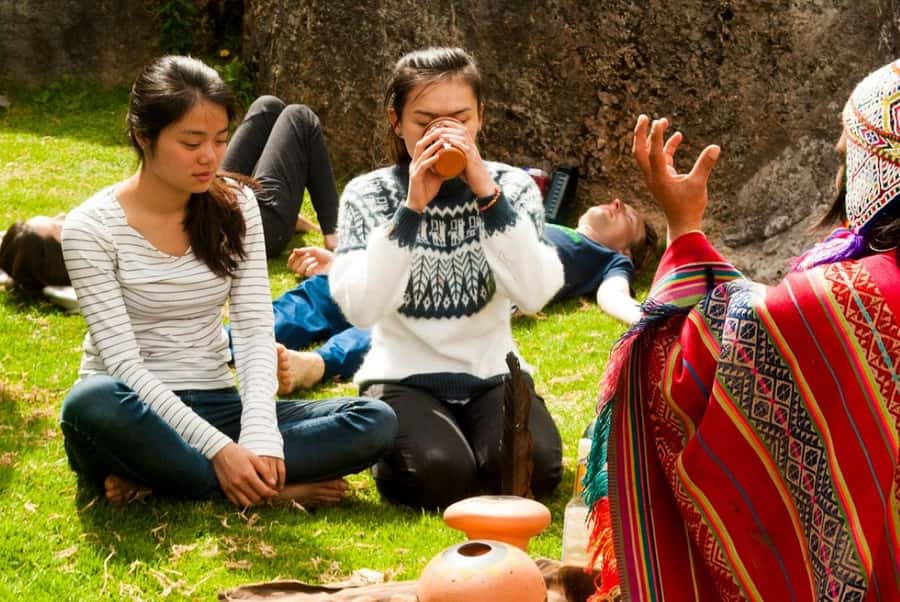
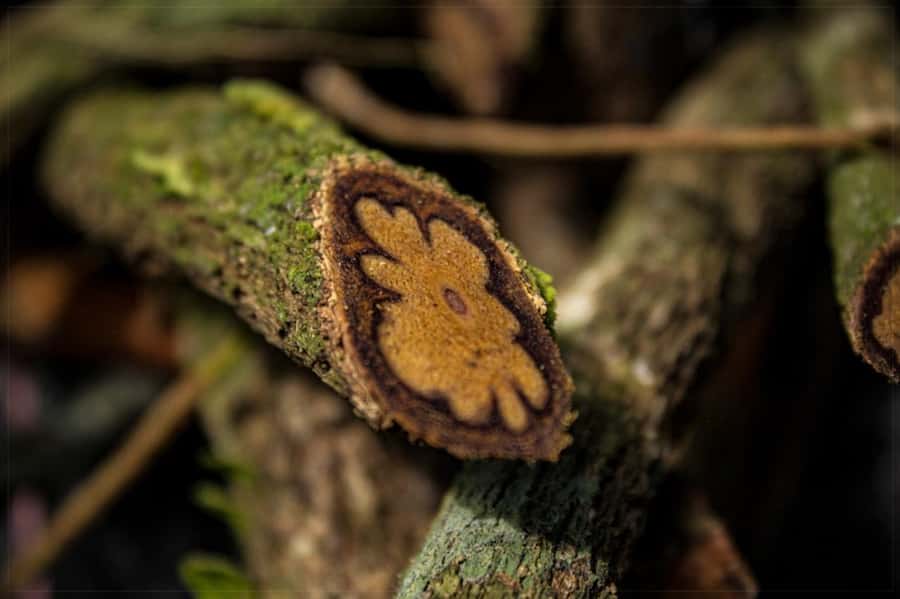
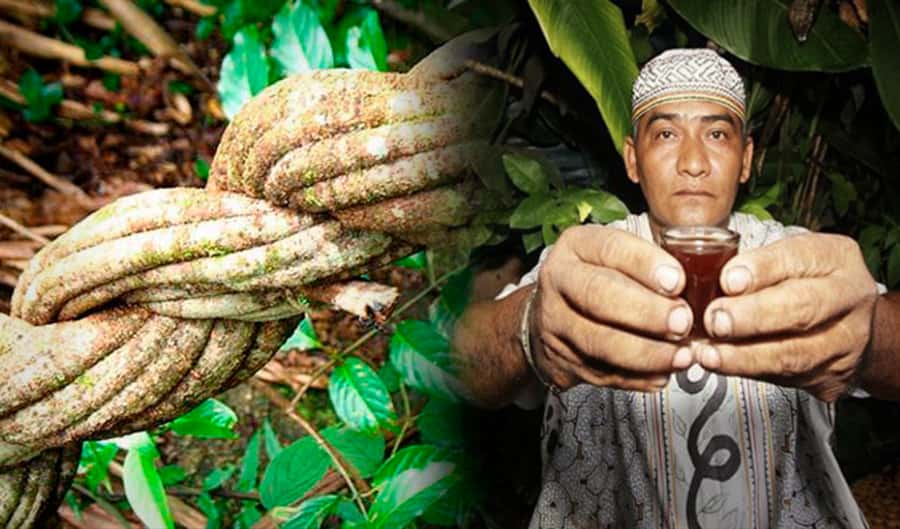
First, a naming heads-up. The experience is marketed with an Ayahuasca label, but the medicine used here is San Pedro (Wachuma). That matters because the way they describe the effects is different than what most people associate with ayahuasca.
Wachuma is framed as a cactus medicine with a mescaline connection (listed as a natural concoction of mescaline). Instead of a loud, chaotic trip, the goal is described as quiet, relaxing rest, mostly felt in the physical-emotional body. They also emphasize that consciousness is not lost, and that the altered-state period is planned to last from roughly the first hours after drinking until about midnight.
So if your real interest is a guided, fire-and-music ceremony using Wachuma, you’re in the right place. If you’re chasing a very specific ayahuasca-style effect pattern, you should ask questions before booking.
You can also read our reviews of more tours and experiences in Cusco
Maestro Luis and the vibe: safety, tradition, and a human touch
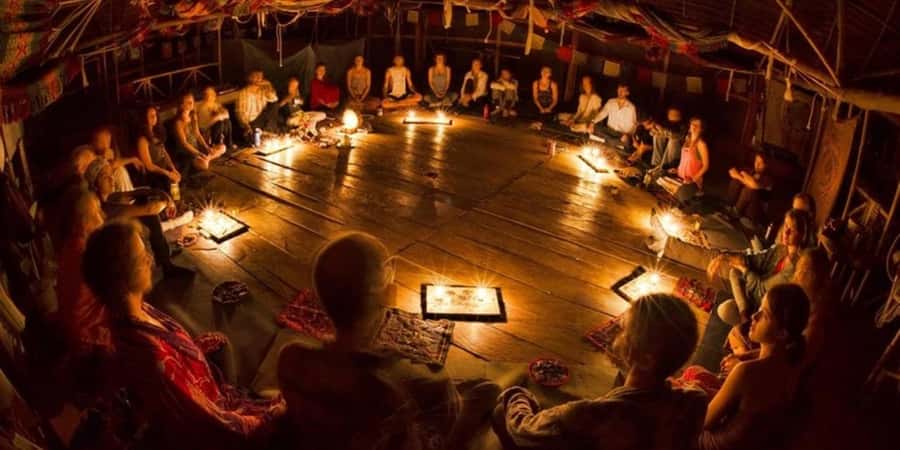
One of the most praised aspects is the way Maestro Luis (and his wife) show up from the first moment. The tone in the provided feedback is consistent: easy pickup, clear guidance, and a feeling of being handled by people who genuinely care about your experience.
That matters in Cusco region medicine work, because “medicine ceremony” can mean everything from carefully hosted rituals to chaotic group tourism. Here, the structure is spelled out: fire opening, cleansing, meditation, ancestral music, and time for integration at the end. A small group size (limited to 10) supports that hands-on feel.
You’ll also see practical boundaries. The rules explicitly forbid intoxication, alcohol, and drugs, plus smoking in the vehicle and smoking indoors. Those are not minor details. They’re part of how the environment stays calm and respectful, which makes the whole night easier to follow.
Cusco to Pisac: how the day is paced before the ceremony
The day starts with pickup in Cusco. You’ll have multiple pickup options (from areas like Plaza de Armas and Plaza de San Blas to places such as San Sebastian, Wanchaq, and even Alejandro Velasco Astete Airport). Transport is private and round-trip between Cusco and Pisac.
Then the plan shifts into a Pisac segment:
- A guided tour and walking time in Pisac
- A tea ceremony step
- Rustic lodging for 1 night
- A sunrise-themed finish is included in the overall itinerary structure
Here’s the practical takeaway: even if the experience is listed as about 7 hours, the included itinerary includes an overnight stay and a morning component. So I’d treat it as a full “day-and-night package” rather than a quick evening-only event. If you’re trying to stack other tours right afterward, leave buffer time.
Pisac also makes sense as a pre-ceremony space. It’s a change of pace from central Cusco, and you’ll likely have more room to slow down before the medicine portion begins.
From fire to cleansing: what happens before you drink Wachuma
The ceremony itself starts with fire. They light the fire first, then guide an energetic cleansing using black tobacco and flowery water. That sequence is more than ritual for ritual’s sake. It’s a way to shift your body from travel mode into ceremony mode.
After that, you prepare with a small meditation. This is followed by drinking the ancestral medicine Wachuma. They describe about 1 hour before the experience becomes noticeable, and they specifically say the altered states are subtle at first.
There’s a big emphasis on not forcing anything. Instead, the process is built around your senses adjusting gradually—perception of air and the environment shifts slightly—and then you move into the shamanic connection moment. At that point, the ceremony opens sacred space, and the meditation becomes guided by the same nature elements: fire and ancestral music.
In plain terms: you’re guided through a sequence designed to make the experience feel held, not thrown at you.
The medicine window: subtle altered states, music, and staying grounded
Once you drink, the focus is relaxation and presence. They describe the experience as altered states that can vary in intensity, but they also repeatedly frame it as not losing consciousness.
The plan is that the Wachuma effects last about 5 to 7 hours, continuing until around midnight. So you’re not dealing with a short, intense flash. You’re dealing with a longer settling-in period, where you may feel changes in perception and a stronger shift in how your body and emotions feel.
They also describe the guided part as spontaneous and natural. After you open your sacred space and share the meditation, the intention is that the meditation merges with the nature of the place and the shamanic process. That’s why they call out integration and unification—harmony where nature supports meditation, relaxation, and release.
If you’re the type who gets anxious about not controlling your mind, this structure can actually help. Because the ceremony is designed around stillness, listening to ancestral instruments, and staying within a known timeline. You know roughly when it begins, and you’re also guided through what to expect as it settles.
Connect, Heal, Release: the 4-element energy work and integration goal
This ceremony is organized around a clear intention: Connect – Heal – Release. The way they describe it, the energetic cleaning ties into the four elements—earth, fire, air, and water—and the ritual and preparation are treated as closely linked to that energy work.
They also talk about releasing energy charges accumulated in the body. That’s a spiritual explanation, not something you can measure with a stopwatch. Still, it’s useful context for how you’re supposed to engage: don’t fight sensations, and don’t treat it like a puzzle. The aim is to let the process move through you and then settle.
Another key idea is how the medicine supports stopping the daily habit of building and rebuilding thoughts. They describe it as helping your conscious mind relax and giving you more of a pause between thoughts, rather than endless mental motion.
After the experience, the “integration” part matters. The structure includes rest and relaxation until the ceremony window finishes around midnight, and the overall itinerary includes time for a next-morning rhythm in the Pisac portion of the plan.
If you like experiences that end with calmer living afterward (not just a story you tell), this emphasis on integration is a strong match.
The preparation that makes or breaks the night (diet, rest, and packing)
This part is where you can control your outcome most. The ceremony requires dietary preparation. It’s framed as necessary for proper reception, digestion, meditation, and rest.
What they advise:
- Start a diet at least 1 day before (ideally 3 days for better reception)
- Avoid eating meat of any kind
- If possible, don’t eat dinner the night before; instead, fruit is allowed
- Drink plenty of water, tea, or hot tea without sugar
- Avoid alcohol and other substances and strong drinks
- Rest the day before and avoid movements that create physical fatigue
That’s not just spiritual advice. It’s also practical body-management. Medicine nights can feel harsher when your digestion is working overtime.
After the ceremony, they recommend eating some fruit and drinking water before you return to lodging.
Now the packing list, also practical:
- Warm clothing (you’ll want it)
- Change of clothes
- Comfortable clothes
- Gloves, scarf, socks
- A sleeping bag
- A daypack
- Cash
- Camera
- Water is listed for bring, because water is not included
One more reality check: this is rustic lodging. So bring layers you can actually live in, not just what looks nice in photos.
Who should book this medicine retreat in Cusco, and who should skip it
This is a medicine-focused experience, so your health situation matters.
Not suitable for:
- Children under 9
- Pregnant women
- People with pre-existing medical conditions
Also, they explicitly prohibit intoxication, alcohol, drugs, and smoking indoors and in the vehicle. If you know you can’t follow those rules, skip it. The environment works because everyone agrees to the same boundaries.
Who it suits best:
- Adults who want a structured, traditional ceremony rather than a chaotic scene
- People who prefer a guided path with meditation, music, and a plan from fire to closing
- Travelers who like small groups and want a personal tone (limited to 10 participants)
If you’re traveling with tight time constraints and no room for an overnight rhythm, think carefully. This plan includes rustic lodging and a morning component.
Price and value: what $380 covers (and what to confirm)
The price is listed at $380 per group (with up to 1 participant shown in the price format). That suggests this isn’t a cheap, large-bus, mass-market add-on. It looks closer to a hosted package.
What’s included:
- Private transportation round trip (Cusco – Pisac)
- The SAN PEDRO WACHUMA ceremony
- The Wachuma drink/medicine
- 1 night of rustic lodging
- Natural breakfast
- Energetic cleaning work related to earth, fire, air, and water
- Ancestral music with traditional instruments
- Meditation
What’s not included:
- Water (you bring it)
- Travel insurance
- Personal equipment and anything not listed
From a value lens, the big weight is that it bundles transport, lodging, and the full ceremony hosting. If you were to pay those separately, the total would likely be higher. The small group cap also adds value because it supports a calm pace.
Booking notes are also traveler-friendly: free cancellation up to 24 hours in advance for a full refund, and reserve now & pay later. That’s handy if you’re managing altitude, weather, or other Cusco plans.
Should you book this Cusco San Pedro ceremony?
Book it if you want:
- A traditional Wachuma ceremony with fire cleansing, black tobacco, and ancestral music
- A small group setup where Maestro Luis leads and you feel guided through each step
- A pre-planned flow with preparation diet and a longer integration window until midnight
Skip it if:
- You can’t follow the diet and no-alcohol prep rules
- You have a pregnancy, child, or pre-existing medical condition risk
- You want a fast, no-lodging “one-hour experience”
- You’re expecting classic ayahuasca effects rather than San Pedro Wachuma’s described relaxation and subtle shift
If you do book, treat the diet and packing seriously. That’s where you’ll feel the biggest difference between a smooth night and a rough one.
FAQ
Is pickup in Cusco included?
Yes. You’re picked up from several Cusco-area locations (with multiple options listed) and transportation is included as a private round trip between Cusco and Pisac.
What medicine is used in the ceremony?
The ceremony uses San Pedro (Wachuma). Wachuma is described as the ancestral medicine you drink.
How long does the medicine experience last?
After you drink, the ceremony notes about altered states becoming noticeable in about 1 hour, and the effects of the Wachuma are described as lasting about 5 to 7 hours, until around midnight.
Is the group small?
Yes. It’s listed as a small group limited to 10 participants.
What should I do before the San Pedro Wachuma ceremony?
A diet is strongly recommended at least 1 day before (and ideally 3 days). Avoid meat, avoid alcohol and strong substances, and eat light (fruit is allowed). Also rest the day before to avoid fatigue.
What should I bring?
Bring warm clothing, a change of clothes, comfortable clothes, gloves, scarf, socks, a sleeping bag, a daypack, camera if you want, cash, and water (water isn’t included).
Who is this not suitable for?
It’s not suitable for children under 9, pregnant women, and people with pre-existing medical conditions.