REVIEW · CUSCO
From Cusco: Salkantay Trek to Machu Picchu 5D/4N or 4D/3N
Book on GetYourGuide →Operated by MACHU PICCHU JUNGLE · Bookable on GetYourGuide
Salkantay starts early and ends in a big wow. This trek links Humantay Lake’s bright turquoise views with a serious climb over Salkantay Pass, then finishes with a guided morning at Machu Picchu. I like the way the days are paced with clear climb/descend rhythms, plus the team handles cooking and hot drinks so you can focus on hiking and breathing. One consideration: the Machu Picchu ticket situation can affect what you pay and what circuit you get, so you’ll want to check circuits before you reserve.
The other thing I like is the crew. On the ground, you may meet guides like Fernandez, and you’ll also likely feel the work of Edgar in the kitchen and Eulogio helping you through the day. With that setup, the trek feels smoother than the usual just-take-a-spot-and-figure-it-out vibe. Still, this is a high-altitude walking itinerary, and you should take the preparation list seriously (shoes, rain gear, water, and sunscreen).
In This Review
- Key things that make this trek worth your attention
- Cusco start: a long early day, then your trail life
- What I’d watch for
- Humantay Lake day: the color payoff at 4,200 m
- Bring-smart tip
- Day 2 to Salkantay Pass: your big altitude test
- A realistic consideration
- Rainforest and waterfalls: Cocalmayo hot springs for recovery
- Why this day matters
- Llactapata and Hidroeléctrica: the Inca-flavored finish
- A logistics note that helps
- Machu Picchu morning: guided circuit time and the climb to the gate
- Know the ticket reality
- Meals, crew, and the little things that make trekking easier
- Who you might meet
- What you’ll pay for: value and the add-ons that matter
- Simple budget move
- Who this trek suits best
- Should you book this Salkantay to Machu Picchu trek?
- FAQ
- How early is pickup in Cusco?
- How many days is the trek, and what nights do they include?
- What is the highest point on the trek?
- Does the tour include a Machu Picchu guided visit?
- What Machu Picchu circuits are offered besides 2A/2B?
- What fees for Machu Picchu should I expect?
- Is Humantay Lake entrance included?
- Are meals included, and how many per day?
- What sleeping and gear support is included?
- What do I need to bring?
Key things that make this trek worth your attention
- Salkantay Pass at 4,630 m: the highest point, with a lake stop and huge mountain views.
- Humantay Lake at 4,200 m: a bright color payoff after a steady hike.
- Cocalmayo hot springs break: a real recovery moment in the rainforest section.
- Llactapata viewpoint on day 4: an archaeological stop overlooking Machu Picchu.
- Machu Picchu guided visit with circuits 2A or 2B: most popular full-route options.
- Support system for your load: a duffle bag up to 6 kilos carried by horse, plus chef-led meals.
Cusco start: a long early day, then your trail life
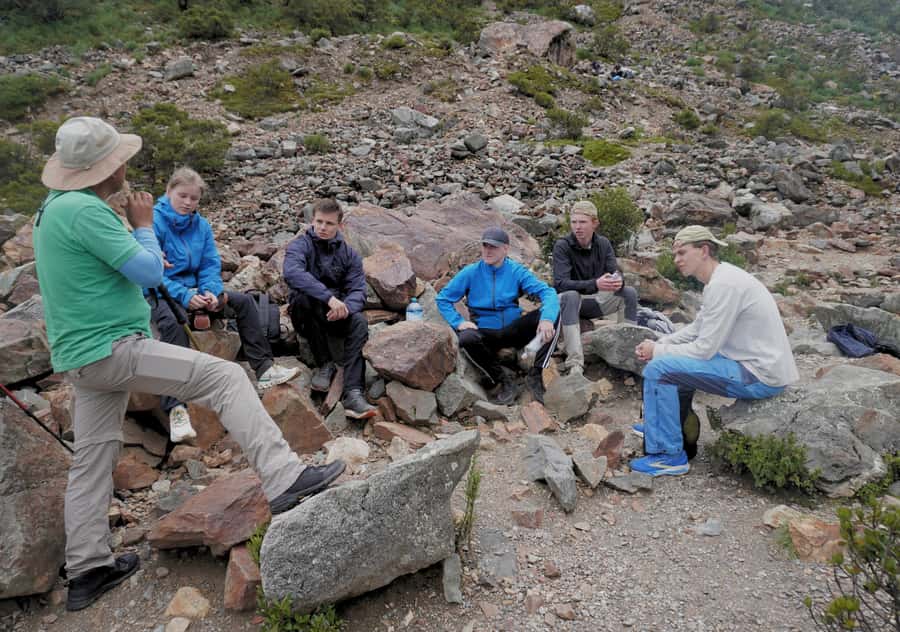
You start with an early pickup around 4:30 a.m., and that alone tells you what kind of trek this is. You’ll be on the move quickly, first with a scenic drive and a breakfast stop in the Cusipata area. The point is simple: you’ll spend less time sitting around Cusco and more time adjusting to altitude by hiking in the Andes rather than in a car.
A practical detail that matters: the crew organizes the basics before you arrive. You’ll get a briefing the day before at 6:00 p.m. at their office, and that’s when the Machu Picchu ticket payment step can come up depending on availability. If you like clarity, this is good. If you’re traveling on a tight schedule and hate waiting, build a little buffer for the briefing.
You can also read our reviews of more hiking tours in Cusco
What I’d watch for
Because pickup and drive times are early, plan to be rested and fed before your pickup. Also, keep your passport close. You’ll need it for processing Machu Picchu reservations, and they ask you to send it urgently.
Humantay Lake day: the color payoff at 4,200 m
Day one is all about altitude buildup and a view that feels almost too unreal. After the drive, you hike up toward Soraypampa (about 3,800 m). The pacing here is straightforward: walk for around 3 hours, enjoy lunch, then continue another 2 hours to Laguna Humantay (about 4,200 m).
Humantay Lake is famous for its vivid turquoise look, but the real value is how you earn it. You’re not just taking a photo from a bus stop. You climb, you pause, you take it in at a high altitude, and you feel that thin-air sense of accomplishment.
Then the day keeps going. After the lake, you hike for about 2 more hours to reach the campsite. You’ll finish with dinner under the stars, and the rhythm here matters: early start, real climb, and a controlled landing at a campsite where the rest of the trek can begin again tomorrow.
Bring-smart tip
At this elevation, conditions can shift fast. You’ll want rain gear and sunscreen even if the morning looks clear.
Day 2 to Salkantay Pass: your big altitude test
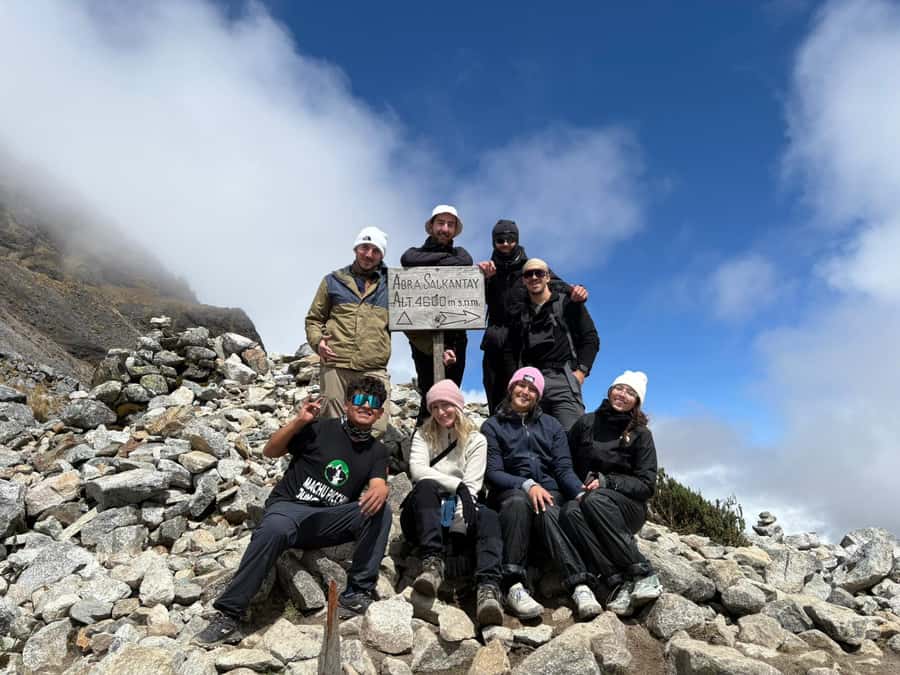
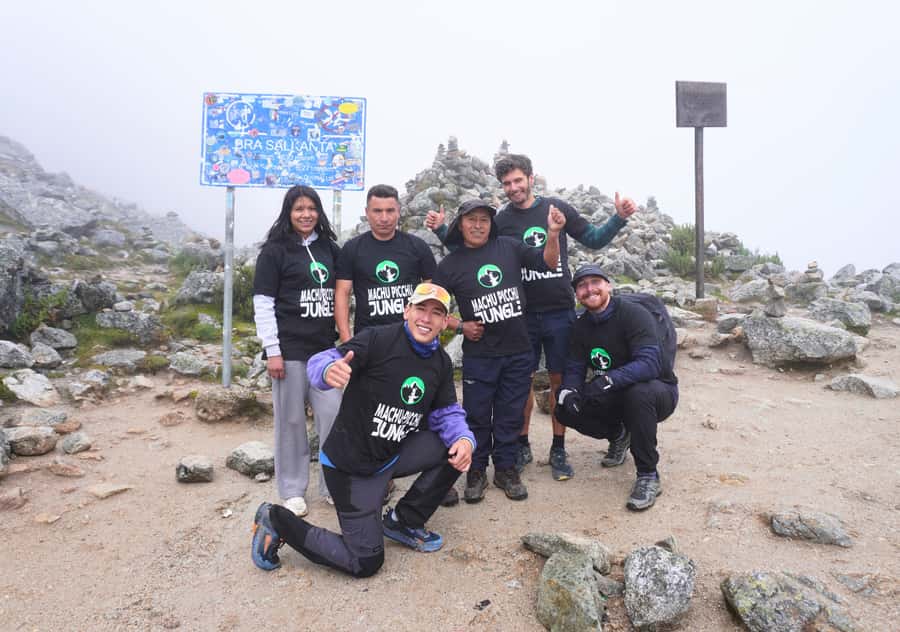
Day two is the day people remember. You wake with coca tea (at camp), and then you head out for a hike of about 3 hours to Salkantay Pass (4,630 m). That climb is not the place for shortcuts. The best move is steady steps and controlled breathing.
At the pass, you get major views and a stop at a nearby lake before the descent begins. After that, the trail turns into a long workday: you descend for about 3 hours to Wayracmachay for lunch, then continue descending roughly 3 more hours until you reach camp at Chayllay or Collpapampa (around 2,770 m).
This pattern is common on Salkantay treks, but what’s good here is that it’s clearly structured. You’re not guessing when the food stop happens, and you’re not dragging yourself through uncertainty on a mountain schedule.
A realistic consideration
If you’re sensitive to altitude, you’ll feel the pass and the early mornings. I’d treat this as a “slow is fast” day. Also, keep your water routine consistent even when it’s cold.
Rainforest and waterfalls: Cocalmayo hot springs for recovery
On day three, the trek changes mood. You walk through the rainforest section near Santa Teresa. Expect wooden bridges, waterfalls, and the kind of lush farm-side plants you don’t see on the high ridges. The route also passes areas with bananas, passion fruit, and avocados, which makes the change in altitude and climate feel real.
You reach La Playa where you eat a buffet lunch. Then you get a key moment for your planning: this is where the 4-day hikers wrap up, so you’ll likely see the group change before you continue.
Afternoon is for recovery. You can visit Cocalmayo hot springs (included for 5-day passengers, with an entrance fee mentioned in the details), or you can simply rest at camp. Then dinner follows with a group bonfire, and you head back to your room to rest.
Why this day matters
The trek isn’t only about suffering. Hot springs here aren’t a random add-on. They’re a practical reset after a pass day and a long descent. If your calves are tight, this is the moment to actually use the break.
Llactapata and Hidroeléctrica: the Inca-flavored finish
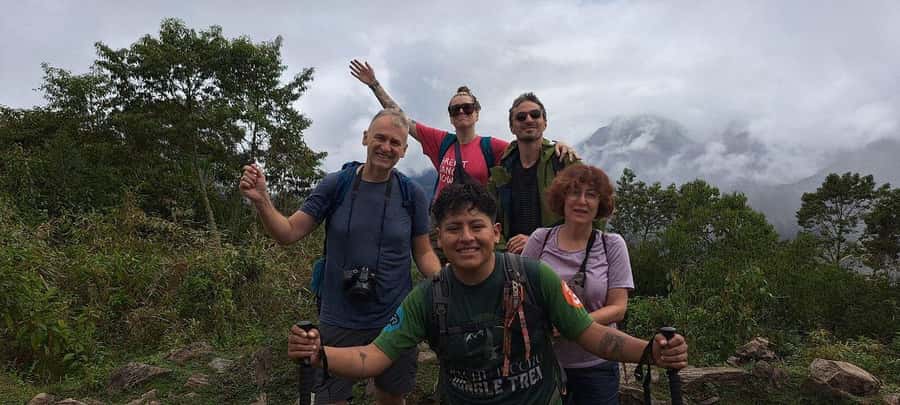
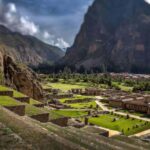
Day four moves you from lush hiking to archaeological vibes and river valley logistics. Breakfast fuels you, then you follow part of the original Inca Trail. There’s a climb of about 2 hours to Llactapata (around 2,700 m), an archaeological site that looks out toward Machu Picchu.
Llactapata isn’t Machu Picchu, but it adds something valuable: a different angle. You get that “I can see what I’m heading to” feeling before you reach the final town. That makes the next day’s guided tour feel more grounded.
After Llactapata, you descend about 2 hours to Hidroeléctrica for lunch. Then you walk toward Aguas Calientes, where you check into your accommodation. Dinner with the group is scheduled for 7:00 p.m.
A logistics note that helps
Aguas Calientes is where your Machu Picchu day begins. So day four is about reducing stress. Keep your evening calm, pack what you’ll need for an early start, and be ready for stairs in the morning.
Machu Picchu morning: guided circuit time and the climb to the gate
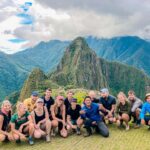
Day five is the big one: Machu Picchu. You’ll have early breakfast, then climb stairs for about 1 hour to reach the main gate, arriving around 6:30 a.m. Timing matters here. Early entry helps you beat crowds and gives you better light for photos.
From there, you’ll get a 2.5-hour guided tour. The tour includes Machu Picchu with circuit 2A or 2B (full visit, the most popular options). Circuit choice matters a lot for what you see. If you end up on a different circuit:
- 2A/2B: full visit
- 3B: lower stop plus middle viewpoint and sacred temples
- 1B: upper terrace, classic photo angle
After the guided portion, you descend and return based on your reserved transfer timing. By car, returns run 6:00 a.m. to 9:00 a.m. at the latest. By train, you choose your time, then take a local car back to Cusco.
Know the ticket reality
The experience includes Machu Picchu entrance by reservation, with payment handled at the briefing (noted as PEN 152.00 later). But if tickets aren’t available on the government website, you may need to bring USD$40 or PEN 152.00 to buy in Aguas Calientes. This isn’t a tiny detail. It’s the main variable in your cost and schedule.
Meals, crew, and the little things that make trekking easier
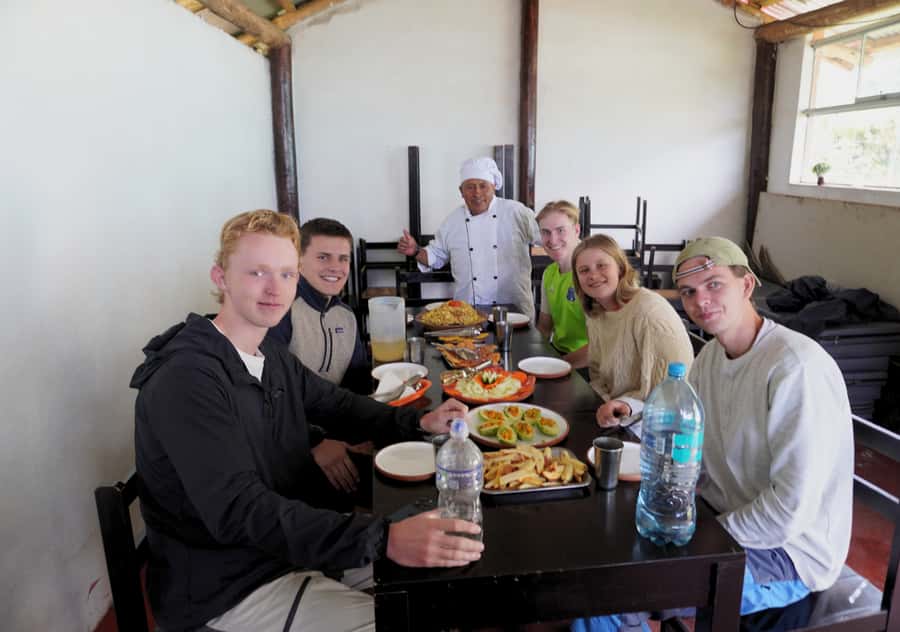
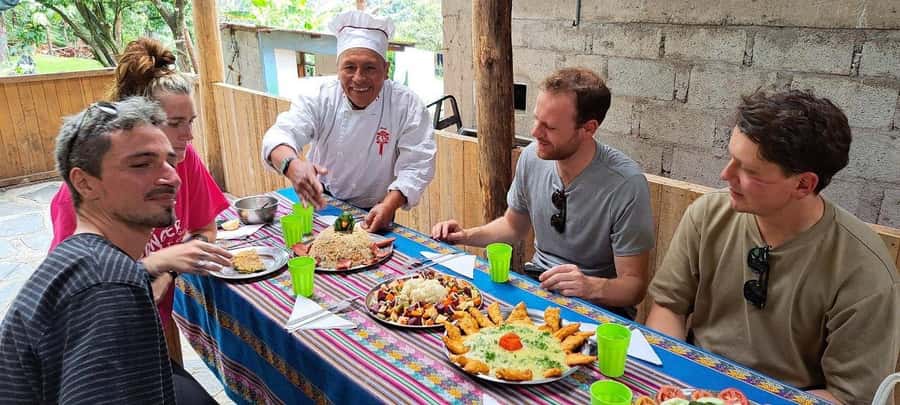
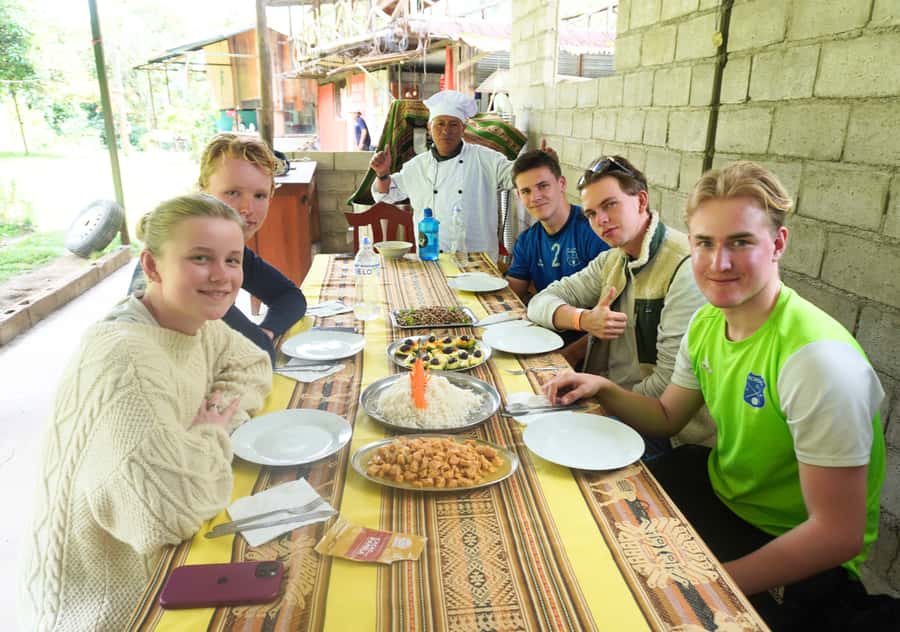
This trek is built around food and support, not just walking time. You’ll get chef-led meals with cooking equipment, plus multiple tea breaks in the afternoons (popcorn, cookies, chocolate, and coffee are listed). Morning wake-up includes coca tea at camp.
Meal counts are different depending on whether you choose the 5-day or 4-day version:
- 5 days: 4 breakfasts, 4 lunches, 4 dinners
- 4 days: 3 breakfasts, 3 lunches, 3 dinners
Cabins are used for nights on the trekking portion, and then there’s 1 night in a hotel in Aguas Calientes.
One small but meaningful advantage: your duffle bag can be carried up to 6 kilos by horse, and cooking gear can also be moved. This reduces the weight you personally carry, which helps when you’re dealing with both altitude and long descents.
Who you might meet
From a recent verified booking, the guide experience can be excellent. You may travel with someone like Fernandez, and the kitchen team like Edgar and helper Eulogio can make the daily routine feel organized and kind. Even if you never meet them, the fact that the operation is built around a real chef and support staff changes the whole feel of the trek.
What you’ll pay for: value and the add-ons that matter
The price listed is $50 per person, but your total trip cost can rise once you factor in the fees that are not included.
Here’s what’s typically on top, based on the details provided:
- Humantay Lake entrance: PEN 20.00 per person
- Machu Picchu entrance fee (or Wayna Picchu, if you choose it): USD 60.00 per person is noted as an entrance fee
- Bus up and down from Aguas Calientes: US$12 up + US$12 down
- Sleeping bag rental: USD$15 for the whole trip
- Trekking poles rental: USD$10 for the whole trip
- Hot springs: for 5-day passengers, entrance is PEN 10.00 and transportation depends on group size
- Bag transfer from Lucmabamba to Aguas Calientes: luggage transport is not included (you can carry it yourself or use car transport)
So is it good value? In my opinion, the trek is good value if you treat the extra fees as part of the planning and not as surprises. You’re getting a guided pass-to-Machu Picchu route with meals, a chef setup, hotel night in Aguas Calientes, and a guided Machu Picchu visit with circuits 2A/2B. Many “cheap” treks cut on the guide or food. This one explicitly includes a professional guide and cooking.
Simple budget move
Before you pay anything, ask what your Machu Picchu ticket path looks like (available now vs purchase in Aguas Calientes) and confirm your intended circuit. That one question can prevent an awkward scramble.
Who this trek suits best
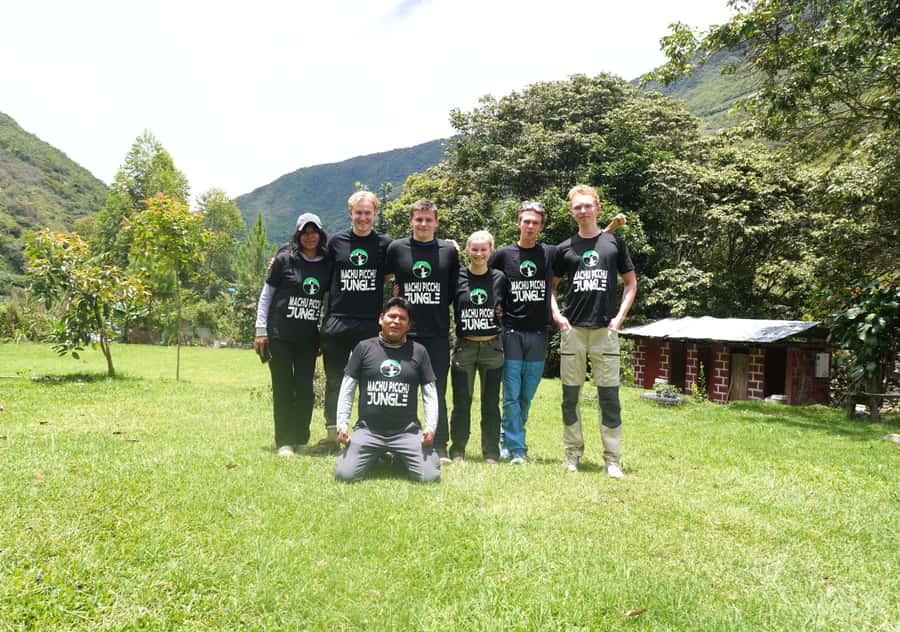
This is ideal if you want a structured hiking experience with real meals and support, and you’re comfortable walking several days at altitude. It’s also a good fit if you care about the full arc: high ridges, rainforest transitions, hot springs, and then Machu Picchu guided time.
If you’re looking for a fully relaxed vacation with zero discomfort, this probably won’t feel like that. But if you want an authentic walking route with well-run logistics, it hits a sweet spot.
Should you book this Salkantay to Machu Picchu trek?
Book it if you want the “whole storyline”: Humantay Lake, a real high-point challenge at 4,630 m, rainforest breaks with Cocalmayo hot springs, and a guided Machu Picchu morning on circuits 2A or 2B.
Hold off or ask tough questions first if you’re traveling around Machu Picchu ticket constraints. Send your passport as requested, check which Machu Picchu circuit you’ll actually get, and plan for possible extra fees like buses, Humantay entrance, and hot springs transport.
FAQ
How early is pickup in Cusco?
Pickup is scheduled for 4:30 a.m. on the first day.
How many days is the trek, and what nights do they include?
You can choose 4D/3N or 5D/4N, with cabins on the trekking portion and 1 hotel night in Aguas Calientes.
What is the highest point on the trek?
The highest point is Salkantay Pass at about 4,630 m.
Does the tour include a Machu Picchu guided visit?
Yes. The Machu Picchu visit includes a guided tour with circuit 2A or 2B.
What Machu Picchu circuits are offered besides 2A/2B?
The available circuit options listed are 2A or 2B (full visit), 3B (lower stop, middle viewpoint, sacred temples), and 1B (upper terrace, classic photo).
What fees for Machu Picchu should I expect?
Machu Picchu entrance is reserved and you’re required to pay PEN 152.00 later at the briefing. If tickets aren’t available on the government website, you may need USD$40 or PEN 152.00 to purchase in Aguas Calientes. Bus tickets up and down from Aguas Calientes are not included.
Is Humantay Lake entrance included?
No. Humantay Lake entrance is PEN 20.00 per person.
Are meals included, and how many per day?
Yes. For 5 days, there are 4 breakfasts, 4 lunches, and 4 dinners. For 4 days, there are 3 breakfasts, 3 lunches, and 3 dinners. Vegetarian and vegan options are available at no extra charge.
What sleeping and gear support is included?
Cabins are included for the trekking nights, and there is a hotel night in Aguas Calientes. A sleeping bag rental (USD$15) and trekking poles rental (USD$10) are listed as not included.
What do I need to bring?
You’ll want your passport, comfortable shoes, a hat, camera, sunscreen, water, rain gear, and comfortable clothes.