REVIEW · PUNO
Floating Islands of the Uros
Book on GetYourGuide →Operated by Titicaca Travel Peru · Bookable on GetYourGuide
One boat ride and suddenly you’re walking on reeds. The Floating Islands of the Uros are a strange, smart solution to living on Lake Titicaca, and a guided visit helps you see what that means day to day. I especially liked the chance to watch men and women at work—builders with totora-raft skills and women with embroidery—and the way guides help you say a few Aymara words before you talk with islanders. One possible drawback: it’s a short tour, so you’ll get a taste, not a full day of culture.
The best part is how close everything feels. You’re not just looking at homes from a distance; you explore islands, hear about traditions, and interact with residents in the place itself. In past groups, I’ve seen guides like Roly and Freddy bring the history and the present life together, and even swap smoothly between languages so you’re not lost. The other thing to consider is that the totora reed raft ride usually isn’t included, so you may want to plan a little extra if you want the full lake-experience.
In This Review
- Key Highlights You’ll Care About
- Floating Reed Homes on Lake Titicaca: Why This Visit Feels Different
- Getting From Puno to the Uros Islands (and What the Timing Means)
- Inside the Uros Islands: The Reed-Life You’ll Actually See
- Aymara Language and Greeting Moments That Make the Tour Human
- Meet the People: Builders, Embroiderers, and Welcome on the Reeds
- The Totora Reed Raft Ride: Included or Not, and How to Decide
- What the Tour Covers On-Site: Photo Stops, Guided Time, and Free Time
- Price and Value: What $7 Buys (and What Might Cost Extra)
- Practical Tips: What to Bring and How to Act on the Reeds
- Who Should Book This Uros Tour (and Who Might Want a Different Option)
- Should You Book the Floating Islands of the Uros Tour from Puno?
- FAQ
- How long is the Floating Islands of the Uros tour?
- Where does pickup happen?
- What does the $7 per person price include?
- Is the totora reed raft ride included?
- What languages is the guide?
- Is there free time on the islands?
- What should I bring?
- Is the tour wheelchair accessible?
- Can I cancel for a full refund?
Key Highlights You’ll Care About

- A guided peek inside reed-life: Explore how the Uros live on floating islands made from totora.
- Real conversation time: You’ll have a chance to interact with inhabitants, not just watch from your seat.
- Totora skills in action: Men focused on building and driving reed rafts; women known for embroidery.
- Aymara language moments: You may learn simple greetings before talking with people on the islands.
- Short and efficient from Puno: The whole outing is about 3 hours, with time on the islands.
Floating Reed Homes on Lake Titicaca: Why This Visit Feels Different

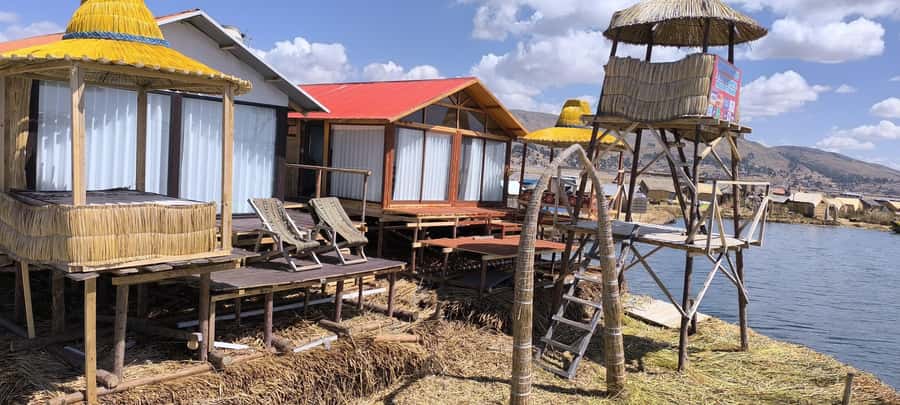
Lake Titicaca has a reputation for big scenery, but the Uros islands are different. Here the story isn’t just about a location—it’s about a way to survive and live. The Uros built a home system using totora reeds, creating floating islands that can be maintained and adapted over time. That’s what makes this stop more than a quick photo stop: you get to see how everyday life works in a floating reed world.
I love that the tour frames it as living culture, not a costume. When you meet residents and talk through a guide, you start to understand how skills like fishing and bird hunting connect to the environment. You also get a sense of the social rhythm—what people do, how roles are split, and how traditions are kept.
The second thing I like is the practical focus. Even when the guide talks about tradition, they keep landing on how people function here: making, maintaining, and using reeds and the lake for daily needs. That makes it easier to respect the place instead of turning it into a theme-park moment.
You can also read our reviews of more tours and experiences in Puno.

Getting From Puno to the Uros Islands (and What the Timing Means)
This is a very “Puno Bay” style day trip: you start in town, then you mix travel by road and water to reach the islands. Pickup is from downtown Puno, and you’ll be taken to Puno Port. From there, you head out by boat across the lake—then there’s more short transport back and forth once you’ve visited the islands.
Why that matters for you: it keeps the outing compact. The entire experience runs around 3 hours, which is ideal if you’re trying to fill a short window between other Puno plans (like a lake tour, dinner, or an early night). It’s also helpful if altitude is making you move slowly. You get a full activity without committing to a long day on the water.
You’ll also ride on a “normal boat” with comfortable seats, life jackets, and a first-aid kit on board. That means you’re not dealing with a tiny skiff for your whole time, and you can focus on the view and the guide’s talk instead of worrying about comfort.
Inside the Uros Islands: The Reed-Life You’ll Actually See
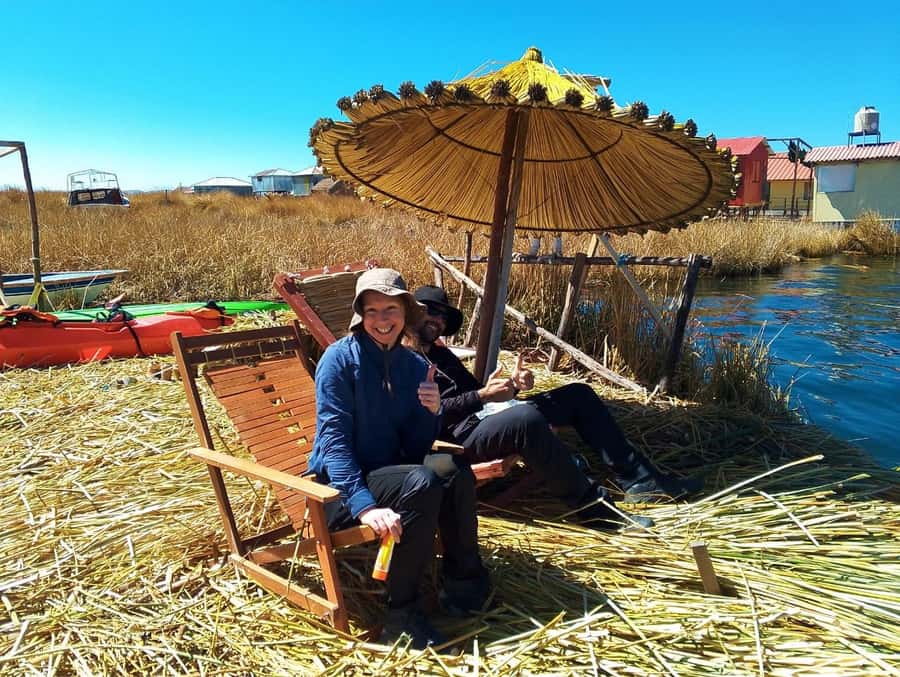
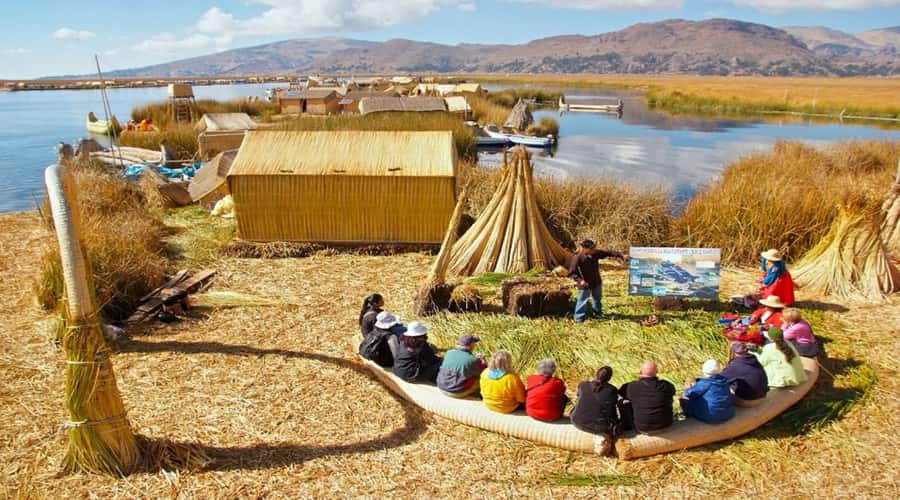
Once you reach the floating islands, the tour shifts from travel to exploration. You’ll have a guided visit where the guide explains how the Uros community lives inside the reeds. That includes what the reeds are used for and how the islands remain functional on the lake.
Here’s what to pay attention to while you walk around:
- How the island structure is made and maintained. The tour focuses on the materials and the ongoing work, not just the idea that it floats.
- How life links to the lake. Skills like fishing, hunting birds, and collecting eggs show up as practical traditions tied to what the environment offers.
- How roles show up on the islands. The tour highlights builders and raft drivers, plus women who are skilled embroiderers of rugs.
The most valuable part isn’t any single fact—it’s how all the facts connect. When you see building skills and craft skills side by side, it’s easier to understand that culture here is both survival and identity.
You’ll also likely get time for sightseeing and photos. Even if you keep your camera ready, don’t rush. The islands make more sense when you pause long enough to notice details like how people interact with the space around them.
Aymara Language and Greeting Moments That Make the Tour Human
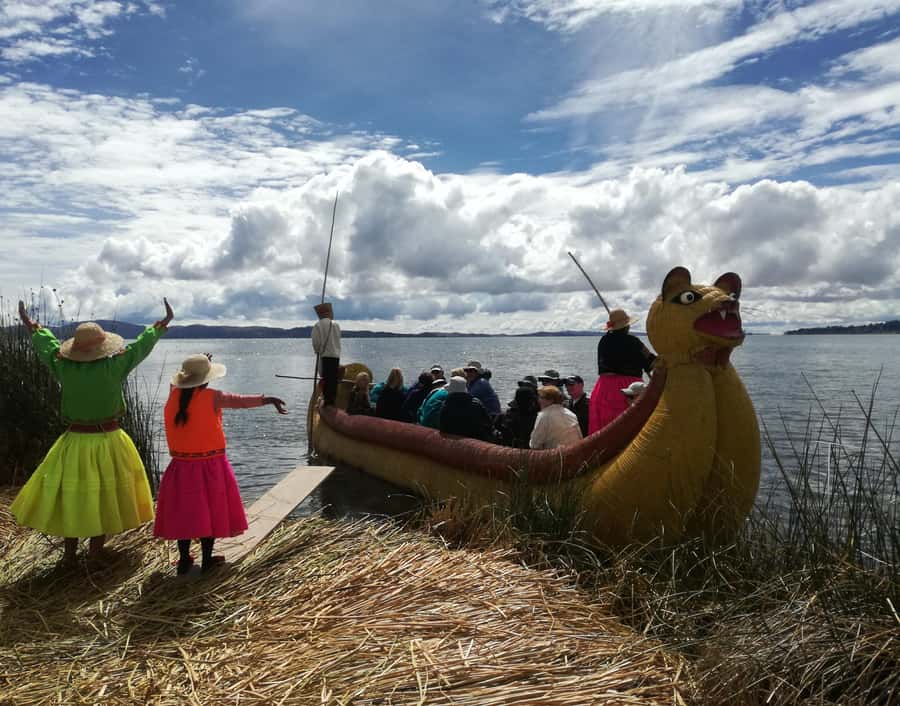
One of the most memorable parts of this kind of visit is the small communication boost. In the groups I’m looking at, guides like Roly are known for helping visitors with Aymara greetings—so you can start a conversation with a little respect and warmth.
You don’t need to speak a new language to do this well. The guide’s job is to give you the right starting words, and then you follow the pace of the people you meet. That’s where the tour feels less like a script and more like a real exchange.
In one case, the guide also helped the group understand how language fits into life on the islands—history plus present-day culture—so you’re not treating Aymara as trivia. You’re seeing it as part of how community continues.
If language isn’t your thing, you’ll still be fine. The guide is there in English and Spanish, and they can translate what matters most for your questions. Still, a couple of greetings can turn a polite nod into something warmer.
Meet the People: Builders, Embroiderers, and Welcome on the Reeds
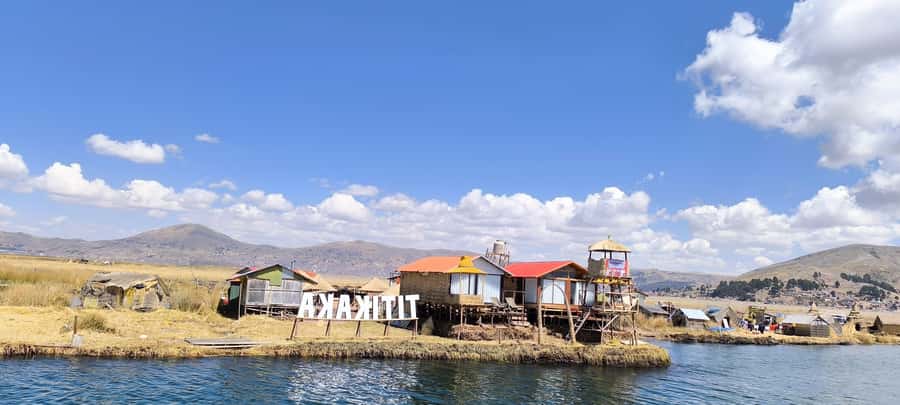
This is where the Uros visit earns its reputation. The tour isn’t only about what you see—it’s about who you meet. Men are highlighted for their skills building and driving totora reed rafts. Women are highlighted for their embroidery, especially rug work.
The reason I think this matters: it reminds you that the floating islands aren’t just a “view.” They’re a workplace and a home, with crafts and engineering embedded into daily life.
In a standout moment from a visit I reviewed, the guide helped the group meet Olga, described as the president of a small reed island. You might not get the exact same introduction on your date, but it signals the kind of access this tour tries to make possible. When community leaders are part of the story, it changes the vibe—from sightseeing to relationship.
Also, pay attention to how welcome feels. In the experiences connected to this tour style, residents come across as cheerful and open to interaction, and the atmosphere tends to feel upbeat rather than tense. If you approach with simple curiosity and basic respect for the environment, it’s easier to feel that goodwill.



The Totora Reed Raft Ride: Included or Not, and How to Decide
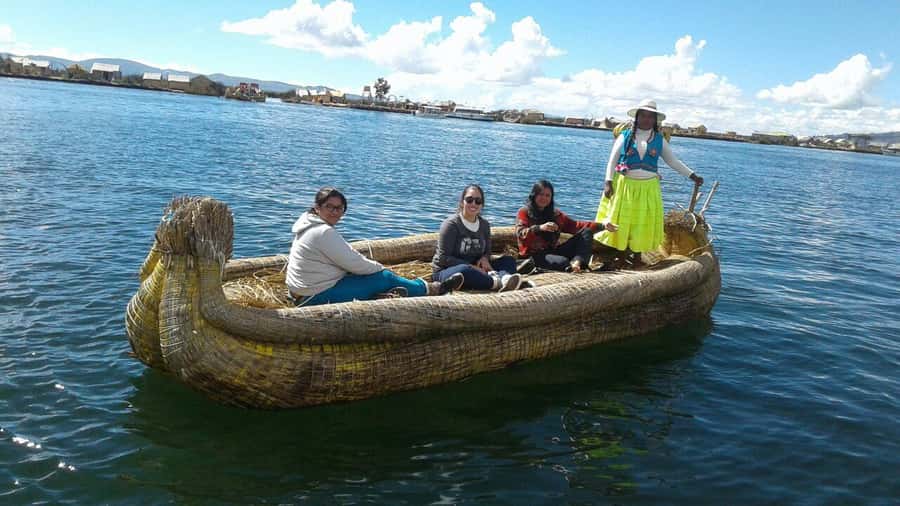
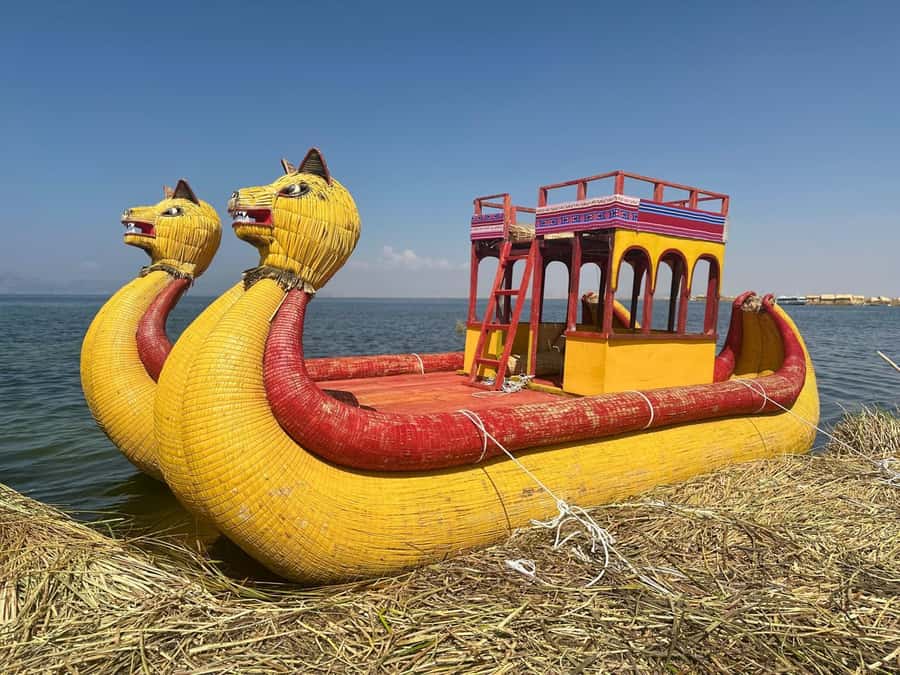
You’ll hear about totora reed rafts on this tour. A short raft ride is a classic part of the Uros experience, but here’s the practical catch: the raft ride is not included in the base cost.
So how should you decide?
- If you want the extra lake feeling—floating close to the reeds and getting a different angle on island life—then plan to add it.
- If you’re watching your budget, you can still enjoy the guided island visit without it. The tour already covers exploration, interaction, and a guided explanation of reed-life.
I like treating the raft ride like a bonus upgrade, not a deal-breaker. If you do it, you’ll likely remember the motion and the setting more than any single fact. If you skip it, you won’t miss the core cultural visit—just one more layer of experience.
What the Tour Covers On-Site: Photo Stops, Guided Time, and Free Time
Expect a clear rhythm once you arrive:
- a guided tour to explain what you’re seeing,
- time to take photos,
- plus free time on the islands.
That mix matters. If it was only guided talk, you might miss the human side. If it was only wandering, you might miss the meaning. This format gives you enough structure to understand reed-life while still giving you room to ask questions and look around.
For photography, aim for two modes:
- quick shots as you arrive (so you catch the shape of the floating islands),
- slower shots after you’ve heard the explanation (so you can frame details you now know are important).
And remember: the islands are living spaces. Keep movement respectful and don’t assume every walkway is meant for long wandering. If you’re unsure, follow your guide’s pace.
Price and Value: What $7 Buys (and What Might Cost Extra)
The advertised price is $7 per person, which is genuinely low for a structured guided activity with transport and an entrance ticket. That’s why this tour often works well if you’re trying to do something iconic without stretching your budget.
Here’s what you typically get in that price:
- hotel transfer (downtown Puno to Puno Port and back),
- entrance ticket to Uros,
- a boat ride with comfortable seats plus safety items,
- and an official guide in Spanish and English.
What’s not included:
- the totora reed raft ride,
- meals,
- and anything not listed.
So the value is best if you’re comfortable with a short time window and you want a guided cultural stop. If you also want meals, you’ll need to plan that separately. If you want the raft ride, budget a little extra.
One more value note: guides matter here. In the feedback I saw, the best moments often came down to the guide’s style—clear explanations, smooth language switching, and help with Aymara greetings. That’s a big part of why a cheap tour can still feel satisfying: you’re paying for a guide-supported experience, not just transportation.
Practical Tips: What to Bring and How to Act on the Reeds
This tour happens on a lake with strong sun, bright glare, and lots of walking on uneven surfaces. Pack for comfort.
Bring:
- a sun hat,
- sunscreen,
- water,
- camera (you’ll want it),
- comfortable clothes.
Wear:
- shoes suitable for walking.
Basic etiquette matters a lot here. The tour asks you to be respectful of the Uros community and their environment, which is exactly what you should do. Don’t smoke on the islands. Keep your behavior calm, and treat interactions as conversation, not entertainment.
Also, listen when your guide gives safety and movement guidance. Even if you’ve toured boats before, reed islands can feel delicate. Light steps and good attention help everyone.
Who Should Book This Uros Tour (and Who Might Want a Different Option)
This is a great fit if:
- you’re short on time in Puno,
- you want a guided intro to the Uros way of life,
- you like meeting people and hearing cultural context (not just snapping photos),
- you appreciate structured transport on a lake day.
It may be less satisfying if:
- you’re expecting a long, deep, all-day immersion,
- you want extensive time for multiple islands,
- or you dislike tours where the main story is condensed into a short visit.
And yes, that short format can be the difference between “wow” and “I wanted more.” You’re there for a taste of reed-life, not a full research trip.
Should You Book the Floating Islands of the Uros Tour from Puno?
If you’re in Puno and you want one “iconic Lake Titicaca” experience that stays affordable and guided, I’d book this. The low price plus included transfers, entrance, and an English/Spanish guide make it a sensible move. You also come away with something more useful than photos: you understand how reed-life connects to work, crafts, and survival on the lake.
Just go in with the right expectations. It’s about a short visit that mixes explanation, interaction, and a bit of time to explore. If you want the raft ride, treat it as an optional add-on and plan your budget.
Most importantly, bring a respectful mindset. When the tone is right, this tour can feel warm and human, not staged.
FAQ
How long is the Floating Islands of the Uros tour?
The duration is about 3 hours.
Where does pickup happen?
Pickup is from your hotel in downtown Puno to Puno Port, and you return to Puno afterward.
What does the $7 per person price include?
It includes hotel transfer (downtown Puno to Puno Port and vice versa), entrance ticket to Uros, a normal boat with comfortable seats plus life jackets and first aid kit, and an official guide in Spanish/English.
Is the totora reed raft ride included?
No, the totora reed raft ride is not included.
What languages is the guide?
The official guide speaks English and Spanish.
Is there free time on the islands?
Yes. There is time for free exploring on the islands along with the guided portion.
What should I bring?
Bring a sun hat, camera, sunscreen, and water, and wear comfortable clothes suitable for walking.
Is the tour wheelchair accessible?
Yes, the activity is listed as wheelchair accessible.
Can I cancel for a full refund?
Yes. Free cancellation is available up to 24 hours in advance for a full refund.