REVIEW · CUSCO
From Cuzco: Sacred Valley, Moray Terraces, and Salt Mines
Book on GetYourGuide →Operated by MPTC GETS · Bookable on GetYourGuide
Moray feels like Inca engineering homework. I really like the mysterious circular terraces and the way Maras salt mines turn a simple natural process into something you can photograph for hours. The big trade-off: this is mostly a day of driving and uneven walking, so comfy shoes matter.
What I also like is the structure: you get early hotel pickup, a guided explanation from a bilingual instructor (English/Spanish), and enough time at each site to actually look—not just pose and move on. One more thing to consider: shared transport can mean a bumpy ride, and timing may not be perfectly tight at the start.
If you’re trying to see more than just one Sacred Valley stop, this plan is a smart way to stack highlights efficiently. It’s also good value if you’re ready to handle entry tickets and cash for them, since the main sites are paid separately.
In This Review
- Key highlights worth your attention
- How this Sacred Valley tour runs from Cusco
- Moray Terraces: circular farming logic you can actually see
- Maras Salt Mines: the quiet work behind bright white crystals
- Chinchero: Inca wall vibes before the valley drive
- Ollantaytambo: built to defend, built to matter
- Pisac: platforms on the slopes, with architecture that reads as finished
- Pace, walking, and comfort: the reality of a 6–12 hour day
- Tickets, cash, and what you actually pay
- Lunch and the Urubamba food break (on the longer loop)
- Is this good value at $25?
- Who this tour suits best
- Should you book this Cusco Sacred Valley, Moray, and Salt Mines tour?
- FAQ
- How long is the tour?
- What time does pickup happen in Cusco?
- What’s included in the price?
- Do I need tickets for Moray and the salt mines?
- Is lunch included?
- What should I bring?
- Is the tour suitable for people with mobility issues or older travelers?
Key highlights worth your attention
- Moray in one focused stop: circular terraces with different levels used for agriculture.
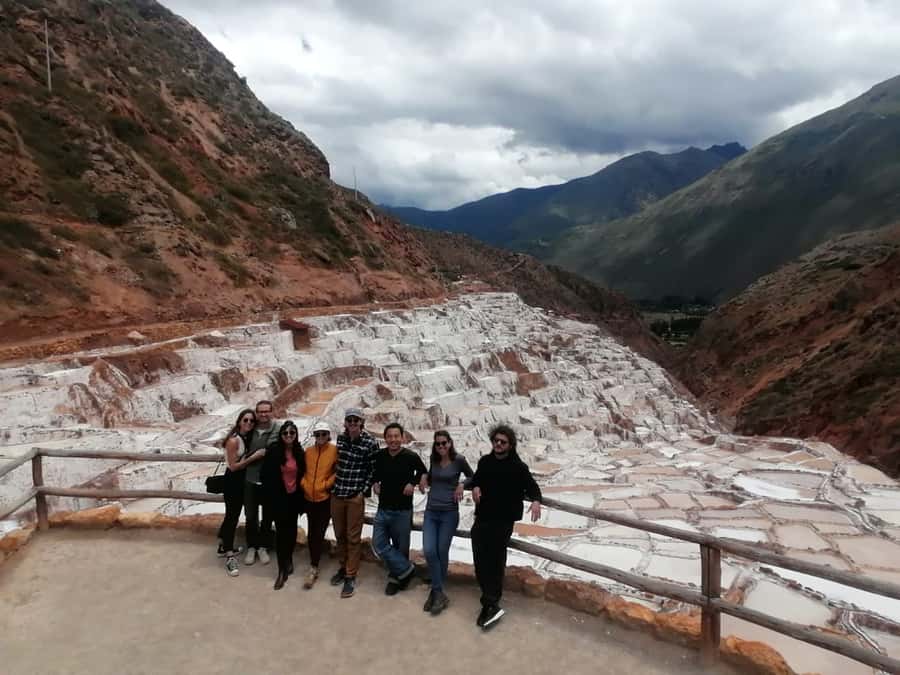
- Maras salt mines with guided context: salt wells spread across the valley slopes.
- Sacred Valley classics included (on the longer route): Chinchero, Ollantaytambo, and Pisac.
- Hotel pickup plus bilingual guide: English and Spanish support during the day.
- Time for photos: scheduled photo stops and short “free time” windows at key points.
How this Sacred Valley tour runs from Cusco
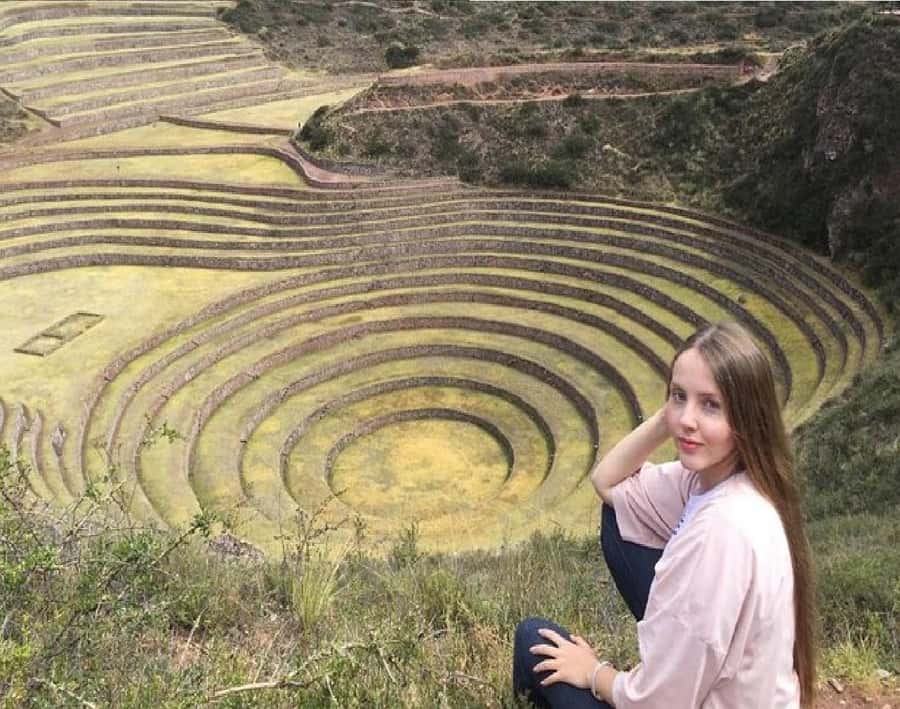
This tour is built around getting you out of Cusco early, then hitting the Urubamba Valley circuit at a steady pace. Depending on which version you choose, you’ll either do a shorter half-day-style visit focused on Moray + Maras, or a longer full-day loop that adds several major Sacred Valley stops.
Pickup times vary. Some departures collect you around 6:35–6:55 a.m., while another option lists pickup around 7:40 a.m. You’ll usually start with Moray or with a first stop in the Sacred Valley (like Chinchero). The full-day style itinerary runs until about 7:00 p.m., with drop-off near Calle Plateros or Calle Saphy.
The guiding style is practical. You’re not left to read plaques alone. Instead, you’ll get a guided explanation for the big “why’s” at each place—Inca agriculture at Moray, the salt-mining story at Maras, and the defensive/religious role of places like Ollantaytambo—then you get time to look around.
You can also read our reviews of more tours and experiences in Cusco.

Moray Terraces: circular farming logic you can actually see
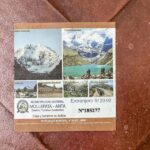
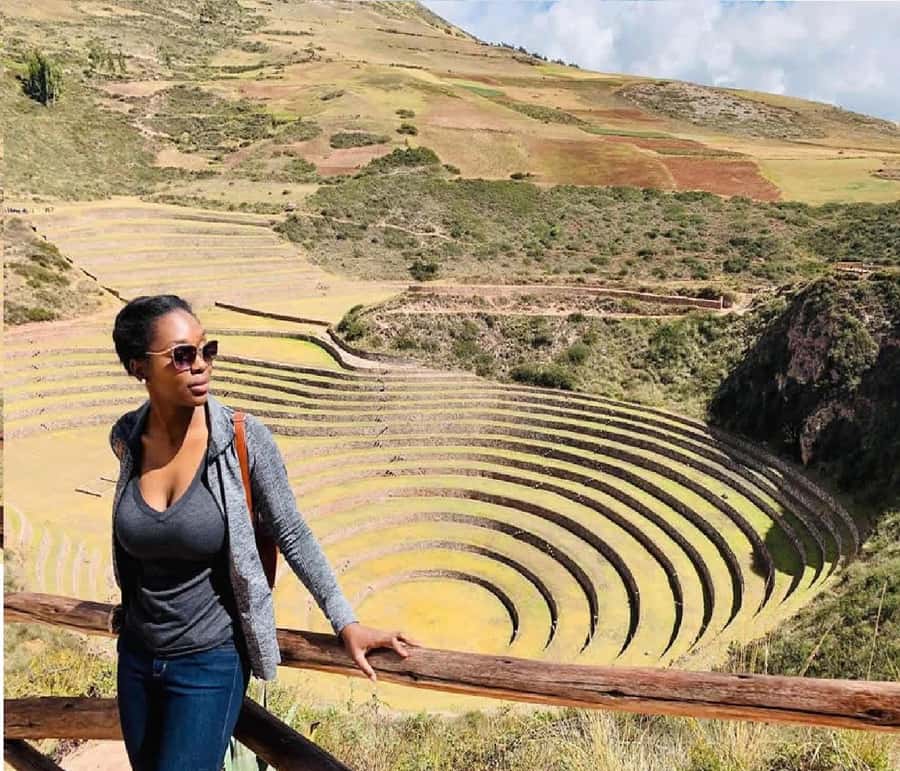
Moray is the star of the show. The terraces are famous because they’re circular and layered at different heights. That shape isn’t just aesthetic—it’s part of how the Incas worked with microclimates, using elevation changes to support different growing conditions.
On your visit, expect:
- a photo stop
- a guided tour
- and around 50 minutes of free time (on the Moray-focused version)
What makes Moray click is that you can see the “systems thinking” right in the ruins. The terraces feel like a natural laboratory: concentric levels that guide water and farming, plus the sense that the builders understood how temperature and exposure shift with altitude. Even if you don’t consider yourself a history buff, it’s the kind of site where your brain goes from wow to wait—how did they figure this out?
Practical note: the site access involves stairs and uneven ground. You’ll want comfortable shoes and the patience to take your time. The views also help—because Moray sits in a wider valley setting, you’ll see the scale of the project against the Andes.
Maras Salt Mines: the quiet work behind bright white crystals
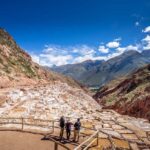
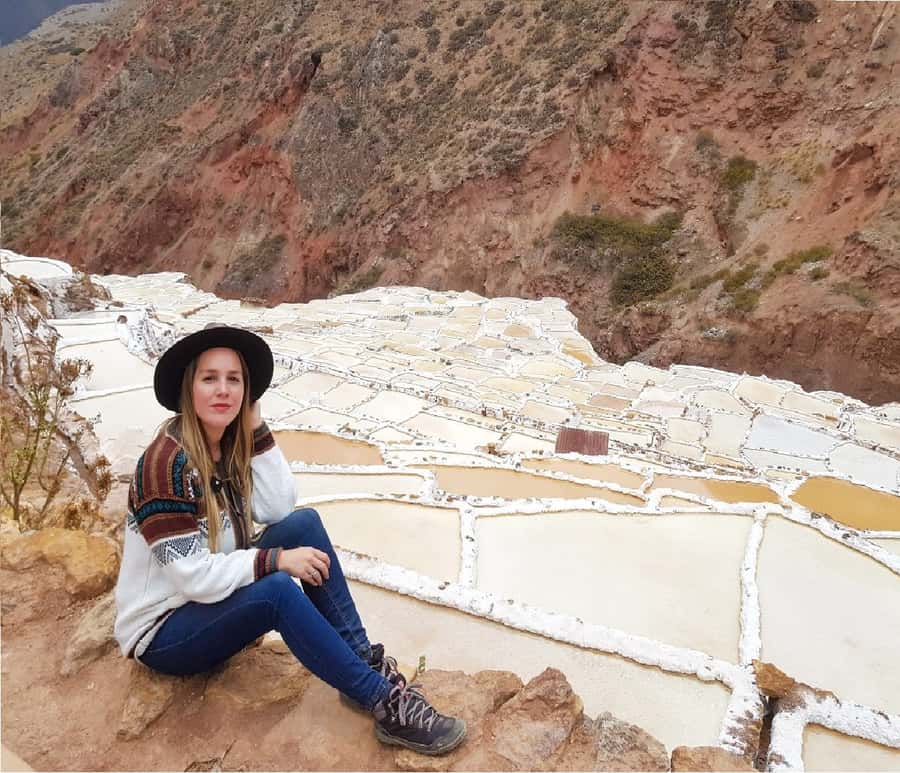
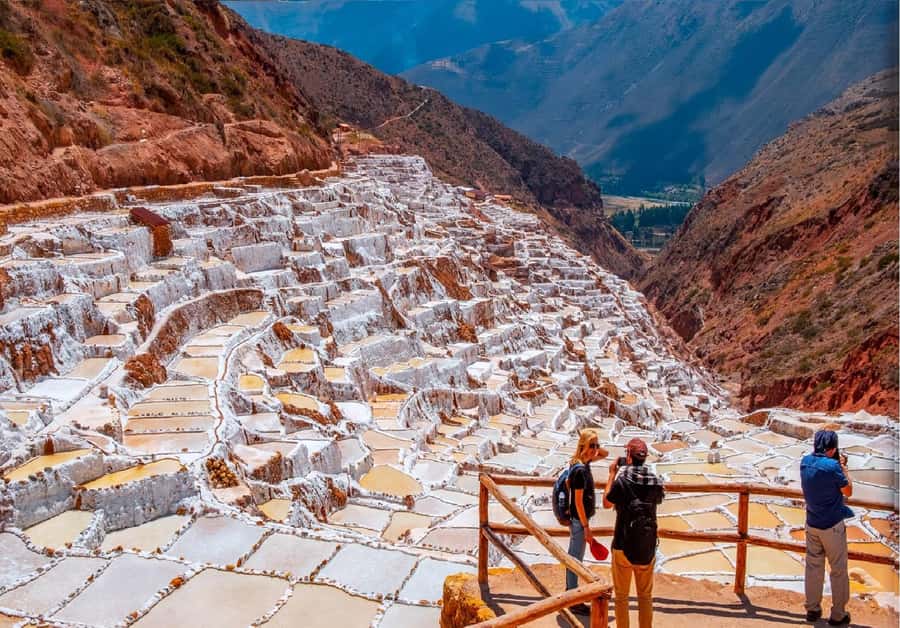
After Moray, the tour typically moves to Maras. This is one of those places where the scenery is striking, but the real story is the process. Maras is known for salt mines made up of many small wells carved into the hillside. The result is a field of evaporation-linked basins that can look almost surreal.
You’ll get:
- a photo stop
- a guided tour
- about 50 minutes on site (based on the itinerary timing)
This part of the day is great if you love scenes that reward slow looking. The salt pans are visually busy, but the guide’s context helps you connect what you’re seeing to the local livelihood—salt production as a long-running tradition, shaped by geography.
Also, don’t treat it as just a photo-op. If you’re paying attention while walking the rows, you’ll start to notice the way the wells are arranged across the slopes, and how the layout reflects the terrain.
If you’re sensitive to motion, keep your eyes on your footing and plan for the drive between stops. One person described feeling physically unwell due to the driving style on a shared transfer. That’s not guaranteed, but it’s a good reminder: if your stomach is delicate, pack a remedy and go slow inside the van’s turns.
Chinchero: Inca wall vibes before the valley drive
On the longer Sacred Valley route, Chinchero usually comes first. This stop is worth it because it sets the stage for what you’re seeing later. Chinchero is tied to the royal hacienda of Túpac Inca Yupanqui, and the place has a well-preserved Inca wall in the main square.
What I like here is the pacing. Instead of jumping straight into Moray’s terraces, you get a “human scale” moment—walls, square layout, and the feel of a town tied to the Inca legacy.
On this route, you’ll see Chinchero as part of the morning loop and then continue toward Moray and then the salt mines. If you want photos, this is a calmer spot than the salt wells, so it’s a nice place to refuel your energy before the more intense sightseeing stretches.
Ollantaytambo: built to defend, built to matter
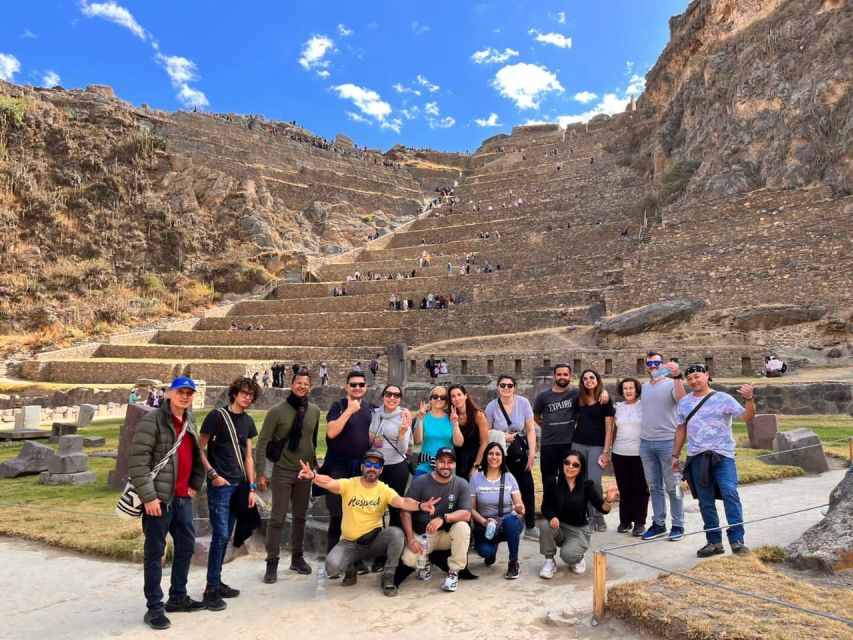
Ollantaytambo is a key Sacred Valley stop because it was designed to control access to this side of the region. The tour explanation focuses on its role guarding the entrance to the valley area and protecting against possible invasions coming from jungle regions.
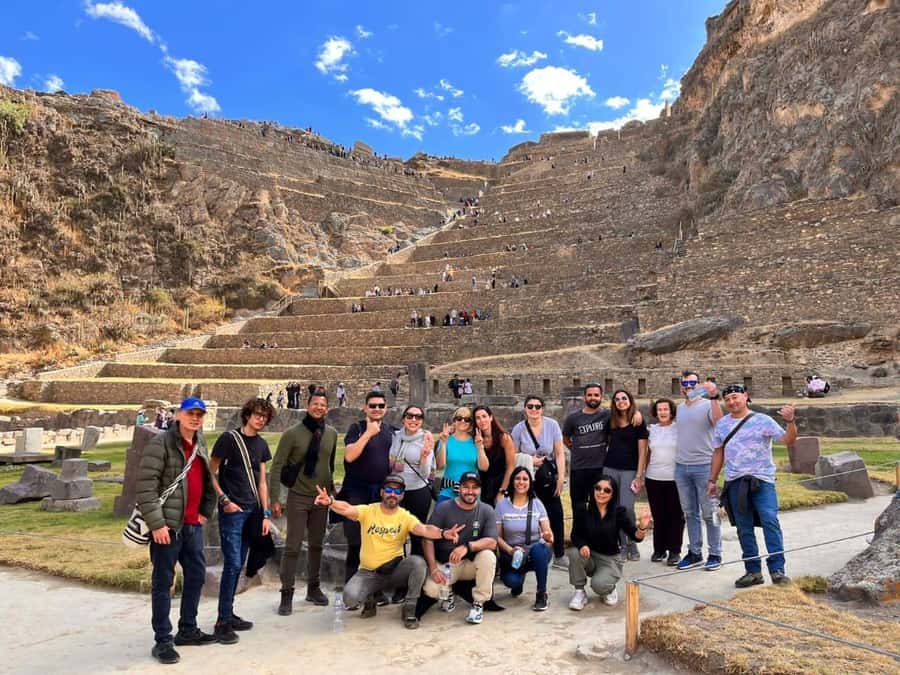
You’ll also get time to walk through the small streets of the town, which is one of the best ways to understand why the Incas cared about both religion and strategy here. Instead of viewing it only from a distance, walking the town gives you a clearer sense of the mix: military function, religious significance, and daily life all layered together.
Even if you’re short on time, Ollantaytambo is one of those places where the stones feel purposeful. You can almost sense how moving through the area would have worked—tight, controlled paths rather than open sprawl.

Pisac: platforms on the slopes, with architecture that reads as finished
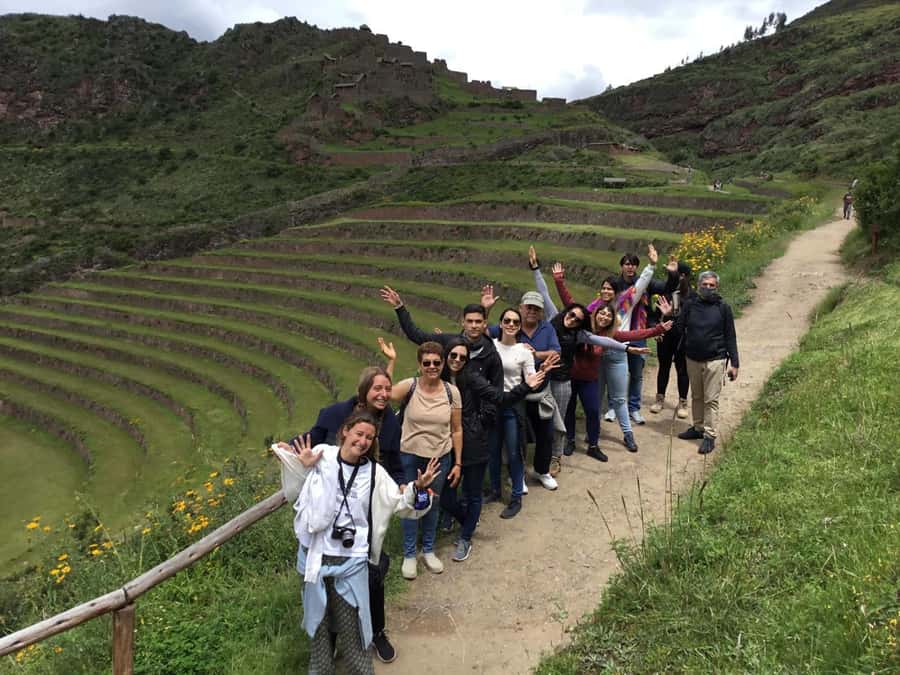
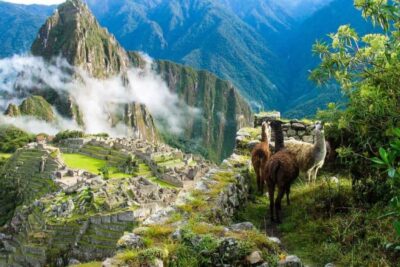
Pisac is the last major “big” stop on the longer route. It’s made up of groups of platforms and architectural structures spread across the mountain slopes and at the top.
The value of Pisac for most people is the combo of structure + view. You get ruins that look carefully arranged, not scattered, plus the way the site climbs and spreads over the terrain. The finish of the buildings is part of why this place tends to land in the favorites list.
This is also a good site for someone who likes to mix archaeology with scenery. The higher you look, the more you can map the site layout in your head.
Pace, walking, and comfort: the reality of a 6–12 hour day
Most of the day is spent on a mix of:
- van rides through the Urubamba Valley
- short guided explanations
- and short-to-medium site time windows
On the shorter format, you’ll likely feel more “fresh” for Moray and Maras. On the longer format—Chinchero + Moray + salt mines + lunch + Ollantaytambo + Pisac—the day becomes a workout in its own way, mostly because of walking, stairs, and changing elevations.
A couple of practical tips that matter here:
- Bring breathable clothing. Morning and late afternoon can feel different in the Andes.
- Plan for the fact that the tour isn’t tailored for slow mobility. This experience isn’t suitable for people with mobility impairments, and it’s also not meant for people over 95 years.
- If you get motion sickness in vans, plan ahead. Shared transportation can be a ride on imperfect roads.
Also remember: you’ll be taking in multiple sites, but you’re not going to have “slow museum pace.” If you like your days structured, this works well. If you hate group schedules, you might find the longer route pushes you a bit.
Tickets, cash, and what you actually pay
The headline price is $25 per person, which can feel like a bargain for the amount of guiding you get. But your total day cost depends on site access.
Here’s what’s listed as not included:
- Moray tourist ticket: 70 soles (70 pen listed)
- Maras salt mines entrance fee: listed as 20 soles, but the “know before you go” note lists it as 10 pen
That price mismatch is worth a quick check when you arrive or when you confirm with your guide. Either way, do not assume tickets are covered in the base price.
Because these fees are in local currency, you’ll want to bring cash. The tour information also says to bring passport or ID, which is a good idea for Peru touring even when you’re not planning to cross borders.
What’s included in the price is the part you actually need to plan your day:
- Hotel pickup
- Round-trip shared transportation
- A professional bilingual guide (English and Spanish)
Food is not included unless you choose the longer Sacred Valley version where lunch in Urubamba is added.
Lunch and the Urubamba food break (on the longer loop)
If you’re doing the full-day Sacred Valley route, lunch is included in Urubamba and described as having more than 30 varieties of typical dishes. This matters because it turns a long travel day into something easier to manage—you won’t have to hunt for food between major sites.
If you’re sensitive to crowds or prefer simpler meals, you’ll want to pace yourself at the buffet-style lunch. You’ll also be eating at midday heat while still wearing travel layers, so light clothing can feel like a win.
Is this good value at $25?
I think it can be excellent value—if you’re realistic about what you’re paying for. At $25, you’re not paying for the entry fees, and you’re also paying for a shared van and a schedule.
Where the value really shows:
- You get a bilingual guide for multiple stops (not just one).
- You cover both Moray and Maras—two of the Urubamba Valley engineering-style sights.
- If you choose the longer route, you also stack Chinchero, Ollantaytambo, and Pisac—more than a “one-and-done” outing.
Where the value can feel weaker:
- If you end up doing only a short version, you still have shared transport and guide costs, so the entry fees can become a bigger chunk of your day cost.
- If your main goal is deeply detailed archaeology, you might want a more site-specific tour. This one is built for breadth and efficiency.
Who this tour suits best
This experience fits best if you:
- want Inca engineering and agriculture (Moray) plus local industry (salt mines)
- like the idea of combining Sacred Valley landmarks in one day
- enjoy guided context but still want time to wander and take photos
It’s less ideal if you:
- hate group pacing and multiple transfers
- have mobility limits that make stairs and uneven ground tough
- get motion sick in vans and don’t have a coping plan
Should you book this Cusco Sacred Valley, Moray, and Salt Mines tour?
If your priority is to see Moray + Maras with solid guided context, I’d say it’s an easy yes. The combination hits that rare sweet spot: engineering that looks strange until you understand it, then makes sense—plus a salt-mining setting that turns into strong photos fast.
Book it if you want convenience: hotel pickup, bilingual guide support, and a route that connects the dots across the Urubamba Valley. If you choose the full-day version, it also gives you the major Sacred Valley highlights in a single outing, with lunch built in.
Skip—or switch to a more flexible plan—if you’re very sensitive to bumps in shared transport or you need a slower, more accessible pace. And regardless of version, bring cash for tickets and plan on real walking.
One last practical check: confirm your pickup time in Cusco the day before. Timing issues can happen at the start, and a small buffer makes the whole day feel calmer.
FAQ
How long is the tour?
It runs from about 6 to 12 hours, depending on which version you choose.
What time does pickup happen in Cusco?
Pickup is listed around 7:40 a.m. for one option, and around 6:35–6:55 a.m. for the longer Sacred Valley route. You’ll be told when to wait at your hotel.
What’s included in the price?
Hotel pickup, round-trip shared transportation, and a professional bilingual guide (English and Spanish) are included.
Do I need tickets for Moray and the salt mines?
Yes. The Moray entry is listed at 70 soles/pen. The Maras salt mines entrance fee is listed as 20 soles and also noted as 10 pen, so you should confirm the amount on the day you pay.
Is lunch included?
Lunch in Urubamba is included only on the all-day Sacred Valley option. It is not included on the shorter Moray-and-salt-mines-only versions.
What should I bring?
Bring your passport (or ID card), comfortable shoes, breathable clothing, and cash.
Is the tour suitable for people with mobility issues or older travelers?
No. It isn’t suitable for people with mobility impairments, and it’s not suitable for people over 95 years old.