REVIEW · BOGOTA
Bogotá: Sumapaz National Park Hike Tour
Book on GetYourGuide →Operated by Gran Colombia Tours · Bookable on GetYourGuide
Sumapaz reaches places your map can’t explain. This 8-hour Bogotá hike takes you into the Andean Páramo at about 3,500–4,000 meters, where you’ll walk muddy trails through mist and see plant life built for a harsh, wet-cold world.
I especially like how the guide ties the scenery to Chibcha indigenous myths and regional history, not just facts about plants. I also like the focus on why the Páramo matters—water, stability, and the real social and political pressures around preservation. One possible drawback: you’re going to feel the altitude and the terrain is wet and slippery, so you’ll want proper traction and a comfortable pace.
In This Review
- Key highlights to look for
- Why the Sumapaz Páramo hike feels like a real escape from Bogotá
- Pickup, travel, and the altitude reality (3,500–4,000 m)
- Entering the “haven” of Sumapaz: walking the slopes and meeting the Páramo
- The Chibcha stories you’ll actually remember
- Mud, mist, and timing: what the hike day feels like
- Price and value: what $136 buys you on a remote Páramo day
- Guide quality: why the explanations seem to stick
- What’s included vs. what you must bring (mud-proof edition)
- Packing and pacing tips for a cold, wet-high hike
- Who this Sumapaz hike is best for
- Should you book the Bogotá to Sumapaz National Park hike?
- FAQ
- Where is this tour based?
- How long is the hike tour?
- What altitude will we reach?
- Does the tour include pickup and drop-off?
- What’s included in the price?
- What isn’t included?
- What should I bring?
- Does the tour run in bad weather?
- Is this a private tour, and what languages are offered?
- Is free cancellation available, and can I pay later?
Key highlights to look for
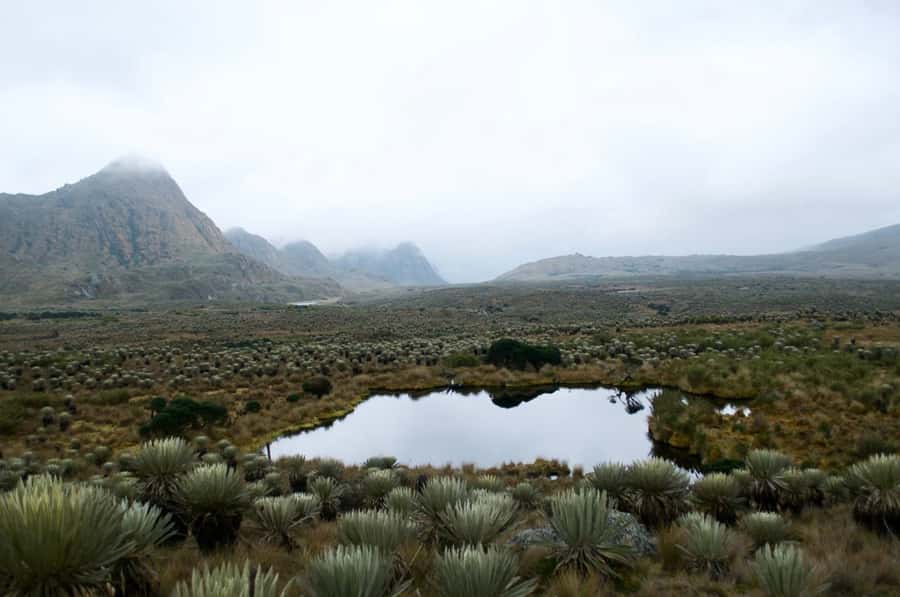
- One of the highest plateaus in the world with an Andean Páramo feel that’s hard to fake
- Páramo at 3,500–4,000 m where conditions can change fast
- Chibcha myths and pre-colonization traditions explained by your guide
- Huge frailejones country (including tall specimens in past hikes)
- Water wells, mist, and remote trails that can feel wonderfully empty
- Preservation explained as something practical, tied to regional stability and challenges
Why the Sumapaz Páramo hike feels like a real escape from Bogotá
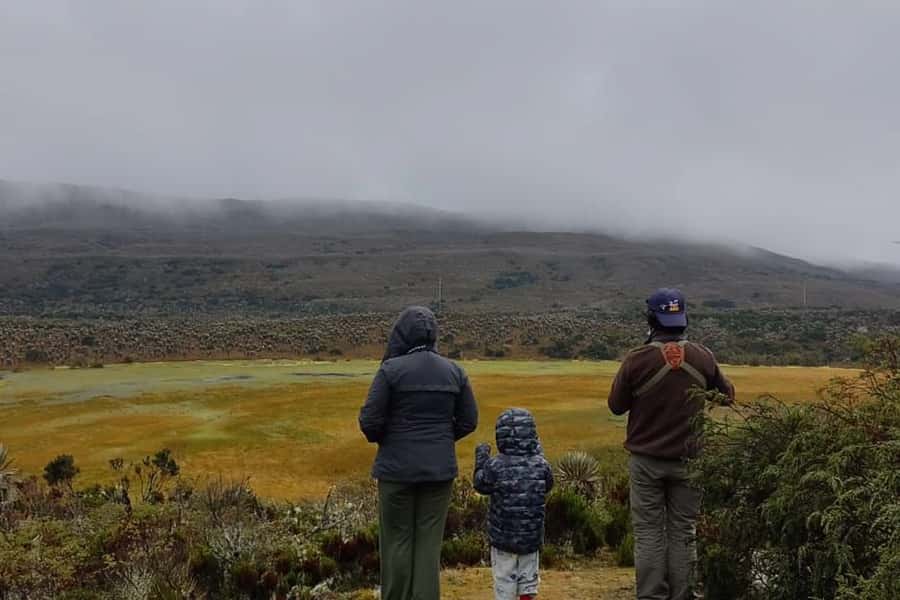
Bogotá day trips often end up feeling like a quick photo stop with a bus ride sandwich. This one doesn’t. You start in the city, but you spend the day in the Sumapaz National Park Páramo zone, where the air, weather, and ground tell you you’re in a different world.
What makes it click is the way the tour mixes three layers: what you’re seeing, how to read it, and why it matters to people. The guide explains the rare ecosystem and the flora you pass, then adds indigenous context around the Chibcha traditions that existed before colonization. Finally, the conversation turns to the Páramos themselves—how preservation protects water and supports the region.
If you want a hike that’s more than steps and views, this structure is exactly the right kind of storytelling for the outdoors.
You can also read our reviews of more hiking tours in Bogota
Pickup, travel, and the altitude reality (3,500–4,000 m)
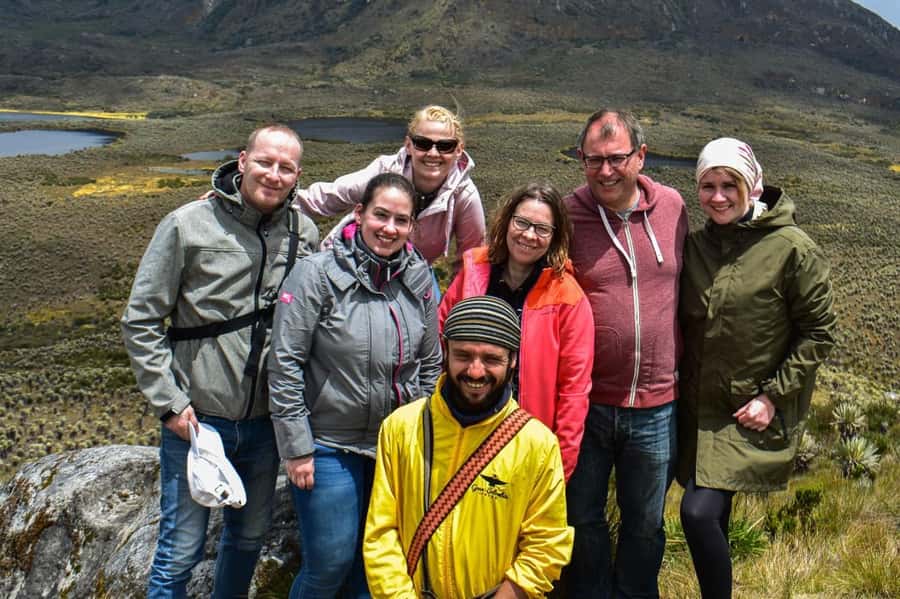
The tour is built around a simple rhythm: pickup in Bogotá, then road travel to the Sumapaz area, then hiking in the 3,500 to 4,000 meters range. That altitude matters. Even if you’re used to Bogotá, you’re still asking your body to work in thinner air—plus the hike involves uneven, wet ground.
You’ll want to take the day seriously as a hike, not a casual stroll. The good news is that the tour is organized with a guide, so the pace and route are handled for you. You can focus on breathing, footing, and taking in the mist and plant life as you climb.
Practical tip: if you have any health conditions, the booking instructions say you should notify the guide during reservation. That’s not paperwork fluff—it’s how you get a safer experience in a remote area.
Entering the “haven” of Sumapaz: walking the slopes and meeting the Páramo
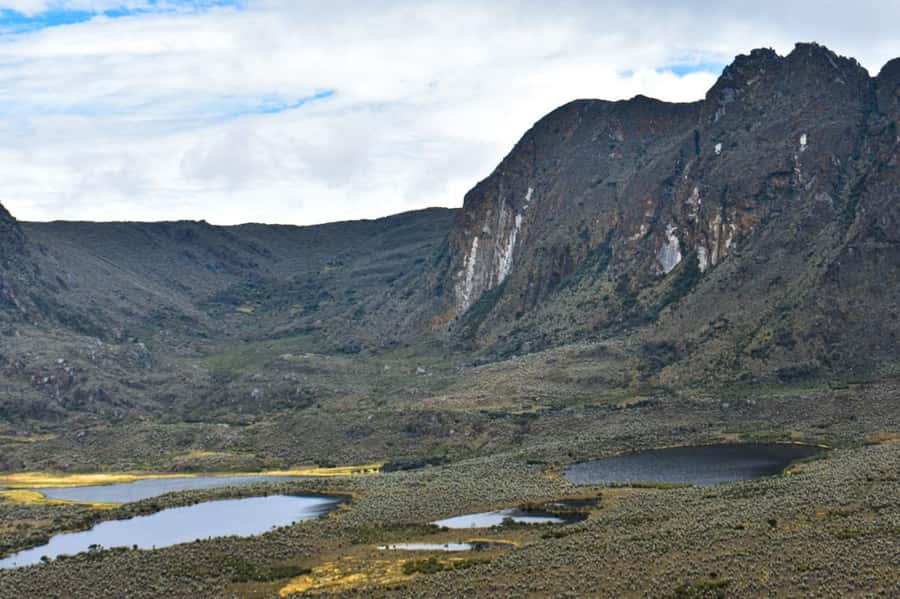
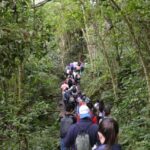
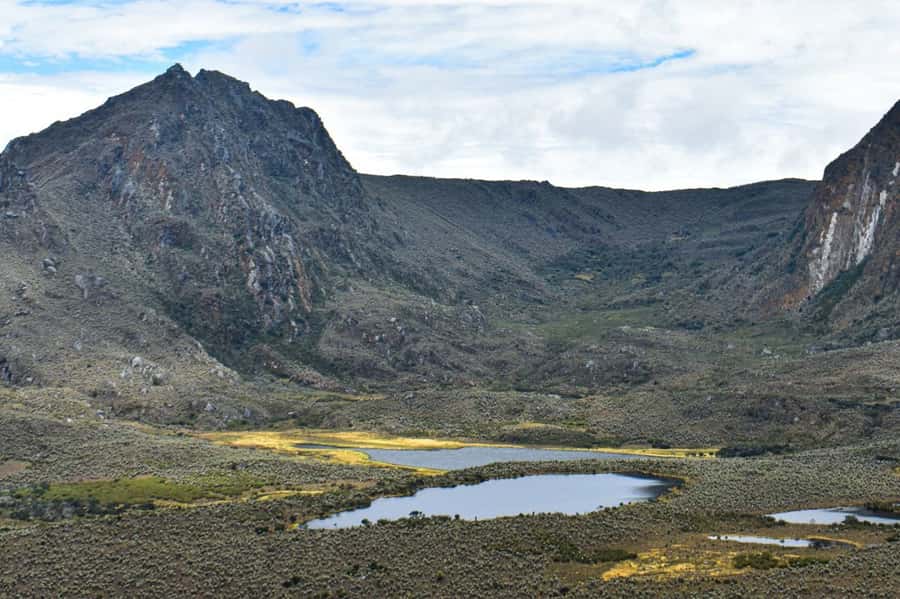
Once you reach the hiking area, you start with a walk up through the slopes inside a 178,000-hectare protected haven. That number gives you scale, but what you’ll actually feel is how the terrain works. The tour description is clear about muddy trails and the need to be ready for cold, wet conditions.
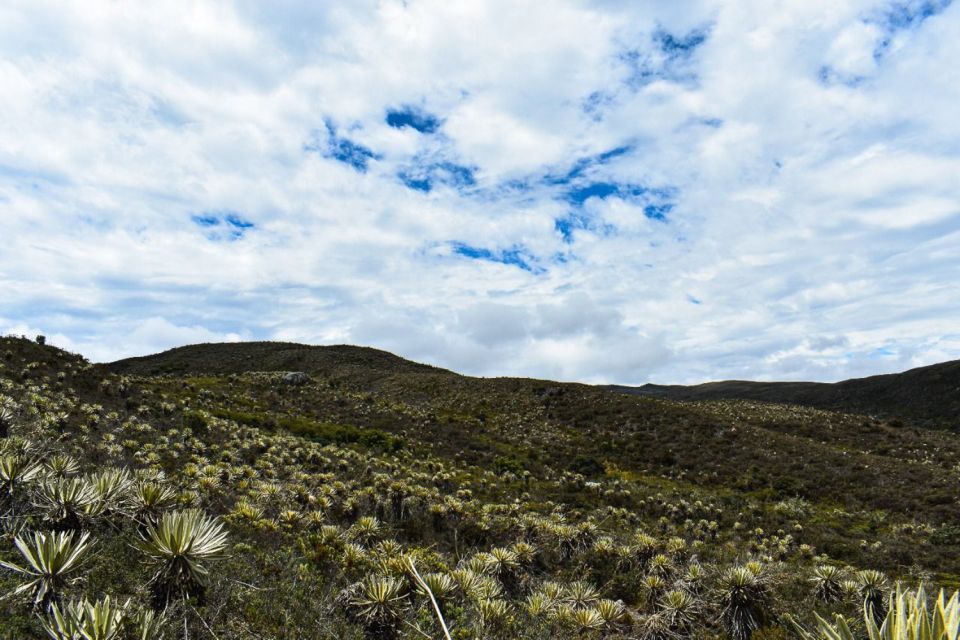
Inside the Páramo, the plants are adapted to a world of moisture and low temperatures. Your guide points out the ecosystem’s importance and the flora along the way. In past hikes, people have talked about seeing very tall frailejones, which are a signature plant of the high Andean Páramo. Even if you don’t obsess over botany, frailejones have a way of making you look twice—because they’re not the kind of plant you expect to thrive at these heights.
The views also come differently here. Instead of clear blue skies and dramatic mountain peaks the whole time, you get misty scenes and those soft, atmospheric transitions. You’ll also hear about water wells—another reminder that you’re not just hiking for views. You’re hiking in the zone that helps regulate water for the wider region.
The Chibcha stories you’ll actually remember
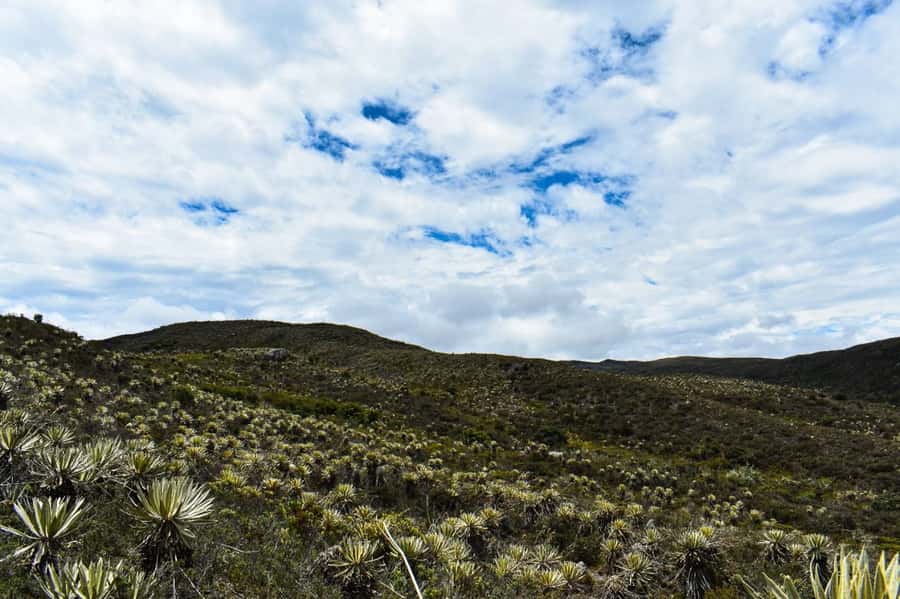
This tour stands out because the “story time” isn’t generic. You’re told stories about Chibcha indigenous myths and history, with context on traditions practiced before colonization. Then the guide connects those ideas to what’s happening in the present: the importance of preserving the Páramos and the social and political challenges preservation faces.
Why this matters for you: it changes how you look at the terrain. Instead of thinking, That’s a pretty ecosystem, you start asking, What pressures does it face, and why does protection matter beyond a protected map area?
It’s also a good fit for English and Spanish speakers because the guide work is meant to translate the meaning of what you’re seeing. Some guides on these outings have been specifically praised for mixing humor, friendliness, and clear explanations—so the myths and ecology don’t feel like separate lessons.
Mud, mist, and timing: what the hike day feels like
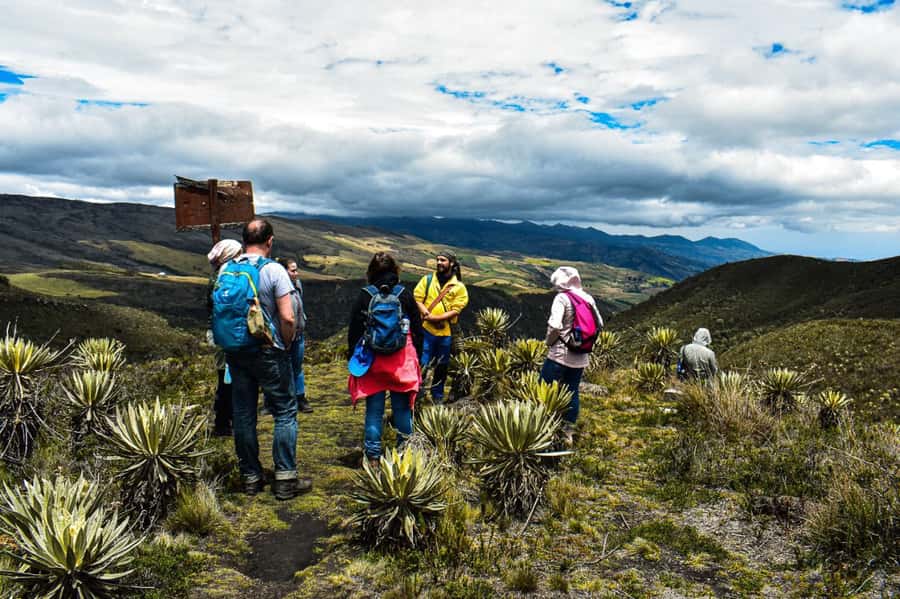
This is an all-weather tour. The tour notes say it operates in all weather conditions, so you should expect mist and damp conditions. That doesn’t mean miserable—just real. In high Páramo zones, “weather” often means visibility changes and the ground stays slick.
The tour runs for 8 hours total, which gives you time to hike, listen, and still return to Bogotá without feeling like you sprinted through the experience. Still, you should plan your energy. The remote area setup is part of the point: you’re not doing this next to cafés.
A review highlight worth taking seriously: some people have described going most of the day without seeing other people. Even if that isn’t guaranteed, it’s a good sign that the experience can feel quiet and focused. If you like hikes where you can hear your own breathing and the guide’s explanation over the wind, you’ll likely enjoy that vibe.


Price and value: what $136 buys you on a remote Páramo day
At $136 per person for an 8-hour guided tour, you’re paying for more than a person walking with you. The tour includes:
- Hotel pickup and drop-off in Bogotá
- Guide
- Entry to Sumapaz
- Hike inside the Natural Park
- All risk insurance
That matters because getting to the Sumapaz region isn’t a quick stroll from the city center. The remote setting increases risk, and the tour explicitly includes insurance. You also aren’t stuck organizing transport or figuring out entry—someone handles those pieces.
What’s not included also helps you plan: breakfast and lunch aren’t provided, and waterproof footwear isn’t included. In other words, you’re responsible for your comfort. If you show up without proper gear, the day can turn into a soggy uphill struggle. Bring what you need, and the price starts to feel more reasonable because you’re buying a full service day in challenging terrain.
Guide quality: why the explanations seem to stick
This is the kind of hike where a good guide makes a big difference. People praised guides for knowledge and the way they explain what you’re seeing without making it feel like a lecture.
You’ll also notice a pattern in guide feedback: they connect ecology to culture, and they pay attention to pacing and your comfort. Names that have come up include Liz, Kata, Emilio, Alexander, Yelitza, Luis, and José. In at least one group experience, there was even a locally made snack and drink included after the hike—things like arepas and panela tea. Another group highlighted the presence of a local guide and a cat companion, which is a reminder that these days can feel personal rather than factory-run.
Bottom line: if you care about learning while hiking, this tour is built for that.
What’s included vs. what you must bring (mud-proof edition)
Here’s the practical split:
Included: guide, pickup/drop-off, park entry, hike inside the park, and all risk insurance.
Not included: breakfast and lunch, waterproof footwear, and extra purchases.
The tour’s recommended “what to bring” list is straightforward:
- Camera
- Sunscreen
- Water
- Weather-appropriate clothing
Also, the tour specifically advises you to have breakfast beforehand and bring snacks and water, because you’re going to be in a remote area.
My advice for planning: if you think you can handle muddy trails with regular sneakers, you’re probably wrong. Waterproof footwear and good grip can be the difference between enjoying the day and worrying about footing the entire time.
Packing and pacing tips for a cold, wet-high hike
Even without a gear list full of surprises, you should plan like this is a high-altitude hike in damp conditions.
- Sunscreen still matters. The instructions say to use sunscreen even if it’s cold. UV doesn’t politely wait for warm weather.
- Bring water, and don’t treat it like optional. Hydration is important, especially at altitude.
- Dress for variable conditions. The tour runs in all weather, so you’ll want layers you can adjust as the mist and wind change.
- Plan snacks since breakfast and lunch aren’t included.
If you’re a “minimalist packer,” this is your moment to pack smart. The day’s comfort depends more on small choices—water, footwear, and layers—than on fancy gear.
Who this Sumapaz hike is best for
This tour is a strong match if you:
- Want a high-altitude Andean Páramo experience near Bogotá
- Like learning ecosystems and culture in one day
- Enjoy guided hikes where interpretation matters (Chibcha myths, environmental importance, preservation challenges)
- Prefer a private group, which usually makes it easier to move at a comfortable pace
It might not be your best choice if you:
- Hate uneven, muddy terrain
- Want an easy “walk and chat” level experience
- Are unwilling to plan for cold, misty outdoor conditions
Should you book the Bogotá to Sumapaz National Park hike?
Book it if you want something genuinely different from a typical city outing: a guided walk into the Andean Páramo at 3,500–4,000 meters, with Chibcha stories and real conservation context tied to water and regional stability.
Hold off if you don’t want to hike in wet, muddy conditions or you’re not ready for the altitude challenge. Also, treat footwear as non-negotiable—waterproof traction is one of the biggest “make or break” factors for a day like this.
If you’re the type who enjoys learning with your feet moving, this is the kind of day trip that can stick with you longer than most photos.
FAQ
Where is this tour based?
It takes place in the Sumapaz National Park area in Cundinamarca, Colombia, starting from Bogotá.
How long is the hike tour?
The total duration is 8 hours.
What altitude will we reach?
The hike goes up to heights between 3,500 and 4,000 MSLA (about 13,000 feet).
Does the tour include pickup and drop-off?
Yes. You get hotel pickup and drop-off from Bogotá, and you should be ready about 10 minutes before the scheduled pickup time.
What’s included in the price?
Included are the guide, hotel pickup and drop-off, entry to Sumapaz, the hike inside the Natural Park, and all risk insurance.
What isn’t included?
Breakfast and lunch aren’t included, waterproof footwear isn’t included, and there may be extra purchases not covered by the tour price.
What should I bring?
Bring a camera, sunscreen, water, and weather-appropriate clothing. The tour also recommends having breakfast beforehand and bringing snacks and water for the hike because it’s remote.
Does the tour run in bad weather?
Yes. It operates in all weather conditions, so dress appropriately.
Is this a private tour, and what languages are offered?
It’s a private group tour, with a live guide in English and Spanish.
Is free cancellation available, and can I pay later?
Yes. There’s free cancellation up to 24 hours in advance for a full refund, and you can reserve now & pay later.