REVIEW · CUSCO
from cusco machupicchu 2 days
Book on GetYourGuide →Operated by MACHUPICCHU TC · Bookable on GetYourGuide
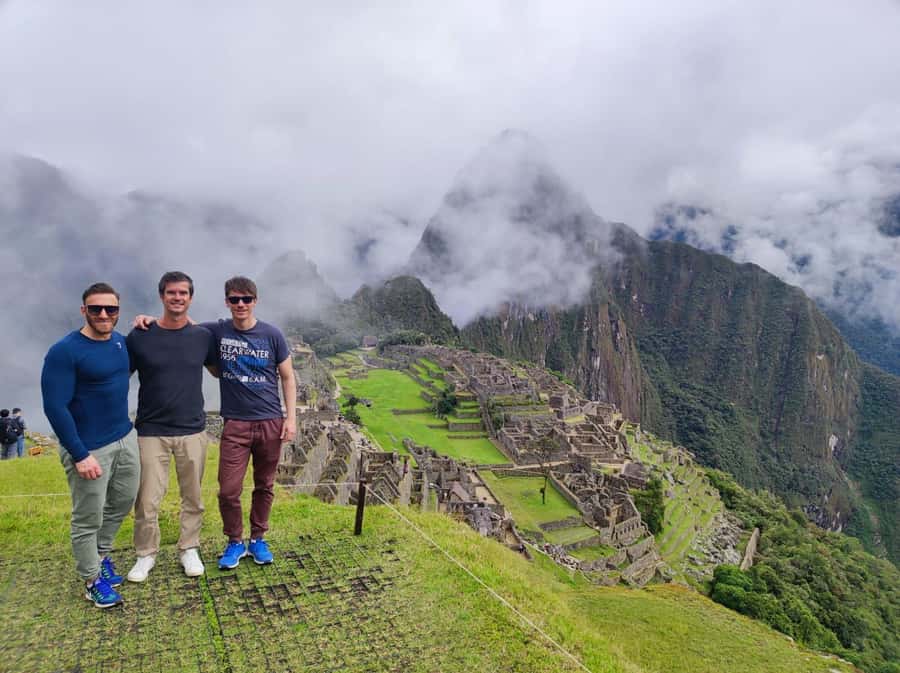
Machu Picchu feels like a time machine. This Cusco-to-Machu Picchu experience is built around simple, do-able routes and the kind of morning timing that helps you actually enjoy the ruins, not just survive the logistics. I especially like the option to return by train, which smooths out your last day, and the guided walk that sets you up once you’re inside. One thing to consider: the trip can be a long day of vehicle time plus stairs and hills, so your comfort level with walking matters.
I also like the practical flow: you get your check-in in Aguas Calientes (in the options that include a night), you get a clear plan for entry, then you’re back on track with a scheduled return. The guide coordination is taken seriously, and in my experience with the English/Spanish crew, Reyner stood out as especially informative—exactly what you want when you’re about to spend hours walking ancient paths.
If you want the least stress, pick the train-based option. If you love the idea of a bigger adventure day one, the hydroelectric + walk route can be great—just know it’s physical and the schedule is tight.
In This Review
- Key things you’ll notice on this trip
- Choosing Your Machu Picchu Route: Bus, Train, or a 4 AM Full-Day
- Day 1 on the Hydrolectric Route: 6:20 AM to Jungle Walk to Town
- Aguas Calientes Night: Why That Stop Helps Your Machu Picchu Morning
- Day 2 at Machu Picchu: Entry Set for 9:00 AM and a Real Guide Plan
- The Viewpoints and Walks: Expect Steps, Heights, and Smart Pacing
- Returning from Aguas Calientes: 4:30 PM Trains and Late Cusco Arrivals
- Price and Value at About $179: What You’re Really Paying For
- What to Bring (and What to Leave Behind) for a Smooth Day
- Who This Fits Best (and Who Should Skip It)
- My Take: Is This the Right Machu Picchu Plan for You?
- Should You Book This Machu Picchu Tour?
- FAQ
- Where do you pick me up in Cusco?
- What time do we depart on the hydroelectric (bus) route?
- How long is the walk from the hydroelectric area to Machu Picchu town?
- What time is the Machu Picchu entry for the guided visits?
- Do I need to stay overnight in Aguas Calientes?
- Is lunch included?
- Do I get a guided visit at Machu Picchu?
- How do I return to Cusco?
- What is the optional bus cost in the full-day option?
- What should I bring and what is not allowed?
Key things you’ll notice on this trip
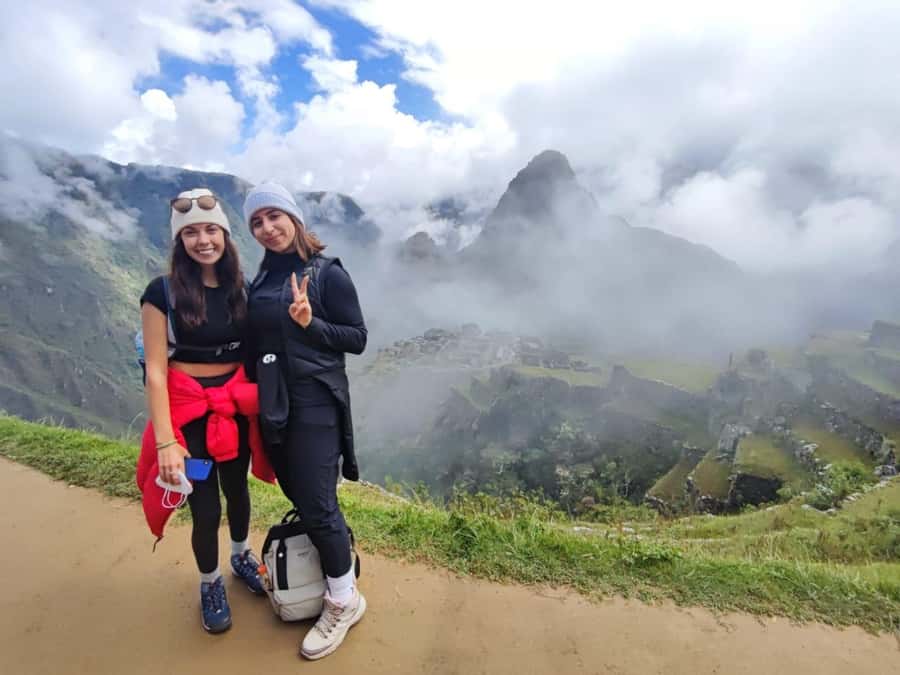
- You choose your route: bus + hydroelectric + walking, or train for an easier return
- Entry timing is planned: your Machu Picchu checkpoint entry is typically set for 9:00 AM (can shift)
- Aguas Calientes matters: staying there (options 1 and 2) helps you start day two without chaos
- Guides do the heavy lifting: you get a guided Machu Picchu visit in options 1–3
- Your return is scheduled: trains often leave at 4:30 PM, then buses bring you back to Cusco late
- It’s stricter than it looks: no oversized luggage, and the walking/stairs aren’t optional
Choosing Your Machu Picchu Route: Bus, Train, or a 4 AM Full-Day
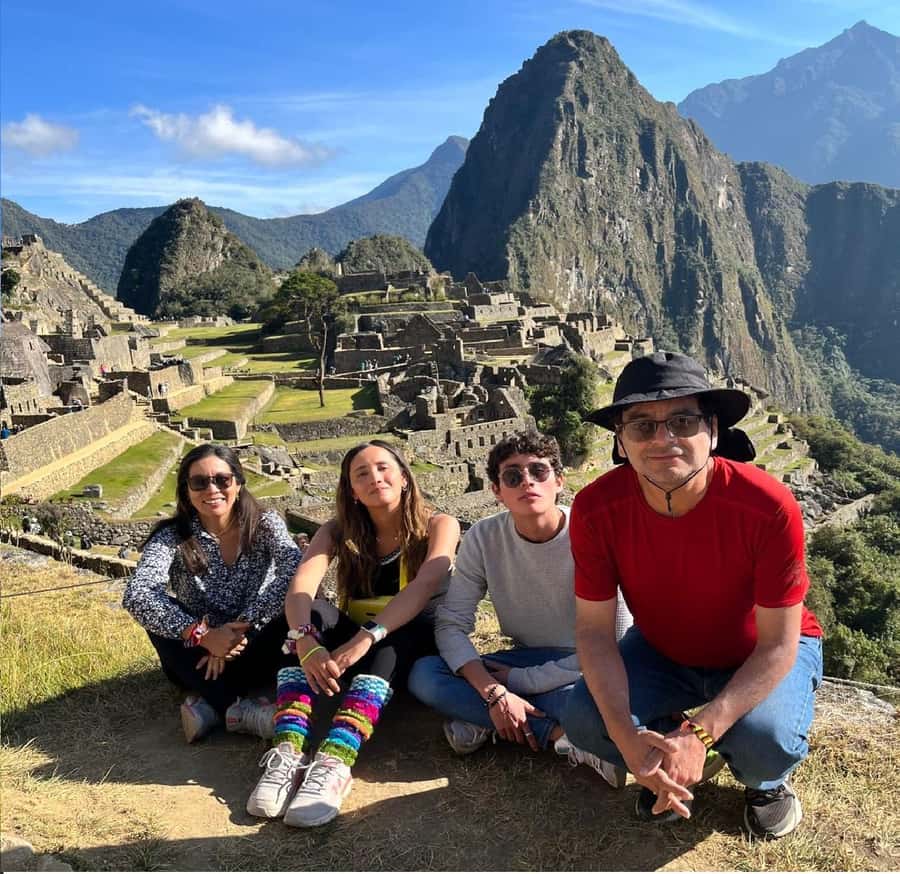
This is not a one-size-fits-all tour. You’re basically choosing between three styles, and that choice shapes the vibe of the whole trip.
Option 2 (train return) is the one I’d steer you toward if your goal is to see Machu Picchu and still feel human afterward. You do the classic climb-in rhythm day one, then you use the train to get back, which reduces the grind.
Option 1 (bus return via hydroelectric) works best when you want the full road-trip feel: long shared-transport days, set meal stops, and a lot of time moving as a group. It’s great if you like the day-one adventure, but be ready for late arrival back to Cusco.
Option 3 (full day) is the fast lane. You start very early, ride the train up, get a guided visit (about 2 hours), then return. If you’re trying to fit Machu Picchu into a tighter Cusco schedule, this is the plan—but expect a strong start and more schedule pressure.
You can also read our reviews of more tours and experiences in Cusco
Day 1 on the Hydrolectric Route: 6:20 AM to Jungle Walk to Town
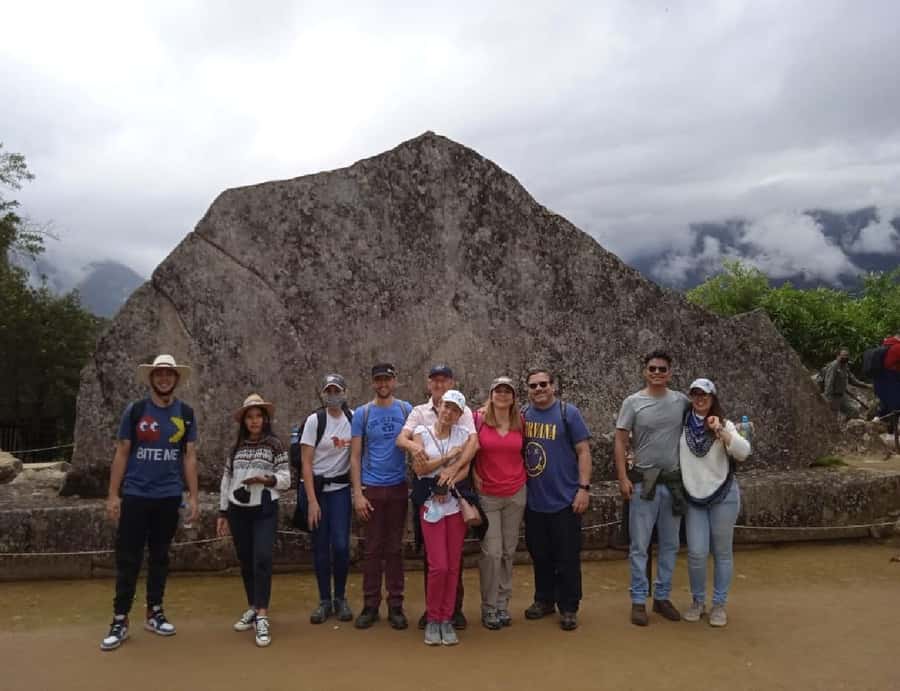
In the bus-style option, you start in Cusco early. Pickup happens from your hotel or an agreed meeting point, and one common departure is 6:20 AM from Plaza de Regocijo. From there, you’re in a vehicle for about 7 hours heading toward the hydroelectric area.
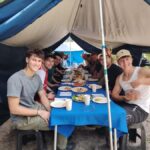
Along the way, you’ll see big mountain views and lots of changing scenery. When you arrive, you eat lunch there with a variety of options, then the day shifts from “ride and watch” to “walk and earn it.”
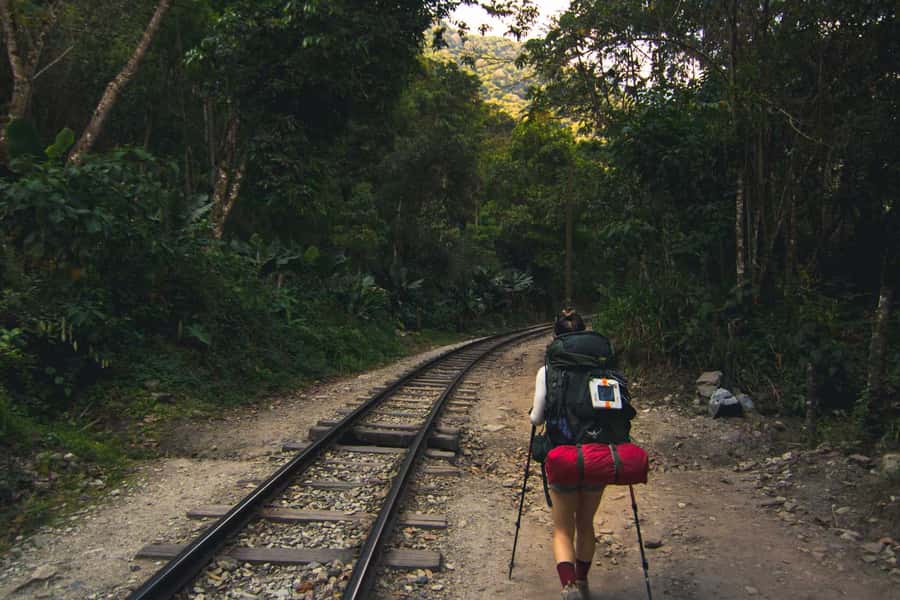
The walk is about 3 hours through jungle terrain to reach Machu Picchu town (Aguas Calientes). This is where you’ll feel the tour’s physical side—comfortable shoes are non-negotiable, and a daypack helps you keep hands free.
Then comes the schedule check: you need to be at Plaza de Manco Capac at 6:00 PM. The guide calls your name and takes you to your accommodation. In option 1, you also get group dinner and a rundown from the guide for day two, which makes the next morning feel clearer.
Aguas Calientes Night: Why That Stop Helps Your Machu Picchu Morning
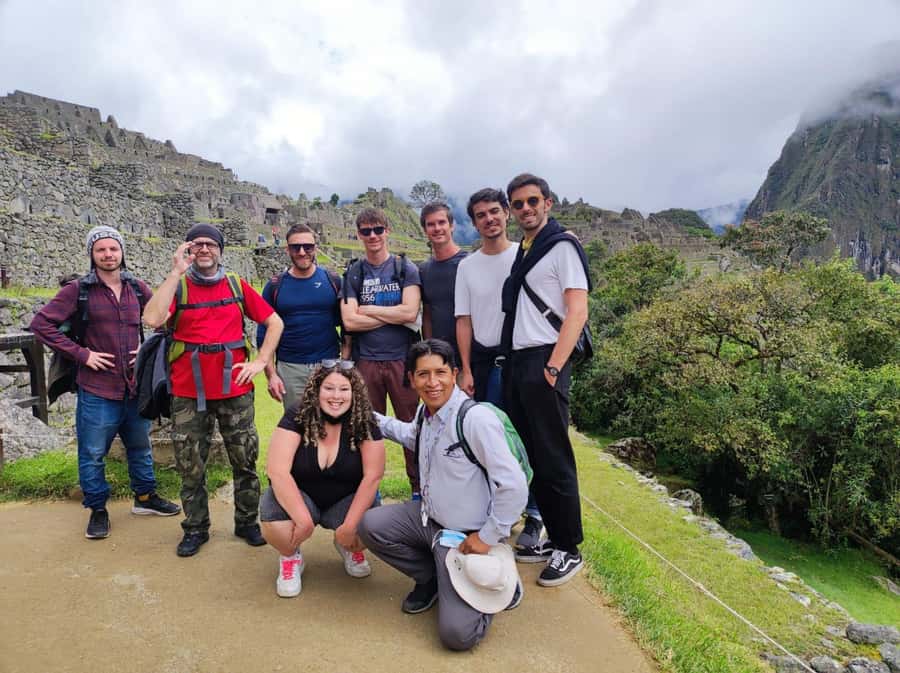
If you pick the options that include it, you’ll sleep 1 night in Aguas Calientes. That matters more than you might think, because Machu Picchu mornings can feel hectic if you’re trying to squeeze the timing.
In the plan, you arrive late afternoon, get checked in, eat (dinner in option 1), and then you’re set for an early start. The goal is simple: reduce stress so you can focus on the ruins instead of wondering how you’ll get to the checkpoint on time.
Your accommodation is described as basic but welcoming. That’s exactly what you should expect in Aguas Calientes—clean and functional rather than fancy. Treat it like a reset button: shower, recharge your phone, and get your shoes ready.
Day 2 at Machu Picchu: Entry Set for 9:00 AM and a Real Guide Plan
Day two is the money day. After an early breakfast (a snack breakfast is included in options 1 and 2), you head toward the Machu Picchu checkpoint area.
You’ll either walk about 40 minutes uphill if you want the effort, or take a bus if you prefer to conserve energy. When you reach the control gate, you go in with your guide, and your entry time is typically 9:00 AM. Note that the exact time can shift based on availability—so being early and ready is part of the deal.
Once inside, the experience has two layers:
1) A guided portion where you learn what you’re looking at and how the site is laid out
2) Time afterward to explore on your own, when applicable (the plan allows a few more hours to roam at your pace)
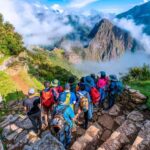
The guided focus is one of the best parts of this tour format. In my view, Machu Picchu is not the place to wander blindly. A good guide helps you connect the dots between terraces, viewpoints, and walk paths so you don’t just move from photo spot to photo spot.
In option 3, the guided time is about 2 hours, and the overall pace is more structured. It’s efficient, and it can be perfect if you want a clear plan without extended wandering.
The Viewpoints and Walks: Expect Steps, Heights, and Smart Pacing
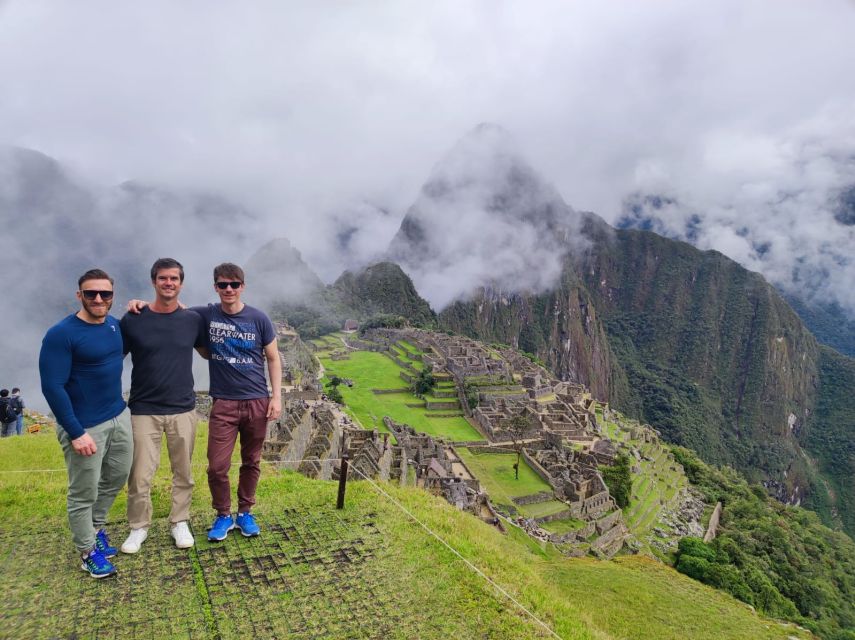
This route is designed around walking and timed entry, so you should plan for uneven terrain and steps. If heights bother you, or you deal with vertigo, this is not the right match. The same goes for back problems or mobility limitations—some of the pathing includes uphill sections and long moving days.
That said, if you’re comfortable with moderate hiking, the pacing works. You start with a checkpoint entry, you walk the key areas, and you get breaks through the day’s structure.
A practical tip: wear shoes you can rely on for stone steps and dusty paths. You’ll be moving longer than you think, and your legs will be your limiting factor before anything else is.
Also, bring insect repellent and sunscreen. The tour checklist is very specific here for a reason: you’re outside for long stretches, and the sun adds up fast.

Returning from Aguas Calientes: 4:30 PM Trains and Late Cusco Arrivals
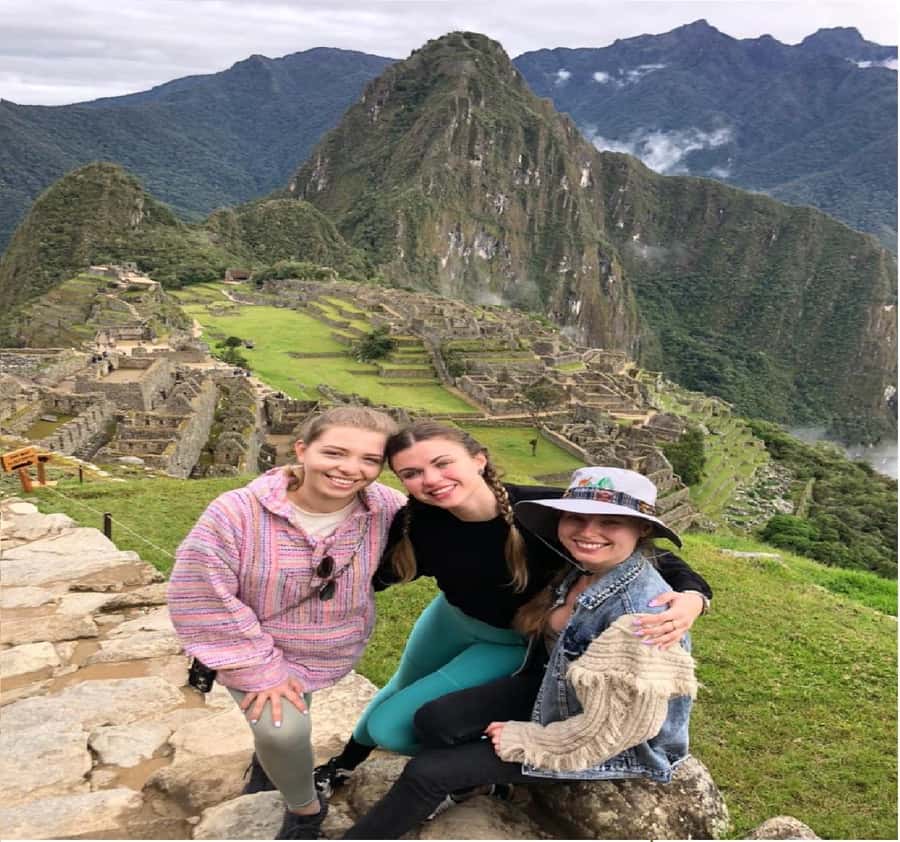
Here’s the big scheduling piece: your return train often departs at 4:30 PM (depending on train availability). After Machu Picchu, you go down to Aguas Calientes, and you can have lunch there on your own while you wait.
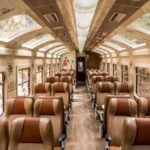
Then you board the train, using your tickets, and ride back toward Ollantaytambo. From there, you connect to a bus back to Cusco.
In option 1, the return ends with an arrival in Cusco around 11:00 PM. That’s late. If you choose that route, plan your next day accordingly—no early commitments, and try to keep dinner and sleep simple when you get back.
If you choose the train return style (option 2), you still use the 4:30 PM train timing, but the day feels more manageable because you’re not repeating the long hydroelectric bus segment on the way out.
Option 3 also follows the 4:30 PM train pattern, then bus back to Cusco, typically ending near Wanchaq or Av Sol station.
Price and Value at About $179: What You’re Really Paying For
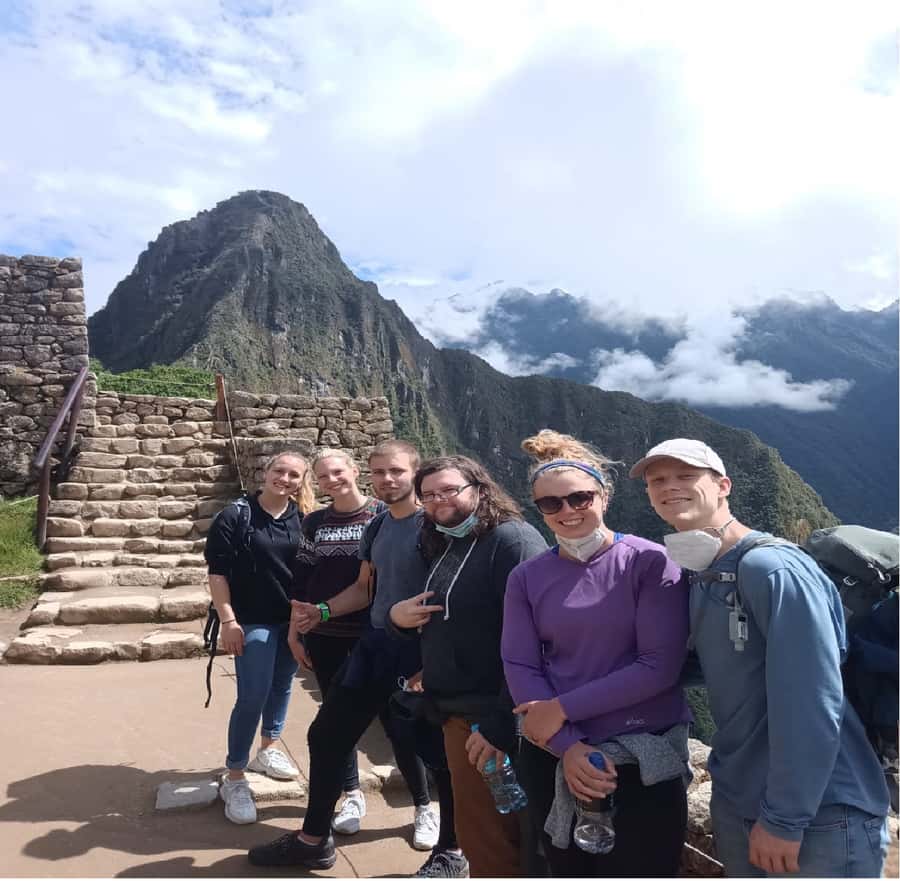
At $179 per person for a 1–2 day experience, the value comes from what’s bundled rather than from any single activity.
You’re getting:
- Machu Picchu tickets
- Transportation that matches your chosen option (bus/hydro route and/or train return)
- A guided Machu Picchu visit (options 1–3)
- A night in Aguas Calientes for options 1 and 2
- Meals included where noted: lunch in options 1 and 2, dinner in option 1, plus snack breakfast in options 1 and 2
- Pickup at your hotel or agreed meeting point
- Ongoing coordination support, described as permanent monitoring
In plain terms: you’re paying to remove uncertainty. When Machu Picchu is booked, entry times shift, and connections matter, having a plan can save your energy. The tradeoff is your time and physical effort—you’re still walking and you’re still caught up in the day’s schedule.
If you’re the type who hates scrambling for buses and ticket handoffs, this price feels more reasonable. If you’re fit, flexible, and comfortable building your own plan, you might find cheaper routes elsewhere—but the “known schedule” factor is a real part of the value here.
What to Bring (and What to Leave Behind) for a Smooth Day
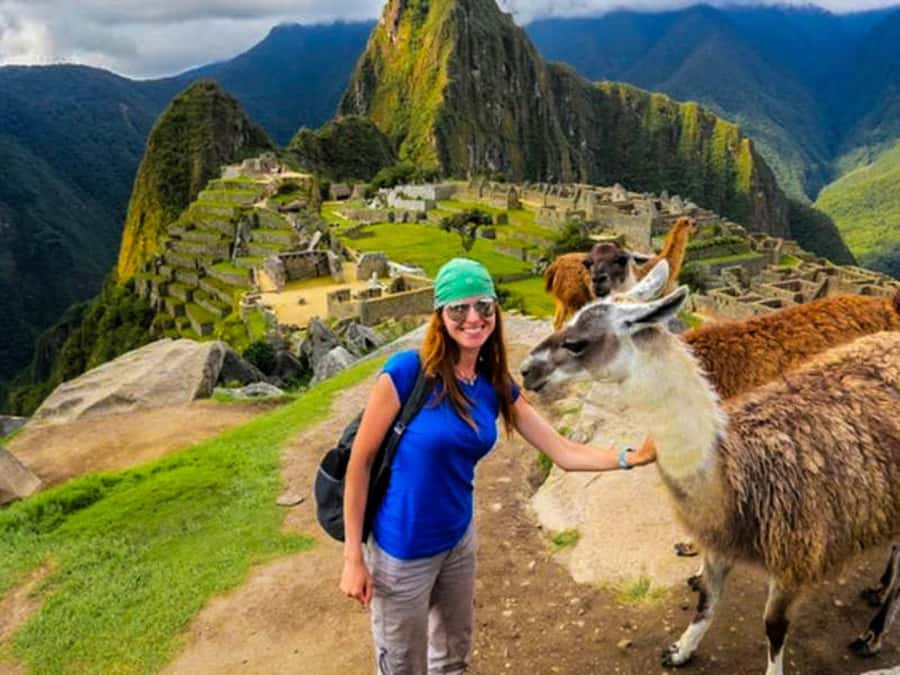
This trip runs on comfort and basic preparedness. The essentials are:
- Passport or ID card
- Comfortable shoes (seriously)
- Sunscreen
- Insect repellent
- A daypack
- A charged smartphone
And watch what you don’t bring. The tour notes:
- No pets
- No oversize luggage
- No smoking
- No alcohol or drugs
- No luggage or large bags
Those rules affect your packing. Keep it small. If you need layers, think light and practical. You’ll be moving, sweating, then cooling off later.
Who This Fits Best (and Who Should Skip It)
This tour is built for people who can handle hills, stairs, and early starts. It’s not suitable for:
- Pregnant travelers
- People with back problems
- Mobility impairments or wheelchair users
- People with heart problems
- Anyone afraid of heights or with vertigo
- Children under 18
- People with epilepsy
- People over 65 (and also an additional “over 70” limit listed)
- People over 220 lbs (100 kg)
- People with motion sickness
- People with certain allergies (food, lactose intolerance, animal/insect allergies)
- People with hearing impairment, kidney problems, high blood pressure, or recent surgeries
If you’re within the listed limits and you’re comfortable with a full day of walking and a long return schedule, you’ll likely enjoy this format. If you’re hovering near the edge—especially with vertigo, heart conditions, or low fitness—pick a gentler plan.
My Take: Is This the Right Machu Picchu Plan for You?
I like this tour structure because it respects reality. You get real entry timing support, you get guidance inside the ruins, and you end the trip with a clear return plan. The included meal stops (lunch on day one for options 1 and 2, plus breakfast snack) also help you avoid the common tourist mistake of under-eating and then feeling awful later.
If your top priority is comfort, the train return option is the better feel. If you want a bigger day-one adventure—vehicle rides plus that 3-hour jungle walk—the hydroelectric route can be exciting, and it turns day one into part of the story, not just “transport.”
And the guide experience matters. When the guide is informative (Reyner is a name you may hear in this operation), you spend less time guessing and more time appreciating what you’re seeing.
Should You Book This Machu Picchu Tour?
Book it if you want:
- A guided Machu Picchu visit with planned entry timing
- A choice between bus-based adventure and train-based comfort
- Clear coordination from Cusco to Aguas Calientes and back
- A built-in plan for the 4:30 PM train timing
Skip or reconsider if:
- You struggle with heights, vertigo, or a lot of stair-and-hill walking
- You can’t handle long days (including late return around 11:00 PM in option 1)
- You need highly flexible timing, since the route depends on set departure and entry slots
If you’re a fit traveler with a realistic attitude about early mornings and late nights, this is a solid way to get to Machu Picchu without turning it into a stress test.
FAQ
Where do you pick me up in Cusco?
Pickup happens at your hotel or an agreed meeting point. One departure point listed is Plaza de Regocijo Cusco for the 6:20 AM start in the bus/hydroelectric option.
What time do we depart on the hydroelectric (bus) route?
In the bus/hydroelectric option, departure is at 6:20 AM from Plaza de Regocijo Cusco.
How long is the walk from the hydroelectric area to Machu Picchu town?
The plan includes about a 3-hour walk through the jungle to the town of Machu Picchu (Aguas Calientes area), with arrival expected at Plaza de Manco Capac at 6:00 PM.
What time is the Machu Picchu entry for the guided visits?
Your Machu Picchu checkpoint entry is typically scheduled for 9:00 AM, but it may change depending on availability.
Do I need to stay overnight in Aguas Calientes?
Options 1 and 2 include 1 night accommodation in Aguas Calientes. Option 3 is a full-day plan and only mentions meals while you’re waiting for the train.
Is lunch included?
Lunch is included in options 1 and 2. In Machu Picchu town (Aguas Calientes), lunch later is described as on your own while you wait for the train.
Do I get a guided visit at Machu Picchu?
Yes. Guided visits are included for options 1, 2, and 3. Option 3 includes about 2 hours with the guide.
How do I return to Cusco?
Depending on the option, you may return by bus (option 1) or by train plus bus (options 2 and 3). The train often leaves at 4:30 PM (based on train availability) and then you connect by bus back to Cusco.
What is the optional bus cost in the full-day option?
In option 3, there is an optional bus (Consetur) that costs $24 to reduce the uphill walk.
What should I bring and what is not allowed?
Bring a passport or ID card, comfortable shoes, sunscreen, insect repellent, a daypack, and a charged smartphone. Not allowed: pets, oversize luggage, smoking, alcohol or drugs, and luggage or large bags.