REVIEW · AREQUIPA
From Arequipa: Colca Valley & Thermal Baths Small-Group Trip
Book on GetYourGuide →Operated by NATIVA TRIPS ADVENTURE S.R.L · Bookable on GetYourGuide
Waking at 3 a.m. can be worth it. This trip hits the Colca Canyon with a small group of 17 and time for that canyon-edge viewpoint walk, plus guides who talk you through what you’re seeing. The trade-off is long, cold early hours and a day that moves fast, so you need to plan for a serious start and long van time.
What I like most is the built-in altitude support: the vehicle units come with an oxygen cylinder, and the schedule builds in stops so you can breathe, stretch, and refuel. The other big payoff is finishing at Chacapi Thermal Baths in Yanque, where the water sits at about 38°C—perfect after a day of high-elevation viewpoints.
In This Review
- Key highlights worth your attention
- One day in the Colca Valley that actually fits a tight Arequipa visit
- Early pickup and altitude support: how the 4,910 m stop changes the day
- What I recommend for feeling better at altitude
- The viewpoint circuit: volcano air, canyon depth, and condor odds
- Mirador Antahuilque: quick photo time with a guided eye
- Cruz del Cóndor: the main event for canyon views
- Wayra Punku (Wayracpunku): another angle, another set of photos
- Patapampa + the volcano viewpoint: why it’s worth waking up for
- Maca and the Santa Ana colonial church stop: small town, standout details
- Chacapi Thermal Baths in Yanque: 38°C recovery after hours up high
- Is it worth paying extra?
- Wildlife and wetlands: Pampa Cañahuas and the photo-friendly stop
- Price and real costs: what the $27 includes (and what you’ll pay on top)
- Colca Valley entrance ticket (mandatory)
- Thermal baths ticket (optional)
- Lunch in Chivay: check what’s covered for your booking
- Van comfort and timing: how to survive the long hours
- Who this tour fits best (and who should skip it)
- Final call: should you book this Colca Valley and thermal baths day?
- FAQ
- What time is pickup from Arequipa hotels?
- How long is the Colca Valley & thermal baths trip?
- What’s included in the price?
- Do I have to pay a Colca Valley ticket?
- Is the thermal bath ticket included?
- What are the key viewpoints on the route?
- Where do we stop for lunch and is lunch included?
- Are there any altitude-related aids?
- Is the tour suitable for pregnant women?
Key highlights worth your attention
- Small group of 17 keeps the day from feeling rushed at every stop.
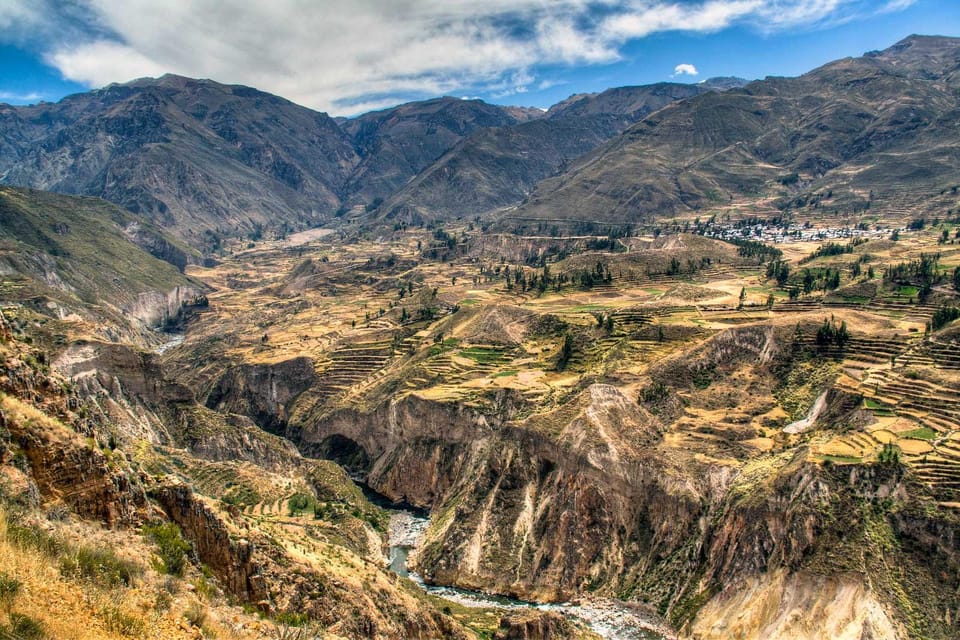
- Canyon-edge walking time helps you actually take in Colca’s depth, not just stare from a single angle.
- Oxygen cylinder on the vehicle is a real comfort detail for high-altitude days.
- Patapampa / Mirador de los Volcanes at 4,910 m puts big volcano names in the same frame as the sky.
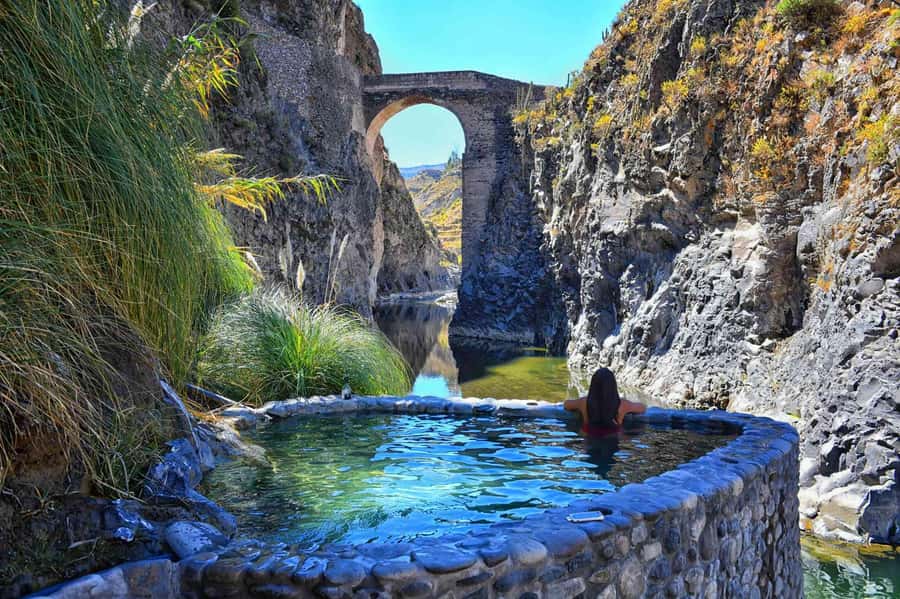
- Chacapi thermal baths (38°C) turn the day from sightseeing into recovery mode.
- Guides that know the Colca circuit (including names like Sandrita, Marisol, and driver Marcos in feedback) can make short stops feel worth it.
One day in the Colca Valley that actually fits a tight Arequipa visit
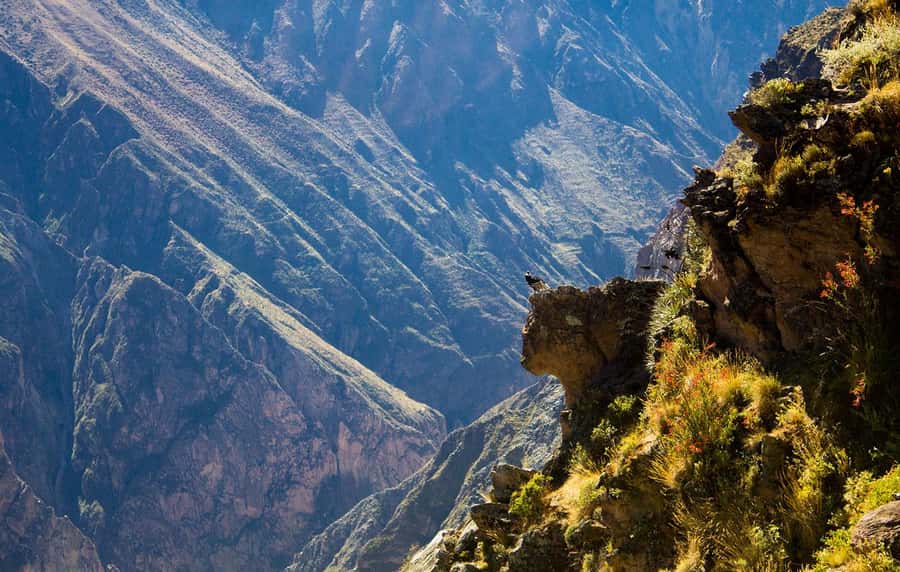
If you only have a day in Arequipa, this is the kind of tour that makes sense. You leave early (hotel pickup starts around 3:00 to 3:30 a.m.) and you’re back by about 5:00 to 5:30 p.m., with major Colca viewpoints plus hot springs in the same stretch.
The small-group setup is the quiet advantage here. With only 17 passengers, you spend less time waiting for the whole busload to move and more time doing the parts you care about—photos, short walks, and a couple minutes to really look.
The downside of a one-day sprint is simple: you won’t have the calm, slow rhythm of a multi-day stay. You’ll be doing a lot of “stop, see, learn, move on,” so dress for comfort and keep expectations realistic.
You can also read our reviews of more tours and experiences in Arequipa.
Early pickup and altitude support: how the 4,910 m stop changes the day
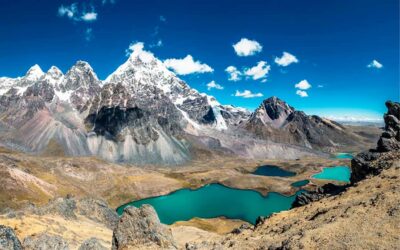
The day starts before sunrise, and that matters more at altitude than you might expect. After pickup, you head out toward the Colca region and then climb to the first big altitude moment at Mirador de los Volcanes (Patapampa area) around 4,910 meters.
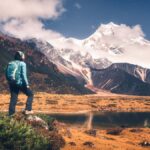
That’s where you get wide views of volcanoes including Ampato, Sabancaya, and Hualca Hualca. At this height, it can feel sharply cold—even when the afternoon turns hot—so you’ll want layers you can remove later without losing warmth too fast.
One practical detail that makes a difference: the tour units include an oxygen cylinder. It’s not a magic fix, but it’s the kind of safety-minded touch that can help you stay calmer if altitude makes you nervous.
What I recommend for feeling better at altitude
Bring what you’d bring for a mountain day, not a city day:
- Jacket + warm layers (morning cold is real)
- Hat and sunscreen (sun can be strong even when it’s chilly)
- Comfortable shoes (you’ll walk and stand for photos)
- Thermal clothing if you run cold
And if you’re sensitive to altitude, pay attention to how you feel at each stop. The schedule moves, but it also gives you short breaks so you don’t just freeze in place.
The viewpoint circuit: volcano air, canyon depth, and condor odds
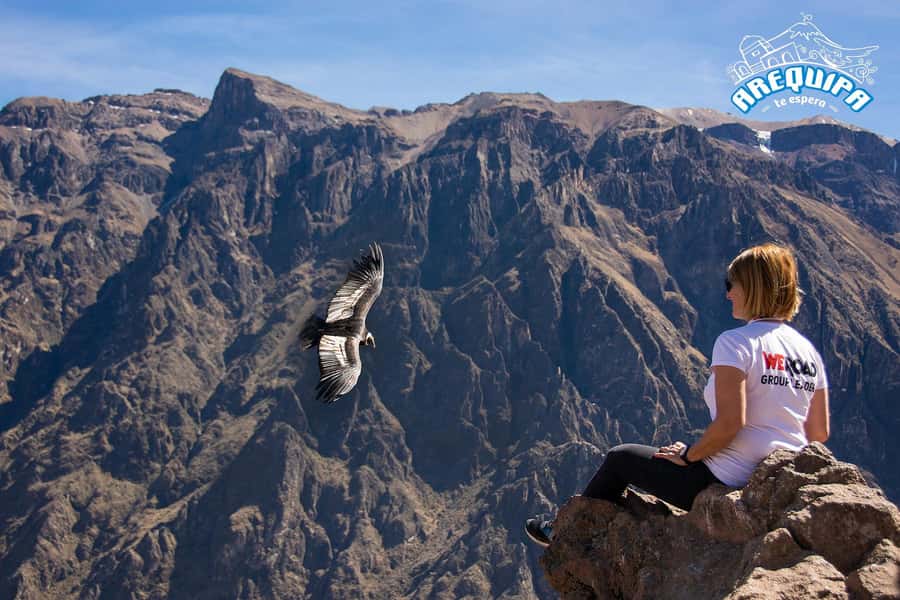
This tour is built around a classic Colca viewpoint loop, with several short stops and one main viewing moment where people usually hope to see an Andean condor.
Mirador Antahuilque: quick photo time with a guided eye
The stop at Mirador Antahuilque is short (about 10 minutes), with a photo break and guided explanation. The time limit is why the guide matters—rather than you guessing what you’re looking at, you’re guided to notice key angles and what the terrain shows.
This is the kind of stop where having a guide can turn a “nice photo” into a “now I understand what I’m seeing” photo.
Cruz del Cóndor: the main event for canyon views
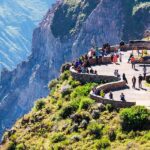
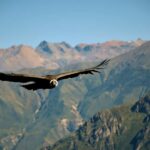
At Mirador Cruz del Cóndor, the tour gives you longer time (about 45 minutes) for photos and videos, plus guided orientation. This viewpoint sits at the foot of the canyon, so it’s your best shot for an Andean condor passing overhead.
You’ll notice the tone shift here: people lean forward, cameras come out fast, and everyone waits for that moment. If you’re lucky, you’ll catch the condor’s flight. If not, you’ll still get a huge sense of scale—Colca’s depth is the point, even without the bird.
A tip that helps: move slowly once you’re at the viewpoint. Wind and cold can make you rush, but if you take a minute to find your angle and steady your filming, you’ll get better footage.
Wayra Punku (Wayracpunku): another angle, another set of photos
Wayra Punku is another short viewing stop (around 10 minutes) with guidance and photo time. This is part of why the day feels full: you’re collecting multiple “signature angles” of the valley rather than spending all day at one place.
The value is variety. You get to compare how the canyon and ridges look from different viewpoints, which makes the whole Colca story feel more complete.
Patapampa + the volcano viewpoint: why it’s worth waking up for
That early stop around 4,910 m isn’t only about bragging rights. It’s where you see volcano names clearly and get a sense of the geological big picture before you head deeper into the canyon route.
You’re also switching from the “high plateaus” feeling into a more dramatic canyon day, and that shift is easier when the schedule gives you a major viewpoint early.
Maca and the Santa Ana colonial church stop: small town, standout details
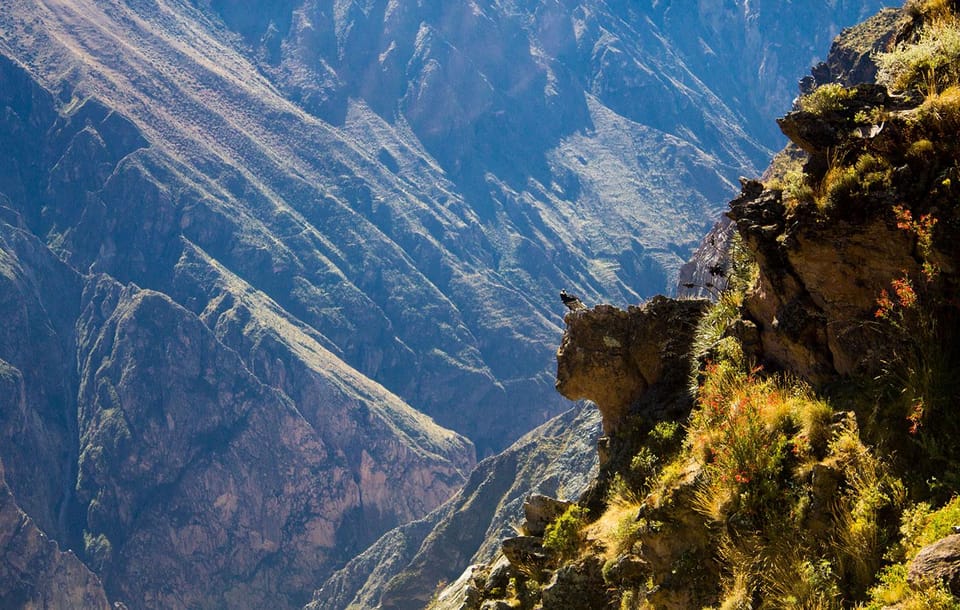
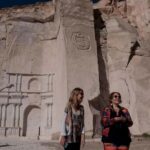
Between the big viewpoint hits, you go through Maca, where you stop to see the Colonial Church of Santa Ana. This is known for sculpture work carved in ashlar stone, and it’s one of those stops that breaks up the day so you’re not only standing outdoors.
The best part of this kind of cultural pause is contrast. After hours at viewpoint after viewpoint, your eyes start to relax when you’re looking at architecture and local craftsmanship.
Even the short stop adds texture to the day—Colca isn’t just the canyon. It’s a living region with towns, churches, and artisans.
Chacapi Thermal Baths in Yanque: 38°C recovery after hours up high
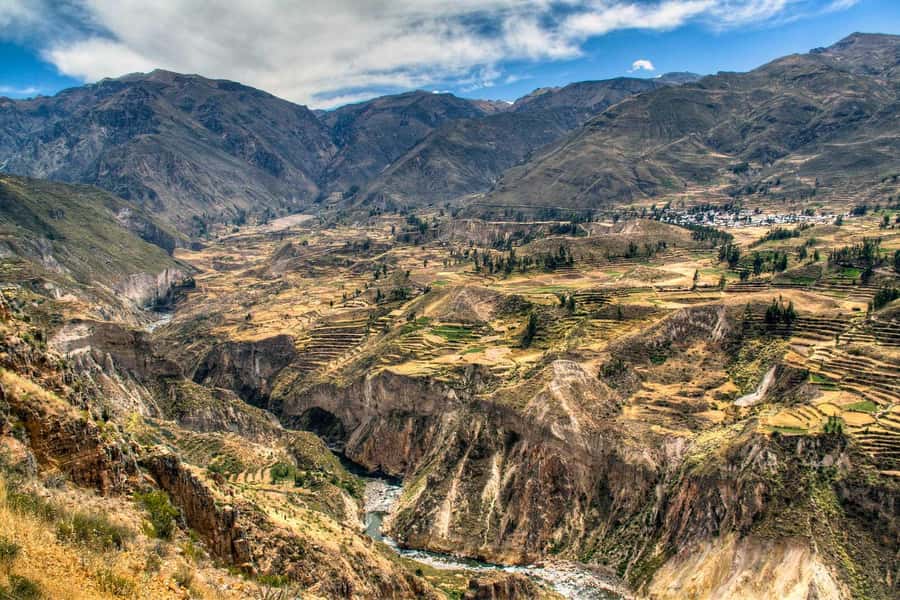
The tour finishes with Chacapi Thermal Baths in Yanque, with medicinal waters at about 38°C. This is the payoff moment after cold mornings and long vehicle time.
Bring:
- Swimsuit
- Towel
- Comfortable flip-flops or sandals you can use around wet areas
The thermal baths ticket is listed as optional (around S/15.00), so plan for that cost if you want to actually use the pools rather than just walk around.
Is it worth paying extra?
For many people, yes, because a soak is the fastest way to reset your legs and mind after high-elevation standing and photo waiting. But keep in mind you may also be paying other on-the-day costs (more on that next), so mentally budget for it.
Wildlife and wetlands: Pampa Cañahuas and the photo-friendly stop
The last nature-oriented stop is Pampa Cañahuas National Reserve (with reference to Tocrapampa wetlands in the route). You get a short break here (about 10 minutes) for photo time and a guided visit.
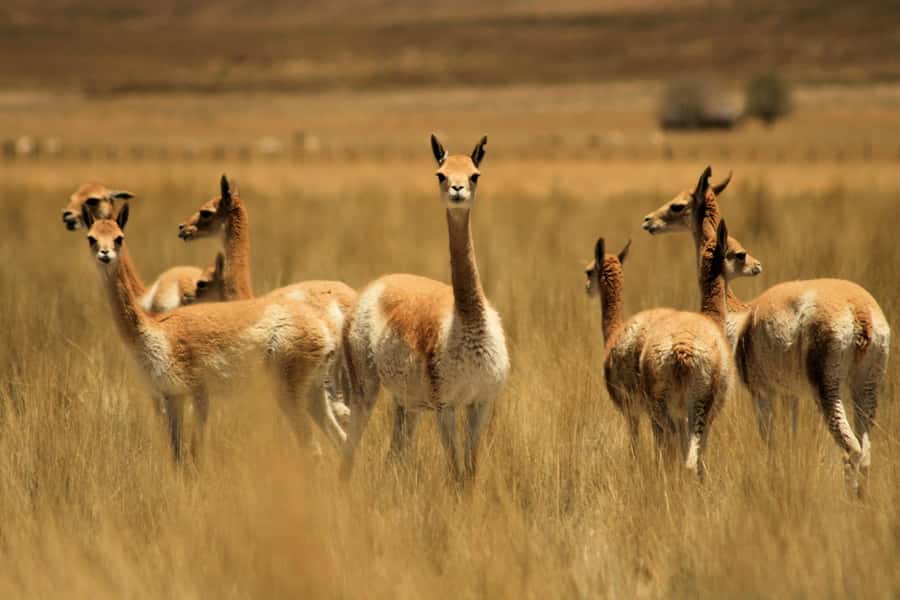
This stop matters because it adds life beyond stone and sky. If you’re a wildlife spotter, this is one of the more likely places to see something moving besides condor-shaped hopes.
Don’t expect a long hike. This is a roadside reserve moment—use it for photos, quick observations, and then you’re back on the van for the return.
Price and real costs: what the $27 includes (and what you’ll pay on top)
The headline price is about $27 per person, and the value comes from what’s included:
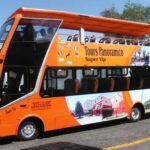
- Tourist transport van
- Bilingual guide (English/Spanish)
- Small group of 17
- 1 continental breakfast
However, two on-the-day costs can meaningfully affect your total budget.
Colca Valley entrance ticket (mandatory)
You’ll need to pay the Colca Valley ticket on the day:
- National: S/20.00
- Latinos: S/40.00
- Foreigner: S/70.00
This is not something you can avoid, so calculate it early when deciding if the trip fits your budget.
Thermal baths ticket (optional)
The thermal baths entry is listed as optional at S/15.00. If you’re planning to soak, treat it as part of your cost.
Lunch in Chivay: check what’s covered for your booking
Lunch is scheduled in Chivay (about 1 hour). The pricing info lists a buffet lunch as optional at S/40.00, so you’ll want to confirm what your exact booking includes.
A small planning note: one piece of feedback flagged that the midday meal and transport comfort can feel pricey or uncomfortable depending on conditions. That doesn’t mean the food is bad; it just means you should expect extra costs and be ready for a long day.
Van comfort and timing: how to survive the long hours
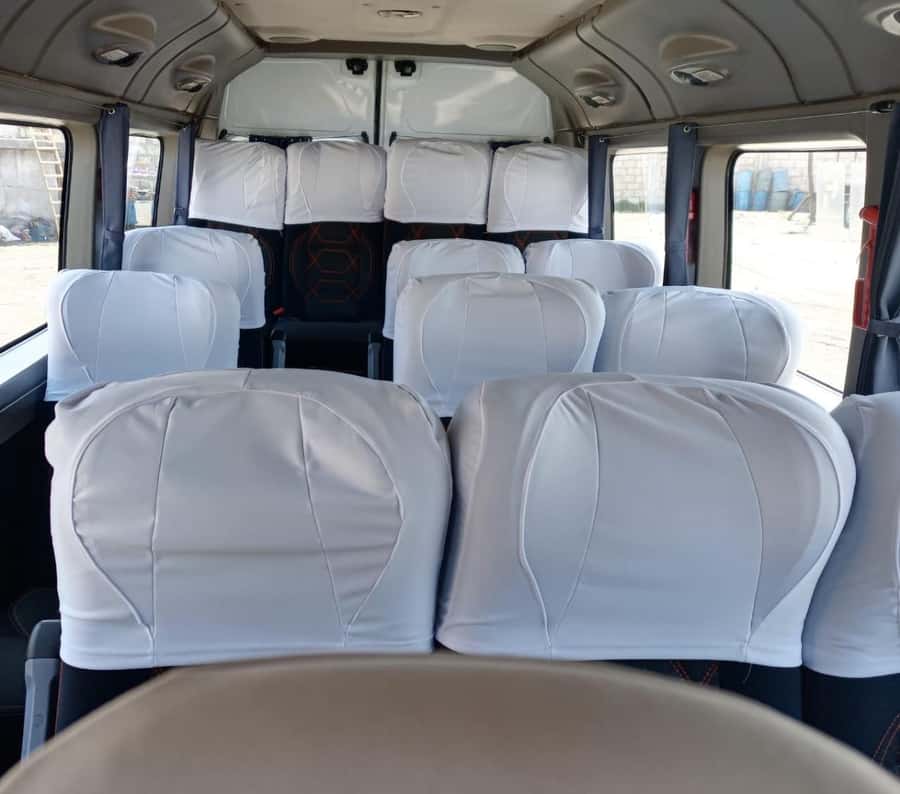
You spend a lot of the day inside the van. That’s normal for a one-day Colca trip, but it’s where comfort can make or break your mood.
In feedback, I’ve seen complaints about the van not being well heated/air conditioned, especially on long drives. On the flip side, drivers and guides were also praised for handling the route well, even when conditions changed.
Your best counter-move:
- Wear layers you can adjust fast
- Bring a warm layer for your legs (a light blanket or thick scarf can help)
- Pack sunglasses for the bright midday sun
Also, accept that you won’t always get long bathroom breaks. The schedule is built around short stops. Plan for that and you’ll feel less stressed.
Who this tour fits best (and who should skip it)
This is a good choice if:
- You have little time in Arequipa and want the big Colca highlights in one day
- You want a small group rather than a giant bus
- You like combining viewpoints with a real recovery stop at hot springs
- You prefer guided explanations during short photo windows
This is not a great fit if:
- You’re pregnant (the tour is listed as not suitable for pregnant women)
- You hate early starts or you struggle with cold mornings at altitude
- You want lots of slow, unstructured time (the day moves)
Final call: should you book this Colca Valley and thermal baths day?
I’d book it if your priority is a single, high-impact day: sunrise departure, canyon viewpoints with condor odds, and a warm soak at Chacapi to close the loop. The combination of small-group size, guided stops, and the included breakfast makes it a practical way to cover a lot without renting your own transport.
I’d think twice if you’re extremely sensitive to cold or long vehicle rides, or if you’re counting every extra sol. With the mandatory Colca Valley ticket plus potential lunch and thermal bath entry, your real total will be more than the base $27.
If you can handle the early morning and you pack smart, this is one of the more time-efficient ways to experience Colca Valley from Arequipa.
FAQ
What time is pickup from Arequipa hotels?
Pickup is from 3:00 to 3:30 a.m. from hotels in the city center area (up to about four blocks from the Plaza de Armas). If your hotel is farther out, you may need to go to the main square area.
How long is the Colca Valley & thermal baths trip?
It’s a 1-day tour, with return to Arequipa around 5:00 to 5:30 p.m.
What’s included in the price?
Included items are tourist transport van, a bilingual guide (English/Spanish), 1 continental breakfast, and a small group of 17 passengers.
Do I have to pay a Colca Valley ticket?
Yes. A Colca Valley entrance ticket is mandatory and you pay based on your category: S/20.00 (National), S/40.00 (Latinos), or S/70.00 (Foreigner).
Is the thermal bath ticket included?
The thermal baths ticket is listed as optional (about S/15.00). You should plan for it if you want to enter the pools.
What are the key viewpoints on the route?
Major stops include Mirador de los Volcanes (Patapampa) at 4,910 m, Mirador Antahuilque, Mirador Cruz del Cóndor, and Mirador Wayracpunku.
Where do we stop for lunch and is lunch included?
Lunch is scheduled in Chivay for about 1 hour. The pricing info lists buffet lunch as optional, so what’s included can depend on your specific booking details.
Are there any altitude-related aids?
Yes. The van units have an oxygen cylinder, which can be helpful on a high-altitude route.
Is the tour suitable for pregnant women?
No. The tour is listed as not suitable for pregnant women.