REVIEW · RIO DE JANEIRO
Favela Tour The Original, Rocinha & Vila Canoas since 1992
Book on GetYourGuide →Operated by FAVELA TOUR · Bookable on GetYourGuide
Favela Tour is a smart way to see Rio beyond the postcard. This Original tour takes you into Rocinha and Vila Canoas with a friendly, socially inclusive vibe that focuses on context, not spectacle. I especially like how the walk is structured around real everyday spaces, and I also like that guides help you connect the neighborhood layout to bigger Brazilian social realities.
The one thing to keep in mind is that logistics can be time-sensitive. Your language slot matters, and there can be rare changes if a specific visit plan doesn’t work out as expected—so confirm directly and stay flexible.
Key things to know before you go
- Rocinha + Vila Canoas: two different neighborhoods, not just a quick photo stop
- Mostly walking: you’ll move through residential and commercial alleys
- Community-facing stops: a craft center and a school supported by Favela Tour
- Panoramic viewpoints: you get scenic Rio views along the way
- Guides with clear context: multiple languages and guided explanation as you go
In This Review
- Why Rocinha and Vila Canoas Change Your View of Rio
- 3 Hours, Two Communities, One Walkable Flow
- The Pre-Walk Start: Local Bar, Intro, and Getting Oriented
- Rocinha: Brazil’s Largest Favela, Up Close and Human
- Vila Canoas: Crafts, Community School, and Local Projects
- Safety and Respect: What the Tour’s Approach Really Means
- Guides, Languages, and the Context You Actually Need
- Panoramic Rio Views: More Than a Photo Break
- Price and Value: Is $33 Worth It?
- Who This Tour Fits Best (and Who Might Want Another Option)
- Potential Snags: Language Availability and Entrance Decisions
- Should You Book This Favela Tour?
- FAQ
- How long is the Favela Tour?
- Which neighborhoods are visited on this tour?
- Where are the pickup and drop-off areas in Rio?
- What languages are available for the tour guide?
- What’s included in the tour price?
- Is it walking-heavy? What should I bring?
- Is free cancellation available, and can I reserve without paying right now?
Why Rocinha and Vila Canoas Change Your View of Rio
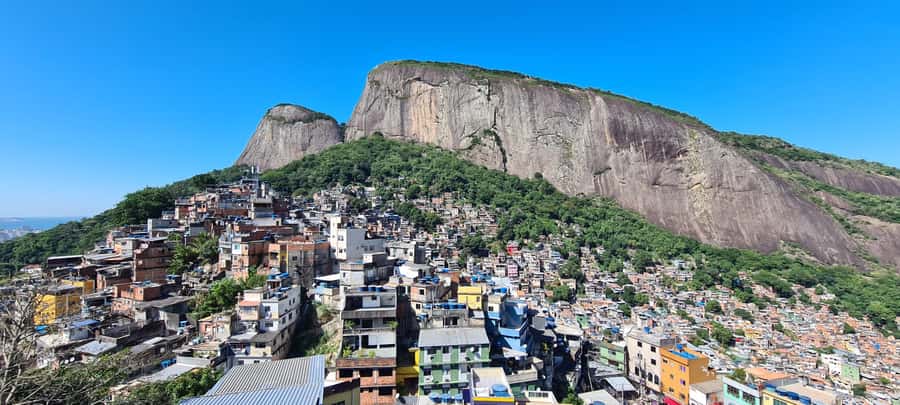
Rio has plenty of famous views—Sugarloaf, Corcovado, beach promenades. This tour shifts your attention to something equally real: how life works on the hillsides. Rio has close to 1,000 favelas, and they’re home to about 20% of the city’s population—yet for many visitors they stay mysterious.
What I like about this experience is the way it frames favelas as part of Brazilian society, not as a separate universe. You’ll learn how many favelas started on former public areas on hillsides, then grew into complex communities with homes, shops, schools, and local projects. The goal isn’t to sugarcoat difficulties. It’s to give you a fuller picture so you stop relying on fear and myths.
And yes, the scenery helps. Even when you’re looking from viewpoints, you get a sense of how Rio’s geography shapes where people live and how neighborhoods function.
3 Hours, Two Communities, One Walkable Flow

This is a 3-hour tour built around getting you moving, not sitting in a van. You’ll typically start with hotel pickup from the south zone areas like Leme, Copacabana, Ipanema, and Leblon, and the tour drops you back in those same general zones. There are also pickup options including São Conrado.
The timing works because the tour effectively starts when you board the vehicles, not only after you arrive on foot. That matters: you don’t lose the first part to waiting around, and the guide can begin setting the context immediately.
Comfort-wise, you’ll want practical shoes. The operator says it’s mostly a walking tour, and it’s smart to come ready for time on your feet. If you plan to buy local crafts or want drinks, plan a little extra spending—those aren’t included.
You can also read our reviews of more tours and experiences in Rio De Janeiro.



The Pre-Walk Start: Local Bar, Intro, and Getting Oriented

Early on, the experience includes a stop at a local bar where you get a guided introduction before the main walking portion. You’re not just waiting for the start time here. It’s where the guide helps you understand what you’re about to see and how to read the neighborhood.
Then you move into the walk: you’ll see both residential and commercial areas. That mix is important. Favelas aren’t only housing blocks; they’re also places where people work, trade, build community services, and keep daily routines going.
Expect scenic viewpoints as you go, too. Those moments give you a chance to step back and see the bigger picture of Rio’s sprawl and hillside architecture.
Rocinha: Brazil’s Largest Favela, Up Close and Human
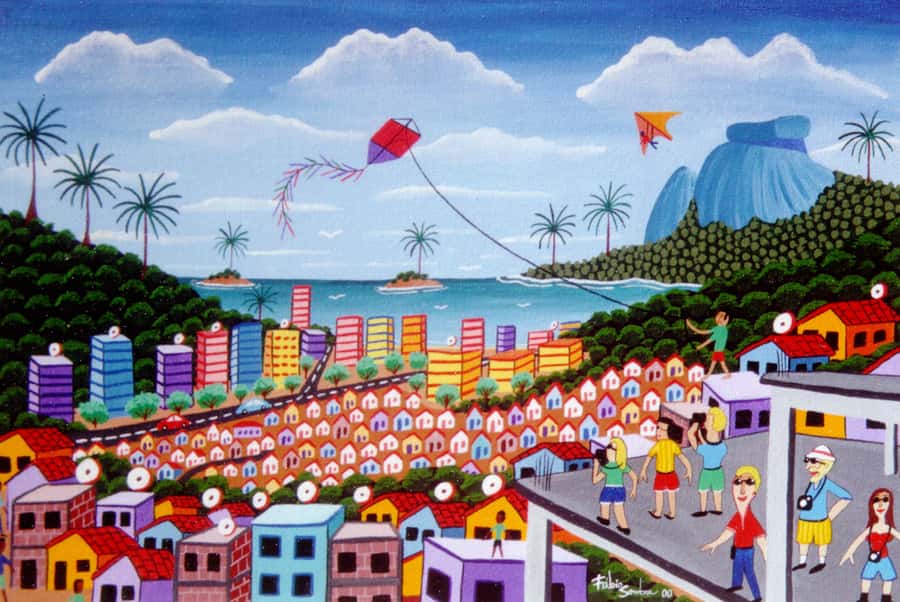
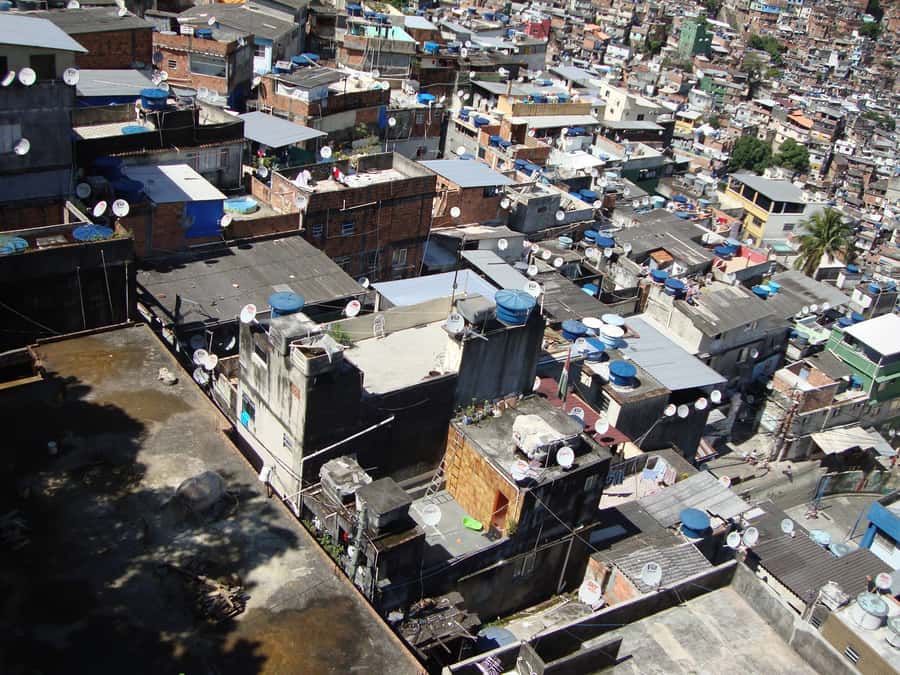
Rocinha is described as the largest favela in Brazil, and from a distance it can look almost picturesque. Up close, the tone changes—in a good way. You’ll see how the architecture organizes itself on steep terrain, how commercial activity works, and how everyday life flows through narrow streets.
This is where the “not voyeuristic” part matters. The tour is designed to avoid the vibe of gawking. Instead, you’re guided through what you’re seeing with explanation that connects details to the broader reality of life in Rocinha.
You’ll also get the emotional reset that comes from meeting people in a context that feels normal for them. You’re welcomed, not treated like an intruder. And your presence supports the tour’s educational and community efforts while you learn.
Vila Canoas: Crafts, Community School, and Local Projects
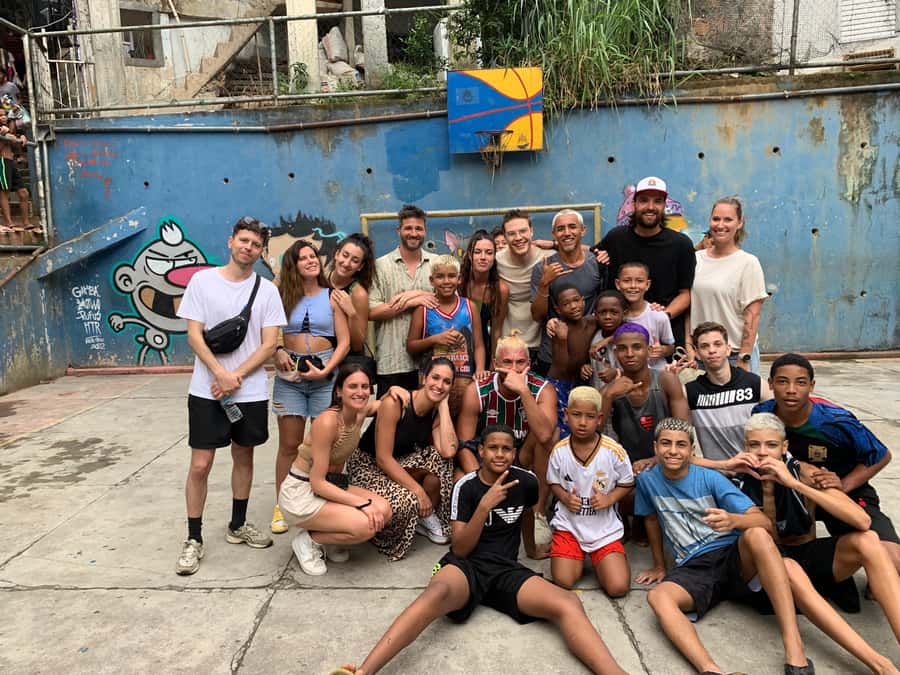
If Rocinha is the big headline, Vila Canoas gives you something more intimate. The tour keeps moving through the neighborhoods, but you’ll also reach community-facing stops.
One of the standout elements is the handcraft center. This isn’t framed as a souvenir trap. It’s presented as a real local activity you can support while seeing how skills and commerce show up in daily community life.
Then there’s the community school, financed by Favela Tour. This is a big reason the experience can feel meaningful rather than one-note. When your visit ties into local education, it changes what your ticket becomes. It’s less about sightseeing and more about contributing to something that improves futures for kids in the neighborhood.
Safety and Respect: What the Tour’s Approach Really Means
Let’s talk safety directly, because this is the biggest question people have before they go. The tour emphasizes that favelas are often safer than many people believe, but you should still go with an organized tour. The structure matters: you’re not wandering on your own or relying on luck.
It’s also clear about respect. The intention is that you don’t feel like a tourist outsider. The operator frames visits as welcome, and it’s designed to help your preconceived ideas break down instead of harden.
So what should you do in practice?
- Follow the guide’s pacing and instructions
- Keep your curiosity respectful
- Expect walking and get comfortable with close proximity to daily life
If you want the “new perspective” part of the tour to land, your mindset matters as much as the route.



Guides, Languages, and the Context You Actually Need
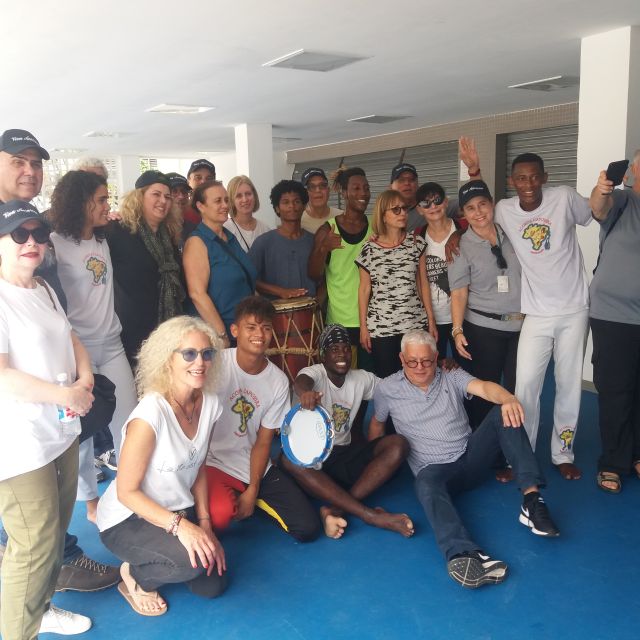
A tour like this lives and dies by the guide. The experience offers live guides in English, French, Spanish, Italian, and Portuguese, and the explanations are a core part of the value.
In the experience, I’ve seen particular praise for guides who manage both facts and tone. Names that came up include Mateo for insightful cultural perspective and Francesco for detailed explanations of favela history and life. Even when people note translation limits, the overall impression stays consistent: you get a lot of context while you walk.
One practical tip: language slots can affect timing and what can happen during the visit. If you’re traveling outside English, it’s smart to expect the tour may need to balance demand and schedule.
Panoramic Rio Views: More Than a Photo Break
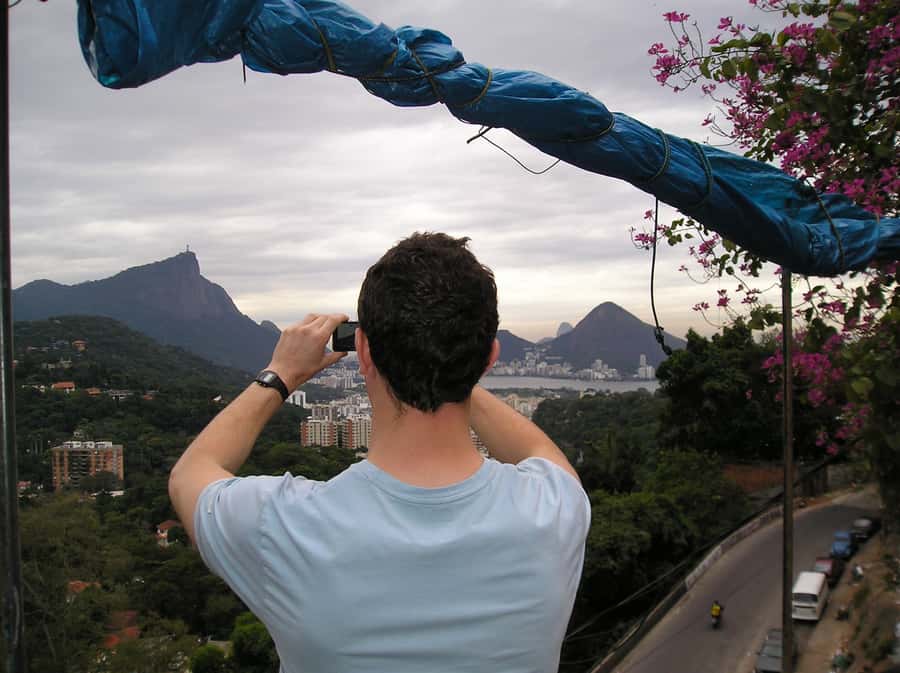
You’ll get scenic views along the route, which helps you connect two things at once: Rio’s geography and the neighborhood’s reality. These viewpoints act like mental punctuation. You can look outward at the city’s scale and then look inward at the community spaces you just walked through.
Even if your camera is ready, I’d treat those views as a chance to reframe. The best moments here are when the landscape stops being a backdrop and starts becoming part of the story.
Price and Value: Is $33 Worth It?
At $33 per person for a 3-hour tour, the price looks straightforward. The real value is what you get in that time: transportation to and from most south zone hotel areas, guided interpretation, and entry to two neighborhoods with community-facing stops.
Also, the school and craft center element matters for value. You’re not only paying for a guide’s narration; you’re supporting local educational work tied directly to the tour’s presence in the community.
What isn’t included is just as important for budgeting. The tour suggests bringing extras for drinks/snacks and for buying local handcrafts. If you plan to keep things lean, you can, but go in knowing you may want to spend a bit locally.
Who This Tour Fits Best (and Who Might Want Another Option)
This is a strong match for you if:
- You want a realistic look at Brazil’s social contrasts and paradoxes
- You enjoy guided walking experiences with context, not just viewpoints
- You care about understanding how communities function in everyday life
It may not be the best fit if:
- You dislike walking or steep, close-up street environments
- You want only classic tourist stops and minimal immersion
- You need a very strict plan with zero flexibility, especially with language groups
This tour asks for curiosity and a respectful attitude. If you have that, it tends to deliver.
Potential Snags: Language Availability and Entrance Decisions
The only real caution I’d give you is about variability. The operator notes that tours should be confirmed, and that languages beyond English may depend on demand. That matters because it can affect how the day runs.
There’s also an example of a situation where a change in plan happened after payment for a specific language slot. The issue wasn’t just scheduling; it was tied to a decision about entering Rocinha when a fee question came up. I don’t want to overfocus on a rare case, but it’s a clear signal: stay flexible, and confirm directly instead of relying on third parties.
Should You Book This Favela Tour?
If you want Rio with substance, I think this is a good booking. The combination of Rocinha + Vila Canoas, guided walking, panoramic views, and community stops like the craft center and school-supported projects creates a fuller experience than a standard “see the favela” outing.
Book it if you’re open-minded and comfortable walking and asking questions through a guide-led format. Skip it if your priority is only iconic city scenery, or if you can’t handle the small chance that language demand or on-the-ground decisions require adjustments.
FAQ
How long is the Favela Tour?
The tour lasts 3 hours.
Which neighborhoods are visited on this tour?
You visit Rocinha and Vila Canoas.
Where are the pickup and drop-off areas in Rio?
Pickup is available in the south zone areas such as Leme, Copacabana, Ipanema, and Leblon, and there are pickup options including São Conrado. Drop-off is listed at São Conrado, Ipanema, Leblon, and Copacabana Beach.
What languages are available for the tour guide?
Live tour guides are available in English, French, Spanish, Italian, and Portuguese.
What’s included in the tour price?
The tour includes a safe 3-hour guided experience to two favelas, plus transportation to and from most hotels in the south zone of Rio.
Is it walking-heavy? What should I bring?
It’s mostly a walking tour, so come ready to walk. Bring extra money for drinks/snacks and for buying local handcrafts if you want.
Is free cancellation available, and can I reserve without paying right now?
Yes. You can cancel up to 24 hours in advance for a full refund, and you can reserve now & pay later (pay nothing today).