REVIEW · ANTIGUA GUATEMALA
From Antigua to Sumpango Giant Kite Festival
Book on GetYourGuide →Operated by Columbus Guatemala · Bookable on GetYourGuide
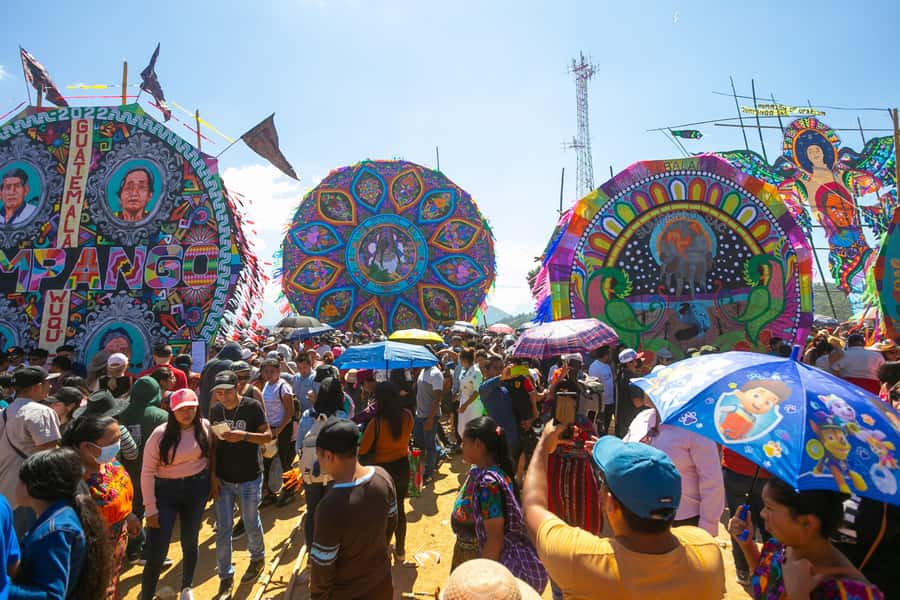
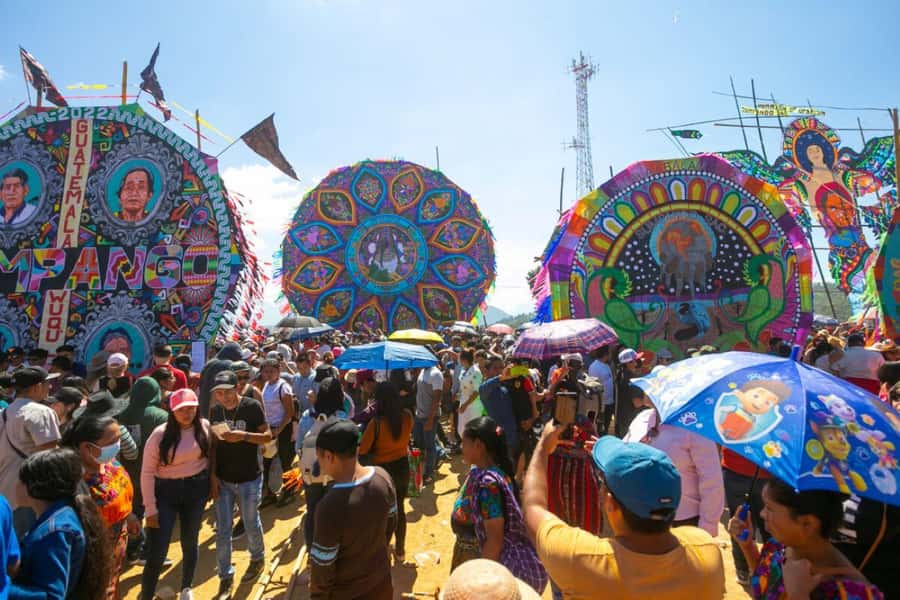
Sky full of giant kites.
This day trip turns All Saints’ Day in Guatemala into something you can touch: you’ll visit the Sumpango cemetery rituals, then get hands-on with giant kite-making and actually launch your own kite in the festival field. It’s not just watching from the sidelines. The whole day connects Mayan beliefs and Catholic traditions in a way you feel in your feet and your camera roll.
What I like most is the mix of art and meaning. The kite workshop is practical and guided, with real materials and techniques, so you come away understanding why these kites look the way they do. And then there’s lunch: Fiambre isn’t a generic salad. It’s packed with meats, cheeses, vegetables, and pickled elements, and it’s served as part of the same November 1 observances.
One thing to think about: the schedule can be tight. On one occasion, a guest felt the tour ended before all kite-flying moments and competition-style launching stages played out. If having every last minute of the sky action matters to you, plan mentally for a well-paced day that still has a clear finish time.
In This Review
- Quick hits from the Sumpango kite day
- All Saints’ Day in Sumpango: why this festival feels personal
- Antigua to Sumpango: timing, ride, and how the morning flows
- Sumpango municipal cemetery: candles, flowers, and offerings
- The kite-making campo: learn the materials and the meaning
- Flying your own giant kite: the moment the sky connects
- Fiambre lunch with a local-family-style table
- Price and value: is $75 worth a full cultural day?
- Group pace, comfort, and the mobility question
- Practical festival prep: what to bring and what to avoid
- Who this trip suits best
- Should you book the Antigua to Sumpango Giant Kite Festival day trip?
- FAQ
- What is the date of the Sumpango Giant Kite Festival on this tour?
- Where do I meet in Antigua?
- How long does the tour last?
- What’s included besides transportation?
- What languages are the guides?
- What should I bring, and what should I avoid?
- Is the tour suitable for people with mobility concerns?
Quick hits from the Sumpango kite day
- All Saints’ Day cemetery stop in Sumpango, with candles, marigold flowers, and offerings of food and drinks
- Hands-on giant kite-making using tissue paper, bamboo, and string, guided by local artisans
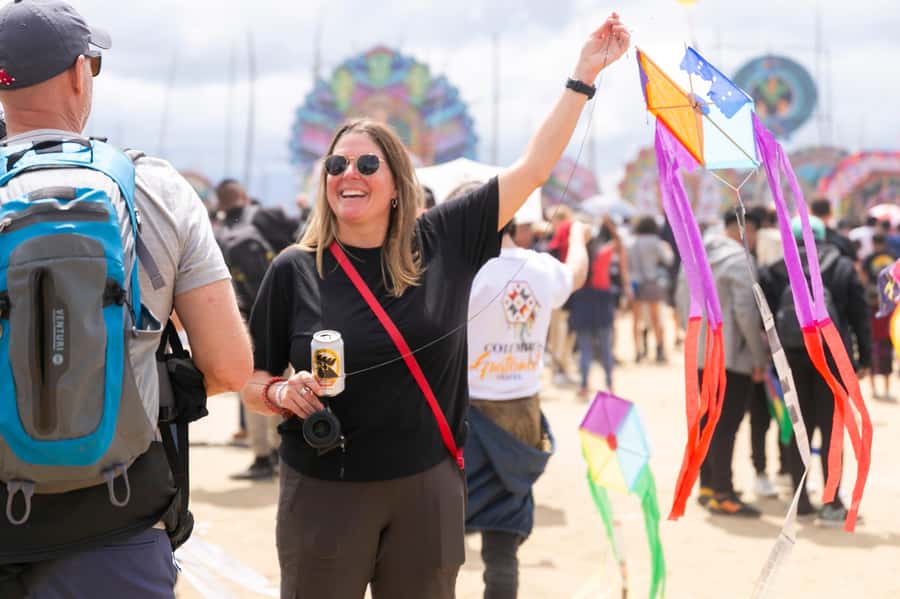
- You fly your own kite with help from local experts at the open festival grounds
- Fiambre lunch featuring a traditional All Saints’ Day dish during the day’s cultural stops
- Local-food warmth is central to the experience, though the exact setup can vary day to day
All Saints’ Day in Sumpango: why this festival feels personal
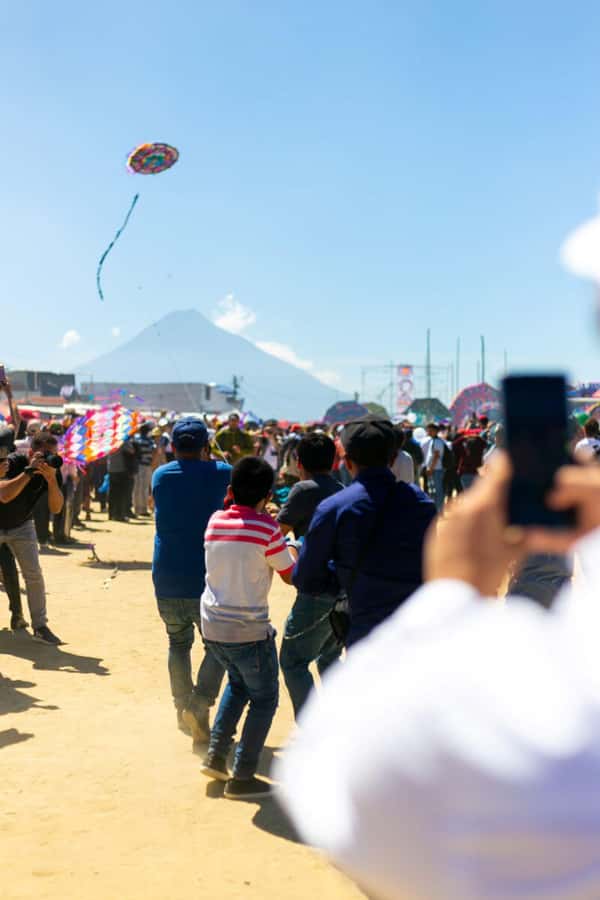
Sumpango’s Giant Kite Festival happens on November 1, Guatemala’s All Saints’ Day, known as Día de Todos los Santos. This is one of those holidays where the calendar says one thing and the street-level experience says another: families gather, prepare the cemetery spaces carefully, and treat the day as a reunion with loved ones.
You’ll feel that context before you ever see a kite. The cemetery visit isn’t a quick photo stop. Families clean and adorn graves with colorful decorations, marigolds, candles, and offerings. There’s an underlying belief that the spirits of the deceased return to visit the living on this day. Layer in the Catholic framing of honoring saints and the dead, and you get a Guatemala-specific blend of the old and the new—lived, not explained from a distance.
Then the kite part arrives like a second act. In the festival grounds, launching a kite becomes symbolic too: it visually links the earth with the heavens above. It’s the same day, two different emotional registers—remembrance, then sky-reaching celebration.
You can also read our reviews of more tours and experiences in Antigua Guatemala.
Antigua to Sumpango: timing, ride, and how the morning flows
Most trips run from 7:00am, leaving Antigua with an easy start: meet at 2a Calle Poniente, #2 Casa Mandarina interior #8. You get fresh coffee or tea and access to restrooms before you head out. That small detail matters in Guatemala heat, especially when you’ll be walking and standing for periods of time.
The drive to Sumpango takes about 40–50 minutes. Once you arrive, the day becomes a sequence of short, focused segments: a cemetery visit, a kite-making/learning stop, kite flying, and then lunch. The trip is about 7 hours total and typically ends around 1:30pm, with drop-off back in Antigua at your meeting area.
A tight timeline is part of the design. It’s long enough to feel like a full day, but short enough to keep the group moving through multiple key moments. If you’re the type who wants to linger, build in the mindset that this is a guided “see, learn, do” route.
Sumpango municipal cemetery: candles, flowers, and offerings
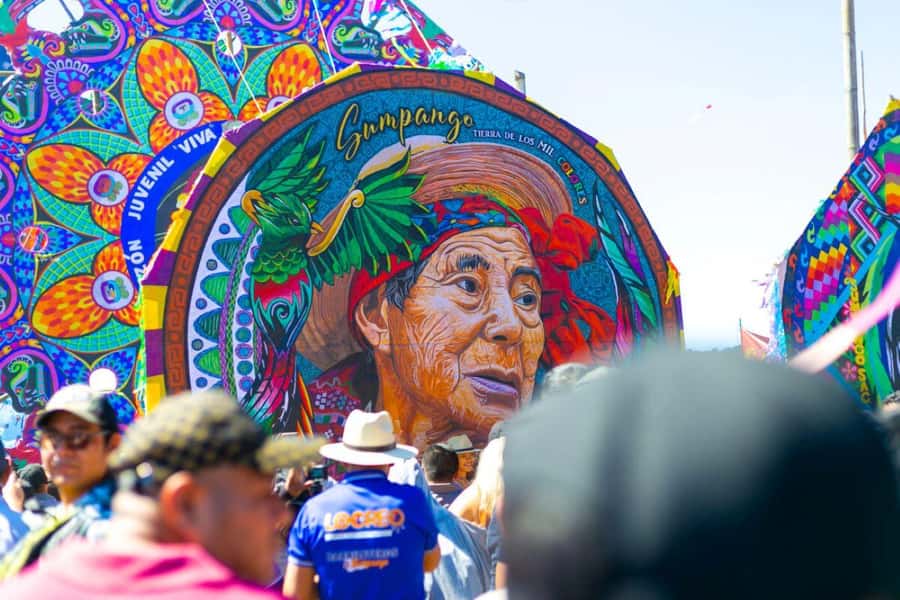
Your first major stop is the Cementerio Municipal in Sumpango. On All Saints’ Day, this cemetery becomes the heart of the community’s remembrance. Families arrive with decorations and supplies and spend time preparing the graves. You’ll see bright marigold flowers, candles, and offerings of food and drinks.
What makes this stop valuable is not just the visuals. It helps you understand why the kite festival isn’t a separate tourist show. The day is already layered with ritual, symbolism, and community. By the time you get to the open field later, the kites feel less like random spectacle and more like part of the same cultural rhythm—honor, hope, and a return to everyday life after a heavy day.
Practical note: plan for walking on uneven surfaces and time spent outdoors. Comfortable shoes are non-negotiable here, even though the cemetery part isn’t described as an intense hike.
The kite-making campo: learn the materials and the meaning
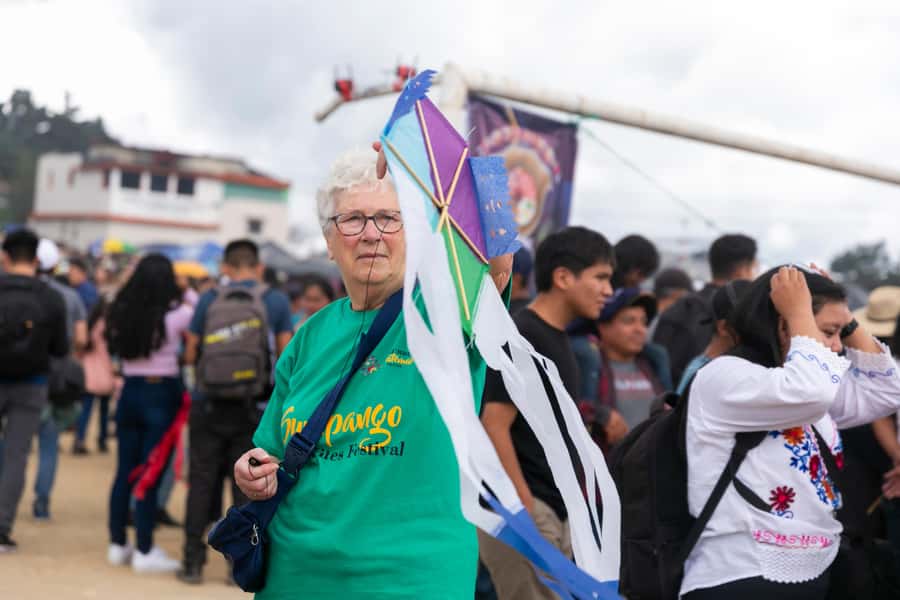
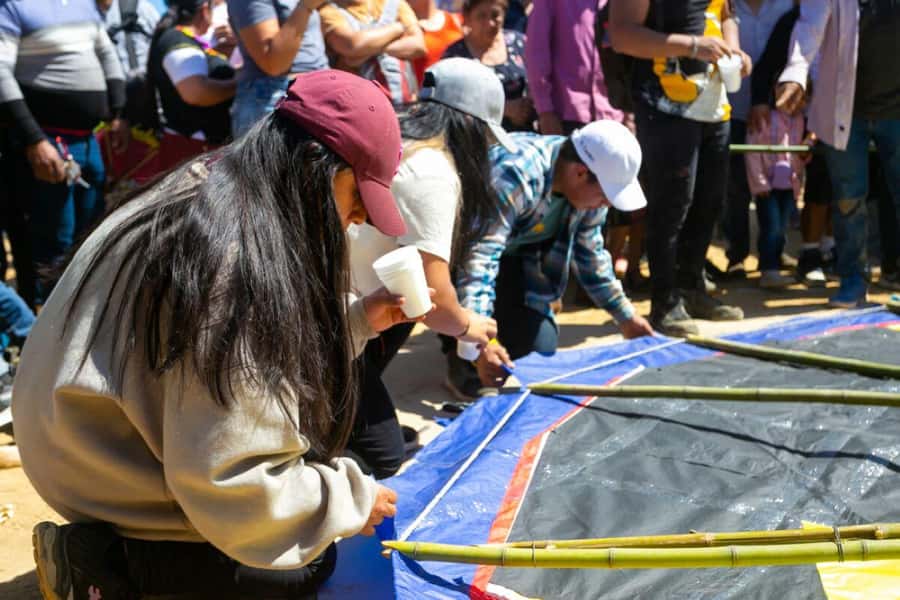
After the cemetery, you head to Sumpango’s kite area at Campo Fútbol Sumpango. This is where you shift from observer to participant. The festival is famous for giant kites, but the real payoff is that you get taught the craft.
A local artisan guides the process of giant kite creation. You learn about materials like:
- colorful tissue paper
- bamboo
- string
You also hear the practical techniques behind the build and the symbolism that comes with the design. That part is important: the kite isn’t just big. It’s structured, symbolic, and tied to generations of kite-making knowledge in the community.
This is also where the social side shows up. The format is collective. You’ll likely talk with other participants while you work, and you’ll see how different people contribute—cutting, attaching, tying, shaping. If you like experiences where you do something with your hands, this stop is the anchor of the day.
Flying your own giant kite: the moment the sky connects
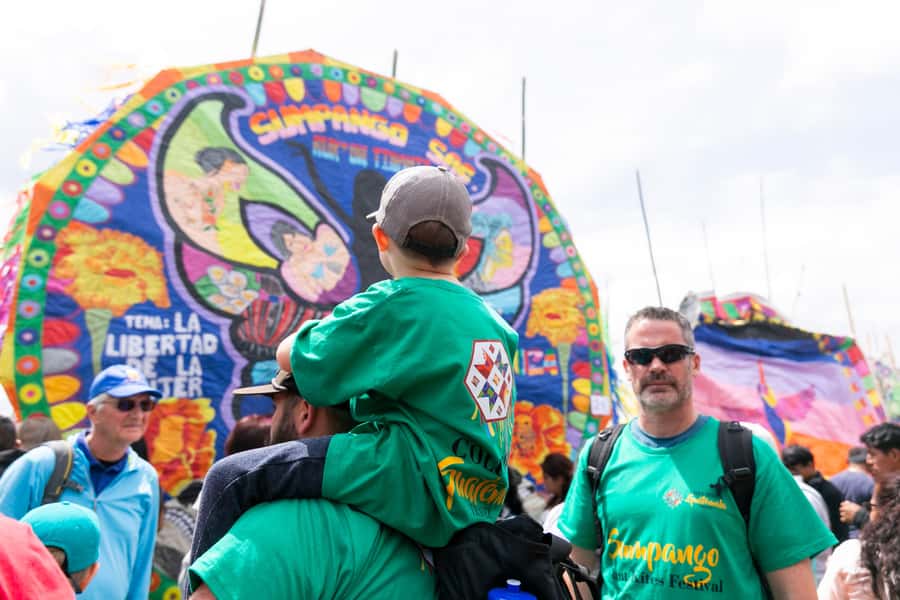
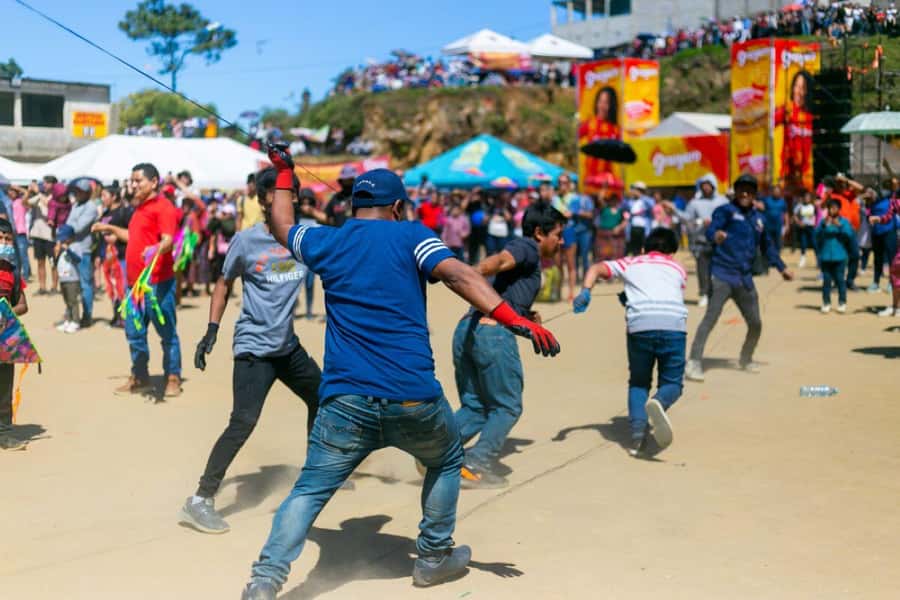
Once your kite is finished, you go to the open festival grounds for the launch. Local experts help with preparation and the actual flying. This is the part where you stop thinking about instructions and start watching the sky fill up.
You can expect a wide range of kite designs and colors in the field. The launch itself has that symbolic feeling: it visually connects the earthly world with the heavens above. And because you’re holding something you built, the moment lands differently than watching from the edge.
One caution from real-world experience: the day can feel time-compressed, depending on how the festival schedule runs and how the group is managed. If you’re specifically chasing the longest, most crowded competition-style launching window, keep your expectations flexible. The goal is to get you safely launched and back on schedule for lunch and return.

Fiambre lunch with a local-family-style table
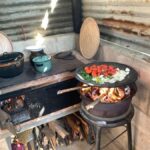
The lunch stop centers on Fiambre, a traditional dish strongly tied to November 1 and nearby remembrance day rituals. Fiambre isn’t one simple ingredient. It’s a layered salad-style meal that can include meats, cheeses, vegetables, and pickled elements—basically Guatemala showing up in one bowl.
The experience is designed to be more than eating. You share the meal in a setting that’s presented as a local-family moment, with hosts explaining cultural significance and sharing why Fiambre belongs in these days. Even if you’re not a big food theorist, it gives the dish context. You taste it and understand it.
In the route’s published schedule, lunch is associated with Kaldi & Kapra Coffee House, with aperitif and food tasting time built in. One guest also described a small rum tasting as part of the day’s food moments. Because the exact details can vary by day and group flow, you should treat “rum tasting” as a possible bonus rather than guaranteed.
If you’re sensitive to lots of pickled flavors or mixed textures, consider that Fiambre is intentionally complex. It’s part of the fun, but it’s not a plain salad.
Price and value: is $75 worth a full cultural day?
At $75 per person, the trip sits in the “worth it if you want hands-on culture” zone. What you’re paying for isn’t just a bus ride. You’re getting:
- round-trip transportation from Antigua
- a general guide (English and Spanish)
- a giant kite workshop and your personal kite to fly
- lunch featuring Fiambre
- water and snacks
Add it up and the cost looks more like a package for a full-day cultural + activity event than a cheap transfer. You’re also paying for the fact that someone organizes the timing, brings you through multiple sites, and helps you do the kite-launch step safely.
Value is highest if you want both meaning and participation: cemetery context plus building and flying a kite. If you only want to watch from afar, you might compare other self-guided options. But the “do it yourself” element is the money-maker here.
Group pace, comfort, and the mobility question
This is a group service, not a private tour. That affects pace and attention. The published duration is about 7 hours with a typical early-afternoon finish, so you’ll move through each stop with a set timeline.
There’s also a note that alternative wheelchair options may be available if you ask. If you have back or knee issues, you should communicate what you need in advance. The day includes outdoor walking at the cemetery and the field, so even short distances can feel long when you’re standing in sun.
You’ll also be outside in November, so bring layers if you run cold, but plan for walking in warm light. Hat and comfortable clothes are specifically recommended. Closed footwear is strongly advised.
Practical festival prep: what to bring and what to avoid
For a smooth day, show up ready for hands-on work and outdoor conditions:
- Comfortable shoes
- Hat
- Comfortable clothes
- Cash
The tour also notes what’s not allowed: fireworks and explosive substances. That’s standard festival logic, but it’s useful to know if you’re tempted to bring anything “just in case.”
If you care about photos and wind patterns, you’ll naturally want your phone charged. The kite field is visual by nature, and the launch moment happens quickly.
Who this trip suits best
I’d recommend this tour if you:
- want a Guatemala holiday experience tied to real traditions, not just a viewpoint
- like workshop-style travel, where you make something and use it
- enjoy cultural food, especially Fiambre
It may be less satisfying if you’re the kind of festival-goer who wants endless hanging around in one place, waiting for every possible launch cycle. The schedule is structured, and the day ends around early afternoon.
For people who want maximum flexibility or more time in any one stop, ask about private service. The activity is group-based, so private can help if you’re managing mobility or just hate being pulled along.
Should you book the Antigua to Sumpango Giant Kite Festival day trip?
If you’re in Antigua around November 1, I think this is a great choice. The day doesn’t stop at scenery. You visit the cemetery rituals, learn kite craft from local artisans, and fly a kite you made yourself. Add lunch with Fiambre, and you get a full cultural package that feels tied to Guatemala’s holiday life.
I’d book it if your priorities are participation and meaning over slow wandering. I’d take a cautious approach if you’re chasing every possible kite-launch moment with zero time pressure. Either way, this is one of those “only here, only now” experiences.
FAQ
What is the date of the Sumpango Giant Kite Festival on this tour?
The tour is scheduled for November 1, which is All Saints’ Day in Guatemala.
Where do I meet in Antigua?
You meet at 2a Calle Poniente, #2 Casa Mandarina interior #8, where there’s fresh coffee or tea and restroom access before departing.
How long does the tour last?
The duration is about 7 hours, and the day typically finishes around 1:30 pm with drop-off back in Antigua.
What’s included besides transportation?
You get a general tour guide, a giant kite workshop, a personal kite to fly, lunch featuring Fiambre with a local-family-style experience, plus water and snacks.
What languages are the guides?
The live tour guide is available in English and Spanish.
What should I bring, and what should I avoid?
Bring comfortable shoes, a hat, comfortable clothes, and cash. Fireworks and explosive substances are not allowed.
Is the tour suitable for people with mobility concerns?
It’s described as for all ages, and you can ask for alternative wheelchair options and for help with back, knees, or other walking difficulties.