REVIEW · CUSCO
Planetarium Cusco OFFICIAL SITE: Andean Astronomy experience
Book on GetYourGuide →Operated by Planetarium Cusco · Bookable on GetYourGuide
Inca constellations meet a modern planetarium dome. This two-hour Planetarium Cusco night turns Inca astronomy into something you can actually picture, starting near Regocijo Square and ending under (hopefully) clear southern skies. If you like your history with a star chart, this is a fun Cusco evening option.
I especially like the order of the program: you get first a guided introduction in interpretation rooms, so the dome show doesn’t feel random. And I like the second half in telescope stargazing, where you can try for real planets and brighter targets instead of only watching a screen.
One catch: weather matters. If the sky is cloudy, the outside telescope time may be limited (the dome part still delivers), so go in expecting stargazing to be weather-dependent.
In This Review
- Key highlights worth your time
- How this Andean Astronomy night works (the simple flow)
- Meeting at Plaza Regocijo and getting to the planetarium
- The interpretation rooms: where the story makes sense
- The planetarium dome show: the southern sky in one guided session
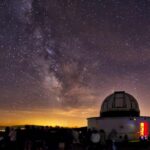
- Outside telescopes: what you can realistically hope to see
- Groups, guides, and languages: why the vibe matters
- Price and value: is $28 a fair deal for this kind of evening?
- Practical tips to help you get the most out of it
- Who should book Planetarium Cusco’s Andean Astronomy experience?
- Should you book this Cusco night sky program?
- FAQ
- Where is the meeting point?
- What time does the tour start?
- How long is the experience?
- What’s included in the ticket price?
- Is stargazing with telescopes guaranteed?
- What should I bring?
- What languages are available?
Key highlights worth your time
- Inca cosmovision, made understandable through guided explanation before the sky projection
- Southern sky dome show focused on constellations used to guide Inca life and planning
- Small-group feel that makes it easier to ask questions and stay connected
- Telescope stargazing (weather permitting), sometimes strong enough to spot impressive details
- Warm-up tip: blankets are available, and sitting near the entrance can help you stay comfortable
How this Andean Astronomy night works (the simple flow)
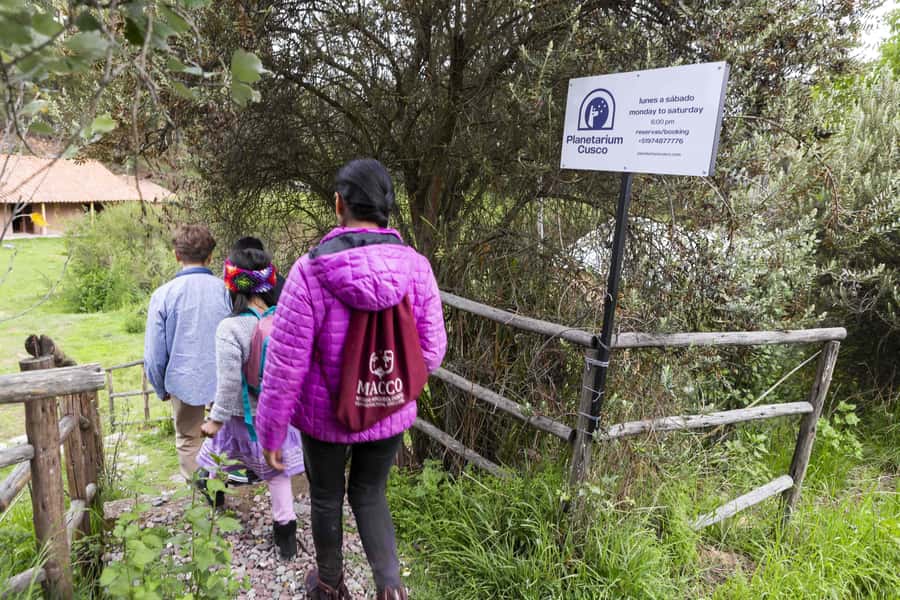
This is a structured, calm evening: meet in Cusco, ride a short distance to the planetarium, learn the ideas behind the stars, then look up outside if conditions cooperate. The pace is friendly rather than rushed, and the whole thing is designed to connect culture and science without making you feel like you need a degree to follow along.
The tour runs about 2 hours, with a very specific start time. You’ll gather at 17:30 at the middle of Plaza Regocijo, next to the fountain. From there, you take a short walk and a 10–15 minute ride to the planetarium so you arrive in time for the dome and evening program.
Timing is part of the strategy here. The organizers note the schedule may shift a bit to take advantage of better stargazing windows, which is exactly what you want in Cusco, where weather can change quickly.
You can also read our reviews of more tours and experiences in Cusco.
Meeting at Plaza Regocijo and getting to the planetarium
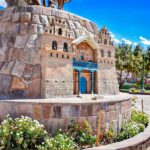
Your evening begins right in the center of Cusco action—Plaza Regocijo, by the fountain. The start is listed as sharp: 17:30, which means don’t roll in at the last minute and then worry about finding the group.
From the plaza, you’ll do a short stroll to transport and then ride about 10–15 minutes. This matters because the planetarium isn’t right in the main square; they’re getting you to the right place to watch the sky. It’s a practical setup, not just a transfer with no purpose.
What to wear here is simple. Cusco nights can feel chilly, and the program moves outdoors near the end. The tour asks for comfortable shoes and warm clothing. Plan for the fact that you might be standing or waiting a bit for the sky to cooperate.
The interpretation rooms: where the story makes sense
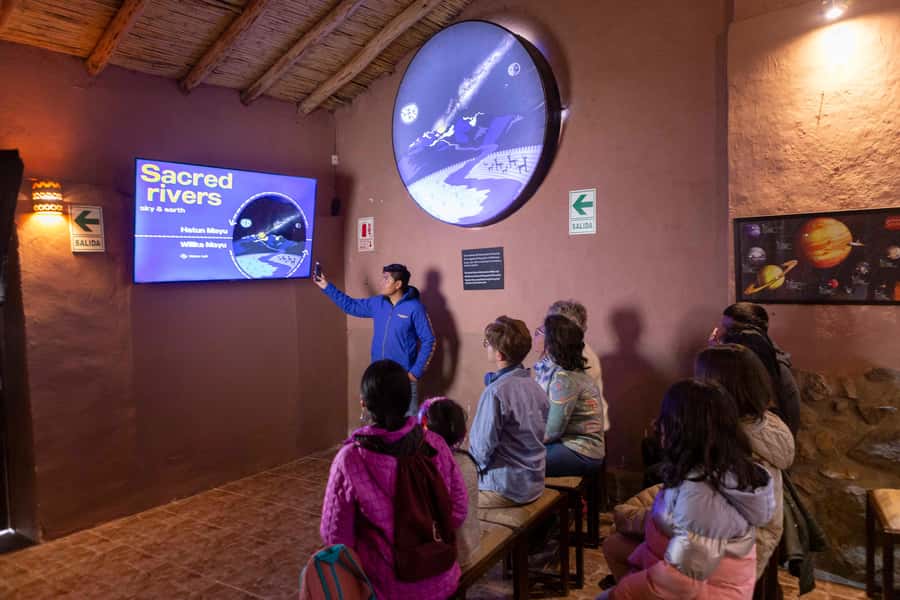
Before the dome, you start in interpretation rooms. This is the “get your bearings” step for Andean astronomy. Instead of jumping straight to star shapes, the guides lay out the themes: how Inca people understood the night sky and how those patterns connected to life and planning.
This part is valuable for two reasons. First, it gives you vocabulary. Even if you only remember a few key ideas, you’ll watch the dome projection with meaning instead of just watching moving lights. Second, it helps you understand that Inca astronomy wasn’t only about “which stars exist,” but about how people used the sky as a system.
I also like that the tone tends to be welcoming and human. Reviews describe the crew as friendly and professional, with a bit of humor in the way they explain things. That’s a good match for astronomy, because the subject can feel intimidating if it’s taught like a lecture.
The planetarium dome show: the southern sky in one guided session
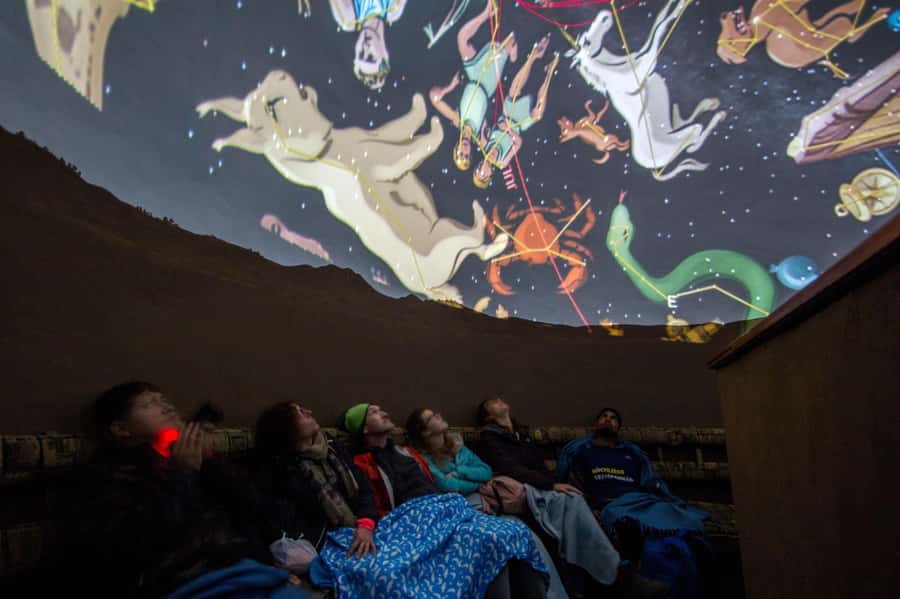
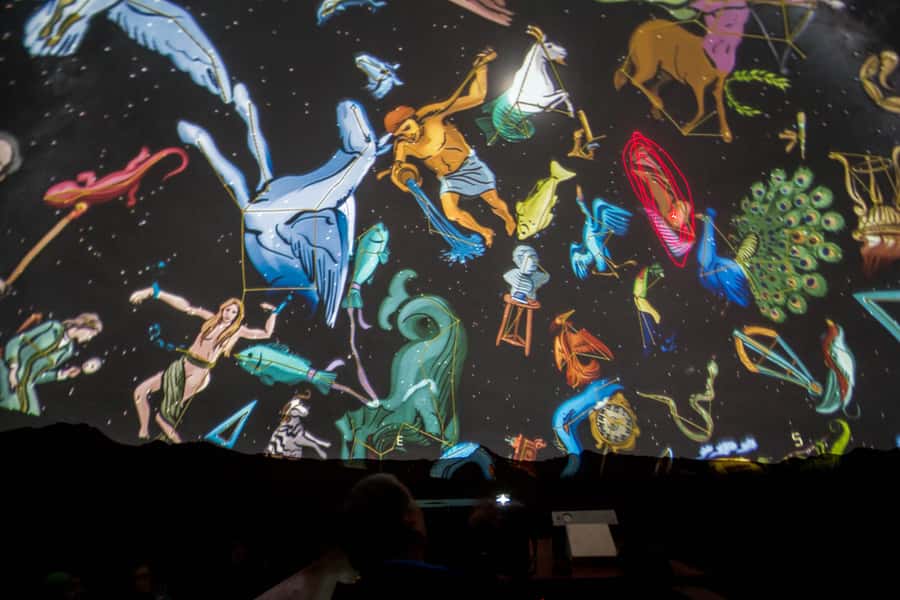
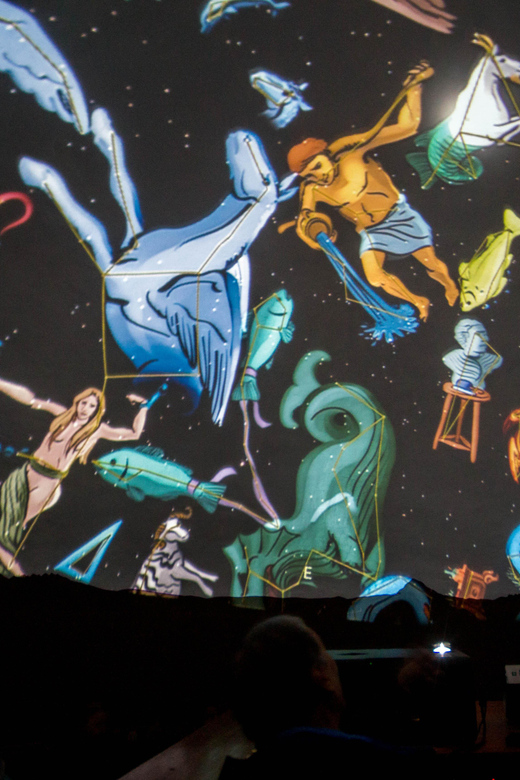
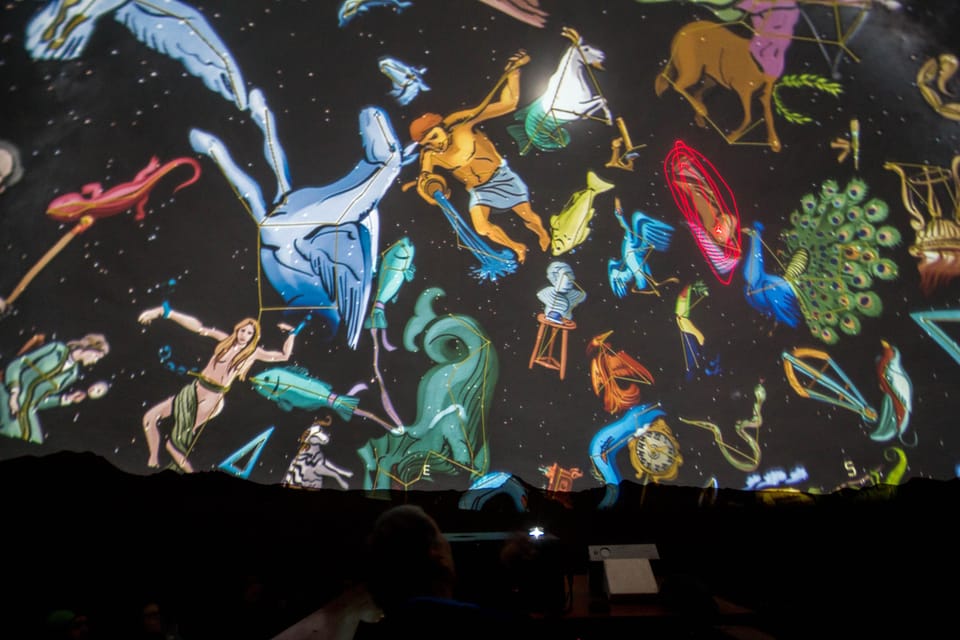
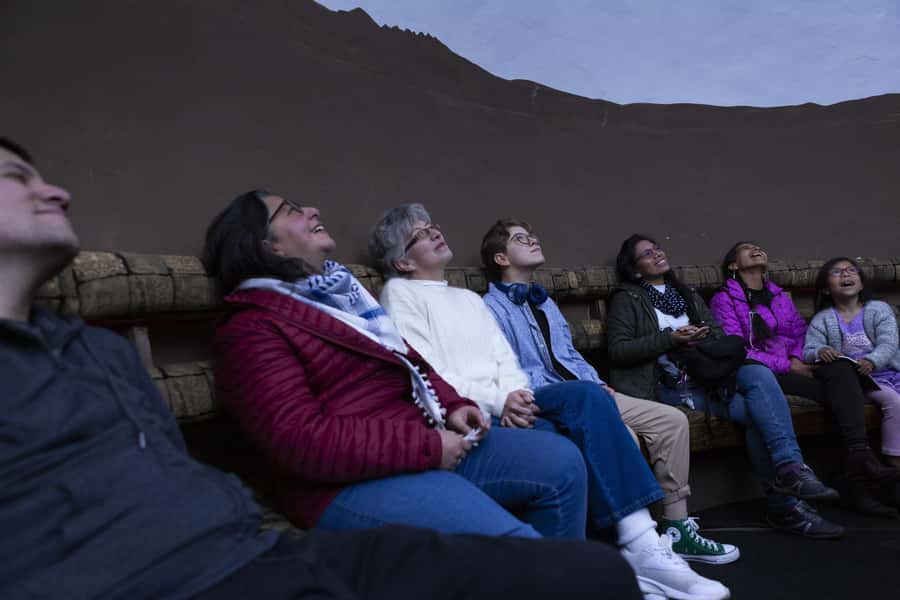
At around 18:05, you enter the main planetarium dome for the projection. This is where the experience becomes “wow” without requiring any technical knowledge from you.
The dome show focuses on the southern sky and includes Inca constellations, with guides explaining why these shapes mattered. The dome format is a smart choice in Cusco: even if it’s partly cloudy outside, you can still see a clear sky-style view on the inside.
What you should expect from this segment:
- A guided visual walkthrough of the southern hemisphere sky
- Inca constellations shown in a way that you can connect to the earlier explanations
- Storytelling that ties the sky patterns to culture and meaning
If you’ve seen other planetarium shows, you might expect generic astronomy facts. This one keeps bringing you back to the Andean viewpoint—still astronomical, but framed through Inca understanding. That cultural angle is the reason this tour feels different from a standard “stars 101” presentation.
Outside telescopes: what you can realistically hope to see
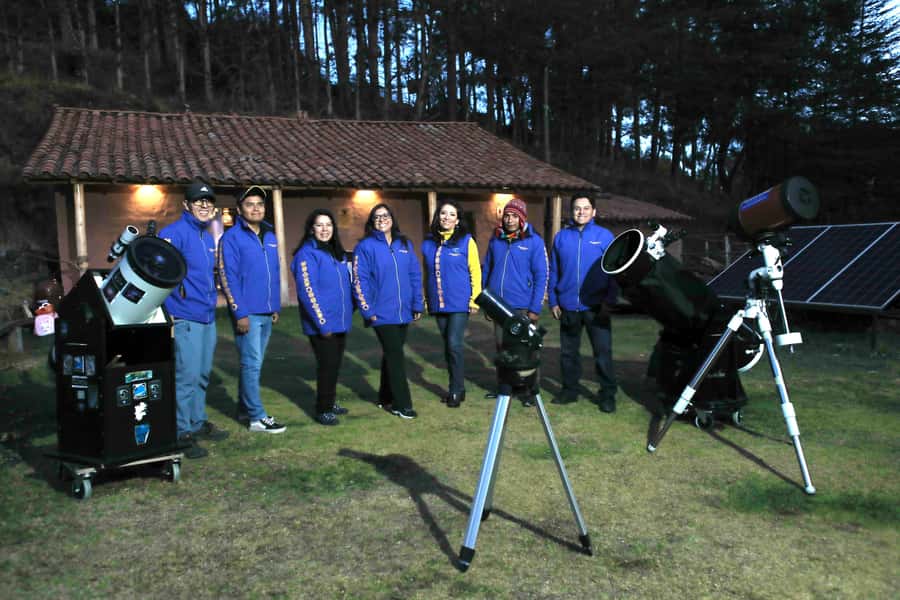
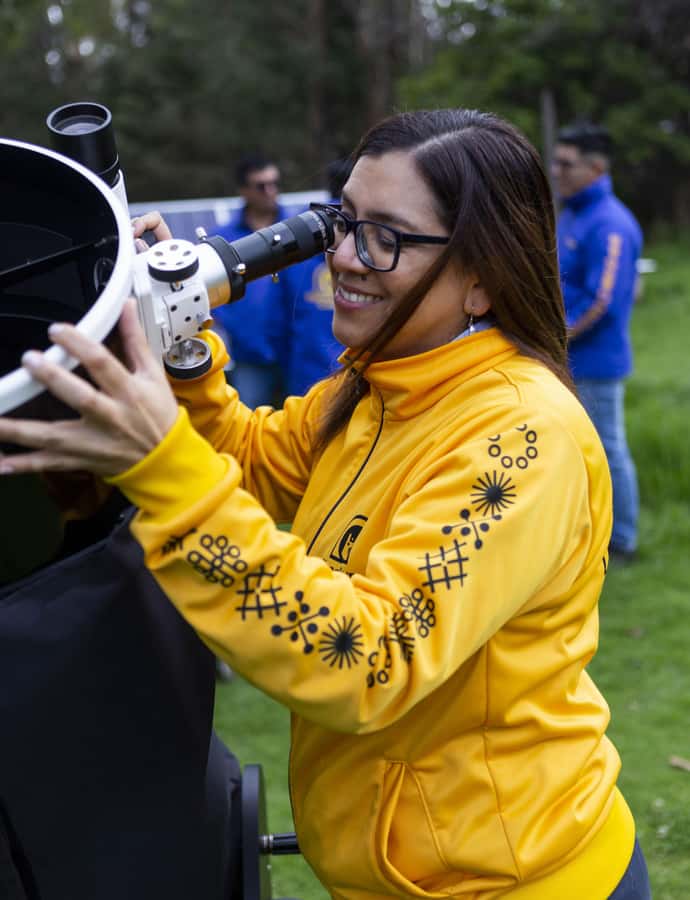
After the dome, the program shifts outdoors for stargazing with powerful telescopes, with the big condition: weather permitting.
The outside session happens after darkness sets in, and the organizers may adjust timing to improve your odds. That’s good practice. In the Andes, clouds can roll in fast, and there’s no point pretending you can force the sky to cooperate.
If the sky is clear, this part can be surprisingly rewarding. One review noted that even with cloud cover, the team tried hard to show stars and planets through the telescope, and the group reportedly managed to recognize Saturn’s rings. That’s not something you should guarantee, but it shows the telescopes are capable and the guides know how to make the most of limited conditions.
Also, don’t underestimate comfort. If it’s cold, your attention will drift. One useful tip from a past visitor: there are blankets, and sitting toward the entrance area can feel cozier. If you tend to get cold easily, ask about blankets early and bring your patience for a slower, observational pace.
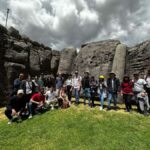


Groups, guides, and languages: why the vibe matters
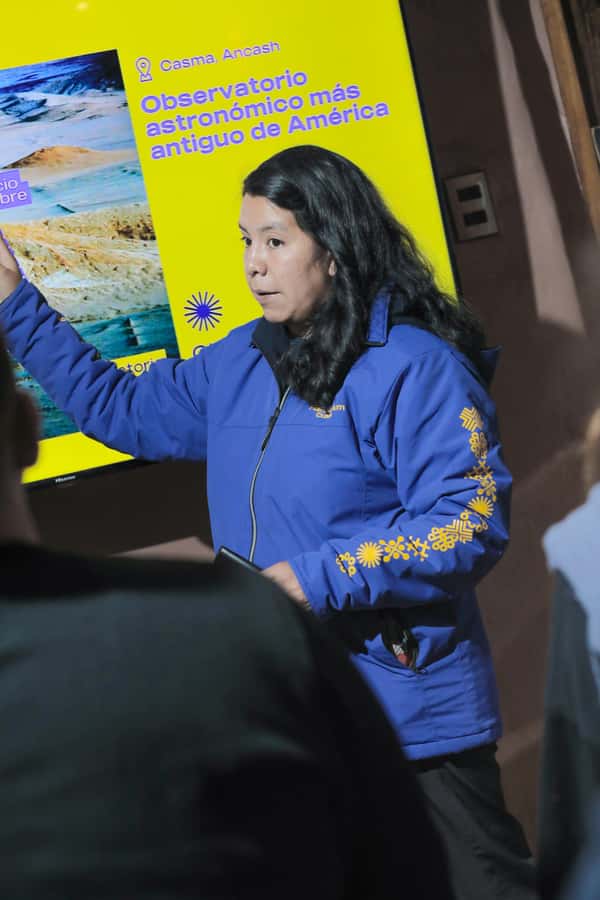
This service is listed as grupal, not private. In practice, that can be good news. A smaller group helps the guides keep an eye on everyone and handle questions without the whole thing turning into a one-way talk.
Reviews commonly describe a family-like, humorous atmosphere, along with professional explanation. One person specifically praised English quality, which matters if you’re not fluent in Spanish. The tour runs with live guides in English and Spanish, so you can choose what matches your comfort level.
Because the experience mixes culture, astronomy, and storytelling, the guide’s delivery affects the outcome. If you get a guide who explains clearly and keeps the room engaged, you’ll leave feeling you learned something real—not just watched lights.
Price and value: is $28 a fair deal for this kind of evening?
At $28 per person for about 2 hours, you’re paying for more than a lecture. Your included ticket covers:
- Round-trip transportation from Regocijo Square
- An introduction to Inca astronomy
- A virtual dome projection of the southern sky and Inca constellations
- Telescope stargazing, depending on weather
What you’re not paying for: food. So, if you’re doing dinner the same day, plan it before or after—either way you’ll want to be fed.
Is it worth it? In my view, it’s good value if you like the blend of cultural context and “what you can see.” The dome show alone can justify a ticket in places like Cusco, where night conditions can be tricky. The telescope add-on is the bonus—when it works, it turns learning into a real-sky experience.
If you’re already an advanced astronomer who only cares about specific targets, this might feel more like guided culture-and-sky education than a hardcore observing session. But if you want a smart evening that connects the Inca viewpoint to the actual sky, it’s a reasonable price.
Practical tips to help you get the most out of it
Here’s how to set yourself up for a smoother, more enjoyable evening.
- Arrive on time at 17:30 at Plaza Regocijo near the fountain. Don’t make the guide play “where’s everyone?”
- Wear layers. The tour explicitly asks for warm clothing, and the outdoor telescope time depends on darkness and weather, not just the schedule.
- Bring comfortable shoes. You’ll do a short stroll plus waiting.
- Use the blankets if they’re offered to you. Past visitors found them helpful, and staying warm helps you actually enjoy observing.
- Manage expectations about stargazing. The dome portion is the consistent highlight; telescopes depend on conditions.
Who should book Planetarium Cusco’s Andean Astronomy experience?
This is a strong fit for you if:
- You want Inca constellations explained in a guided, visual way
- You like learning how cultures interpret the sky, not just the technical astronomy
- You want a structured evening that combines history and observation
- You’re traveling with limited time and want a single, focused activity (about 2 hours)
It may be less ideal if:
- You’re mainly seeking a long, independent astrophotography session or deep technical observing
- You get cranky in the cold or hate waiting for weather to clear
- You’re traveling with children who don’t meet the age guideline. The tour notes it’s not suitable for children under 7
Should you book this Cusco night sky program?
I’d book it if you want a guided look at the southern sky through the lens of Inca astronomy, and you’re happy that the best “outside” views depend on clouds. The dome show gives you something solid even when the weather isn’t perfect, and the telescope time can add real wow when conditions cooperate.
If you’re sensitive to cold, pack layers and plan for a waiting-and-look-up rhythm. And if your main goal is technical, long observing, you might want to compare against options that focus more on astronomy targets. But for most people visiting Cusco, this hits a great balance of culture, visuals, and stargazing effort.
FAQ
Where is the meeting point?
You meet in the middle of Plaza Regocijo, next to the fountain.
What time does the tour start?
The start time is 17:30, with the program later arriving at the planetarium around 18:05.
How long is the experience?
It lasts about 2 hours.
What’s included in the ticket price?
Round-trip transport from Regocijo Square, an introduction to Inca astronomy, a virtual southern sky dome projection including Inca constellations, and telescope stargazing depending on weather.
Is stargazing with telescopes guaranteed?
No. The telescope session is listed as depending on weather conditions, so cloudy skies can limit what you can see outside.
What should I bring?
Bring comfortable shoes and warm clothing.
What languages are available?
The live guide is available in Spanish and English.