REVIEW · AREQUIPA
Arequipa: Colca Canyon Trekking 2 days and 1 night + food
Book on GetYourGuide →Operated by Destinos y Rumbos · Bookable on GetYourGuide
The canyon wakes you up before the sun. This trek starts in the dark, then blends Cruz del Condor condor viewing with a real descent into the Colca.
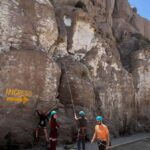
I especially like the high-mountain guiding. Guides such as Alix (known for clear explanations and quick problem-solving) and Carlos and Alex (supportive on tougher moments) make the long day feel more manageable.
One big consideration: this is physically demanding. You’ll hike up to 6 hours per day at high altitude, and the shared lodge is rustic (no real electricity or charging after dark), so it’s not a gentle walk.
In This Review
- Key things I’d plan around
- Colca Canyon starts with a pre-dawn jump from Arequipa
- Cruz del Condor viewpoint: why this stop is worth it
- Day 1: descending from village views to the Sangalle pools
- The Sangalle lodge reality check (solar power, shared rooms)
- Day 2: early ascent back to Cabanaconde
- Chivay thermal baths and the wildlife viewing on the return ride
- Price and value: what you’re really paying for
- What to bring (so the trek feels easier)
- Who should book this trek (and who should rethink it)
- The guide makes a difference on hard days
- Should you book Arequipa to Colca Canyon (2 days and 1 night)?
- FAQ
- How early is hotel pickup in Arequipa?
- How long is the tour?
- What time do you arrive at Cruz del Condor?
- How much hiking is there on each day?
- What meals are included?
- Where do you stay overnight?
- Is there electricity or internet at the lodge?
- Are the hot springs included?
- What tourist ticket costs are listed?
- What should I bring for the trek and Sangalle pools?
Key things I’d plan around
- A 3:00 to 3:30am pickup from near Arequipa’s main square sets the pace fast.
- Cruz del Condor timing is built for the best condor chances, right after an early breakfast.
- Day 1 combines walking and village stops including Cabanaconde area views and small museum visits.
- Sangalle is your low-tech night with a lodge in the canyon and limited power from solar panels.
- Day 2 is an ascent day: hike back up to Cabanaconde before thermal baths and wildlife viewpoints.
- Optional paid extras like hot springs and lunch on day 2 can add cost.
Colca Canyon starts with a pre-dawn jump from Arequipa
If you want big Peru scenery without wasting time, this trip is timed to use the morning light the canyon gives you. Pickup typically happens between 3:00 and 3:30am from hotels near Arequipa’s main square. Then you ride about 3 hours toward Chivay.
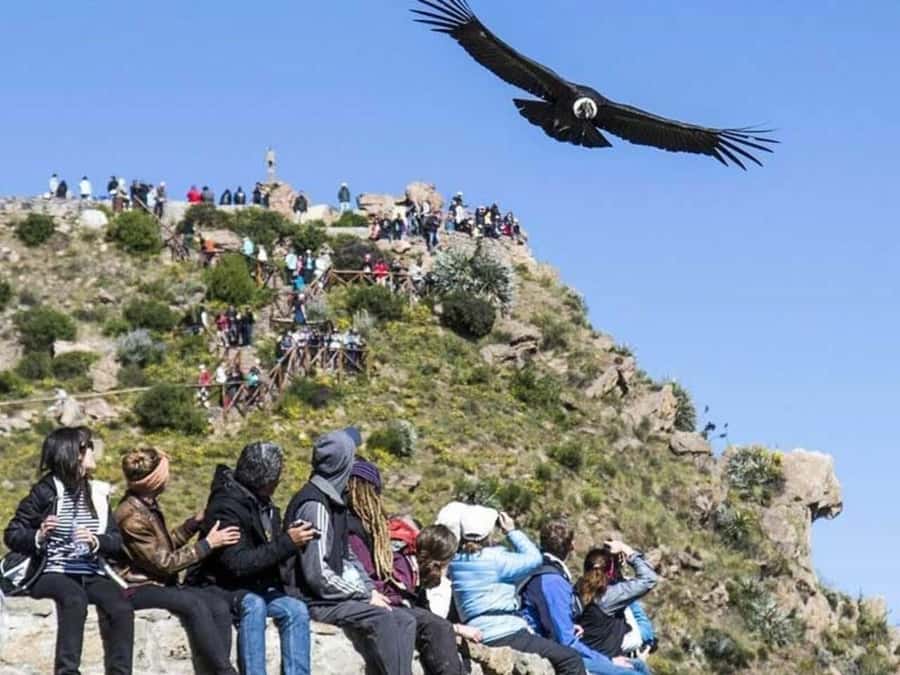
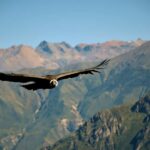
Around 6:00am, you’ll eat breakfast at a tourist restaurant. After another hour of travel, you reach the Cruz del Condor viewpoint in time to appreciate the canyon shape and (weather permitting) the condors circling overhead.
This early start matters more than it sounds. The canyon view hits best when the air is calmer and people aren’t competing for the same handful of great angles. It also means you get the fun part first, before the walking starts.
You can also read our reviews of more food & drink experiences in Arequipa


Cruz del Condor viewpoint: why this stop is worth it
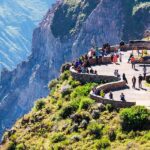
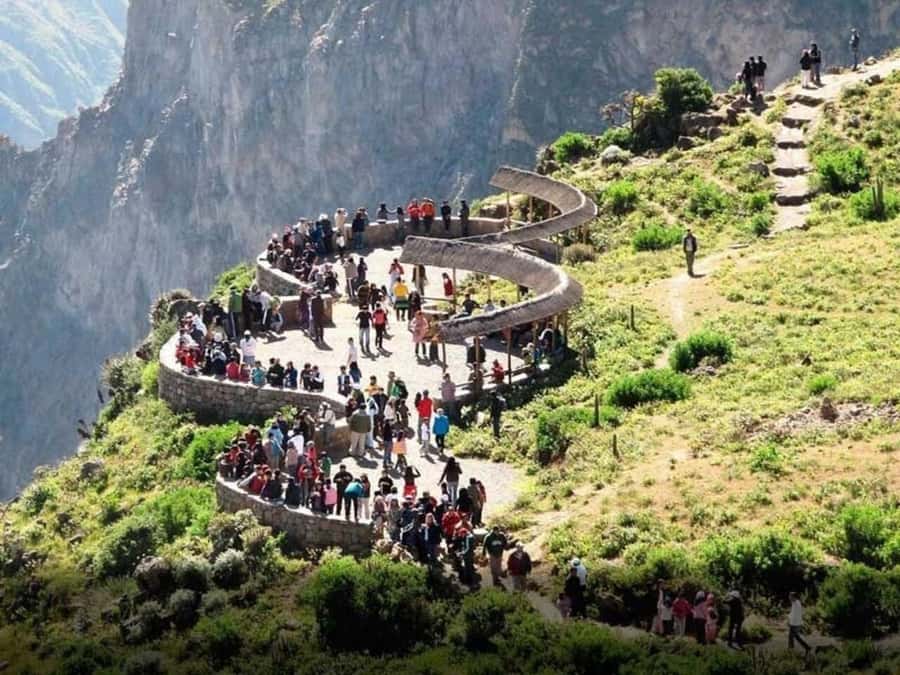
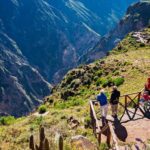
At Cruz del Condor, the canyon finally feels real. You’re looking at the deep cut of the Colca and watching birds that are hard to see well from most other places.
The route gives you time to appreciate the viewpoint before moving on. You’ll then continue by transport and pass through villages including Cabanaconde and La Pampa de San Miguel. This is part of the “transition” stretch that sets you up for the hike down into the canyon interior.
Practical tip: bring sunglasses and a hat. Even in the early hours, the sun can hit hard at altitude, and you’re going to be looking out for long minutes.
Day 1: descending from village views to the Sangalle pools
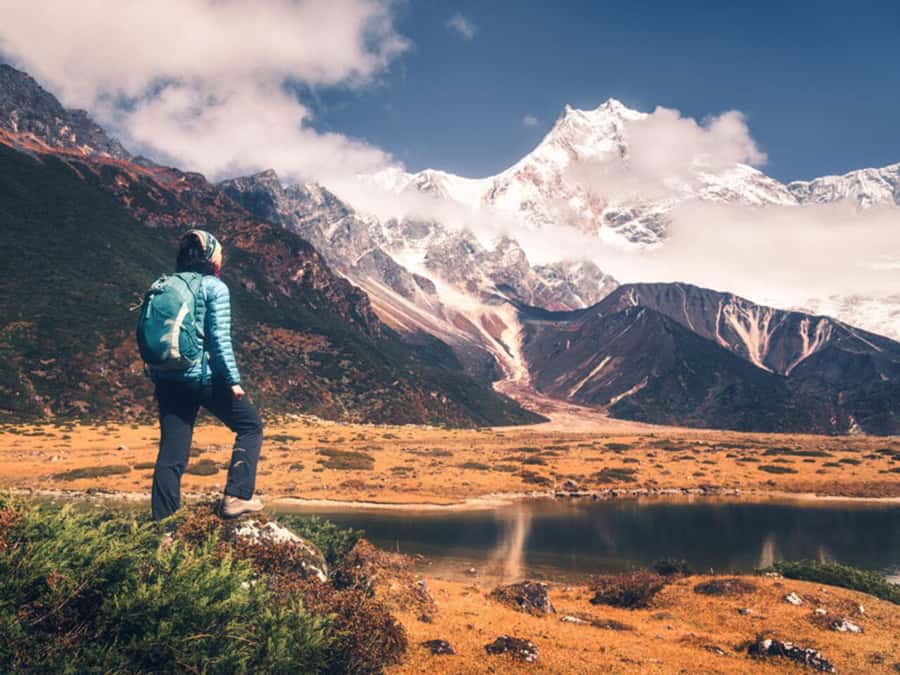
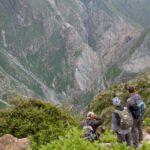
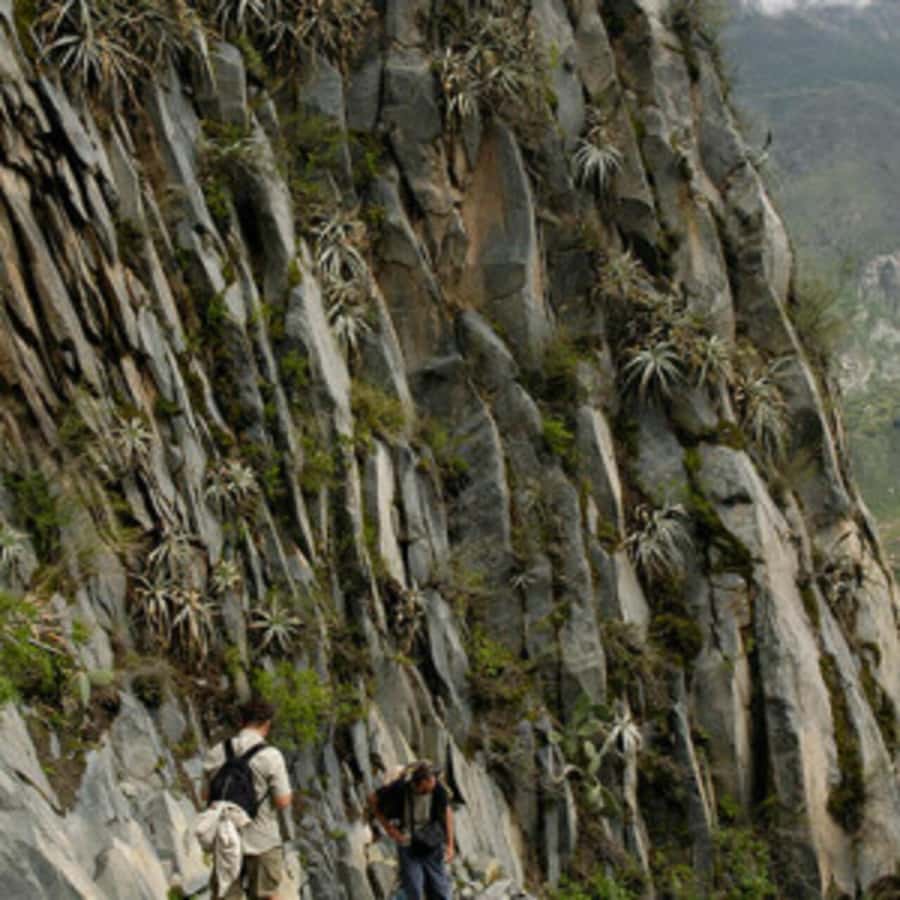
Day 1 is where the trek earns its reputation. After passing through the villages, you start hiking from the area near La Pampa de San Miguel, gradually appreciating the canyon interior and the villages you’ll pass near.
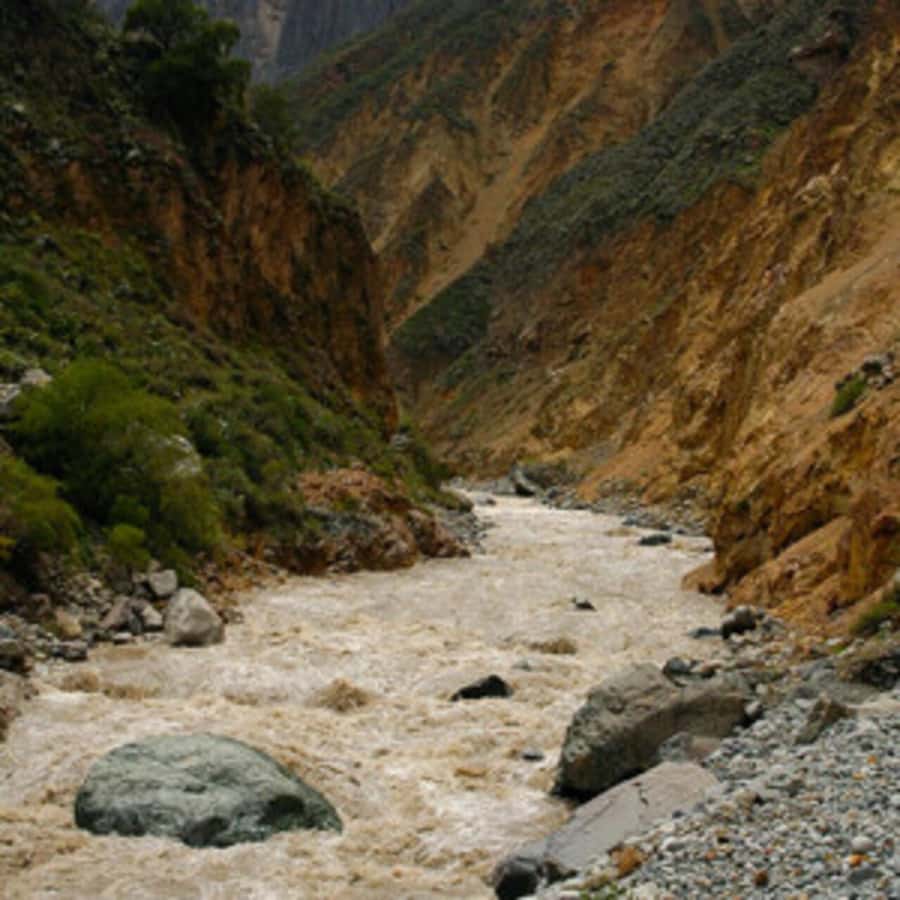
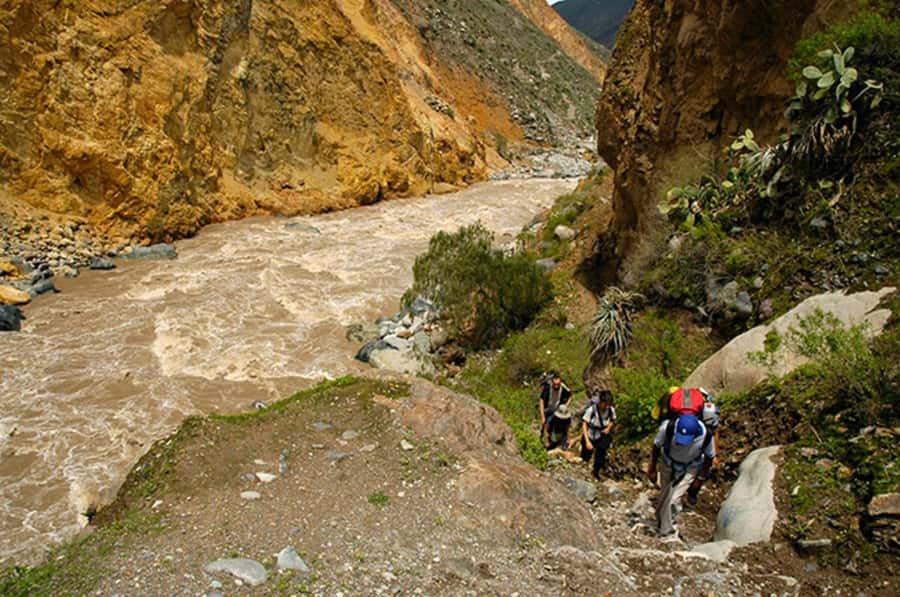
You reach San Juan de Chucho after about 4 hours of walking, where you have lunch. From there, you continue about 3 more hours to Sangalle, on the side of the Colca River.
Along the way, you may visit Cosñirhua and Malata, where there’s a small museum stop. It’s short, but it helps break up the long walking stretch with something human-scale instead of only big distances and high cliffs.
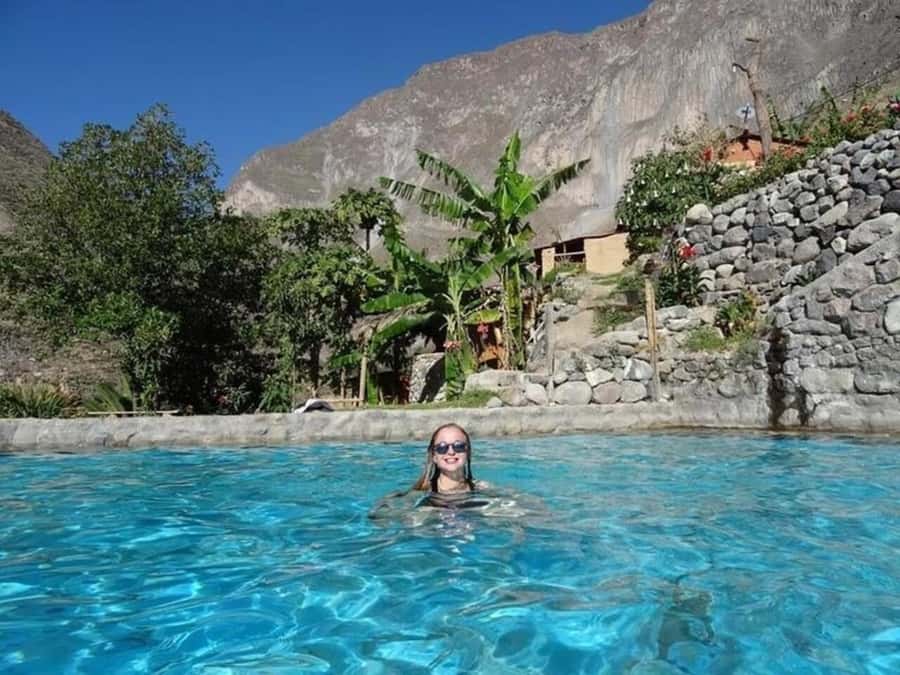
When you get to Sangalle, you’re rewarded with pools in the valley. This is the kind of recovery stop that makes the second half of the day feel more doable. Dinner comes at the lodge, and you spend the night in a rustic refuge-style accommodation.
The Sangalle lodge reality check (solar power, shared rooms)
This is not a hotel night. The lodge in Sangalle is eco-friendly and has electricity from solar panels. Once it gets dark, lights may be turned on only for a couple hours, and cell phone charging usually isn’t available.
Rooms are shared. You can ask for a private room at an extra cost, but the baseline setup is simple. In one case, a room had mold and the toilet only worked sometimes, so it’s smart to mentally prepare for rustic conditions rather than expect spotless, modern comfort.
Day 2: early ascent back to Cabanaconde
Day 2 begins very early, around 5:00am. You start hiking toward Cabanaconde with an ascent of about 3 hours. This is not a downhill stroll. You’re climbing back up to the town, which can feel tough if you’re not used to altitude or steep terrain.
Once you arrive, you enjoy breakfast. Then you wait for transport back to Chivay. The ride is also part of the experience because you make picture and viewpoint stops along the way.
At the point where you reach Chivay, thermal baths are scheduled around 11:30am. This is your main “payoff” for the hiking day. Your muscles might still be complaining, but warm water has a way of turning pain into optimism.
Lunch is around 12:30pm, but it’s at your own expense. You then start returning to Arequipa around 13:30, with several scenic and wildlife-oriented stops before arriving around 17:30.
Chivay thermal baths and the wildlife viewing on the return ride
The hot springs stop is one of the best ways to reset during a 2-day trek. You’ll go from high-altitude hiking to a warm-water break without needing to plan anything yourself.
After Chivay, you stop at a volcano viewpoint (highest point listed at 4,910 meters). That kind of altitude stop is all about views and breathing the thinner air. Then you head to the wetlands of Tocra, where you can look for wild birds and also see herds of alpacas and llamas.
The final big wildlife stop is Pampa Cañahuas, where you might spot herds of vicuñas. These animals are part of the Aguada Blanca and Salinas National Reserve. Even when you don’t get perfect sightings, the area is still a strong reminder that the region is more than just one famous canyon.
Price and value: what you’re really paying for
This trek is listed at about $150 per person, for a 2-day experience. For that price, you get more than “a hike with a guide.”
Included value pieces:
- Hotel pickup and round-trip transportation from the Arequipa area
- Bilingual high mountain guide (Spanish and English)
- 2 breakfasts, 1 lunch (day 1), and 1 dinner (day 1)
- Accommodation at the Sangalle lodge
Not included add-ons worth budgeting:
- A tourist ticket with different cash amounts depending on eligibility category (including higher prices for foreigners)
- Hot springs fee (listed as S/. 15 cash)
- Lunch on day 2
When I think about whether $150 is a good deal, I look at the included meals, the lodge night, and the fact that transport is doing a lot of heavy lifting across altitude. If you’d otherwise pay separately for meals, a guide, and logistics, this is priced like a “set package” rather than a DIY day trip.
That said, the lodge is rustic and shared. If you want lots of comfort, you might feel the value shifts. It’s still a strong experience for the views and the genuine canyon time.
What to bring (so the trek feels easier)
You’re given a clear packing direction because the terrain and conditions are real. Bring:
- Comfortable shoes and/or hiking shoes
- Sunglasses and a hat
- Sunscreen
- Layers you can move in and stay warm during early starts
- Swimwear and a towel for Sangalle pools
- A change of clothes
- Sandals (useful after walking)
- Charged smartphone (for photos and navigation help, even if charging is limited at night)
- Cash for tickets and hot springs
- Passport or ID card
Also, alcohol and drugs aren’t allowed. Keep it simple, hydrate, and follow the guide’s pace.
Who should book this trek (and who should rethink it)
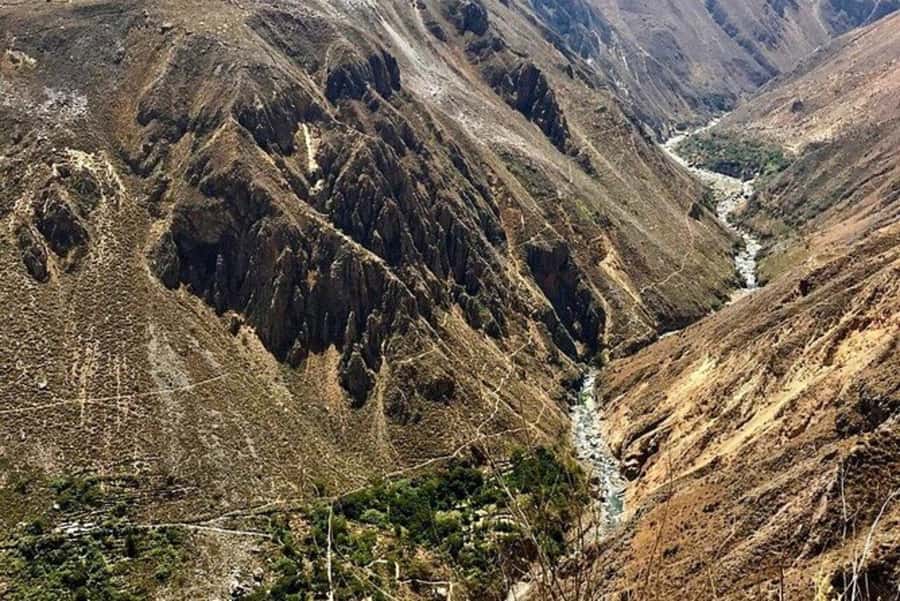
This tour is for people who can handle altitude and sustained effort. The hikes can run up to about 6 hours per day on mountainous terrain above 3,000 meters. Good physical condition helps a lot.
It is also not suitable for:
- People with back problems
- People with mobility impairments
- People with altitude sickness
- People with low level of fitness
- People over 70
In plain terms: if you struggle with steep grades at home, you’ll likely struggle here too. On the other hand, if you’re comfortable hiking for hours and you treat acclimatization seriously, the payoff is that you see more of the canyon than a viewpoint-only outing.
The guide makes a difference on hard days
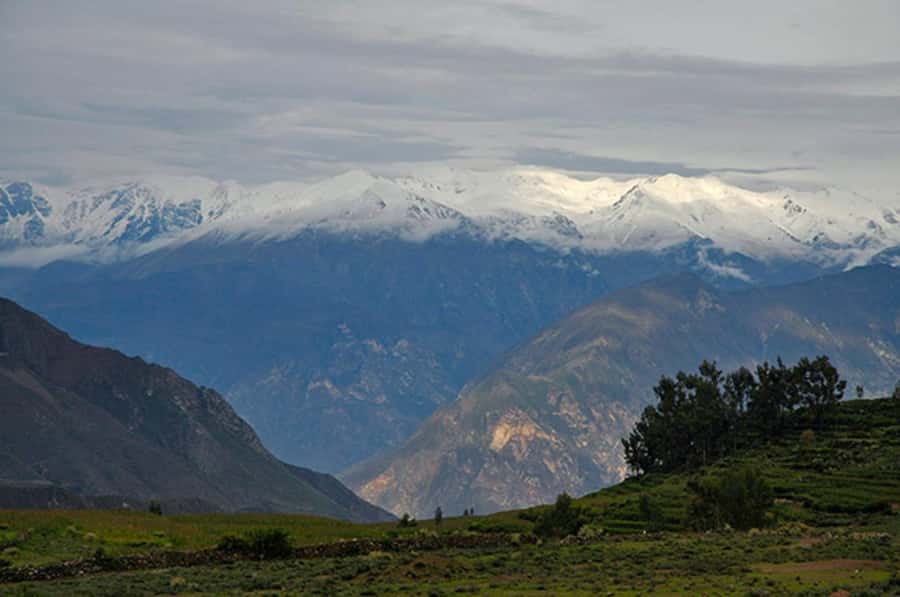
One of the best pieces of this experience is human, not scenic. Guides like Alix were praised for rich explanations and fast support when people had trouble finishing the trek, and Carlos and Alex were noted for being supportive and organizing help like alternate transport when needed.
Even with strong preparation, the canyon has a way of slowing some people down. Having a bilingual high mountain guide who can read the group and adapt is a big part of why this trek tends to land well.
Should you book Arequipa to Colca Canyon (2 days and 1 night)?
Book it if you want a true canyon trek with early condor viewing, an overnight in Sangalle, and a second day that combines ascent, thermal baths, and wildlife stops. The blend of guided logistics and real walking time is hard to beat for a two-day format.
Skip it or choose something easier if you’re sensitive to altitude, you’re not used to steep effort, or you need reliable lodging comfort and charging at night. The shared solar-powered lodge and the day-2 ascent are the two places where expectations should be set realistically.
If you can hike comfortably and you’re excited by condors plus canyon time, this is a solid, high-value way to see the Colca region in just 48 hours.
FAQ
How early is hotel pickup in Arequipa?
Pickup happens between 3:00 and 3:30am from hotels near Arequipa’s main square.
How long is the tour?
The duration is 2 days.
What time do you arrive at Cruz del Condor?
After breakfast and travel, you arrive at Cruz del Condor viewpoint around the morning before continuing the day’s route.
How much hiking is there on each day?
Day 1 includes about 4 hours to lunch in San Juan de Chucho plus about 3 hours to Sangalle. Day 2 includes about 3 hours of ascent from Sangalle area up to Cabanaconde.
What meals are included?
Included meals are 2 breakfasts (day 1 and day 2), 1 lunch on day 1, and 1 dinner on day 1.
Where do you stay overnight?
You stay at the lodge in Sangalle (shared rooms).
Is there electricity or internet at the lodge?
There is no electricity and no internet in the lodge area; it is powered only by solar panels, and after dark lights may be on only for a couple of hours (and cell phones cannot be charged).
Are the hot springs included?
No. Hot springs are an extra fee paid in cash (S/. 15).
What tourist ticket costs are listed?
Tourist ticket costs are listed by category: National S/. 20, National student S/. 5, Latin Americans S/. 40, and Foreigners S/. 70. It is paid in cash as applicable.
What should I bring for the trek and Sangalle pools?
Bring comfortable shoes, sunglasses, a hat, sunscreen, swimwear, a towel, change of clothes, and cash. You’ll also want hiking shoes and comfortable layers for early, high-altitude starts.