REVIEW · AREQUIPA
Arequipa: Half Day Sillar Route and Culebrillas Canyon + Yanahuara Viewpoint
Book on GetYourGuide →Operated by Destinos y Rumbos · Bookable on GetYourGuide
White stone tells Arequipa’s story. This half-day route stitches together city views and the raw material behind Arequipa’s famous buildings, with Yanahuara photo moments and a guided look at the Sillar Route.
I also love the hands-on feeling of the outdoors here: you’ll spend real time in the Quebrada de Culebrillas area, walking through a water-eroded canyon and ending with petroglyphs you can actually photograph. One catch: the pacing is pretty busy, and if you’re picky about hearing every word, plan to position yourself where you can catch the guide—some parts can feel a bit hard to follow.
In This Review
- Key things to know before you go
- Plaza de Armas meet-up: the easiest way to start
- Yanahuara viewpoint photo stop: why it works early
- The Sillar Route and Añashuayco Quarry: stone history in plain sight
- Culebrillas Ravine: the 20-minute walk that adds motion
- Petroglyphs stop: a small ending with a big human touch
- Price and value: is $25 reasonable for this mix?
- Logistics that matter: meeting point, duration, and timing
- Who should book this tour (and who should skip it)
- Should you book the Arequipa Half Day Sillar + Culebrillas tour?
- FAQ
- Where does the tour start?
- How long is the tour?
- What languages is the guide?
- What’s included in the price?
- Are there any entry fees?
- Is food included?
- Do I need to bring ID?
- Is the tour suitable for people with mobility impairments?
- What do you do at Culebrillas?
Key things to know before you go
- Yanahuara first, for quick photo value before you head out of town.
- Sillar explanations you can visualize as you pass the extraction and carving process.
- Quebrada de Culebrillas includes a short walk (about 20 minutes) through water-shaped terrain.
- Culebrillas is a quarry stop with a “not in active use” feel, so it reads as a historic landscape rather than a working site.
- Petroglyphs at the end give the tour a memorable, human-time ending.
Plaza de Armas meet-up: the easiest way to start
You’ll begin right in Arequipa’s center at the Plaza de Mayor de Arequipa, at the main door of the cathedral. That’s good news for you: no long hotel pickup scramble, and it’s easy to orient yourself before you hop on the vehicle.
Bring a passport or ID card. This is one of those small requirements that can ruin your day if you forget it. Also, dress for short outdoor stretches. Even though it’s only about four hours total, you’ll be outside for viewpoints and the Culebrillas walk.
You can also read our reviews of more tours and experiences in Arequipa.


Yanahuara viewpoint photo stop: why it works early
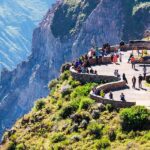
The tour starts by heading to Mirador de Yanahuara so you can take pictures. This is not just a random viewpoint stop—it acts like your “Arequipa reset button.” Before you get into stone history and canyon terrain, you get a clean visual sense of where the city sits and why people always steer travelers toward this part of town for views.
You’ll have guided time there, plus a couple of guided photo stops during the early portion of the day. If you like photos that feel a bit more intentional than quick snapshots, this is where you’ll get the easiest wins.
Practical tip: keep your phone/camera charged before you get there. You’ll be doing multiple photo moments, and you don’t want to waste your best angles fighting low battery.
The Sillar Route and Añashuayco Quarry: stone history in plain sight
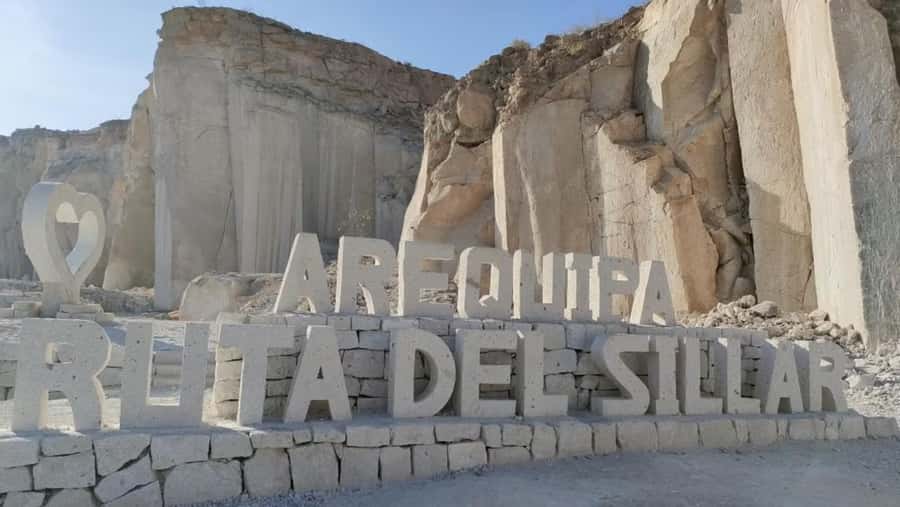
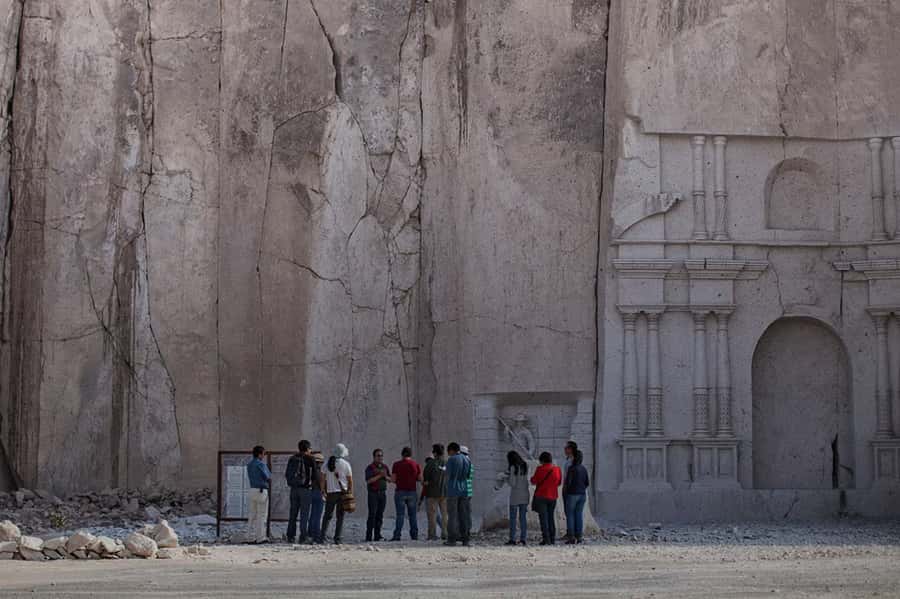
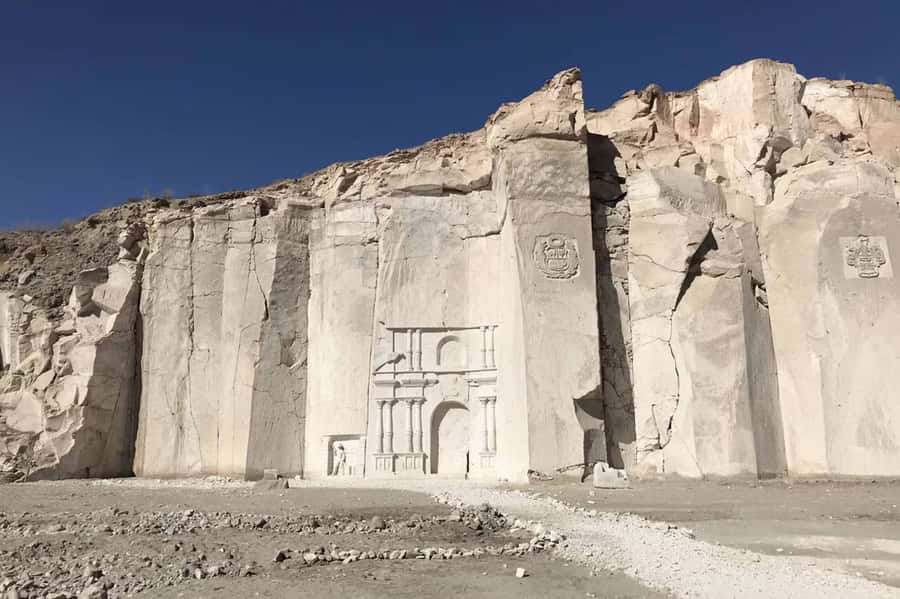
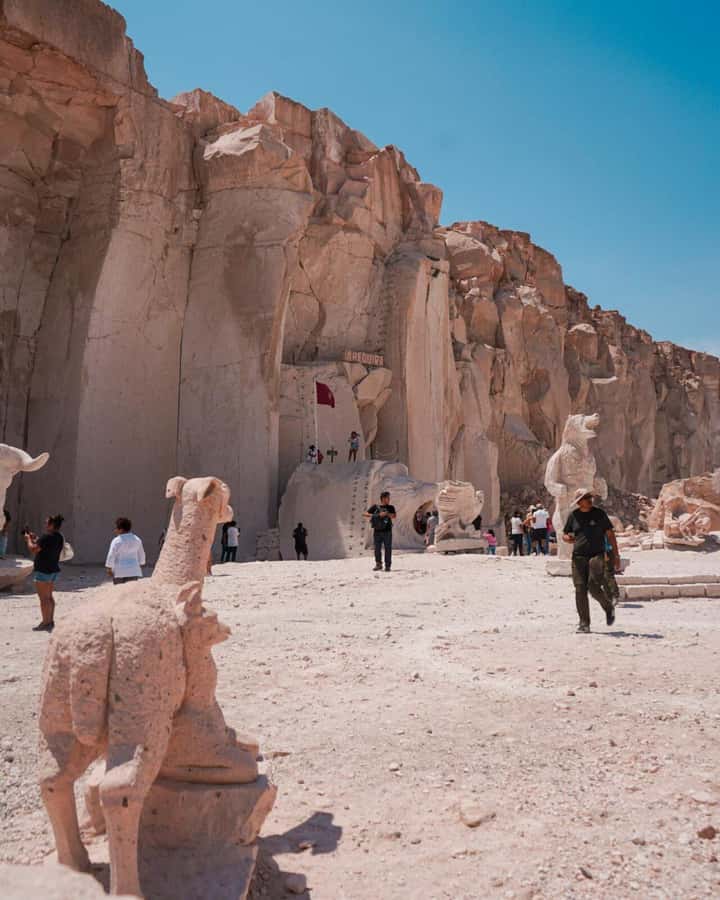
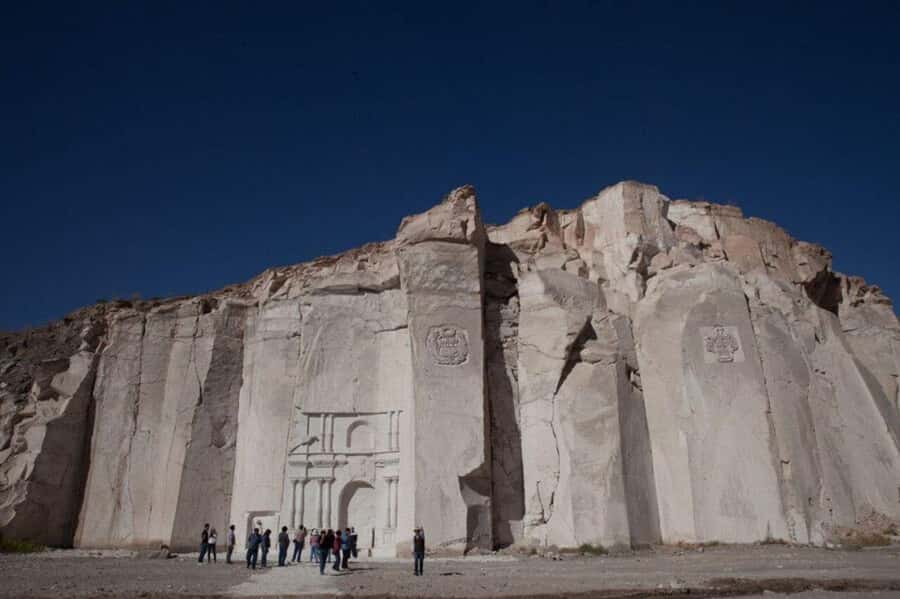
Next comes the Route of the Sillar, heading out of the city toward the Añashuayco Quarry (and this is where the tour earns its keep). Your guide gives you a series of explanations about how sillar stone is extracted—the stone with which most of the constructions around the main square were made.
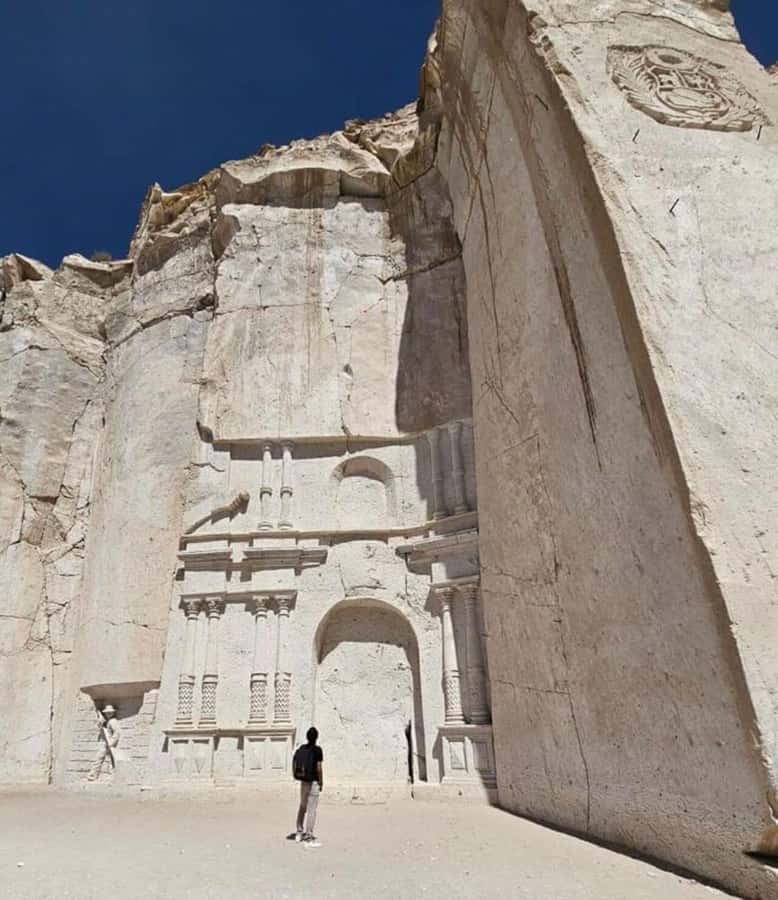
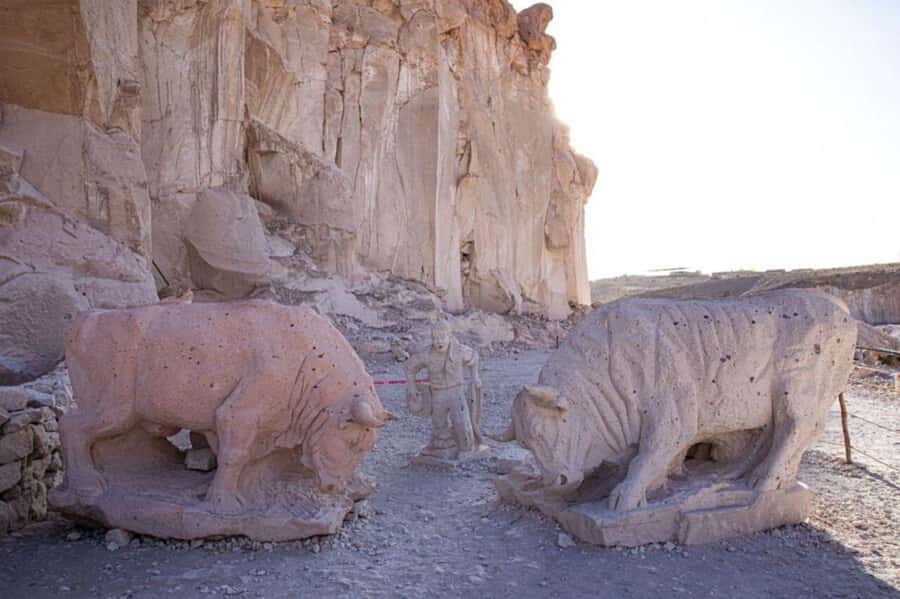
What makes this part valuable is that it’s not abstract. You’re learning while you’re traveling through the exact setting where that stone comes from. The guide also talks about carving—how master stonemasons perform carving and mega-carving work. Even if you don’t know stone terminology, you can start to see the “why” behind the look of Arequipa’s architecture.
What to watch for: keep an eye out for hints of tool marks, natural stone texture, and carved shapes as you move through the area. You’ll understand more of what the guide is saying when you connect the explanation to something visual outside the vehicle.
Possible drawback: this section can feel stretched for some people, and it’s easy to lose steam if you’re expecting a faster sequence of movement and stops. If you’re the type who likes action over explanations, bring a little patience. The trade-off is that you leave with a real sense of how the city got its signature stone.
Culebrillas Ravine: the 20-minute walk that adds motion
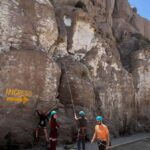
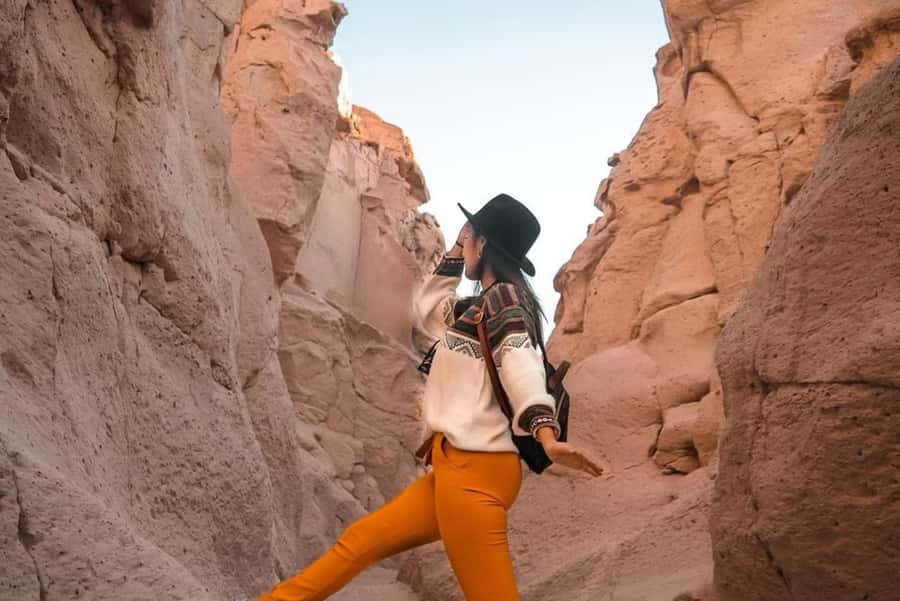
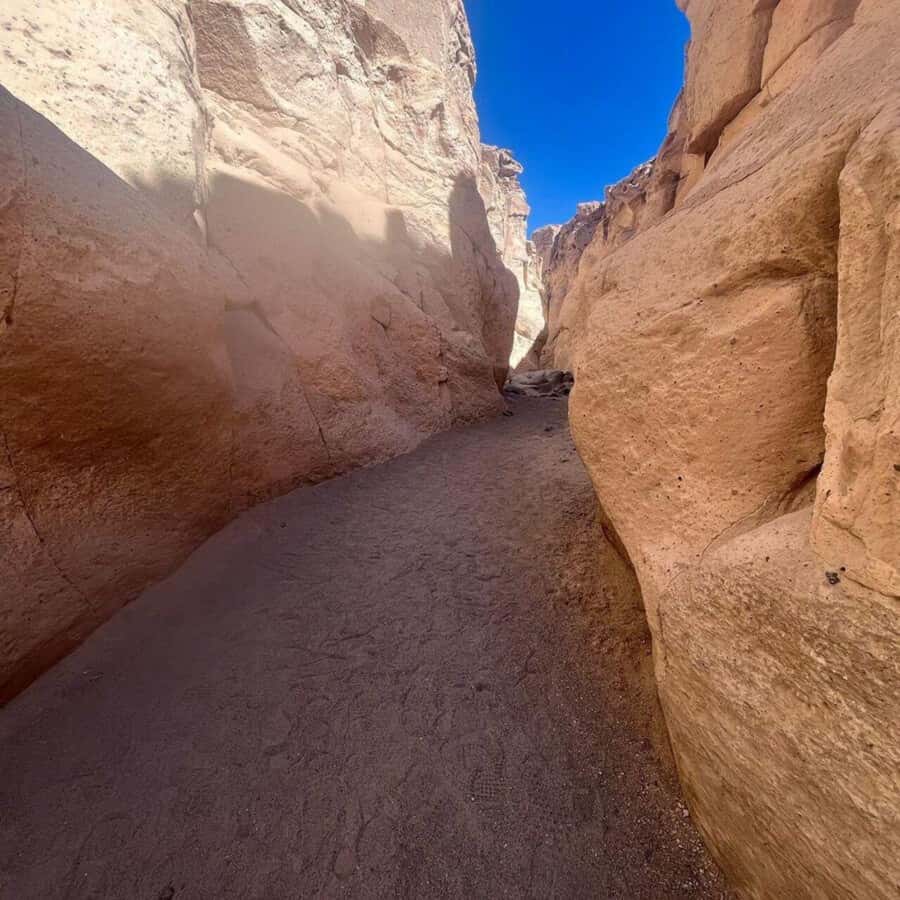
After the quarry history, the tour shifts to the outdoors with the Culebrillas ravine. The vibe changes right away. This quarry is described as not in exploitation, but you’ll get access to walk for about 20 minutes through a small canyon formed by water erosion.
That’s a great combination for a half-day itinerary. You don’t need hours of hiking to feel like you “did something.” You’re moving at a manageable pace, but you’re still getting a genuine sense of how water shaped the terrain over time.
You’ll also have photo opportunities here, and the tour includes guided commentary as you go. If you like walking tours that are more about seeing and learning than covering distance, this stop fits well.
Comfort tip: wear shoes with decent grip. Even if the walk is short, ravine terrain can be uneven. Bring a light layer too—canyon air can feel different than city air.
Petroglyphs stop: a small ending with a big human touch
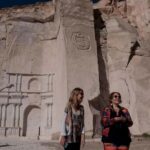
Toward the end of the tour, you’ll see petroglyphs. This is one of the parts that tends to stick with you because it’s direct. You’re not just hearing about history; you’re looking at evidence made by people who lived long before the quarry and city stone industry shaped today’s view.
You’ll have time to admire and photograph the petroglyphs while your guide explains what you’re seeing. The key here is to slow down at the start of the stop so you can frame your photos without rushing. If you’re shooting on a phone, tap to focus on the carvings first—then adjust your angle for the best contrast.
One note based on the experiences shared by other booked guests: the viewpoint and petroglyph moments can be the highlight, but if you struggle to hear the guide outdoors, choose a spot where you’re closer to the speaker. Even a small change in position can make the explanation land.

Price and value: is $25 reasonable for this mix?
At about $25 per person for a roughly four-hour experience, the biggest value question is what you actually get for your time.
You’re paying for:
- Transportation
- A bilingual tour guide (Spanish and English)
- Guided stops at Yanahuara, the Sillar Route area, Culebrillas, and petroglyphs
- Multiple photo moments plus a short walk
Not included are the entry fees: you’ll likely need to budget S/. 5 for the quarry and S/. 5 for Culebrillas (each mentioned separately). That means your real cost is a touch higher once you arrive.
Still, the structure is efficient: it’s a compact mix of city-meets-stone-meets-canyon. If you’re choosing between a “just views” tour and a “just history” tour, this one gives you both in one half-day, and the Culebrillas walk prevents it from feeling purely classroom-like.
If you already planned a self-guided day around the main square, this tour is most worth it when you want to connect Arequipa’s famous buildings to the source of its stone and add a real outdoor stop without committing to a full-day excursion.
Logistics that matter: meeting point, duration, and timing
This is a 4-hour tour that starts at the plaza by the cathedral’s main door. Since hotel pickup isn’t included, it’s easiest if you’re already staying near the historic center or you’re comfortable getting yourself there.
Also, the tour notes free cancellation up to 24 hours in advance and a reserve-now, pay-later option. That’s helpful if you’re still shaping your Arequipa schedule, or if weather could affect your comfort with outdoor stops.
Finally, it’s not suitable for people with mobility impairments. That makes sense given the ravine walk and uneven terrain. If that’s your situation, consider a different Arequipa tour that stays fully accessible.
Who should book this tour (and who should skip it)
This tour is a strong fit if you want:
- A guided look at how sillar stone connects to Arequipa’s buildings
- A manageable outdoor component (the short Culebrillas walk)
- Viewpoint photos without spending the day commuting
It’s less ideal if you:
- Want long hiking time or big adrenaline climbs
- Need a fully accessible route
- Have strict expectations about hearing the guide clearly during every minute outdoors
If you like tours where the guide’s explanations genuinely change what you see—rather than just pointing at photos—this one will probably feel like your kind of half-day.
Should you book the Arequipa Half Day Sillar + Culebrillas tour?
I’d book it if you’re in Arequipa for a short time and you want more than a viewpoint-and-back routine. The best reason to go is the connection: Yanahuara gives you the city’s picture, the Sillar Route explains the stone behind it, and Culebrillas adds movement plus petroglyphs for a thoughtful ending.
I’d skip or choose a different option if you’re sensitive to pacing or you really rely on catching every word while walking outside. This tour includes explanation-heavy stretches, and the outdoors can make audio tricky.
If you’re flexible and you want an efficient, real-deal Arequipa mix in four hours, this is a solid pick—just show up ready to look closely, and you’ll get a lot more out of it than a quick pass through the highlights.
FAQ
Where does the tour start?
The meeting point is in the Plaza de Mayor de Arequipa, at the main door of the cathedral.
How long is the tour?
The duration is 4 hours.
What languages is the guide?
The tour offers a live bilingual guide in Spanish and English.
What’s included in the price?
Included are tourist transportation and a bilingual tour guide.
Are there any entry fees?
Yes. Entry to the quarry is S/. 5, and entry to Culebrillas is S/. 5. These are not included in the price.
Is food included?
No. Food and beverages are not included.
Do I need to bring ID?
Yes. Bring your passport or ID card.
Is the tour suitable for people with mobility impairments?
No, it’s not suitable for people with mobility impairments.
What do you do at Culebrillas?
You walk for about 20 minutes through a small canyon formed by water erosion, and you can also admire and photograph petroglyphs with your guide’s explanations.