REVIEW · BUENOS AIRES
Premium Argentinian Wines and Malbec Tasting Experience
Book on GetYourGuide →Operated by Signaturetours · Bookable on GetYourGuide
Malbec is only the start. In Palermo Soho, this 90-minute tasting turns Argentina’s wine regions into something you can actually taste, from Torrontés to Pinot Noir to Malbec. I love how the hosts explain the story of winemaking while tying Mendoza, Salta, and Patagonia to the flavors in your glass, with guides like Faku even using original antique maps to make it click. I also love that the pours feel generous and the pace gives you time to ask questions without rushing.
The one thing to plan for is logistics: there’s no hotel pickup, and you’ll need to get yourself to Gorriti in Palermo. Also, the meeting point is listed as both Gorriti 4882 and Gorriti 4886, so I’d double-check the exact address in your confirmation before you head out.
In This Review
- Quick, Specific Highlights
- Malbec Is the Star, but the Real Win Is the Lesson
- Where You Meet in Palermo Soho (and How Not to Overthink It)
- Your Host Turns Regions Into Real Flavor: Mendoza, Salta, Patagonia
- The Three-Wine Flight: Torrontés, Pinot Noir, Malbec
- Appetizer + Cheese Pairing: Why the Food Part Matters
- Learning That’s Not Just Talk: Vintages, Vineyard Locations, and Q&A
- Price and Value: Is $50 a Good Deal in Buenos Aires?
- Pace, Weather, and Practical Tips for a Smooth Evening
- Who Should Book This (and Who Should Skip It)
- Guide Quality: Why Names Like Lourdes, Tomas, Faku, and Myrian Matter
- Should You Book This Palermo Soho Malbec Tasting?
- FAQ
- How long is the wine tasting experience?
- What wines will I taste?
- Is food included with the wine?
- Where is the meeting point?
- Is hotel pickup included?
- What languages are the guides available in?
- Does the tour run in bad weather?
- Is it suitable for children or wheelchair users?
Quick, Specific Highlights
- Palermo Soho location: an easy neighborhood base for an early evening class
- Three-region flavor map: Mendoza, Salta, and Patagonia taught through tasting
- Three-wine flight: Torrontés, Pinot Noir, and Malbec, with Malbec as the star
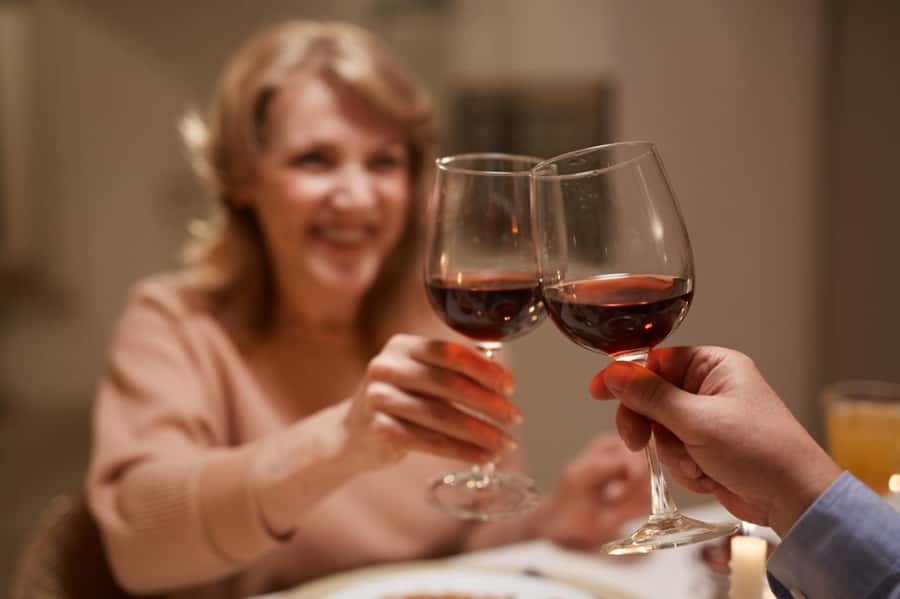
- Snack pairing built into the tasting: typical Argentinian appetizer plus cheeses
- Host-led learning that stays practical: strong guidance from hosts like Lourdes and Tomas, and Faku’s antique-map storytelling
- Dietary needs may be accommodated: one host (Myrian) handled celiac and lactose-intolerance requests with advance care
Malbec Is the Star, but the Real Win Is the Lesson
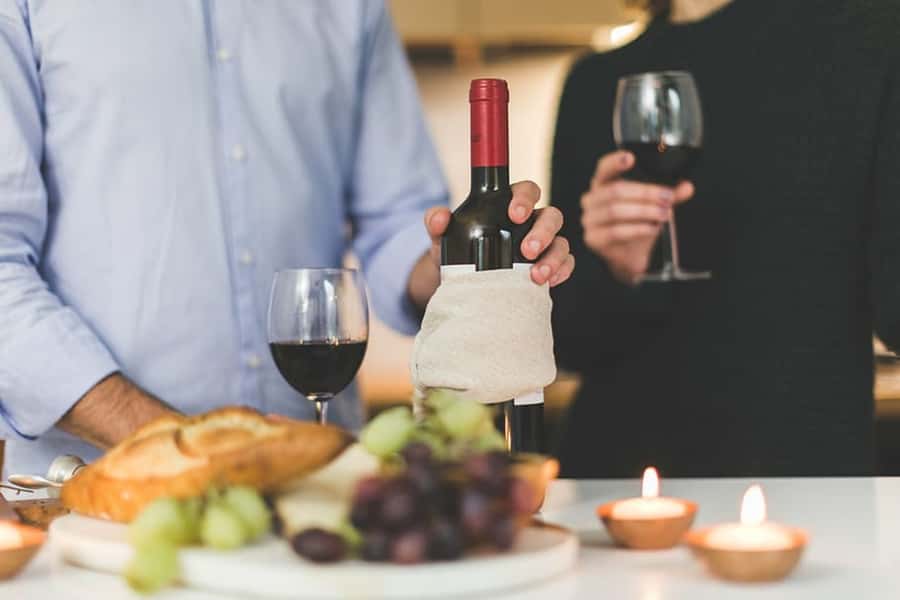
Argentina’s wine scene is famous for one grape, yes—Malbec. But this tasting earns its keep because it doesn’t stop there. You start with an appetizer and move through a focused set of three wines: Torrontés, Pinot Noir, and Malbec. The point isn’t to memorise a chart. It’s to understand how the country’s major vineyard regions create different flavor directions, so when you later see bottles in a shop or a restaurant menu, you can make sense of what you’re buying.
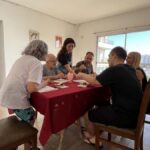
The format is tight and friendly: a guide leads a short class, you taste, you get guidance on what you’re noticing, and you pair the wines with food. At the end of 90 minutes, you’re not just leaving with a buzz—you’re leaving with a mental map.
It’s also a great deal for Buenos Aires. At $50 per person, you’re paying for a guided tasting plus food and drinks. That’s usually the difference between a pricey “drink three glasses” outing and something that feels like a real experience.
You can also read our reviews of more food & drink experiences in Buenos Aires


Where You Meet in Palermo Soho (and How Not to Overthink It)
This experience meets in Palermo, at Gorriti (listed as Gorriti 4882, with another reference to Gorriti 4886). Palermo is one of the easiest areas to move around in by taxi or Uber, and you’ll likely want to do exactly that. Reviews also point out using an Uber to reach the meeting point is simplest.
Since there’s no hotel pickup, your job is to arrive on time and find the exact door. Here’s my practical advice: set a pin on Gorriti, then confirm the exact street number on your booking message. The difference between 4882 and 4886 is close, but close is still not the same when you’re hunting in a busy neighborhood.
Once you arrive, you’re set up for a guided session in a class-and-tasting style format. The venue info you have suggests a comfortable, bright space, so you’re not squeezed into a tiny dark corner.
Your Host Turns Regions Into Real Flavor: Mendoza, Salta, Patagonia
The core of the experience is regional wine production—taught in a way that connects to what’s actually in your glass. You’ll learn how Mendoza, Salta, and Patagonia differ in flavor nuance, and the guide frames it around vintages, grape varieties, and vineyard locations.
That matters, because wine tasting can be either:
- random sipping, or
- tasting with a purpose
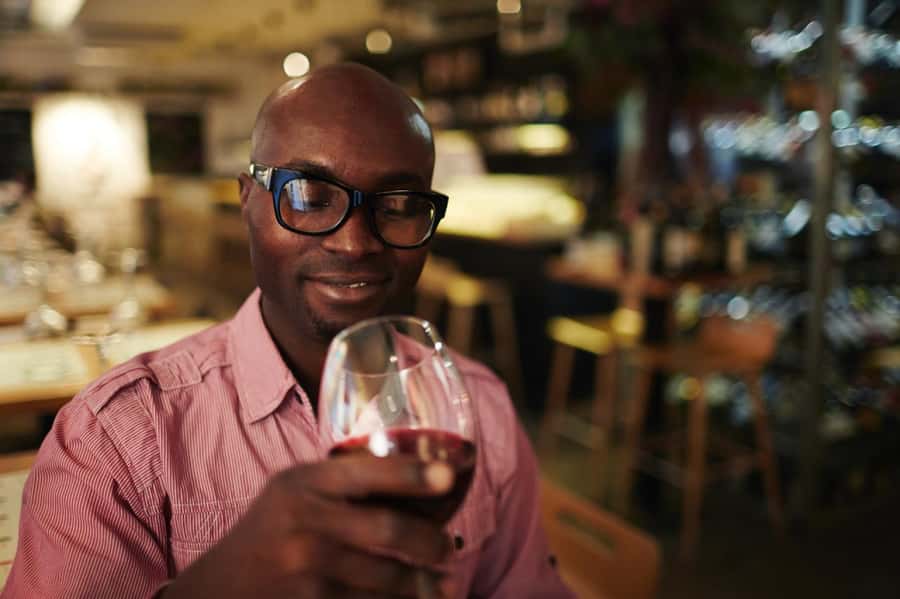
This one leans toward the second. Even if you’re not a wine nerd, you’ll get an easy framework for tasting: look for how a wine shows itself in appearance and aroma, then notice what happens on the palate. One host (Lourdes) is specifically described as walking people through those stages for each wine—plus how to pair them with foods. Another guide (Tomas) is noted for connecting regional wine history and the qualities of the wines tasted.
What I like about this approach is that it gives you language. After the session, you’re more likely to say something like, I prefer this style because it tastes balanced and fits the food you’re serving—rather than I just like it.
The Three-Wine Flight: Torrontés, Pinot Noir, Malbec
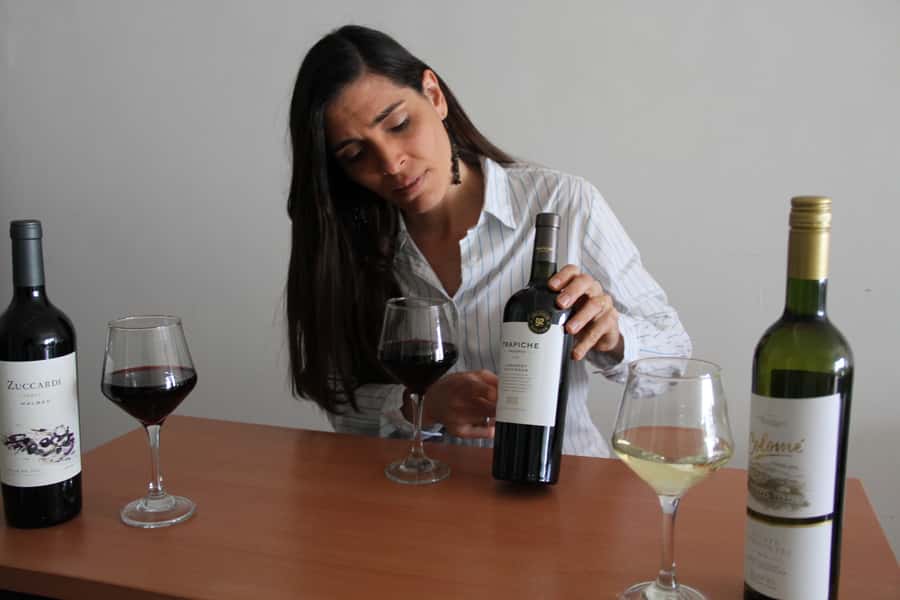
You’ll taste a selection of wines with a clear focus: Torrontés, Pinot Noir, and Malbec. Malbec is the marquee grape here, and the lesson makes sure you understand why it became the “Argentina” bottle many people know.
But the smart move is the inclusion of the other two wines. If you only taste Malbec, your Argentine wine brain stays one-dimensional. With Torrontés and Pinot Noir in the mix, you can start to see how Argentina’s wine output isn’t one trick—it’s multiple styles.
Here’s what to expect, practically, as the flight moves along:
- The guide introduces each wine and gives you context on where it fits in Argentina’s broader “oenological map.”
- You taste and get prompts on what to notice, rather than leaving you to figure it out alone.
- You learn about vintages and grape varieties, and how those choices affect flavor.
And because the timing is only 90 minutes, the flight avoids the long lecture trap. It’s meant to feel like a guided tasting class, not a school day.
Appetizer + Cheese Pairing: Why the Food Part Matters
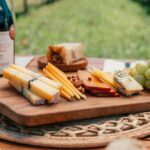
Wine tastings often fail because the food is an afterthought. Here, food is part of the structure. You’ll get a typical Argentinian appetizer while you taste, and you’ll also try cheeses that pair well with the wines.
This part matters because pairing is where learning sticks. If you taste a wine on its own, you might like or dislike it for vague reasons. Add a well-chosen bite—cheese, salami, or other typical snacks—and suddenly your brain has something to compare.
One guide experience described pairing with cheese and salami, and you can see how this would help you notice shifts in flavor. Fatty foods like cheese can soften sharp edges; salty bites can make fruit notes feel more pronounced. Even if you don’t know the science, you’ll feel the pattern—and that helps later when you order wine in a restaurant or build a picnic plan.
Also, if you have dietary concerns, ask questions ahead of time. One host (Myrian) is described as taking careful steps for a guest with celiac and lactose intolerance, kidney limitations, and no meat preferences. That doesn’t mean every dietary request is guaranteed for every booking, but it does show the team may work with needs when people communicate early.
You can also read our reviews of more wine tours in Buenos Aires



Learning That’s Not Just Talk: Vintages, Vineyard Locations, and Q&A
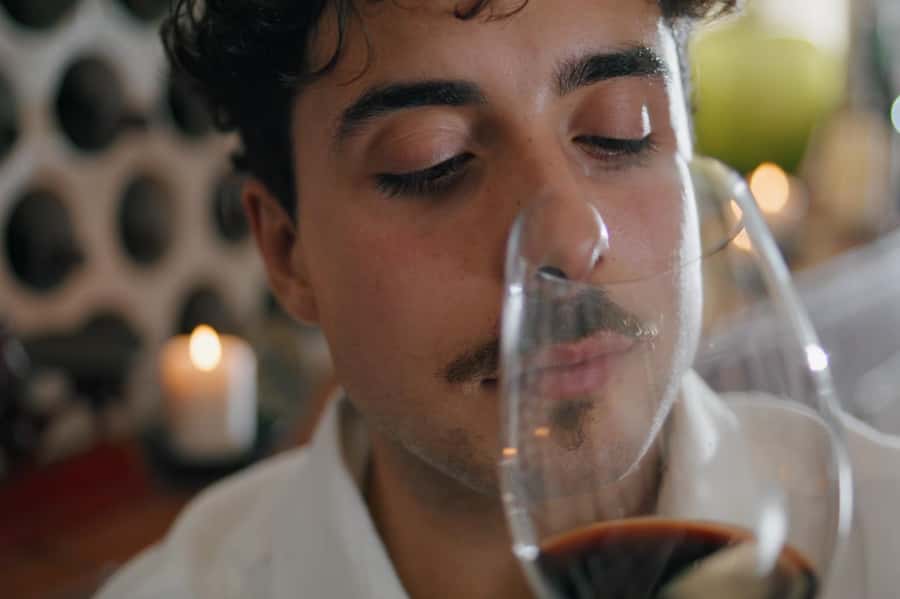
The experience isn’t only about tasting—it’s about learning to connect tastes to real production decisions.
Over the session, you’ll discuss:
- vintages (the year’s harvest context)
- grape varieties
- vineyard locations
- how the major regions influence nuance
In plain terms, you’re learning why two bottles of the same grape can still taste different. Guides like Faku are noted for making this practical, using visual materials like original antique maps that help you link geography to wine style.
This is one of those tours where I’d actually plan to ask questions. If you’re curious about what to buy later, ask. If you’ve had Malbec that tasted too strong or too “dry” for your taste, ask what might have caused it (region, vintage, or grape handling). The tour is built around conversation as you taste, and that’s where the best value shows up.
Price and Value: Is $50 a Good Deal in Buenos Aires?
Let’s talk money like an adult. $50 per person can sound steep if you’re expecting a casual drink. But this isn’t just a bar stop. You’re getting:
- a professional guide
- multiple wines (Torrontés, Pinot Noir, Malbec)
- food: a typical appetizer plus cheese pairing
- a short class structure that explains the how and why
So the real question isn’t whether it’s cheap. It’s whether it’s efficient. In 90 minutes, you get guided learning plus drinks plus snacks. That can be great value compared with paying for a tasting menu at a wine bar where you might not get the same structured explanation.
Also, the rating score is strong: 4.6 out of 5 with 60 reviews. High scores alone don’t make a tour worth it, but they do suggest the guide-led format consistently lands well—especially around hospitality and education.
If you’re only in Buenos Aires for a short time, this is the kind of outing that pays you back later: you’ll understand what you’re ordering when you see Malbec or Torrontés on a menu.
Pace, Weather, and Practical Tips for a Smooth Evening
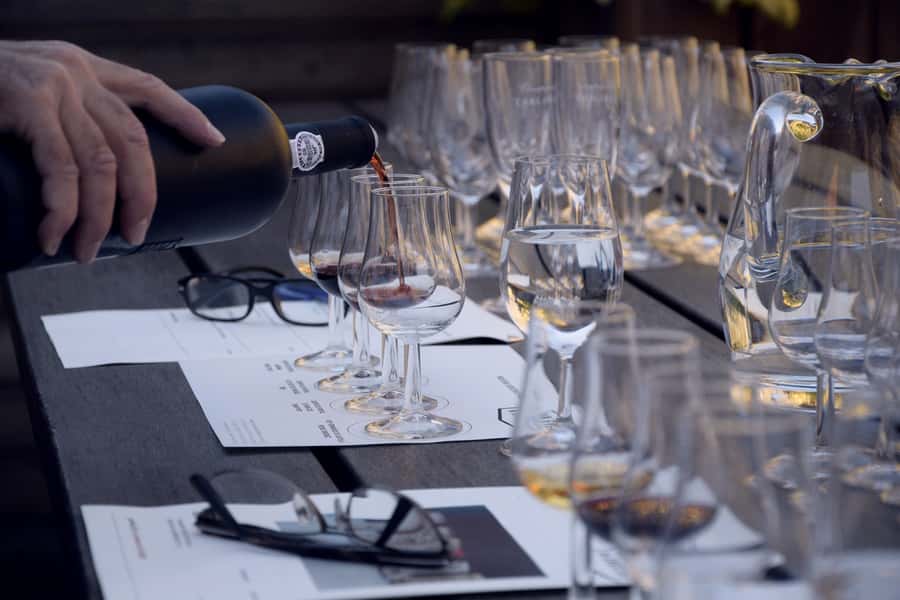
This is built to run even if the weather turns. The experience notes it will go ahead even if it rains or storms, which matters in a city where plans can get flaky.
As for timing, you’re looking at 90 minutes, so keep your evening flexible but not overly loose. You don’t want to schedule this as a last-minute afterthought when you’ve got a dinner reservation twenty minutes away.
Practical tips that make it smoother:
- Use Uber or taxi to get to Palermo, since there’s no pickup.
- Give yourself a few minutes to locate the exact Gorriti number in your confirmation.
- Wear something comfortable. The session is classroom-and-tasting style, and you’ll likely want to stand or shift positions as the tasting moves along.
One more tip: if you like wine but get overwhelmed by jargon, you’re fine. Guides are described as explaining wine qualities in a structured way—appearance, aroma, taste—and making pairing feel straightforward.
Who Should Book This (and Who Should Skip It)
This works best if you:
- want a guided introduction to Argentine wines without spending hours
- are curious beyond Malbec and want a more rounded taste
- enjoy food-and-wine pairing as part of the learning
- like asking questions and getting clear answers
It may not fit if you:
- need wheelchair access (it’s not suitable for wheelchair users)
- are traveling with kids (it’s not suitable for children under 18)
- prefer purely self-guided tastings with zero structure
If you’re a solo traveler, this can be a solid choice because the guide-led format keeps things moving, and conversation is built into the session. If you’re traveling with a friend who doesn’t care much about wine, you’ll still have plenty to talk about thanks to the food pairing and the region-to-flavor explanations.
Guide Quality: Why Names Like Lourdes, Tomas, Faku, and Myrian Matter
In a tasting class, the guide can make or break the experience. Here, you’re likely to get a host who can explain the wines in a way that’s useful, not just impressive.
Some guide details you can use as a guide to what to expect:
- Lourdes is described as breaking down each wine through appearance, aroma, and taste, and explaining how to pair the wines with different foods.
- Tomas is noted for connecting regional history of the wine industry with the qualities of the wines in the tasting.
- Faku is praised for using original antique maps, which helps many people understand Argentina’s wine geography faster.
- Myrian is mentioned for careful handling of dietary needs, including celiac and lactose intolerance, and for making guests feel looked after.
Even if you don’t get the exact guide names from these examples, the pattern matters: the best outcomes come from hosts who can translate wine into practical observations.
Should You Book This Palermo Soho Malbec Tasting?
I think it’s a strong booking if you want an efficient, food-included wine lesson in Buenos Aires. For $50, you get three core wines—Torrontés, Pinot Noir, and Malbec—plus an appetizer and cheese pairing, all with a guide that connects Argentina’s regions to what you taste. If you’re planning to drink wine later during your trip, this tasting helps you order with confidence.
If you hate group-style structure, dislike guided explanations, or can’t easily make it to the meeting point on your own, you may want to choose a different option. But for most people who want a smart night in Palermo Soho, this hits the sweet spot: education you can actually use, with a glass in hand.
FAQ
How long is the wine tasting experience?
The experience lasts about 90 minutes.
What wines will I taste?
You’ll taste three types of wine: Torrontés, Pinot Noir, and Malbec.
Is food included with the wine?
Yes. You’ll have food and drinks included, including an appetizer and cheese pairings.
Where is the meeting point?
The meeting point is on Gorriti in Palermo, with addresses listed as Gorriti 4882 and Gorriti 4886. Double-check your exact confirmed address.
Is hotel pickup included?
No. Hotel pickup and drop-off are not included.
What languages are the guides available in?
The live tour guide is available in English, Spanish, and Portuguese.
Does the tour run in bad weather?
Yes. It is scheduled to run even if it rains or storms.
Is it suitable for children or wheelchair users?
No. It’s not suitable for wheelchair users, and it’s not suitable for children under 18 years old.