REVIEW · CUSCO
Cusco: Scenic Route of the Sun to Puno with Buffet Lunch
Book on GetYourGuide →Operated by InkaExpress · Bookable on GetYourGuide
Cusco to Puno can be a long day. This route turns the drive into a guided route of Inca and colonial highlights with views that actually pay off.
I like that it’s not just scenery. You get focused stops at Andahuaylillas (the Sistine Chapel of the Andes) and Raqchi with its huge 15-meter Temple of Wiracocha, plus time at the high pass viewpoint. The bus part is also practical: the ride is set up with A/C + heating, a clean bathroom onboard, and hot drinks like coca tea.
One thing to consider: it starts very early, and the schedule is tight. You’ll be on the move most of the day, with just short guided windows at each site.
In This Review
- Key things I’d plan around
- Turning the Cusco-to-Puno drive into a guided day
- Meeting point and timing: plan for an early start
- First big wow: Andahuaylillas and the Sistine Chapel of the Americas
- Raqchi’s Temple of Wiracocha: the 15-meter ruins that dominate the site
- Lunch in Marangani–Sicuani: buffet food that keeps you going
- Abra La Raya: the high pass viewpoint where regions meet
- Pucará Museum: Andean civilization from 500 BC to 200 AD
- What’s actually included, and what you’ll pay at the sites
- Comfort and organization: the details that keep the day smooth
- Who this tour suits (and who should think twice)
- Price and value: why $44 can make sense
- Should you book this Cusco to Puno Route of the Sun tour?
- FAQ
- What time does the tour leave Cusco?
- How long is the trip from Cusco to Puno?
- What stops are included on the route?
- Is lunch included, and what is it like?
- Are entrance tickets included in the price?
- What does the bus include for comfort?
- Does the guide speak English?
- Is there a cancellation option?
Key things I’d plan around
- Early start, multiple guided stops: you’ll trade extra sleep for real “see more than just the road” value
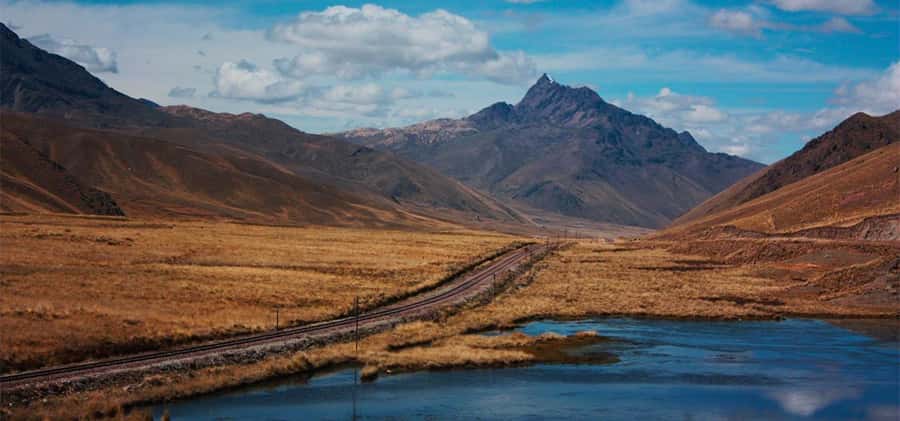
- Abra La Raya photo stop at the high pass: great for panoramic Andes views when weather cooperates
- Raqchi’s 15-meter Temple of Wiracocha: a standout stop with big-scale ruins and clear explanations
- Andahuaylillas Church frescoes + gold leaf details: the colonial artistry here is a strong contrast to Inca sites
- Pucará Museum time window: a focused look at Andean civilization from 500 BC to 200 AD
- Buffet lunch plus drinks onboard: it’s not gourmet, but it’s filling and thoughtfully included
Turning the Cusco-to-Puno drive into a guided day
If you’re moving from Cusco down to Puno (near Lake Titicaca), you’ve probably considered the simplest option: a direct bus. That works, but it’s also a lot of hours where the best parts of the route pass by at highway speed.
This version is built for people who want the journey to matter. The core idea is that the “Route of the Sun” is more than marketing. It’s a chain of viewpoints and historic places along the Cusco-to-Puno corridor, and the day is structured so you can get out, stretch your legs, and actually learn what you’re seeing.
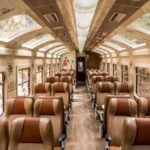
The bus itself is designed for comfort on a long cross-region trip. You get heated and air-conditioned seating, hot drinks and cold drinks onboard, and a clean bathroom. On top of that, there’s an oxygen tank available, which matters if you’re already feeling the altitude.
You can also read our reviews of more tours and experiences in Cusco
Meeting point and timing: plan for an early start
The day is built around an early morning departure. The bus leaves around 6:40 AM, and you’re expected to be at the terminal about 30 minutes before departure. That means you’ll want a simple plan the night before: pick up snacks if you’re picky, charge your phone, and keep a layer handy. Even in daytime, the high Andes pass can feel sharp.
The trip runs about 11 hours total, ending back at the Puno bus terminal. The schedule moves in a clear sequence of stops that are spaced so you get sightseeing without spending the whole day waiting around.
First big wow: Andahuaylillas and the Sistine Chapel of the Americas
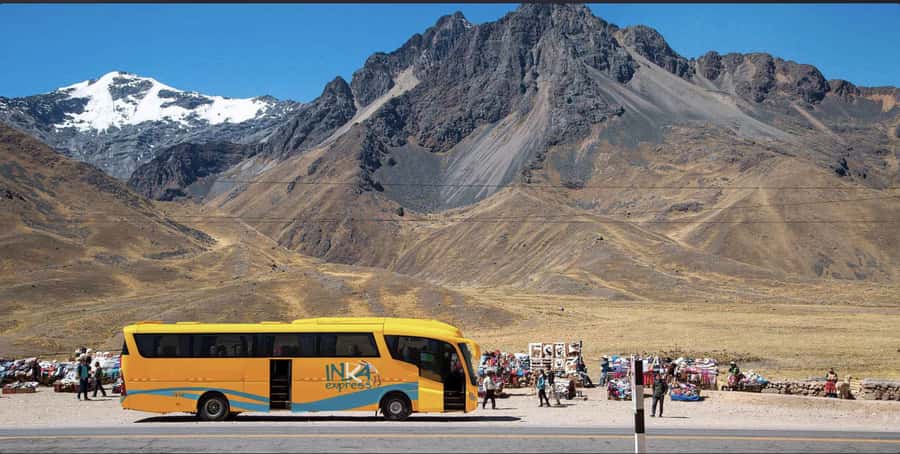
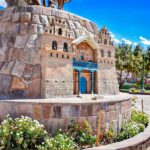
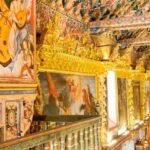
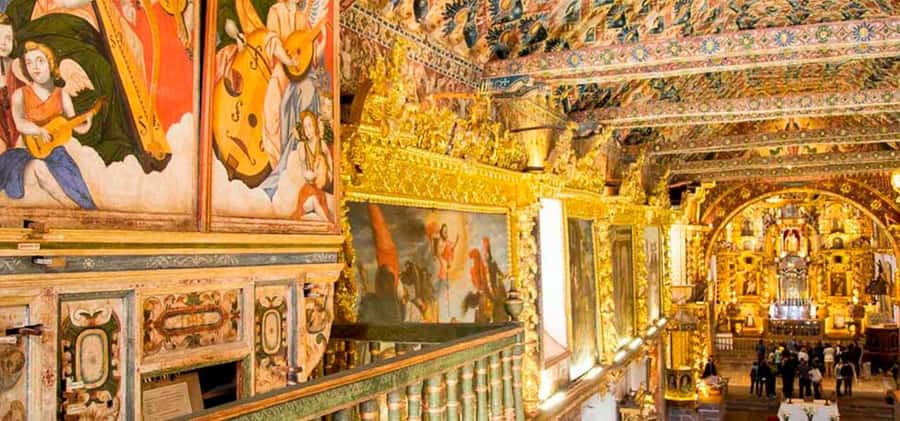
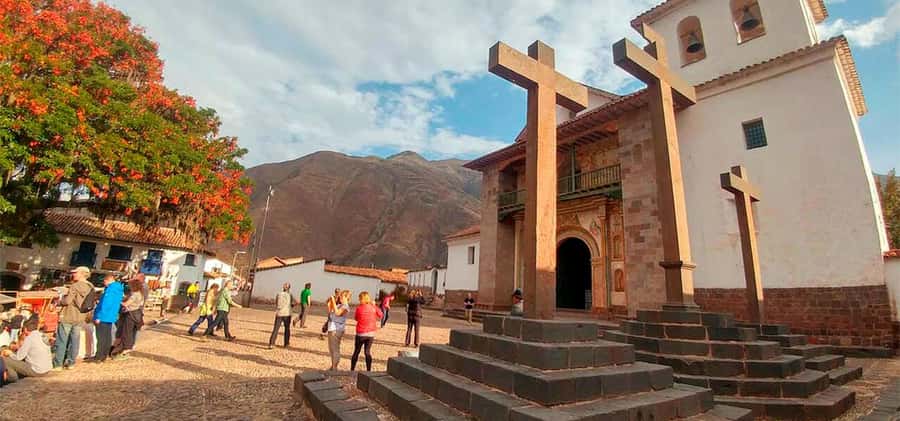
Your first real stop is Andahuaylillas, famous for the Church of Saint Peter the Apostle. This is often called the Sistine Chapel of the Americas, and the reason is specific: the church is a mix of colonial-era artistry built on an Inca sacred site, with frescoes and gold leaf details that grab your attention fast.
You get about 45 minutes here, including guided time plus photo opportunities. That’s not enough to be slow-walking every square inch, but it’s enough to understand why the place is famous and still come away with clear impressions. This stop is also a useful “pattern reset” after being in Cusco’s altitude world. You get to focus on art, architecture, and the way cultures layered over each other.
Practical tip: if you’re sensitive to church interiors (dim lighting, crowds), arrive ready to look. The artistry is worth it, but you’ll want your camera settings and your eyes adjusted.
Raqchi’s Temple of Wiracocha: the 15-meter ruins that dominate the site
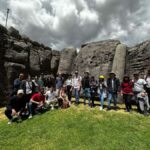
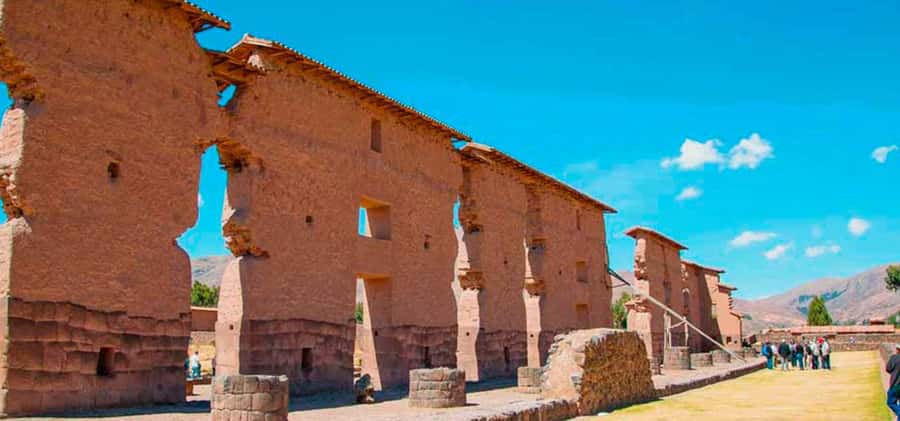
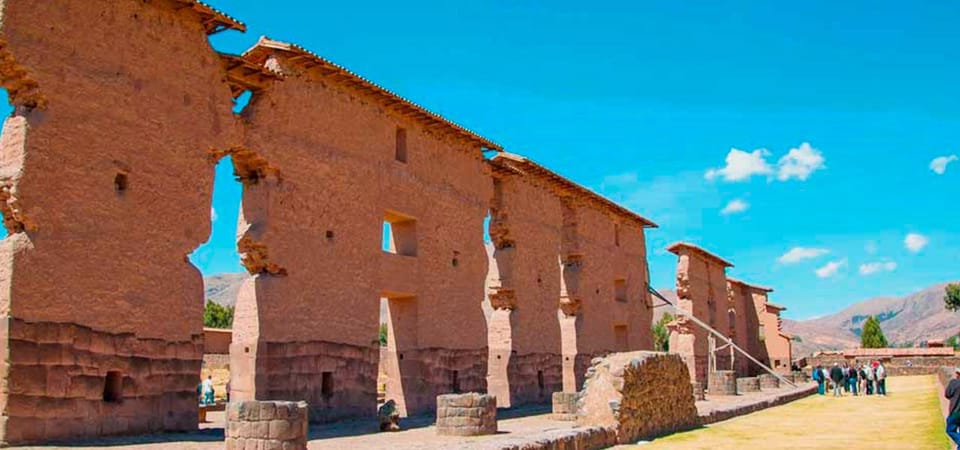
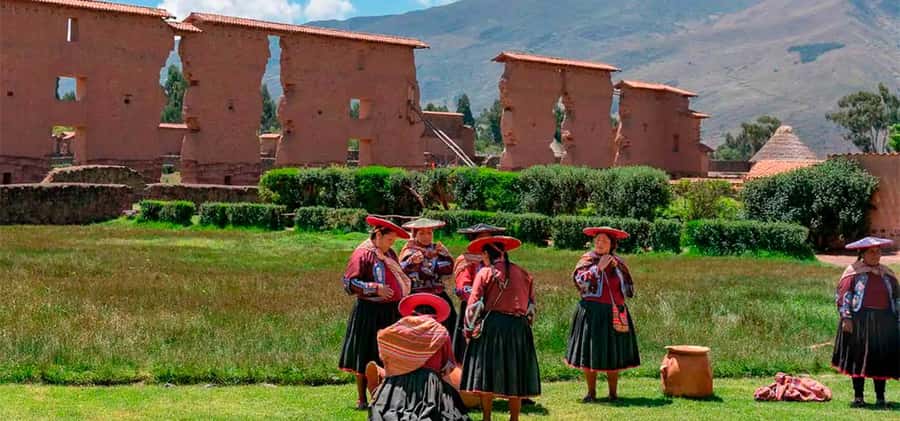
After Andahuaylillas, the schedule shifts to archaeology at Raqchi, the Temple of Wiracocha. This is the kind of stop where the scale does the talking. The temple is known for its 15-meter-high walls, and you’ll see how the site was designed around an important spiritual idea: honoring the invisible Superior God of the Andean people.
You’ll spend about 45 minutes total at Raqchi. Within that time, you get guided context and a chance to walk the main areas so it doesn’t turn into a rushed photo line. The guided part matters here, because without it you can miss the “why” behind the shape and placement of the ruins.
One drawback: because the stop is timed, you won’t have the freedom to wander for hours. If you love archaeology and want to linger, treat this as an introduction that earns a follow-up visit later.
Lunch in Marangani–Sicuani: buffet food that keeps you going
Midday you stop for a buffet lunch. The meal is served in Marangani – Sicuani, and it’s designed for travelers who have more driving and sightseeing after eating. The menu includes options like beef, chicken, fish, sides, warm and raw salads, and desserts, plus herbal infusions.
This is the sweet spot on long bus days: you get enough variety to satisfy different appetites, and it’s not just one safe default plate. Drinks aren’t an afterthought either. Onboard you’ll have hot drinks (including tea, coffee, coca tea, and herbal infusions) and cold drinks (like Coca-Cola, Inca Kola, and mineral water). So you’re not stuck with only whatever a station sells.
If you’re the kind of traveler who gets “hangry” before noon, the lunch timing helps. You’re fed before the later high-altitude viewpoint.
You can also read our reviews of more tours and experiences in Cusco
Abra La Raya: the high pass viewpoint where regions meet
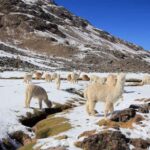
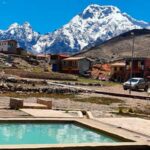
Next up is Abra La Raya, a high point on the route and the border area between Cusco and Puno. This is where you get panoramic Andes views—snow-capped peaks when conditions allow, plus rolling highland terrain.
Your time here is shorter (about 10 minutes). That’s normal for a viewpoint: you’re standing at altitude, waiting for photo angles, and the bus can’t hang around too long. But even with a short stop, it’s one of those moments that makes the whole day feel worth it.
Altitude reality check: at this elevation, you can feel it, even if you’re fine in Cusco. Keep your pace easy. Bring a warm layer. And if fog rolls in, don’t expect a perfect postcard view.
Pucará Museum: Andean civilization from 500 BC to 200 AD
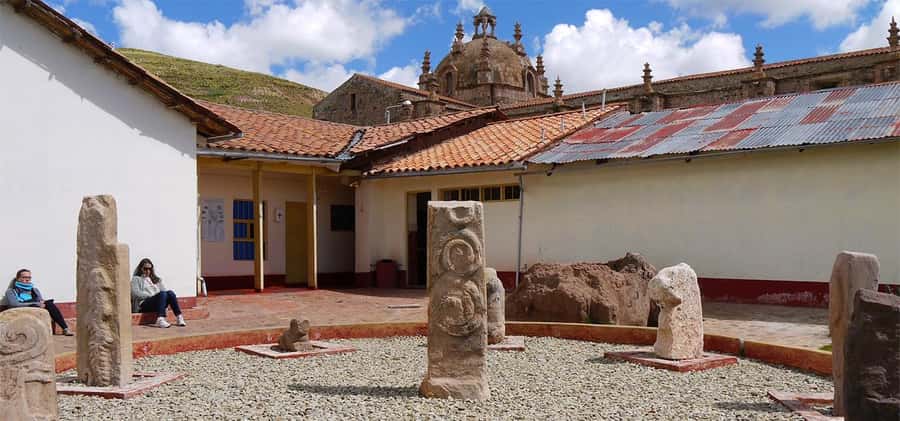
After the high pass viewpoint, you end up at the Pucará Museum, with time to understand the origins of Andean civilization in the region. The center point here is the story of Pucará as a once-thriving hub from roughly 500 BC to 200 AD.
You’ll get about 45 minutes guided sightseeing. The focus is on artifacts and what the city’s priests, artisans, and warriors would have been doing. This stop is a nice counterbalance to the earlier church and temple sites because it brings you back to everyday life and organized culture rather than just monumental structures.
If you like museums, this is one of the more satisfying stops. If you don’t, think of it as a quick “make sense of the region” bridge before you arrive in Puno.
What’s actually included, and what you’ll pay at the sites
This tour is priced at about $44 per person, and for a full day with a private luxury bus and bilingual guides, it can be a solid value—especially if you would otherwise piece together tickets and transportation on your own.
Here’s how the cost is structured:
Included:
- Private luxury bus transport from Cusco to Puno
- Professional bilingual guides
- Guided visits at Andahuaylillas, Raqchi, La Raya (Abra La Raya), and the Lithic Museum of Pucará
- Buffet lunch in Marangani – Sicuani
- Onboard service: hot drinks (tea, coffee, coca tea, herbal infusions) and cold drinks (Coca-Cola, Inca Kola, mineral water)
- Clean onboard bathroom
- Heating & A/C
- Oxygen tank
Not included:
- Entrance tickets for Andahuaylillas, Raqchi Complex, and Pucara Museum, paid in person on arrival
- Total cost noted as 53 soles (about $13)
So the real “all-in” figure is closer to roughly $57 depending on how prices land in your currency.
One smart thing: the experience is set up so you don’t have to stand in long lines while you’re trying to meet a tight schedule. Still, plan to carry some cash or be ready to pay at the entrance, because the tickets go directly to the communities.
Comfort and organization: the details that keep the day smooth
On a long route like this, organization isn’t a luxury. It’s what stops the day from feeling chaotic.
The bus experience seems consistently polished: clean seating, no rattly mess, and a driver described as smooth in multiple accounts. There’s also a recurring theme in how guides manage groups—splitting tasks so people can use facilities without losing the core tour flow.
InkaExpress guides mentioned include Alfredo, Mateo, Manuel, Shelma, Elizabeth, and Juan Carlos. The names show a broader point: you’re likely to get real bilingual interpretation rather than a bare minimum “here’s a view” explanation.
Practical advice for you:
- Bring a light jacket and something warm for the high pass
- Wear comfortable shoes for museum and ruin walkways
- Keep a small snack option, just in case you’re hungry between stops
- Use the bus time to rest; the day is packed, so you’ll want energy for the viewpoint
Who this tour suits (and who should think twice)
This is a great match if you:
- Want a real route day instead of just transportation to Puno
- Like guided culture stops—church art, Inca ruins, and museum context
- Prefer comfort on long drives, with onboard drinks and bathroom access
- Don’t want the hassle of arranging separate stops and buying tickets one by one
You might rethink it if you:
- Want a super relaxed day with lots of free time at each site
- Hate early mornings
- Plan to spend hours at ruins or museums rather than doing guided highlights
Price and value: why $44 can make sense
At around $44, this tour competes well with the cost of a typical long-distance bus—especially because you’re not just buying a seat. You’re buying:
- A private luxury ride
- Bilingual guided stops at multiple major sites
- A buffet lunch
- Onboard hot and cold drinks
- Comfort features that matter over many hours
Add the estimated entrance fees (about $13), and it lands near the mid-$50s. For many travelers moving between Cusco and Puno, that’s a fair trade: you get guided context you’d otherwise pay for in other ways, and you turn a transit day into something you’ll remember.
Should you book this Cusco to Puno Route of the Sun tour?
If you want the road to feel like part of your Peru trip, I’d book it. The combination of Andahuaylillas, Raqchi, a high pass viewpoint at Abra La Raya, and a museum stop at Pucará gives you a balanced day across art, ruins, and cultural context. Add the comfort of heating/A/C, bathroom access, and onboard drinks, and it’s a practical way to connect Cusco and Puno without losing the best moments along the way.
If you’re mostly focused on saving money, a direct bus can still work. But if you’re paying for time, this is one of the cleaner “time well spent” options.
FAQ
What time does the tour leave Cusco?
The tour is scheduled to depart early, around 6:40 AM. You’re expected to be at the terminal about 30 minutes before departure.
How long is the trip from Cusco to Puno?
The total duration is listed as about 11 hours.
What stops are included on the route?
You’ll visit Andahuaylillas (Church of Saint Peter the Apostle), Raqchi (Temple of Wiracocha), Abra La Raya viewpoint, and the Pucará Museum, with lunch on the way.
Is lunch included, and what is it like?
Yes. Lunch is a buffet in Marangani–Sicuani, with options that include beef, chicken, fish, sides, salads, desserts, and herbal infusions.
Are entrance tickets included in the price?
No. Entrance tickets for Andahuaylillas, Raqchi Complex, and the Pucará Museum are not included and must be paid in person on arrival. The total noted is 53 soles.
What does the bus include for comfort?
The bus includes heating and A/C, a clean bathroom onboard, service with hot drinks and cold drinks, and an oxygen tank.
Does the guide speak English?
Yes. The tour includes bilingual guides and live tour guidance in Spanish and English.
Is there a cancellation option?
Yes. Free cancellation is offered up to 24 hours in advance for a full refund.