REVIEW · MONTEVIDEO
Montevideo: Sightseeing Hop-On Hop-Off Bus Tour
Book on GetYourGuide →Operated by CUTCSA · Bookable on GetYourGuide
A 24-hour bus pass is the quickest way to size up Montevideo. This hop-on hop-off ride links the waterfront, colonial-era highlights, big city landmarks, and beachside sights—on a double-decker bus with multi-language audio.
What I like most is how practical it is for a one-day visit: you can get off at places like Mercado Agrícola and Mercado del Puerto for real food time, then hop back on when you’re ready. I also love the audio setup, with headsets and clear narration in several languages, including English, Spanish, Portuguese, Italian, French, and German.
One thing to plan for: some stops have long waits and limited shelter, so sun or rain can be a factor if you’re unlucky with timing.
In This Review
- Key things to know before you ride
- Starting Point at the Port: Easy to Find, Easy to Start
- 24-Hour Ticket Logic: Plan in Loose Loops
- Central Circuit: Old Town Landmarks Plus Real Neighborhood Texture
- Plaza Independencia and the Intendencia Mirador stops
- National Library and the grand civic stretch
- Mercado Agrícola: the smell-and-sit-down moment
- Palacio Legislativo and the payoff of the civic views
- Prado Park, then shopping at Tres Cruces
- Centenario Stadium and Parque Rodó: sports energy and river-breathing space
- Rambla Circuit: Beaches, Casinos, and Coastline Views
- Start with Parque Rodó and the Montevideo Sign
- Malvín beach for the sea-air reset
- Carrasco Casino Hotel and the Tango & turf Museum
- Shopping stops near Montevideo Shopping and Punta Carretas
- How the Audio Guide Makes the City Click
- Getting On, Getting Off: Stop Signs, Timing, and Staff Help
- Stop-by-Stop Breakdown: What Each One Is Good For
- Price and Value: $25 Buys You Real City Coverage
- Practical Tips: How to Make the Most of Your Hop-On Day
- Who Should Book This Tour
- Should You Book the Montevideo Hop-On Hop-Off Bus?
- FAQ
- Where does the tour start?
- How long is the tour?
- Is it truly hop-on hop-off?
- What are the two routes?
- What languages are available for the audio guide?
- Does the ticket include audio and map materials?
- Are there wheelchair-friendly options?
- How often do the buses run?
- Is free cancellation available?
Key things to know before you ride
- Two circuits cover both the inner city sights and the Rambla coastline side of town
- 24 hours from first boarding means you can mix and match stops without rushing
- Clear audio with included headphones in six languages helps you follow the story as you roll
- Food stops are built in, especially around the Port-area markets where grilling is the big theme
- Some stops can feel long and sunny, so bring sunscreen and water
- The Central loop runs more often than the coastal option, so you’ll use it the most
Starting Point at the Port: Easy to Find, Easy to Start
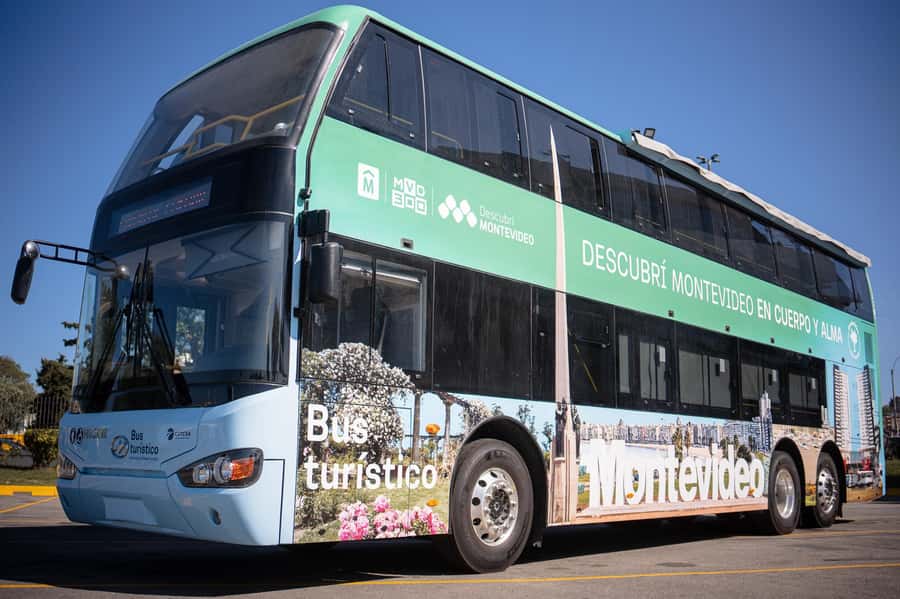
The tour’s meeting point is right where you want it when you’re short on time: in front of Montevideo Port, marked by a totem. That matters because getting off a cruise, walking a lot, and then hunting for the bus can turn a great day into a tired one.
Once you’re on, the whole vibe is made for orientation. You’re sitting high enough to spot buildings and streets without needing to play map-quest every five minutes. And because it’s hop-on hop-off, you don’t have to decide everything at the start.
You can also read our reviews of more tours and experiences in Montevideo.

24-Hour Ticket Logic: Plan in Loose Loops
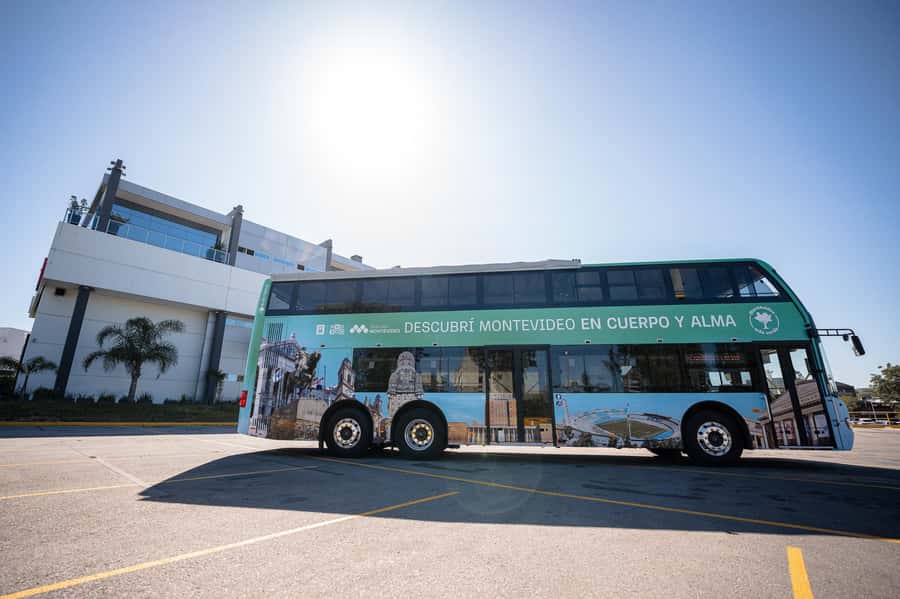
This is a 24-hour ticket, and it’s designed for flexible pacing. You can hop on, get off, wander, then come back later within the same 24-hour window. In other words: you don’t have to race through every stop on the same stretch of time.
This is where the value gets real. If you do just one circuit, you still get a big city overview. If you do both—Central for landmarks and Rambla for the coast—you’ll feel like you “covered” Montevideo even if you never sat down with a full itinerary.
Tip that saves stress: treat the clock like it starts when you first board. Build your day around that, not around the idea of closing time.
Central Circuit: Old Town Landmarks Plus Real Neighborhood Texture
The Central Circuit is the one I’d prioritize first if you’re only doing part of the day. It’s built around the classic Montevideo landmarks and the neighborhoods that show how the city grew.
Plaza Independencia and the Intendencia Mirador stops
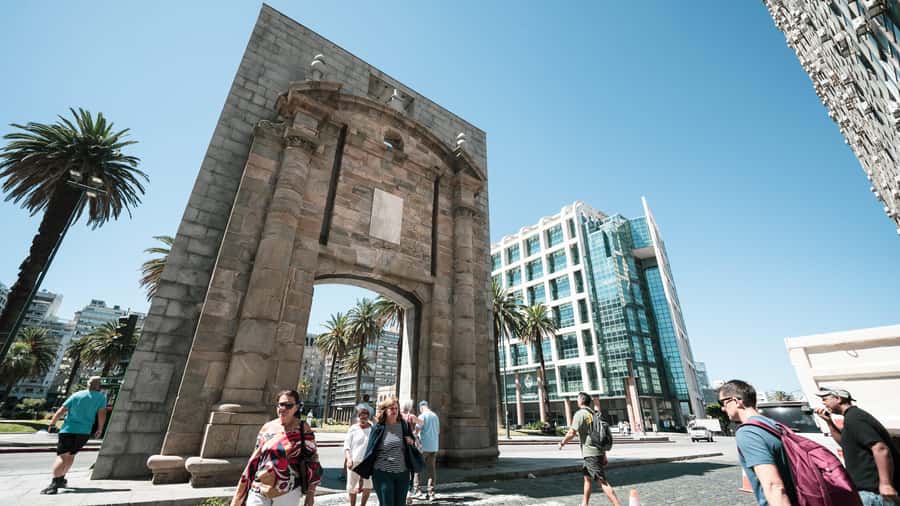
You’ll start with Plaza Independencia and then catch the Mirador panorámico of the Intendencia de Montevideo. These are your “get bearings” moments—sightlines, scale, and a sense of where the important civic areas sit.
If you want photos, these are good early-game stops. It’s easier to figure out what you want to see more closely once you’ve seen the main shapes of the city from the bus.
National Library and the grand civic stretch
Next up: the National Library of Uruguay. After that, you’ll head toward the big landmark zone with stops that feel like the city’s formal face.
This circuit is a nice combo of architecture and placement. The narration helps you connect what you’re seeing to why it matters—without turning the ride into a lecture that makes your legs forget they’re attached.
Mercado Agrícola: the smell-and-sit-down moment
At Mercado Agrícola de Montevideo, you’ll get off to a market area that’s tied to Uruguayan grilling culture. The big win here is timing: you can do a quick walk, grab a bite, and still keep your day moving.
If your goal is to taste the place—not just look at it—this stop is one of the best reasons to buy the ticket.
Palacio Legislativo and the payoff of the civic views
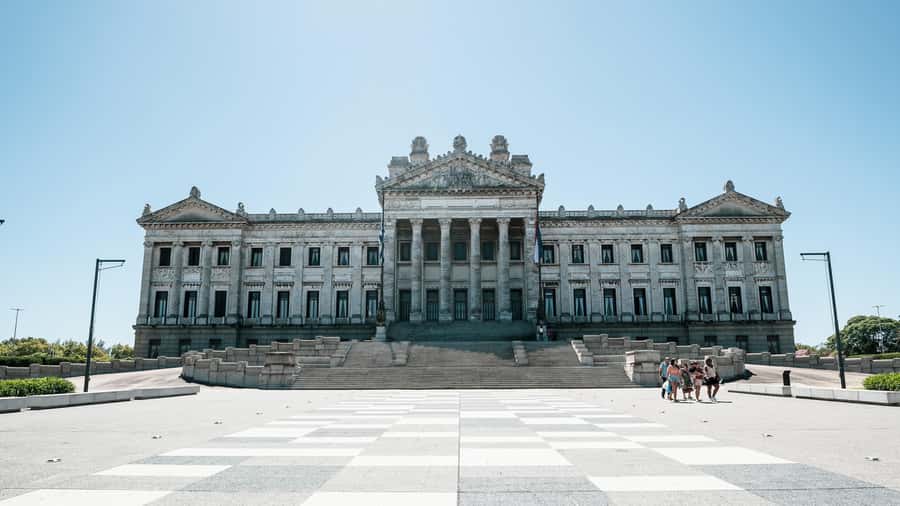
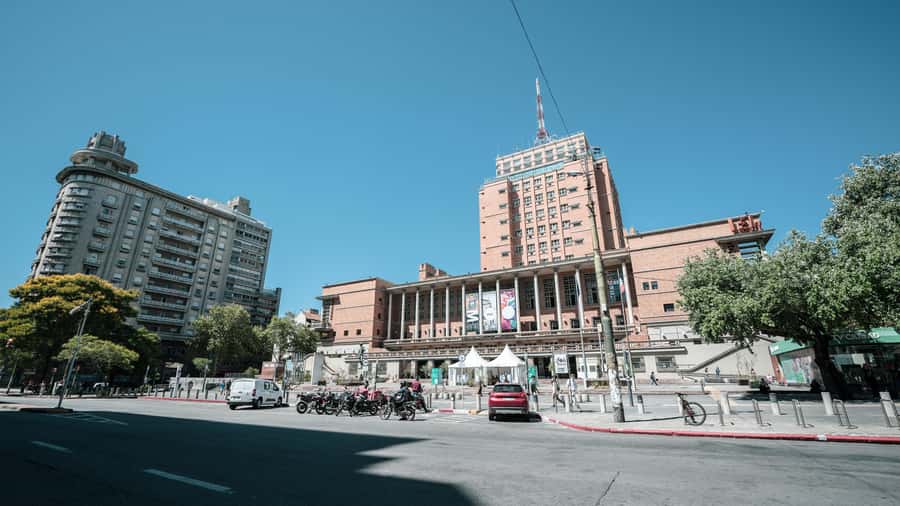
You’ll also pass Palacio Legislativo. This is one of those stops that rewards slow looking. Even if you only hop off briefly, the surrounding area helps you understand the city’s center of gravity.
Photo tip: bring patience for details. Big facades are easy. The smaller architectural bits are what make Montevideo feel like a real 300-year-old city, not a generic stop list.
Prado Park, then shopping at Tres Cruces
After the civic highlights, you’ll reach Prado, a park area that gives your eyes a break. Then the route continues to Tres Cruces Shopping.
Here’s the balancing act. A shopping stop can be useful for bathrooms, water, and a quick reset. But if you’re expecting all sightseeing and zero errands, this is the part where some people feel the bus gets a little commercial.
I’d treat Tres Cruces as a utility stop unless you truly want to browse.
Centenario Stadium and Parque Rodó: sports energy and river-breathing space
You’ll continue to Estadio Centenario, then on to Parque Rodó. Estadio Centenario is the kind of landmark that gives the city personality beyond the historic center. Parque Rodó brings a calmer pace and a good chance to stretch your legs.
If you’re mixing both circuits, Parque Rodó can also be a natural pivot point.
Rambla Circuit: Beaches, Casinos, and Coastline Views
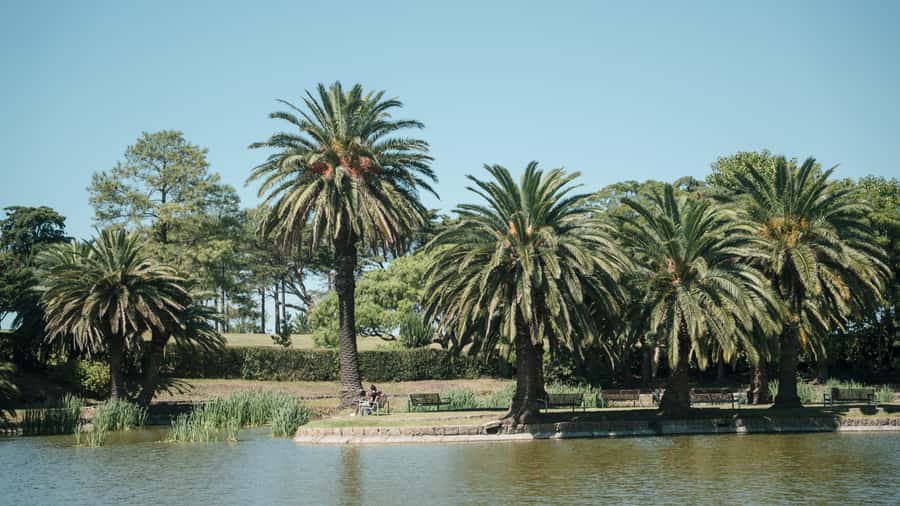
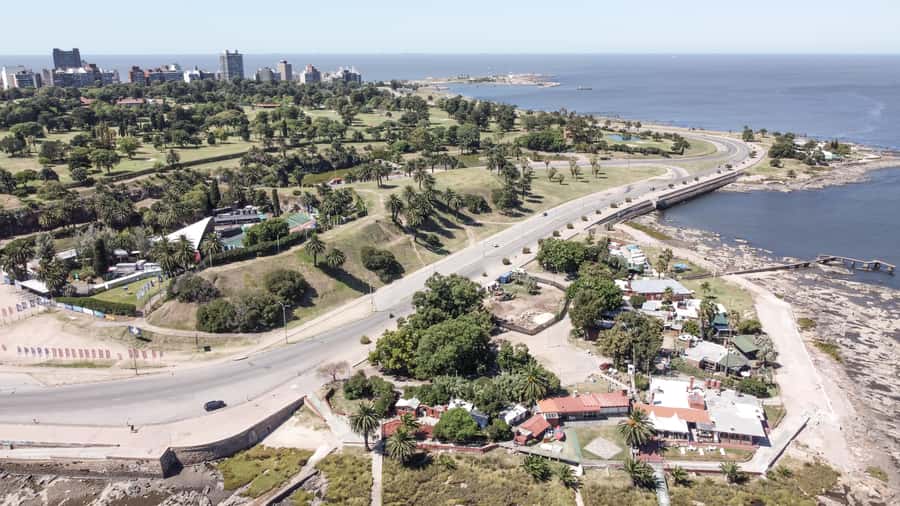
The Rambla Circuit is the coastline side of Montevideo. If Central is the city’s spine, this loop gives you the waterline and the fun extras—beach air, seaside architecture, and the kind of stops you can turn into real wandering time.
Start with Parque Rodó and the Montevideo Sign
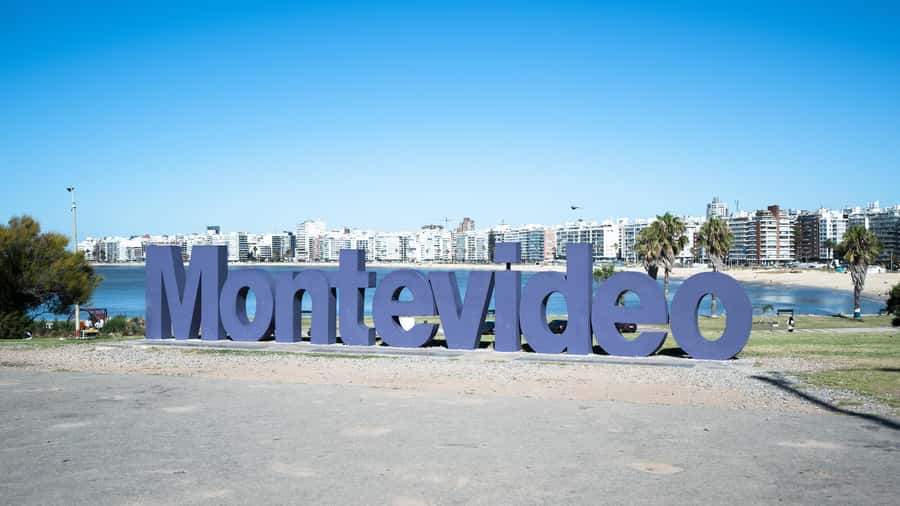
You begin at Parque Rodó again (great for people syncing schedules), then head toward the Montevideo Sign. That’s a perfect quick-photo stop. Not complicated. Just satisfying.
Malvín beach for the sea-air reset
Next: Malvín beach. This is your change of scenery moment. Even if you only hop off for a short break, the Rambla circuit is where Montevideo starts to feel like a coastal city with a daily rhythm.
Carrasco Casino Hotel and the Tango & turf Museum
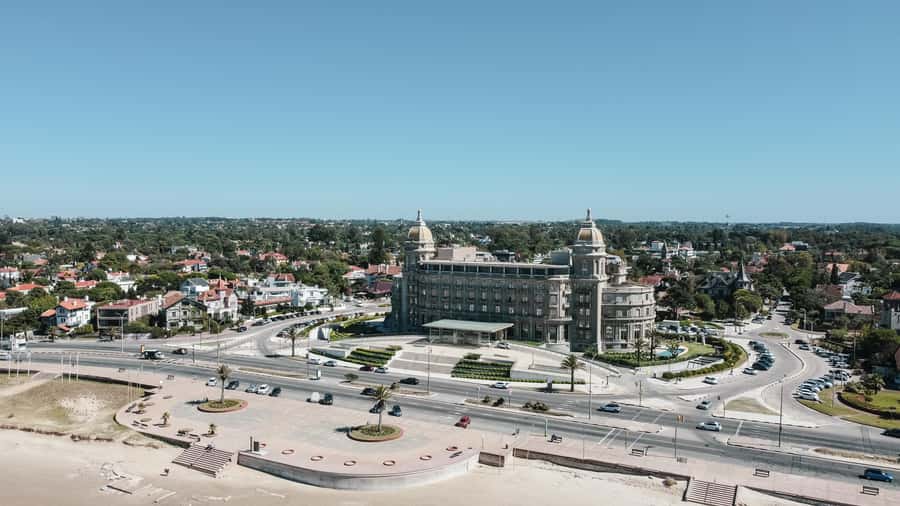
You’ll pass by Carrasco Casino Hotel, then the Tango and turf Museum. These stops are about culture that doesn’t rely only on buildings and monuments.
If you like variety—sports culture, performing arts connections, and a sense of everyday entertainment history—this portion makes the coast route worth doing.
Shopping stops near Montevideo Shopping and Punta Carretas
The Rambla Circuit finishes with Montevideo Shopping and then Punta Carretas Shopping. Shopping can feel like filler if you’re expecting only outdoor sightseeing.
But it can also be practical if you need a late snack, a restroom stop, or a way to escape heat or rain while you wait for the next bus.
One note: this circuit can be hourly at best, so don’t count on it running like clockwork.
How the Audio Guide Makes the City Click
The audio guide is a big deal here. You get narration with headsets, and the available languages are broad: English, Portuguese, Spanish, German, Italian, and French. That’s rare, and it helps you follow the story without relying on your phone.
You’ll also feel the structure of the route in the narration. It’s not just “here is a building.” It connects the city’s old-school architecture and the waterfront majesty into a clear line you can follow from stop to stop.
Headset practical tip: if you ever had audio tours where the sound is tinny or crackly, this one is reported to be clear. In plain terms, you’ll actually hear it.
Getting On, Getting Off: Stop Signs, Timing, and Staff Help

This tour runs with scheduled departures, and the stops are well signed so you’re not constantly guessing where to wait. A helpful detail: many stop signs also show the next arrival time, which takes away the classic hop-on-hop-off uncertainty.
In real use, buses are usually very consistent. I’d still plan with a little buffer. One rider noted that a departure can be skipped if a private group takes priority, leading to a long wait. That’s not the norm you should build your day around, but it’s a smart reason to stay flexible.
Also, if you want route-switch help, the staff can be genuinely hands-on. I’ve seen reports of crew members walking over to people on the upper deck to explain how to switch routes.
And yes—some buses have been described as clean, modern, and even electric in recent operation. At minimum, expect a comfortable ride with good upkeep.
Stop-by-Stop Breakdown: What Each One Is Good For
Here’s how I’d think about each stop, based on what’s on the route and what it’s best for on a tight schedule.
- Bus Turístico / Port area start: best for cruise days and quick orientation since it’s right at the port zone.
- Plaza Independencia: anchor point for historic center views and first photos.
- Mirador panorámico of the Intendencia: ideal to understand where the civic core sits in the city map.
- National Library: a landmark stop that fits well between bigger civic moments.
- Mercado Agrícola (and Port-market style experiences nearby): best for food breaks, especially if you want to smell grilled Uruguayan meat and keep going.
- Palacio Legislativo: strong for architecture lovers and anyone who wants the “Montevideo looks like this” feeling.
- Prado: best for relaxing your eyes and taking a breather in a green area.
- Tres Cruces Shopping: practical stop for restrooms and downtime, less ideal if you want only sightseeing.
- Estadio Centenario: strong personality stop and a great way to avoid a tour that’s all monuments.
- Parque Rodó: a calmer endpoint you can use to reset before food or evening plans.
- Montevideo Sign: quick and easy photo value.
- Malvín beach: best for sea air and a short walk.
- Carrasco Casino Hotel: a culture/architecture stop on the more upscale side.
- Tango and turf Museum: a fun break from the monument rhythm.
- Montevideo Shopping / Punta Carretas Shopping: useful for convenience; plan as a rest stop rather than a must-see unless shopping is your thing.
Price and Value: $25 Buys You Real City Coverage
At about $25 per person for a one-day pass, the value comes from one thing: you’re not paying for a single highlight. You’re paying for city coverage with time flexibility.
If you’re thinking about alternative transport—taxis every time you want to see another neighborhood—this ticket can quickly feel cheaper. Even if you only ride Central, you’ll hit a tight cluster of major landmarks. If you add Rambla, you effectively get two “mini-tours” from one ticket.
I also like that the audio guide and printed map are included. That reduces the need to juggle apps while you’re riding and deciding what to do next.
For short stays, this is the kind of purchase that keeps you from spending the day arguing with your own schedule.
Practical Tips: How to Make the Most of Your Hop-On Day
A hop-on-hop-off bus can go two ways: either it’s smooth and fun, or it turns into rushed hopping and missed timing. These little choices keep it in the fun lane.
- Start early enough that you don’t feel stuck in the last circuit.
- Do Central first if your priority is history and landmark photos.
- Use markets like Mercado Agrícola for a real break, not just a quick glance.
- If you feel the shopping stops are slowing you down, treat them as utility only.
- Bring water and plan for sun/rain since some waiting spots don’t have shelter.
- When switching routes, give yourself a little buffer time. One route can be more frequent than the other.
If you do this, you’ll feel like the ticket is doing the work for you.
Who Should Book This Tour
This bus tour fits best if you want:
- a fast, structured way to learn Montevideo in a limited time
- an easy route that hits civic landmarks, parks, markets, and coastline
- a flexible plan where you can choose how much you actually walk
It’s also a good pick for cruising days, because the meeting point is right at the port zone. And if you’re language-flexible, the multi-language audio is a big confidence boost.
If you only want one or two famous stops and you hate waiting, you might consider a more targeted plan instead. But for most first-timers, this is a sensible way to get oriented without wasting the day in transit.
Should You Book the Montevideo Hop-On Hop-Off Bus?
I’d book it if you want maximum city coverage with low decision fatigue. The double-decker ride plus multi-language audio makes it easy to understand what you’re seeing as you go. The best part is that you can shape the day around markets, landmarks, parks, and the coast—without committing to one rigid route.
Skip it only if you know you’ll be disappointed by longer stretches between stops or if you dislike any route that includes shopping-area stops. For a one-day overview that feels practical and genuinely useful, this one is a strong call.
FAQ
Where does the tour start?
The meeting point is in front of Montevideo Port, identified by a totem.
How long is the tour?
It’s listed as a 1-day experience, and the ticket is valid for 24 hours from first activation.
Is it truly hop-on hop-off?
Yes. You can hop on and hop off as you like within the 24-hour ticket window.
What are the two routes?
There is a Central Circuit and a Rambla Circuit. Each has its own set of stops across Montevideo.
What languages are available for the audio guide?
The audio guide is available in Spanish, English, Portuguese, Italian, French, and German.
Does the ticket include audio and map materials?
Yes. The tour includes an audio guide with headphones and a printed city map.
Are there wheelchair-friendly options?
Yes, the tour is wheelchair accessible.
How often do the buses run?
The Central route is described as running half-hourly, while the Rambla route is described as hourly at best.
Is free cancellation available?
Yes. You can cancel up to 24 hours in advance for a full refund.