REVIEW · CUSCO
From Cusco: 3-Night Lake Titicaca Excursion
Book on GetYourGuide →Operated by Peru Hop · Bookable on GetYourGuide
Titicaca logistics feel long. Then the islands happen. This trip’s real magic is the totora-reed Uros floating islands and the Amantani overnight homestay, where daily life is the main event. One thing to plan for: the schedule is heavy on night travel and waiting, and some facilities can feel basic.
I like that you get a bilingual guide and clear timing beats guesswork. I also like that you’re not just floating around the lake—you spend time with people on their home ground. The main drawback is comfort: expect cold overnight bus rides and plain waiting spots in Puno before boats and pickup.
In This Review
- Key highlights worth getting excited about
- Why Lake Titicaca feels like a different world
- Cusco to Puno on an overnight bus: easy on your feet, not always on comfort
- Uros Floating Islands: totora reed worlds and a lesson in adaptation
- Cruise to Amantani: the lake as transit, not just background
- Amantani homestay: the cultural exchange people remember
- Llachon Peninsula day: rural shore life with free time and lake views
- What $109 covers—and where the value really comes from
- Comfort, timing, and the small friction points to expect
- The cold factor
- Waiting in Puno
- Group flow and autonomy
- Communication with hosts
- Spending pressure
- How to make the most of Uros, Amantani, and Llachon
- Should you book this Lake Titicaca 3-night excursion?
- FAQ
- How long is the Lake Titicaca excursion?
- What places are included in the tour?
- Do you stay overnight on the islands?
- What’s included in the price?
- What should I bring?
- Is this tour suitable for wheelchairs or pregnancy?
Key highlights worth getting excited about
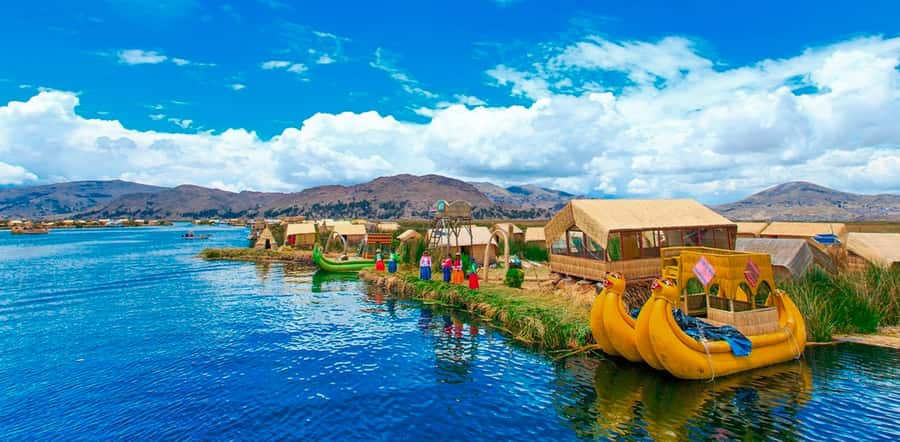
- Uros Floating Islands on totora reed: a guided look at islands made entirely from reed mats.
- Remote Amantani overnight with a host family: cultural exchange that’s more than a photo stop.
- Sunset hike option to Pachatata temple: you choose the climb, and you choose the pace.
- Llachon Peninsula village time: seasonal rural activities plus free time with lake views.
- Bilingual (Spanish/English) guide + organized handoffs: smoother logistics across multiple travel legs.
- On-the-water cruising: including time on the lake described as the highest navigable one.
Why Lake Titicaca feels like a different world
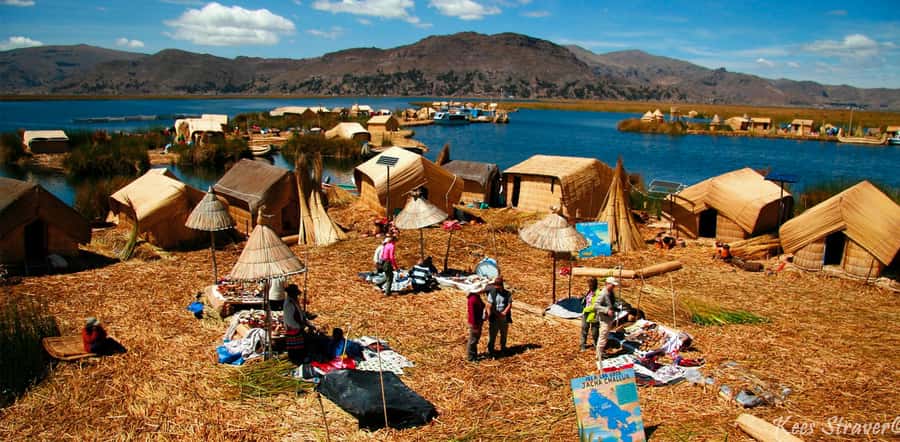
Lake Titicaca is the kind of place where the scenery looks familiar and then suddenly doesn’t. The water is huge, the horizon feels close, and the villages seem both ordinary and hard to reach—especially once you’re on the smaller islands.
What makes this itinerary compelling is that it mixes three different ways of experiencing the lake: a reed-based island community (Uros), an island life rhythm with a family (Amantani), and rural shore life (Llachon Peninsula). You’re getting variety without hopping every five minutes.
The tone is practical, not showy. You’ll trade a lot of comfort for proximity to real routines: meals made from natural products, shared activities in the family setting, and time that’s not only about sightseeing.
You can also read our reviews of more evening experiences in Cusco



Cusco to Puno on an overnight bus: easy on your feet, not always on comfort
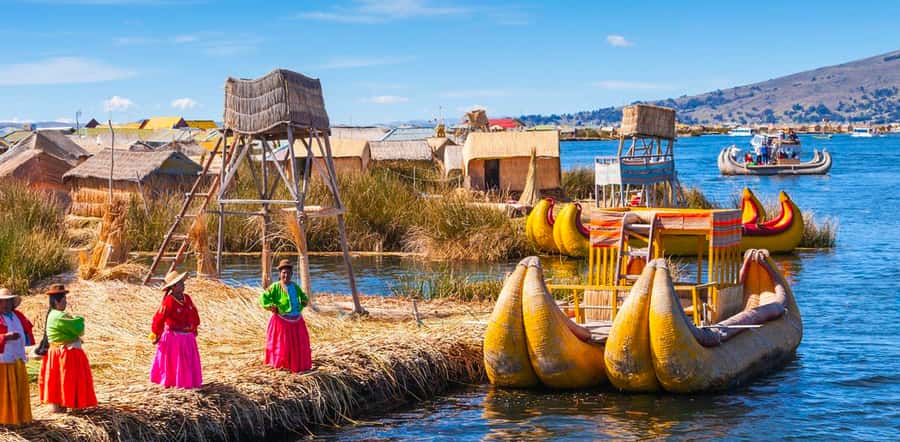
Your day starts with Cusco-to-Puno travel at night. You meet at the Hop private bus terminal at Alameda Pachacuteq 499 B. If you’re staying near Plaza de Armas, plan 10 to 15 minutes to get there.
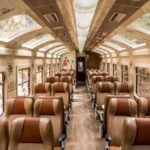
The bus departs at 9:30 pm, and Peru Hop provides high-speed onboard Wi‑Fi (handy for messages, maps, and Netflix-style distractions when the lake seems far away). You arrive in Puno around 5:00 am, then transfer to a partner hostel where you can store your luggage for free.
Here’s the realism check: several people note the overnight ride can run very cold with limited heat. Even with a small lap blanket, you may still feel chilled—so pack warm layers like you mean it. If you sleep lightly, consider earplugs and something warm you can pull on fast.
Also, the middle-of-the-trip waiting rhythm matters. In Puno, you’ll have a wait between arrival and pickup for the boat tour, and some waiting areas can be cold or worn. If you can, treat this as time to plan your next leg, get cash ready, and conserve energy.
Uros Floating Islands: totora reed worlds and a lesson in adaptation
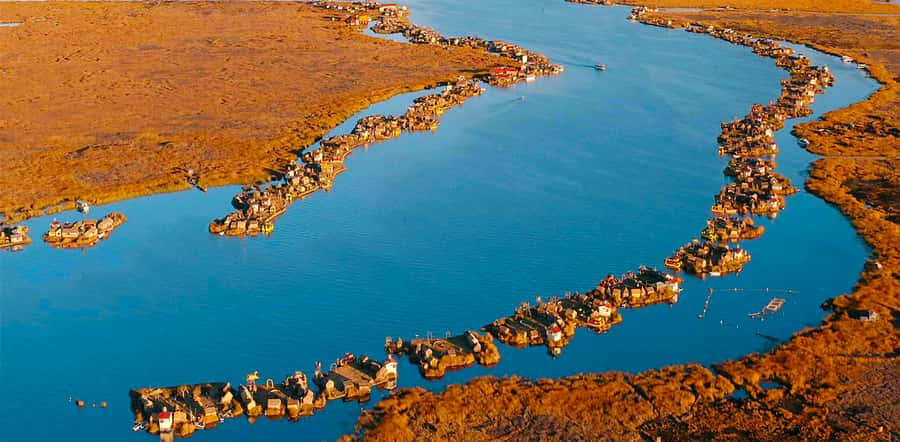
The Uros portion starts early. Around 7:40 am you’ll be picked up, then at 8:15 am you board a boat for the Uros Floating Islands guided visit. These islands are made out of totora reed, floating on Titicaca’s water.
What I like about this stop is the mix of spectacle and practicality. Yes, it’s visually unusual. But the more interesting part is the human engineering—how reed is used as both material and structure, and how island life is organized around that. Uros is easy to understand fast, because the guide can connect what you’re seeing with how the community survives on the lake.
A small optional add-on exists too: the Kontiki reed boat ride in Uros costs S/. 10 soles. If you’re into extra lake time, it’s worth considering. If you want to keep costs down, skip it and focus on the guided island visit.
One more practical note: you’ll be on the water, so dress for sun and wind. Even when the air looks mild, Titicaca breezes can feel sharper than you expect.
Cruise to Amantani: the lake as transit, not just background
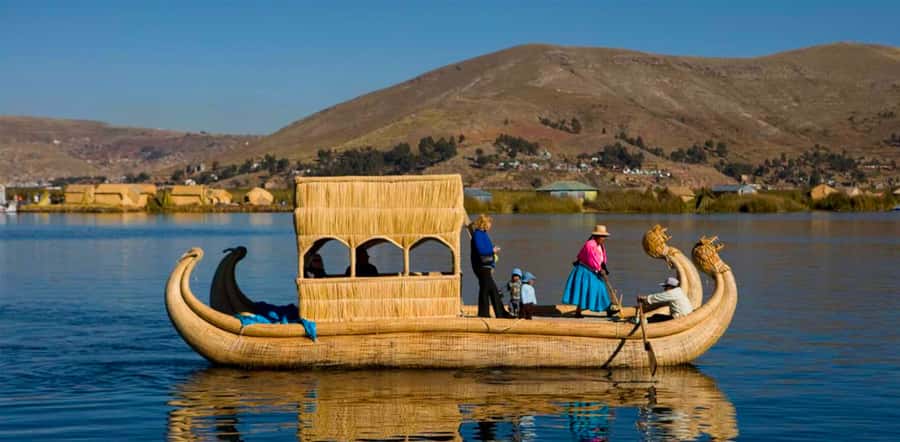
After Uros, the pace shifts from island viewing to lake cruising. Around 10:30 am, you head out toward Amantani, and the trip is described as cruising the highest navigable lake in the world. You’ll arrive around 1:30 pm.
This boat time matters more than you might think. On a map, Amantani looks like a destination. On the water, it starts to feel like an environment. You’re trading road travel for a direct relationship with the lake—wind, light, and distance doing the storytelling.
By the time you reach Amantani, you’re not just tired from travel. You’re ready to settle into the home-stay rhythm.
Amantani homestay: the cultural exchange people remember
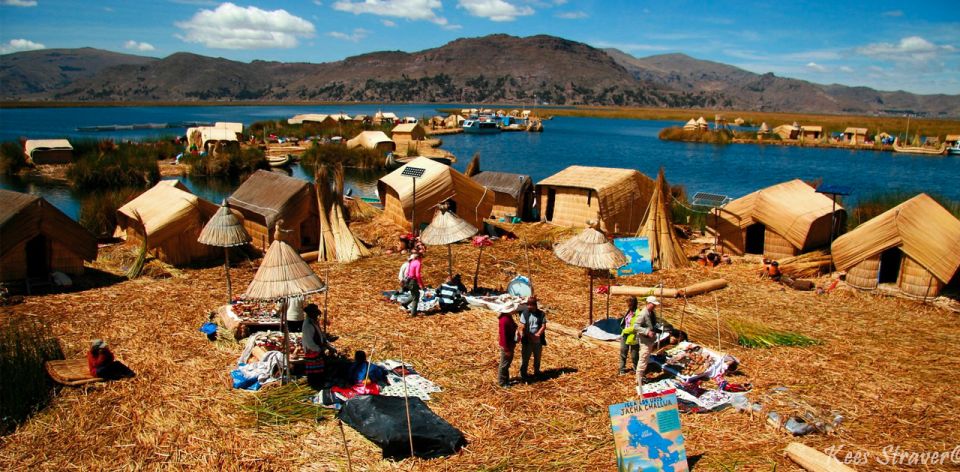
This is the headline experience. You check in to a family homestay on Amantani and spend the night with local hosts—an experience that stands out because you’re not in a controlled tourist bubble.
Right around 1:30 pm, you’ll meet your host family and then share a typical lunch in the family’s house made from natural products. That meal timing and setting is important. It sets the tone: this is about daily life, not a staged performance.
The afternoon offers shared activities with your hosts, and if you want a more active option, you can hike up to the Pachatata temple around 4:00 pm to watch the sunset. Even if you don’t climb, the viewpoints here are part of what makes Amantani feel so special.
Dinner is typically served around 7:00 pm. Later, you may join local dance and music or simply rest in the family house. Some families are more conversational than others, and language can vary. One helpful detail: go in expecting that communication might be limited at times, and rely on gestures, smiles, and your guide’s support when possible.
From the best comments on the experience, the strength comes from the people running it behind the scenes and the warmth of host families. Names came up for multiple Peru Hop team members (including Juan Carlos, Roberto, Hernán, and Pablito), plus a host family welcome that left a strong impression on a solo traveler (Hugo and his wife were mentioned). Those aren’t just names—they’re a reminder that this trip depends on coordination and kindness.



Llachon Peninsula day: rural shore life with free time and lake views
Day 3 shifts you from island homestay life to a rural shore community: Llachon Peninsula.
You’ll have a typical family breakfast around 7:00 am, then transfer to Llachon Peninsula at about 12:30 pm. Arrival is roughly 1:15 pm, where you’ll see seasonal activities of the community. You’ll have time to enjoy the area and its views, which is a nice change from the structured flow of earlier stops.
Lunch is listed as being served around 12:00 pm, which can feel a bit confusing with the afternoon arrival timing. In practice, it means you should plan for a meal schedule that may not match your internal clock. Keep snacks in your daypack if you’re the type who gets hangry quickly.
After the peninsula visit, you’ll boat back to Puno arriving around 5:00 pm and be dropped at the partner hostel near the central plaza. Bag storage is available, and you can use shower facilities for a low price.
In the evening, you’ll return to the overnight bus. Pickup is between 9:00 pm and 9:30 pm, and then you head back to Cusco, arriving around 5:00 am on day 4.
What $109 covers—and where the value really comes from
At about $109 per person for a 4-day package, the value isn’t just that you “see Titicaca.” You’re buying coordination across multiple transportation legs, plus the core cultural experience.
Here’s what you’re effectively paying for:
- Cusco ↔ Puno overnight bus transport (including onboard Wi‑Fi on Peru Hop)
- Boat transportation to and between the lake stops
- Entry tickets for Uros and Amantani
- An Amantani overnight homestay (the part most tours try to replace with a quick visit)
- Lunch in Llachon Peninsula plus a family lunch at Amantani
And you’re getting a bilingual Spanish/English guide, which matters because this isn’t a self-guided stroll. The guide’s job is to keep the handoffs smooth and add meaning so you understand what you’re looking at.
Not everything is included, and you should plan for that. Breakfast in Puno is optional, and dinner in Puno after the islands isn’t included. You may also spend small extra cash on the optional Kontiki reed boat ride.
Comfort, timing, and the small friction points to expect
This tour is worth it for many people, but it has predictable rough edges. Here are the ones to plan around so they don’t surprise you.
The cold factor
Several comments point to cold conditions on the overnight bus and cold waiting areas. Bring more layers than you think you need. A thick sweater and a warm hat make a huge difference if the bus heat isn’t reliable.
Waiting in Puno
You’ll spend time waiting after arriving in Puno and before being taken to pickup points. Some waiting-hostel setups are described as not welcoming or poorly maintained, with issues like moldy shower curtains. If you’re sensitive to hygiene, pack quick wipes and plan to shower at the first better option you can.
There’s also a practical workaround suggested by one visitor: if breakfast looks unappealing at the waiting hostel, try the cafe right next door for something better.
Group flow and autonomy
You’ll move as a group, and you may not get much freedom to wander off on your own. If you like open-ended time, keep your expectations realistic. The guide and schedule are doing the work of keeping everything on track.
Communication with hosts
Some homestays may have family members who don’t speak English. That’s not automatically a problem, but it’s a good reminder to keep your mindset flexible. If you’re the type who needs constant explanation, rely on your guide and enjoy the interaction beyond words.
Spending pressure
A few comments mention a strong push to buy items or tip. That can feel uncomfortable if you prefer a simpler spending style. I’d suggest deciding ahead of time what you’re comfortable paying for extras, so money talks don’t take over your mood.
How to make the most of Uros, Amantani, and Llachon
If you want the best version of this trip, focus on mindset and small prep.
- Bring cash. It’s explicitly recommended, and you’ll likely want it for optional activities like the Kontiki reed boat ride (S/. 10) and any small purchases.
- Pack for layers. Titicaca can be windy, and night travel can be cold.
- Bring patience for handoffs. This is multi-leg travel with waiting blocks.
- Lean into the homestay. Ask simple questions, help when it’s appropriate, and don’t treat it like a checklist.
- Take the sunset hike if you can. Even if you don’t climb far, the option to go up to Pachatata temple is one of the few moments that feels like a personal choice.
- Eat smart during waiting time. If breakfast options look rough, you can find alternatives nearby, but don’t assume every option will feel great.
And yes, pay attention to your guide. Names that came up include Bruno as a standout for information and care. Having that kind of guide makes a big difference because you’re not just watching a scene—you’re learning what it means.
Should you book this Lake Titicaca 3-night excursion?
If you want a classic Lake Titicaca highlight list, this might feel long and slightly rough at the edges. But if you want a real feel for how people live around the lake—especially with an Amantani homestay—this is one of the strongest ways to do it without trying to assemble everything yourself.
Book it if:
- You want Uros + Amantani + Llachon in one organized flow
- You’re comfortable with night bus travel and basic lodging conditions
- You’re excited for cultural exchange, not just photo stops
Skip it or reconsider if:
- You hate cold, especially on buses and in waiting areas
- You need lots of free time away from group schedules
- You’re extremely sensitive to facility cleanliness during waiting blocks
My bottom line: this trip is built for people who value the human part of travel. The islands are impressive, but the lasting memory is the time shared with a family and the sense that Titicaca life is happening right in front of you.
FAQ
How long is the Lake Titicaca excursion?
It runs for 4 days with a 3-day activity plus two overnight bus journeys.
What places are included in the tour?
You visit the Uros Floating Islands, spend the night on the Amantani Islands with a host family, and go to the Llachon Peninsula.
Do you stay overnight on the islands?
Yes. You have an overnight homestay with a local family on Amantani.
What’s included in the price?
The package includes guided transportation from Cusco to Puno, boat transportation, a bilingual (Spanish/English) guide, entry tickets to Uros and Amantani, and lunch in Llachon Peninsula. It also includes high-speed onboard Wi‑Fi on Peru Hop.
What should I bring?
Bring cash, since it’s specifically recommended for the experience.
Is this tour suitable for wheelchairs or pregnancy?
No. It’s listed as not suitable for wheelchair users and not suitable for pregnant women (and children under 4 are also not recommended).