REVIEW · CUSCO
Excursion Cusco – Puno – Titicaca Observatory Train
Book on GetYourGuide →Operated by America Explorer Peru · Bookable on GetYourGuide
Andes magic, served on rails. This Cusco–Puno Titicaca route turns a long transfer into a luxury day of high-altitude scenery and onboard comfort. I especially like the open-air observatory car plus the built-in entertainment, so the day doesn’t feel like just getting from A to B. One thing to consider: the schedule starts early with a 6:30 am hotel pickup, and you’ll be at serious altitude around Abra La Raya.
You also get a very complete package for the price. The trip includes 3-course gourmet lunch, afternoon tea, and a pisco sour demonstration, plus a cultural show and live music during the ride. Staff attention comes through strongly too, with multiple guests praising how friendly and helpful the team is. The only possible drawback is simple logistics: it’s a 10-hour train day, so if you want lots of walking or frequent stops beyond Abra La Raya, this isn’t that kind of tour.
In This Review
- Key things I’d circle before you book
- A luxury train day across Peru’s Andes, not just a ride
- Your departure: 6:30 am pickup and a long, smooth morning
- Crossing at Abra La Raya: the 4,300m high point stop
- Train cars and views: how the observatory experience is set up
- Onboard meals: gourmet lunch, tea, and pisco sour moments
- Entertainment and culture: music that keeps the ride from dragging
- Price and value: what $445 covers (and why it can be fair)
- Comfort and logistics you can plan around
- Which direction should you choose: Cusco to Puno or Puno to Cusco
- Who this train is best for (and who might want something else)
- The staff factor: what “well planned” feels like on board
- Should you book the Cusco–Puno–Titicaca Observatory Train?
- FAQ
- What’s included in the Cusco–Puno–Titicaca train excursion?
- How early do I need to be at the station?
- What is the Abra La Raya stop and how high is it?
- How long is the experience?
- What kind of food and drinks are provided?
- What do I need to bring, and what should I avoid?
Key things I’d circle before you book
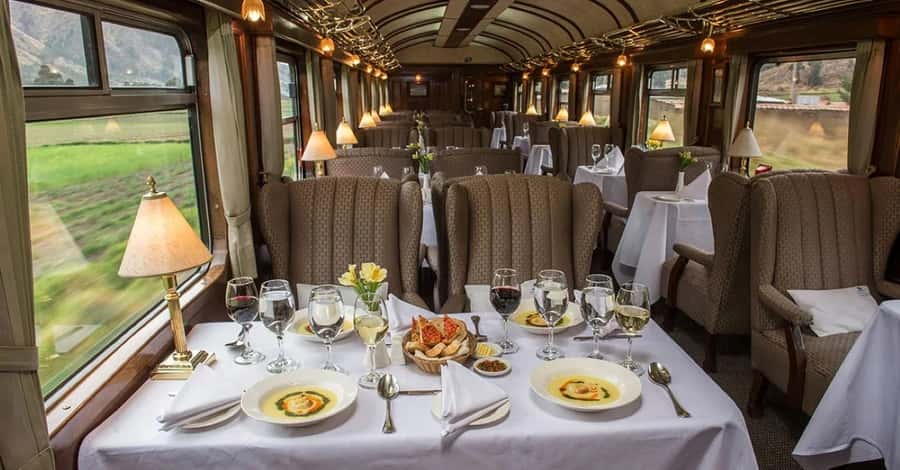
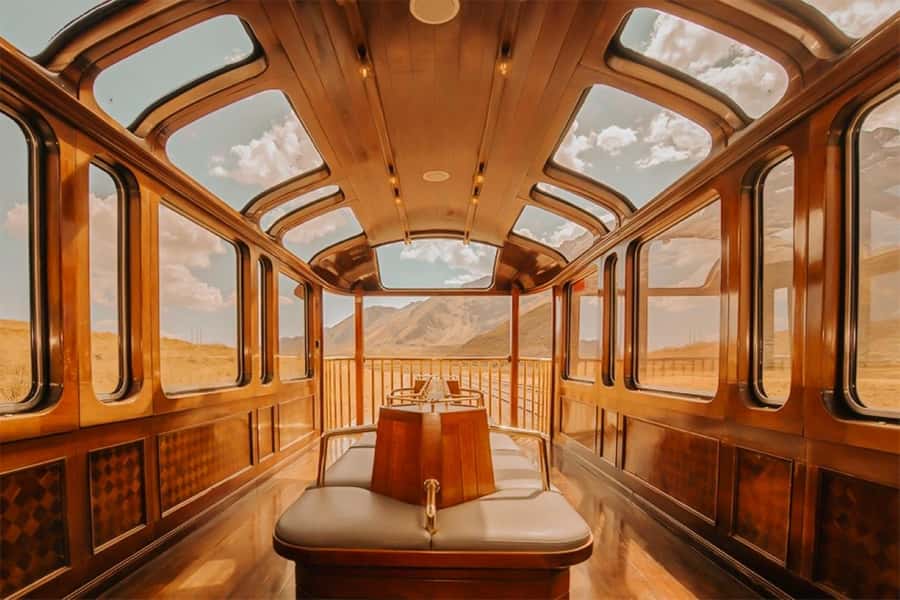
- Observatory car with open-air balcony for clear views without leaving your seat
- Abra La Raya stop at 4,300 meters for a dramatic high-point moment
- Dining built into the ride: gourmet lunch, afternoon tea, and more
- Cultural show plus live music to keep the day moving
- Pisco sour demonstration and bar-car beverage service
- Hotel pickup included from Cusco or Puno, starting around 6:30 am
A luxury train day across Peru’s Andes, not just a ride
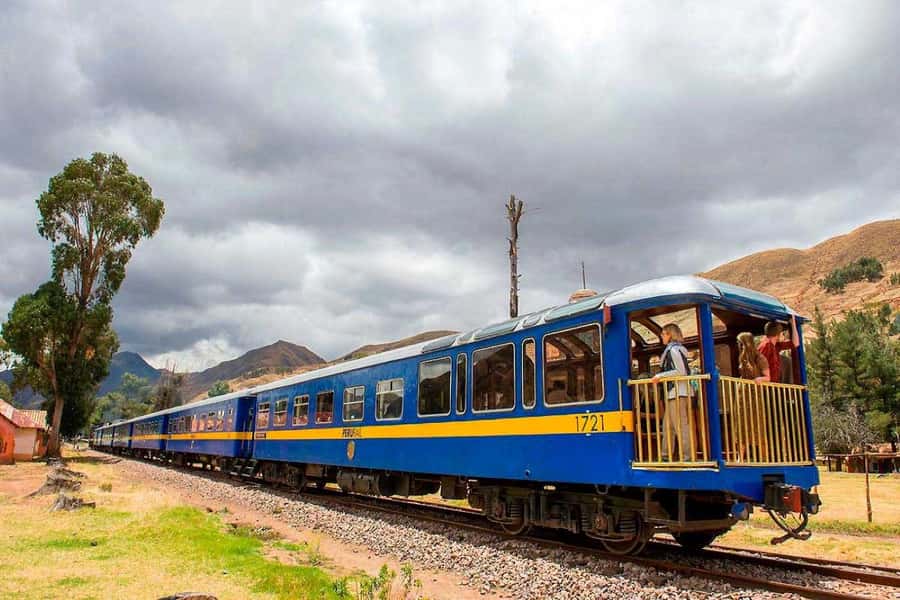
This is one of those trips where the format really matters. Instead of spending the day bouncing between transport options, you stay in a comfortable travel bubble and let the Andes roll past the windows. The “Titicaca Observatory Train” concept is built for people who want big views but don’t want the stress of doing it all themselves.
What I like most is that the experience is designed as a full program: morning pickup, a high-altitude stop, and onboard food and entertainment that keep the timing pleasant. The added convenience of skipping ticket lines helps too, especially when you’re already juggling altitude and an early start.
The route also has built-in meaning. Cusco connects to Inca heritage and Machu Picchu-country energy, while Puno sits by Lake Titicaca and feels more like the gateway to the high plains of the Andes. Even if Lake Titicaca itself isn’t the only star of the day, the journey is clearly meant to feel like you’re moving through the heart of the region.
You can also read our reviews of more tours and experiences in Cusco.
Your departure: 6:30 am pickup and a long, smooth morning
The day starts early. If you book the Cusco direction (or the Puno direction), your tour includes pickup from your hotel and you head to the station to depart around 6:30 am. That early timing is a plus for two reasons: you beat some of the day’s rush, and you’ll likely arrive into the more scenic parts of the route with better daylight.
The tour is listed as 10 hours total, so your day will be structured. That matters because the onboard meals and entertainment are spaced to match the pace of the train, not random hunger pangs. If you’re the type who hates waiting around, this schedule tends to feel efficient.
You’ll also be with a team that meets you at the start. The tour includes an English/Spanish host or greeter, which is helpful when you’re trying to find the right car, understand where to go, or handle any small questions that pop up when you’re at altitude.
Crossing at Abra La Raya: the 4,300m high point stop
The moment you should plan around is Abra La Raya, described as the highest point on the route at about 4,300 meters. You’ll get a tourist stop at the Abra La Raya village, and this is the one place the itinerary explicitly breaks the ride with a destination-style stop.
At this altitude, a short stop can feel like a mini event. Even if you don’t do much walking, the air changes quickly, and the views tend to look wider and sharper than lower elevations. Bring patience and keep your pace gentle. If you’re prone to altitude discomfort, I’d treat this as your “take it easy” checkpoint.
Practical tip: since the stop is tied to that high point, dress in layers. Conditions at elevation can shift fast, and being cold on a train day is annoying because you can’t easily duck back to your hotel.
Train cars and views: how the observatory experience is set up
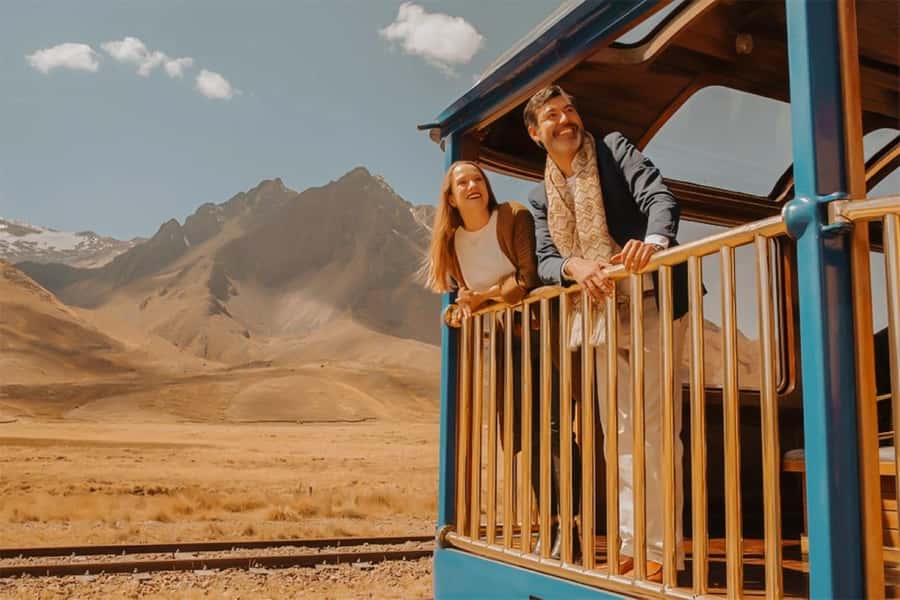
One reason this train feels like a premium way to travel is the car design. You get an observatory car with an open-air balcony where you can enjoy the views without having to stand in the aisle all day. That’s a big deal on long routes because your legs and your comfort stay happier when you can return to your seat.
You’ll also have free movement on the train, which is great if you like changing scenery angles. Instead of committing to one window, you can switch up where you sit. It’s a small luxury, but on a day where you’re trying to take in the Andes, those little changes keep things interesting.
Then there’s the “people watching from inside” aspect. The train’s flow tends to encourage conversations—especially when there’s music or a cultural segment later on—so you’re not just staring out the window in silence.
If you’re a photographer: spend a bit of time finding the best angle on the balcony before you start shooting nonstop. You’ll get better results when you’re not rushing.
Onboard meals: gourmet lunch, tea, and pisco sour moments
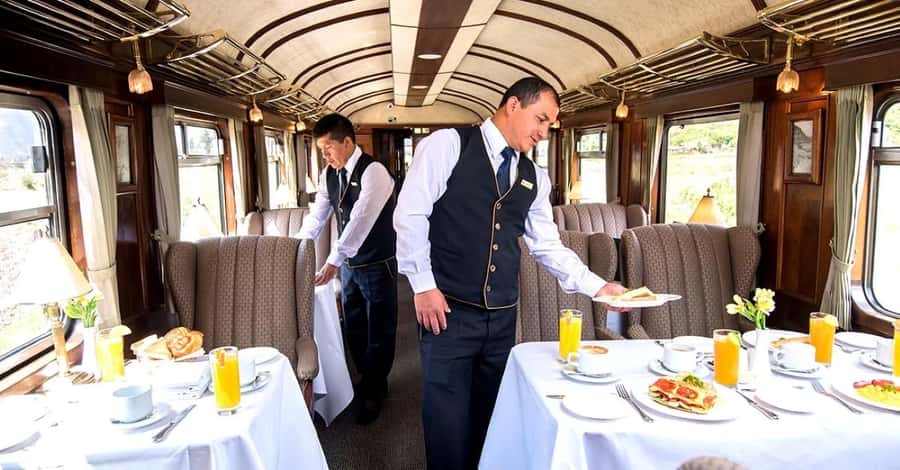
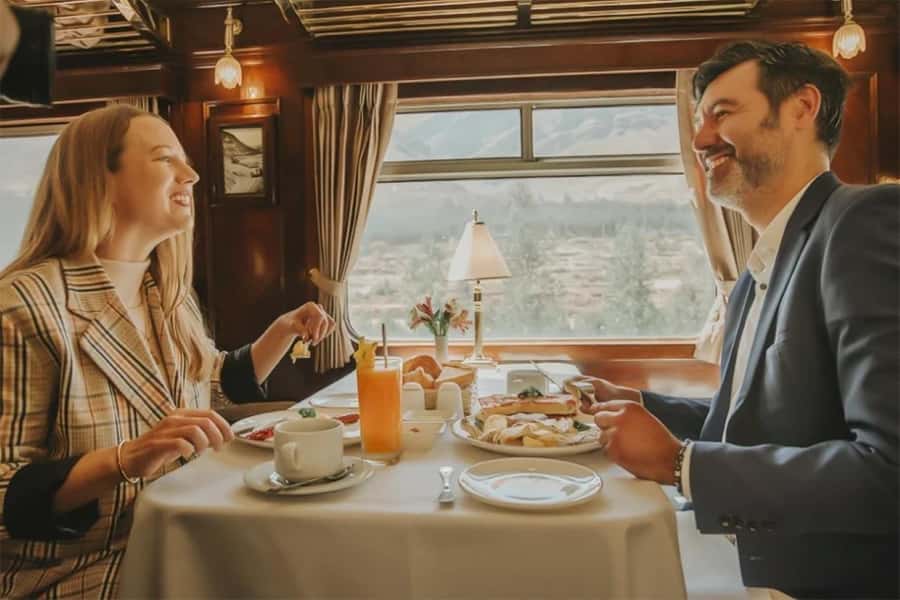
This is where the value becomes easiest to see. The day includes 3-course gourmet lunch plus afternoon tea. There are also delicate snacks mentioned in the trip experience, so you’re not stuck waiting for the next planned meal.
For many travelers, the main problem with long train days is simple: food can be basic and timing can be awkward. Here, meals are built into the schedule, which means you’re less likely to spend extra money later just to keep going.
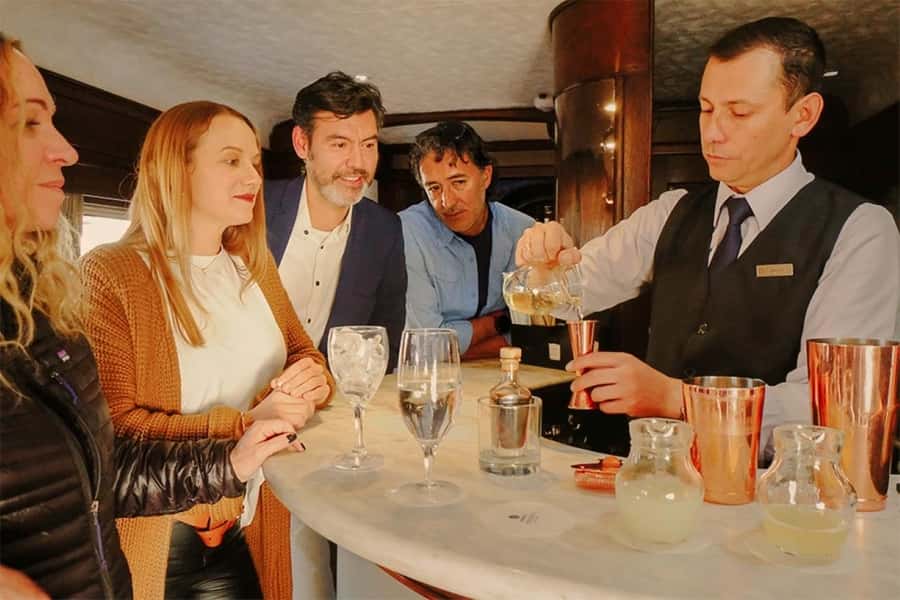
There’s also a very Peru-specific highlight: a pisco sour demonstration. That’s not just a drink handout. It adds a cultural moment to the day and gives you a reason to pay attention while everyone else is eating. The tour also includes a bar car for beverage services, so if you want to pace your own day—water at one point, a drink later—you can.
The cultural show and live music later in the journey also pair nicely with dining. You eat, you relax, and then the energy shifts without you needing to figure out what to do next.

Entertainment and culture: music that keeps the ride from dragging
A long train can either fly by or feel endless. This one aims for the “flies by” version with a program that includes a cultural show and live music. The fact that these events are included means you’re not hunting for entertainment once you’re onboard.
Guests have praised the onboard variety and how well the program is organized. In plain terms: the timing works, and the experience doesn’t feel thrown together. You’ll still have plenty of quiet time to watch scenery, but the energy curve is handled for you.
If you’re the kind of traveler who enjoys local performance—songs, dances, and the sound of the region—this can be a memorable part of the day. It turns the train from a transport solution into an experience with a rhythm.
Price and value: what $445 covers (and why it can be fair)

At $445 per person for a 10-hour luxury train day, you should look at what’s included rather than the sticker price.
Here’s what you’re getting as part of the tour:
- Train ticket Cusco–Puno or Puno–Cusco
- Hotel pickup from Cusco or Puno to the station
- Hot welcome drink
- Observatory car with open-air balcony
- Restaurant car plus a 3-course gourmet lunch
- Afternoon tea
- Bar car for beverage services
- Cultural show and live music
- Pisco sour demonstration
- A stop at Abra La Raya village
- Skip the ticket line
- Storage for hold luggage up to 23 kg (and personal items up to 8 kg)
When a trip includes meals, entertainment, and a premium car layout, the per-person cost can make more sense. You’re paying for comfort and for the fact that the day is handled as a packaged program—rather than you assembling train tickets, food, and a guide separately.
One more value note: the tour offers child discounts (ages 3–11) and infants under 3 don’t pay ticket (unless they want their own seat). If you’re traveling as a family, that can help the math.
Comfort and logistics you can plan around
This tour is wheelchair accessible, and it’s also structured with staff support in English and Spanish. That matters because altitude travel can be stressful even when nothing is technically wrong.
Luggage is another practical detail worth calling out. The tour includes hold luggage storage up to 23 kg. There’s also guidance that personal items should not exceed 8 kg. Knowing this ahead of time helps you pack smart—especially if you’re combining this with other Peru stops.
And bring the right documents. You’ll need a passport (or ID card, depending on your situation), plus a camera, and comfortable clothes. I’d add one more thing based on how high the route gets: pack a warm layer. The day is long, and the temperature at altitude can be a rude surprise.
A quick word on onboard rules: smoking and certain prohibited items are listed, so follow the crew instructions and keep the car rules simple. Also, the tour notes that pets aren’t allowed.
Which direction should you choose: Cusco to Puno or Puno to Cusco
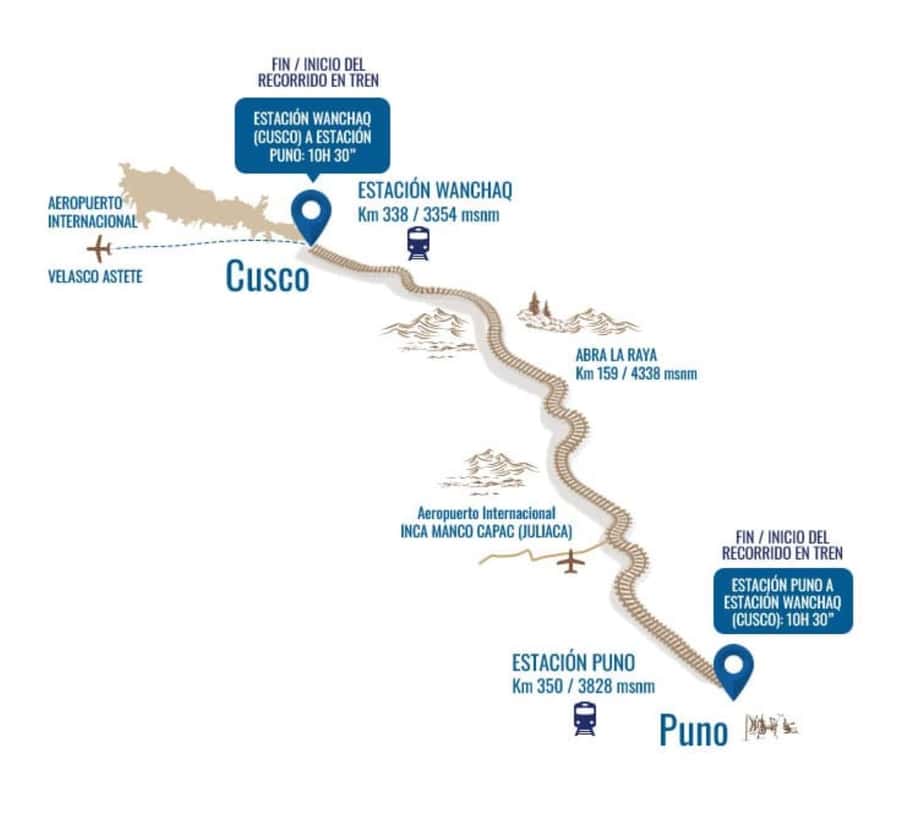
Both directions cover the same core ingredients: train ride, observatory experience, the Abra La Raya stop, and the onboard food and entertainment.
So how do you decide? Mostly, think about your overall Peru itinerary and what feels easier for your timing. If you’re arriving in the region via Cusco, the Cusco-to-Puno direction can feel like a natural “step downward” toward Titicaca’s lakeside atmosphere. If you’re ending your trip in Cusco, Puno-to-Cusco can make the day feel like a transition back to the higher Andean city.
Either way, plan for the same early start (hotel pickup around 6:30 am). That’s the constant.
Who this train is best for (and who might want something else)
This excursion fits best if you want:
- A comfortable way to connect Cusco and Puno
- A day with meals and entertainment included
- A focus on views from a proper observatory setup
- A high-altitude highlight at Abra La Raya
- Friendly, attentive service (multiple guests specifically praise the staff)
You might think twice if you:
- Want an itinerary packed with lots of stops and walking (this trip has one clear high-point stop plus the train time)
- Travel best with very spontaneous plans (here, everything is scheduled to a rhythm)
- Prefer a cheaper, do-it-yourself route (this one pays for the onboard program and premium comfort)
The staff factor: what “well planned” feels like on board
Even without getting overly technical, service quality changes how a long journey feels. Guests rate this trip highly for a reason: the staff is described as extremely friendly, attentive, and helpful, and the overall trip is described as well planned.
That “well planned” point matters because on an early departure with altitude involved, the little things count. When a crew is on top of timing—meals, program segments, and where you should be at each moment—you don’t waste energy wondering what happens next.
It’s also reflected in the food comments. Guests describe the onboard meals as excellent, fresh, and prepared with care. If you care about quality, this is not the kind of train where the food is an afterthought.
Should you book the Cusco–Puno–Titicaca Observatory Train?
Book it if you want a premium, low-stress way to cross the Andes in one day, with gourmet meals, live music, and an observatory car that makes the views part of the show. At $445, the best argument for the price is that you’re paying for a complete onboard program, not just seat space.
Skip it if you’re on a tight budget or you want a route with lots of extra stops and walking. If that’s your travel style, you may prefer a less structured transport option.
FAQ
What’s included in the Cusco–Puno–Titicaca train excursion?
The tour includes the train ticket (Cusco–Puno or the reverse), hotel pickup in Cusco or Puno, hot welcome drink, an observatory car with an open-air balcony, a restaurant car, a bar car, a 3-course gourmet lunch, cultural show and live music, a pisco sour demonstration, a stop at Abra La Raya village, afternoon tea, free movement on the train, and hold luggage storage up to 23 kg.
How early do I need to be at the station?
You should be at the station 30 minutes before the train departs.
What is the Abra La Raya stop and how high is it?
The itinerary includes a tourist stop at Abra La Raya village, described as the highest point of the route at about 4,300 meters.
How long is the experience?
The duration is 10 hours.
What kind of food and drinks are provided?
You’ll get a hot welcome drink, snacks, a 3-course gourmet lunch, an afternoon tea, and there’s also a bar car with beverage services. The trip also includes a pisco sour demonstration.
What do I need to bring, and what should I avoid?
Bring a passport (or ID card), a camera, credit card, cash, comfortable clothes, travel insurance, and any needed documents for children. The tour lists items and behaviors to avoid, including smoking, alcohol and drugs, and littering.
Final thought: If your priority is comfort plus a structured, entertaining day across the Andes, this is an easy yes. If you want a highly active route, you may feel boxed in by the schedule—so choose based on how you like to spend your travel time.