REVIEW · LIMA
From Lima: Nazca Lines and Ica Desert Day Trip
Book on GetYourGuide →Operated by Inca Trilogy Tours S.A.C · Bookable on GetYourGuide
A small plane over sand art beats most day trips. This one links the mysterious Nazca Lines with the fun chaos of Huacachina’s dunes. It’s a long haul, but the payoff is clear: you get the view from above, then the ride on the ground.
I especially like two things. First, the Nazca Lines overflight gives you a perspective that you just cannot get from the ground. Second, the Huacachina sunset moment feels like a reward for the early start, with dunes glowing while you’re still riding the day’s energy. Plus, guides such as Frendy and Sonya stand out for taking the explanations seriously and keeping things upbeat.
One drawback to plan for: the day is long and the early departure starts at 3:00 AM, and the flight time can shift with weather. If you’re prone to motion sickness, treat that small-aircraft portion with respect.
In This Review
- Key things to know before you go
- A 3:00 AM Lima departure for two iconic stops
- Morning reality check: you’ll want sleep buffers
- Nazca Lines from above: the overflight that makes it click
- What the flight experience is really like
- If you care about photos, read this
- Nazca break time and your lunch plan (on your schedule)
- Huacachina Oasis: the moment dunes look almost peaceful
- The sunset is the real show
- Dune buggy and sandboarding: adrenaline with a safety-first mindset
- What to expect from the buggy ride
- Sandboarding: easier to start than to master
- Timing, comfort, and photo tips for an 18-hour day
- Wear the right stuff, not the cute stuff
- Hydration beats heroics
- Keep your day plan flexible in your head
- Price and value: what $390 includes, and what to budget extra
- Is it good value?
- Who this Nazca and Huacachina trip suits (and who should skip)
- Should you book this day trip from Lima?
- FAQ
- How long is the Nazca Lines and Huacachina day trip?
- What time does the tour leave Lima?
- Where does pickup happen in Lima?
- What is the Nazca Lines overflight time?
- How much are the extra aerodrome fees?
- Are meals included in the price?
- What activities are included in Huacachina?
- What language is the live guide?
- What should I bring?
- Is the tour wheelchair accessible and are pets allowed?
Key things to know before you go
- The 3:00 AM start is real: you’ll be leaving Lima well before sunrise, then moving nonstop.
- Overflight timing can stretch: check-in is early, and the flight window may run 30 minutes to 1 hour longer due to conditions.
- Huacachina is a full-on activity block: buggy riding and sandboarding happen back-to-back.
- Meals are on your own: breakfast and lunch stops are included in the plan, but not in the price.
- Bring the right desert gear: sunglasses, sunscreen, water, and comfortable shoes matter a lot.
A 3:00 AM Lima departure for two iconic stops
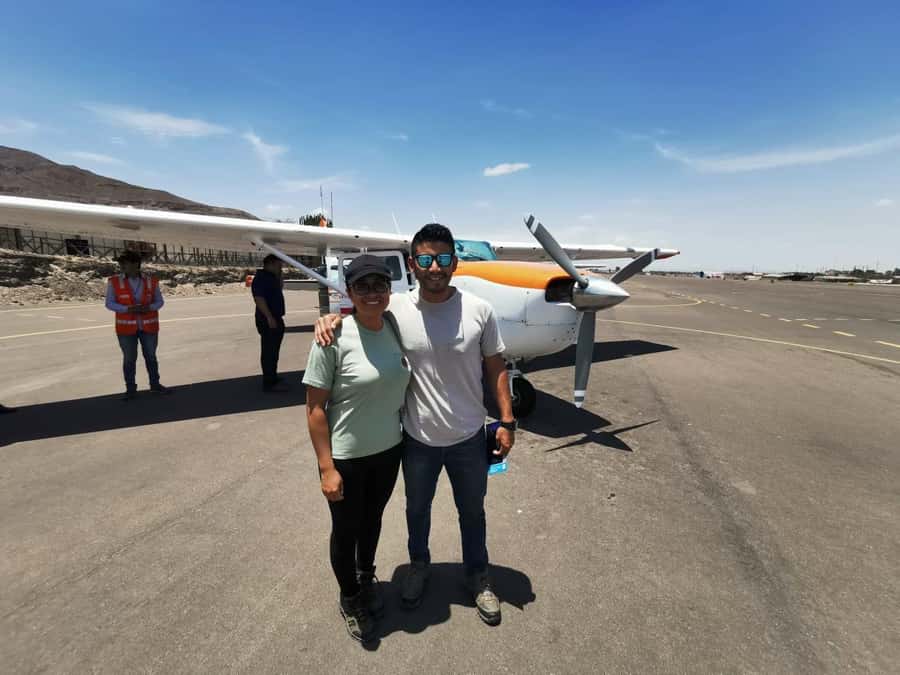
This trip runs on schedule tension and desert momentum. You leave Lima around 3:00 AM, typically from hotels in Miraflores, Barranco, and San Isidro (and pickup can also include Callao and Downtown Lima). The drive south takes hours, and you’ll feel it the way you always do on these “one-day, two-worlds” tours: sit back, hydrate, and accept that you’re trading comfort for time.
What I like is the structure. You’re not guessing. You’re not hopping between stations. A minivan handles the transport, and a live guide keeps the day moving and helps translate what you’re seeing. For an 18-hour day, that guidance is more useful than it sounds—especially for the Nazca portion, where the whole point is seeing patterns you might otherwise miss.
You can also read our reviews of more tours and experiences in Lima


Morning reality check: you’ll want sleep buffers
Even if you’re excited, you’ll want a practical plan for your body. The early start means you should aim to eat a light dinner the night before and sleep as much as you can. In the desert heat, you can’t out-will dehydration, so I’d rather overpack water than rely on convenience stops you don’t control.
Also, camera battery helps. You’re collecting a lot of moments—Lines views, dune action, and sunset in Huacachina—and power outlets are not your friend out there.
Nazca Lines from above: the overflight that makes it click
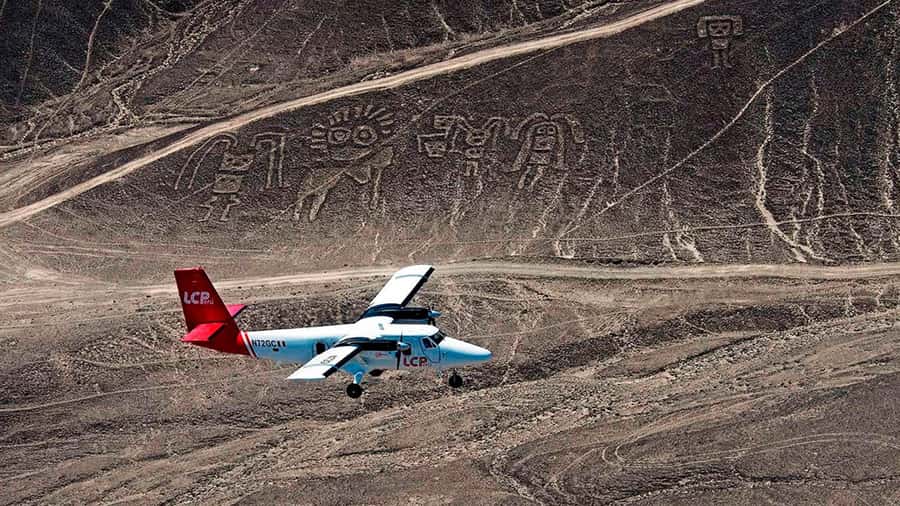
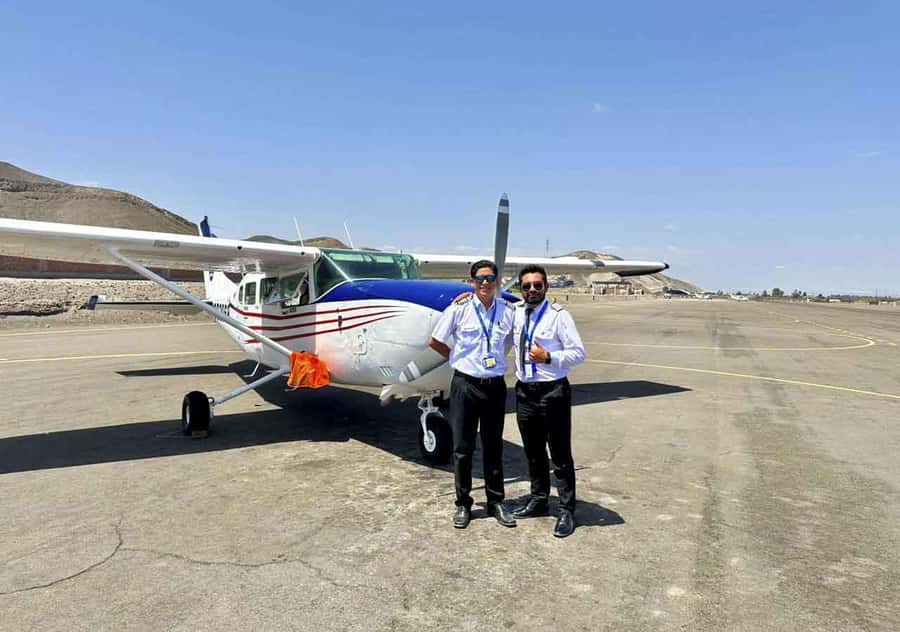
The Nazca Lines work differently than most sights. From the ground, you can miss the bigger picture; from above, the geometry snaps into focus. That’s why this is the heart of the day: you check in at the aerodrome, then take an overflight session that’s listed at about 35 minutes. The trip operator also notes that the overflight may take between 30 minutes to 1 hour longer due to bad weather or logistical factors. So yes, you should build patience into your schedule.
What the flight experience is really like
You’re in a small aircraft. That means the ride can feel a bit intense, and motion can bother some people. One of the strongest pieces of practical advice from past experiences is to treat this portion seriously if you’re motion-sickness prone. I’d rather you arrive with a calm plan than spend the flight fighting nausea.
The guide’s role here matters too. A good guide doesn’t just point; they explain what you’re seeing and why it’s notable. Guides like Frendy, for example, have been praised for taking the Nazca Lines explanations seriously. It’s the difference between watching from a window and actually understanding what you’re looking at.
If you care about photos, read this
From the air, your best photos depend on timing and steadiness. Keep your camera ready before the plane starts its key passes, and don’t expect to hold perfect framing for every shot. You’ll likely get several chances, but you’ll also be juggling motion and window reflections.



Nazca break time and your lunch plan (on your schedule)
After the overflight, you return to Nazca and there’s time for lunch around 1:00 PM, but meals are not included. That’s actually a good thing to know before you arrive, because it gives you control: you can choose something simple, or you can treat lunch like part of the experience and eat local dishes at a spot you like.
This is also a useful buffer for reality. You’ve been up early, you flew in a small plane, and now you’re changing gears again. If you’re tired, don’t try to stuff yourself. Eat enough, then shift into desert mode.
One more practical note: take a breath before you move on. The afternoon is all travel and activity, and you don’t want hunger or caffeine jitters turning into poor decision-making with your sand buggy timing later.
Huacachina Oasis: the moment dunes look almost peaceful
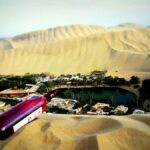
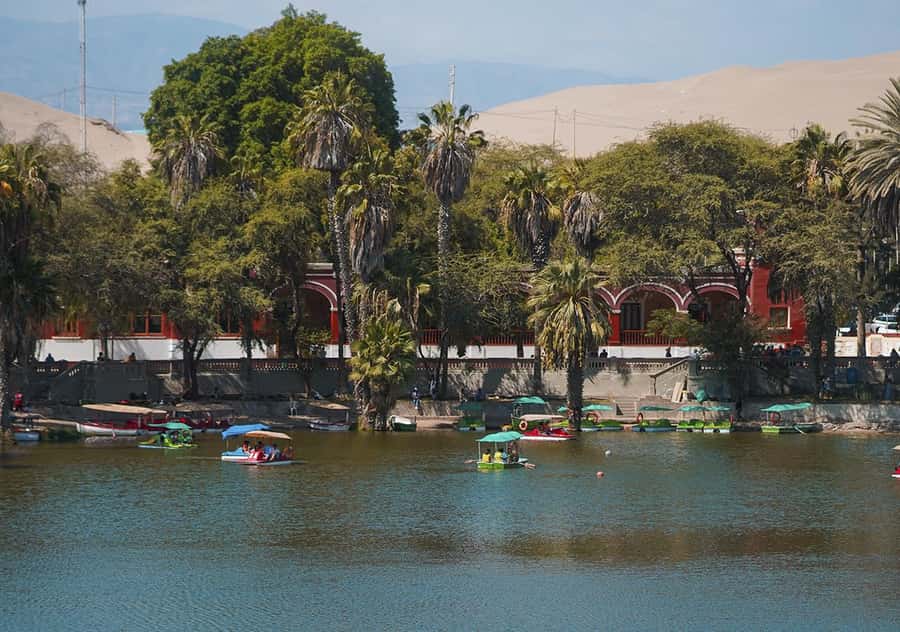
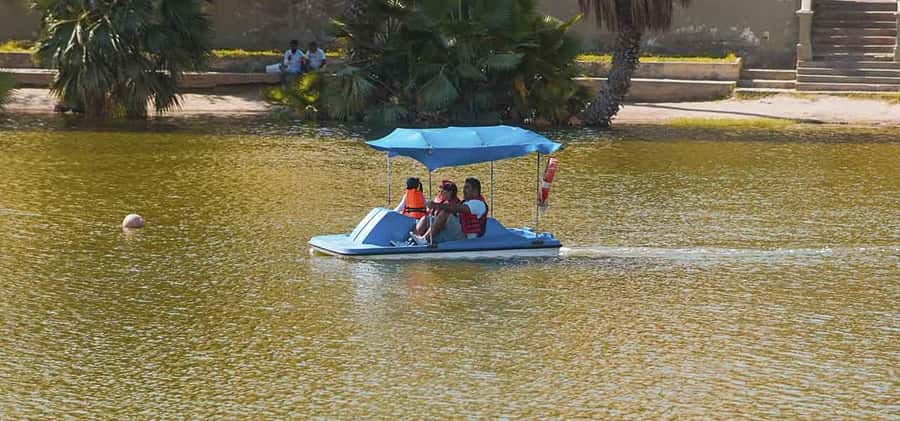
You head to Huacachina around 2:30 PM and arrive about 4:30 PM. The oasis is small, and that’s part of why it feels special: it’s a pocket of water and palms in the middle of sand. When you first see the dunes rising around it, your brain goes quiet for a second.
Then the day ramps up again.
The sunset is the real show
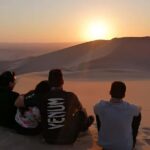
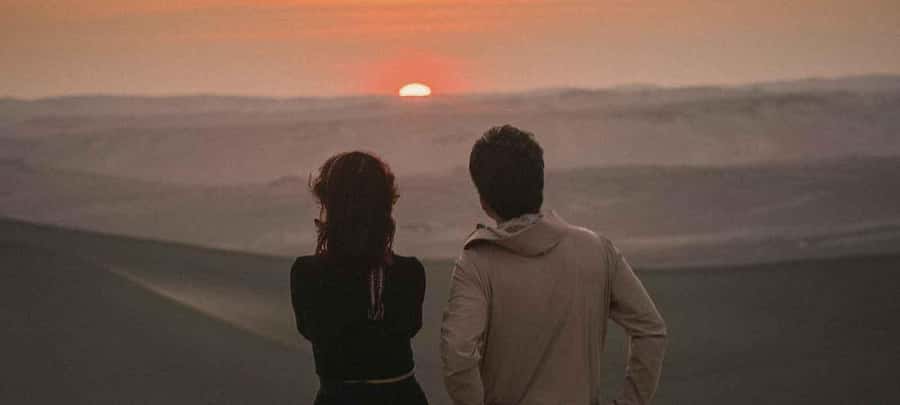
At 6:00 PM, Huacachina goes into golden-hour mode. The sunset colors bounce off the sand and make the dunes look different than they did earlier. Even if you’ve seen sunsets before, this one has a built-in contrast: the oasis below, the dunes in motion all around you, and the sky cooling down.
I also like that this is timed so you’re not waiting in a random stretch of time with nothing to do. You’ve got activity earlier, then a clean finish with sunset.
Dune buggy and sandboarding: adrenaline with a safety-first mindset
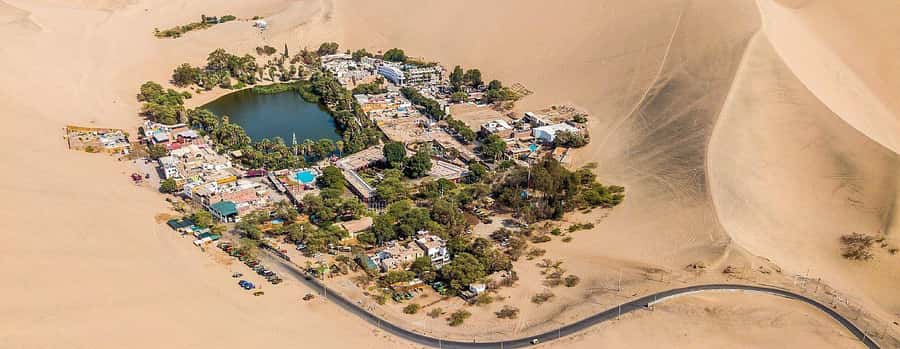
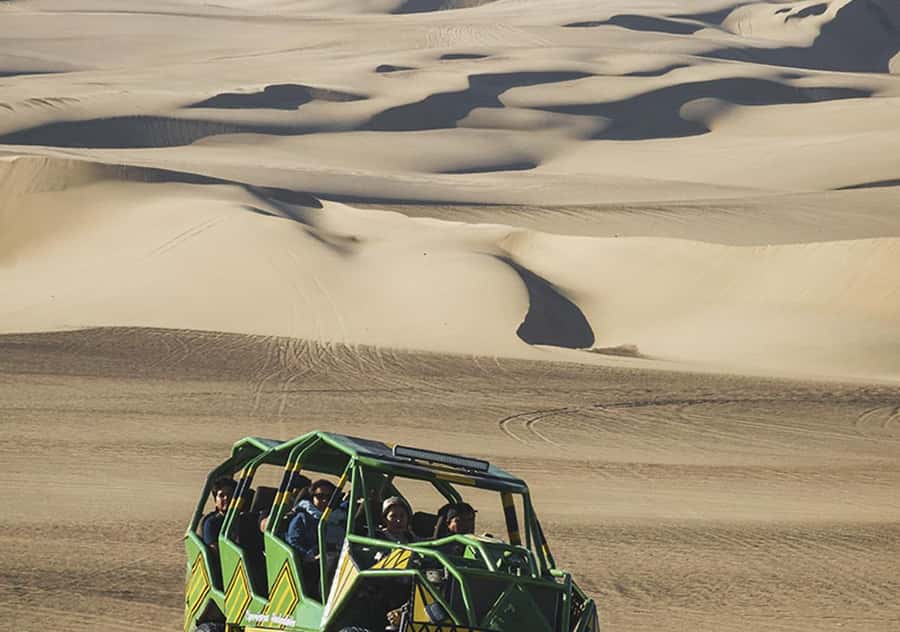
Around 5:00 PM, you switch from watching to doing: you ride a dune buggy across the sand and then try sandboarding. The tour includes adventure sports equipment like the buggies and sandboards, so you’re not paying extra for gear you don’t want to carry.
What to expect from the buggy ride
This part can feel like a roller coaster. Expect sharp turns, bouncing over sand ridges, and a hands-on ride that feels fast even at desert speeds. If you’ve got a sensitive stomach, hold onto that thought from the flight: your body has already learned today is not gentle.
Keep your grip firm, and wear the kind of clothing you don’t mind getting sandy. Sand always wins eventually.
Sandboarding: easier to start than to master
Sandboarding isn’t explained like a physics lecture; it’s more hands-on. You’ll feel the first glide quickly, then spend the rest of the time trying to control speed and direction. It’s a fun skill for a short window, and it’s also a reminder that the dunes are steep in a way that looks calm only until you’re on it.
The best practical move: listen carefully during instruction, then take it one run at a time. The desert punishes rushed moves.
Timing, comfort, and photo tips for an 18-hour day
This is not a slow sightseeing day. It’s a packed loop: Lima to Nazca, then Nazca to Huacachina, then back to Lima by 7:00 PM. That means your success depends on how you manage basics.
Wear the right stuff, not the cute stuff
You’ll be in sun, dust, and moving vehicles. Bring comfortable shoes, sunglasses, and sunscreen. The tour specifically asks for those items, and it’s not just paperwork. Comfortable shoes help in Nazca and also when you’re stepping around dune edges and sandboarding areas.
Hydration beats heroics
The desert part is obvious, but I’ll say it anyway: drink water. Stay hydrated throughout the day, especially once you’re in Huacachina. It’s easy to forget while you’re busy with the flight and the buggy, and then suddenly you feel off.
Keep your day plan flexible in your head
The overflight can run later due to weather or logistics. It’s not something you can control, so don’t build your schedule around tight personal plans. This trip is built as a single operating day, so your best strategy is to relax into the group timing.
Price and value: what $390 includes, and what to budget extra

At $390 per person, the price feels fair for a day that bundles three big components: long-distance transport, a guided Nazca experience, and Huacachina adventure gear. Here’s what’s included:
- hotel pickup and drop-off
- a guide
- transportation by minivan
- adventure sports equipment (sand buggies, sandboards, etc.)
Here’s what’s not included:
- meals
- an air ticket fee of $10 paid at the aerodrome
- a tourist ticket fee of $15 paid at the aerodrome
So your real budget is $390 plus the on-the-spot fees, plus whatever you spend on breakfast and lunch. In a lot of ways, that’s the honest value story. You’re paying for two major experiences that need logistics: the flight over the Nazca Lines and the on-dune activity setup in Huacachina. Meals are flexible, and you can choose how adventurous you want to be with local food.
Is it good value?
If you want both Nazca from above and Huacachina’s action in one day, yes. If you hate early mornings, motion, or long vehicle time, then no amount of value math will fix the fatigue.
Who this Nazca and Huacachina trip suits (and who should skip)
This works best if you:
- can handle a very early start
- are okay with a small-aircraft overflight and possible motion
- want hands-on time in Huacachina, not just a quick walk
- like having a guide connect the dots between the sites
It’s not a fit for wheelchair users based on the tour’s suitability info. Also, pets are not allowed.
If you’re the type who needs quiet, slow pacing, or you’re traveling with someone who gets anxious during movement, consider whether a different format (less packed, fewer motion moments) would feel better. This tour is designed to move.
Should you book this day trip from Lima?
I think this is a strong choice if your goal is maximum Peru impact in a single day. The combination is rare: Nazca Lines visibility from the air, then Huacachina’s desert adrenaline and a sunset payoff. The guide-driven explanations also help you get more meaning out of what you see, not just pretty views.
That said, be honest with yourself. If you dread early mornings, motion, or bumpy rides, you’ll feel the trade-off all day. If you can handle that, book it—then prepare like a desert traveler: sunscreen, sunglasses, water, and a camera battery that won’t quit halfway through the best light.
FAQ
How long is the Nazca Lines and Huacachina day trip?
The duration is listed as 18 hours.
What time does the tour leave Lima?
Departure from Lima is scheduled for 3:00 AM.
Where does pickup happen in Lima?
Pickup is included for hotels in Miraflores, Barranco, San Isidro (and the information also mentions Callao and Downtown Lima). You’ll wait in your hotel lobby or at the door of your accommodation about 10 minutes before pickup.
What is the Nazca Lines overflight time?
The overflight is listed at 35 minutes, but the time may be extended by 30 minutes to 1 hour due to bad weather or other logistical situations.
How much are the extra aerodrome fees?
You pay at the aerodrome: air ticket $10 and a tourist ticket $15.
Are meals included in the price?
No. Meals are marked as not included, even though the day includes breakfast and lunch stops.
What activities are included in Huacachina?
You get a dune buggy ride and sandboarding, and the equipment for these activities is included.
What language is the live guide?
The live guide is available in English and Spanish.
What should I bring?
Bring a passport or ID card, comfortable shoes, sunglasses, and sunscreen.
Is the tour wheelchair accessible and are pets allowed?
The tour is not suitable for wheelchair users. Pets are not allowed.