REVIEW · SANTIAGO CHILE
Santiago: City Highlights Walking Tour
Book on GetYourGuide →Operated by Lucero Travel Chile · Bookable on GetYourGuide
Santiago hits different on foot. In about three and a half hours, I love how the guide ties landmarks like La Moneda to Chile’s political story, and I love the fresh-air payoff of Cerro Santa Lucía after the historic core around Plaza de Armas. You’ll also get a practical mix of photo stops and guided explanations, so the city feels less like a blur and more like a place with chapters.
One possible drawback: it’s a walking-forward day with no lunch included, so you’ll want water and comfortable shoes, then eat well after the tour.
In This Review
- Key highlights worth your time
- A 210-minute “best of Santiago” route that actually works
- From pickup to Cerro Santa Lucía’s city view
- La Moneda: the government palace as a story, not a photo prop
- Plaza de Armas and the Cathedral: Santiago’s historic core
- Bellavista 0196: a mid-route photo stop with guided context
- Bicentenario Park: time for photos before the modern shift
- Sanhattan: the modern Santiago contrast you’ll notice right away
- Lapislazuli store stop: art and craft with a local flavor
- Price and logistics: is $45 worth it?
- Guide quality and language: what to expect day-to-day
- Who should book this tour (and who might skip it)
- Should you book Santiago City Highlights on foot?
- FAQ
- How long is the Santiago City Highlights Walking Tour?
- What is included in the price?
- Is lunch included?
- Which languages are available for the live guide?
- Does the tour offer hotel pickup?
- Is the tour wheelchair accessible?
- What sites do you visit during the tour?
- What should I bring?
- Is there free cancellation?
- Is there an extra charge for some locations?
- Is the tour guaranteed to run for one person?
Key highlights worth your time
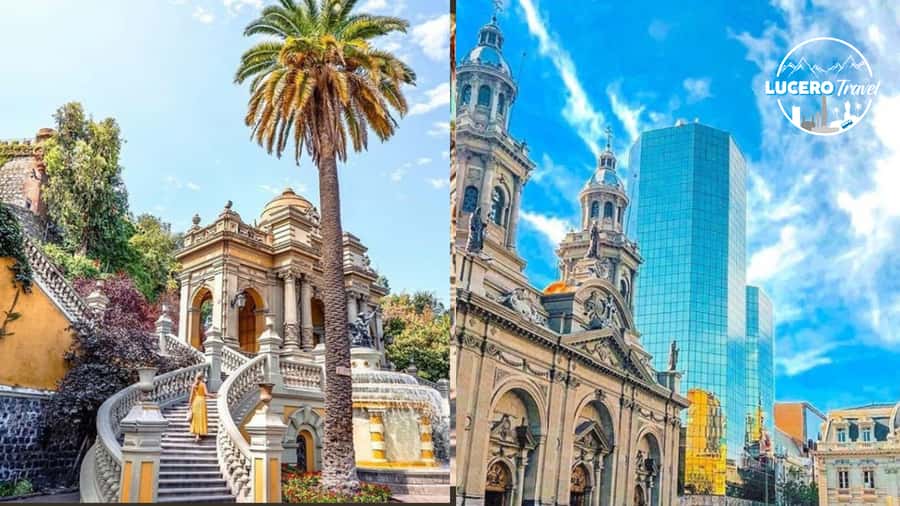
- La Moneda + Plaza de Armas storyline: You’ll walk Chile’s past with stops at the government palace and the cathedral square.
- Cerro Santa Lucía break: A hilltop photo stop plus a real chance to breathe and reset your bearings.
- Old Santiago to Sanhattan contrast: You’ll shift from historic streets to modern towers in the same morning/afternoon block.
- Photo stops that still come with context: Guided pauses at each site help you understand what you’re seeing.
- Lapislazuli store visit: A short stop where local craft and history show up through art.
- Guides vary, but the experience is designed to flow: I’ve seen great support from guides like JP, with driver Tomas keeping things smooth.
A 210-minute “best of Santiago” route that actually works
This tour is built for people who want orientation fast. At 210 minutes, you’re not stuck half a day bouncing between random spots—you get a structured route through Santiago’s most recognizable areas, starting with pickup and a van ride to get you positioned.
The value here isn’t just the sights. It’s how the tour turns stone-and-statues landmarks into something you can remember. You’ll hear the background as you walk by major buildings, then you’ll get viewpoints when it’s time to pause and take photos.
If you’re the type who likes to see a lot without turning it into a sprint, this works well. If you need long sit-down breaks or you’re planning to snack nonstop, you might feel the “no lunch” factor more than you’d like.
You can also read our reviews of more tours and experiences in Santiago Chile.



From pickup to Cerro Santa Lucía’s city view
You start with hotel pickup in Santiago, then a van transfer before stepping into the walking portion. That early van time matters because it reduces the awkward first stretch—especially if you’re coming from a hotel that’s not right in the central core.
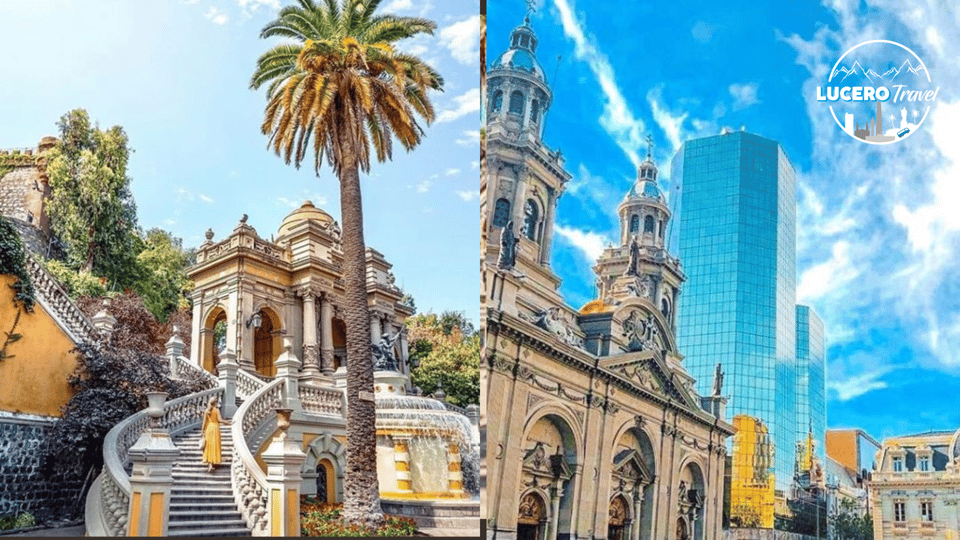
Next comes Cerro Santa Lucía, with a photo stop and a guided tour segment. This is your classic Santiago “get your bearings” moment. The tour description promises an overview of the city and fresh air, and that’s exactly what makes the stop valuable: you’re higher up, you can connect the geography to what you’ll see next, and you get a mental map fast.
What to watch for: even on a short hill, you’ll want steady shoes. This is one of those stops where taking a minute to catch your breath is part of the point, not a delay.
La Moneda: the government palace as a story, not a photo prop
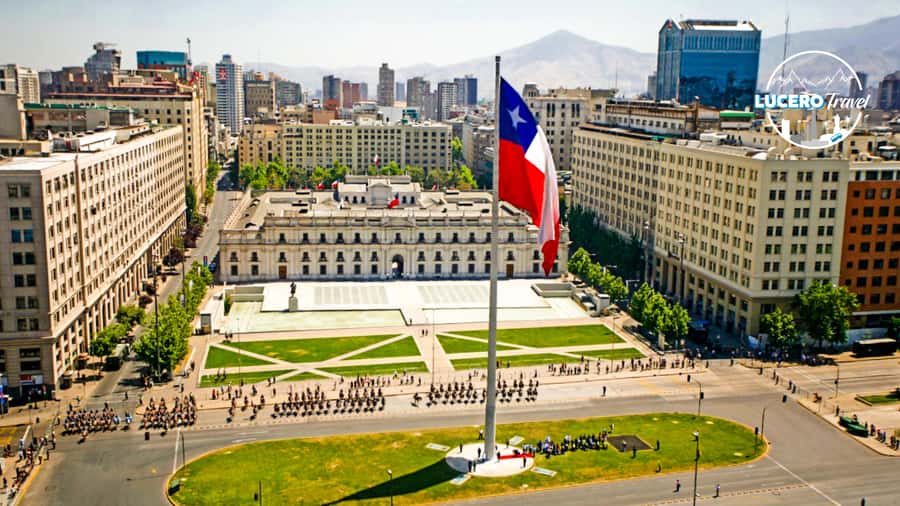
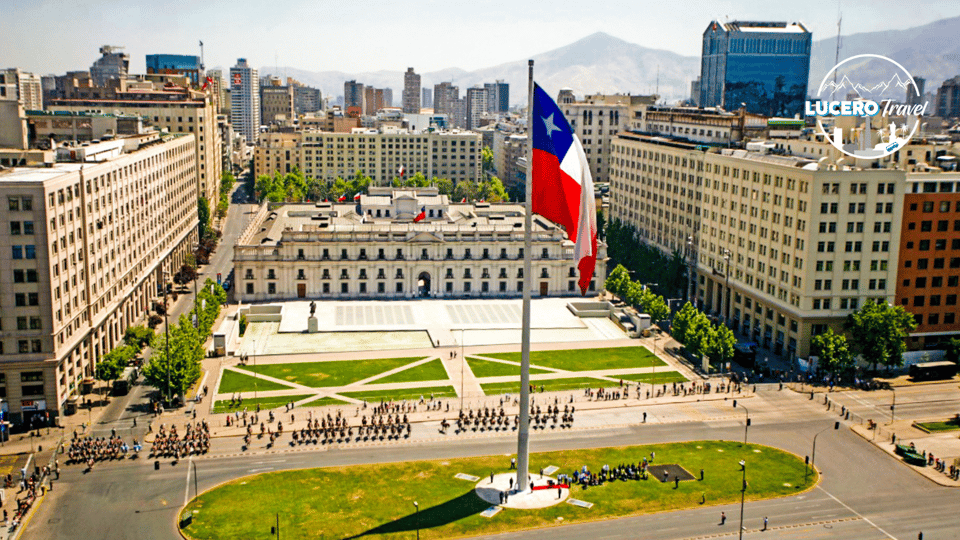
La Moneda is the headline stop, and you’ll treat it as more than a backdrop. The tour includes a guided explanation plus a photo stop at the palace area, and the big theme is Chile’s past—what this government center has meant over time.
Here’s why I like this approach: when you understand what you’re looking at, you stop taking random pictures and start capturing the place in context. The walk-by timing also keeps you moving, so you don’t lose the rhythm of the day.
Possible consideration: if you’re hoping for a deep, inside-only museum style experience, this is not that kind of stop. It’s a guided, outdoor-focused segment, designed to give you meaning quickly and move you on.
Plaza de Armas and the Cathedral: Santiago’s historic core
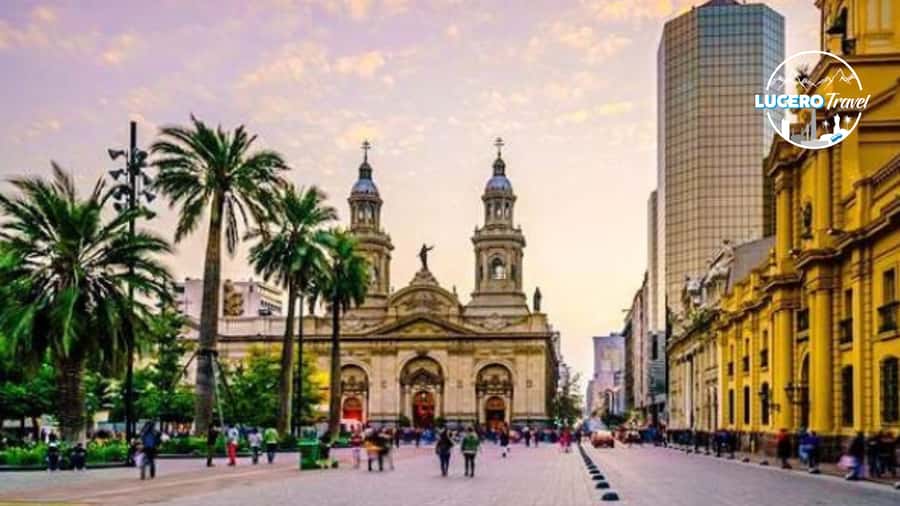
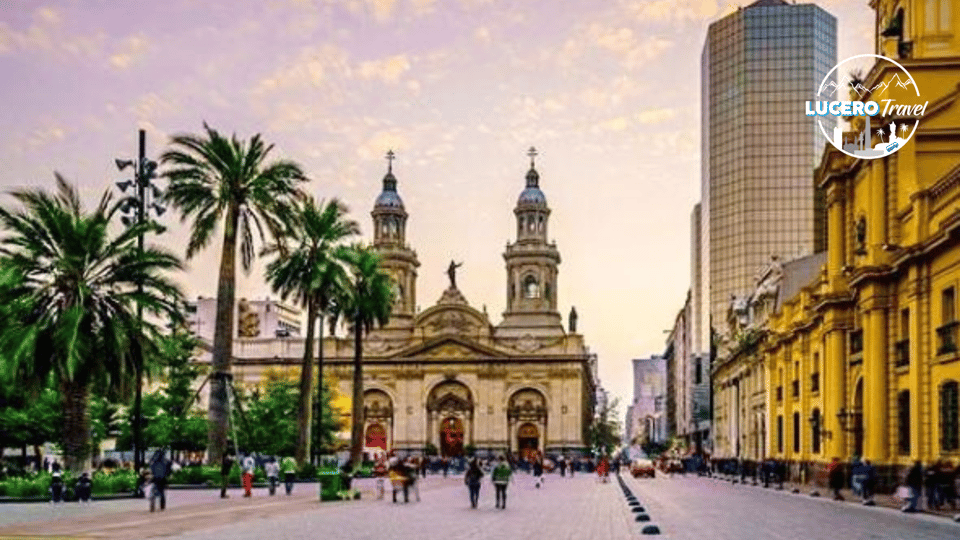
After La Moneda, you’ll head to Plaza de Armas, Santiago’s central historic square. This stop includes another photo moment and guided touring, with special attention on the Cathedral of Santiago.
Plaza de Armas is one of those places where the architecture does most of the talking—if you know what to listen for. The guided angle helps you connect the square and cathedral to the broader story you’ve been hearing since La Moneda. The pacing also matters: you get enough time to look around, then you keep going before the square becomes tiring.
My practical tip: bring your phone camera ready, but also look up. It’s easy to get tunnel vision at ground level when a guide is speaking. A quick glance upward makes the space feel bigger and more intentional.
Bellavista 0196: a mid-route photo stop with guided context
Next is Bellavista 0196, with a photo stop and guided time. The tour doesn’t frame this as a long “wander and shop” stretch, so you should treat it like a stop that helps connect the dots between historic center and surrounding neighborhoods.
What you’ll get is exactly what the itinerary promises: time for photos and an explanation from the guide. That’s useful because street-level architecture can look random until someone gives you the quick version of why it matters.
If you’re someone who likes to roam slowly, you might wish this were longer. But the trade-off is you keep momentum for the later parts of the day, including the viewpoint and the modern-city contrast.
You can also read our reviews of more city tours in Santiago Chile

Bicentenario Park: time for photos before the modern shift
Then the route moves to Bicentenario Park for a photo stop and guided segment. The key thing to know is the tone: this part feels like a pause in the plan. It’s timed to give you a break from tightly packed streets while still keeping the tour moving.
Because the tour includes explanations, you’ll likely understand why this area shows up in a “highlights” day—rather than just noticing it as another big name on the map. You’ll also have enough minutes to reset before you head into the modern sector.
Practical note: treat photo stops like short windows, not invitations to wait around. If you want the cleanest photos, you’ll do better stepping out, checking the angle, then rejoining your group quickly.
Sanhattan: the modern Santiago contrast you’ll notice right away
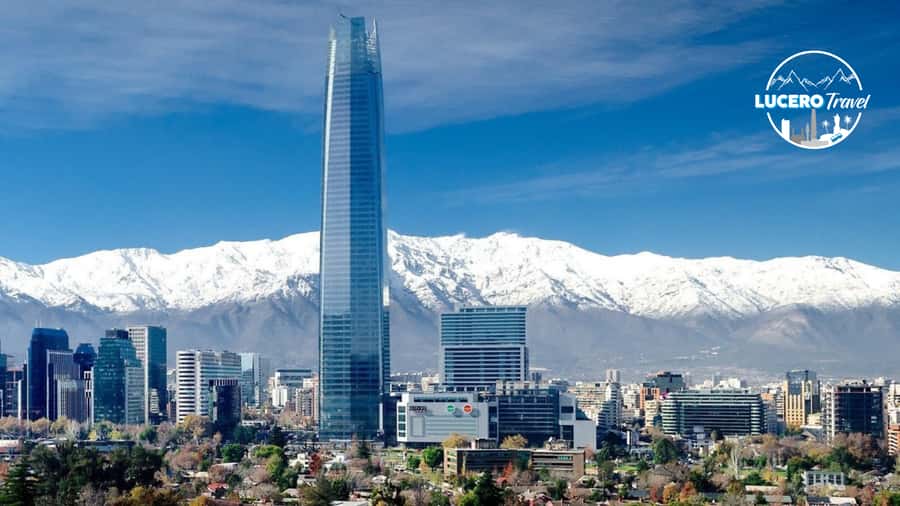
After the historic city center, the tour shifts to the modern sector of Santiago, locally known as Sanhattan. The idea is simple: you’ll see how the capital grows up as well as how it preserves its earlier layers.
Sanhattan is recognized for modern buildings, and this contrast is the part that tends to surprise people—especially if you arrive in Santiago expecting everything to look the way it does in colonial photos. Here, you get a different skyline and a different pace, so the day feels like two cities meeting.
If you’re traveling with limited time, this “then-and-now” contrast is the big win. It keeps your brain engaged and gives you a stronger overall sense of the capital than only historic streets would.
Lapislazuli store stop: art and craft with a local flavor
After seeing government, squares, a hilltop viewpoint, and modern buildings, you’ll make a stop at a lapislazuli store. The tour frames it as a chance to see history mixed with art.
This kind of stop can go two ways on city tours: either it feels like a sales trap or it becomes a quick cultural lens. In this case, the description is clear that the goal is to understand how the craft connects with story and aesthetics. You’re not being told to spend a fortune—you’re being given a cultural moment that’s different from the architecture.
One consideration: if you have zero interest in jewelry or gemstones, plan to treat it like a cultural stop and keep your expectations realistic. Even then, it can be a useful reminder that Chilean identity shows up in materials and design, not just in buildings.
Price and logistics: is $45 worth it?
At $45 per person for 210 minutes, this tour is priced in the “solid value” range for a guided city highlights walk with pickup. You’re paying for:
- Hotel pickup and drop-off (that convenience saves time and hassle)
- A guided route with multiple stops
- A van component that helps you start in the right place
- The chance to cover both historic and modern Santiago without planning your own route
What’s not included is lunch and drinks, which you’ll need to budget for separately. That matters because it changes how you should pace your day. If you want to stay comfortable, consider eating before or planning a proper meal right after.
Extra note: there’s an additional 8 USD per person if you’re staying near the airport or in areas outside the radius through which the tour passes. If you’re far from the central pickup route, it’s worth confirming your exact pickup area early so there are no surprises.
Guide quality and language: what to expect day-to-day
The tour runs with live guides in English, Portuguese, and Spanish. Based on what you’ll hear from previous groups, the guide presentation can make a big difference in how much you get out of the stops.
In particular, JP is mentioned for impressive English and a very strong overall vibe, and ezequil comes up as a nice, helpful guide. Driver Tomas also gets credit for smooth coordination—important when the plan has several timed photo stops.
What you can do: if you care about language precision, pick a departure time where you know your preferred language is available. And if you’re bilingual, use that advantage to ask quick follow-up questions when the guide pauses.
Who should book this tour (and who might skip it)
This fits best if you:
- Have limited time in Santiago and want a clear “highlights in one day” structure
- Like walking with context, not just selfies at landmarks
- Want both historic Santiago and the modern Sanhattan contrast
- Prefer a guided route that handles transfers so you don’t plan the logistics
It may be less ideal if you:
- Want long museum-style stops or indoor time at major sites
- Need frequent long breaks or a built-in meal
- Dislike walking-heavy schedules (even though the tour includes guiding and pacing)
Should you book Santiago City Highlights on foot?
If you want a practical, well-paced overview of Santiago’s key areas, I’d book it. The price feels fair for the mix of pickup, guide time, and multiple landmark stops, and the Santa Lucía viewpoint plus the Sanhattan modern contrast give the day its shape.
Go for it especially if you enjoy tours where the guide connects what you see to what it means. Just go in prepared: bring comfortable shoes and water, and plan for lunch on your own. Do that, and you’ll walk away with a Santiago you can place in your head, not just a folder full of photos.
FAQ
How long is the Santiago City Highlights Walking Tour?
The tour lasts 210 minutes.
What is included in the price?
It includes hotel pickup and drop-off, a walking tour, and a guide.
Is lunch included?
No. Lunch and drinks are not included.
Which languages are available for the live guide?
The guide is available in English, Portuguese, and Spanish.
Does the tour offer hotel pickup?
Yes. You’ll meet your guide in your hotel lobby at the agreed pickup time.
Is the tour wheelchair accessible?
Yes, it is listed as wheelchair accessible.
What sites do you visit during the tour?
You’ll see La Moneda, Plaza de Armas with the Cathedral of Santiago, Santa Lucía Hill, and you’ll also pass through areas including Paseo Bandera and the modern sector called Sanhattan. The tour also includes a lapislazuli store stop.
What should I bring?
Bring comfortable shoes, water, and comfortable clothes.
Is there free cancellation?
Yes. You can cancel up to 24 hours in advance for a full refund.
Is there an extra charge for some locations?
Yes. If you’re staying near the airport or in areas outside the radius through which the tour passes, there is an additional charge of 8 USD per person.
Is the tour guaranteed to run for one person?
A minimum of two people is required for the tour to take place. If only one person confirms, it may be subject to confirmation.