REVIEW · CUSCO
Sacred Valley: Maras & Moray by Quad Bike from Cusco
Book on GetYourGuide →Operated by Peru Andes Top · Bookable on GetYourGuide
Quad bikes make Sacred Valley feel close-up. This guided ATV route from Cusco strings together Moray terraces and the famous salt landscape of Maras, with big looks at the Urubamba Mountain range in between.
I like two things a lot here: first, the mix of real driving time plus short, meaningful stops, so you don’t feel like you’re trapped in a van all day. Second, the guides tend to be hands-on with safety and also help you capture the day—some even focus on getting good photos from your phone while you ride.
One drawback to plan for: the ride turns dusty fast. If you hate grit and dirt road chaos, you might find it more annoying than fun, and Moray time can feel tight.
In This Review
- Quick Hit Key Points
- Cusco Pickup to Cruz Pata: your first lessons on four wheels
- Moray Terraces on Quad Bikes: why this place still impresses
- Urubamba Mountain Views: the drive is part of the lesson
- Maras Salt Mines: what you’ll see, where the ATV stops
- ATV Comfort, Dust, and Photo Moments: what to wear so you don’t suffer
- Tickets and Timing: how the $39 tour turns into a full-day budget
- Who should book (and who should skip this ATV day)
- Should You Book Sacred Valley: Maras & Moray by Quad Bike?
Quick Hit Key Points
- 15 minutes of ATV training before you head into the Sacred Valley driving
- Moray terraces stop designed for close-up views of the agricultural ruins
- Urubamba Mountain range viewpoints you’ll see from the road and photo stops
- Maras salt mines from the outside since ATVs can’t go into the mines area
- Bring cash for entry tickets plus expect dust on your clothes and camera
Cusco Pickup to Cruz Pata: your first lessons on four wheels
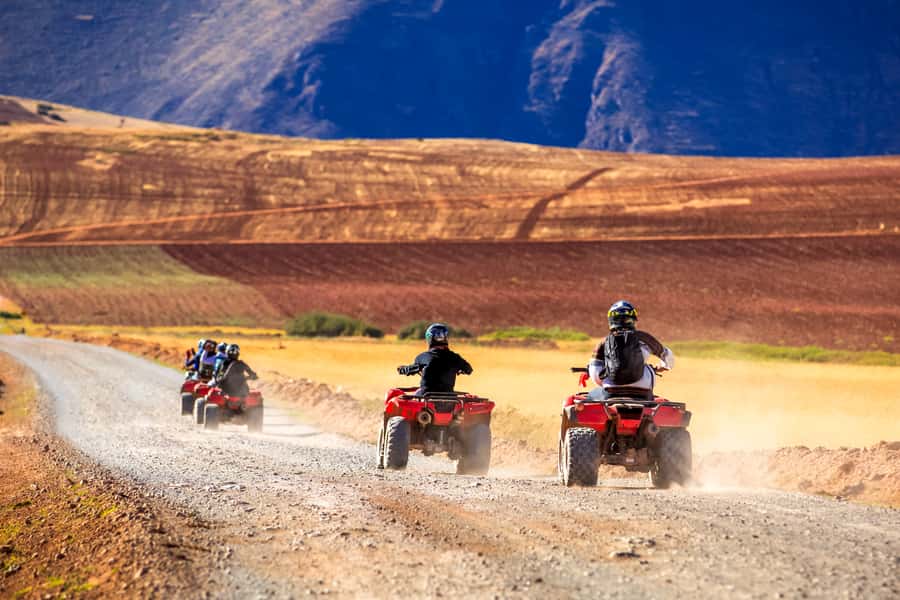
Most days start with pickup from your hotel in Cusco’s historic center. From there, you’ll transfer by tourist vehicle toward the Sacred Valley, roughly an hour long. The goal is simple: get you to the riding base with enough time to learn the ATV before you head out.
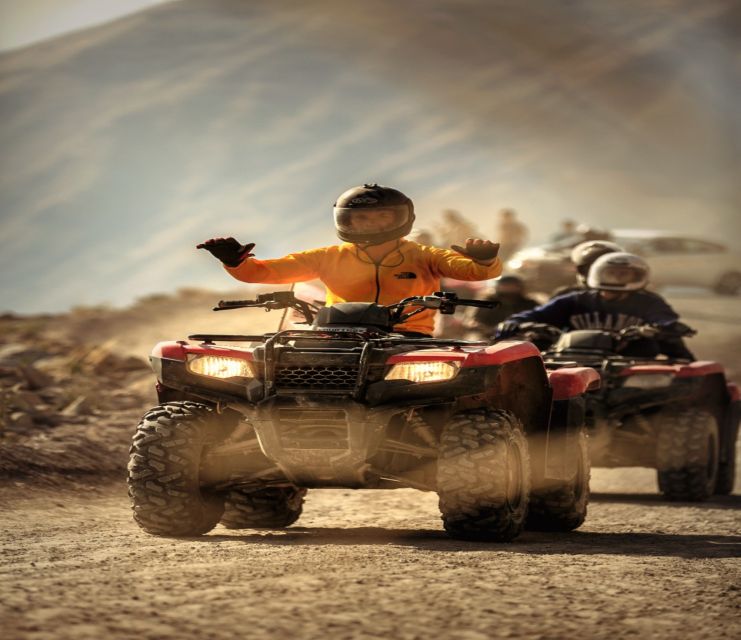
Once you arrive around Cruz Pata, you’ll get about 15 minutes of ATV training. This part matters more than people think. The terrain and altitude around Cusco can make everything feel harder. Even if you’ve driven a car before, the ATV is a different beast: you’ll learn the basic controls, how to move smoothly, and how to stay stable when the road starts getting rough.
You also get your safety equipment and a safety briefing before you ride. Guides often put a strong focus on riding rules—think no phone use while operating the bike, and no wild moves that can put the whole group at risk. If you’re the type who likes clear instructions and a firm guide, you’ll probably feel comfortable quickly.
You can also read our reviews of more cycling tours in Cusco

Moray Terraces on Quad Bikes: why this place still impresses
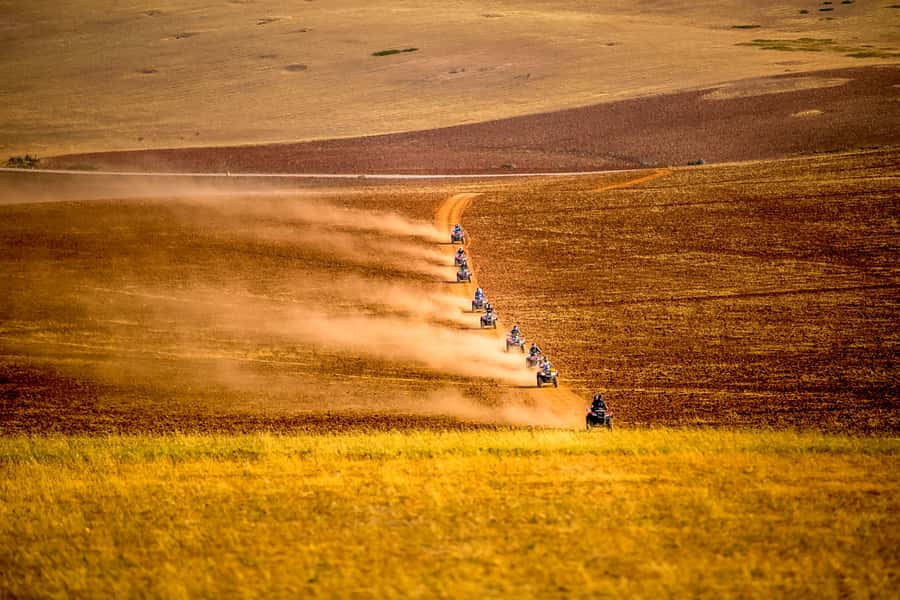
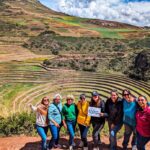
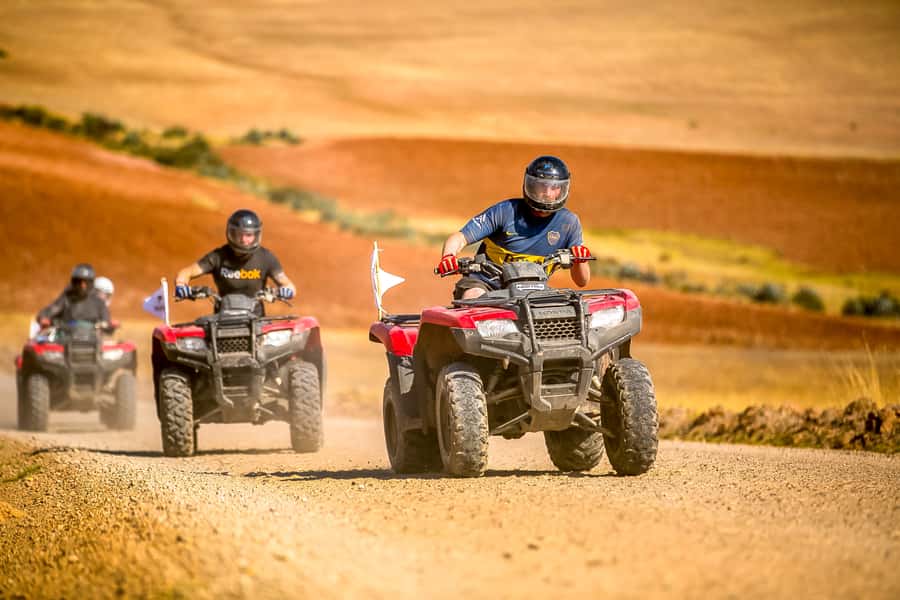
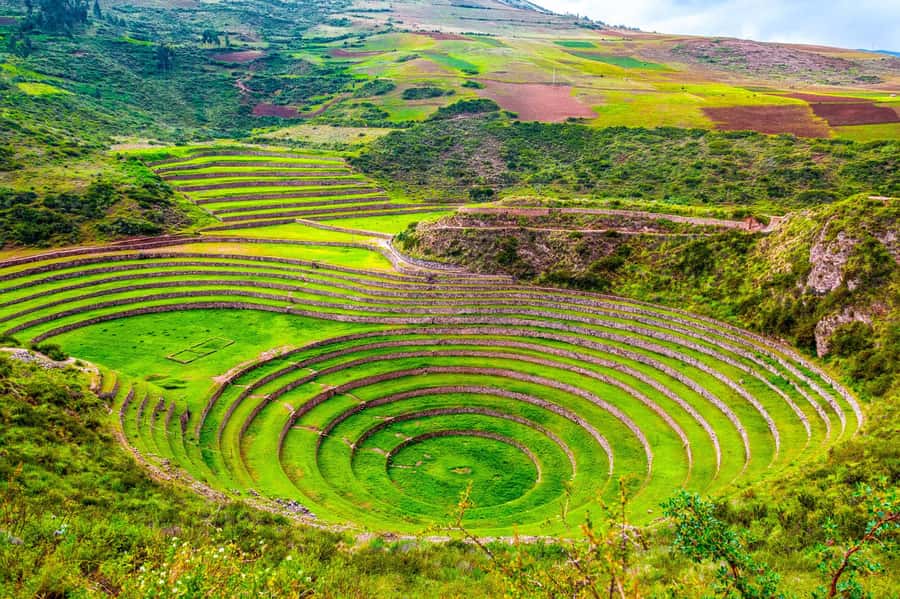
Moray is the headline stop for a reason. You’ll transfer about 1.5 hours by ATV route toward the archaeological site, then spend time there to see the remains of the agricultural terraces.
What makes Moray click is the way the terraces show off the Inca mindset: agriculture engineered into the land. From where you stand, you can spot the layered structure built for experimenting with growing conditions. It’s not just ruins for Instagram. It’s a real system—designed to test how crops respond to different temperatures and exposures.
Spend a little time looking at how the terraces step down. Even if you’re not a history buff, you’ll feel the logic: different levels, different microclimates, different outcomes. And because you got there on an ATV through the Sacred Valley, the ruins feel tied to the surrounding geography, not dropped in like a museum exhibit.
A practical note: Moray can feel like a short stop for people who want to wander more. The timing depends on the day and pacing, but it’s not an all-day deep exploration. If your goal is to linger, you may wish you had more minutes to go further down and view the full expanse from more angles.
Urubamba Mountain Views: the drive is part of the lesson
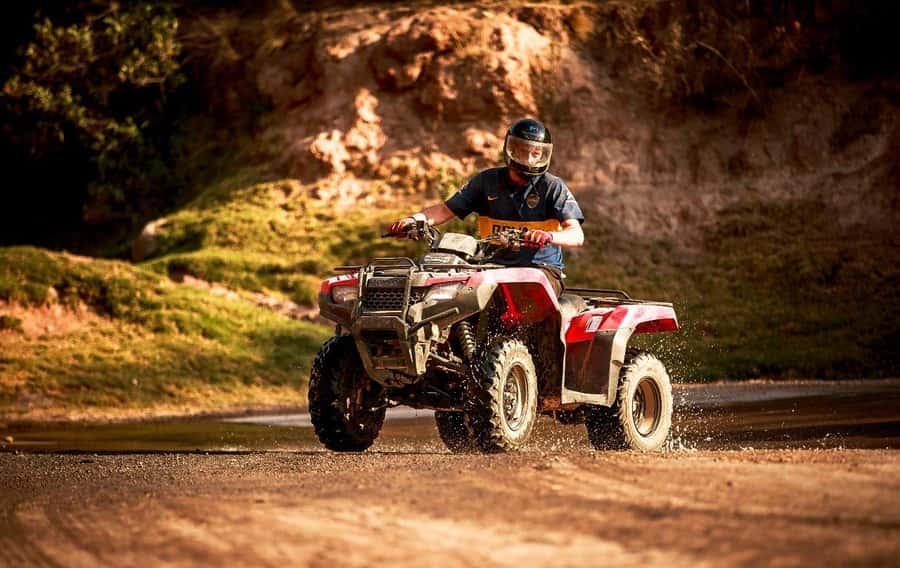
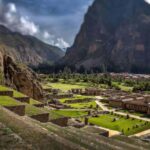
Between Cruz Pata, Moray, and Maras, you get views of the Urubamba Mountain range. This is one of those spots where “scenery” is too small a word. The mountains give you scale. You understand why the Incas built routes and farms where they did, and why the Sacred Valley has been such a magnet for travelers—and food.
Along the way, you’ll be able to appreciate specific peaks the area is known for, including mentions of Verónica and Chicón. The route also tends to pass through villages and rural stretches, so you see more than just official viewpoints.
If you love photography, this part is where your phone (or GoPro) usually becomes your best friend. Some guides are known for helping with framing and timing so you get a few good shots without losing your place in the group. The ATV pace here is meant to be fun, not reckless.
Maras Salt Mines: what you’ll see, where the ATV stops
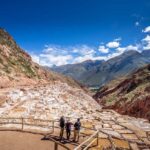
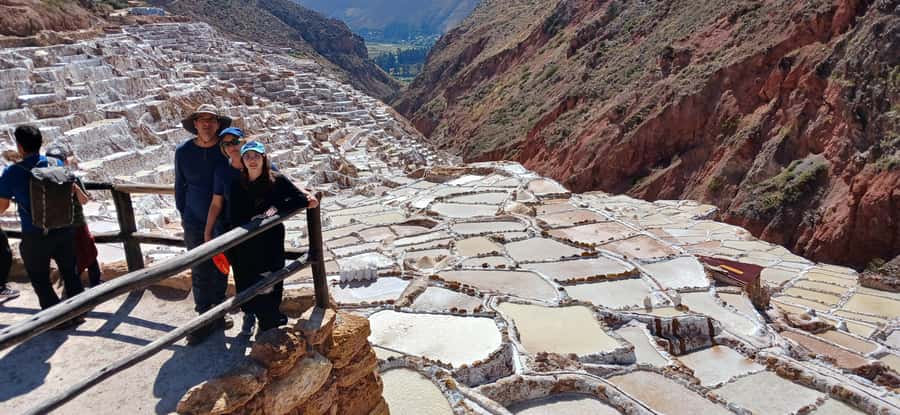
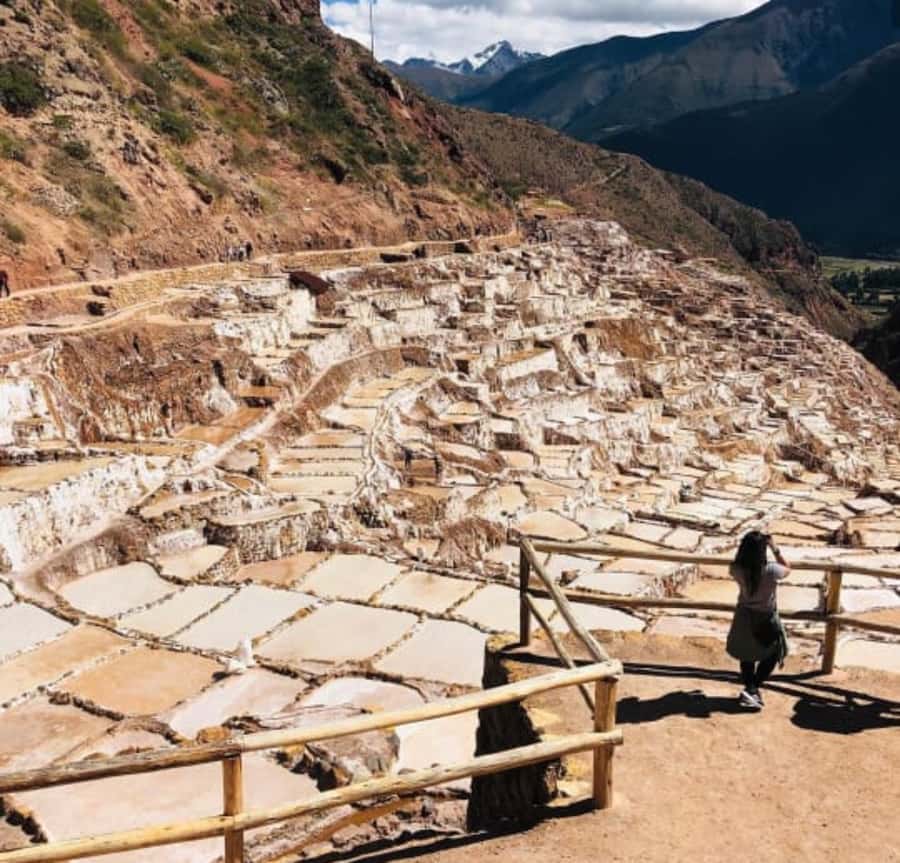
Maras is unforgettable even from a distance. The salt deposits create a grid of small pools that look almost too patterned to be real. Here’s the key detail for planning: ATVs can’t be driven into the salt mines area for passenger safety, so you’ll see the mines outside only.
That doesn’t mean it’s a letdown. Your stop includes viewpoint time for photos, and you can usually walk a bit to get angles over the salt landscape. If you time it right (and if the day’s light cooperates), the mines can look even more dramatic with softer evening sun.
There’s also a chance to buy products made from the local salt. It’s a fun souvenir category because it’s practical. Salt is salt, but the story feels authentic in this setting, and it can become a little reminder you’ll actually use back home.
One more practical point: plan on the salt mines being a bit of a “quick hit.” You won’t be doing a long archaeological wander here like at some big sites. The value is in the views and the way the mines fit into the broader Sacred Valley scenery.
ATV Comfort, Dust, and Photo Moments: what to wear so you don’t suffer
This tour can be a blast, but it has real-world mess built in. The roads are dirt, and you should expect dust. A common tip is to wear clothes you don’t mind getting filthy. Long pants help, and sunglasses are a must if you don’t want sand in your eyes all day.
Here’s my advice for your packing list from the ground up:
- Bring sunglasses and a sun hat
- Use sunscreen and consider rain gear if there’s any chance of showers
- Wear comfortable shoes and plan for them to get dusty
- Use a daypack (not a pile of luggage)
- If you have a GoPro or phone mount, it can help, but don’t treat it like you’re filming while driving
You also choose between ride options. If you pick the single-rider option, you drive the ATV yourself. If you pick the double-rider option, you and a partner share one ATV—one person drives while the other enjoys the ride. For first-timers, the shared ATV can feel less stressful because the driving workload stays on one person, but you’ll give up some control.
Safety wise, you’ll be using provided equipment and following the guide’s rules. You’ll likely feel the guide watching your group and managing pacing. Some guides you might meet—like Joel, Carlos, Edgar, Alex, Floyd, or Willy—are repeatedly described as patient, friendly, and focused on keeping everyone safe while still making the day fun.
One caution I can’t ignore: insurance. In at least one past situation, it wasn’t clear that damage coverage was included in a way that would make everyone feel fully protected. If you’re worried about risk, take comfort in the safety briefings, but still ride sensibly and assume you’re responsible for how careful you are.
You can also read our reviews of more tours and experiences in Cusco


Tickets and Timing: how the $39 tour turns into a full-day budget
The headline price is $39 per person, and for a half-day that includes a guided ATV experience plus transport, that’s strong value. The catch is the entry fees. Tickets to attractions are not included and can add up to about 85 soles per person.
If you like to estimate costs before you arrive, this is the simplest way to think about it:
- Moray often has a higher entrance fee
- Maras salt mines usually have a separate entrance fee
- You’ll want cash on hand because paying on the spot is part of the day
Reviews point out that guides often give the heads-up to bring cash for entrances, and that’s exactly how you should handle it. Counting on card payments can be risky when you’re working with real sites in real locations.
Total value? For the money, you’re paying for the driving experience, the route planning, and the guide’s help. If you just want museum-style history, this might feel less efficient. If you want adventure plus cultural stops—and you’re okay with dust—it’s a good deal.
Also, the tour is listed at 6 hours. It feels like a long half-day in a good way. You’ll spend enough time riding to remember it, plus enough time at Moray and Maras to make those stops matter.
Who should book (and who should skip this ATV day)
This tour is a great fit if you want active sightseeing. It’s also ideal if you like scenic travel where the stops aren’t padded with extra waiting.
You’ll likely enjoy it if:
- you’re comfortable with dirt roads and getting a bit dusty
- you want driving time, not just passive viewing
- you like guided explanations tied to what you’re looking at
You should probably skip it if:
- you’re pregnant
- you have back problems
- you have mobility impairments or need wheelchair access
- you’re traveling with very young children (it’s not for kids under 2 years)
- you hate rides that involve physical bouncing and full-sun exposure
If you’re unsure, choose a single-rider or double-rider option based on your comfort level. And be honest with yourself about dust tolerance. The views are worth it, but only if you can accept the mess.
Should You Book Sacred Valley: Maras & Moray by Quad Bike?
If you want a lively Sacred Valley day where the ruins and salt mines come with real momentum, I’d book this. The value comes from the combination: guided ATV fun, Moray’s engineered terraces, and Maras’ salt pools—all strung together without turning the day into a slow slog.
I’d think twice if you’re budget-tight once ticket fees hit, or if you strongly dislike dust and dirt-road travel. Also remember you’ll see Maras salt mines from the outside because ATVs can’t go into the mines area. If your dream is close-in wandering inside the mines, this tour won’t match that specific wish.
But if your goal is to get iconic Sacred Valley sights plus adrenaline, and you’re ready for practical realities like dust and extra ticket costs, this is a solid pick.