REVIEW · FLORIANOPOLIS
Florianopolis: Walking Tour – History, Art and Gastronomy
Book on GetYourGuide →Operated by The Best of Florianopolis · Bookable on GetYourGuide
A short walk can explain a whole city. This Florianópolis tour connects Brazil’s social and economic formation with visible monuments, street-level stories, and a food-focused finale at the market. You’ll start in the historic center, then move through architecture tied to colonization, enslaved Africans, and the communities that shaped the island.
I also love the practical, people-first vibe. The route is built for an international group, with clear guiding and plenty of chances to snack on local favorites once you’re at the right places. One consideration: food and drinks are not included, so you’ll want a little extra cash for pastéis, coxinhas, sugar cane juice, and local beers.
In This Review
- Key points I’d plan around
- Finding your guide at Café|Bar do Largo d’Alfândega
- Catedral Metropolitana to Palacio Cruz e Sousa: why architecture matters here
- Praça XV de Novembro and Praça Fernando Machado: community stories in public squares
- Indigenous roots, Portuguese arrival, and African history: the 17th-century thread
- Álvaro de Carvalho Theatre and the city’s performance of identity
- Mercado Público de Florianópolis: your best chance to understand everyday life
- Avenida Hercílio Luz and Forte de Santa Bárbara: looking outward from the center
- Bar do Noel: snack energy and the optional beer moment
- The walk back and the Market finale at the finish
- Price and value: is $18 worth 150 minutes?
- Who this walking tour suits best
- Should you book this Florianópolis history, art and gastronomy walk?
- FAQ
- Where is the meeting point for the tour?
- How long is the tour?
- How much does it cost?
- What languages is the live guide available in?
- Are food and drinks included in the price?
- What should I bring for comfort?
- Is the tour wheelchair accessible?
Key points I’d plan around
- Historic center route that turns monuments into real stories, not just photo stops
- Portuguese + African history explained in plain language as you walk the streets
- Cruz e Sousa Palace and major squares where art and community life meet
- Mercado Público time that helps you understand the city through everyday food culture
- Bar do Noel snack break with optional local beer if you want it
Finding your guide at Café|Bar do Largo d’Alfândega
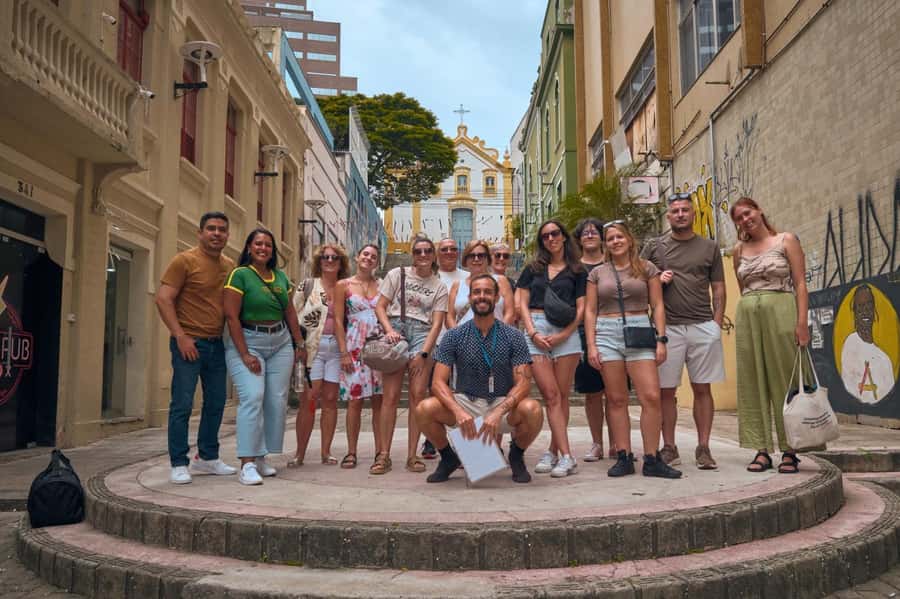
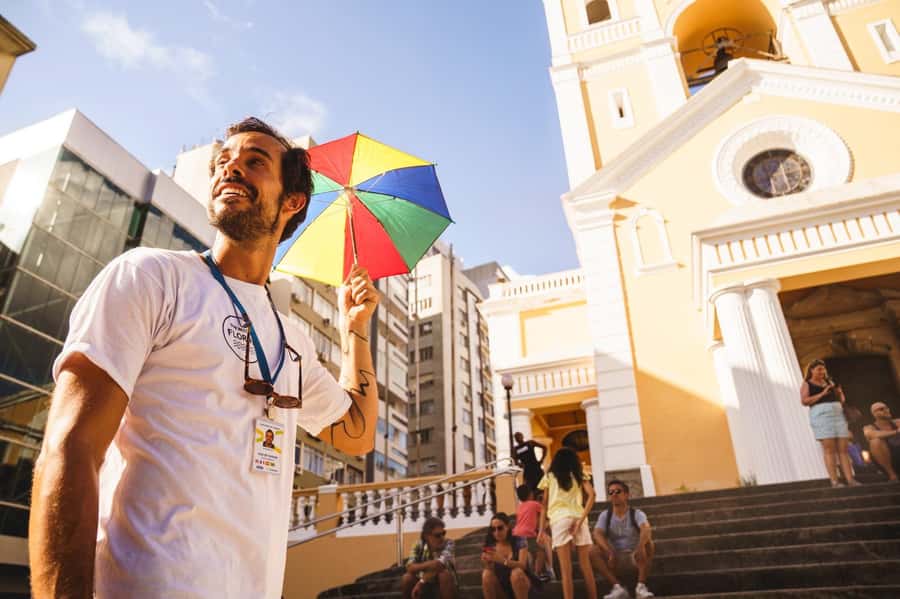
You meet outside Café|Bar do Largo d’Alfândega, which is handy because you can grab a coffee and use the restroom before you start walking. Look for a small colorful umbrella and a guide credential, plus a white T-shirt that reads The Best of Florianopolis so you can spot them fast.
This is the kind of meeting point that makes the whole tour easier. You’re not hunting around a random street corner, and you can settle your stomach first if you’re the type who gets hungry during a walk.
You can also read our reviews of more tours and experiences in Florianopolis.

Catedral Metropolitana to Palacio Cruz e Sousa: why architecture matters here
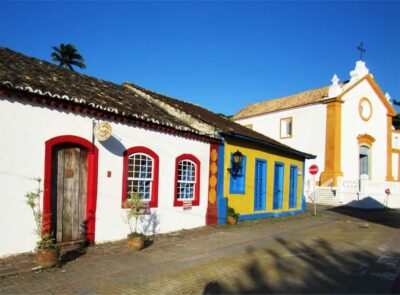
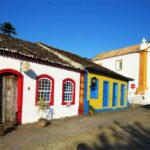
The tour begins at the Catedral Metropolitana de Florianópolis (Nossa Senhora do Desterro e Santa Catarina de Alexandria). You’ll get a guided look at what the cathedral represents in the city’s story, and you’ll likely notice how the historic center uses religious architecture to signal power and identity.
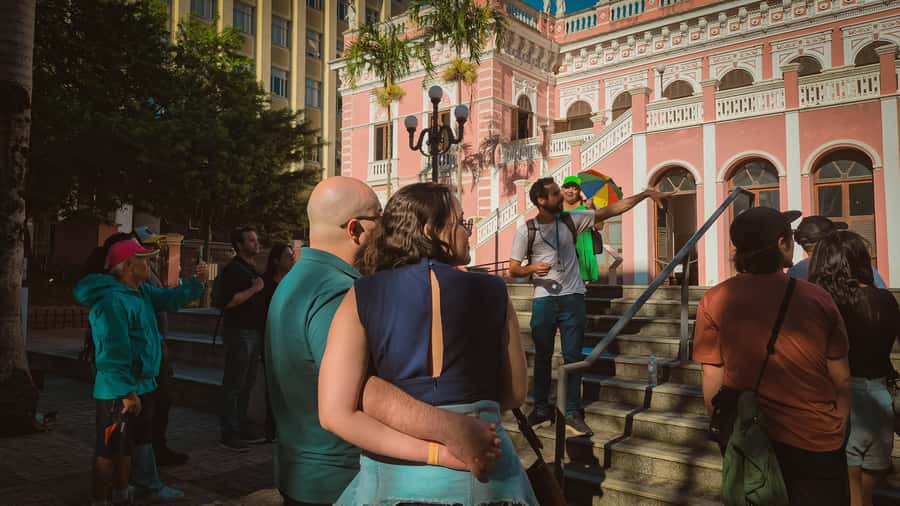
Then you move to Palácio Cruz e Sousa, where the conversation shifts toward art and elite design. This stop is short, but it’s built to show you why the buildings feel the way they do: the city’s layers were shaped by colonization and migration, and the architecture preserves those shifts.
Practical tip: don’t rush photos at these first stops. The guide’s timing is tight, and the explanation helps you “read” what you’re seeing instead of just snapping a pretty facade.
Praça XV de Novembro and Praça Fernando Machado: community stories in public squares
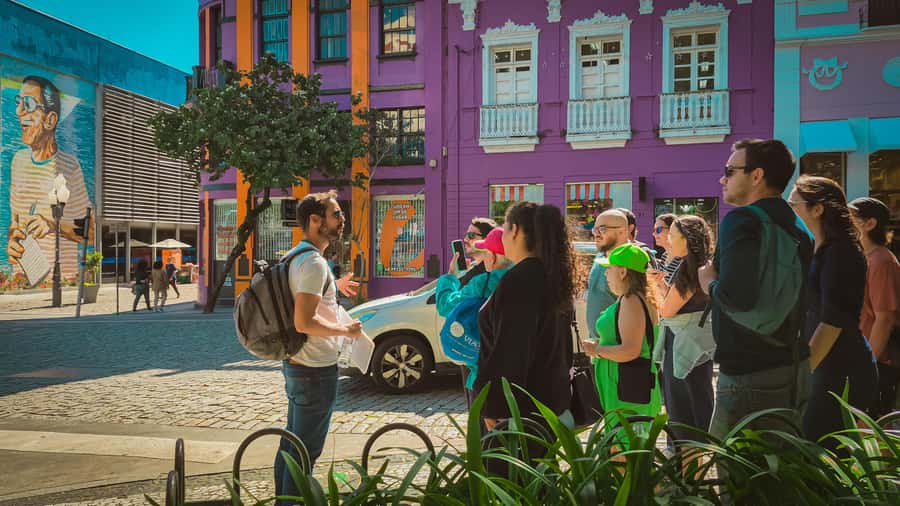
Next comes the city’s square life, starting with Praça XV de Novembro. Squares like this are where everyday Florianópolis happens, but they also show how community power gets expressed in the built environment. The tour uses these spaces to connect broad Brazilian history to what you can actually observe on the ground.
You’ll also pass Praça Fernando Machado, another key square where the guide links the past to present movement and social identity. This is where the tour’s focus on people really shows—because squares aren’t only about monuments. They’re about who gathered, who lived nearby, and how public space shaped belonging.
If you like “city walking” tours that teach you how to interpret streets, these squares are worth paying close attention to. The best part is you’re learning while you walk, not after you’re back at your hotel.
Indigenous roots, Portuguese arrival, and African history: the 17th-century thread
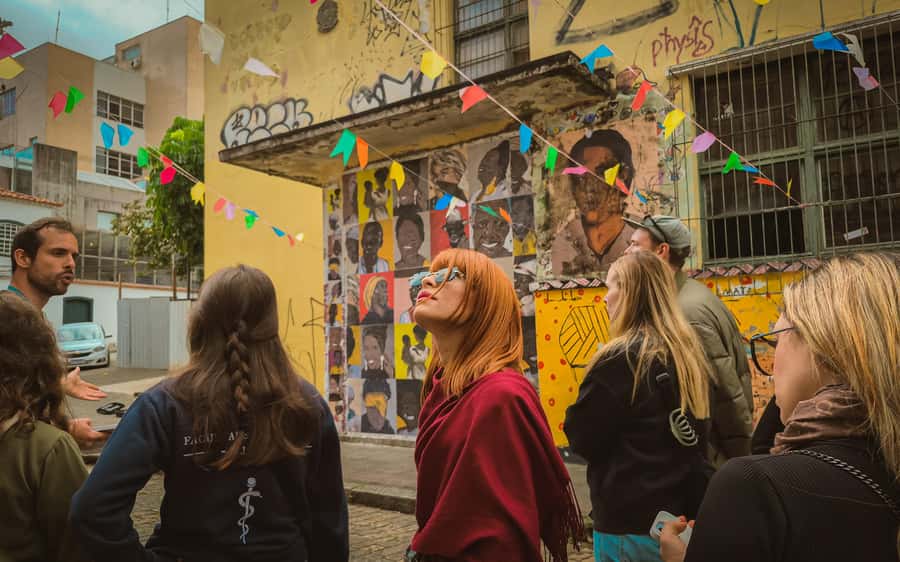
A big reason this tour works is that it doesn’t treat history like a list. As you move through the historic center, you’ll hear about indigenous groups that occupied the island of Santa Catarina, then the arrival of Portuguese colonizers in the 17th century, and the forced arrival of African enslaved people.
That timeline matters because it explains why Florianópolis developed the way it did socially and economically. You start to see how different groups were positioned—who had power, who built the economy, and how communities persisted even when conditions were harsh.
Also, the tour doesn’t skip the phrase Magic Island as a nickname the city uses for itself. You’ll learn who the founders were and how that local identity connects to what came earlier. It’s the kind of context that makes later conversations with locals much easier.
Álvaro de Carvalho Theatre and the city’s performance of identity
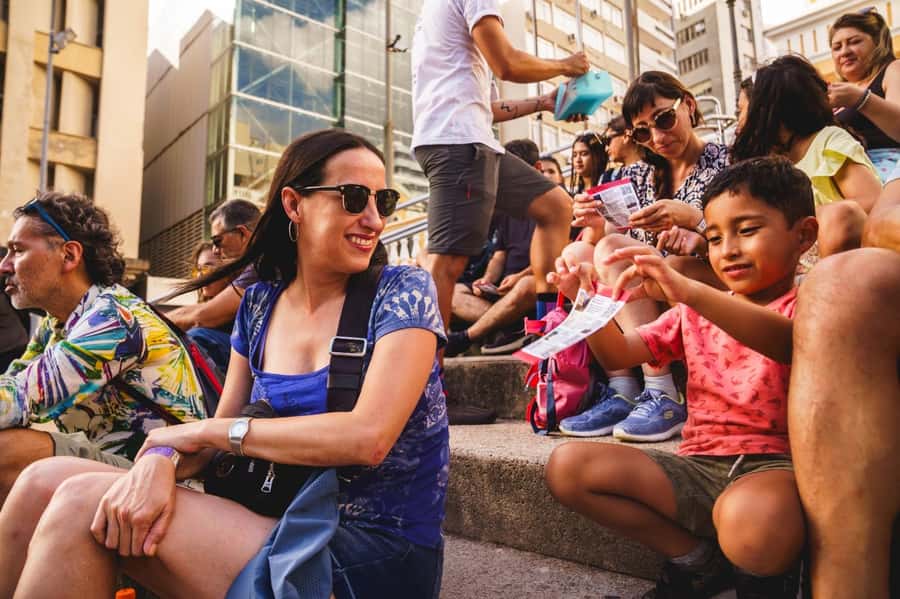
You’ll spend time at the Álvaro de Carvalho Theatre, described as one of the city’s most beautiful monuments. The stop is brief, but it’s a strong one because theatres are cultural signals. They show what a city values enough to build and maintain.
Even if you don’t go to performances, a theatre stop helps you understand what kind of public life the city wanted to create. It’s art as infrastructure—an investment in identity.
If you’re a traveler who likes to mix culture with practical time, this is a good pacing choice: you get meaning without losing too many minutes.



Mercado Público de Florianópolis: your best chance to understand everyday life
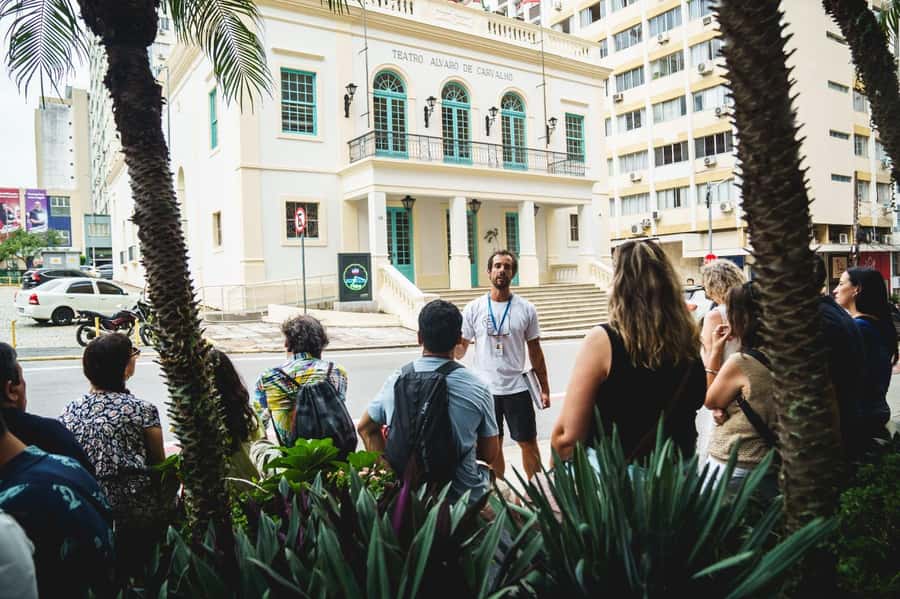
Midway through, you’ll visit the Mercado Público de Florianópolis for about 30 minutes. This is more than a market stop. It’s where history becomes visible in the food culture—how people snack, how vendors do business, and what locals treat as normal.
Since food and drinks are not included, you’ll be in charge of what you buy. That said, this is also where the tour’s gastronomy angle becomes real. Expect options like pastéis and coxinhas, plus sugar cane juice and local beers if you choose to add them.
Budget note: the tour lists a pint price around 4 dollars, so you can plan without guessing. Bring small bills or a card you trust, because markets move fast and you’ll want to keep the flow.
A smart way to use this stop: don’t try to sample everything. Pick one savory item, one drink, and one sweet or snack-y add-on if you still have room. You’ll enjoy it more and still have time to listen to the guide’s pointers.
Avenida Hercílio Luz and Forte de Santa Bárbara: looking outward from the center
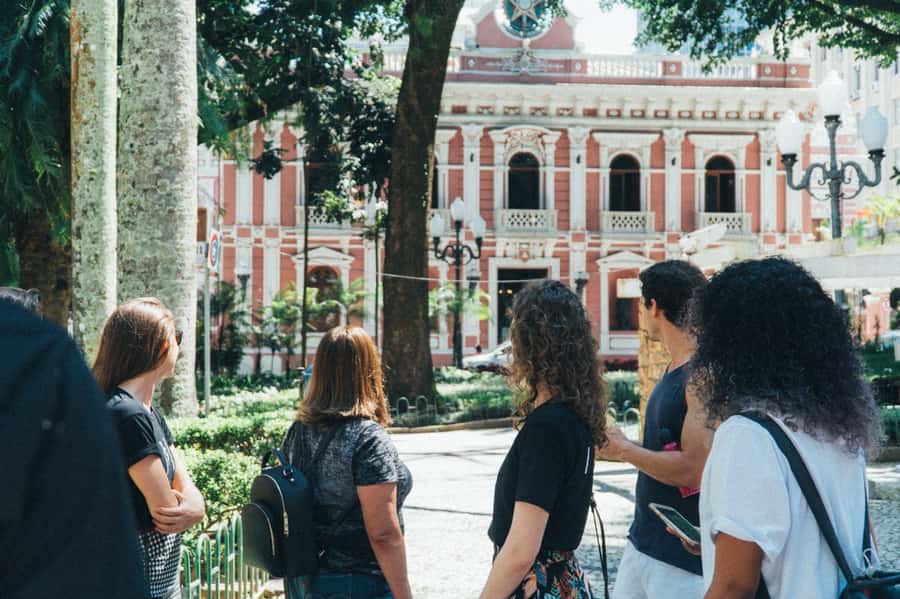
As the walk continues, you’ll pass by Avenida Hercílio Luz, a recognizable part of Florianópolis’s layout. The guide uses this stretch to connect the historic core to the bigger geographic story of the island.
Then comes Forte de Santa Bárbara. A fort stop can feel like a random detour on some tours, but here it fits the narrative—defense and control are part of the city’s evolution, not just a standalone attraction. It’s also one of the better places to slow down and take in views, because forts are designed for distance and sightlines.
Wear shoes you don’t mind getting slightly worn in. You’re walking for around 2 hours total, and this section can include uneven pavement depending on where the group pauses.
Bar do Noel: snack energy and the optional beer moment
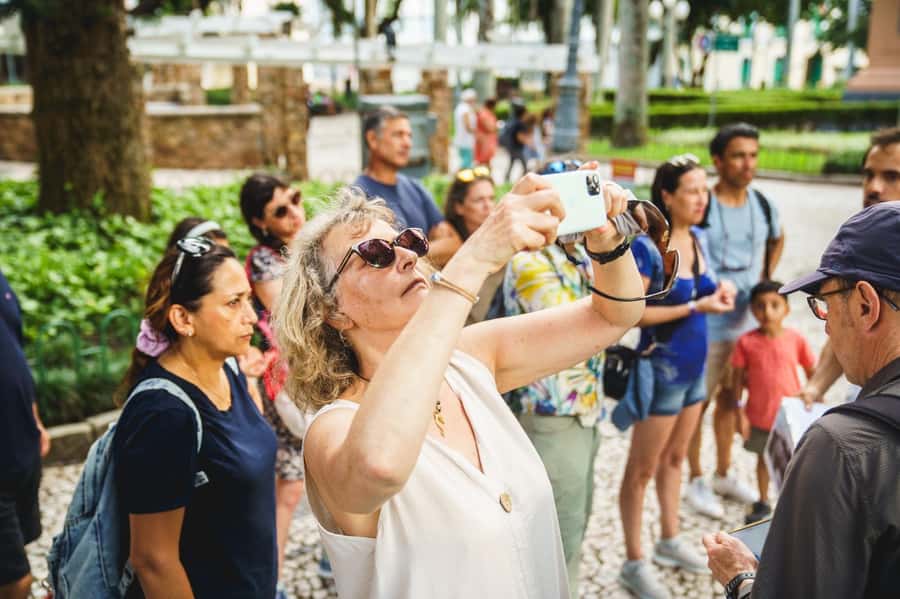
One of the longer stretches on the tour is Bar do Noel (about 40 minutes). This is where the experience shifts from architecture back to food and social time. The tour’s highlights mention local snacks and the fun of meeting people from around the world, and this stop is a natural fit for both.
You’ll have chances to grab things like pastéis, coxinhas, sugar cane juice, and local beers. Alcoholic drinks aren’t included, so treat beer as optional, not expected. If you do order one, the pint price you were given helps you avoid surprises.
What I like about a stop like this is that it breaks up the walking fatigue. After churches, squares, theatres, and forts, it’s refreshing to sit, eat something local, and swap impressions with your group.
The walk back and the Market finale at the finish

The tour ends back at Mercado Público de Florianópolis. That’s a smart choice because you’re not stuck doing all your shopping immediately at the first market visit. You can come back with a clearer sense of what you liked, what you want to repeat, and what you want to take home later.
You’ll also get a surprise at the market during the experience, plus suggestions for what to do after the tour. The guide may even join you at one of the city’s best bars, depending on the vibe and timing. Either way, you’ll leave with a short list of where to go next instead of guessing.
If you have limited time in Florianópolis, this matters. A good walking tour doesn’t just teach. It helps you make your next decisions.
Price and value: is $18 worth 150 minutes?
At about $18 per person for roughly 2 hours (150 minutes), this tour sits in the affordable range for a guided walking experience. What makes it feel like good value is the combination: history + art + city identity, plus real opportunities to eat local snacks.
A key value point: you’re not paying for included meals that inflate the price. Food and drinks are on you, but the guide sets you up at places where the local food culture is easy to access. If you’re the type who likes to taste a little but not go all-in, this setup is ideal.
You also get rain coats if weather turns and a city map with local recommendations. Those small extras matter more than they sound, especially in a coastal city where plans can change fast.
If you’re traveling solo, the international-group energy is a bonus. If you’re traveling with friends, it’s still structured enough that everyone stays engaged.
Who this walking tour suits best
This is a great fit if you:
- Want a first-time Florianópolis overview that ties streets to social history
- Like walking tours with both monuments and lived-in food stops
- Prefer a guide who gives context in English, Portuguese, or Spanish so you can actually follow along
- Enjoy meeting people along the way, especially during a sit-down snack stop
It’s also a good choice if you’re into fairness in storytelling. The route explicitly covers indigenous occupancy, Portuguese colonization, and African enslaved history, plus landmarks important to the black community in Florianópolis.
If you want a pure museum day with minimal walking, this might be a mismatch. This tour is made for people who like moving at a comfortable pace and learning as they go.
Should you book this Florianópolis history, art and gastronomy walk?
My take: book it if you want a guided introduction that connects what you see to why it exists. The mix of cathedral and palace, squares and theatre, fort views and a market finish gives you a strong mental map of the city in just about two hours.
Skip it only if you hate walking, or if you’re expecting the price to include full meals. Since food and drinks aren’t included, you’ll need to budget for snacks and optional beer.
If your goal is to understand Florianópolis fast, eat local while you learn, and walk away with a shortlist of what to do next, this is the kind of tour that actually pays off.
FAQ
Where is the meeting point for the tour?
You’ll meet outside Café|Bar do Largo d’Alfândega. You can grab coffee and use the restroom there before the tour starts.
How long is the tour?
The duration is about 2 hours, or around 150 minutes.
How much does it cost?
The price is $18 per person.
What languages is the live guide available in?
The live tour guide offers English, Portuguese, and Spanish.
Are food and drinks included in the price?
Food and drinks are not included. The tour highlights local snacks and beverages, but you’ll pay for them yourself.
What should I bring for comfort?
Wear comfortable shoes since you’ll walk for around 2 hours.
Is the tour wheelchair accessible?
Yes, the tour is wheelchair accessible.