REVIEW · BOGOTA
Bogotá City Tour with Monserrate, Gold and Botero Museums
Book on GetYourGuide →Operated by Gran Colombia Tours · Bookable on GetYourGuide
Monserrate changes how you see Bogotá. This private tour strings together colonial downtown landmarks, museums, and big viewpoints, with guides like Sarah and Nataly using clear stories to connect the city’s past and present. I like that you get a real lesson on modern Colombian history, not just photo stops.
My favorite part is the mix: you’ll taste chicha, fresh fruit, and natural juices, then end with a cup of Colombian coffee and local barista-style guidance. I also love how the museum time is planned so you don’t just wander—you leave with context, like guides who’ve highlighted standout Gold Museum rooms and Botero pieces.
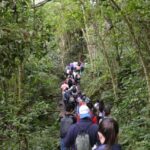
The main drawback is simple: it’s a walking tour, rain or shine, and it’s not set up for wheelchair users or people with mobility limits. If your legs don’t like 5–7 hours on cobblestones, you’ll feel it.
In This Review
- Key highlights you’ll actually feel
- A Colonial Center That Walks You Through Time
- Chicha, Fruit Juices, and Coffee: The Tasting Stops That Make It Real
- Plaza de Bolívar and the Conflict-to-Peace Connection
- Botero Museum: Art That Lands Because You Have Context
- Museo del Oro: Metalwork Before the Spanish Shows Up
- Monserrate by Cable Car: The Best View of Bogotá’s Valley
- Price and Logistics: How to Get the Most for $65
- Who This Tour Is For (and Who Should Skip It)
- Should You Book This Bogotá Contrasts Tour?
- FAQ
- How long is the Bogotá city tour with Monserrate?
- Does the tour include hotel pickup and drop-off?
- Is Monserrate cable car transportation included?
- Are the Gold Museum and Botero Museum entries included?
- What happens if the Gold Museum or Botero Museum is closed?
- What should I bring, and what’s not allowed?
- Is the tour suitable for wheelchair users or limited mobility?
Key highlights you’ll actually feel
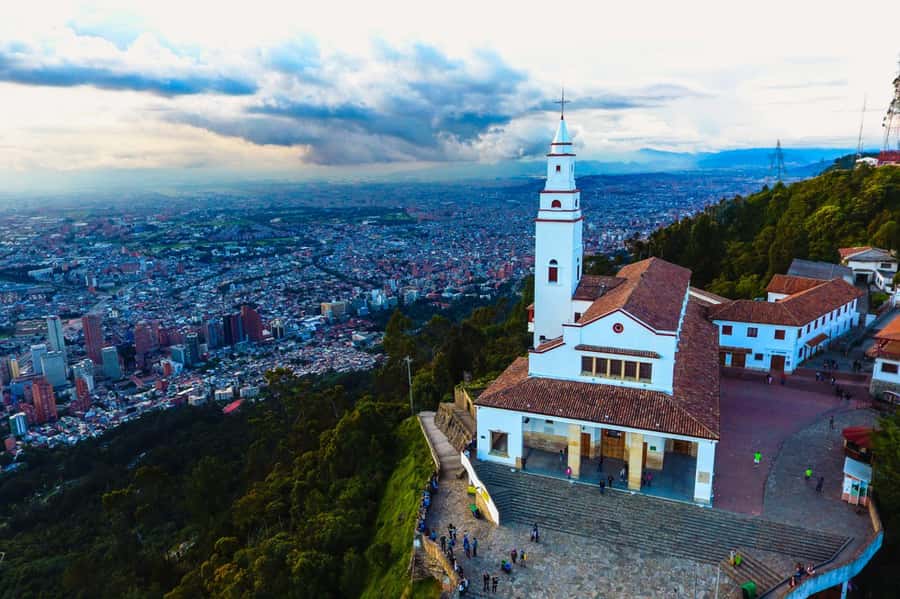
- Cable car round-trip to Monserrate for wide valley views and the Basilica of Monserrate
- Museum time with context at the Gold Museum and Museo Botero (when selected)
- Food-and-drink tasting: chicha, fruit and natural juices, plus coffee
- Downtown history lesson linking Plaza de Bolívar to conflict and the peace process
- La Candelaria walking route with stops like Chorro de Quevedo and colonial-era architecture
A Colonial Center That Walks You Through Time
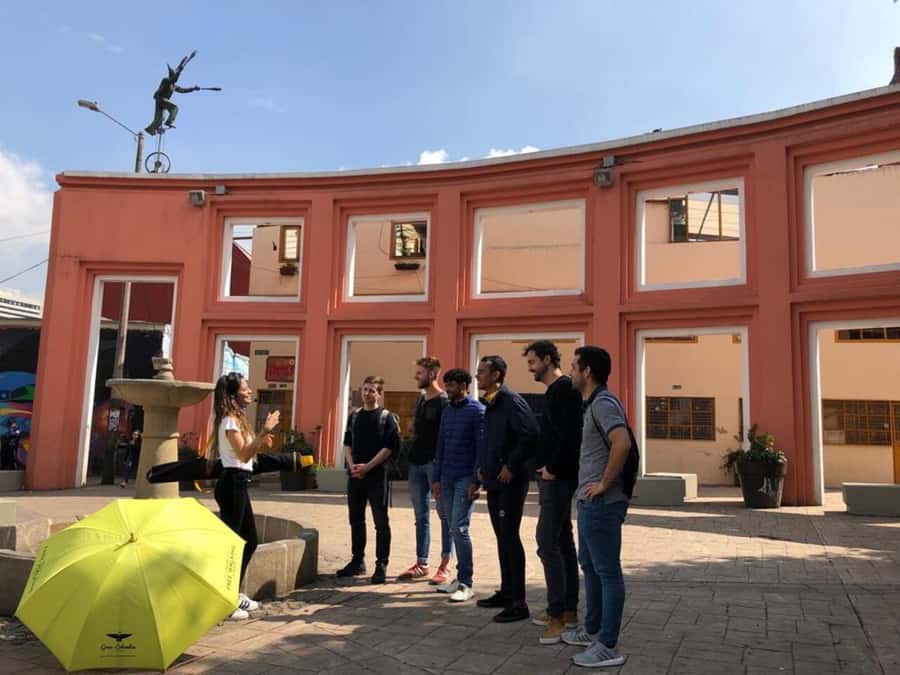
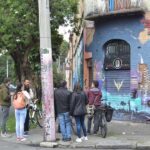
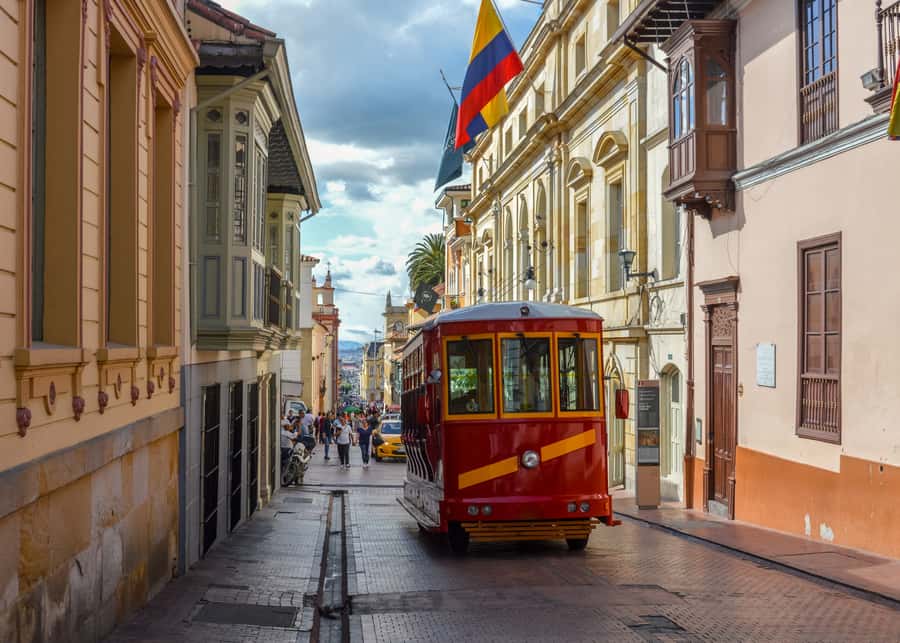
Bogotá’s downtown hits different when you walk it slowly. You move through cobblestoned streets wrapped in colonial buildings, and you’re not just looking at facades—you’re getting the story behind them. The tour anchors early on at Chorro de Quevedo, where the guide frames the shift from indigenous roots to Spanish colonization in a way that makes the city feel less random.
La Candelaria is the other big piece here: expect a guided walk through a historic neighborhood where streets, plazas, and architecture help you “read” the city. This is one of those sections where a good guide matters. Guides like Camilo, Rodrigo, and José have a knack for keeping the pace human, so you don’t feel rushed between sights.
One practical benefit: by the time you reach the formal civic core, you’ll understand what you’re seeing. You’ll connect buildings and squares to the national story, instead of treating them as separate checkpoints.
You can also read our reviews of more city tours in Bogota

Chicha, Fruit Juices, and Coffee: The Tasting Stops That Make It Real
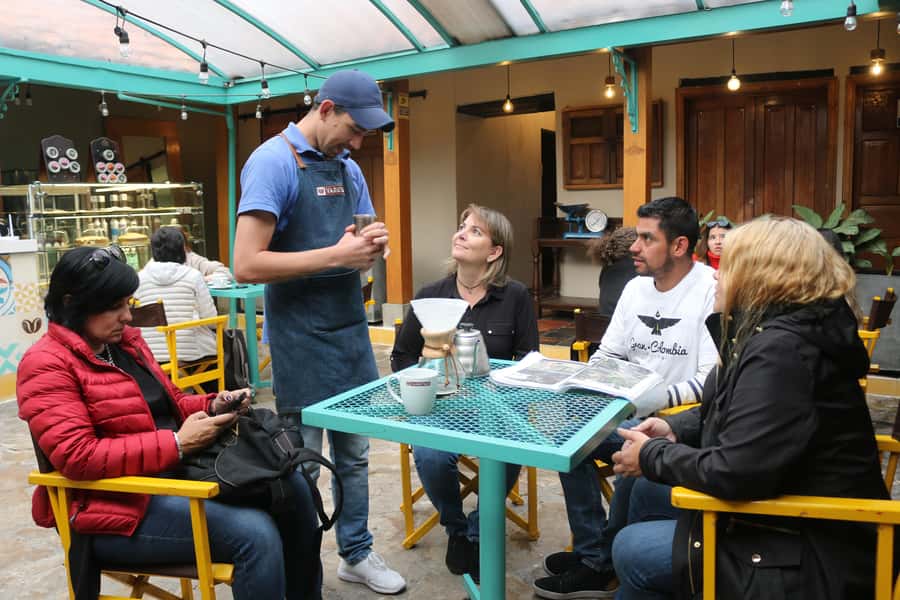
Food is a language in Bogotá, and this tour uses it well. Early on you’ll taste chicha, described as an ancestral corn-based fermented drink. Even if you’ve never had it before, you’ll get enough context to know what to pay attention to—more than just a sip, it’s a cultural marker.
Then comes the flavor parade: fruit and natural juices. Some days, guides put extra care into the tastings, like making sure you leave with a favorite you can later find on your own. In the reviews, people kept calling out the fruit tasting—so for you, that means it’s not an afterthought. It’s built in.
The coffee stop is also worth timing. You’ll end with a cup of Colombian coffee and a friendly explanation of the basics—how to think about it, what to notice, and how to order confidently later. It’s a nice contrast to Monserrate’s big scale: you go from mountain views back to everyday Bogotá.
Tip for you: if you’re sensitive to unfamiliar fermented drinks, say so up front. The tour includes the tasting, but a good guide will help you manage what you’re comfortable sampling.
Plaza de Bolívar and the Conflict-to-Peace Connection
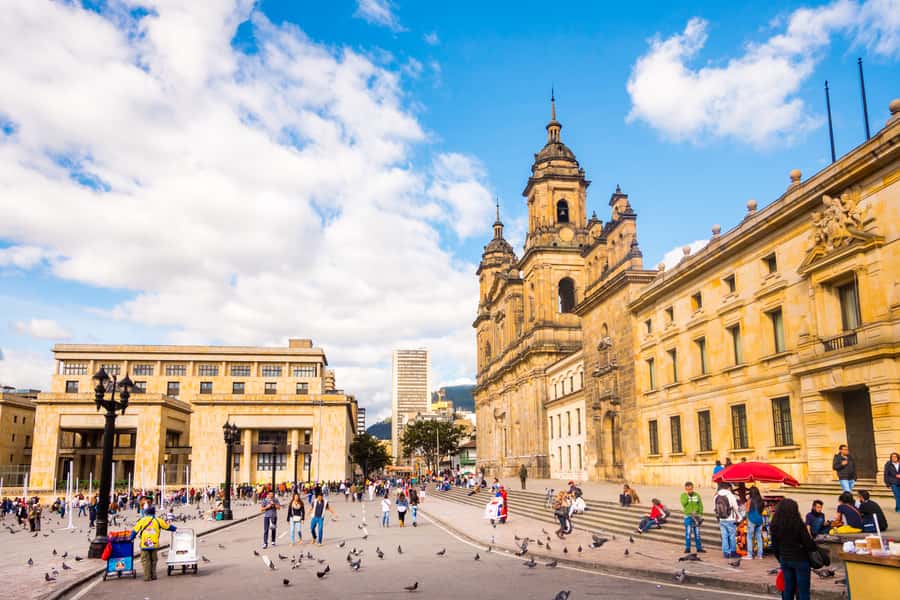
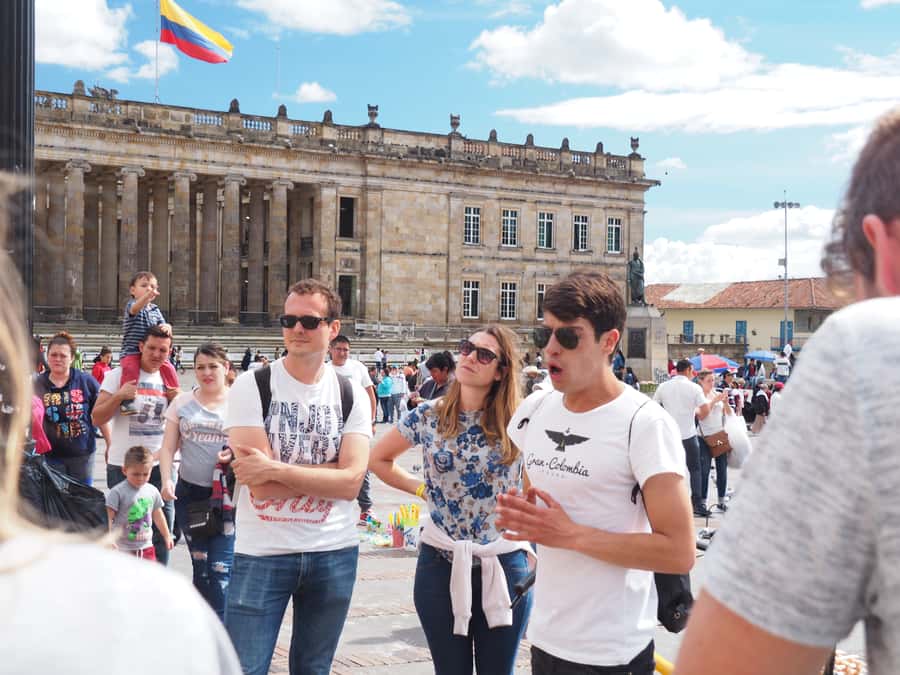
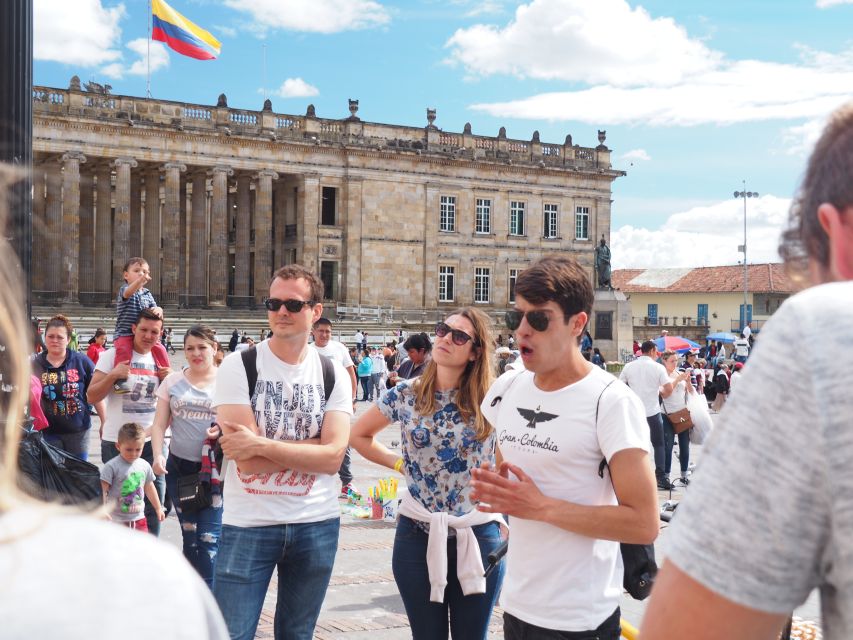
This is where the tour stops being “pretty sightseeing” and turns into meaning. Around Plaza de Bolívar, you’ll learn how politics, conflict, and today’s peace efforts connect. The guide ties the national challenges to the buildings that surround the square—the kinds of structures where decisions get made and where Colombia’s modern story keeps unfolding.
You’ll see key civic landmarks in the area, including the Palace of Justice, the National Capitol, the Town Hall, the Presidential Palace, and the city’s Primary Cathedral. This matters because these aren’t just architectural highlights. They’re political gravity. Understanding that helps you look up at those facades with more than curiosity.
One more detail that makes this section work: the guide doesn’t just recite dates. They explain the relationship between the state, armed conflict, and the peace agreement that has already been signed. That turns a square you might otherwise breeze through into a place you remember.
Botero Museum: Art That Lands Because You Have Context
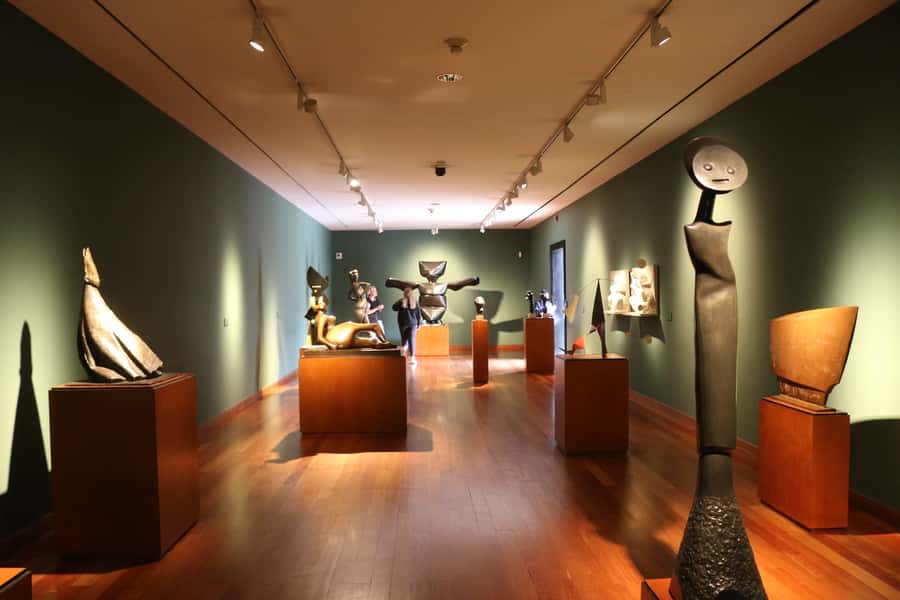
Museo Botero is a great choice for a day like this because it’s expressive but not intimidating. You’ll visit with a guided introduction to the collection, and that guidance changes the experience. Instead of trying to read the art alone, you get the why behind what you’re looking at.
Botero’s work connects easily to national identity and to how Colombia sees itself. Your guide also tends to steer your attention toward the most compelling pieces and themes, which helps on a time-limited schedule. In feedback, people often mentioned the way guides shaped the visit so the museum time felt purposeful, not like a long indoor detour.
A practical heads-up: the Botero Museum is closed on Tuesdays. If your day falls on a Tuesday, your guide will provide options for another museum. That flexibility is worth it because you don’t lose the museum portion of your day—you just swap it.
If you want one museum that gives you a strong “Colombia through art” signal without needing deep museum training, this is it.
Museo del Oro: Metalwork Before the Spanish Shows Up
The Gold Museum is one of Bogotá’s best “stop and stare” places. You’ll see metalwork made before the Spanish arrival, which turns “gold” from a shiny word into a story about skills, trade, ritual, and identity. The guide helps you understand what you’re looking at, including what makes specific pieces important.
This museum also works well after downtown history. By the time you reach the Gold Museum, you’ve already heard about the city’s transitions and the broader historical shifts. That context makes the pre-Columbian artifacts feel less like museum objects and more like evidence of sophisticated cultures with their own logic and technology.
In reviews, people highlighted how guides selected the best floors and explained standout items, so you’re less likely to get lost or stuck staring at the wrong rooms. For you, that means better value for the time you spend inside.
Closures matter here too: the Gold Museum is closed on Mondays. Again, your guide will offer options for another museum if your schedule hits that day. So you won’t arrive expecting one thing and then watch your plan collapse.
You can also read our reviews of more museum experiences in Bogota

Monserrate by Cable Car: The Best View of Bogotá’s Valley
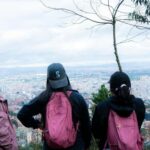
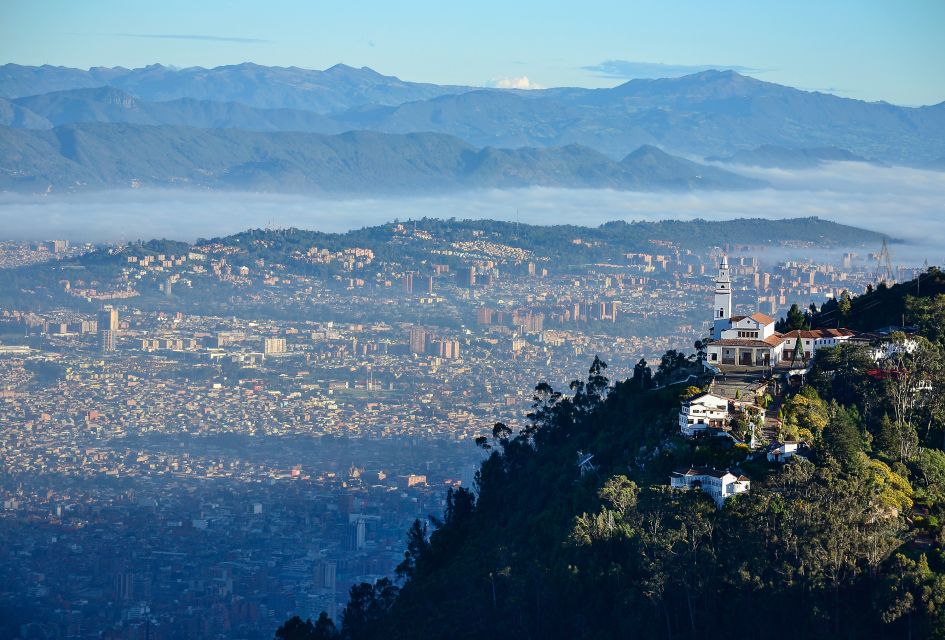
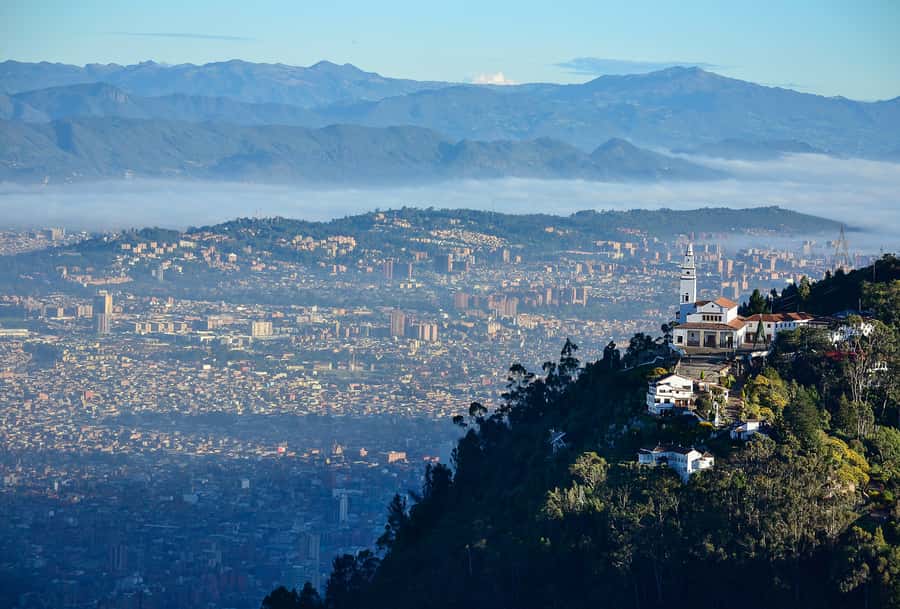
Then you reach the part that makes people book this tour in the first place: Monserrate. You’ll take the cable car up and enjoy broad views over Bogotá. The guide helps you orient yourself so it’s not just pretty skyline. You’ll get the “how the city stretches” perspective, including the whole length of the valley from the vantage point.
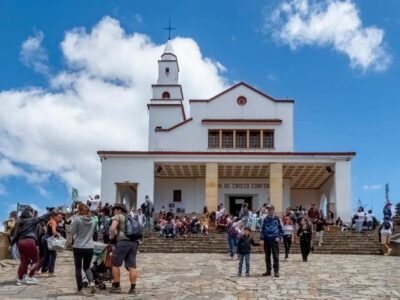
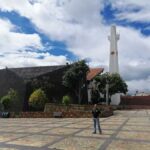
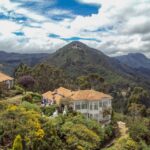
On Monserrate you’ll also visit the Basilica of Monserrate. That stop adds another layer: it’s not only sightseeing. It’s why locals still care about this place—religious, cultural, and personal for many people. Even if you’re not making a pilgrimage, it’s a powerful checkpoint because it shows Bogotá’s everyday devotion in a setting most visitors only see from below.
Weather plays a big role here, and the tour runs rain or shine. On a clear day, Monserrate is stunning. On a rainy day, views may be lighter, but the visit still has value because the church area and viewpoints still give you a sense of scale.
One more practical note from my perspective: plan for altitude and slow walking. Bogotá sits high, and Monserrate’s elevation can feel extra intense for some people. Go easy, take breaks, and sip water.
Price and Logistics: How to Get the Most for $65
At $65 per person for a 5–7 hour private tour, you’re paying for more than movement between sights. You’re getting hotel pickup and drop-off within Bogotá, a live guide in English or Spanish, cable car two-way tickets to Monserrate, plus entry to the Gold Museum and Botero Museum when chosen. You also get chicha, fruit and juice tasting, and coffee tasting, along with all-risks insurance.
Is it a bargain? For what’s included, it’s competitive—especially because you avoid planning and ticket gaps for the hardest part (Monserrate) and because the museums come with guided framing. Where you need to be honest is your own energy level. This tour is built around walking, and the time adds up fast.
You can choose your duration:
- 7 hours if you want Monserrate plus both museums
- 5 hours if you want Monserrate only
For you, the best choice depends on your travel style. If this is your first day or you have a limited stay, do the longer option for the full “contrasts” feel. If you’re visiting for a short layover or you know you can’t handle museum time plus mountain plus downtown, the 5-hour Monserrate version is the clean win.
Two rules to remember:
- Bring comfortable shoes.
- Don’t bring luggage or large bags.
Who This Tour Is For (and Who Should Skip It)
This tour is ideal if you want a structured, guided overview without the stress of researching each stop. It’s also great if you like food experiences tied to culture, not just eating for calories. The tasting stops—chicha, fruit and natural juices, plus coffee—turn the day into something memorable.
It also suits history-minded travelers who don’t want a lecture. The guide’s strength is connecting landmarks to how Colombia got from conflict to the peace agreement already signed, and then showing what that means in the civic center you’re walking past.
Skip it if:
- You use a wheelchair or have mobility impairments. The tour isn’t suitable.
- You strongly dislike long walking days on uneven surfaces.
If you’re traveling with a friend, this private setup can feel extra comfortable. Some guests have even had one-on-one days, which is perfect if you want to ask lots of questions and set a pace that fits your body.
Should You Book This Bogotá Contrasts Tour?
My take: if you want a single day that connects Bogotá’s colonial roots, modern political context, and standout experiences like Monserrate and two major museums, this tour is a strong pick. The value isn’t just the sights—it’s the way the guide ties them together, plus the food and coffee stops that make the city feel lived-in.
Book it when you’re ready for walking and you want direction. Pass or modify your plan when you need minimal time on cobblestones or you can’t do a full day outside.
If you’re on the fence, choose the shorter version (Monserrate only) if you want the view and the basilica without exhausting museum time. If you have the stamina, take the full 7-hour day for the cleanest first-timer picture of Bogotá.
FAQ
How long is the Bogotá city tour with Monserrate?
The duration is typically 5 to 7 hours, depending on whether you choose Monserrate only or Monserrate plus the Gold and Botero museums.
Does the tour include hotel pickup and drop-off?
Yes. Pickup and drop-off are included, with pickup available from anywhere within Bogotá city.
Is Monserrate cable car transportation included?
Yes. The tour includes cable car two-way tickets to Monserrate.
Are the Gold Museum and Botero Museum entries included?
Entry to the Gold Museum and Botero Museum is included if you choose those museum visits as part of your selected duration.
What happens if the Gold Museum or Botero Museum is closed?
The Gold Museum is closed on Mondays, and the Botero Museum is closed on Tuesdays. Your guide will provide options for another museum if either is closed.
What should I bring, and what’s not allowed?
Bring comfortable shoes. Luggage or large bags are not allowed.
Is the tour suitable for wheelchair users or limited mobility?
No. It isn’t suitable for people with mobility impairments or wheelchair users.
If you’d like, tell me your travel dates and whether it’s 5 or 7 hours for you, and I’ll help you sanity-check the museum-day closures and plan the pacing.