REVIEW · CUSCO
Cusco: Maras and Moray Tour ending in Ollantaytambo
Book on GetYourGuide →Operated by PVTravel · Bookable on GetYourGuide
Some days in the Andes feel timed like a rhythm. This Cusco Sacred Valley half-day strings together Moray, Maras salt ponds, and Ollantaytambo in a way that’s efficient, scenic, and very Inca-meets-Peru.
I like how the morning starts early enough to see the best light on the countryside, then flips from the “agricultural science” vibe of Moray to the bright geometry of the salt pools in Maras. I also like that you get a buffet lunch in Urubamba, so you’re not scrambling for food right before the ruins. The main drawback to plan for is pace: it can feel a bit quick, and photo time can depend on how your guide keeps things moving.
You’ll be picked up around 6:30am, and you’ll end in Ollantaytambo around 3pm at the Plaza de Armas, which is great if your train is scheduled after 3pm—but it also means you’ll want to keep your afternoon flexible.
In This Review
- Key things you’ll notice on this tour
- How This Cusco Sacred Valley Combo Makes Sense
- The 6:30am Pickup and the 3pm Ollantaytambo Exit Plan
- Moray: Inca Agricultural Terraces Built Into Sinkholes
- Maras Salt Mines: More Than 3,000 Pools That Still Work
- Lunch in Urubamba: A Real Break (and Why It Helps)
- Driving the Urubamba River to Ollantaytambo
- Ollantaytambo Ruins: Inca Rock Shapes and Wiracocha
- Tickets, Entrance Fees, and Realistic Budgeting
- Group Size, Pace, and Photo Time: Set Your Expectations
- Who This Tour Is Perfect For
- Should You Book This Cusco Maras and Moray Tour Ending in Ollantaytambo?
- FAQ
- What’s the duration of the Cusco Maras and Moray tour ending in Ollantaytambo?
- What time is pickup in Cusco?
- Where do I get dropped off at the end of the tour?
- What time does the tour end?
- Is lunch included?
- Do I need to pay for tickets or entrances separately?
- How big is the group?
- What should I bring, and is the tour wheelchair-friendly?
Key things you’ll notice on this tour
- Morning start from Cusco: Early pickup keeps the day from turning into a slow drive-and-wait session
- Moray’s circular terraces: Sinkhole agriculture that looks like a built-in amphitheater
- Maras salt ponds: Over 3,000 pools spread across the hillside, still working today
- Urubamba lunch: Buffet-style fuel included before you hit Ollantaytambo
- Ollantaytambo drop-off: Ends at Plaza de Armas for onward plans and trains
- Small group up to 15: Easy to hear the bilingual guide without feeling lost in a crowd
How This Cusco Sacred Valley Combo Makes Sense
If you only have a few hours and you want the Sacred Valley highlights without overthinking it, this tour is built for you. You’re not just hitting one “big” sight—you’re moving through three very different landscapes that still connect to how the Incas managed food, water, and sacred spaces.
What I find smart here is the progression. You start with Moray’s agricultural terraces, shift to Maras where salt production still runs, then finish with Ollantaytambo’s ruins and the feel of an Inca stronghold. By the time you reach the last stop, the day makes a lot more sense, instead of feeling like you’re hopping between unrelated photo stops.
You can also read our reviews of more tours and experiences in Cusco.

The 6:30am Pickup and the 3pm Ollantaytambo Exit Plan
This tour runs about 6 hours, with pickup from your Cusco accommodation around 6:30am. That early start matters in the Andes. You’ll avoid the slow start of late mornings and you’ll usually have better conditions for photos before the day warms up.
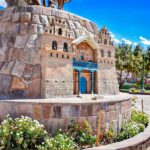
You’ll finish around 3pm, and the drop-off is at Ollantaytambo’s main square (Plaza de Armas). If you’re going to Machu Picchu by train, this detail is huge: your train must be after 3pm so you can visit normally and still get to the station with time to breathe.
A practical heads-up: some travelers have found pickup timing confusing or slower than expected. I’d treat the 6:30am pickup as a target, not a guarantee, and plan to be ready a little earlier than you think—especially if you’re meeting from a hotel where timing can get miscommunicated.
Moray: Inca Agricultural Terraces Built Into Sinkholes
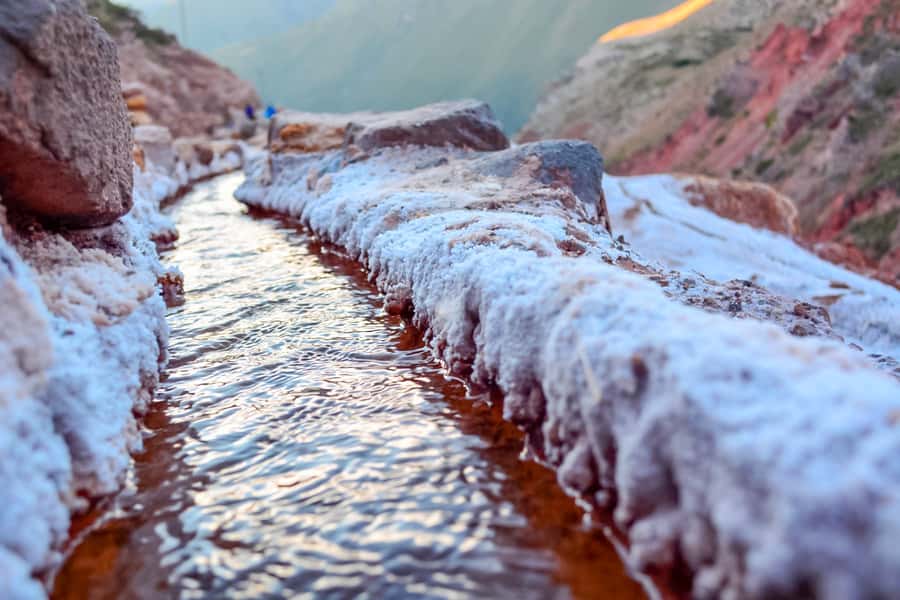
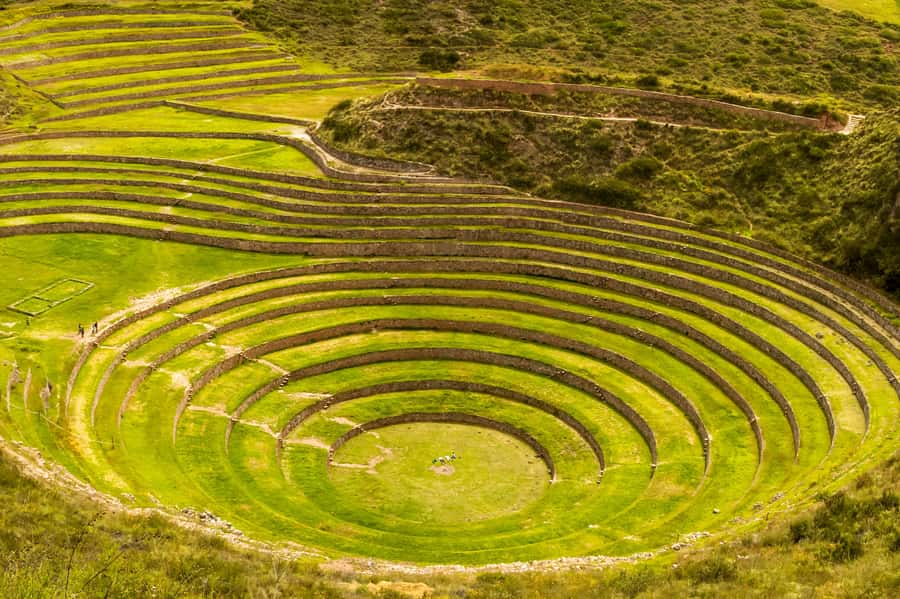
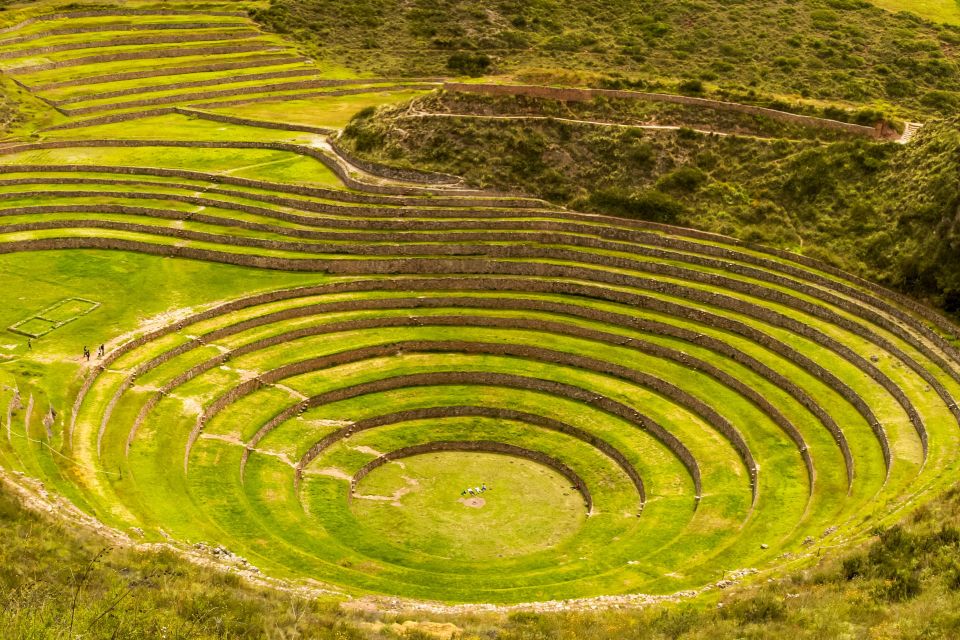
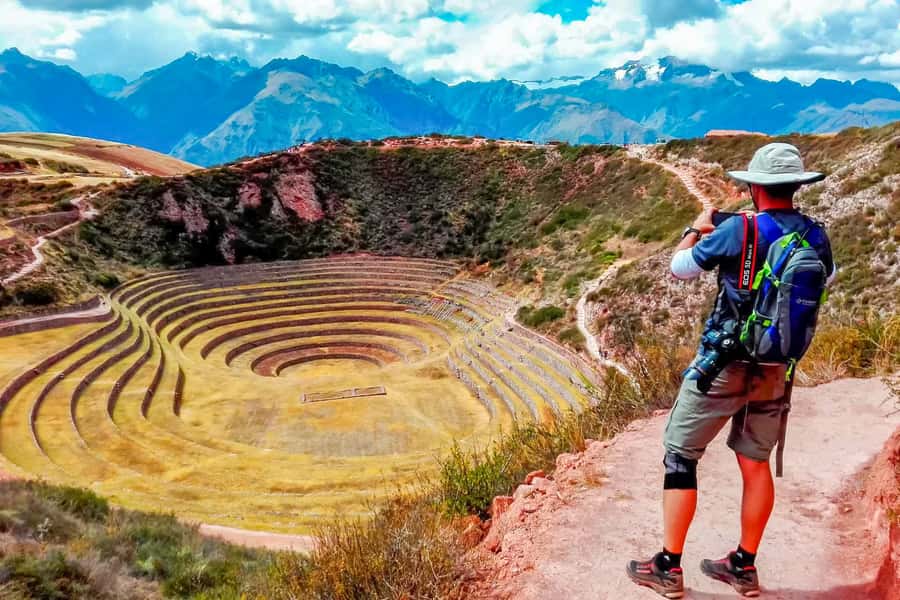
The first major stop is Moray, an archaeological site about 50 km northwest of Cusco. Moray is famous for its circular terraces set into natural sinkholes on a limestone plateau above the Urubamba Valley. The overall look is otherworldly: like someone designed a giant set of amphitheater steps for plants.
Here’s what I love about Moray’s impact: you can actually see how the Incas might have played with microclimates. Even if you don’t know the technical story, the structure makes the concept feel logical—temperature and exposure can vary within that bowl-shaped layout.
The explanation is also honest about what we don’t fully know. The terraces may have had cosmological meaning, but their exact purpose beyond agriculture remains unclear. For you, that means the best way to enjoy Moray is to treat it like a place where engineering and ritual overlap—then let the details click as you look.
Practical tip: wear comfortable shoes. Some areas can be uneven, and you’ll be walking on slopes at elevation where your legs might feel it more than you expect.
Maras Salt Mines: More Than 3,000 Pools That Still Work
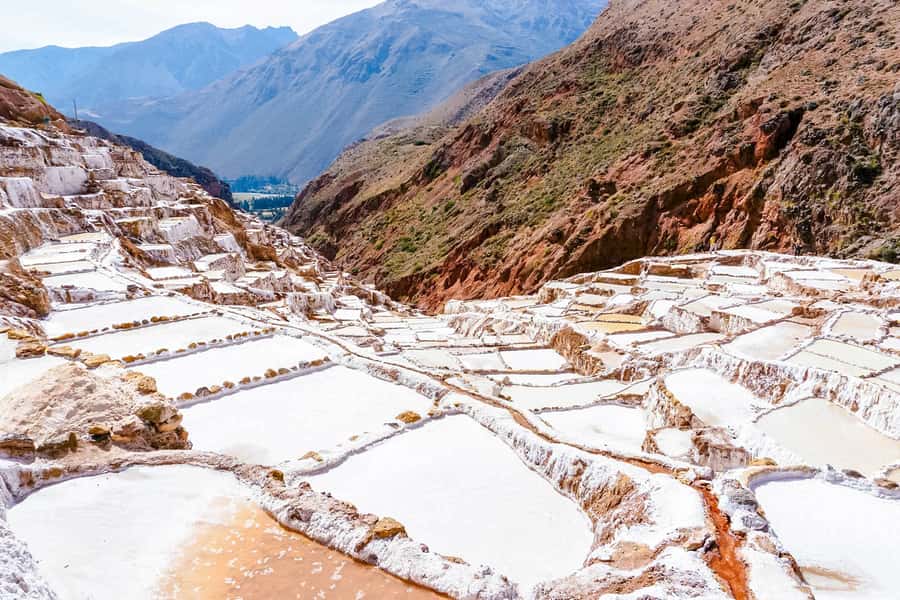
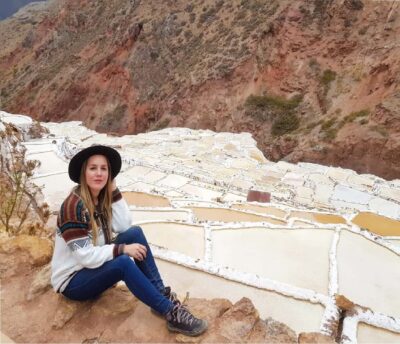
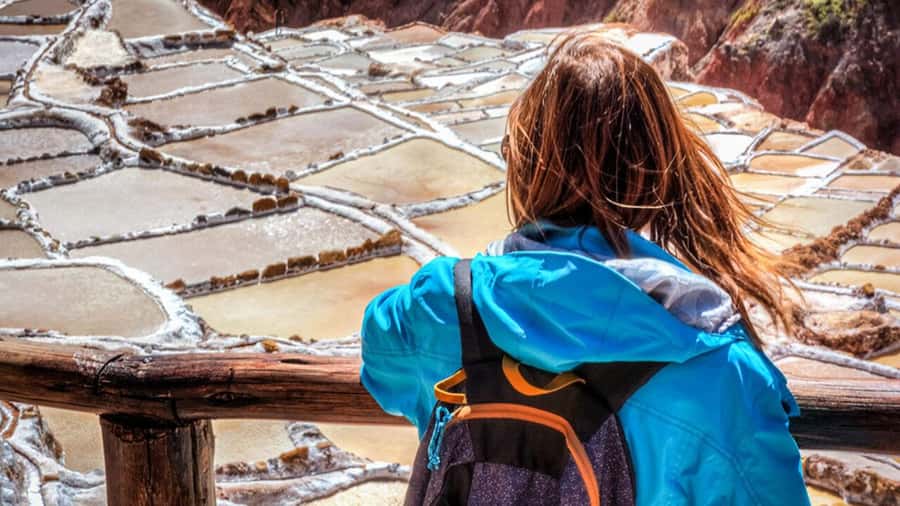
After Moray, the tour heads to the Colonial village of Maras, located in the Sacred Valley. Maras is known for its nearby salt evaporation ponds, used since Inca times, then continued through colonial use, and still operating today.
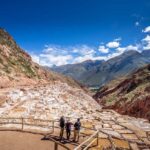
These ponds are up-slope, less than a kilometer west of town, which is why Maras works so well on a half-day itinerary. You can reach the salt pools without turning it into a full-day hike, yet the scale still feels impressive. You’re looking at more than 3,000 salt pools, carved into the hillside like a geometric mosaic.
This is one of those places where the explanation matters. Salt sounds simple until you see the system: water is guided, then left to evaporate, and the remaining salt forms in the pools. The result is both functional and visually striking—rows upon rows of pale pans under harsh sunlight.
One important money note: the tour listing says salt mine entrance is not included. So plan for extra cash in soles for admission. Also, it helps to know that some people felt the tour communication didn’t clearly flag that extra fee. You’ll feel better if you assume there will be at least one extra payment at the salt ponds.
Lunch in Urubamba: A Real Break (and Why It Helps)
You’ll have buffet lunch in Urubamba between the morning sites and the afternoon ruins. This is more than a “food stop.” It’s the energy reset that keeps your afternoon from getting sluggish.
Urubamba also sits in the Sacred Valley corridor, so lunch time can make the rest of the day feel less like a sprint. If you’re someone who gets altitude fatigue, a proper meal helps. If you’re someone who runs on caffeine, still eat—your body will thank you later when you’re walking around Ollantaytambo.

Driving the Urubamba River to Ollantaytambo
Between Maras and Ollantaytambo, you’ll drive along the Urubamba River toward town. The river corridor is a classic Sacred Valley route—useful not only for logistics, but because the scenery changes as you move.
This stretch matters because it gives your group a breather before the ruins. Ollantaytambo isn’t just a walk-and-look stop; it’s a place where you’ll likely climb a bit and spend time focusing on details.
If you’re timing a train later, this portion of the day also affects your schedule confidence. You’ll want to stay aware of the time after lunch and not wander too far during transitions.
Ollantaytambo Ruins: Inca Rock Shapes and Wiracocha
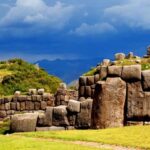
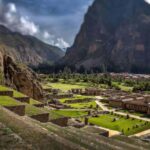
Ollantaytambo is your final highlight, and it lands the day on a strong note. You’ll visit the ruins in town, described as an important area of Incan construction from the height of the empire.
What makes it especially memorable is the way the site connects with Inca spiritual ideas. The rocks include formations said to represent the Inca god Wiracocha. Even if you’ve seen a diagram of this before, it’s different when you’re standing there looking at stone contours shaped by the landscape and architecture.
Ollantaytambo also has a “still-standing” energy. It doesn’t feel like a distant ruin behind a fence. It feels like a lived-in stage from a past world, which is exactly what you want at the end of a packed day.
The drop-off point is Plaza de Armas, the main square. That’s convenient because you can regroup, find water, and plan your next move right where logistics are easiest.
Tickets, Entrance Fees, and Realistic Budgeting
The base price for this tour is listed as $49 per person, and what you get for that is solid: pickup, transport, a bilingual guide, and a buffet lunch in Urubamba, plus the drop-off in Ollantaytambo.
But you should budget for at least two additional costs:
- A touristic ticket of S/70.00 per person (not included)
- Entrance to the salt mines (not included)
That’s the part that can surprise people if they assume everything at each stop is covered. If you want a smooth day, treat the advertised price like the “transport + guide + lunch” portion, then set aside extra soles for admissions.
Also, bring sunscreen. The salt ponds and open terraces can feel exposed, even if you’re not walking for miles.
Group Size, Pace, and Photo Time: Set Your Expectations
This is a small group tour capped at 15 participants. I like that limit because it keeps the guide’s attention from spreading too thin, and it helps with moving through sites without feeling like you’re always waiting.
Still, there’s a theme to keep in mind: it can feel a little too quickly depending on how your guide manages transitions. Some people have reported guides moving fast, offering less direction on where to stand, and not giving much time for photos.
So here’s my practical advice: if you’re the type who needs time to frame shots, take it easy on your first stop (Moray). By the time you reach Maras and Ollantaytambo, you’ll want to know where you’re going to pause—because stopping longer than the group expects can feel disruptive.
If you care about pictures, wear shoes that let you move confidently on uneven ground, and keep your camera accessible. That way you can grab the quick moments without fumbling.
Who This Tour Is Perfect For
This tour is a great fit if you:
- Want a short, high-value Sacred Valley day without booking separate tours for each site
- Like pairing Inca engineering (Moray) with a living industry (Maras salt)
- Need to end in Ollantaytambo and keep an onward train plan workable after 3pm
- Prefer a bilingual guide and a small group over a big bus crowd
It’s less ideal if you:
- Hate tight timelines and want long, unhurried roaming at each stop
- Need maximum guidance for photography and prefer a very hands-on guide
- Have mobility needs that make uneven terrain hard (wheelchair users are noted as not suitable)
Should You Book This Cusco Maras and Moray Tour Ending in Ollantaytambo?
I’d book it if you want the Sacred Valley’s “best hits” in one organized day and you’re comfortable paying the extra admissions on top of the base price. The value is strongest because it bundles transport + bilingual guide + lunch + a smart end location at Plaza de Armas.
Skip it (or go in with a different expectation) if you need lots of slow photo time or you’re the kind of traveler who plans every minute down to the exact train boarding moment. The timing works best when your train is scheduled after 3pm and you’re okay with a day that moves.
If you do book, do two things: wear solid shoes and be ready with some extra soles for tickets—especially the salt mine entrance.
FAQ
What’s the duration of the Cusco Maras and Moray tour ending in Ollantaytambo?
The tour lasts about 6 hours.
What time is pickup in Cusco?
Pickup is around 6:30am from your accommodation in Cusco.
Where do I get dropped off at the end of the tour?
You’re dropped off at Ollantaytambo main square (Plaza de Armas).
What time does the tour end?
The tour ends around 3pm, so your train should be after 3pm.
Is lunch included?
Yes. You get a buffet lunch in Urubamba.
Do I need to pay for tickets or entrances separately?
Yes. A touristic ticket (S/70.00 per person) is not included, and salt mine entrance is also not included.
How big is the group?
It’s a small group limited to 15 participants.
What should I bring, and is the tour wheelchair-friendly?
Bring comfortable shoes and sunscreen. It is not suitable for wheelchair users.