REVIEW · CALI COLOMBIA
Cali: Walking tour of the historic center
Book on GetYourGuide →Operated by Valley Adventours · Bookable on GetYourGuide
Cali’s center walks you through time. A bilingual local guide helps you understand what you’re seeing, starting at Jairo Varela Plaza, then moving into the historic core. I like that this is a small group (up to 10), so questions don’t get lost in the shuffle.
I also love the tour’s focus on meaning, especially at the city’s churches. You get history and context, plus a break for a typical Caleño drink while you stroll the boulevard.
The main thing to consider is that it’s a solid walking tour (about 150 minutes) and it runs in all weather. Plan on staying comfortable, not rushing.
In This Review
- Key highlights you’ll feel right away
- Meeting Valley Adventours: Your tour starts before the walking
- Jairo Varela Plaza to the historic core: a cultural warm-up on foot
- Church stops that teach context, not just architecture
- Colonial streets, parks, and squares: learning Cali’s layout the fun way
- Theaters, museums, cathedrals, and monuments: seeing the “main sights” as a system
- A typical Caleño drink on the boulevard: a small break that changes the whole mood
- Price and value: why $37 makes sense for a 150-minute guided walk
- What to bring for Cali weather and a lot of steps
- Who this tour fits best (and who should choose something else)
- Should you book Cali: Walking tour of the historic center?
- FAQ
- How long is the Cali historic center walking tour?
- Where do I meet the guide?
- How much does the tour cost?
- What’s included in the price?
- Are there any extra costs for transport?
- How big is the group?
- What languages are offered?
- Does the tour run in bad weather?
- What should I bring?
Key highlights you’ll feel right away
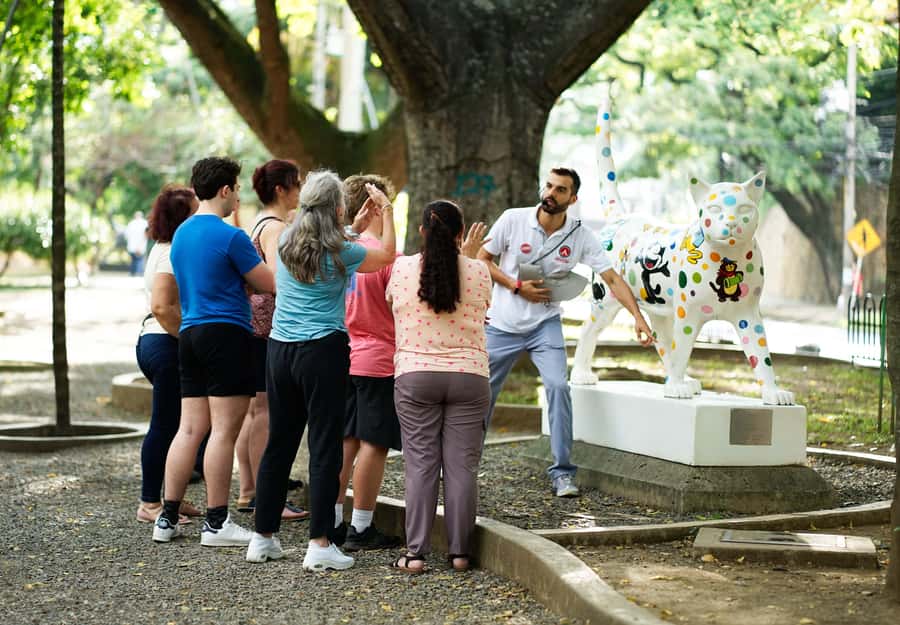
- Jairo Varela Plaza start for an immediate hit of salsa-and-culture energy
- Church visits with context, so you understand why each place matters
- Colonial-era architecture on foot, through parks, squares, and old buildings
- Bilingual guide (English/Spanish), great for mixed-language groups
- Typical drink tasting as part of the stroll, not a random add-on
Meeting Valley Adventours: Your tour starts before the walking
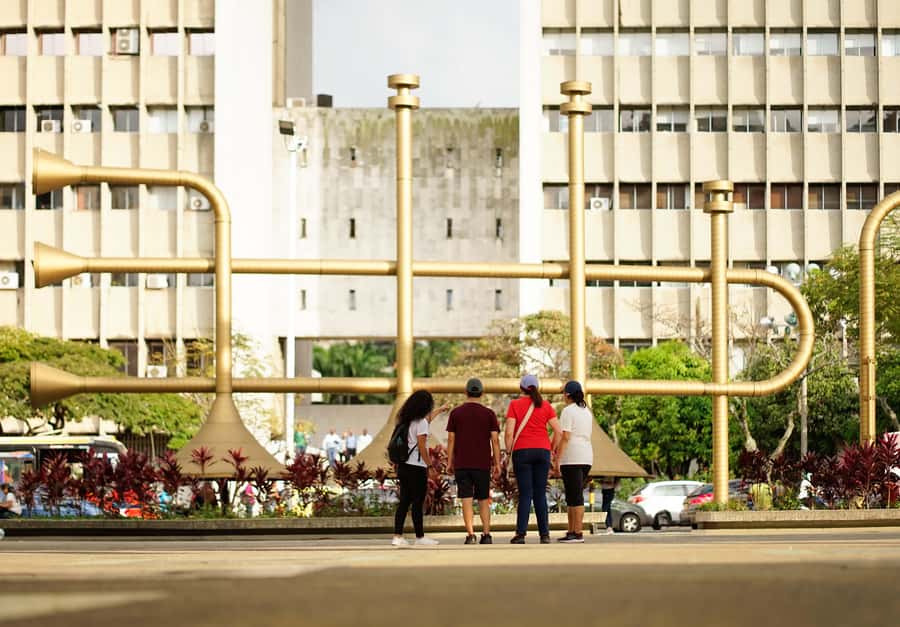
The whole experience is built for an easy start. You’ll meet your guide at the Valley Adventours office at Cra. 5 #3-02, then get oriented before heading out on the 3-hour route.
One practical detail I appreciate: the group size is limited to 10 participants. That matters more than people expect. In a small group, the guide can slow down when someone spots an architectural detail, and you’re more likely to get clear answers instead of generic ones.
Also, the tour runs with a bilingual local guide (English and Spanish). If you’re traveling with someone who prefers the other language, this format keeps things inclusive and keeps the pace steady.
You can also read our reviews of more walking tours in Cali Colombia



Jairo Varela Plaza to the historic core: a cultural warm-up on foot

Most walking tours start with a quick briefing and then jump into sightseeing. This one starts at Jairo Varela Plaza, a place known for salsa and culture. The point is simple: you ease into Cali’s identity before you start reading buildings like a timeline.
From there, you’ll work your way through the historic center, winding along traditional streets. This route style helps you connect dots. Instead of seeing landmarks as isolated photos, you experience how the city moves—what’s near what, how plazas pull people together, and how churches and public spaces shape the neighborhood.
If you like walking tours that feel like a guided stroll rather than a timed checklist, this is the right tempo. And because the total duration is about 150 minutes, you’ll be busy the whole time without feeling like you’ve been dragged from stop to stop.
Church stops that teach context, not just architecture
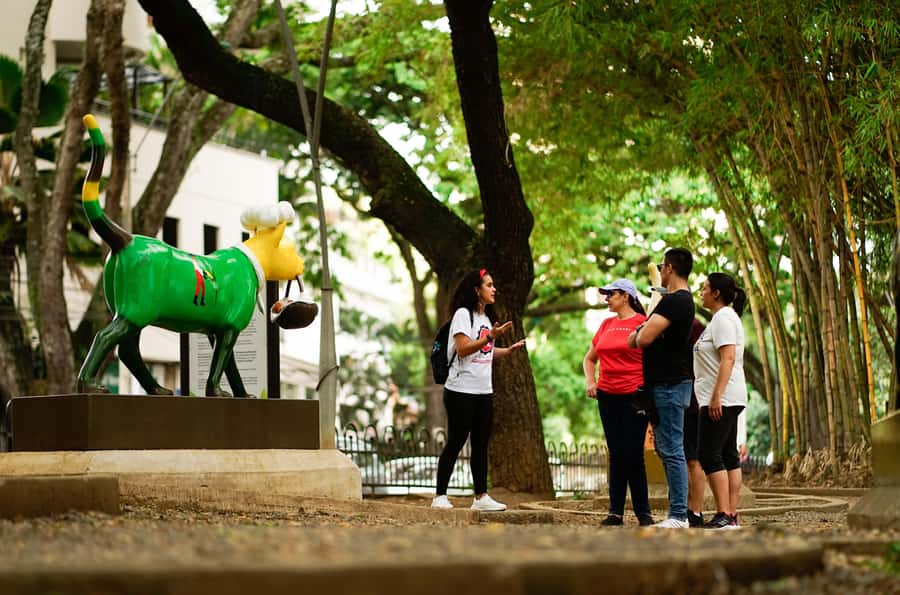
A big part of this tour is going into local churches to learn their history, context, and meaning. This is where the guided component really pays off.
Seeing a church from the outside is easy. Understanding why it’s important takes a guide who can connect the building to the city around it. On this walk, the churches are treated as living reference points—places that help explain what the community valued and how the city developed.
Here’s how I’d use this moment to get the most out of it:
- When you’re inside, pay attention to details the guide points out. Even if you can’t read everything, your eye starts to connect symbols and design choices.
- Ask questions as they come up. With a small group, it’s not awkward to get a clarifying answer.
This church-focused design also makes the tour feel more local. Many city walks cover famous squares and call it a day. Here, the guide builds a story around religious architecture and its role in daily life and cultural identity.
Colonial streets, parks, and squares: learning Cali’s layout the fun way

Between the churches, you’ll cover parks, squares, and buildings with colonial architecture. That blend is the secret sauce. It keeps you from getting stuck in one “type” of sight, and it teaches you how the city organizes public life.
Colonial architecture can look like a style category until someone helps you notice the patterns. On the walk, the guide’s job is to make the “why” click—how those buildings fit into the streetscape, and how open spaces like parks and squares create social gravity.
You’ll also get the benefit of doing this on foot. From street level, small differences matter: the scale of facades, the way streets funnel movement, and the distance between landmarks. It’s the kind of city literacy you can’t get from a car ride.
And because the route is paced for walking, you’ll have time to look up and notice things you’d miss on your own—especially if you’re the type who likes to understand the logic of a place, not just collect snapshots.
Theaters, museums, cathedrals, and monuments: seeing the “main sights” as a system

The tour also includes stops around theaters, museums, cathedrals, and monuments. Even without a heavy, academic tone, these stops add up to something useful: a sense of how Cali tells its story in public space.
Think of it like learning a city’s headings and subheadings:
- Museums and monuments act like long-form memory.
- Cathedrals and major religious buildings anchor older chapters.
- Theaters add a cultural layer—proof that the city’s creativity has always had a stage.
The guide’s role is to connect these points so they don’t feel random. You’ll learn how to “read” the center as more than scenery. Instead, it becomes a map of priorities over time.
One realistic tip: if you’re sensitive to walking fatigue, keep drinking water and take short breathers when you can. You’ll likely be standing still during explanations, then walking again right away. Staying hydrated keeps you present for the story parts.
You can also read our reviews of more historical tours in Cali Colombia
A typical Caleño drink on the boulevard: a small break that changes the whole mood
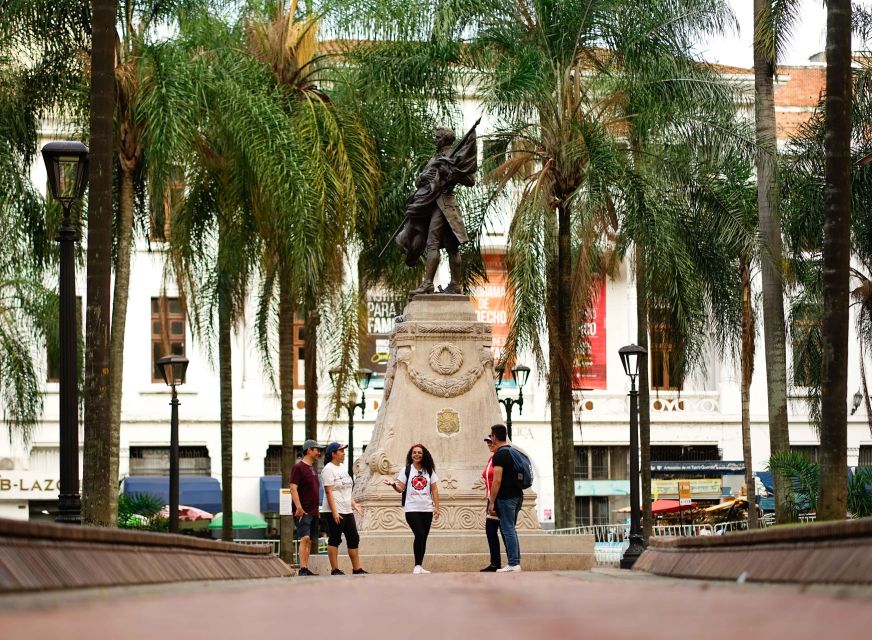
About midway through—or at least during the stroll—you’ll have the chance to taste a typical drink of Cali. It’s included as part of the experience, not tacked on as an optional upsell.
Why this matters: food and drink stops turn a history tour into a lived-in experience. You’re not only observing the city; you’re participating in its flavors. Even if you’re not sure what you’ll be served, the fact that it’s local and tied to the boulevard route makes the tasting feel integrated.
How to get the most value from this stop:
- Take a moment before tasting to look around. The drink break is also a chance to reorient and notice your surroundings.
- If you have dietary restrictions, consider asking your guide what’s involved. The tour information confirms a typical drink tasting, but it doesn’t specify ingredients.
This is the kind of detail that makes a walking tour feel like a story you can carry home—not just a list of sights.
Price and value: why $37 makes sense for a 150-minute guided walk

At $37 per person, you’re paying for a guided walking experience with a few specific inclusions: the 3-hour format, a bilingual local guide, and a tasting of a typical drink. You’re not paying for transport, and you shouldn’t expect hotel pickup.
For me, the value comes from three places:
- Time with a guide: 150 minutes is enough time to learn meaningful context at multiple stops.
- Small-group experience: up to 10 participants changes the quality of the answers you get.
- Local touch: the typical drink tasting ties the tour to Cali culture in a practical way.
Could you do something similar on your own? Sure. You could map out plazas and churches and wander. But you’d be missing the structured “what you’re looking at and why it matters” part, and that’s the difference between wandering and learning.
If your goal is understanding the historic center without spending hours planning, this price is a reasonable trade.
What to bring for Cali weather and a lot of steps
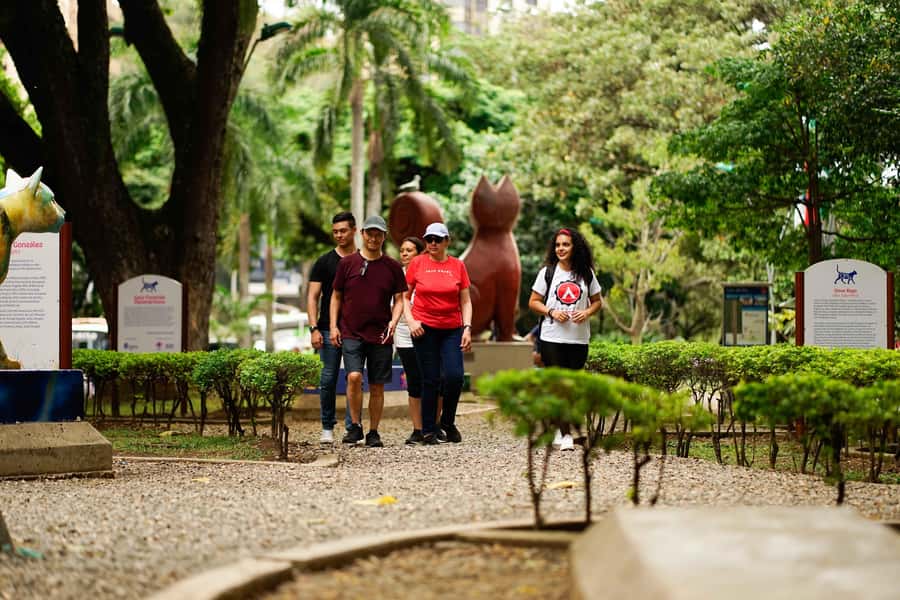
This is a walking tour, and the tour takes place in all weather conditions. That means you should pack like you’re going outside—because you are.
Bring:
- Comfortable shoes (non-negotiable)
- Water (bring a bottle)
- Sunglasses and sunscreen
- Sun hat if the sun is out
- Umbrella and rain gear if weather turns
A quick mindset shift helps too: don’t think of rain or heat as “bad luck.” Think of them as conditions for a different version of the same city walk. With the right gear, you keep momentum and still get the full experience.
Also, since there’s no transport included, plan to meet the guide at the office and then stay with the group for the duration. You’ll want your day to be flexible around the 150-minute walk.
Who this tour fits best (and who should choose something else)
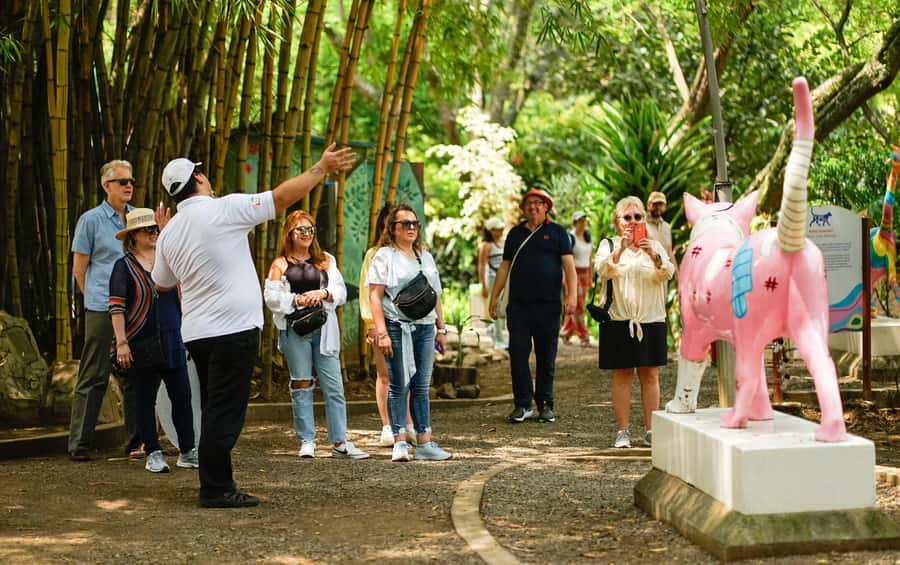
This tour is a strong fit if you:
- Like guided context, especially at churches and major sights
- Want colonial-era streets plus parks and plazas, not just one neighborhood bubble
- Prefer small-group walking pace (up to 10 people)
- Want a local drink tasting as part of the route
It may not be your best option if:
- You’re looking for a low-walking experience
- You’re unable to handle walking in heat or rain (the tour runs in all weather)
- You want lots of transport-based comfort between far-apart locations (this one doesn’t include that)
Should you book Cali: Walking tour of the historic center?
I’d book it if you want a guided walk that helps you understand Cali’s historic center in a practical way. The combination of churches with real context, colonial streets, major public sights, and a typical drink tasting makes this more than a casual stroll.
Don’t book it just because it’s sightseeing. Book it because you want structure, story, and a small group format that keeps the guide’s explanations useful. If you show up ready to walk—comfortable shoes, water, and weather gear—you’ll get a lot out of your time in the center.
FAQ
How long is the Cali historic center walking tour?
The tour lasts about 150 minutes.
Where do I meet the guide?
Meet your guide at the Valley Adventours office at Cra. 5 #3-02.
How much does the tour cost?
The price is $37 per person.
What’s included in the price?
The tour includes a 3-hour walking tour, a bilingual local guide (English and Spanish), and tasting a typical drink.
Are there any extra costs for transport?
Transport, pick-up, and drop-off are not included.
How big is the group?
The group is limited to 10 participants.
What languages are offered?
The live guide is available in English and Spanish.
Does the tour run in bad weather?
Yes. The tour takes place in all weather conditions.
What should I bring?
Wear comfortable walking shoes and bring water. Bring sunglasses and a sun hat if it’s sunny, and bring an umbrella or rain gear if it’s raining. Sunscreen is also recommended.