REVIEW · CUSCO
Cusco: Archaeological Park Morning Tour
Book on GetYourGuide →Operated by MPTC GETS · Bookable on GetYourGuide
Six hours, four Inca stops, one big theme. I like how this morning route ties together sun-worship sites and Inca water engineering in a way that feels clear, not random, starting with Sacsayhuaman’s massive rocks and ending with Tambomachay’s aqueducts and water gutters. The one catch is cost: the advertised price doesn’t include the on-site tourist tickets (70 soles, plus an extra 15 soles for Coricancha).
This is a real guided day, not a loose “go wander and hope” situation. You’re picked up around 8:45 AM, move by coach/bus between stops, and you get guided time at the main archaeological complexes, finishing back in central Cusco around 2:00–2:30 PM.
One more thing to know: the tour is built for walking on uneven stone and steep-ish paths. Bring comfortable shoes and water, and expect you’ll be tired by mid-afternoon.
In This Review
- Key highlights you’ll actually care about
- How the 8:45 AM pickup shapes your whole Cusco morning
- Coricancha at the start: the Sun theme before you go uphill
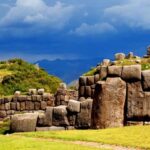
- Sacsayhuaman’s sun-and-water fortress: what to look for
- Qenqo’s underground labyrinth for Sun God sacrifices
- Bosque de Eucaliptos de K’enko: a short reset between ruins
- Puca Pucara’s terraces and watchtower vibe
- Tambomachay aqueducts: the engineering part you’ll remember
- Timing and pacing: why 6 hours feels efficient, not rushed
- Price and value: $13 headline vs. real-world ticket costs
- Small logistics that can make or break your day
- Who should book this Cusco archaeological morning tour
- Should you book it or choose something else?
- FAQ
- FAQ
- How long is the Cusco Archaeological Park morning tour?
- What time does the tour start?
- What time will I be back in Cusco?
- Is hotel pickup included?
- What’s included in the price?
- Are entrance tickets included?
- What languages are the tours offered in?
- What should I bring?
- Is the tour suitable for pregnant women?
- Are pets allowed?
- Can I cancel for a refund, and can I reserve without paying right away?
Key highlights you’ll actually care about
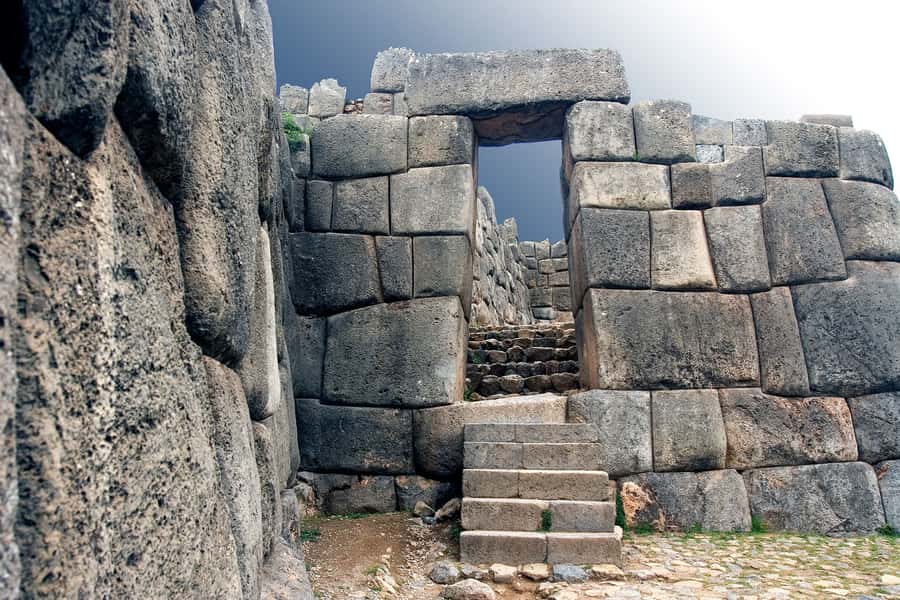
- Sacsayhuaman’s huge blocks and the sense of how the Incas organized power, ritual, and water
- Qenqo’s underground galleries used for Sun God sacrifices, plus a satisfying “maze” effect
- Puca Pucara’s terraces and staircases, a surveillance-style complex with big walls
- Tambomachay’s aqueducts, waterfalls, and gutters, with practical engineering lessons built in
- A short photo stop at Bosque de Eucaliptos de K’enko to reset your eyes and camera
How the 8:45 AM pickup shapes your whole Cusco morning
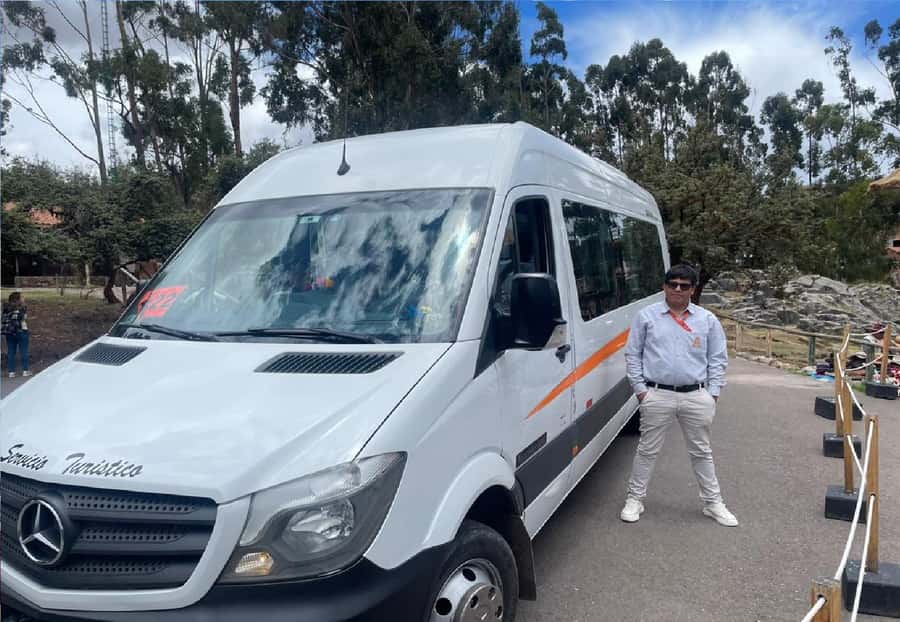
Cusco mornings start early, and this one starts right at 8:45 AM. Your guide collects you from hotels near the main square of Cusco. If your hotel is farther out, you’ll get an exact meeting address, so it’s worth double-checking the location the day before.
This matters because the day is compact: you’re covering several different archaeological complexes in about six hours. The coach/bus rides keep things efficient, while the guided sections keep you from missing the key details—especially at Qenqo and Tambomachay, where the story connects to how the site was used.
Bring your passport or ID card, because you’ll need it for entry where ticketing applies. Comfortable shoes are non-negotiable. Some surfaces are stone, some are uneven, and you’ll do more walking than you’d think from a “short” day.
You can also read our reviews of more tours and experiences in Cusco
Coricancha at the start: the Sun theme before you go uphill
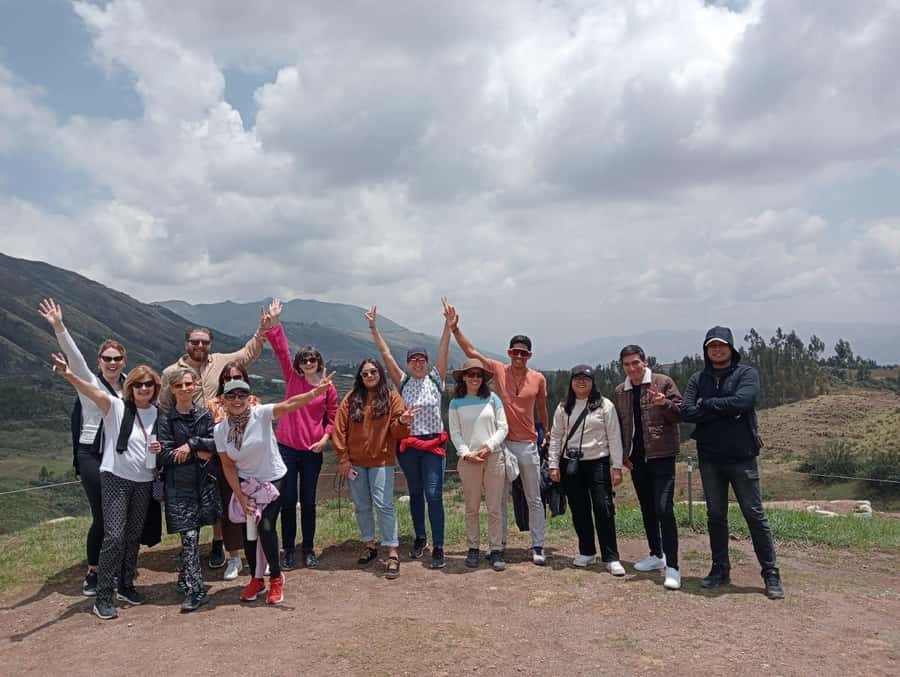
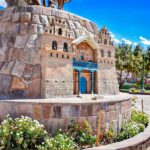
Your morning includes a guided visit at Coricancha (about 45 minutes). Even if you’re not a hardcore ruins person, this stop is useful because it sets the tour’s main thread: the Inca world linked the Sun God, ritual spaces, and how people organized their environment.
This is one of those places where a guide helps you slow down. Without guidance, it’s easy to see “old walls” and move on. With a guide, you start noticing alignments, the way space is laid out, and the overall purpose of the complex—exactly what you want before heading to Sacsayhuaman.
One practical tip: Coricancha is early in the route. If you tend to get cold, start strong and pace yourself. You’ll be more comfortable for the later outdoor sections.
Sacsayhuaman’s sun-and-water fortress: what to look for
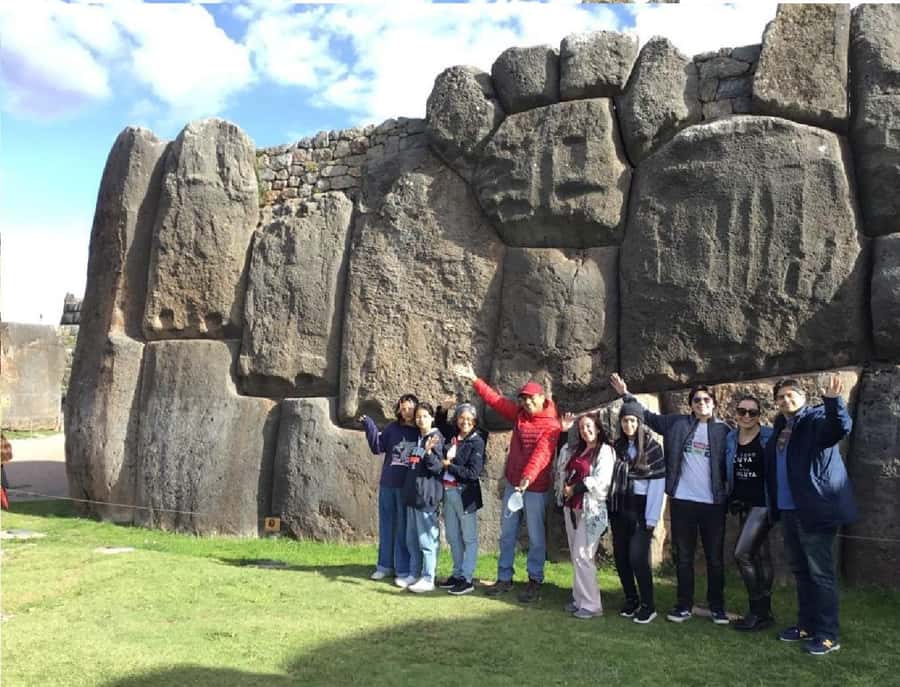
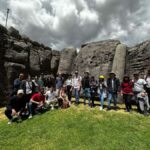
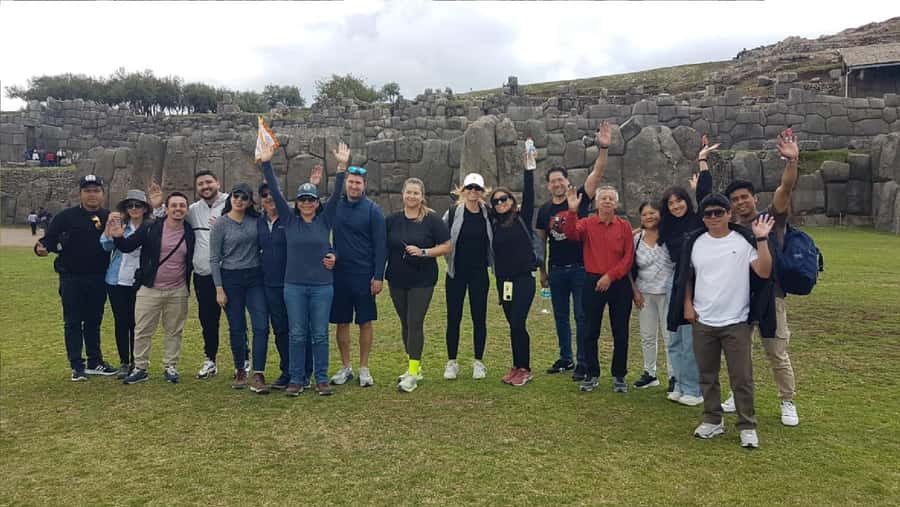
Then you head to Sacsayhuaman, with guided time around 45 minutes. This is where the tour earns its keep.
You’ll spend time observing:
- the immense rocks and the scale of the construction
- towers and temples tied to reverence for the Sun God
- how water connects to the site’s sacred meaning
Here’s what I love about this part: it’s not just “big stones.” The guide connects the setting and the design choices to what the Incas valued—sun worship, ceremony, and water. That combo gives you a clearer mental map of why the complex looks the way it does and how the Incas planned space with intention.
Practical downside: because it’s a major stop, you’ll likely spend a good chunk of your energy looking around and taking photos. Wear shoes with solid grip, and keep an eye on uneven footing so you don’t end up spending your time carefully stepping instead of learning.
Qenqo’s underground labyrinth for Sun God sacrifices
Next up is Q’enco Archaeological Complex (guided, about 45 minutes). If Sacsayhuaman is about big visibility, Qenqo is about enclosed meaning.
You’ll visit the temple area tied to the Sun God, including underground galleries that form a labyrinth used for sacrifices. That “labyrinth” detail is key. It’s not described as a random cave system; it’s framed as a designed space with ritual function.
What you’ll do at this stop:
- listen for how the guide explains the purpose of the underground galleries
- observe how the spaces relate to each other
- get a better sense of why the route ends up feeling like a theme, not a hopscotch of unrelated ruins
If you enjoy sites where the rules of the architecture matter, this is your payoff. You’re not just standing in front of stones—you’re learning how people moved through and used the environment.
One comfort note: underground or semi-enclosed areas can feel cooler and darker. Bring your camera strap plan and be ready to slow down so you don’t fumble gear while you’re trying to understand the layout.
Bosque de Eucaliptos de K’enko: a short reset between ruins
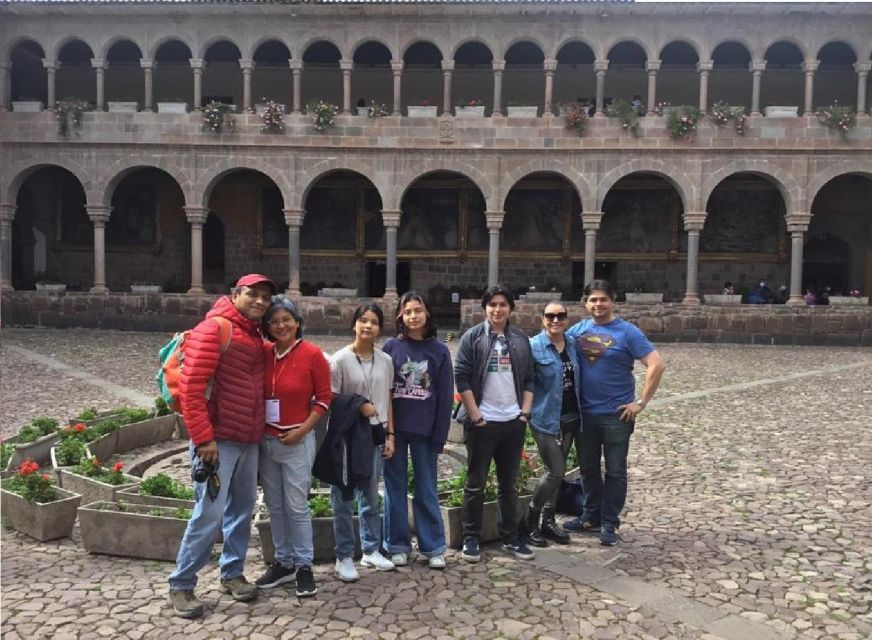
After Qenqo, you get a photo stop at Bosque de Eucaliptos de K’enko (about 35 minutes). This isn’t the core lesson of the day, but it does serve a purpose: a breather.
In a six-hour itinerary, short breaks matter. You’ll be able to rest your legs, refocus your eyes (and your camera), and then head into the final two archaeological areas with less fatigue.
Use this stop to hydrate and think about your priorities. If you’re the kind of traveler who prefers fewer photos and more explanation, this is where you can keep it light and save your attention for the final engineering story.


Puca Pucara’s terraces and watchtower vibe
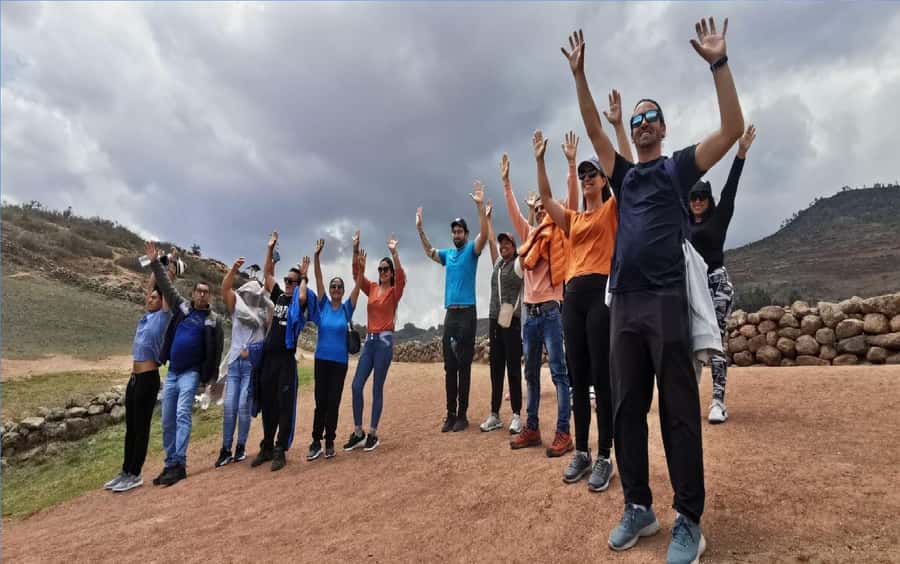
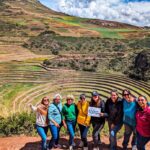
Then the tour moves to Puca Pucara, a surveillance center with terraces, staircases, and large walls. Guided time here is about 45 minutes.
This is where the tour shifts from sacred ritual to strategic observation. The name and the design idea work together: terraces and walls make sense for people watching movement and using elevated lines of sight.
What to pay attention to:
- the terracing and how it creates platforms
- the staircases and the way the complex is segmented
- the scale of the walls and what that implies about controlled movement
I like this stop because it gives you balance. By now you’ve heard about sun-focused ritual spaces and underground sacrifices. Puca Pucara adds another angle: monitoring, communication, and how infrastructure supports decision-making.
If you’re prone to rushing, don’t. This is one of those sites where standing still for a few minutes helps you understand how people used elevation.
Tambomachay aqueducts: the engineering part you’ll remember
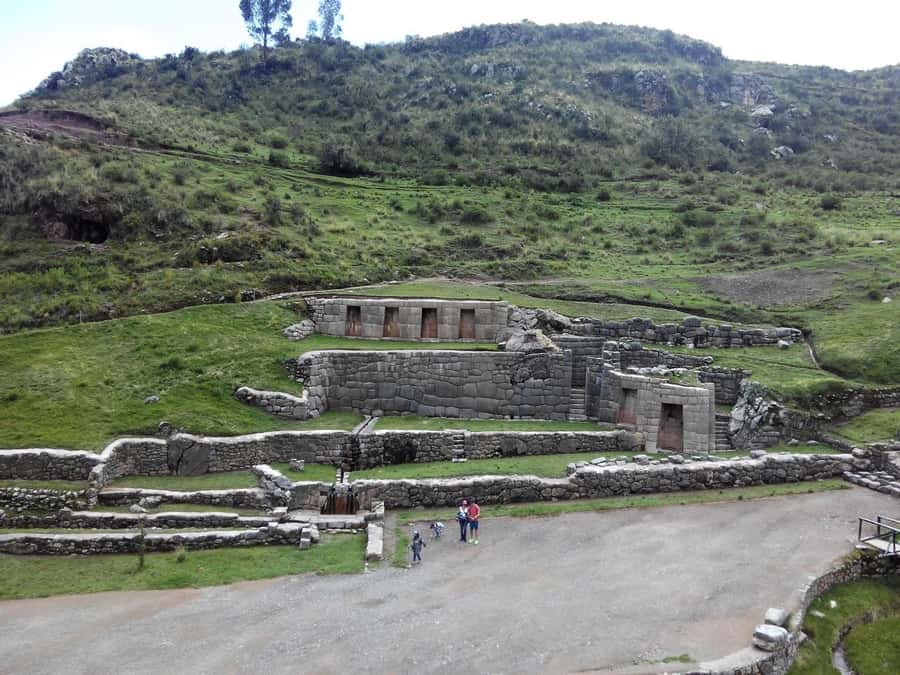
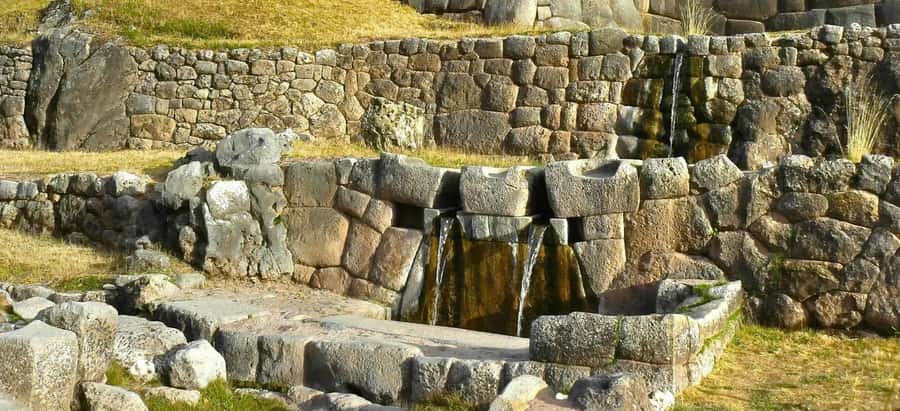
Finally, you reach Tambomachay, described as an Incan resting place with aqueducts, waterfalls, and several water gutters. This is the stop that sticks for a lot of people because the story isn’t only spiritual—it’s practical.
The highlights are right there:
- aqueducts
- waterfalls
- water gutters
This is the “engineering payoff” for the morning. The tour theme of sun and water turns concrete here. You start seeing water management not as an accessory, but as an essential piece of daily life and ceremonial space.
Why this matters for you: even if you don’t love technical details, the guide can show you how the system was designed to move and channel water. It helps you understand the Incas as builders who worked with nature instead of against it.
Tip: take your time at the gutters and channels. Even short observations here help you grasp the idea of controlled flow. It’s the kind of thing you can picture later when you’re walking around Cusco and noticing how water is handled around the city.
Timing and pacing: why 6 hours feels efficient, not rushed
The tour runs about 6 hours total. It starts at 8:45 AM and returns around 2:00 PM to 2:30 PM.
Here’s how that pacing feels in real life:
- You get guided time at the major sites, so you’re not just staring at ruins.
- Transport breaks up walking, so you can keep energy for the key places.
- You still end the day with enough daylight for food and an extra stop in central Cusco.
One caution: it’s still an active morning. Plan for stone steps, uneven ground, and a day where your legs do the work for your photos.
If you’ve only got limited time in Cusco, this is a strong way to see a cluster of major Inca sites around the city without turning your trip into a full-day marathon.
Price and value: $13 headline vs. real-world ticket costs
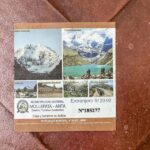
The price listed is $13 per person, and that’s genuinely appealing for a guided half-day. What you need to factor in is the on-site entry.
Not included:
- Tourist ticket: 70 soles
- Koricancha entry: 15 soles
So, yes, you’ll pay extra once you’re there. Still, the value can be good because you get:
- hotel pickup
- round-trip transportation
- a professional guide
If you’re deciding between multiple tours, compare what’s included beyond transport. Here, the guide time at the main complexes is the real value—Sacsayhuaman, Q’enco, and the other stops.
Also, budget a little mental energy for ticket line moments. The guided structure helps you move, but you’ll still want your ID ready.
Small logistics that can make or break your day
This is mostly smooth: pickup, coach ride, guided visits, photo stop, then return.
A couple things to watch:
- Confirm pickup and drop-off details if your hotel is outside the near-main-square area. One past participant described getting left far from the hotel and having trouble locating the address provided, which turned the day into more stress than it should be.
- If you dislike sales pitches, ask how the tour handles non-archaeology stops. There’s at least one account of a llama-farm type pitch feeling unnecessary.
None of that means you shouldn’t book. It just means you should set yourself up: confirm the meeting point and be clear with your preferences.
Who should book this Cusco archaeological morning tour
I think this tour is a great fit if:
- you want an Inca-themed day focused on Sun God sites and water
- you like guided explanation more than self-guided wandering
- you have a tight schedule and still want multiple major complexes in one morning
It’s also a good “first Cusco ruins tour” because it covers the big names around the city area and links them through a clear theme.
It might not be ideal if:
- you have limited mobility or find uneven stone difficult
- you’re pregnant (this tour is not suitable for pregnant women)
- you’re bringing pets (pets are not allowed)
Should you book it or choose something else?
Book this tour if you want guided connections between Sacsayhuaman, Qenqo, Puca Pucara, and Tambomachay, especially the way the morning ties Sun worship to water systems. The $13 price can be a steal once you consider the guide and the amount of ground covered, as long as you budget the separate entry tickets.
Skip or rethink if you’re sensitive to extra commercial stops or you know you’ll get stressed by unclear drop-off instructions. For the rest of you, this is a solid way to see serious Cusco-area ruins without turning the day into a chaotic scramble.
FAQ
FAQ
How long is the Cusco Archaeological Park morning tour?
The duration is 6 hours.
What time does the tour start?
Pickup starts at 8:45 AM.
What time will I be back in Cusco?
You return to the main square of Cusco around 2:00 PM to 2:30 PM (with the listed finish point being Calle Plateros).
Is hotel pickup included?
Yes. Cusco hotel pickup is included, with pickup options near the main square of Cusco. If your hotel is farther away, you’ll be given an exact address to meet.
What’s included in the price?
Hotel pickup, round trip transportation, and a professional guide are included.
Are entrance tickets included?
No. You’ll need to pay the tourist ticket (70 soles) and Koricancha entry (15 soles).
What languages are the tours offered in?
The live tour guide speaks Spanish and English.
What should I bring?
Bring your passport or ID card, comfortable shoes, and water.
Is the tour suitable for pregnant women?
No. It is not suitable for pregnant women.
Are pets allowed?
No. Pets are not allowed.
Can I cancel for a refund, and can I reserve without paying right away?
Yes. Free cancellation is available up to 24 hours in advance for a full refund, and you can reserve now & pay later.