REVIEW · BOGOTA
Bogota: Bicycle City Tour
Book on GetYourGuide →Operated by Bogota Bike Tours · Bookable on GetYourGuide
A good city tour should feel like a shortcut. This one gets you seeing Bogotá by bike with locals leading the way. You’re not just cruising La Candelaria; you’re rolling through neighborhoods, plazas, parks, and viewpoints that make the city click.
I especially loved the fruit market tastings—a guide chopping and slicing while you sample way more varieties than you’d ever try on your own. I also liked how the tour mixes food culture and street-level Bogotá: coffee roasting, tejo, and street art show up alongside bigger landmarks like the Central Cemetery. The main drawback to consider is that it’s an urban ride with traffic around you, so you’ll want to be comfortable biking for several hours, and it runs rain or shine.
In This Review
- Key points to know before you pedal off
- Why biking Bogotá beats walking (and taxis) for first-timers
- The core stops you’ll actually remember: fruit, coffee, tejo, and street art
- Meeting in La Candelaria: where the ride starts and why it matters
- How the route shifts by weather and events (and why that’s a good thing)
- Fruit market tastings: how to do them well (and what to expect)
- Coffee and tejo: the cultural break that makes the day feel Colombian
- Safety, traffic, and the rain plan you’ll want to trust
- Is it worth $19 for 270 minutes? Here’s how I’d judge value
- Should you book the Bogotá Bicycle City Tour?
- FAQ
- FAQ
- How long is the Bogotá Bicycle City Tour?
- What’s included in the price?
- Where do I meet the tour?
- Does the tour run in rain?
- Is the route mostly flat?
- Is it suitable for people with mobility impairments or wheelchair users?
Key points to know before you pedal off
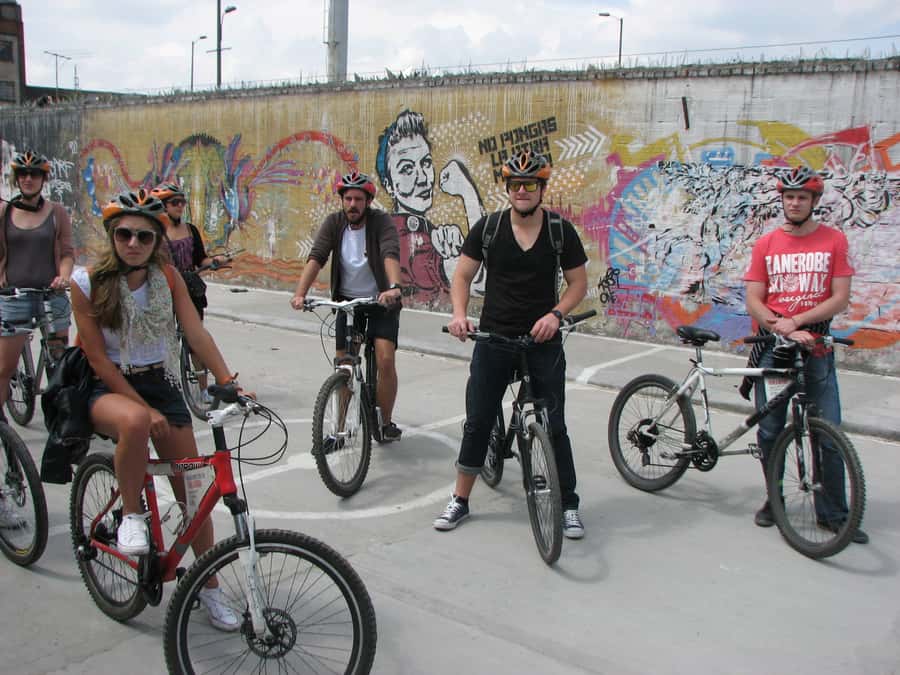
- 4.5 hours of real Bogotá routing through plazas, parks, and multiple neighborhoods, with the exact path shifting by day and conditions
- Fruit market stop built for tasting, not browsing—expect lots of samples and juice-covered smiles
- Tejo + coffee roasting so you get both a playful Colombian tradition and a deeper coffee stop
- Street art on the route, and in some cases a bonus art connection via a local artist’s studio
- Safety is handled as a team, with guides plus bike support keeping an eye on the group
- Flat riding with gears (mountain bikes with lots of gears show up on the ride in at least some conditions)
Why biking Bogotá beats walking (and taxis) for first-timers
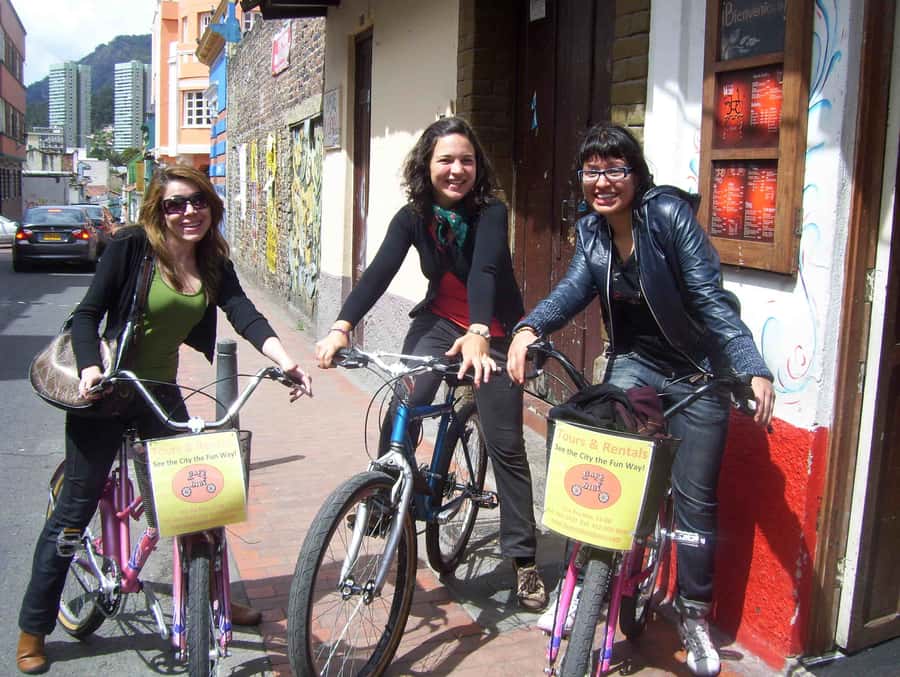
Bogotá is huge, and it can feel like you’re bouncing from one famous stop to the next. This bike tour helps you get your bearings fast because the city unfolds as you move through it. Instead of staring at buildings from the sidewalk, you’re passing storefronts, plazas, and street corners at human speed. You start noticing how neighborhoods connect, where the community energy is, and what people actually do day-to-day.
I also like the tone of the tour: you’re meeting locals and learning from their perspective. That matters in a capital city, where first impressions can be confusing. Guides named Mike, Lena, Daniel, and David (among others) are repeatedly described as lively, helpful, and tuned in to what matters in Bogotá and Colombia—history, daily life, and why certain places have the reputation they do.
One more practical point: the terrain is mostly flat, so the ride isn’t about conquering hills. You do still get a decent level of exercise, and you’ll be navigating real streets, so it’s not a sit-back-and-snack experience. Comfortable biking skills help a lot.
You can also read our reviews of more city tours in Bogota

The core stops you’ll actually remember: fruit, coffee, tejo, and street art
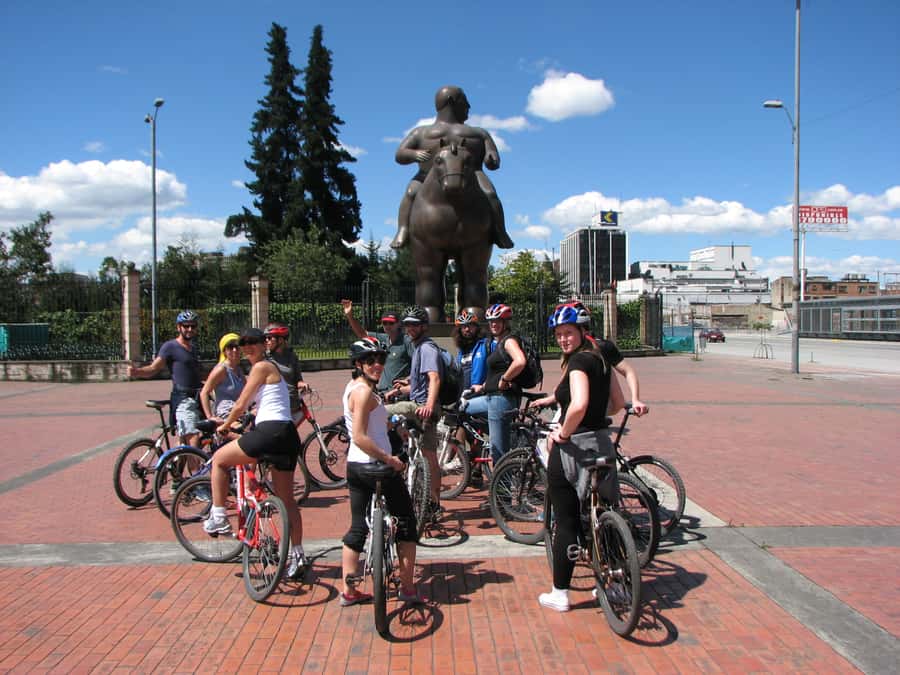
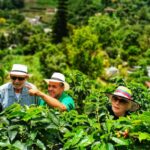
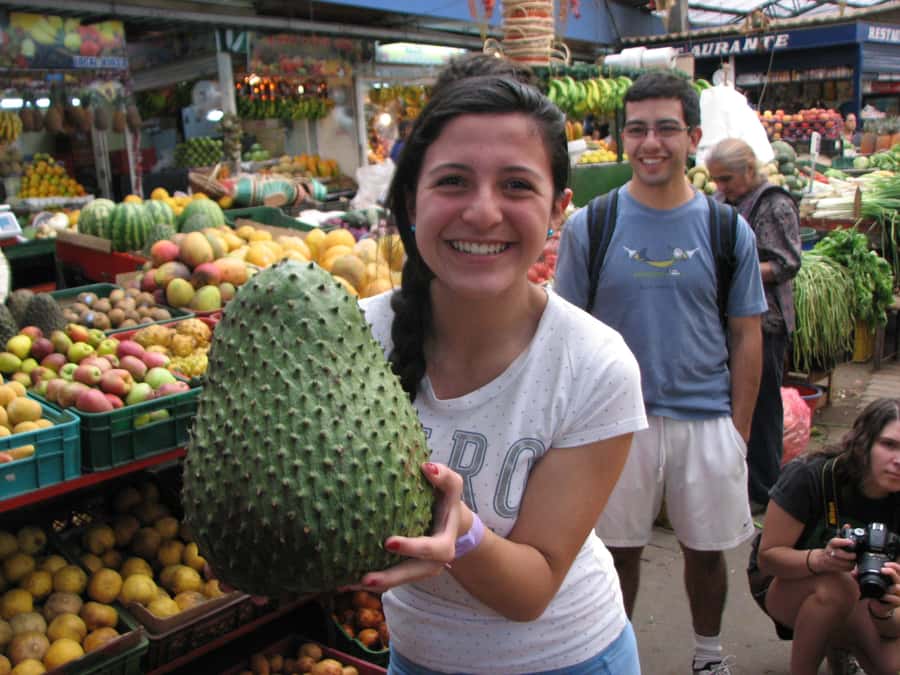
Think of the tour as three flavors of Bogotá culture happening in a single loop: local food markets, Colombian coffee, and a classic game called tejo. The fruit market is often the headline, because you’re not just buying fruit—you’re tasting dozens of varieties with a guide who’s actively preparing samples. One guest talked about trying so many fruits that they were dripping with juice by the end, which tracks with the way these markets work: you keep moving stall to stall, and your taste buds keep getting surprised.
Coffee shows up too, at a traditional roaster/coffee factory style stop. That’s your chance to learn how coffee turns into the drink you know back home. Reviews mention people loving the experience of trying their coffee after learning the process, including one person who specifically noted flavor notes like cardamom and anise in the coffee they sampled.
Then there’s tejo, Colombia’s national sport. It adds a hands-on break from walking and photographing and gives the day a playful rhythm. Add street art and you get a tour that’s not only scenic—it’s interpretive. David, for example, is mentioned as bringing an active street-art angle and even showing a studio connection, which can be a real treat if you’re the type who notices murals and wonders about the stories behind them.
If you love food, sports traditions, and street art, this is a great match. If you’re looking for a quiet, museum-only day, you might find it a bit busy for your taste.
Meeting in La Candelaria: where the ride starts and why it matters
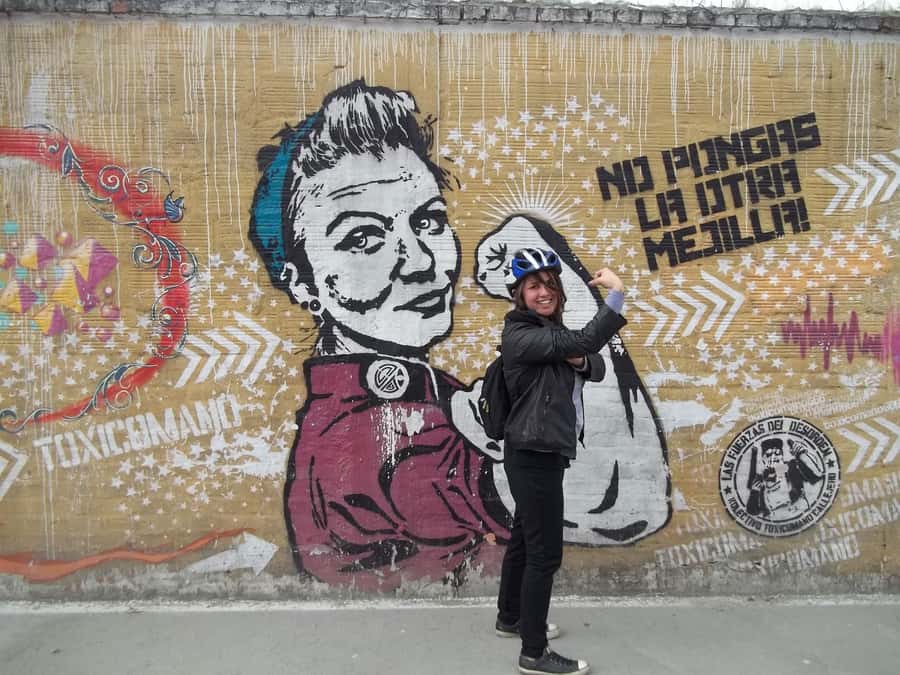
You meet at Carrera 3 No. 12-42, in La Candelaria, Bogotá. That’s a smart starting point because La Candelaria gives you an immediate sense of old-and-new Bogotá. You’ll get rolling with the guide and your bike right away, instead of wasting time figuring out transport or chasing your own bearings.
The tour includes your bicycle and helmet, which is a big value point for a city where rentals can be hit-or-miss. Multiple reviews also mention bikes being in good order, and they highlight mountain bikes with plenty of gears—useful because Bogotá cycling isn’t always as gentle as the “mostly flat” pitch suggests. Even if you don’t face steep climbs, gears help you keep a comfortable cadence when roads change or when the group slows for stops.
Language is covered well: the guide is bilingual (Spanish and English). That matters because you’ll hear context while you ride—history, neighborhood notes, and why certain sites show up on the route.
Here’s the consideration: this is an urban ride. That means traffic, intersections, and the normal chaos of a big city. There’s support from a mechanic or safety-focused assistant on the ride (Manuel and Omar are named in reviews), but you’ll still want to pay attention and keep your focus. If you’re anxious on bikes, start with that in mind.
How the route shifts by weather and events (and why that’s a good thing)
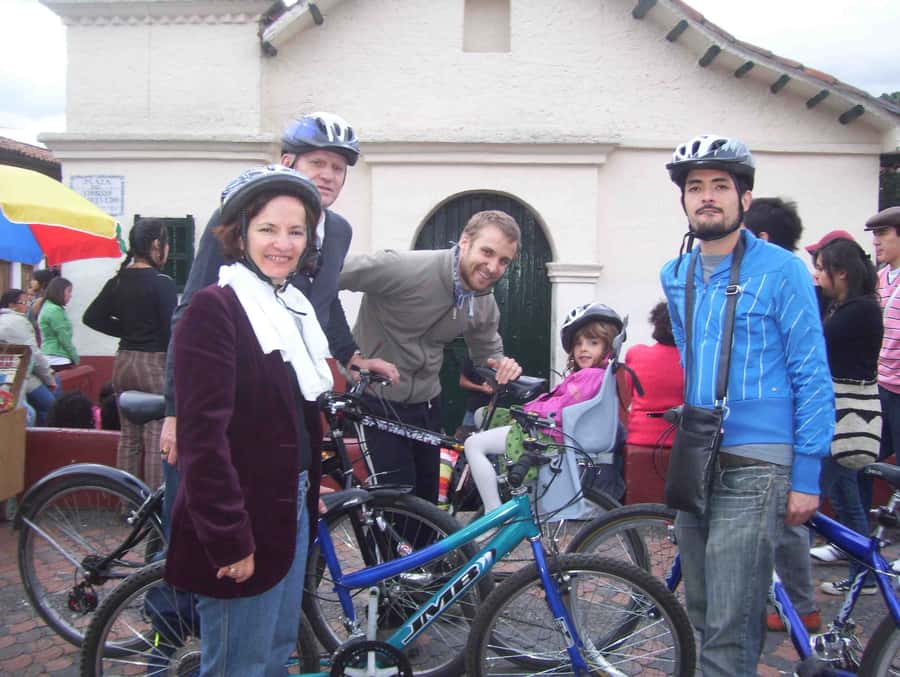
The exact cycling route varies by day, weather, and special events, and that variation is part of the experience. On Sundays, for example, routes can get easier because more roads may be shut for cycling. One reviewer specifically called out that a Sunday made the ride more relaxed, which makes sense: fewer cars, fewer complicated crossings, and more space for the group.
Even with those changes, you can expect an “ectlectic mix” of culture stops. The tour typically moves through the historical center and past major landmarks like the Central Cemetery and the bullfighting stadium, then balances that with smaller neighborhood moments—plazas, parks, and everyday streets. That combination is what gives you more than a sightseeing checklist. You see how Bogotá layers different eras and functions on top of each other.
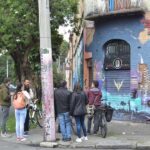
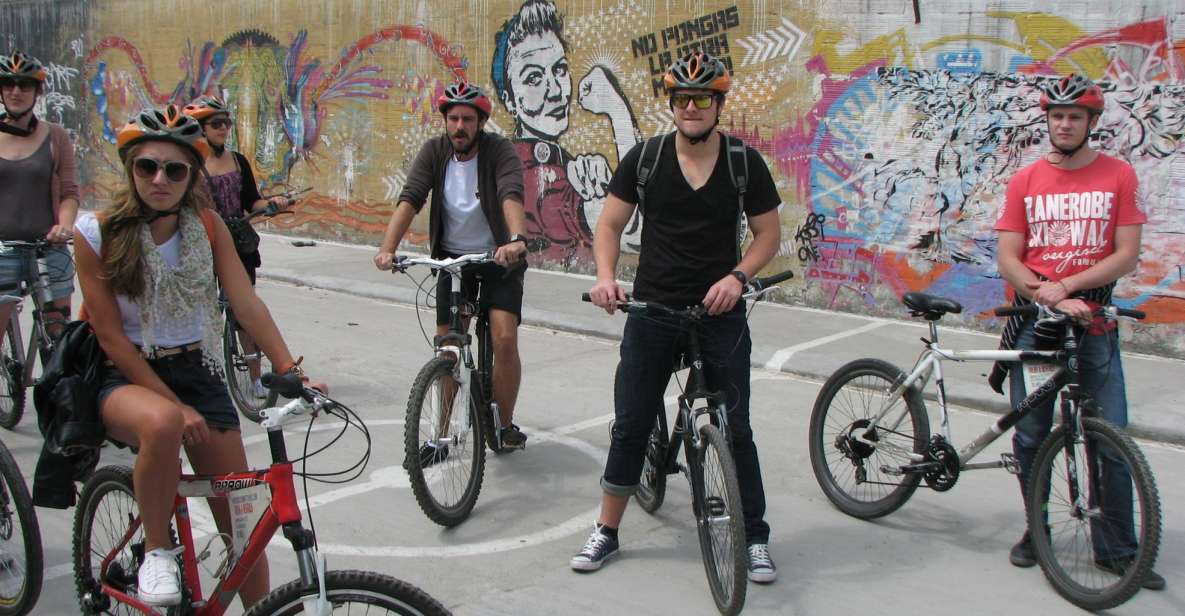
Street art is another big consistency point. Reviews repeatedly mention murals and street art, and at least one experience includes a visit to a local artist studio. That’s not just visual candy; it gives you a way to read the city. You start asking what’s being said, who’s saying it, and why it shows up where it does.
The drawback is simple: because the route changes, you can’t treat this as a guaranteed “see every exact landmark” program. Still, the trade-off is that the tour keeps the ride practical and lively, adjusting to what Bogotá is doing that day.
Fruit market tastings: how to do them well (and what to expect)
This stop is the most-loved part of the day, and it’s easy to see why. You’ll visit a traditional fruit and vegetable market and taste a wide range of exotic varieties. The guide handles the practical side—prepping, slicing, and guiding you through stalls—so you get an experience that feels local instead of touristy.
When people describe the fruit tasting as a highlight, they’re usually describing a few things at once:
- variety you didn’t know existed
- a guide actively explaining what you’re eating
- a move-fast rhythm stall to stall, so you keep sampling
Plan to go in with an open mind. Your stomach doesn’t need to be empty, but you do want room to keep trying things. Also, if you’re sensitive to certain foods, go slow and ask questions. One review mentioned an issue where a child was informed not to leave fruit, which created some disappointment. That’s a reminder to communicate food preferences early and be ready that tasting rules may be part of how the market stop is managed.
One more practical tip: bring weather-appropriate clothing, because markets can be busy and the tour runs rain or shine. If it’s wet, expect you’ll get damp. If it’s dry, you’ll be out and about for hours—so protect yourself accordingly.


Coffee and tejo: the cultural break that makes the day feel Colombian
A coffee stop makes sense in Bogotá, but this isn’t a quick “sniff the aroma” pause. The tour visits a traditional coffee roaster/coffee factory style location, and the point is learning the process and then tasting something you understand better.
In reviews, guides like Nurit and others described learning about agriculture and Colombia’s ecosystem, and people highlighted flavor discoveries tied to coffee. Even when the exact coffee details vary by day, the structure stays the same: you learn how coffee turns from plant to product and then you taste it. That’s the difference between buying a souvenir drink and understanding why Colombia’s coffee culture matters.
Then tejo gives you something physical and fun. You’re not just observing from the sidelines—you’re participating in a sport-like tradition. That changes the pace of the tour in a good way. After markets and street art, your brain gets a break. You’re laughing, moving, and doing something uniquely Colombian that you can’t replicate by accident.
The key fit here is personality. If you enjoy hands-on cultural experiences—especially food plus a playful activity—this tour lands well.
Safety, traffic, and the rain plan you’ll want to trust
Bogotá cycling is not the same as a car-free bike path. Expect some traffic and an urban feel to the route. The tour includes bilingual guides and you’ll also see support staff for bike care and group safety. Manuel and Omar are named in multiple reviews as being attentive, with eyes everywhere, and ready to help if something goes wrong.
That said, one review did mention concerns about cycling rules and lane directions. I can’t ignore that. Here’s my practical advice: follow your guide’s instructions closely, keep a steady pace, and don’t treat this as a casual ride where you can drift into phone-scrolling mode.
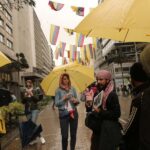
Rain or shine is part of the deal. One reviewer specifically noted that during heavy rain, they still had an amazing time and that ponchos helped. So don’t assume you’ll dodge the weather. If you hate getting wet, pack for it and bring gear you’re okay wearing for hours.
Also note the tour isn’t suitable for people with mobility impairments or wheelchair users. If your mobility needs are flexible and you can handle cycling, the flat terrain helps—but it’s still an urban bike tour with stops.
Is it worth $19 for 270 minutes? Here’s how I’d judge value
At $19 per person for 270 minutes (about 4.5 hours), the value comes from what’s included and how many different parts of Bogotá show up in one go. You’re getting:
- bicycle and helmet
- a bilingual live guide
- multiple guided stops tied to culture (food market, coffee roaster, tejo, street art)
- a chance to see bigger sites like the Central Cemetery and bullfighting stadium
Even if you only care about one highlight, you still benefit because the guide stitches the day together. You don’t just taste fruit—you learn how guides frame daily life, history, and neighborhood meaning. Several reviews also mention that the guide’s storytelling makes the time feel like more than a basic city walk.
A bonus value detail: the tour includes skipping the ticket line. That can save time at entries along the way, especially on busy days.
The most important “value test” isn’t the dollar amount—it’s whether the format fits your travel style. If you want an overview and you like learning while moving, this is an excellent use of your first day (or any day when you want a grounded introduction). If you’d rather spend that time slowly in one neighborhood, you might feel slightly rushed by the pace.
Should you book the Bogotá Bicycle City Tour?
Book it if you want a practical introduction to Bogotá that goes beyond the postcard loop. You’ll get a flat mostly ride, lots of stops, and the kind of experiences that are hard to DIY: fruit market tastings with active prep, a coffee roaster/coffee factory style visit, tejo, and street art that’s interpreted instead of just photographed.
Don’t book it if biking in city traffic makes you nervous, because you’ll be sharing the street environment and making frequent stops. And if you can’t handle cycling or you need wheelchair-friendly access, this one isn’t the right match.
If you’re on your first day and you want your bearings fast, this is a solid call. It’s also a good pick if you’re traveling with someone who enjoys food and playful cultural moments, not just monuments.
FAQ
FAQ
How long is the Bogotá Bicycle City Tour?
The tour lasts 270 minutes, or about 4.5 hours.
What’s included in the price?
You get a bicycle and helmet, plus a bilingual live tour guide.
Where do I meet the tour?
Meet your guide at Carrera 3 No. 12-42, in La Candelaria, Bogotá.
Does the tour run in rain?
Yes. The tour takes place rain or shine.
Is the route mostly flat?
The terrain is mostly flat, but it is an urban tour with traffic and a decent level of exercise.
Is it suitable for people with mobility impairments or wheelchair users?
No. The tour is listed as not suitable for people with mobility impairments and not suitable for wheelchair users.