REVIEW · BOGOTA
Bogotá: Grand City Tour with Monserrate, Usaquén and Lunch
Book on GetYourGuide →Operated by Impulse Travel · Bookable on GetYourGuide
Bogotá has hills, history, and art in one long day. This tour strings it together, starting with the Monserrate cable car climb to 3,150 meters and ending in the calmer streets of Usaquén.
I especially love how it mixes big “must-see” viewpoints with walking blocks where the city actually feels real. The second thing I like: the museums and art stops are timed so you get context, not just photos.
One drawback to plan around: some museums close on specific weekdays, and on a couple occasions the pacing may feel tighter than the stated 8 hours.
In This Review
- Key things to know before you go
- Monserrate by cable car: the hilltop start at 3,150 meters
- La Candelaria cobblestones: 400 years walking through layers
- Gold Museum and Botero Museum: art, religion, and indigenous gold
- Plaza Santander and Chorro de Quevedo: the city’s contrast stops
- Plaza de Bolívar and the cathedral: Bogotá’s political heart
- North-side panoramas: International Centre, La Macarena, and National Park
- Price and value: what $251 buys you (and what to watch)
- The guide makes the day: what I’d look for in reviews
- Should you book this Bogotá tour?
- FAQ
- How long is the Bogotá Grand City Tour?
- Does the tour include hotel pickup and drop-off?
- What’s included for the Monserrate visit?
- Is lunch included?
- Are there museum closures on certain days?
- What languages are available for the guide?
- What do I need to bring?
- Is the Gold Museum ticket included?
- Is VAT included in the listed price?
- Can I cancel and get a refund?
Key things to know before you go
- Monserrate by cable car gets you fast access and big panoramic views from the hilltop sanctuary
- La Candelaria on cobblestones puts 400+ years of streets and stories into walking distance
- Art + collections include the Gold Museum route along the river and time at the Botero Museum
- Urban design stops follow the Eje Ambiental and Rogelio Salmona’s project for a different kind of sightseeing
- Real meal, not a snack: lunch at a local restaurant is included
- Usaquén finish in narrow streets with weekend flea-market energy (if your day lines up)
Monserrate by cable car: the hilltop start at 3,150 meters
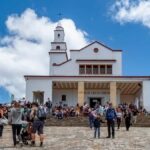
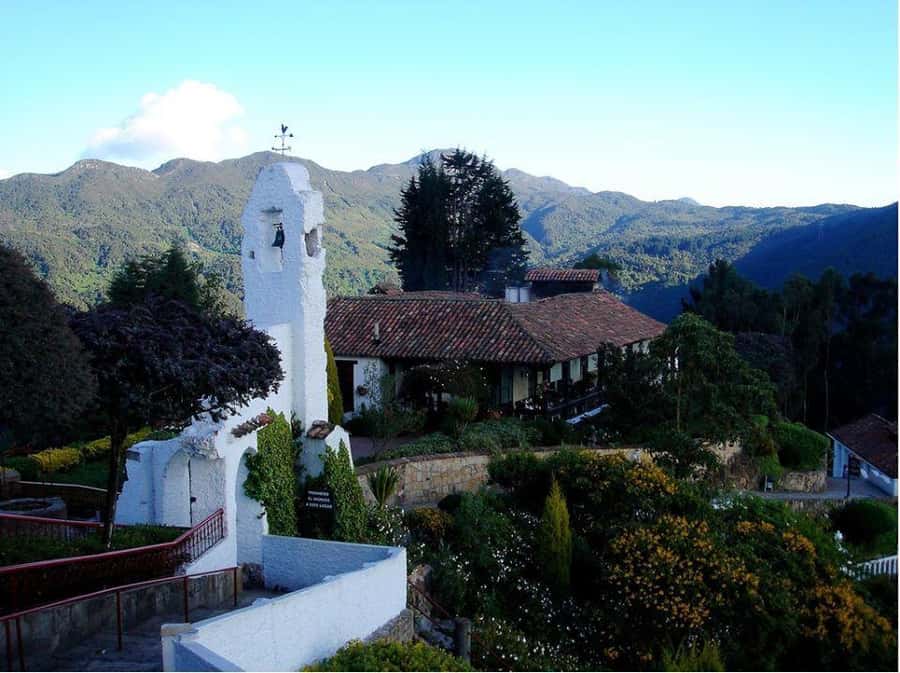
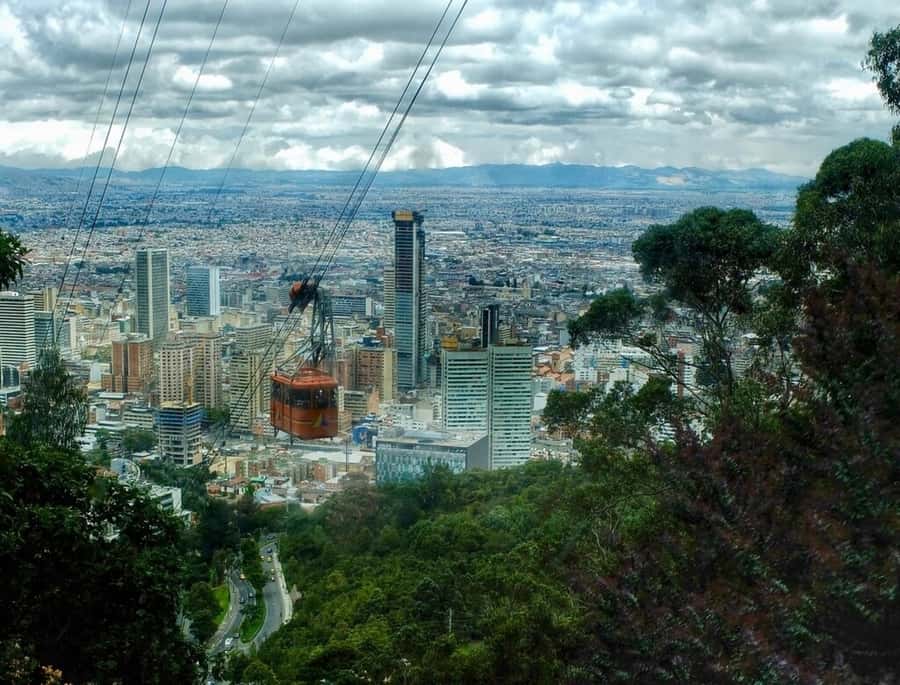
The day begins with hotel pickup and private transport, so you’re not spending your morning playing “find the bus.” Then it’s up to Monserrate, one of Bogotá’s most famous pilgrimage points on the eastern hills.
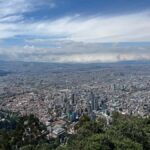
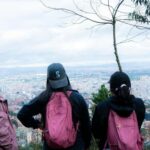
The cable car is the main win here: you get to the top without turning the first hour into a cardio test. Once you reach the Monserrate Sanctuary, you’re set up for wide views over the city’s patchwork of neighborhoods—plus that classic high-altitude feeling where the air feels crisp and your body takes a moment to reset.
Bring a jacket even if the forecast looks mild. Bogotá can feel cool, and rain here changes plans fast. Comfortable shoes matter too, because even if you’re not doing long hikes, you’ll still want footing for steps, viewpoints, and uneven areas around the sanctuary.
If you’re the kind of traveler who likes “first impressions,” Monserrate is a smart start: it gives you a city map in the clouds and hills. And if you’re not a viewpoint person, it’s still worth it, because it sets the tone for the rest of the day’s contrast—ancient streets after modern heights.
You can also read our reviews of more city tours in Bogota
La Candelaria cobblestones: 400 years walking through layers
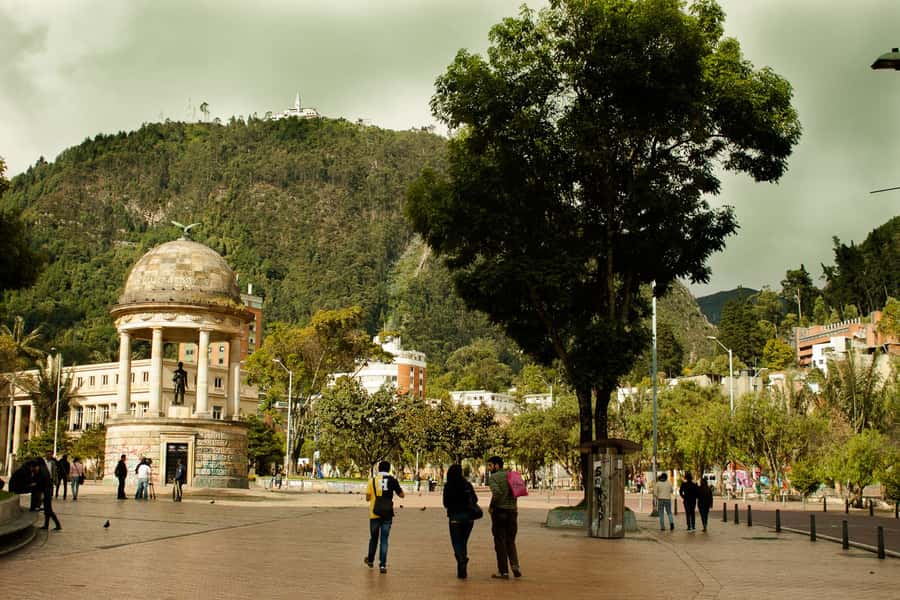
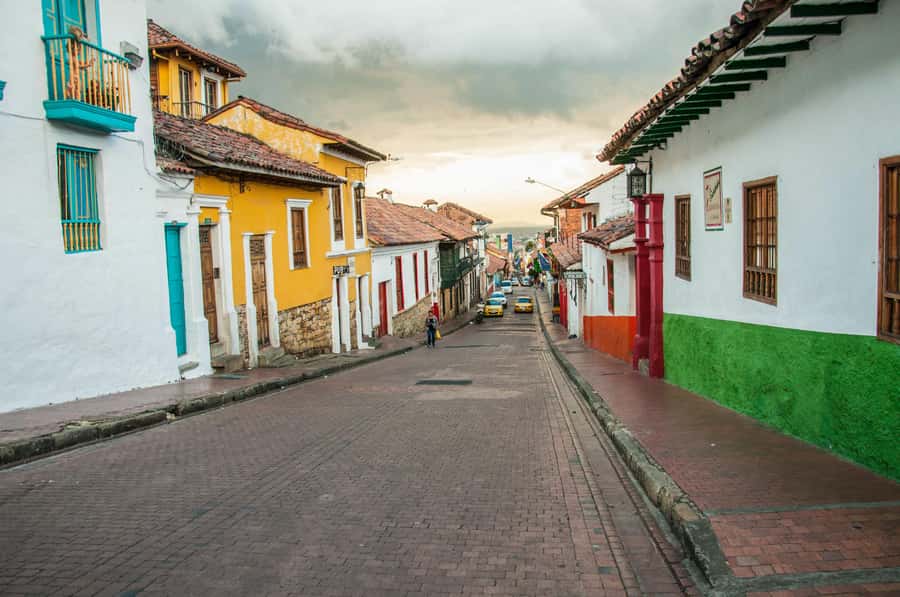
After the hilltop, the tour shifts down into the historic center. La Candelaria is the big walking segment, with cobblestone streets that feel like Bogotá in slow motion. This part is less about ticking boxes and more about getting your bearings—old churches, old lanes, and that “someone has lived here forever” feeling.
The stop doesn’t only mean strolling. You also get a sense of the university atmosphere at Universidad de los Andes. The campus student vibe gives the center a different rhythm—livelier, younger, and less museum-like than you’d expect after the first old-stone stretches.
Then the walking route connects to how the city developed. You follow the Eje Ambiental to see how Bogotá’s river life shaped the city, and you get a look at one of Latin America’s well-known urban projects by architect Rogelio Salmona. That matters because it changes your understanding of Bogotá: it’s not only colonial buildings and churches. It’s also planning, riverside design, and public spaces.
If you like cities that feel lived-in, this section is where you’ll feel it most. If you hate walking on uneven stone, go slower than you think you need. This is not a “power through in 15 minutes” kind of neighborhood.
Gold Museum and Botero Museum: art, religion, and indigenous gold
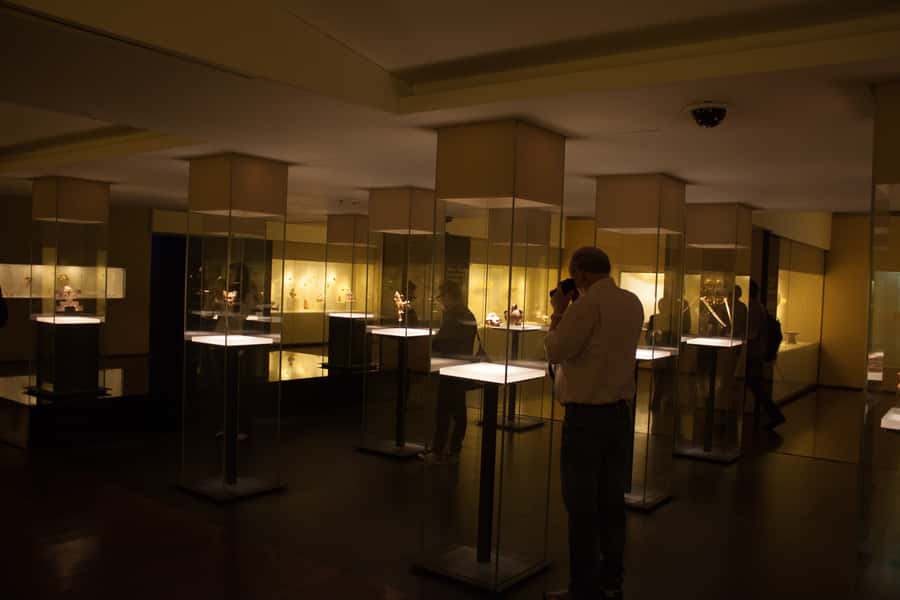
Next comes museum time, and the itinerary smartly links it to river routes and city streets. The Gold Museum stop follows the San Francisco River toward Jimenez Avenue, where you’ll see an impressive collection of indigenous gold artifacts.
This is one of those museums that works even if you’re not a hardcore museum person. You’re not just looking at objects—you’re seeing the skill and symbolism behind them, and that instantly adds depth to Colombia beyond what you might already know.
Timing note: the Gold Museum is closed on Mondays. If your day falls on a Monday, your tour will visit another museum based on the group’s interests, so you still get a comparable culture hit.
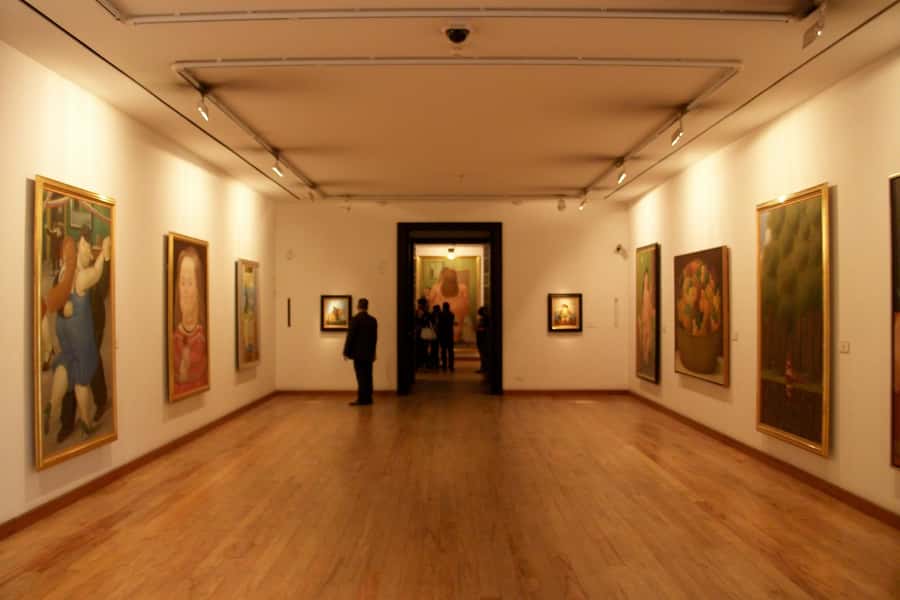
Then it’s back to La Candelaria for the Botero Museum. The streets keep the pace human-sized, and the Botero works bring a very specific Colombian voice—bold shapes, playful forms, and art that feels both serious and a little mischievous.
Timing note: the Botero Museum is closed on Tuesdays. If you’re visiting on Tuesday, the schedule swaps in another museum again, depending on the group’s focus.
One practical concern: museum time can be tight when the day runs behind schedule. I’ve seen that happen—on one occasion, the Botero visit felt shorter than expected. So if you care about museums deeply, consider arriving in Bogotá well-rested, and don’t plan anything demanding right after the tour.
Plaza Santander and Chorro de Quevedo: the city’s contrast stops
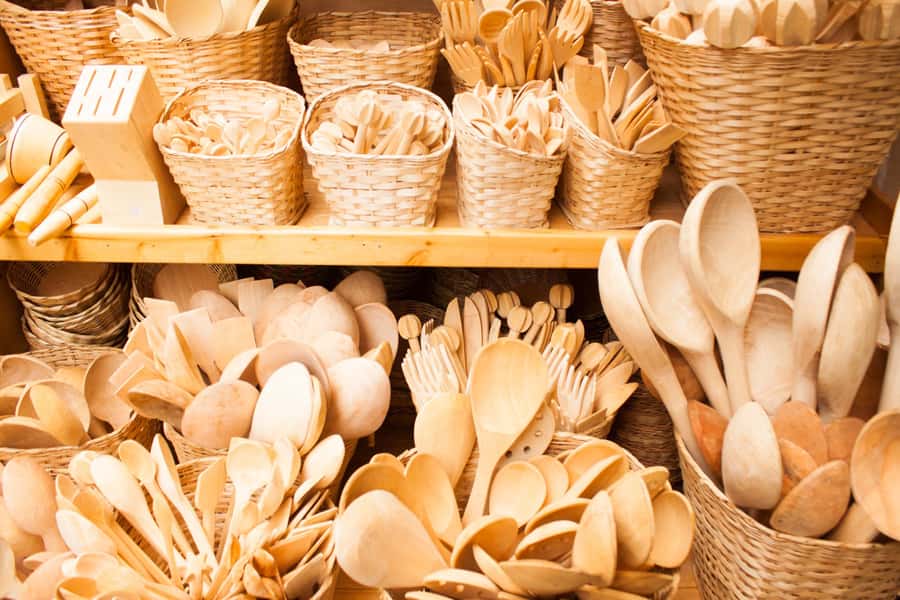
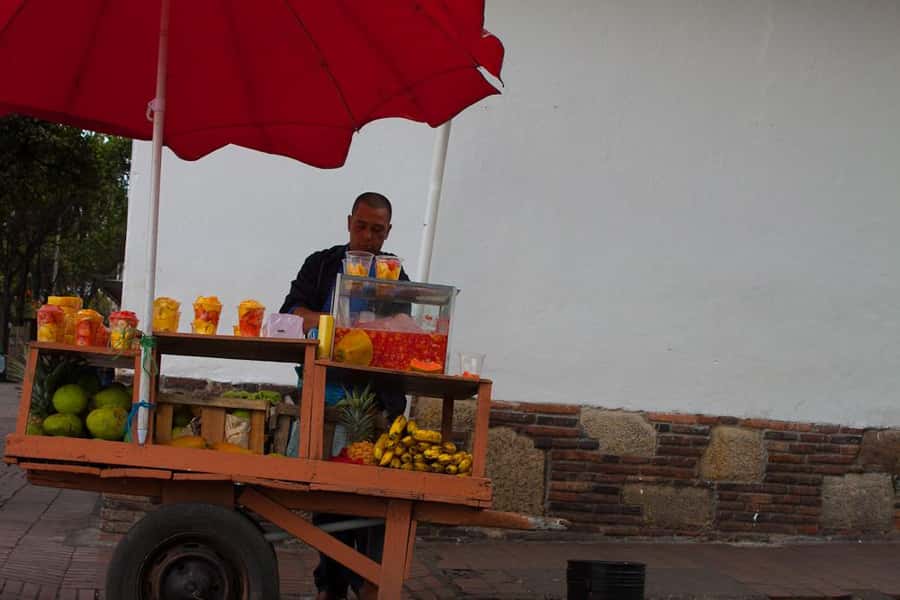
Between museums and landmarks, the tour includes a shopping and contrast moment at Parque Santander. You get the chance to shop for handicrafts—handmade items that make better souvenirs than generic postcards. Even if you don’t buy, it’s a nice place to slow down and feel the market energy.
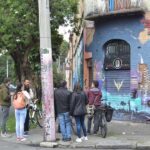
Then there’s Chorro de Quevedo, another stop that’s all about contrast. It’s one of those “watch the mix” places in the historical center—old-world streets meeting daily life. I like this stop because it helps the day feel less like a checklist and more like a story: hill view, old neighborhood walk, art and artifacts, then back to street-level texture.
If you’re taking photos, this is a great place to do it without rushing. Cobblestones and historic corners tend to look better in late morning or afternoon light, and the tour timing often lands here at a good time.
Plaza de Bolívar and the cathedral: Bogotá’s political heart
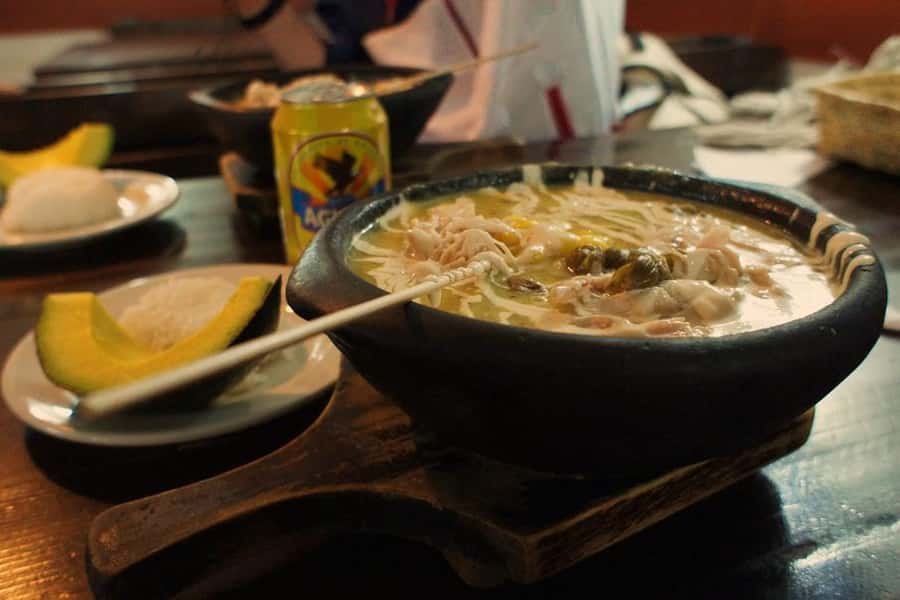
Lunch comes next at an authentic local restaurant, which is a big deal on an 8-hour day. You get sustenance without the hunt for food. Just keep in mind that unspecified food and beverages outside the lunch are not included, so it’s smart to plan for drinks if you think you’ll want them.
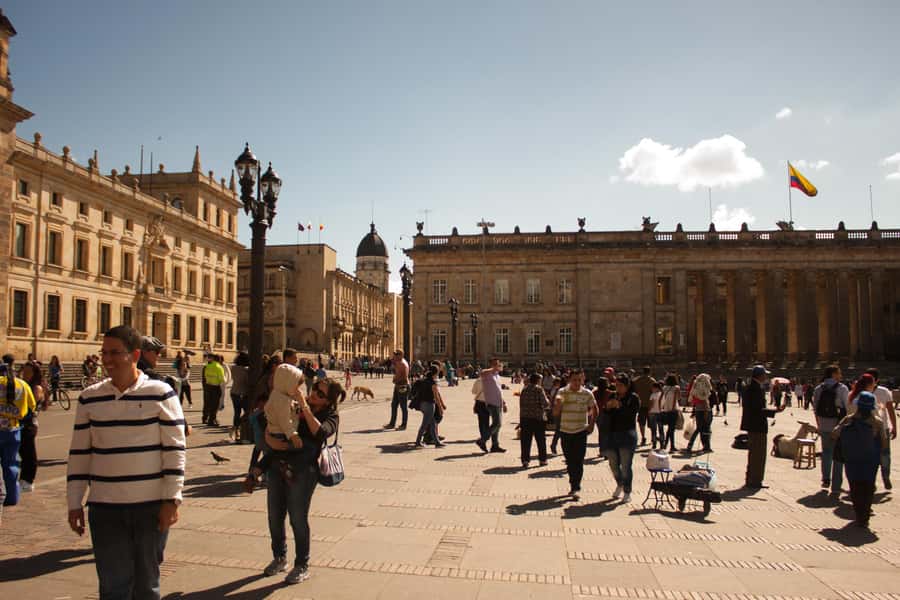
After lunch, you head to Plaza de Bolívar, Bogotá’s historical epicenter. This is where the tour shifts from neighborhood texture to national identity. You’ll see the administrative and government buildings, and then you can go inside the Primatial Cathedral.
This stop works best if you take five minutes to just look around. The square is a stage: you’ll feel the weight of political history, religious presence, and the daily flow of people passing through a landmark space.
You can also read our reviews of more tours and experiences in Bogota
North-side panoramas: International Centre, La Macarena, and National Park
Then the day finishes with a drive toward the north for panoramic sights—International Centre, La Macarena, and National Park. This part is your “big picture” closeout after the walking-heavy historic zones.
What I like about finishing with a drive: you get a chance to rest your legs while still seeing the city’s broader geography. It’s also helpful if you want to understand where your hotel might be in relation to the major landmarks.
End near the cozy neighborhood of Usaquén, known for narrow streets and weekend flea market vibes. Even if you’re not shopping, the neighborhood energy makes a softer landing after the busiest hours. It’s a good place to keep walking on your own for a bit—just don’t expect it to feel like La Candelaria.
Price and value: what $251 buys you (and what to watch)
At $251 per person, this tour can be good value if you’re trying to cover several far-apart neighborhoods in one day with a guide, transport, tickets, and lunch handled for you.
Here’s what’s included that actually saves money and time:
- Hotel pickup and drop-off by private transportation
- Guide in Spanish or English
- Cable car ticket (and you skip the ticket line)
- Lunch at a local restaurant
- Tickets to the visited attractions
Where you need to watch costs:
- The price you paid does not include 19% V.A.T. for foreigners entering as tourists. The tour provider requires proof: a copy of your passport and a photo of the entry stamp to the country, as required by the tax authority. If you’re a foreign tourist, plan to send those documents promptly.
Also, keep expectations realistic about timing. Most days are smooth, but I’ve seen at least one case where the day ran shorter than advertised and didn’t match the exact itinerary detail. The guide can be excellent, but timing is always a moving target in a city with traffic and museum hours.
The guide makes the day: what I’d look for in reviews
A strong guide turns this from sightseeing into understanding. The names I’ve seen associated with standout days include Gigio, Raul, Filipe, Jhovannoty, and Daniel—and the common thread is clear enthusiasm plus city knowledge.
One detail that matters: guides who can point out “special places” beyond the main landmarks tend to make La Candelaria and the historical center feel personal instead of scripted. If your guide is one of the energetic ones, you’ll likely appreciate the route choices more and feel like you’re learning the city’s logic, not only its sights.
Still, I’d take the private-group label seriously. The tour data says it’s a private group, but one review noted they ended up with others added in. That doesn’t mean it’s common, but it’s a good reason to message in advance if you’re sensitive to crowd levels.
Should you book this Bogotá tour?
I’d book this if you want a one-day mix of viewpoints, historic streets, major museums, and a local lunch without juggling transport and ticket lines. It’s also a good choice for first-timers because you cover several key zones—Monserrate, La Candelaria, the political center, and Usaquén—in a planned route.
I’d think twice if:
- You’re visiting on a weekday when either museum is closed and you strongly care about that exact collection.
- You’re very schedule-sensitive and need an exact itinerary minute-by-minute.
- You prefer a slower pace with longer museum time rather than hitting multiple stops in one day.
If your goal is a full day that gives you a usable mental map of Bogotá plus a few unforgettable sights, this one fits the bill.
FAQ
How long is the Bogotá Grand City Tour?
The tour lasts 8 hours.
Does the tour include hotel pickup and drop-off?
Yes. Pickup and drop-off are included by private transportation.
What’s included for the Monserrate visit?
You get a cable car ticket to reach Monserrate, and you skip the ticket line.
Is lunch included?
Yes. Lunch is included at a local restaurant.
Are there museum closures on certain days?
Yes. The Gold Museum is closed on Mondays, and the Botero Museum is closed on Tuesdays. On those days, the tour visits another museum based on the group’s interests.
What languages are available for the guide?
The guide is available in Spanish or English.
What do I need to bring?
Bring comfortable shoes, a jacket, and rain gear. You should also bring a passport or ID card (a copy is accepted).
Is the Gold Museum ticket included?
Tickets to the visited attractions are included, including the Gold Museum when it is open.
Is VAT included in the listed price?
No. The price paid does not include 19% VAT for foreigners entering as tourists. You’ll need to send a copy of your passport and a photo of your entry stamp.
Can I cancel and get a refund?
Yes. Free cancellation is available up to 24 hours in advance for a full refund.