REVIEW · BOGOTA
BOGOTA: City Tour, Monserrate, Gold Museum, Botero Museum, Plaza Bolívar
Book on GetYourGuide →Operated by Neorama Tours · Bookable on GetYourGuide
Bogotá hits you fast, and this tour packs the good stuff. I especially like the contrast between Plaza Bolívar’s grand government buildings and the human-scale streets of La Candelaria, and I love that the day includes both the Gold Museum and Botero’s art without dragging you through line after line. One possible drawback: Monserrate is a separate ticket expense, so you’ll need a little extra cash if you want the funicular up.
This is a smart, guide-led way to see the city without guessing distances, and it works well as a first-time visit. You’ll also get time for photo stops and short breaks (plus Simón Bolívar Park for air and walking), and the weather is usually cool year-round, so layers and a small umbrella make life easier. Safety-wise, keep an eye on your surroundings in busy spots and don’t wave valuables around like a parade float.
In This Review
- Key things I’d circle on your map
- Plaza Bolívar and La Candelaria: the heart of Bogotá, on foot
- Gold Museum: pre-Hispanic artistry that holds your attention
- Botero Museum: oversized figures with real depth
- Monserrate: panoramic views plus the Sanctuary of the Fallen Lord
- Chorro de Quevedo and Simón Bolívar Park: breaks that feel like part of the day
- Optional Cerro Guadalupe climb: the extra effort if you feel like it
- Street art stops: color, attitude, and a calmer pace
- Price and logistics: what your $81 buys you in real time
- Safety, weather, and what to pack for a smooth day
- Who this tour suits best
- Should you book this Bogotá city tour?
- FAQ
- How long is the Bogotá tour?
- What is included in the tour price?
- Is Monserrate entry included?
- Is lunch included?
- What languages is the tour guide available in?
- Is this tour private and wheelchair accessible?
- What is the main safety advice during the tour?
Key things I’d circle on your map
- A tight 6-hour route that hits the big icons plus La Candelaria street scenes
- Skip-the-line museum entry so your time goes to looking, not waiting
- Gold Museum first-class artifacts that make pre-Hispanic artistry feel immediate
- Botero Museum in a guided format that helps you read the humor and technique
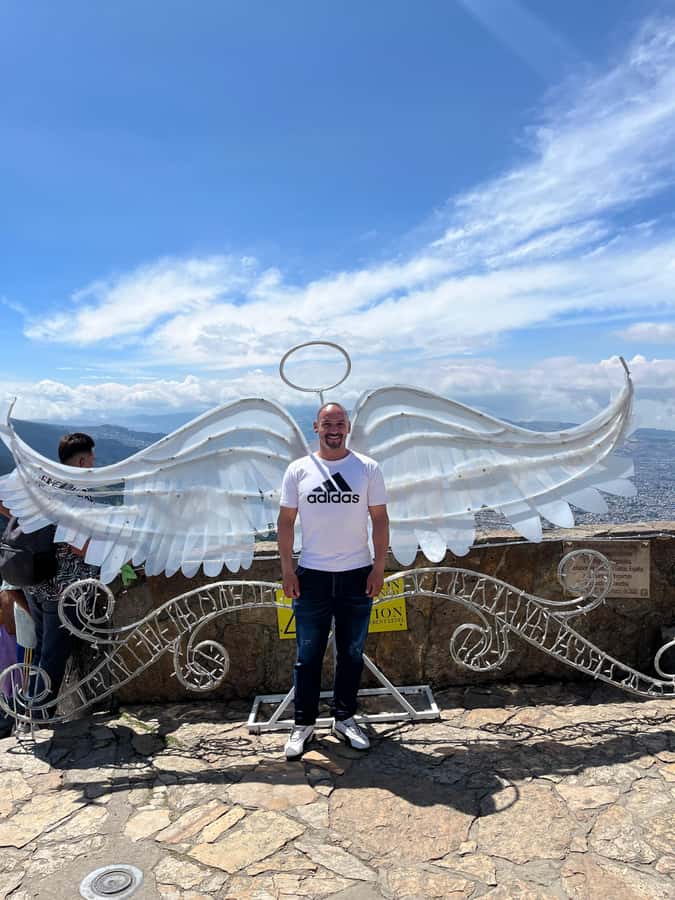
- Monserrate for panoramic views and the Sanctuary of the Fallen Lord
- Chorro de Quevedo + park time so the day doesn’t feel like one endless photo sprint
Plaza Bolívar and La Candelaria: the heart of Bogotá, on foot
Most days in Bogotá start with logistics. This one starts with getting your bearings, and that matters. You begin in La Candelaria, the historic center where the streets feel older than the traffic around them. Even if you’re only here briefly, walking the cobblestones helps your brain map the city. It also makes the following stops more meaningful, because you’ll recognize the surrounding landmarks instead of just collecting stamps.
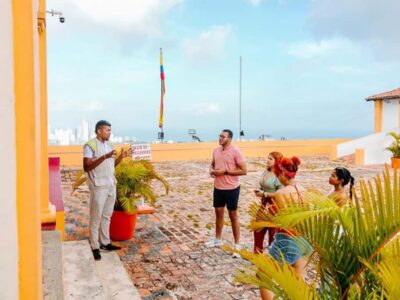
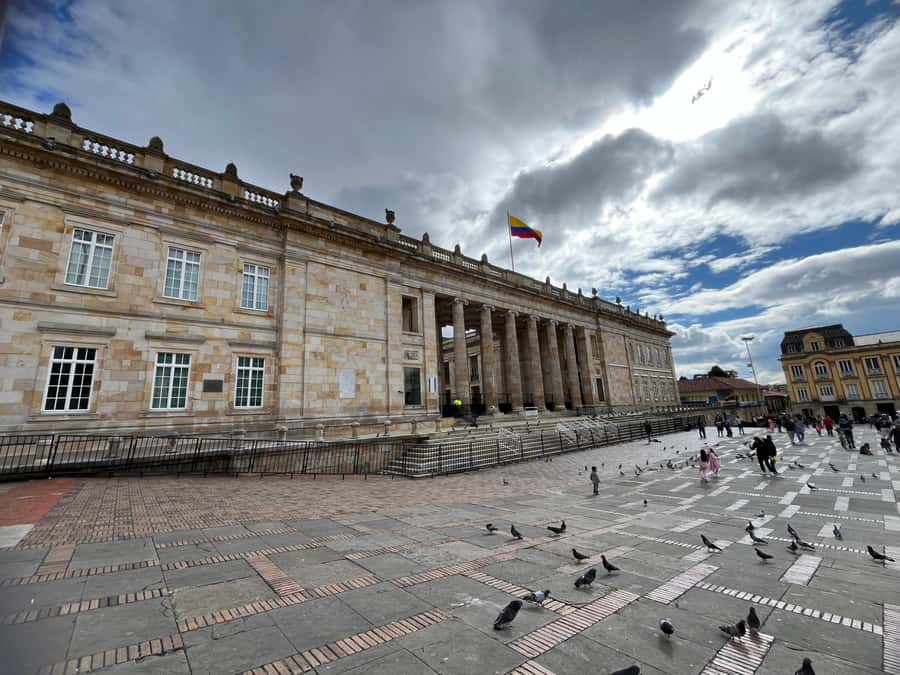
Then comes Plaza Bolívar, the historic core you’ll see referenced everywhere. It’s framed by major civic buildings, including the Primada Cathedral, the National Capitol, and the Palace of Justice. Standing in the square, you get the sense of Bogotá as a capital city—politics, religion, law—without needing a textbook. Your guide’s job is to point out what’s important architecturally and historically, and the best part is that you can ask questions on the spot instead of trying to decode signage with tired eyes.
You’ll also have some free time woven in. I like that. You can take photos without rushing, grab a quick snack if you need it, and step away if the crowd energy isn’t your thing.
You can also read our reviews of more city tours in Bogota
Gold Museum: pre-Hispanic artistry that holds your attention
If you only did one museum in Bogotá, the Gold Museum would be the one I’d pick. This stop isn’t just about shiny objects. It’s about craft—how metalwork, design, and cultural meaning were built into everyday rituals and status symbols long before European influence.
The value here is speed and access. You get Gold Museum entry, with the benefit of skipping the ticket line, so you can spend your limited time actually inside looking. A good guide helps here, too, because the museum can feel overwhelming if you treat it like a checklist. With a guide, you learn how to look: patterns, symbols, and the way objects relate to broader pre-Hispanic life.
Practical tip: wear comfortable shoes. Museum floors and galleries add up, and this tour is already packed. If you’re the type who likes to read labels slowly, you’ll want that extra leg comfort.
Botero Museum: oversized figures with real depth
After the Gold Museum’s seriousness, the Botero Museum brings a different kind of attention: the way art can be funny while still being sharp. Fernando Botero’s famous style—figures with generous proportions—could sound simple from a distance, but up close it’s about form, texture, and the mood each work carries.
What I like about having a guided visit is that Botero’s humor doesn’t just become a photo opportunity. Your guide helps connect what you see to broader artistic influences, and you’ll also see works by other international masters alongside Botero pieces. That mix is a smart way to understand why Botero is so recognized globally: you’re seeing his work in conversation with what came before.
If you’re traveling with someone who thinks museums are boring, this is a strong “reframe” stop. The art is approachable, but the explanations give it weight.
Monserrate: panoramic views plus the Sanctuary of the Fallen Lord
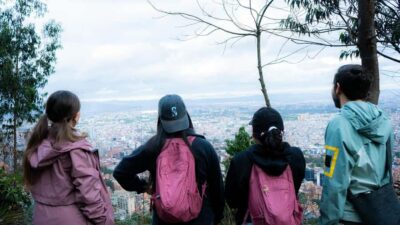
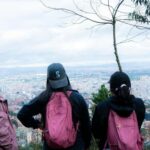
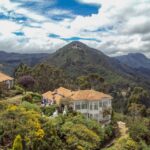
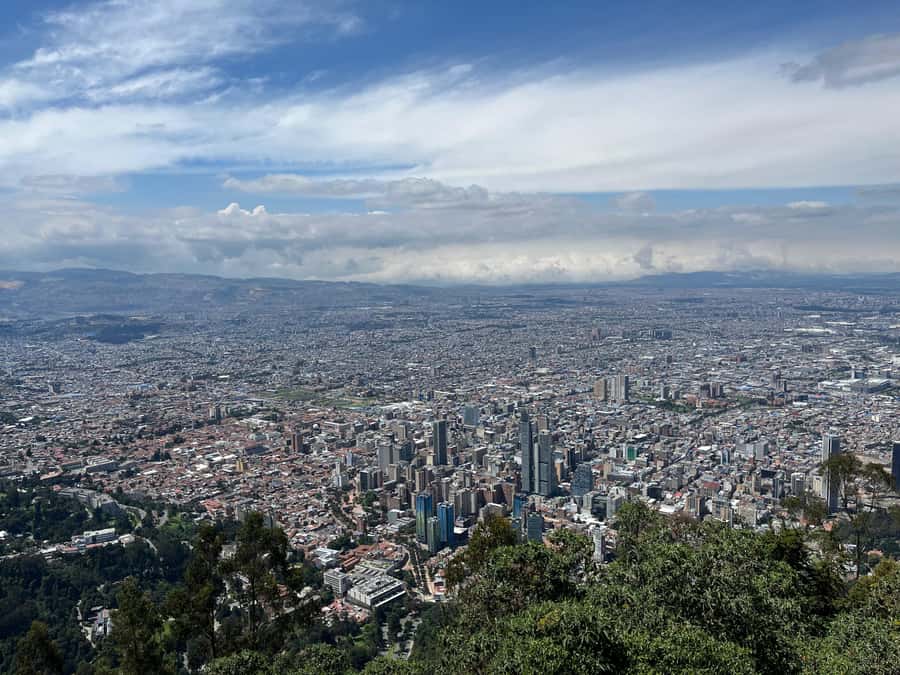
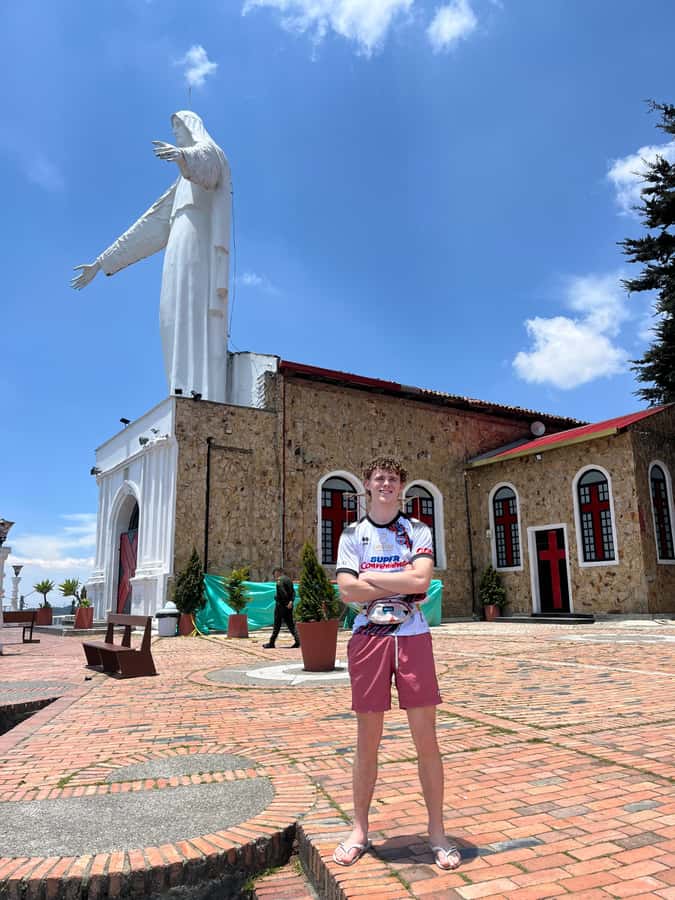
Now for the Bogotá viewpoint stop: Monserrate. At the top, the city looks different—taller, denser, and more layered than you expect from street level. This is one of those places where the effort feels worth it, even if you aren’t a big “climb” person.
You can reach it by cable car, funicular, or on foot depending on what’s running and what you feel like doing that day. The tour includes getting you there and visiting the Sanctuary of the Fallen Lord of Monserrate, an important pilgrimage site. One detail to plan for: entry to Monserrate and the funicular ride are not included. The funicular ride cost is listed as US 6, so budget for that if you go that route.
Practical advice: if the weather is cloudy or windy, your view may be less dramatic. Still, the sanctuary atmosphere and the shift in altitude are part of the experience. Go with a flexible mindset: the goal isn’t just a perfect photo, it’s the sense of arrival at a landmark.
Chorro de Quevedo and Simón Bolívar Park: breaks that feel like part of the day
Between museums and viewpoints, you’ll get two spots that help the day breathe.
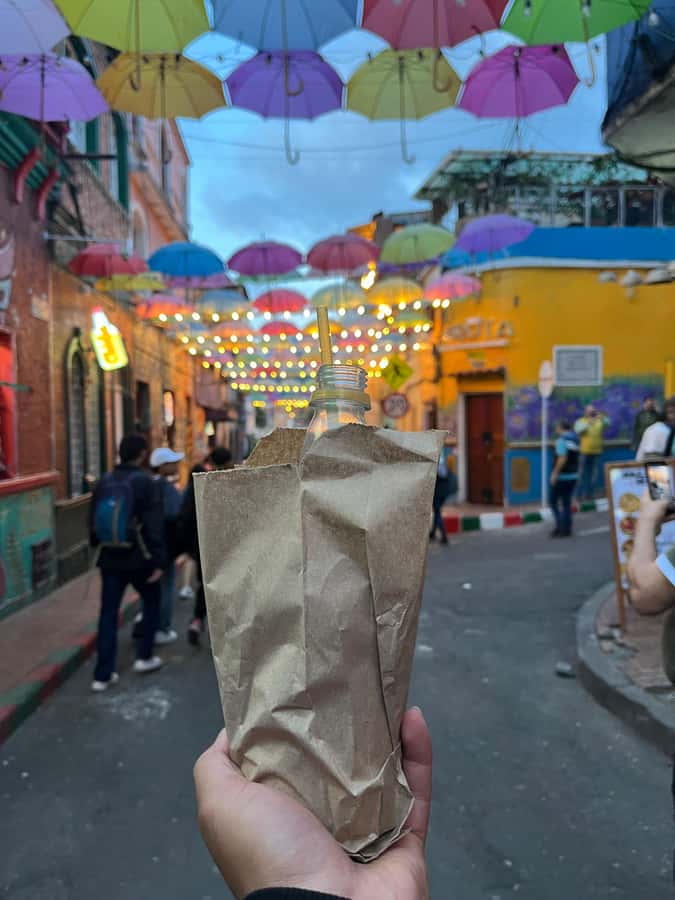
Chorro de Quevedo is in the La Candelaria area and has that old-Bogotá charm you can’t quite recreate elsewhere. It’s also considered one of the city’s origin points, which gives the place extra meaning when you’re standing there instead of reading about it later. You’ll likely get a guided/historical touch during this stop, which makes the colonial vibe feel grounded in context rather than just aesthetics.
Then there’s Simón Bolívar Park, described as a huge green lung. This is your downshift. You can walk, stretch, and reset without the pressure of another “must-see” indoor stop. If you like taking a slow loop or people-watching, this is a good place for it. Even if you’re traveling with kids or someone who needs regular breaks, the park time can make the entire 6-hour schedule feel manageable.
You can also read our reviews of more museum experiences in Bogota
Optional Cerro Guadalupe climb: the extra effort if you feel like it
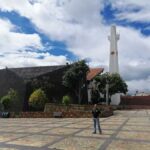
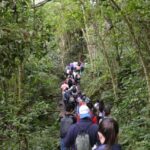
The tour includes a climb to Cerro Guadalupe (optional). That’s your chance to trade a bit of energy for a better sense of the city’s height and geography. Because it’s optional, you can decide on the day based on your comfort level, weather, and how your legs feel after Monserrate and walking in the center.
I like optional add-ons on tours like this. Bogotá is hilly and walking adds up fast, so it’s useful to have a built-in choice rather than a forced workout.
Street art stops: color, attitude, and a calmer pace
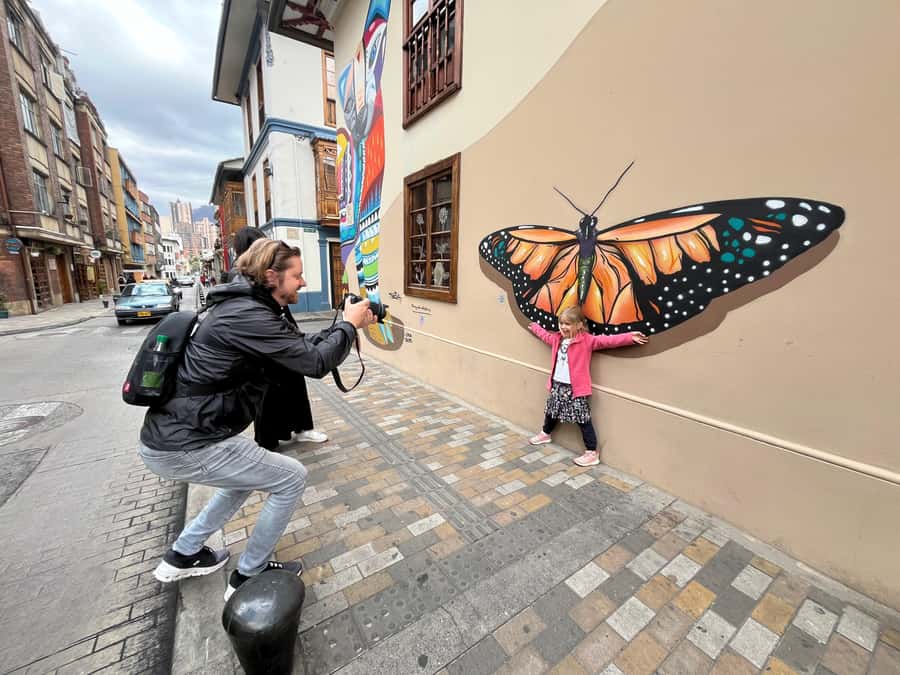
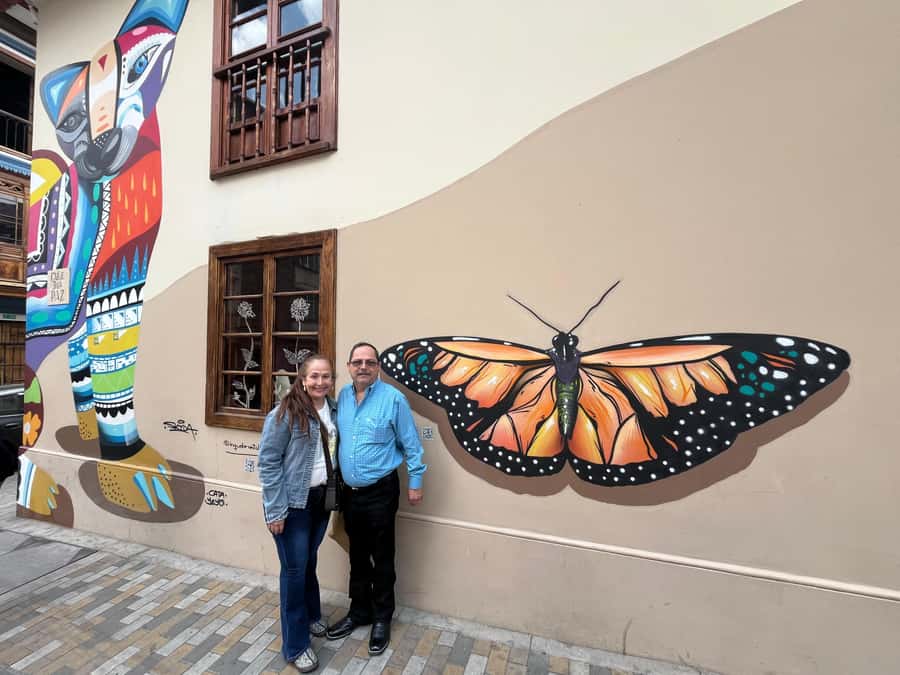
Street art shows up in the day as part of the cultural picture. Instead of treating it like a random photo wall, you’ll be seeing it in the context of the neighborhoods you’re moving through. That matters because Bogotá street murals often reflect local identity, humor, memory, and social themes. Even if you don’t go deep on every symbol, the overall effect is that the city feels lived-in, not staged.
This matters on a first-time visit. Big museums and iconic viewpoints are essential, but street art reminds you that the city is creative every day, not only on postcard corners.
Price and logistics: what your $81 buys you in real time
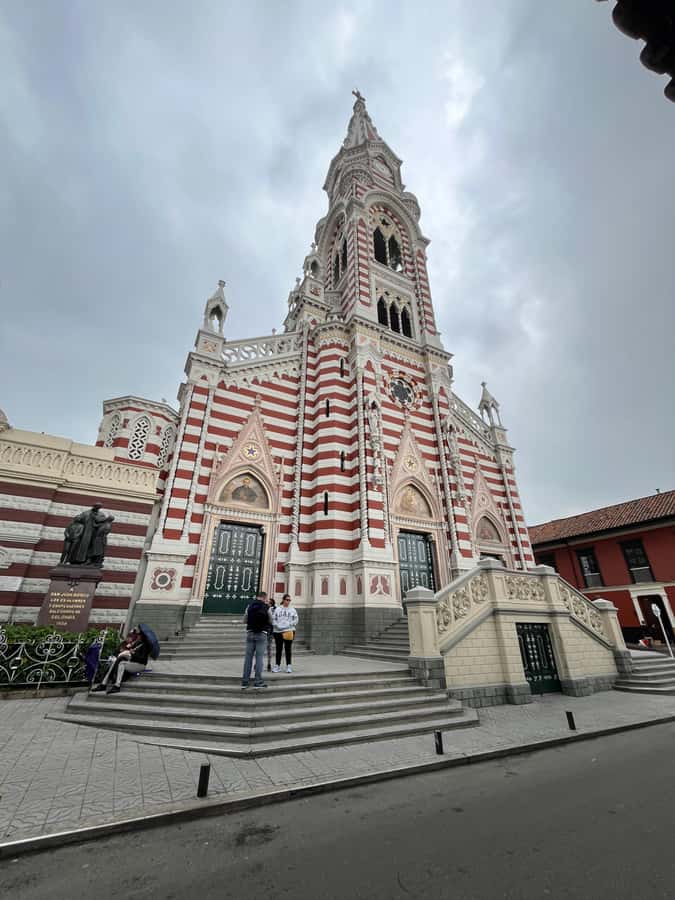
The price is $81 per person for a 6-hour private tour. That’s not cheap in absolute terms, but it’s solid for what you’re getting: private transportation, a live tour guide, and entry included for both the Gold Museum and Botero Museum. You’re also getting Chorro de Quevedo as a guided stop, plus a light snack, and the schedule includes enough variety that it doesn’t feel like one long museum hallway.
Where the value really shows up is time and friction. Bogotá can be confusing for first-timers—distances, traffic, and the best order for sights. Having a guide and private transport means you’re not spending your energy bargaining with buses or guessing routes between hilltop and center.
The tradeoffs are straightforward:
- Lunch isn’t included, so you’ll want a plan for food afterward.
- Monserrate entry and funicular aren’t included, so you may add about US 6 if you choose the funicular route.
- You’ll want comfortable shoes because walking is part of the experience.
If you’re short on time—only one day in Bogotá—this is one of the more efficient ways to hit the essentials while still getting context. If you have more than two days, you might mix this with a more specialized neighborhood tour later.
Safety, weather, and what to pack for a smooth day
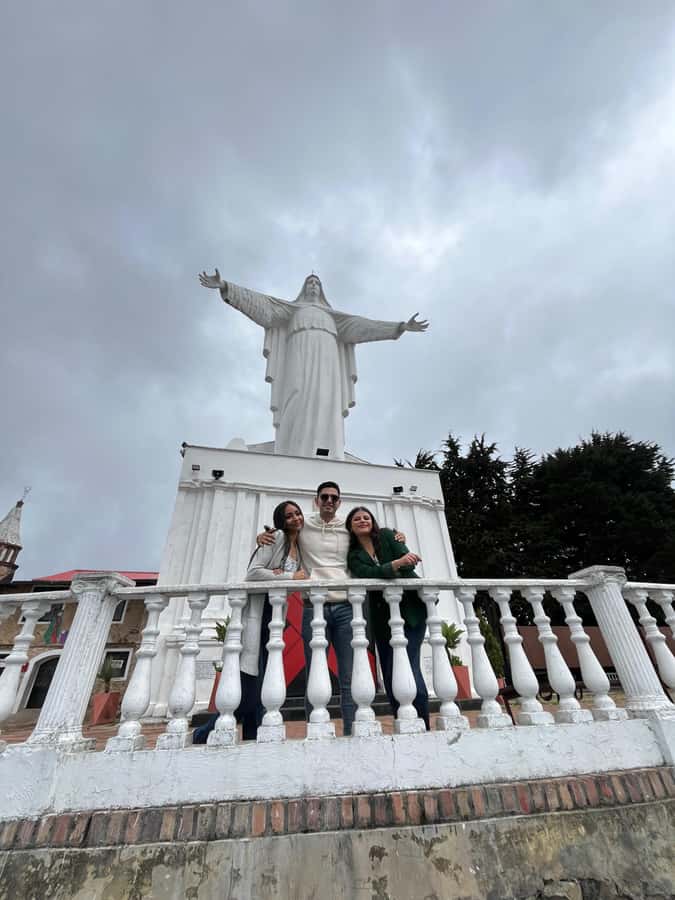
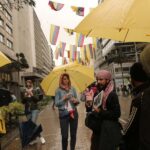
Bogotá’s climate is cool and temperate all year, so you’ll feel it even when the sun is out. The tour’s advice fits reality: dress in layers and bring an umbrella. If you only have one jacket, choose something that can handle quick temperature swings.
For safety, the usual big-city rules apply, and they’re worth repeating plainly:
- Keep an eye on your surroundings, especially in busy areas.
- Avoid openly displaying valuables.
One more small note: alcohol and drugs aren’t allowed on the tour. It’s standard, but it also keeps the vibe focused on sights instead of wandering.
Who this tour suits best
This experience is a good fit if:
- You want a first-time Bogotá overview with the major cultural stops covered.
- You prefer a private group and live guidance over wandering alone.
- You care about museum context, not just taking pictures in passing.
- You like mixing indoor highlights with outdoor city time (park, viewpoints, street corners).
It may be less ideal if:
- You hate walking at altitude or feel uncomfortable with hills. The day includes hilltop time at Monserrate and optional climbing.
- You want a full meal included. Lunch is not part of this plan.
Should you book this Bogotá city tour?
I think you should book it if you want a balanced, time-efficient day with real cultural anchors: Plaza Bolívar, the Gold Museum, Botero, and Monserrate. The strongest reasons are practical: private transport, guide, skip-the-line museum entry, and a route that connects historic streets to modern city energy.
If you’re the kind of traveler who enjoys planning your own museum pace and wandering without structure, consider mixing solo time with a shorter guided component. But for many visitors, this is the kind of schedule that makes Bogotá feel understandable fast—without turning your trip into a checklist.
If you go: pack layers, wear solid shoes, and budget a little extra for Monserrate entry/funicular. Do that, and you’ll end the day with both memories and better city sense than you’d get from a rushed self-guided run.
FAQ
How long is the Bogotá tour?
The total duration is 6 hours.
What is included in the tour price?
It includes private transportation, a tour guide, entry to the Gold Museum and Botero Museum, Chorro de Quevedo, a light snack, and an optional climb to Cerro Guadalupe.
Is Monserrate entry included?
No. Entry to Monserrate and the funicular ride are not included.
Is lunch included?
No. Lunch is not included.
What languages is the tour guide available in?
The tour guide is available in Spanish and English.
Is this tour private and wheelchair accessible?
Yes. It’s a private group, and the tour is wheelchair accessible.
What is the main safety advice during the tour?
Like any big city, keep an eye on your surroundings in busy areas and avoid openly displaying valuables.