REVIEW · BOGOTA
Bogota: Zipaquira, Salt Cathedral & Lake Guatavitá Tour
Book on GetYourGuide →Operated by Gran Colombia Tours · Bookable on GetYourGuide
Salt Cathedral is the real star of this day. It turns a long Bogota escape into a focused, guided circuit where history goes underground and scenery comes back up fast. I love how the Salt Cathedral uses religious symbolism and striking architecture inside an old mine. I also love the payoff at Lake Guatavitá, where the views connect to the lake’s cultural meaning and the surrounding ecosystem.
The main wrinkle is timing: Guatavitá Lake closes Mondays, and during late July to late September you may face a 2 km walk because of route maintenance. If you hate surprises in walking distance, this is the part to plan around.
In This Review
- Key highlights worth your attention
- A Day Trip North of Bogotá: How the 8–10 Hours Really Works
- Entering the Salt Cathedral of Zipaquirá: Art Built Inside a Salt Mine
- Zipaquirá Town Time: A Short Guided Stroll That Adds Context
- Tomine Reservoir Lunch: The Calm Reset Point
- Guatavitá National Park and Lake Views: Culture and Ecosystem in One Story
- The Nearby Village Stop: A Small Window into Traditional Life
- Price and Value at About $157 Per Person: What You’re Paying For
- Practical Tips You’ll Be Glad You Follow: Shoes, Timing, and Walking Reality
- Who This Tour Fits Best (and Who Might Want to Pick Something Else)
- Should You Book This Bogotá Zipaquirá and Guatavitá Tour?
- FAQ
- FAQ
- How long is the Bogota: Zipaquira, Salt Cathedral & Lake Guatavitá Tour?
- How much does the tour cost?
- Where does the pickup happen?
- What languages are the guides available in?
- Is Lake Guatavitá always included?
- Why should I pay attention to the day of the week?
- What happens during the July 20 to September 30 maintenance period?
- What should I bring?
- Is the tour wheelchair accessible?
Key highlights worth your attention
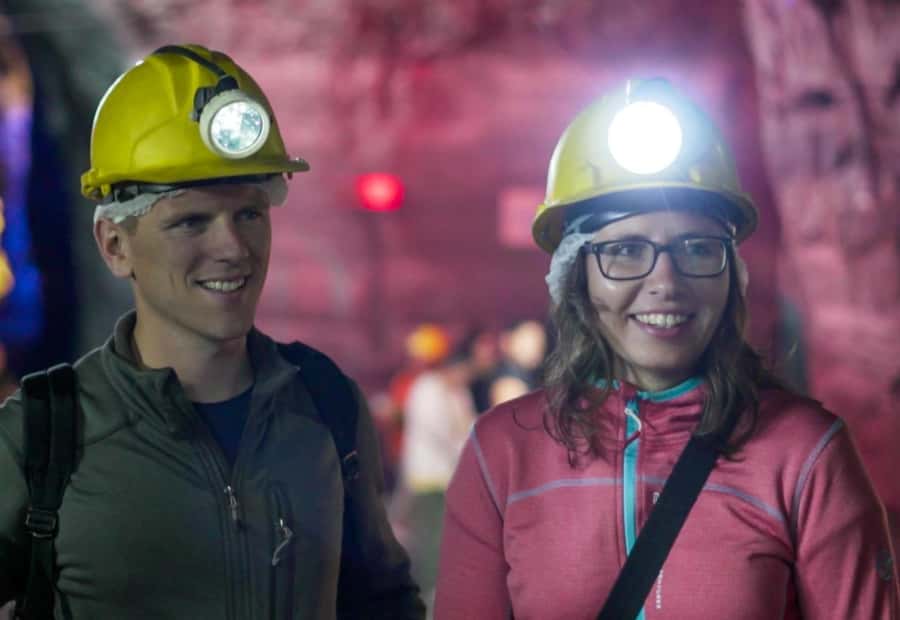
- Underground cathedral visit: Guided time inside a salt-mined space with major religious symbols and architecture
- Skip-the-line convenience: You move straight into the experience rather than waiting outside in daylight
- Tomine Reservoir lunch stop: A real break with a view before you head toward higher ground
- Lake Guatavitá context: You don’t just look; you get guided explanations tied to culture and the local environment
- Private-group pacing: A smaller, controlled day helps keep the timing of each stop comfortable
A Day Trip North of Bogotá: How the 8–10 Hours Really Works
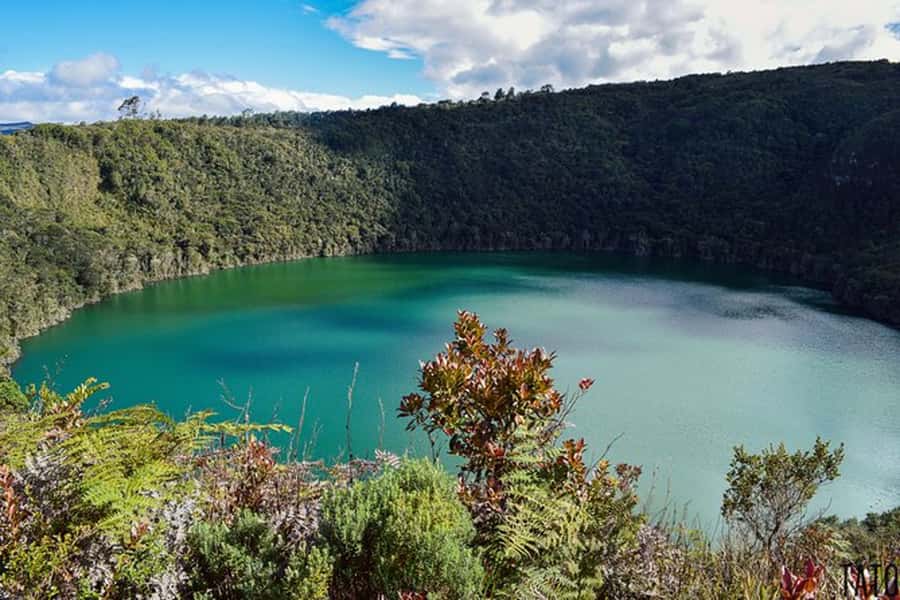
This tour is built for one main goal: squeeze two iconic Cundinamarca destinations into one day without you having to coordinate buses, tickets, and directions. Pickup starts from your hotel area in Bogotá, and the day runs roughly 8–10 hours total, returning you to Av Suba #126-95.
You’ll travel north into the savanna, which means the scenery changes gradually instead of feeling like you’re just stuck on a road trip. That matters because Zipaquirá and Guatavitá aren’t just “photo stops.” They’re places where timing and guided context make the difference between a quick glance and actually understanding what you’re seeing.
One more practical note: this is a private group with a live guide in English or Spanish, so the experience tends to feel more like a shared classroom-plus-sightseeing day rather than a rush through highlights.
You can also read our reviews of more tours and experiences in Bogota.



Entering the Salt Cathedral of Zipaquirá: Art Built Inside a Salt Mine
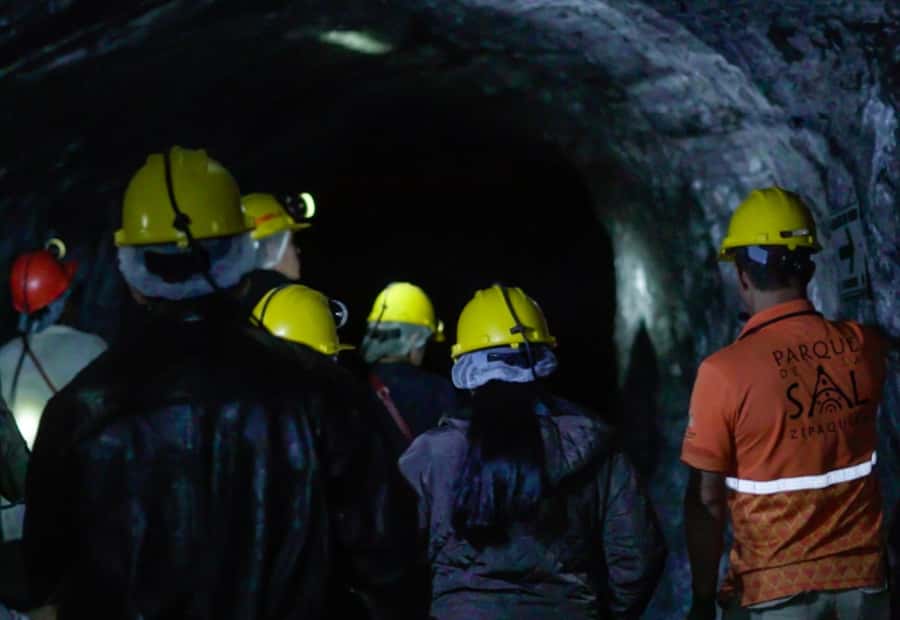
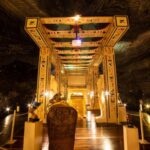
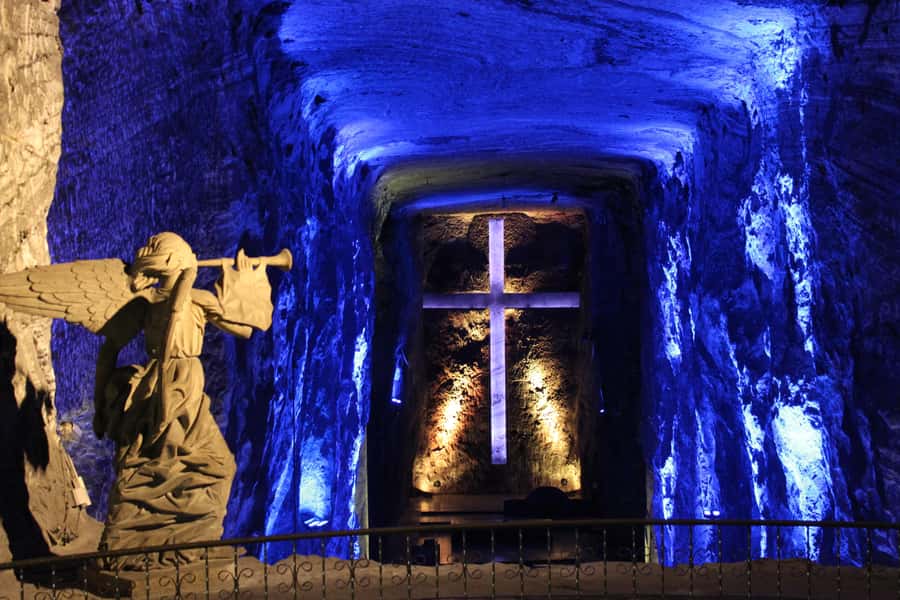
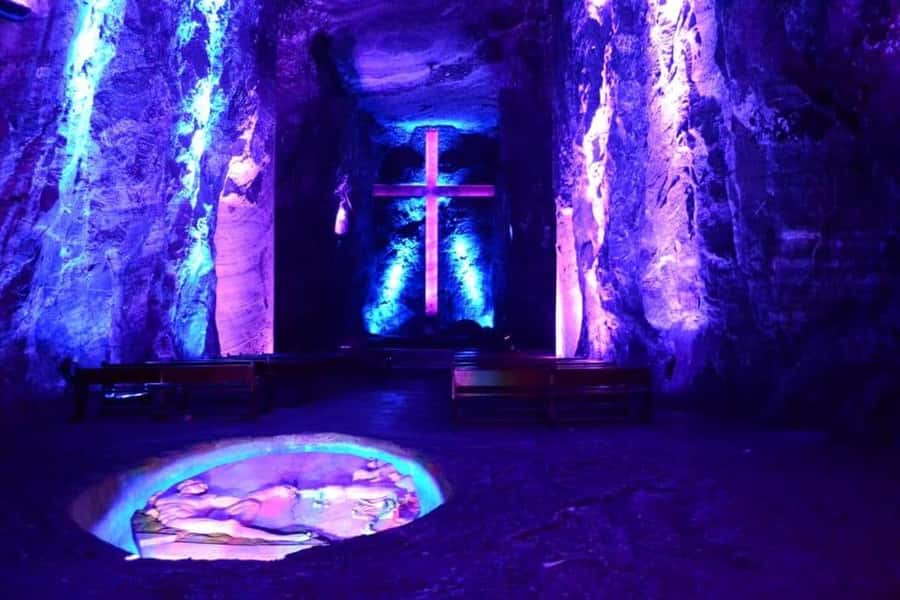
The Salt Cathedral of Zipaquirá is the headline for a reason. You’re not walking into a typical church. You’re stepping into a subterranean space shaped by an old salt mine, and the experience leans hard into atmosphere: cool air, rock textures, and an interior designed to guide your eyes the same way a guided sermon guides attention.
What you’ll get is a guided visit of about 3 hours, which is enough time to do more than snap pictures and move on. You’re guided through halls and key viewpoints where the religious symbols and architecture are the show. The cathedral’s design is meant to feel intentional—like the mine and the worship space were planned together, even though their origins are very different.
The practical takeaway for your day: wear shoes you can walk in for extended stretches. Even if the route isn’t described as extreme, you are underground in a planned walking circuit, and you’ll want secure footing so your head stays in the experience, not on your feet.
Zipaquirá Town Time: A Short Guided Stroll That Adds Context
Before you fully switch gears to the lake area, there’s a brief window for Zipaquirá town. You’ll get about 30 minutes for a guided overview and sightseeing in town.
In a day like this, that short stop matters because it prevents the day from feeling like two separate attractions with a big gap between them. Even in half an hour, you can pick up the local rhythm—how the community sits in the wider region, how the culture connects back to the salt heritage, and why Zipaquirá became a destination in the first place.
If you like strolling with purpose, this segment is useful. If you prefer uninterrupted time outdoors later, think of this as the “set the stage” moment, not the main event.
Tomine Reservoir Lunch: The Calm Reset Point
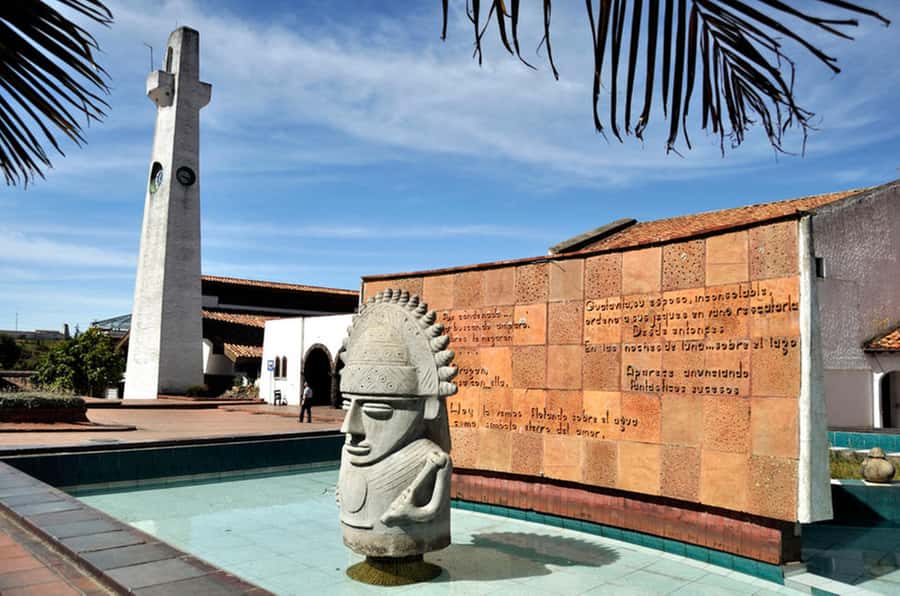
After the cathedral and town, you’ll stop for lunch with views over the Tomine Reservoir. This is not just a meal break. It’s a strategic pause that helps you reset before the Guatavitá National Park area, where you’ll be switching from an underground experience to open-air lake scenery.
Lunch is included, and when tours include the meal, you avoid one of the most common day-trip headaches: wandering around hungry trying to find a decent place that matches your schedule. Here, you get a timed break so the rest of the day stays on track.
Also, reservoir lunches tend to be a psychological gift. You can look out instead of looking down at steps, and that mental shift makes the later walking and viewpoints feel easier.
Guatavitá National Park and Lake Views: Culture and Ecosystem in One Story
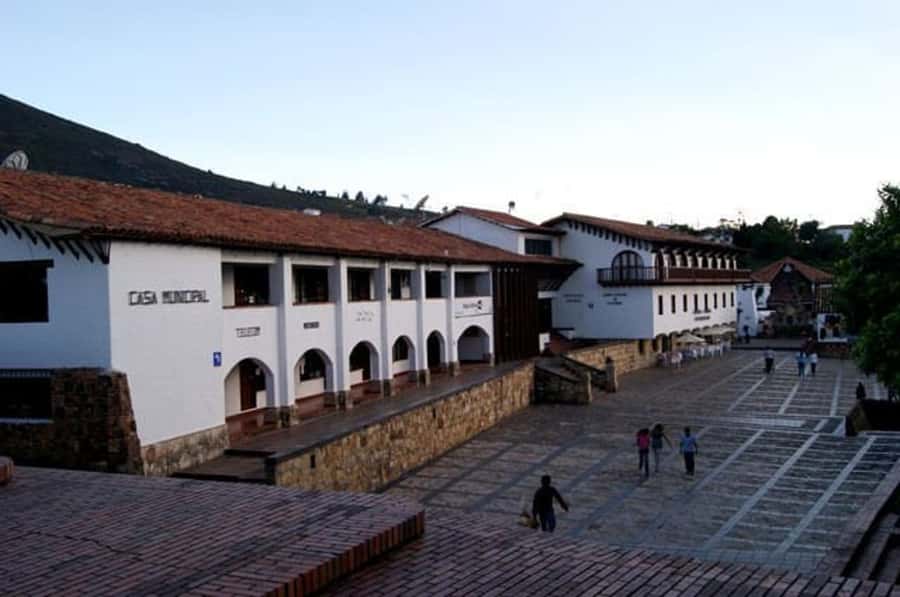
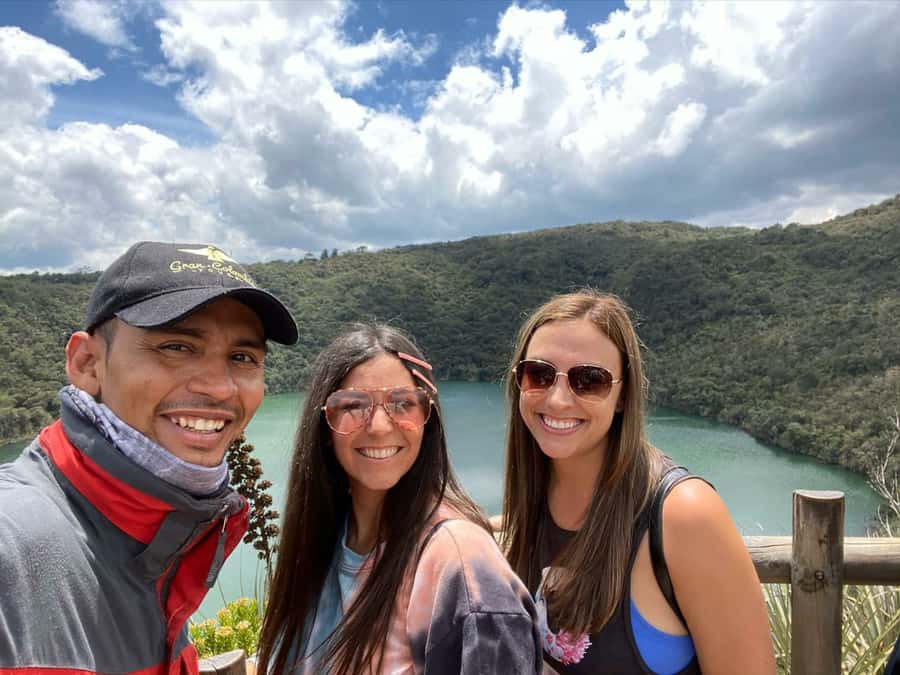
Lake Guatavitá is one of those places where the scenery does the talking, but the guided explanation gives you a reason to care beyond photos. Once you arrive at the park area, you’ll learn about the cultural significance of the lake and the characteristics of the ecosystem around it.
This is where the tour earns its “more than sightseeing” value. The guides don’t just point and say, that’s a view. They frame why the lake matters in local heritage and how the environment behaves in this region. You get a sense of how natural features, belief, and survival have shaped each other over time.
A key detail for your planning: Guatavitá Lake is closed every Monday. If your trip lands on a Monday, it can change whether you can do the lake-focused part as expected. Another timing detail: from July 20 to September 30, the entrance route to Guatavitá Lake is closed for maintenance. You’ll need to walk around 2 km from where you’re dropped off to reach the lake area.
That means your comfort level with walking becomes the deciding factor here. If you’re okay with a longer approach, you’ll likely enjoy the day even more because you’ll have time to take in the surroundings as you go. If you’re not, this is the one part to reconsider or ask about in advance when you book.




The Nearby Village Stop: A Small Window into Traditional Life
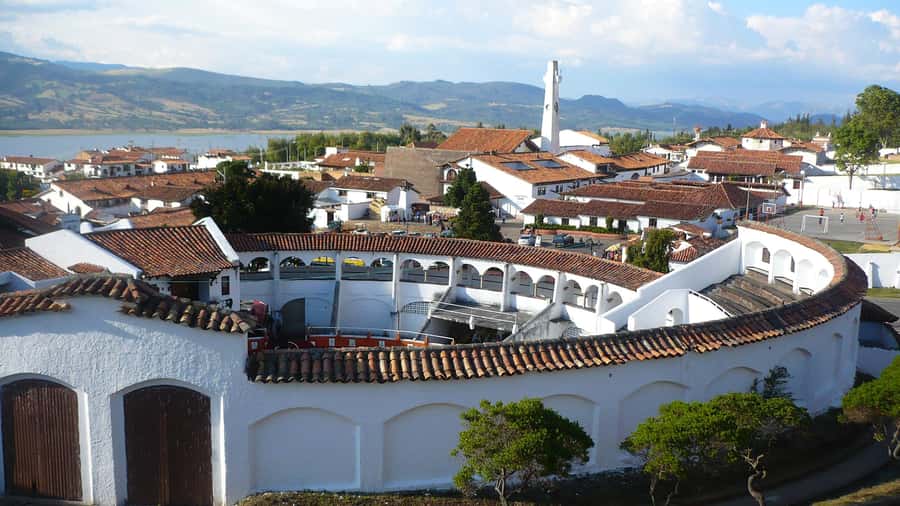
After Guatavitá, the tour includes a stop at a nearby village. It’s described as a chance to soak up a quaint, traditional atmosphere.
This segment is short, but it’s a smart add-on. When a day trip includes only big-ticket sites, it can feel like you’re passing through rather than experiencing. A village stop adds texture—what everyday culture feels like in this part of Colombia—without demanding a whole extra itinerary day.
Keep your expectations realistic: it’s more about the mood and the chance to slow down than about a long museum-style visit. Still, it’s a nice change of pace after the lake scenery and guided park learning.
Price and Value at About $157 Per Person: What You’re Paying For
At about $157 per person, this tour sits in the mid-range for a full-day private guided experience from Bogotá. The value comes from what’s included, not just the number.
You’re paying for:
- Hotel pickup and drop-off in Bogotá
- A live guide (English or Spanish)
- Salt Cathedral entry and guided tour
- Lunch
- Guatavitá National Park entry and guided tour if chosen
- All-risks insurance
- A practical advantage: skip the ticket line
That last point is underrated. When a cathedral visit is timed, skipping the line helps you protect the real experience time—the guided part where you learn what you’re looking at. Without that, you can burn energy before you even get started.
One more value point: guide quality. In the provided feedback, several guides are praised for clear English, friendliness, and good pacing. Names that come up include Liz, Cristian, Diego, and Nataly, and the driving support from Omar is also mentioned. You don’t control who you’ll get, but the repeated theme is that communication and timing matter on this route.
Practical Tips You’ll Be Glad You Follow: Shoes, Timing, and Walking Reality
Bring comfortable shoes. That sounds obvious, but here it matters because you have underground walking at the cathedral, plus later outdoor movement in the park and lake approach.
Then plan around the schedule constraints:
- Monday closure: Guatavitá Lake closes every Monday.
- July 20 to September 30 maintenance: the entrance route to Guatavitá Lake is closed. You’ll walk about 2 km from the drop-off point to reach the lake area.
One more consideration: this tour is not suitable for wheelchair users. If mobility is a factor, ask about the walking route and whether an alternate route is possible. The only “skip” style option you should expect is the ticket line for the cathedral—not a reduced walking plan for the lake area.
Finally, if you’re the type who hates being caught without a plan, treat this day like an active outing. You’ll be in transit, on foot, and moving between very different environments. The upside is that the variety keeps the day from dragging.
Who This Tour Fits Best (and Who Might Want to Pick Something Else)
This tour is a great fit if you:
- Want big iconic sites without planning logistics yourself
- Enjoy guided context, especially for religious symbolism and cultural meaning
- Prefer a private-group day with smoother pacing
- Are comfortable with a full-day schedule and some walking
You might think twice if you:
- Travel on Mondays and really want the lake segment
- Are sensitive to the added walking that can happen during the July 20 to September 30 maintenance period
- Need wheelchair accessibility (this option isn’t designed for it)
Should You Book This Bogotá Zipaquirá and Guatavitá Tour?
I’d book it if you want one day that combines a jaw-dropping underground attraction with lake scenery that comes with explanations you can actually use. The Salt Cathedral guided time is the core value, and the lake portion adds meaning instead of just scenery.
If your dates fall on a Monday, or you’re traveling during the maintenance window and you know walking 2 km won’t work for you, I’d pause and adjust plans. With those timing realities, you’ll get the best day when you align your visit to how the park access actually works.
FAQ
FAQ
How long is the Bogota: Zipaquira, Salt Cathedral & Lake Guatavitá Tour?
It lasts about 8 to 10 hours.
How much does the tour cost?
The price listed is $157 per person.
Where does the pickup happen?
Hotel pickup is provided in Bogotá, and the tour mentions Av Suba #126-95 as the pickup/return point.
What languages are the guides available in?
The live guide is available in English and Spanish.
Is Lake Guatavitá always included?
It’s included as part of the Guatavitá Natural Park portion if you choose that option.
Why should I pay attention to the day of the week?
Guatavitá Lake is closed every Monday.
What happens during the July 20 to September 30 maintenance period?
The entrance route to Guatavitá Lake is closed for maintenance, and you have to walk around 2 km from where you are dropped off.
What should I bring?
Wear comfortable shoes.
Is the tour wheelchair accessible?
No, it is not suitable for wheelchair users.