REVIEW · CUSCO
From Cusco: 7 Lagoons Tour
Book on GetYourGuide →Operated by Viajeros a Peru · Bookable on GetYourGuide
Seven lagoons, one high-altitude day. This 7 Lagoons Tour from Cusco takes you from the city to the Ausangate region to see the lakes fed by snowy peaks, then wraps it up with Pacchanta hot springs to help your legs recover. It’s a real Andes workday, not a casual stroll.
Two things I like a lot: first, you get the full day rhythm—walking with views and then a warm-water reset in Pacchanta. Second, the experience leans on a bilingual guide (English and Spanish), and you’ll hear practical altitude and pacing advice from people like Guillermo and Frank, who focus on keeping the group moving safely.
One drawback to plan for: this hike can feel intense at altitude, even if the overall difficulty is described as medium. And depending on your timing and group, you may also run into basic facilities issues on the trail area—so come prepared.
In This Review
- Key things to know before you go
- 7 Lagoons of Ausangate: what the walk feels like
- From Cusco to Paccanta: breakfast and a smart early start
- The lagoons: how to enjoy the stops without rushing
- Pacchanta hot springs: the best way to recover your day
- Price and value: why $35 can be a good deal (with a few extras)
- Guides matter: Guillermo and Frank, plus what to watch for
- Safety and etiquette around water, wind, and thin air
- What this tour suits best (and who should think twice)
- Should you book the Cusco 7 Lagoons Tour?
- FAQ
- Where does the tour start?
- How long is the 7 lagoons tour?
- What language is the guide?
- What’s included in the price?
- What costs extra during the day?
- How much hiking is involved?
- What’s the order of the day?
- Is horseback riding available?
- Is hot spring entry required?
- What’s the cancellation policy?
Key things to know before you go
- Ausangate-fed lagoons: multiple stops over a roughly 10 km route with the first lagoon about 1.5 hours in
- Hike-to-soak format: Pacchanta hot springs after walking, with lunch back at the community
- Bilingual guides: English and Spanish support, including attention to altitude comfort
- Small-but-real trail logistics: early starts happen, plus you’ll want to manage water, layers, and bathroom needs
- Extra costs to budget: an entry ticket of 10 soles, and optional hot spring entry at 5 soles
7 Lagoons of Ausangate: what the walk feels like
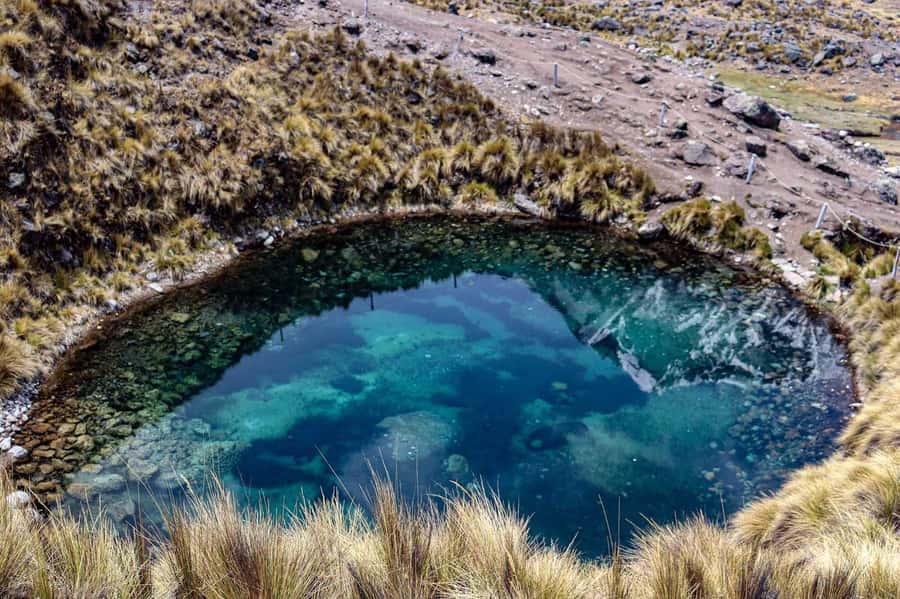
This is the kind of Andes itinerary that makes sense once you accept one thing: altitude changes the workout. The route covers about 10 km total, and the itinerary is paced so you’re not rushing lane-by-lane across the region. You start walking into the middle of the mountains and then reach the first lagoon after about 1 hour 30 minutes of trekking time.
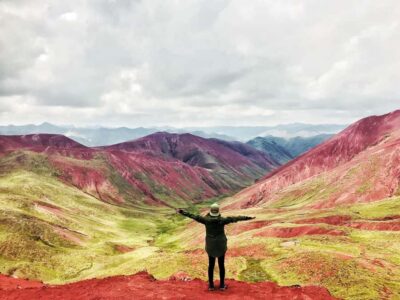
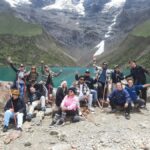
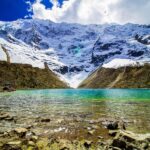
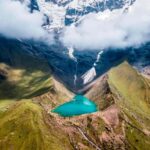
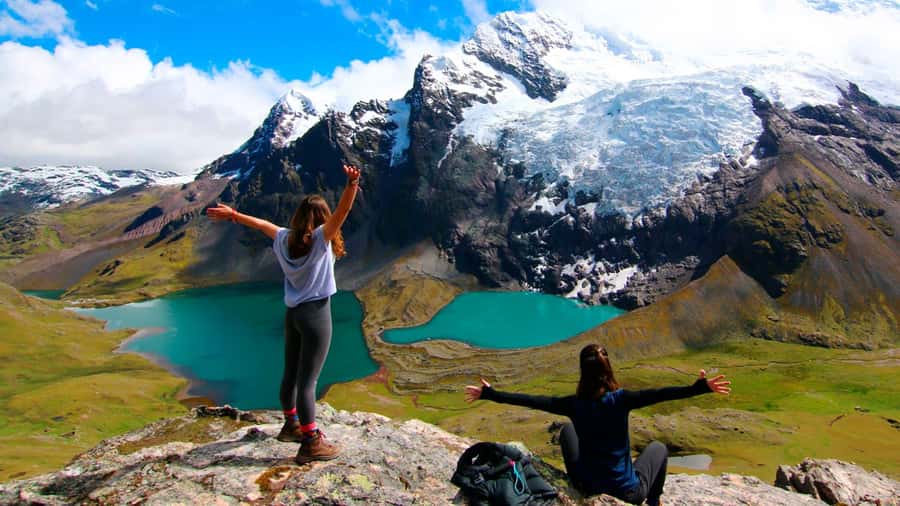
From there, it’s a sequence of lagoon views spaced across the day. The lakes are linked to Ausangate, and you’ll see how the snow-and-weather patterns shape the water and the surrounding vegetation. The best moments aren’t just the photos. They’re the in-between bits: when the air clears and you can actually read the terrain, or when fauna appears around the edges of the lagoons and you realize you’re not in a staged park.
Difficulty-wise, the best way to describe it is this: the hike is often rated as medium, but it can still feel heavy on your lungs. One guide focus you should expect is pacing—people like Frank were noted for checking on group members who felt altitude effects. That matters, because slowing down often turns a brutal day into a manageable one.
Practical tip: if you’ve only done city walking in Cusco, treat this like day one at altitude even if you’re acclimated. Start slower than you think you need to. You’ll thank yourself when you reach the later lagoons.
You can also read our reviews of more tours and experiences in Cusco.

From Cusco to Paccanta: breakfast and a smart early start
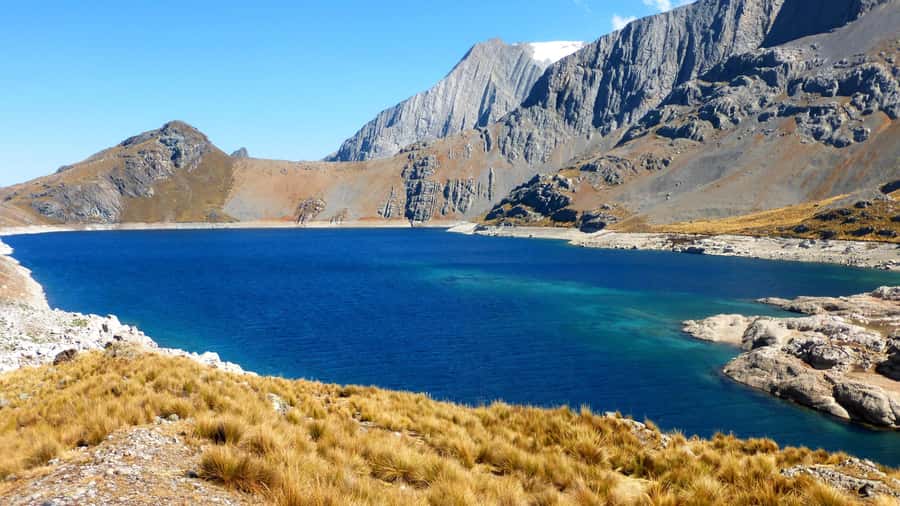
The tour begins with pickup from your Cusco hotel. You’ll be asked to wait in the lobby about 10 minutes before the scheduled pickup. Then you head toward the community of Paccanta, where you stop for breakfast before the trekking begins.
That breakfast stop is more important than it sounds. You’re going from Cusco city energy into thinner air and physical exertion. A solid meal at the community level helps you avoid the classic mistake: rushing out of Cusco fueled by caffeine and willpower.
Timing can be early. One verified booking described a pickup set for around 4:30 AM, so even if your exact start time varies by availability, plan your day like it’s an early departure. A short night is a big deal up here—fatigue makes altitude feel worse.
What I’d do if I were preparing: pack layers so you’re comfortable at dawn (cold mornings can stay cold), and keep your breakfast plate in mind when you think about lunch later. You’ll be walking before you’re done eating for the day.
The lagoons: how to enjoy the stops without rushing
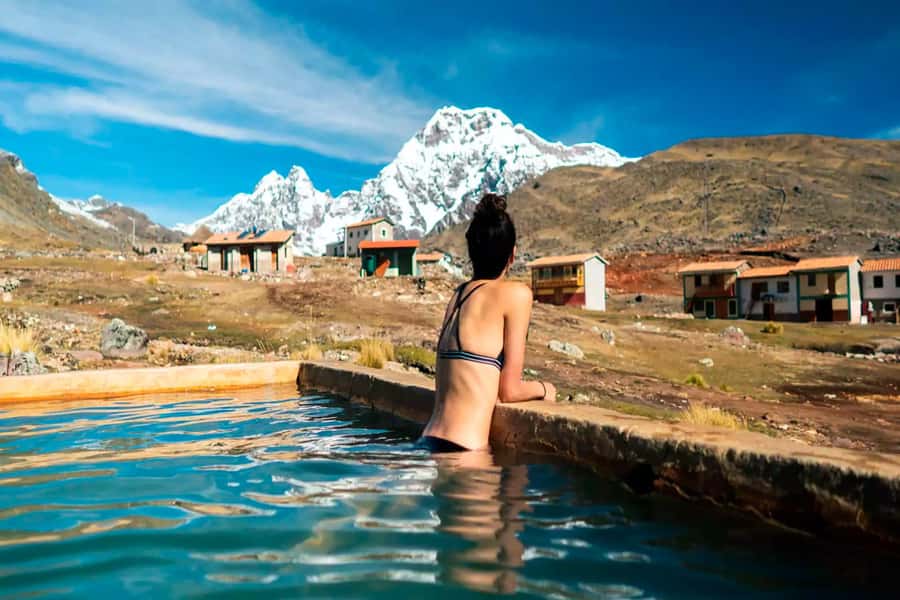
You’ll visit 7 lagoons over the course of the trek. The itinerary is laid out as an expedition through the mountain zone, with multiple viewpoints rather than one big sweeping panorama and done. That structure is great for two reasons.
First, it gives you more chances to get the lake you want. Weather in the Andes can change quickly. If you miss the perfect lighting at Lagoon Stop #2, you might catch a better moment later. Second, it’s psychologically easier. Instead of thinking about one long goal, you’re working through a series of smaller ones.
At each lagoon, slow down for a minute. Look for the patterns: how the water sits relative to the mountain slope, how the vegetation shows itself in patches, and how the terrain funnels wind across the open area. The lagoons aren’t just pretty. They’re part of an ecosystem shaped by Ausangate’s presence—snowmelt and weather make a visible difference.
One caution: the scenery is beautiful, so it’s tempting to wander closer for a perfect photo. Don’t treat the ground like it’s a theme park. Keep your steps careful and follow your guide’s instructions. These areas can be fragile, and the terrain around water can be slick or uneven even when it looks stable.
Also, consider bringing the kind of snacks that won’t melt in a warm pocket. The tour includes breakfast and lunch, but you’re still out for hours on foot. If you’re prone to getting lightheaded, small bites can help you keep steady.
Pacchanta hot springs: the best way to recover your day
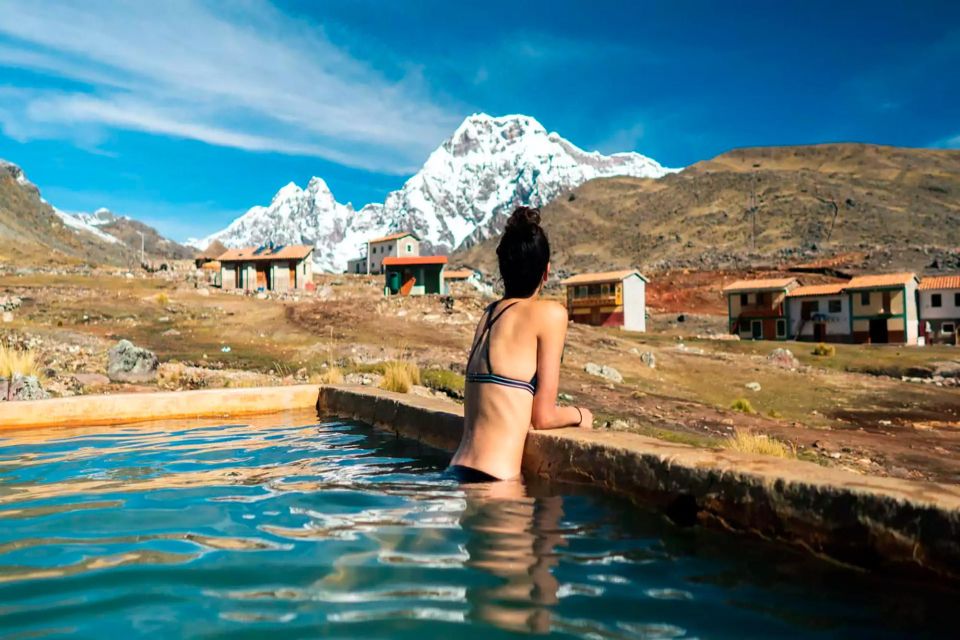
After the hike, you return to the Paccanta community. Then the tour shifts from cardio to comfort: you get to enjoy the hot springs and then have lunch.
Hot springs are more than a reward. They’re a practical reset for muscles that have been fighting uphill. Even if you don’t love soaking, the warmth can make the difference between feeling okay to walk back to dinner plans and feeling like your calves have filed a formal complaint.
Here’s the budget detail: hot spring entry is optional and costs 5 soles. In other words, the tour itself includes lunch and transport, but you choose whether to add the soak. If you know you’ll skip it, ask yourself whether the 5 soles is worth it for the way your body usually responds after hiking.
What to bring for soaking (without overthinking it): a towel you don’t mind getting wet, a basic change of clothes, and something to keep track of your belongings. If you’re entering chilly water at altitude, comfort matters more than style.
Price and value: why $35 can be a good deal (with a few extras)
The tour is listed around $35 per person for a 1-day experience. For many people, that’s the big question: is it worth it?
Here’s the value equation based on what’s included:
- Transport
- Breakfast
- Bilingual guide (English and Spanish)
- Lunch
Then here are the add-ons you should budget:
- Entry ticket: 10 soles
- Pacchanta hot springs: 5 soles (optional)
So yes, you’re paying fairly for a full day of organized logistics plus food. The hike itself is the main event, but you’re also paying for someone to get you into the right mountain areas, keep the timing organized, and help manage altitude pacing.
How to judge it: if you were to DIY this day, you’d still need transport, a guide (or at least local navigation help), and you’d have to plan the meals. That adds up fast. At this price, the tour feels most valuable if you want the route handled and your energy spent on the hike rather than figuring out how to connect the pieces.
One more value point: guides who create a positive tone can change how the day feels. One verified booking credited Guillermo for an easy-going vibe and even helped with great photos. The guide isn’t just logistics. They affect the mood.

Guides matter: Guillermo and Frank, plus what to watch for
A good guide doesn’t just show up and point. They manage pacing, check on people, and keep your group safe when the terrain changes.
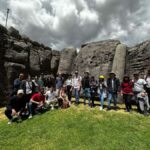
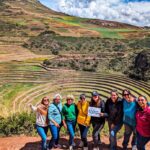
In this tour, you’ll have a bilingual guide, and two names came up in real experiences: Guillermo and Frank. Guillermo was described as easy-going and focused on making the trip enjoyable. Frank was noted for being attentive, including watching for symptoms related to altitude and responding if someone was feeling off.
That attention matters on a day where the hike can feel intense. If you get altitude headaches or nausea, you don’t want to be stuck with a guide who assumes everyone is fine. Look for signs that your guide is monitoring the group and adjusting pace. If you feel your breathing slow down too much, speak up early. Don’t wait.
Now the honest part: one verified booking reported an operational hiccup—pickup delay and even a statement about not having space on the bus for part of the group—followed by getting picked up in a separate vehicle later with another guide. That’s rare, but it’s a reminder: early mornings are where things can go sideways.
Your smart move: confirm the meeting point and keep your guide/provider contact info handy. Keep your phone charged. And if pickup seems late, don’t panic, but do follow up quickly and clearly.
Safety and etiquette around water, wind, and thin air
This day mixes two things that can trip people up: exposed terrain and high altitude.
Exposed terrain means wind can cool you fast. Even if the day starts cold, conditions can shift. Layering helps. If you only bring one jacket, you’ll learn the hard way.
Thin air affects effort. You’ll want to breathe steadily instead of sprinting between stops. The difference between a tough day and a solid one is usually pacing, not athleticism.
Etiquette around the lagoons is simple:
- stay on the paths or areas your guide indicates
- avoid stepping into fragile edges near the water
- take photos, then move—don’t block viewpoints
- keep voices calm in the quiet moments so you can hear what the mountain is doing
And about facilities: one experience mentioned that the service of bathrooms should be reviewed. That means you shouldn’t assume you’ll have full amenities during the day. Use what you can before the hike and bring what you need for personal comfort.
What this tour suits best (and who should think twice)
This experience is best for you if:
- you want a real hike with big mountain payoff
- you’re comfortable walking uphill at altitude for several hours
- you enjoy nature over crowded big-ticket attractions
- you want a planned day with meals handled
It may not be ideal if:
- you’re easily sidelined by altitude
- you have trouble with long walks (the route is about 10 km total)
- you need reliable bathroom access during the middle of the expedition
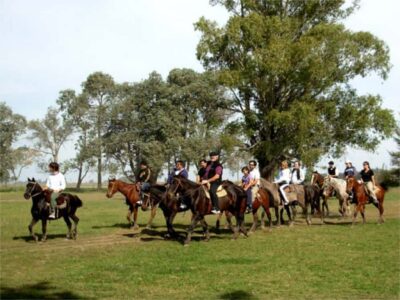
Good to know: there’s mention of an option to take horses at the start of the route. That can help if you’re aiming to see the lagoons but want to reduce the uphill load. The catch is you’ll need to ask the operator or guide about how the horse option works for your exact departure, since timing and availability aren’t specified.
If you’re traveling with friends who have different fitness levels, this option can make the day more inclusive—as long as everyone agrees on the plan early.
Should you book the Cusco 7 Lagoons Tour?
If you want a day that’s outdoors first and logistics second, this tour is a strong pick. The combination of Ausangate lagoons plus Pacchanta hot springs creates a satisfying rhythm: walk, look, soak, eat. The price makes sense because you’re getting transport and meals along with a bilingual guide.
Book it if you’re honest about your hiking comfort. Go in with a pacing mindset, bring layers, and budget for the 10 soles entry and optional 5 soles hot springs. If you’re sensitive to altitude, plan to move slowly and tell your guide quickly if you’re struggling—guides on this route are used to altitude checks.
Skip it (or choose a gentler plan) if long walks at altitude scare you, or if you need high-end comfort and lots of facilities on the trail. This is a natural setting day, not a polished city tour.
FAQ
Where does the tour start?
Pickup is included from your hotel in the city of Cusco. You should wait in the hotel lobby about 10 minutes before the scheduled pickup time.
How long is the 7 lagoons tour?
The duration is listed as 1 day, and you return to Cusco around 7:00 pm.
What language is the guide?
The guide provides live interpretation in English and Spanish.
What’s included in the price?
Included items are transport, breakfast, a bilingual guide, and lunch.
What costs extra during the day?
You should budget for an entry ticket of 10 soles. Pacchanta hot springs are optional and cost 5 soles if you want to enter.
How much hiking is involved?
The route is about 10 km total. The first lagoon is reached after about 1 hour 30 minutes of walking, and the rest of the lagoons are visited afterward.
What’s the order of the day?
You’ll have hotel pickup, then go to Paccanta for breakfast. After that you hike to see the 7 lagoons, then return to Paccanta for hot springs (optional) and lunch, and finally return to Cusco.
Is horseback riding available?
There is an option to take horses at the start of the route. Details like how it’s arranged can depend on your departure, so ask ahead.
Is hot spring entry required?
No. Hot spring entry is optional. If you want it, it costs 5 soles.
What’s the cancellation policy?
You can cancel up to 24 hours in advance for a full refund.