REVIEW · LIMA
From Lima: Excursion to Caral and Bandurria
Book on GetYourGuide →Operated by Uyuni Experience EIRL · Bookable on GetYourGuide
Caral predates every empire you know. This Lima Province day trip takes you into the Supe Valley, where Caral—often called the cradle of the Andean civilization—still shows temples, pyramids, and astronomical centers that go back more than 5,000 years. You’ll also swing by Bandurria, an old fishing village vibe with more ceremonial earthworks and a big ocean-and-wetlands viewpoint.
I especially like two parts: the chance to see temples and astronomical centers tied to early Andean timekeeping, and the payoff view from the Albufera Paraíso area over the Pacific. It’s a rare combination of archaeology plus natural scenery in one long day.
One thing to consider: communication and pickup reliability can be a headache. Even though the tour lists a Spanish-and-English live guide, I’d treat language and meeting-point details as must-confirm items before you head out.
In This Review
- Key highlights before you go
- Caral: Lima’s Long Jump Back to the First Cities
- Supe Valley to Caral Pyramids: How the Day Starts
- Bandurria and Albufera Paraíso: Wetland Views with Ancient Echoes
- The 11-Hour Rhythm: Timing, Meals, and Energy Levels
- Language, Pickup, and Communication Risks (and How to Reduce Them)
- What You’re Really Buying: Value of an Ancient-Sites Day Trip
- Who This Tour Fits Best—and Who Should Skip It
- Should You Book From Lima: Caral and Bandurria?
- FAQ
- What time does the tour start from Lima?
- How long is the excursion?
- What sites do you visit on this trip?
- Do you get time to eat during the tour?
- Is there a live guide?
- When does the tour return to Lima?
- What’s the free cancellation window?
Key highlights before you go
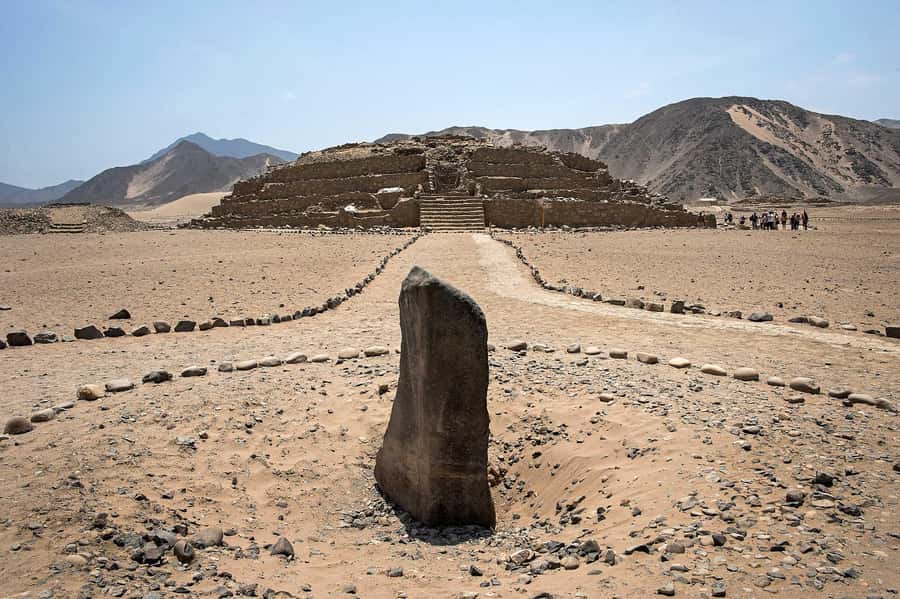
- Caral’s early urban plan: pyramids, temples, and astronomical centers more than 5,000 years old
- Supe Valley context: understand why Caral is described as a cradle of Andean civilization
- Bandurria’s site layout: pyramids, mounds, and circular areas that echo Caral
- Albufera Paraíso viewpoint: panoramic Pacific Ocean views from the wetlands area
- Long day logistics: pickup at 9:00 a.m., return around 8:00 p.m., so plan your energy
- Confirm English support: the live guide is listed as Spanish/English, but you should verify in advance
Caral: Lima’s Long Jump Back to the First Cities
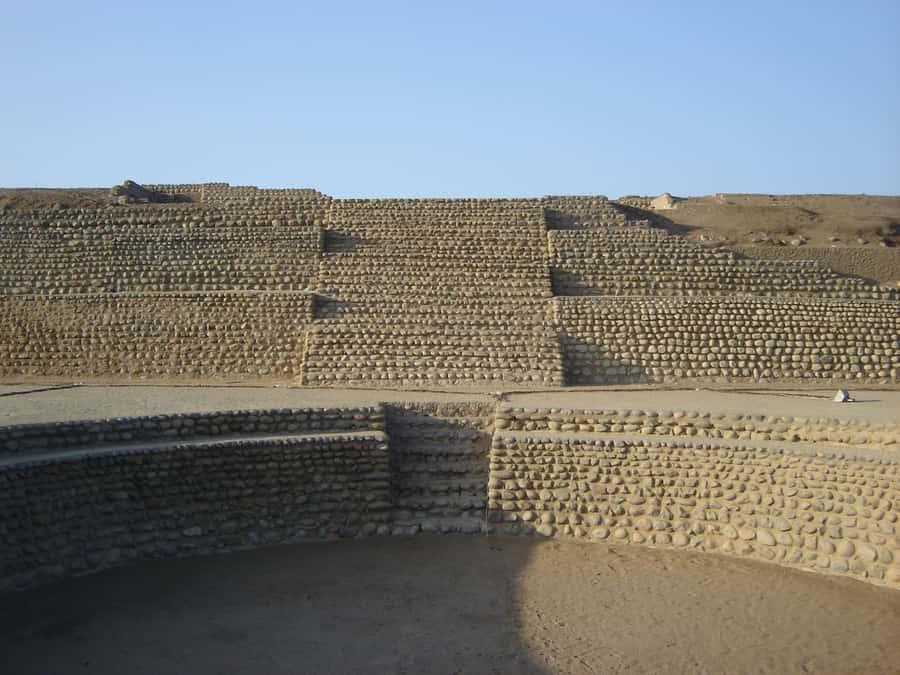
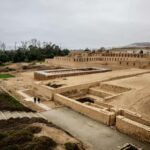
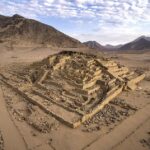
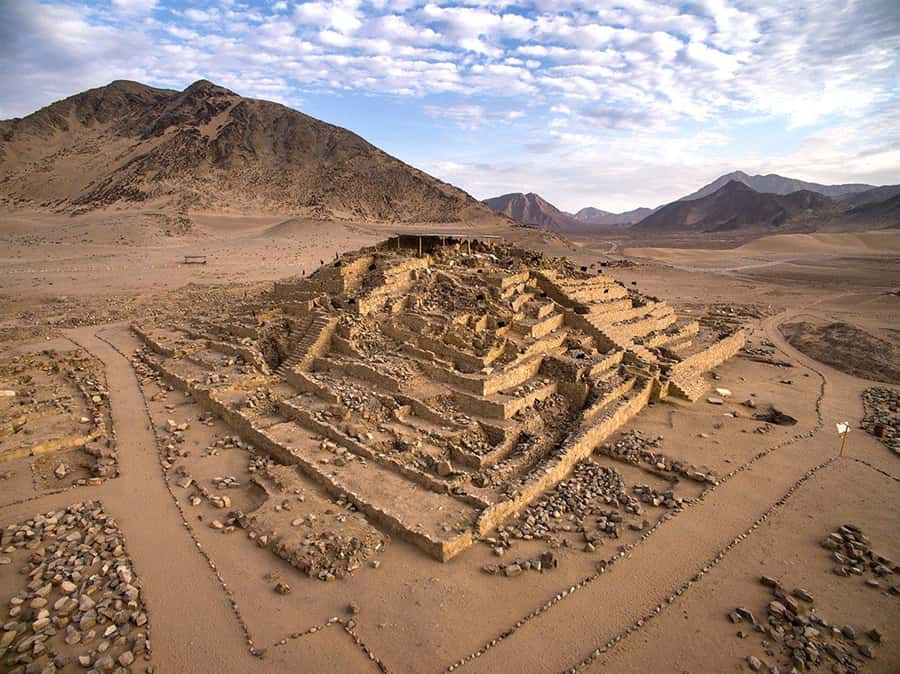
If you want to understand Peru before the Incas, Caral is a strong starting point. This site sits in the Supe Valley, and it’s often presented as the cradle of the Andean civilization. The tour frames Caral as the first city in the Americas you’ll visit on this route, with ruins that include pyramids, temples, and astronomical centers.
What I like about Caral is that it’s not just “old rocks.” The site layout hints at how communities organized themselves: ceremonial buildings paired with places that relate to observing the sky. That combination—architecture plus astronomy—makes the place feel intentional, not random.
You’re also getting a story with global context. The tour description places Caral among the oldest human settlements in the world, behind Mesopotamia and Egypt. Even if you treat that as broad-brush history, it helps you size up the scale of what you’re seeing.
You can also read our reviews of more tours and experiences in Lima.

Supe Valley to Caral Pyramids: How the Day Starts
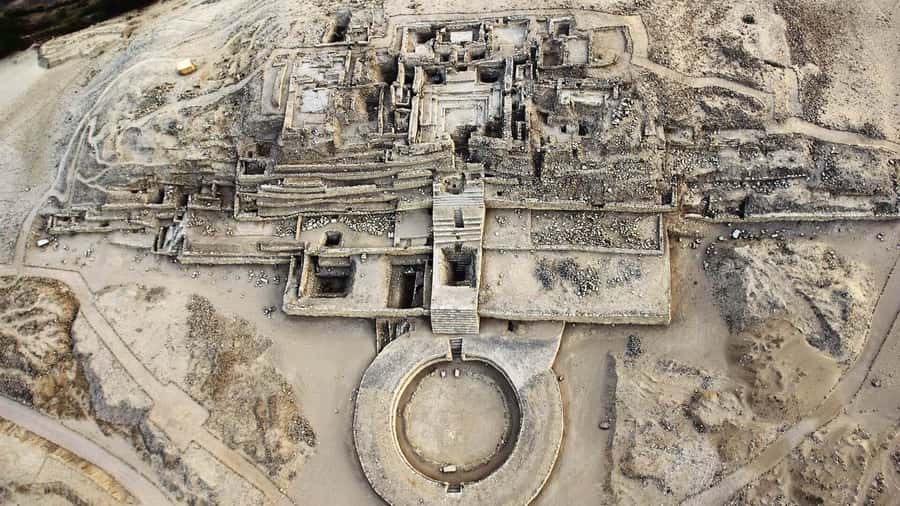
Your day begins with pickup around 9:00 a.m. from Lima, then a drive north toward the archaeological zone in the Supe Valley. Expect the day to feel like a road-trip first, archaeology second. That long transit matters because it affects timing at both sites, and it makes hydration and comfort worth prioritizing.
When you arrive at Caral, you’ll start with the main ruins: pyramids, temples, and astronomical centers. This is the part where a guide earns their pay. With a live tour guide (Spanish or English listed), you’ll get the explanations that turn “structures in the sand” into a coherent system of beliefs and daily planning.
Plan on a slow, respectful pace here. Caral’s scale is impressive, but it’s also easy to rush and miss what the builders were doing with sight lines and placement. If your group moves fast, politely ask your guide to slow down at any spot that feels like it’s meant for observation or ceremony.
Bandurria and Albufera Paraíso: Wetland Views with Ancient Echoes
After Caral, the schedule gives you about one hour of free time to eat before heading onward. Then you’ll visit the Bandurria archaeological complex, described as an old fishing village. The mix is interesting because it shifts you from “ceremonial city” energy to a setting tied to coastal life, water, and everyday survival.
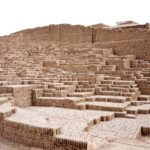
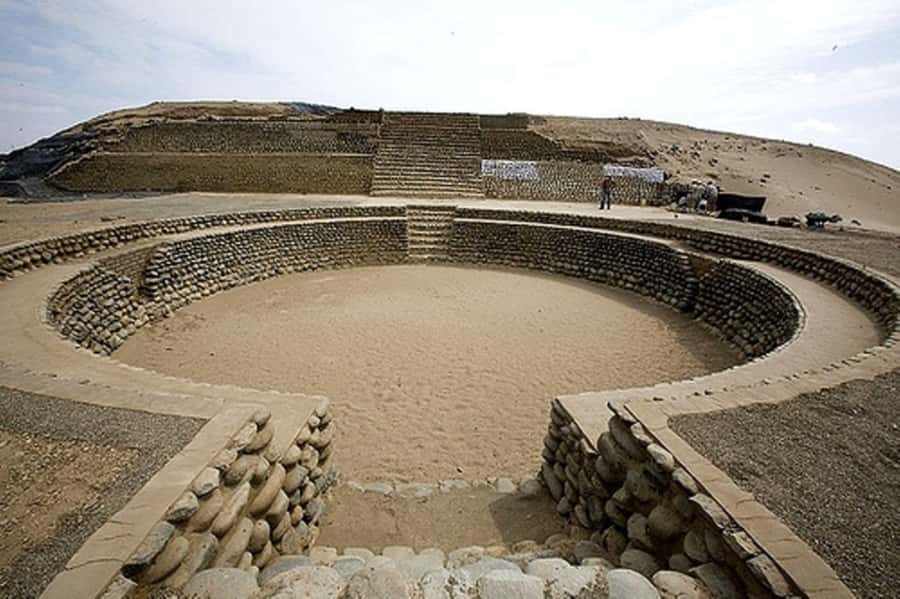
Bandurria includes pyramids, mounds, and circular areas that the tour notes are similar to those at Caral. That parallel is useful. It suggests continuity in how communities shaped space for gathering, ritual, and possibly astronomy. Even if you don’t memorize site maps, you’ll likely feel the connection as you walk between earthworks.
The best “wow” moment here is the viewpoint at the Albufera Paraíso area. The tour promises panoramic views over the Pacific Ocean from a natural lookout. This is where the day stops being purely archaeological and becomes scenic: wetlands, open water, and wide skies. It’s also a nice mental reset after time spent in a focused, historical zone.
A practical note: viewpoints often mean wind and sun. If you run hot, bring something light for shade. If you run cold, late-afternoon coastal breezes can surprise you even in a warm season.
The 11-Hour Rhythm: Timing, Meals, and Energy Levels
This is an 11-hour outing, with return to Lima around 8:00 p.m. The day is built around two major stops, which means the in-between travel time is doing a lot of work.
Here’s how the pacing typically feels:
- Morning: pickup at 9:00 a.m., drive to Caral, then a guided visit
- Midday: about an hour to eat on your own
- Afternoon: Bandurria visit and the Albufera Paraíso viewpoint
- Evening: return to Lima, arriving around 8:00 p.m.
The main drawback of a day like this is not the ruins—it’s the fatigue. You’re out for most of the day, and you’ll likely be walking on uneven ground. If you’re the type who gets cranky after long drives, plan to treat this like a marathon: good shoes, a calm pace, and minimal extra plans the same day.
If you’re thinking of combining this with another Lima activity afterward, I wouldn’t. Your body will be the one paying the entrance fee.
Language, Pickup, and Communication Risks (and How to Reduce Them)
The tour description says there’s a live tour guide and lists Spanish and English. But the big lesson from the real-world experience of this kind of operator setup is simple: don’t assume English support will be automatic, and don’t treat pickup details as casual.
I’d treat communication as mission-critical:
- Make sure your contact number includes your country code and that you can use WhatsApp, since the tour instructions ask you to have it ready.
- Double-check the exact pickup location with the supplier before the tour day.
- If English is a must for you, confirm it in advance through the contact method provided in your confirmation.
One frustrating situation that can happen with day tours is a guide who shows up but can’t communicate in your language—or no one arrives at the meeting point. I can’t predict whether that will happen to you, but you can reduce the odds by verifying your meeting details early and keeping your phone active and accessible.
If something feels off the morning of, don’t wait hours. Use the contact channel your confirmation provides and keep your messages short and clear: your name, tour name, pickup point, and a call-back number.


What You’re Really Buying: Value of an Ancient-Sites Day Trip
Value isn’t only about price. It’s about how much “first-hand” impact you get for your time.
On paper, this trip delivers three big value drivers:
- Caral, with ruins described as more than 5,000 years old, including temples and astronomical centers
- Bandurria, an archaeological complex tied to an old fishing village, with site features similar to Caral
- A scenic payoff: Pacific Ocean views from the Albufera Paraíso area
So you’re not just ticking off names. You’re seeing how early civilization may have organized people, observed the sky, and built ceremonial spaces—and then you’re ending with a view that reminds you these settlements were shaped by coastlines and wetlands.
Where value can drop is when the logistics don’t match what you expected. If you’re planning around language, or you care about a smooth pickup process, that’s where you should be extra cautious. A day trip can still be worth it if you go in prepared—but preparation matters here.
If you’re debating between Caral-only and a combined Caral-and-Bandurria day, the extra stop can be worth it. Bandurria adds variety (fishing village context) and a different type of payoff (the wetlands viewpoint) without doubling the total day.
Who This Tour Fits Best—and Who Should Skip It
This is a good fit if:
- You want a full-day overview of Caral plus Bandurria from Lima
- You enjoy guided explanation and want historical context tied to the site’s layout
- You’re motivated by views, not just museums
It may be a poor fit if:
- You need guaranteed English support and you haven’t confirmed it
- You’re strict about punctuality and hate any chance of meeting-point confusion
- You don’t handle long drives well, since the day runs from 9:00 a.m. to around 8:00 p.m.
If you’re traveling as a family with kids, the long day can be a lot. Still, the guided format can help, since someone is managing timing and explanations. Just be ready for fatigue.
Solo travelers should be fine as long as you confirm the pickup details. Having a guide plus transport can be a relief on day trips from Lima.
Should You Book From Lima: Caral and Bandurria?
My take: book it if Caral and Bandurria are exactly what you want to see, and you’re ready to manage one key risk—communication. The core idea is strong: 5,000-year-old Caral ruins plus Bandurria’s matching earthworks, ending with panoramic ocean-and-wetlands scenery.
Before you pay, do two things. First, verify the pickup point clearly. Second, confirm English support if that matters to you. If you can’t get clear answers, you’re better off choosing a different operator with a track record that feels dependable for your language and meeting needs.
If everything checks out, this is the kind of day trip that makes Peru feel bigger than it usually does in Lima—history with open-air space, and a view that makes the long hours feel justified.
FAQ
What time does the tour start from Lima?
The pickup is at 9:00 a.m.
How long is the excursion?
The duration is listed as 11 hours.
What sites do you visit on this trip?
You visit Caral and the archaeological complex of Bandurria, including a natural viewpoint with views over the Pacific Ocean and Albufera Paraíso.
Do you get time to eat during the tour?
Yes. After learning about Caral, you get about one hour of free time to eat.
Is there a live guide?
Yes. The tour includes a live tour guide, with Spanish and English listed.
When does the tour return to Lima?
The tour ends returning at approximately 8:00 p.m.
What’s the free cancellation window?
You can cancel up to 24 hours in advance for a full refund.