REVIEW · BOGOTA
From Bogota: Villa de Leyva Day Magic Town Tour
Book on GetYourGuide →Operated by Beyond Colombia · Bookable on GetYourGuide
A day outside Bogotá feels like a history lesson with scenery. You’re carried from the independence story at Puente de Boyacá into the colonial calm of Villa de Leyva, then onto hands-on stops where art and science share the same day. I like that the tour is built for more than quick photos: you get guided context, plus time to wander on your own. The main trade-off is time—15 hours is packed, so if you’re hoping for a long, slow Villa day, you may feel a bit rushed.
I especially enjoy the mix of stops. You’re not just doing one museum and one viewpoint; you’re moving through different themes—colonial Spanish architecture (Villa de Leyva dates to 1572), independence landmarks, ceramic artistry, and paleontology at the CIP museum. You’ll also appreciate the small group size (up to 10) and the fact that pickup is built around where you’re staying in Bogotá’s main central areas.
One more thing to keep in mind: this is a long day with walking and uneven surfaces. It’s not suitable for wheelchair users, and it’s not recommended for pregnant travelers. Plan footwear accordingly, and treat Pozos Azules and the terrace-style stops as short visits rather than a full afternoon.
In This Review
- Key points worth knowing
- Why Villa de Leyva feels like a time machine from Bogotá
- Getting out of Bogotá: the Represa del Sisga stop and morning flow
- Puente de Boyacá: the independence story you actually remember
- Villa de Leyva: Plaza Mayor, colonial streets, and real time to wander
- Casa Terracota and the CIP museum: ceramics meet paleontology
- Pozos Azules: blue ponds with realistic expectations
- Price and value: is $154 fair for this kind of day?
- What to expect from the guide and group size
- Practical tips so the day doesn’t feel like a sprint
- Should you book this Villa de Leyva day tour?
- FAQ
- How long is the Villa de Leyva day tour from Bogotá?
- What is included in the tour price?
- Do I need to arrange pickup myself?
- What languages is the tour guide available in?
- Is the group large?
- What should I bring?
- Is the tour suitable for everyone?
- What happens if I want to cancel?
- Is food included?
Key points worth knowing
- Puente de Boyacá is more than a roadside stop—it’s the independence turning point where you learn what changed and why it mattered.
- Small group (max 10) plus private transport usually means fewer bottlenecks and better control of timing.
- Casa Terracota + CIP museum pair ceramics/visual culture with paleontology in one coherent theme.
- Villa de Leyva Plaza Mayor time lets you mix guided context with your own wandering for lunch and photos.
- Pozos Azules can feel hit-or-miss depending on your expectations and whether you plan for any extra entry costs.
Why Villa de Leyva feels like a time machine from Bogotá
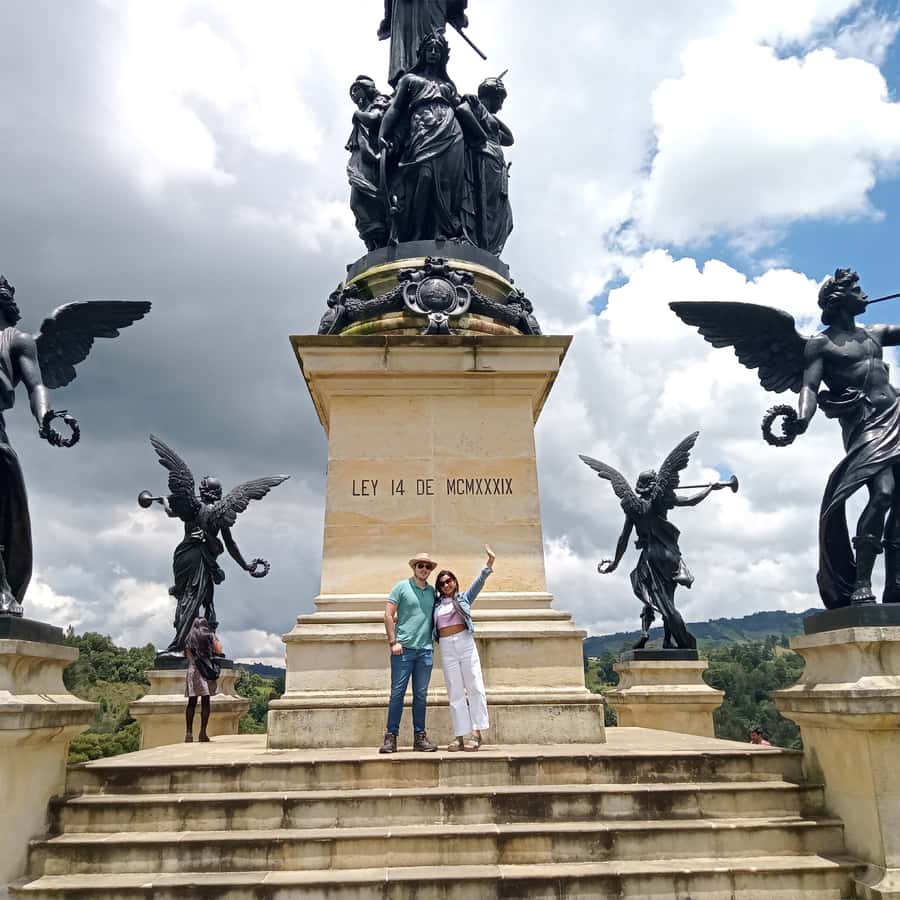
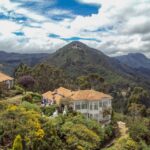
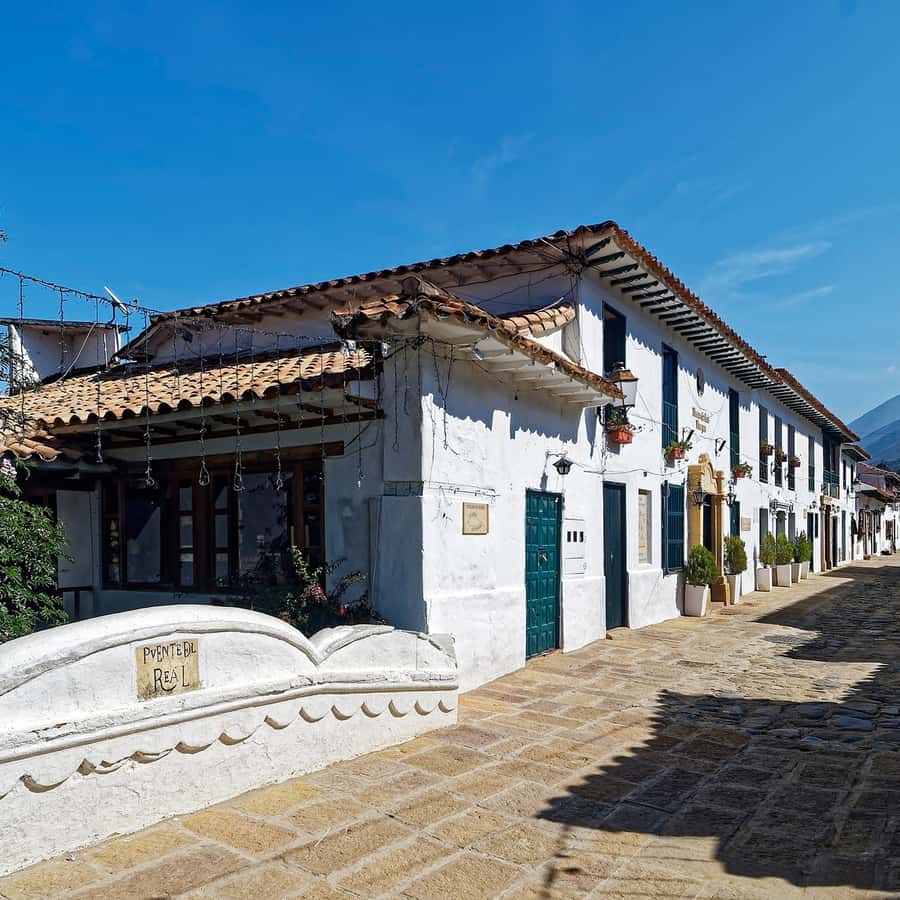
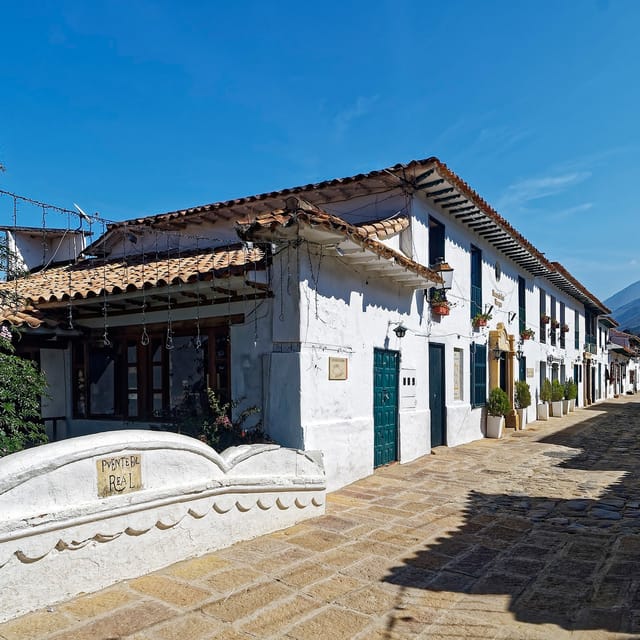
Villa de Leyva is declared a National Monument (since 1954), and you can feel why the moment you arrive. The town’s colonial Spanish architecture, rooted in 1572, gives you an instant sense of older rhythms than Bogotá’s. It’s the kind of place where streets and window details do the talking, not just big monuments.
You’re also getting a built-in contrast: you start in Bogotá’s high-altitude pace, then move through Boyacá’s changing scenery and towns. That helps you understand why settlement patterns and local culture evolved the way they did here—history isn’t floating in midair. It’s tied to terrain, routes, and how people built their lives.
I like tours that don’t treat art and science like separate worlds, and this one tries to do exactly that. The day’s structure nudges you from independence history into cultural expression, then into research and fossils at the CIP museum.
You can also read our reviews of more tours and experiences in Bogota.

Getting out of Bogotá: the Represa del Sisga stop and morning flow
Your day begins with pickup by car from your accommodation in Bogotá (between Calle 10 and Calle 170 and Carrera 1 and Carrera 45). That matters more than people think. When your start time is handled, you lose less energy to logistics and you’re ready to enjoy the ride.
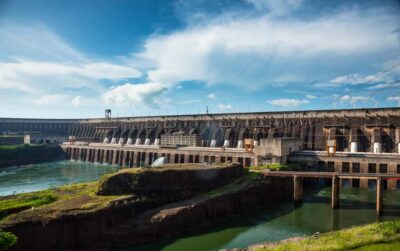
The tour includes a visit at Represa del Sisga. This isn’t presented as a full excursion; it’s more of a scenic break and a chance to reset before the historical stops. Expect the morning to feel like a steady “road trip plus short moments,” rather than a slow sightseeing crawl.
Bring water and plan for sun even if you’re traveling early. Boyacá days can be clear and bright, and you’ll be walking in open areas during later stops.
Puente de Boyacá: the independence story you actually remember
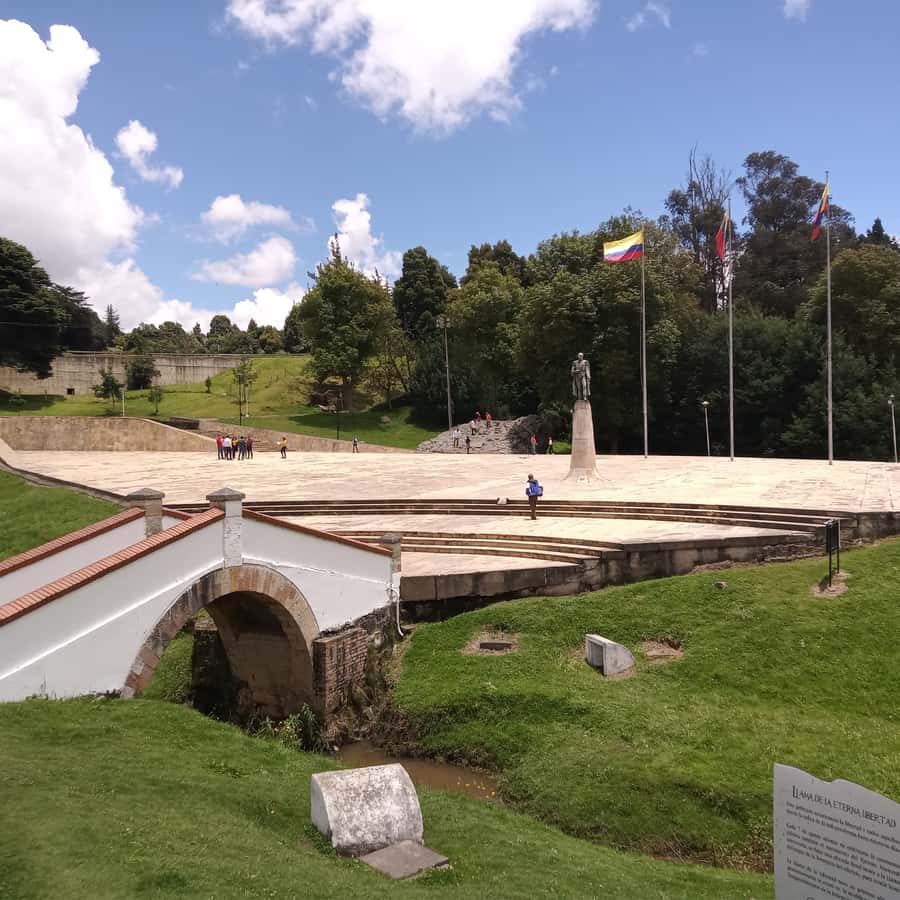
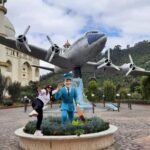
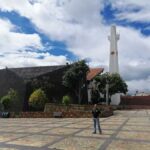
Puente de Boyacá is the centerpiece for Colombian independence in a very specific way: it was the final battle turning point. The tour stops here and also builds in time for breakfast near the bridge, so you’re not arriving, snapping photos, and sprinting away.
Why this works: a lot of history tours dump facts on you and then move on. Here, you slow down just enough to connect the landscape to the story. You’ll likely hear why the battle matters in the broader independence process, not just a date and a name.
If you want to get the most out of this stop, don’t treat it like a label. Look around: rivers, bridge geometry, and the practical reality of moving armies help you understand why this point mattered. Even if you already know the outline, the viewpoint tends to make it feel more real.
Villa de Leyva: Plaza Mayor, colonial streets, and real time to wander
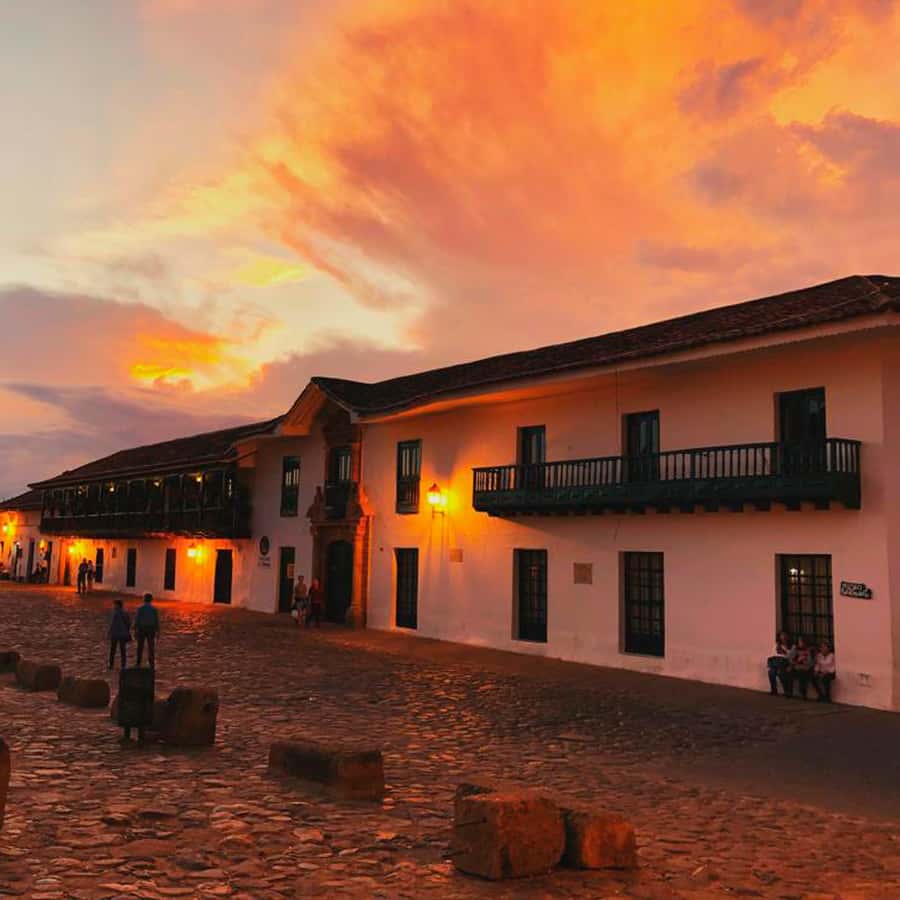
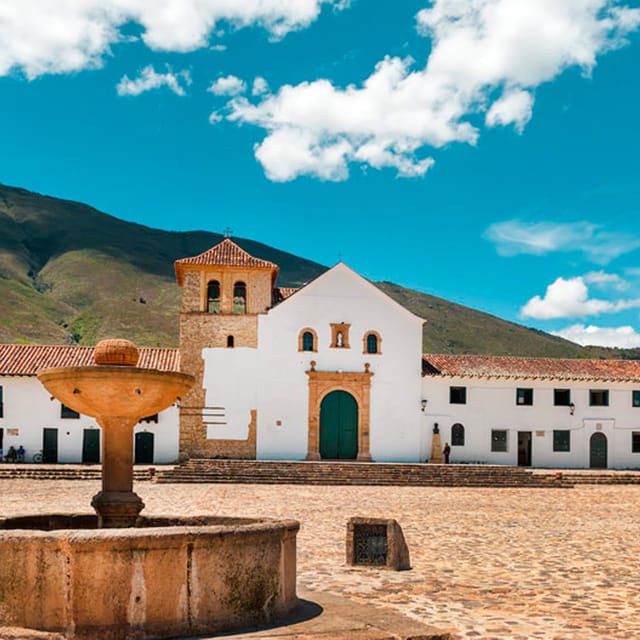
Once you reach Villa de Leyva, you go down toward the Plaza Mayor area, where you’ll have time for lunch. This is one of the best parts of the day because it gives you breathing room inside the town itself, not just quick stops between car rides.
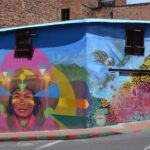
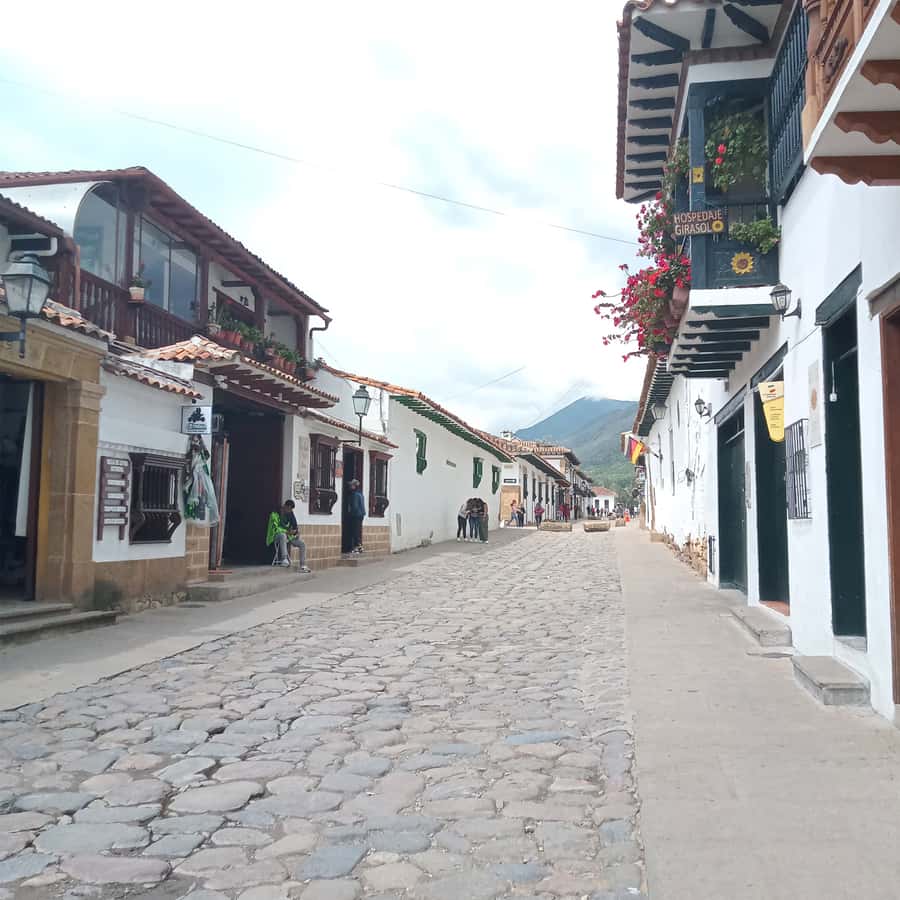
Villa de Leyva is often described as the artisanal capital of Colombia, and that reputation shows up in details—house decorations, the “crafted” look in the town’s presentation, and the sense that you can wander and spot something small and interesting every few minutes. Even if you don’t buy anything, it’s the kind of place where browsing feels like part of the culture.
A practical tip: lunch time is your freedom window, so decide what you want before you’re hungry. If you want to sit down and eat slowly, say so. If you’d rather keep exploring, choose something quick and light. The day is long, and you’ll want energy for the museum and the final nature stop.
Also, wear comfortable shoes. Villa de Leyva’s charm comes with uneven pavement and the kind of walking that adds up over hours.
Casa Terracota and the CIP museum: ceramics meet paleontology
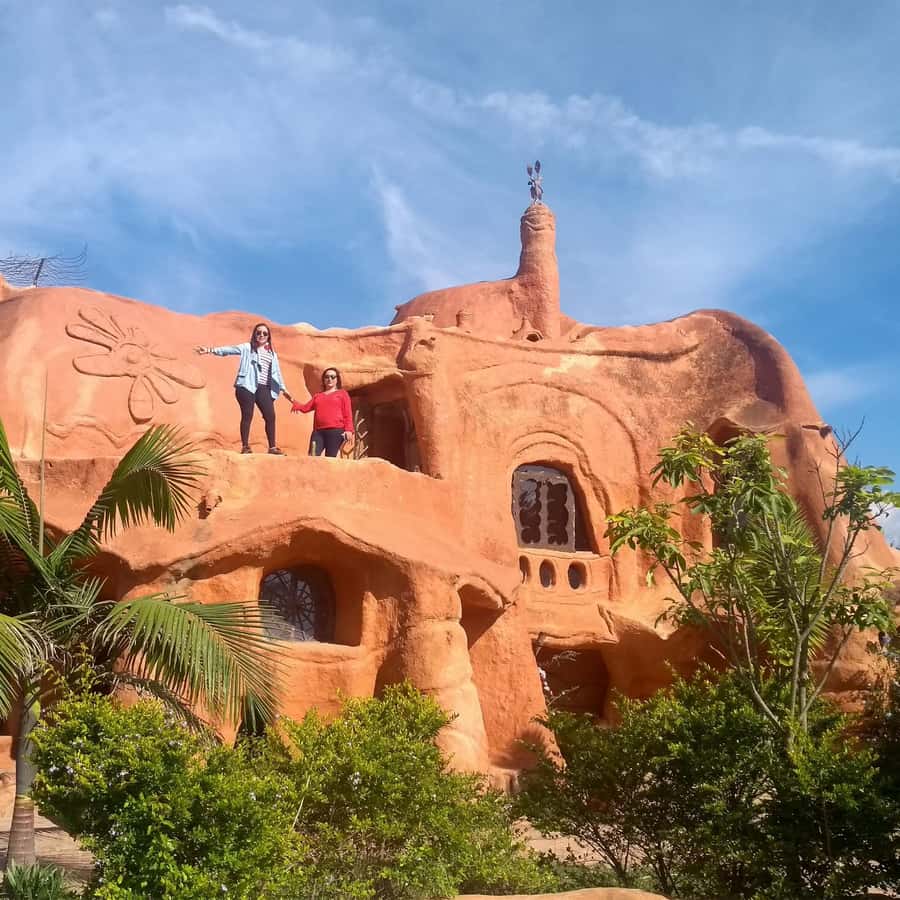
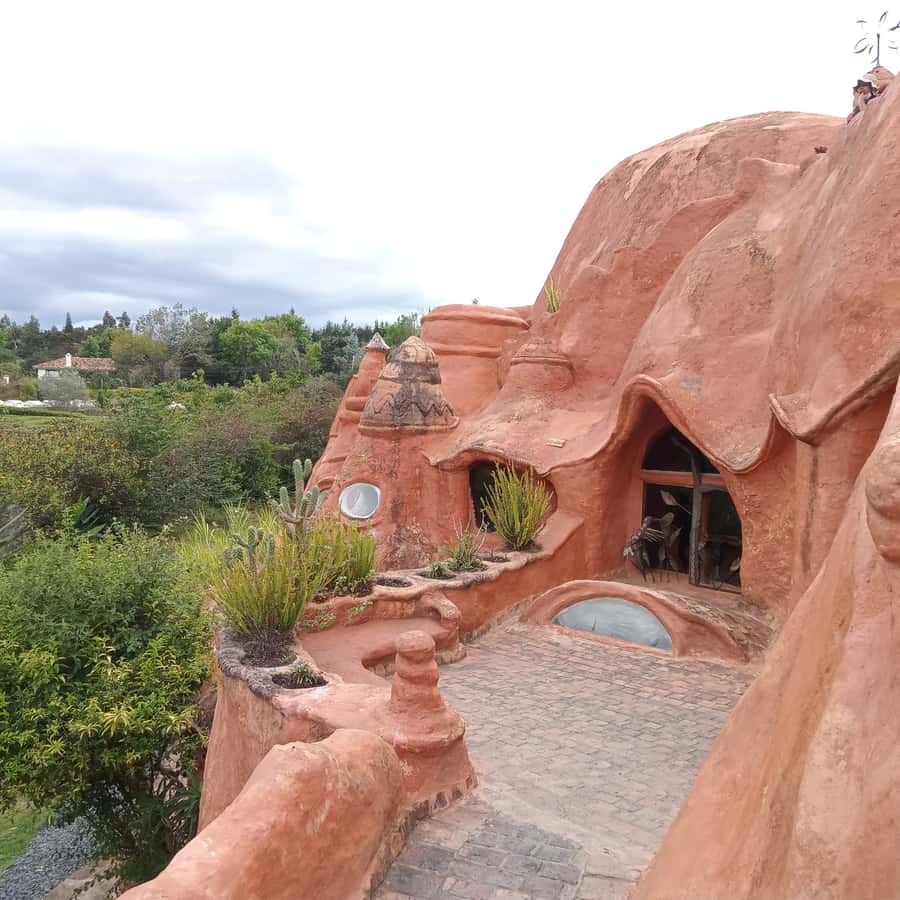
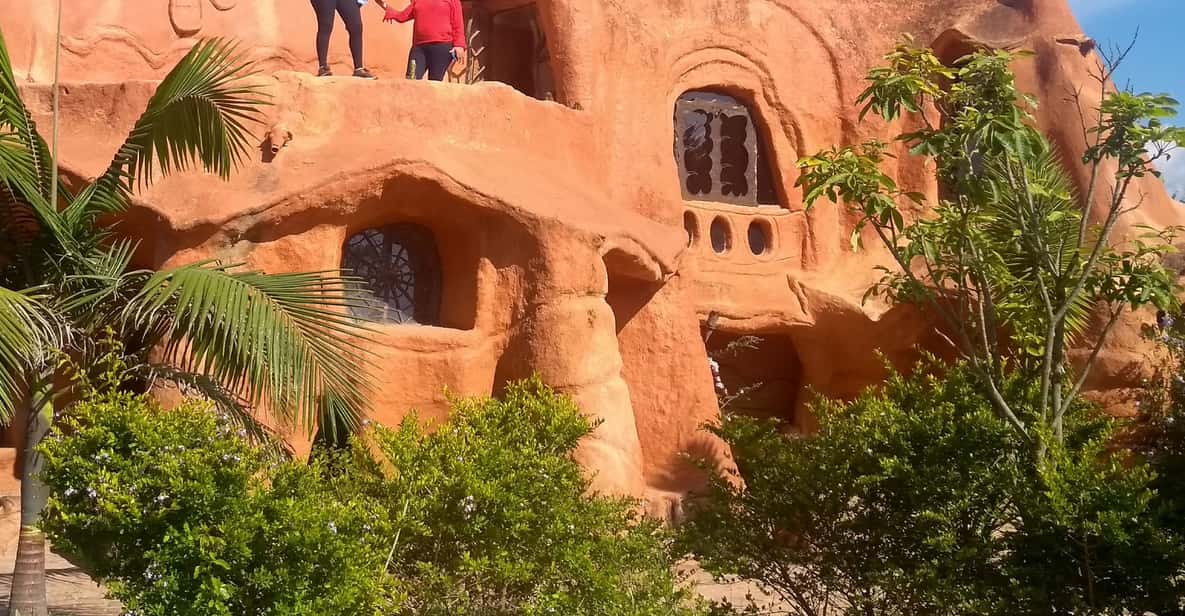
The tour’s stop at Casa Terracota is where the day starts to feel like a creative workshop rather than a strict history route. You’re also told to think about the importance of art from early in Colombian culture, and that lens fits well here—ceramics aren’t treated as souvenirs. They’re treated like expression and heritage.
Right after (or alongside) this, you have an entrance ticket included for the CIP Museum, the Paleontological Research Center Museum. The idea is smart: art and science can live in the same day without competing. You see how culture creates meaning, and then you get the research side—fossils and paleontology—so the tour becomes about discovery, not just looking.
One caution from experience-based feedback: on at least one recent day, the Terracotta museum was reported as closed, and the guest felt this wasn’t clearly communicated given the price. I’d handle that by asking your guide the day-of whether Casa Terracota/CIP hours are confirmed before you commit to the plan, especially if your schedule is tight.
If you’re the type who likes short guided context before you explore on your own, this is a strong stop. It’s also where a good guide makes a big difference—people in feedback singled out guides as friendly, accessible, and willing to explain in depth without turning it into a lecture.

Pozos Azules: blue ponds with realistic expectations
Toward the end of the day, you’ll visit Pozos Azules. The name hints at the color, and you can expect photo-worthy blue tones and a scenic stop outside the town center.
Still, manage expectations. This isn’t the kind of place where you’ll spend half the day. In practice, it’s more like a timed visit: enough time to see it, take photos, and enjoy the setting.
Also pay attention to costs. Only the CIP museum entrance is listed as included, and there’s at least one negative report where a guest suggested Pozos Azules didn’t include entry. I can’t say that’s always the rule, but it’s smart to ask your guide early if there’s any extra fee on-site. If there is, you’ll be happier having it ready rather than trying to sort it while you’re already on a schedule.
Price and value: is $154 fair for this kind of day?
At $154 per person for a 15-hour, private-transport day, value depends on what you want from the experience.
Here’s what you’re paying for, in plain terms:
- round-trip private transportation with hotel pickup in Bogotá
- a private driver/guide, with a tour guide for groups over 4 people
- a local snack
- the CIP museum entrance ticket
Where the money makes sense: If you want a guided day with history context plus multiple stops that would be annoying to organize yourself, this price can feel fair. The private car also helps you conserve energy and avoid the “everyone meets at one place” hassle. Small group limits (up to 10) can mean less time waiting around.
Where the money might feel questionable: if the day’s timing slips, if a stop is closed unexpectedly, or if the pacing becomes too rushed to enjoy Villa de Leyva properly, you’ll notice fast. One low review claimed the day felt shorter than advertised and described missed or shortened portions of the plan. Even if that’s not your experience, it’s a reminder: when you’re paying for time and access, timing matters.
My advice: book this type of tour if you want structure and a guide’s explanations, not if you’re planning to “live in Villa de Leyva.” For a town visit with extra breathing space, you’d likely be better off staying overnight or picking a shorter, more focused itinerary.
What to expect from the guide and group size
You’ll travel in a small group limited to 10, and you’ll have live guidance in Spanish or English (and a group tour guide when the group is more than 4 people). In feedback, the strongest praise was about guide quality: one guest highlighted a guide who was jovial, easy to understand, and gave deep information. Others praised the guide’s ability to get people to the best places and still allow some independence in decision-making.
That blend—explanation plus flexibility—is exactly what you want on a long day. You don’t want a guide who bulldozes through every minute. You want someone who can answer questions while also respecting that you’ll want to look, take photos, and choose where you pause.
If you care about pacing, ask your guide how much freedom you’ll have at Villa de Leyva for lunch and walking. You’ll get a clearer sense of whether the day will feel relaxed or rushed.
Practical tips so the day doesn’t feel like a sprint
This tour asks a lot from your legs and your attention, so prepare like it’s a full-day hike in disguise.
- Wear comfortable shoes with good grip for uneven streets and paths.
- Bring sunglasses, a sun hat, sunscreen, and water. Sun matters even when the main activity is cultural.
- Go easy on heavy breakfast, because breakfast is built into the early Puente de Boyacá segment.
- If you have any must-see item at Casa Terracota/CIP, ask your guide what’s confirmed that day. If something is closed, you’ll want to know early so you can adjust your expectations.
One more small but important idea: plan your photo priorities in your head. When you only have a few minutes at a stop, you’ll waste less time deciding on the spot.
Should you book this Villa de Leyva day tour?
Book it if you want a structured day that connects independence history, colonial architecture, and cultural/art themes without needing to plan transportation between locations. It’s especially good if you like guides who explain context clearly and if you’re okay with a long but manageable 15-hour format.
Skip it (or rethink it) if your priority is spending many hours in Villa de Leyva itself. The town’s charm invites lingering, and a single-day window can feel tight. Also avoid it if mobility is a concern, since it isn’t suitable for wheelchair users and isn’t recommended for pregnant travelers.
If you’re paying for value, your best strategy is simple: ask your guide to confirm that Casa Terracota/CIP access is operating as expected on your travel day, and make sure you’re comfortable with the pace. If that sounds fine, this tour can be a satisfying, well-rounded Boyacá day trip.
FAQ
How long is the Villa de Leyva day tour from Bogotá?
The duration is 15 hours.
What is included in the tour price?
It includes private round-trip transportation with hotel pickup, a private driver/guide, a tour guide for groups of more than 4 people, a local snack, and an entrance ticket to the CIP Museum (Paleontological Research Center Museum).
Do I need to arrange pickup myself?
No. Pickup is included by car at your Bogotá accommodation within specific areas (between Calle 10 and Calle 170 and Carrera 1 and Carrera 45).
What languages is the tour guide available in?
The tour guide is available in Spanish and English.
Is the group large?
No. This is a small group with a limit of 10 participants.
What should I bring?
Bring comfortable shoes, sunglasses, a sun hat, sunscreen, water, and comfortable clothes.
Is the tour suitable for everyone?
It is not suitable for pregnant women or wheelchair users.
What happens if I want to cancel?
Free cancellation is available up to 24 hours in advance for a full refund.
Is food included?
Lunch and drinks are not included. A local snack is included, and you may have a breakfast stop on the way near Puente de Boyacá.