REVIEW · PUNO
Sillustani: Chullpas de Sillustani Afternoon Half-Day Tour
Book on GetYourGuide →Operated by PVTravel · Bookable on GetYourGuide
Chullpas meet the sky on Lake Titicaca. This Sillustani afternoon tour is one of those trips where the place feels instantly historic: you’ll see circular stone towers built for funerary remains, with details that make the engineering click fast. I especially like how the guide keeps the story grounded in what these structures were for, not just when they were built.
My second favorite part is the combo of on-site views and the stop at the small museum nearby, where you can connect the chullpas to Kolla, Tiahuanaco, and Inca cultural items. The main drawback to plan for is weather: if rain hits hard, walking and picture time can get frustrating, and you may feel less close to the sights than you hoped.
In This Review
- Key Points That Make This Half-Day Worth Your Time
- Why Sillustani’s Chullpas Feel Different From Typical Ruins
- The Simple Afternoon Schedule (Pickup to Return in About Three Hours)
- Getting Your Bearings: How the Tour Walks You Into the Story
- Entering the Ceremonial Complex: What You’re Really Looking At
- Chullpa del Lagarto: The Tower With the Most Punch
- Umayo Lagoon and the Vicuña Reserve: Why the Calm Part Matters
- The Small Museum Stop: The Context You’ll Want in Your Pocket
- Guide Style, Questions, and Getting More Than a Photo Stop
- Price and Value: Is $45 a Smart Use of Your Afternoon?
- Who Should Book This Sillustani Tour?
- Should You Book Sillustani: Chullpas de Sillustani?
- FAQ
- What time does pickup happen in Puno?
- How far is Sillustani from Puno?
- How long is the tour?
- How much time do we spend at the archaeological complex?
- What does the tour include?
- Is the museum near the chullpas included?
- What are the key sites you’ll see?
- Are meals included?
- What should I bring and wear?
- Is the tour accessible for wheelchair users?
- Notes Before You Go
Key Points That Make This Half-Day Worth Your Time
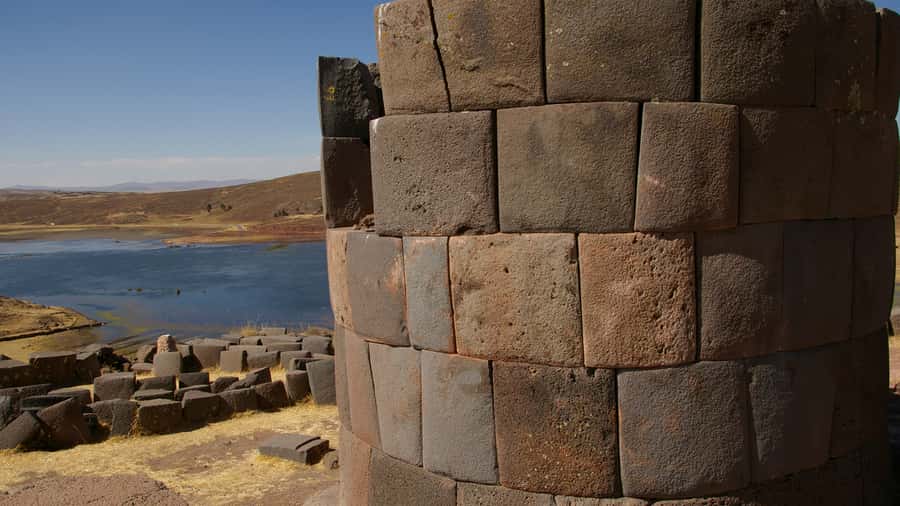
- Circular chullpas built for leaders: Some tower structures rise to about 12 meters, with a narrowing shape toward the top.
- Chullpa del Lagarto: A famous funerary tower linked to the Inca era, raised with stonework that was carefully fitted.
- A quick museum stop with big context: You’ll see preserved pieces tied to Kolla, Tiahuanaco, and Inca cultures.
- Umayo lagoon and the vicuña reserve island: Expect a calm water mirror effect and a protected wildlife setting.
- A guide who answers questions: The pacing includes time for photos and you can ask about local cultures and even language links.
- Comfort-focused logistics: Pickup from your Puno hotel, transport, entrance fees, and a pro guide keep the day simple.
Why Sillustani’s Chullpas Feel Different From Typical Ruins
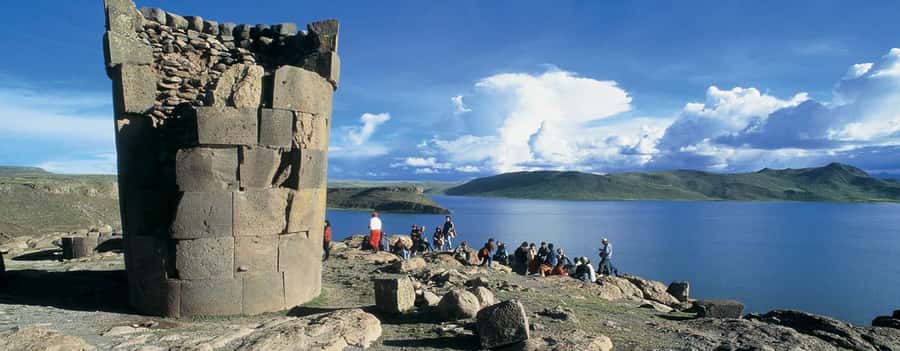
If you’ve visited one ancient site in Peru, you know ruins can sometimes blur together. Sillustani breaks that pattern fast. The chullpas aren’t random piles of stone. They are purpose-built towers, designed to hold funerary remains of important authorities from the ancient settlers of the Collao (Altiplano).
What I like here is the shape. The towers are circular, but they’re not built like uniform columns. Many taper upward, with a smaller diameter at the base than at the top in classic descriptions of how they’re constructed. That odd, distinctive geometry is a big clue that you’re looking at intentional design, not leftover walls.
And because Sillustani sits near Lake Titicaca’s world of high, open air, the structures don’t feel boxed in. They feel exposed to sky and wind, which makes them more dramatic—and easier to understand visually.
You can also read our reviews of more tours and experiences in Puno
The Simple Afternoon Schedule (Pickup to Return in About Three Hours)
This tour runs in the afternoon, with pickup from your Puno hotel around 2:00 PM. The site is about 34 km from Puno, so transport is part of the experience even if you’re eager to jump out and start walking.
In practical terms, you’re likely looking at a day that goes like this: you get picked up, drive out, spend about an hour at the ceremonial complex itself, then return to Puno by around 5:00 PM. The overall duration is listed as 6 hours, so plan a little extra buffer in your head for pickup timing and the ride.
This format works well if you don’t want to burn your whole day. It’s also a smart choice if your morning is already packed with Lake Titicaca basics like Uros, or if you just need a calm half-day on the Altiplano after a travel day.
Getting Your Bearings: How the Tour Walks You Into the Story
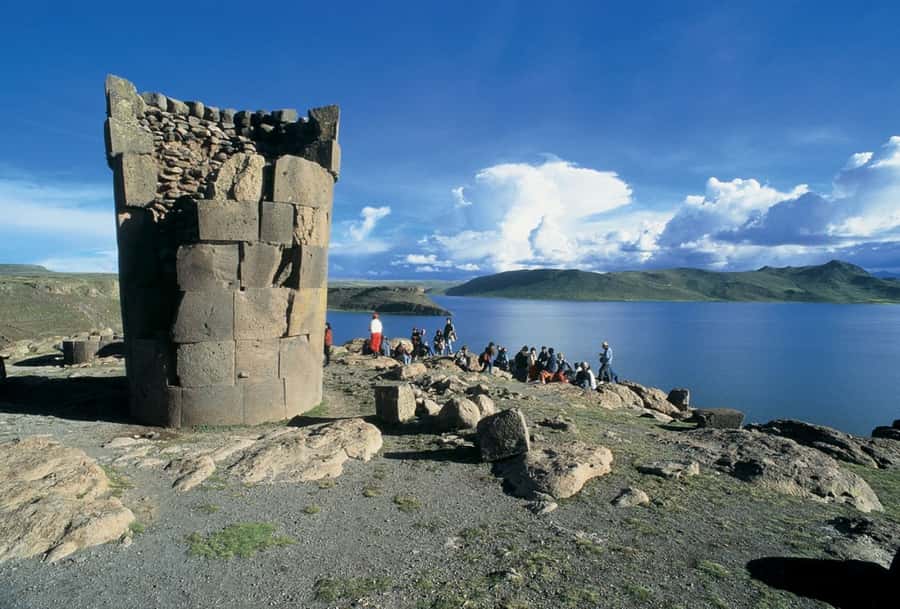
Sillustani is not just about looking. The tour is set up so the guide helps you decode what you’re seeing quickly. You start at the ceremonial center and move through the key parts of the complex with an explanation of the architecture and the purpose of the chullpas.
That matters because chullpas can look similar at a glance, especially from a distance. With the right framing, you start noticing differences—like which towers are more associated with later Inca-era construction, and why certain structures are singled out as famous.
The guide’s style is also a plus. In real-world terms, you want someone who’s calm, clear, and in command of timing so you don’t feel rushed—but you also don’t end up standing around. This tour includes a professional guide with live commentary in English and Spanish, and the pacing usually leaves room for questions and a bit of photo time.
Entering the Ceremonial Complex: What You’re Really Looking At
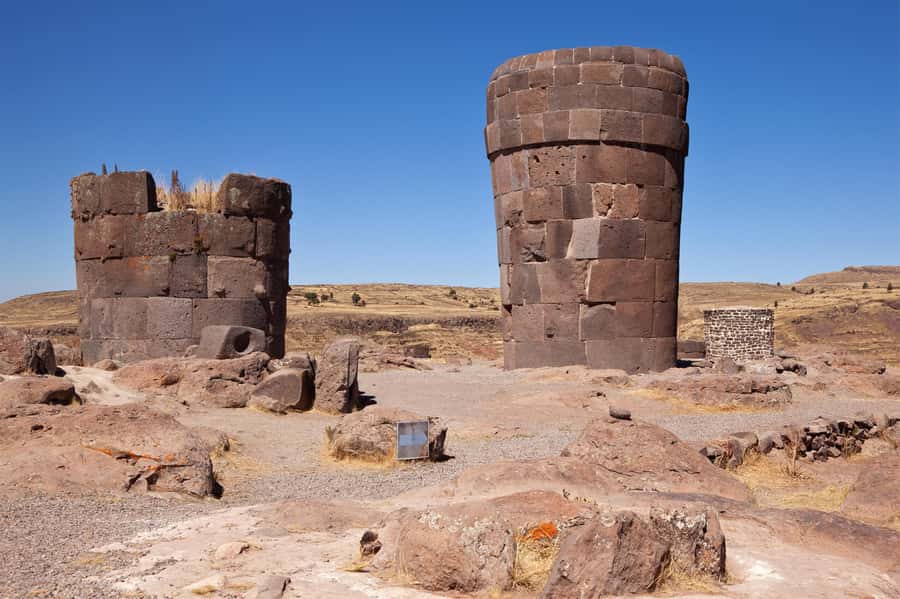
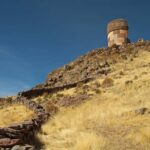
The ceremonial center of Sillustani is where you’ll appreciate the architecture and engineering behind the chullpas. These towers were erected to house the funerary remains of principal authorities of the ancient settlers of Collao (Altiplano).
Most chullpas are described as circular stone towers. Some reach up to 12 meters high. And the structural form—narrower at the base than the upper part in common descriptions—makes them visually distinct in the field.
Here’s the practical way to experience it: when you first arrive, don’t just take photos of the tallest towers. Look for the pattern in shapes, entrances, and how the stones are fitted. Once you spot that, the site stops being “a bunch of old towers” and starts reading like a system.
You’ll also have time to walk through the broader complex area before the tour wraps. It’s one of those places where comfortable shoes really do make a difference, especially if the ground is uneven.
Chullpa del Lagarto: The Tower With the Most Punch
One of Sillustani’s best-known attractions is Chullpa del Lagarto. This funerary tower represents the highest chullpa in the complex and is associated with the Inca era.
The details are what make this stop memorable. Chullpa del Lagarto was built using square stones that fit perfectly, which gives you a sense of how precise the stonework was. And then there’s the harder, human side of the story: it was destroyed at the beginning of the 19th century by huaqueros—treasure seekers who broke into the site to look for valuables.
Standing in front of that tower, you get a sense of two timelines at once: the original purpose, and the later damage caused by people chasing wealth. It’s not pleasant history, but it adds weight to your visit. You’re not just seeing architecture—you’re seeing what happens when cultures protect heritage and when others treat it as a target.



Umayo Lagoon and the Vicuña Reserve: Why the Calm Part Matters
After the main complex, you’ll head toward Umayo lagoon, a nearby mirror of water that reflects the blue sky and white clouds typical of the Puno area. The lagoon is also tied to a protected island reserve for vicuñas.
This stop is not only for photos. It’s a reset. The towers are all about funerary purpose and authority. The lagoon is about quiet ecology and the way the area still functions as habitat today. Even if you only catch a glimpse of vicuña-related conservation from a distance, you’ll feel the connection between living nature and ancient human geography.
If you’re sensitive to long walks, this is also a good moment to slow down and just watch. The site itself is the main event, but Umayo lagoon is the breathing space that makes the afternoon feel balanced rather than nonstop.
The Small Museum Stop: The Context You’ll Want in Your Pocket
A short distance from the archaeological complex is the site museum. This is a practical add-on that helps you connect what you saw in the landscape of towers to the cultures behind them.
The museum preserves pieces associated with Kolla, Tiahuanaco, and Inca cultures. Even though the chullpas are often highlighted as a pre-Inca feature, seeing related cultural objects helps you build a timeline in your head. You’ll start noticing that the Altiplano wasn’t a single culture frozen in time. It was a series of influences and continuities.
This is also a place where a good guide makes a difference. You can ask how those cultures relate to what you’re seeing at the site, and you’ll get a clearer explanation than you would from labels alone.
Guide Style, Questions, and Getting More Than a Photo Stop
A Sillustani visit can turn either into a “stand here, take picture, move on” routine or a real learning stop. This tour aims for the second one. The guide is described as very to the point and good at answering questions, while still keeping the group moving and covering what you came for.
One of the most useful extras is the cultural context around the area around Puno. The guide may share differences and commonalities between Quechua and Aymara languages and the ethnic groups that still inhabit the region. If you’re spending time in and around Puno, that kind of perspective can make your other conversations with locals feel less random.
You may also get free time for pictures and even a chance to browse local goods. That last part depends on the flow of the day, but it’s a common reason people like this tour format: it doesn’t feel overly rigid.
Price and Value: Is $45 a Smart Use of Your Afternoon?
At $45 per person, you’re paying for more than a ticket. This price covers pickup from your hotel in Puno, transport to the site, all entrance fees, and a professional guide.
So the value is in what you don’t have to manage:
- You don’t have to coordinate separate entry costs.
- You don’t have to figure out the site story alone.
- You get help turning chullpas from “cool shapes” into something you understand.
If your time in Puno is limited, the half-day timing can also be a value. You get a meaningful cultural stop without eating your whole day. That matters when you’re trying to fit in multiple Lake Titicaca experiences.
The only caution is that the tour length is an afternoon commitment. If your morning plans run late, this one may feel tight because pickup is around 2:00 PM and you’ll be back by about 5:00 PM.
Who Should Book This Sillustani Tour?
This is a strong fit if you:
- Want a pre-Inca style site with clear architecture you can actually understand
- Enjoy guided explanations and want time to ask questions
- Prefer a half-day outing over a full-day drive
- Like pairing ruins with a nature stop like Umayo lagoon
It may be less ideal if you:
- Need wheelchair access, since it’s noted as not suitable for wheelchair users
- Hate uncertainty with weather, because rain can disrupt comfort and picture closeness
- Have limited tolerance for walking on uneven ground, so bring your most comfortable footwear
Also, if you already know a lot about Inca history, you might find the museum and language/culture context more valuable than you expect. If you’re newer to Peru’s timelines, the guide helps you get oriented quickly.
Should You Book Sillustani: Chullpas de Sillustani?
I’d book this tour if you want a meaningful afternoon in Puno that feels authentic and legible. The chullpas aren’t just old stones; they’re funerary architecture tied to Collao authorities, with a standout moment at Chullpa del Lagarto. Add the museum context and the Umayo lagoon calm, and you get a balanced mix of history, place, and views.
Just go in with one mindset: expect the day to be affected by weather. Wear good shoes, and if the sky turns ugly, don’t assume everything will pause. Ask the guide what to do for photos and timing once you see the conditions. If you do that, you’ll get a lot out of a few hours.
FAQ
What time does pickup happen in Puno?
Pickup is around 2:00 PM from your hotel in Puno.
How far is Sillustani from Puno?
Sillustani is about 34 km from the city of Puno.
How long is the tour?
The tour duration is listed as 6 hours, with you expected back around 5:00 PM.
How much time do we spend at the archaeological complex?
The visit to the ceremonial center is about 1 hour.
What does the tour include?
It includes pickup from your hotel in Puno, transport, all entrance fees, and a professional guide.
Is the museum near the chullpas included?
Yes. There’s a nearby site museum with preserved pieces tied to Kolla, Tiahuanaco, and Inca cultures.
What are the key sites you’ll see?
You’ll see the historic Inca cemetery area of Sillustani, including chullpas such as Chullpa del Lagarto, plus Umayo lagoon.
Are meals included?
No meals are included.
What should I bring and wear?
Bring comfortable shoes and comfortable clothes.
Is the tour accessible for wheelchair users?
No. It is not suitable for wheelchair users.
Notes Before You Go
Bring a small day bag. Luggage or large bags aren’t allowed. And if you’re booking with flexibility in mind, there’s free cancellation up to 24 hours in advance for a full refund, plus a reserve now & pay later option.