REVIEW · PUNO
Discover the Celestial Wonder of Sillustani: Towers of Time
Book on GetYourGuide →Operated by Journey Peru SAC · Bookable on GetYourGuide
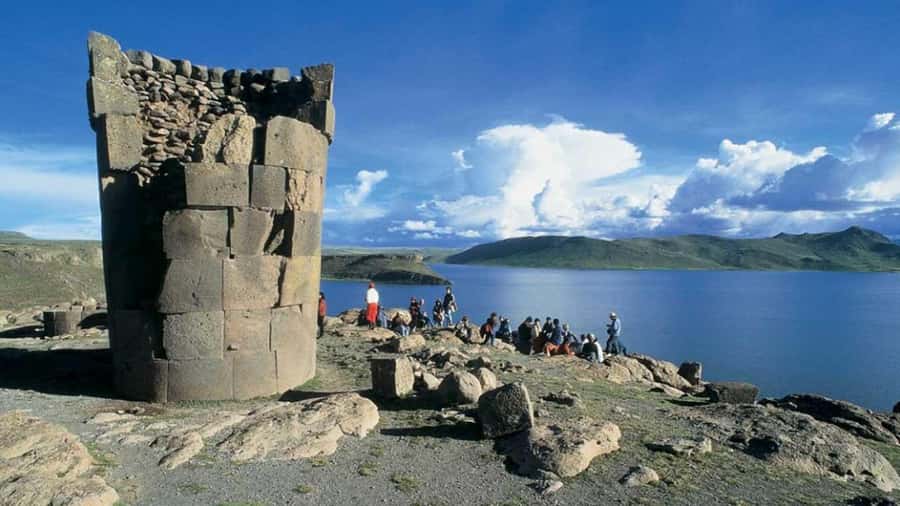
Chullpas at dusk feel like science fiction. In Peru’s Puno Region, Sillustani’s ancient tomb towers rise on the Umayo peninsula, and the views over the lake make the whole place feel slightly unreal. These stone structures—some up to about 12 meters—were built by the Kolla for high-status burials, so you’re not just sightseeing, you’re looking at a landscape made for ceremony and memory.
What I like most is how the guide turns the site into a story you can actually picture, not a list of facts. I also enjoy the chance to spot Andes wildlife around the surroundings, plus the feeling of being out in open air rather than inside a museum. One thing to consider: it’s a short afternoon, so you’ll want to be ready for a quick pace and lots of looking from different angles.
In This Review
- Key things I’d circle on your plan
- Why the Chullpas of Sillustani feel like towers of time
- Timing, pickup, and the one-day rhythm from Puno
- Waruwaru earthworks and Andean wildlife along the route
- Inside the archaeological complex: what to watch for
- Umayo Lake comes into view at the right moment
- The local house stop: food, camelid photos, and daily life
- Guide quality: why the explanation matters at Sillustani
- Price and value: what $25 gets you (and what it doesn’t)
- What to bring for comfort in the Andes
- Who should book this tour (and who should skip)
- Should you book Sillustani Towers of Time?
- FAQ
- What time is pickup from my hotel?
- How long is the drive to Sillustani?
- How much time will I spend visiting the archaeological complex?
- What’s included in the price?
- What languages does the guide speak?
- What should I bring with me?
- Are snacks or drinks provided?
- What animals might I see?
- Is the tour suitable for everyone?
- Can I cancel for a refund?
Key things I’d circle on your plan
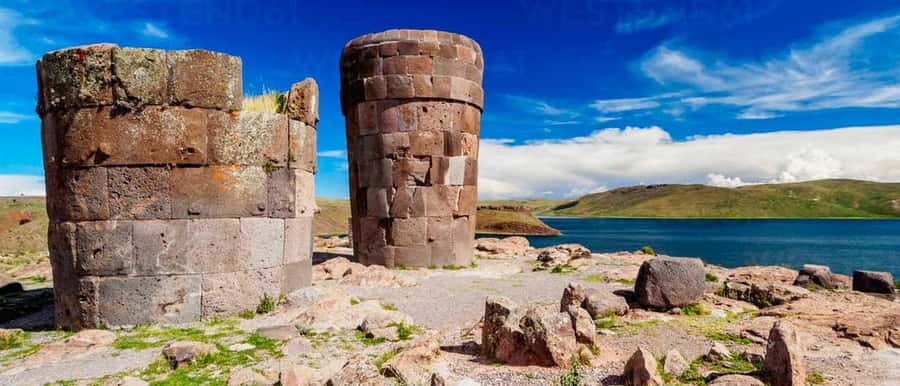
- Tower-like chullpas up to about 12 meters high that you can study up close
- Waruwaru earth mounds in the area, built to help protect crops from frost and floods
- Wildlife watching possibilities, including flamingos and wild pigs of the Andes
- Umayo Lake framed right in front of the archaeological zone near the end
- A local house stop for typical food and photos with camelids
Why the Chullpas of Sillustani feel like towers of time
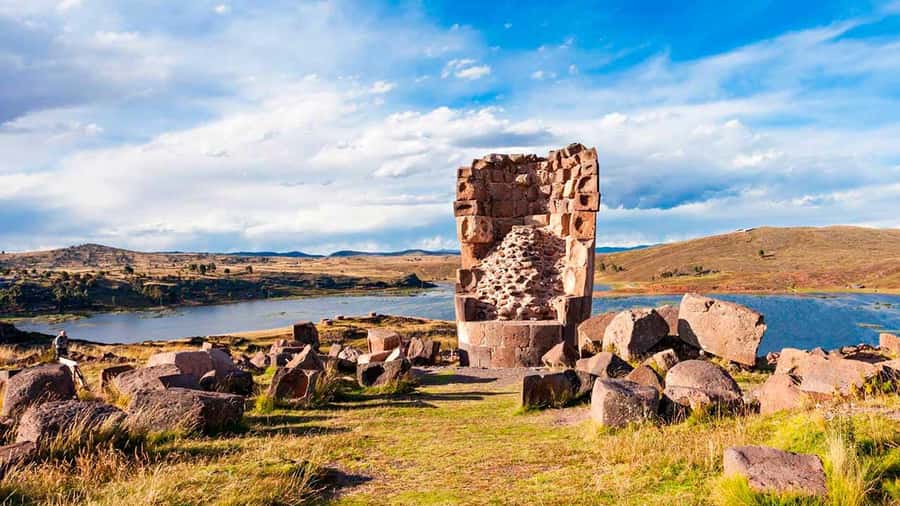
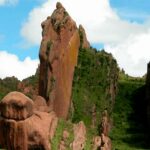
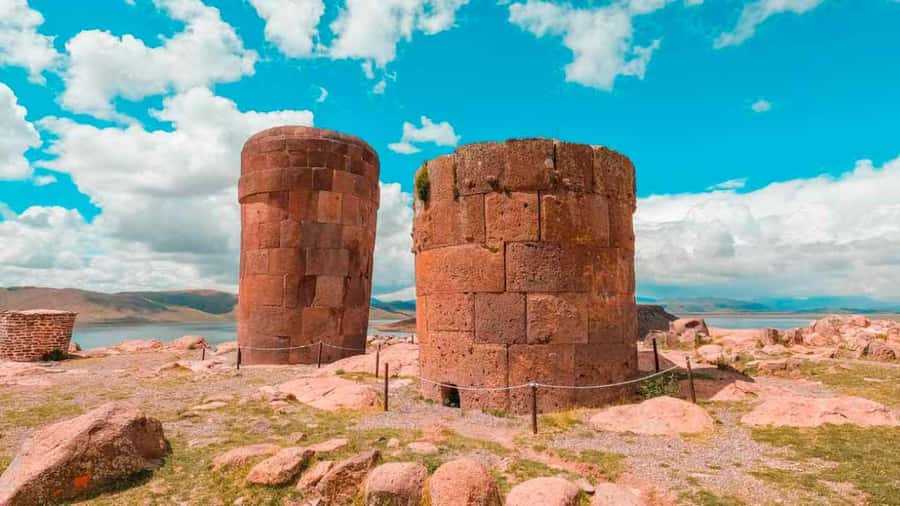
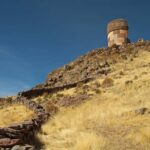
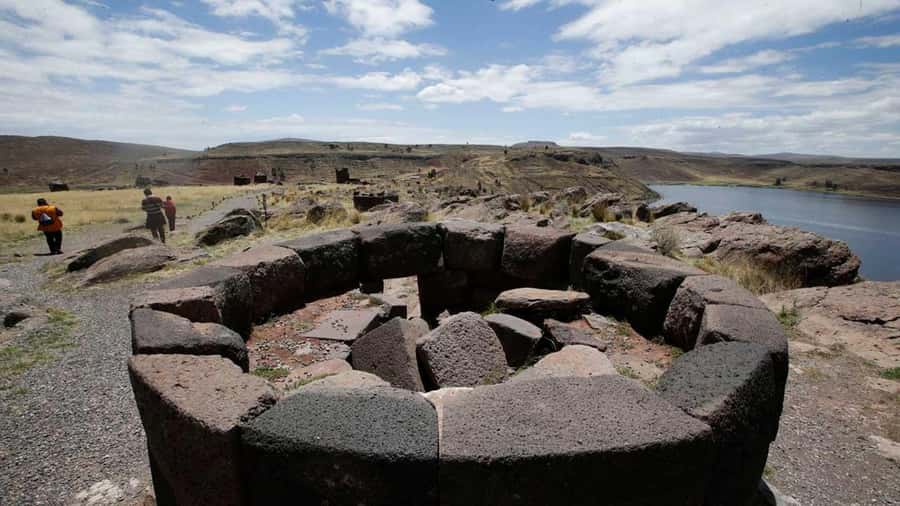
Sillustani is famous for its chullpas—ancient tombs built in stone in the shape of towers. You’ll see both cylindrical and square forms, and the height is part of the impact: some reach around 12 meters, which makes them hard to ignore even from a distance.
The structures were created for high-status burials by the Kolla civilization. That matters because it changes how you look at the place. Instead of thinking of random ruins, you start seeing intentional design—vertical stone forms placed where they belong: on the Umayo peninsula, overlooking a big, open stretch of lake and sky.
You can also read our reviews of more tours and experiences in Puno.
Timing, pickup, and the one-day rhythm from Puno
This is an afternoon-to-evening outing, which is great if you don’t want to spend your whole day in transit. Pickup happens at 2:00 pm from your hotel, and you’ll have about 40 minutes of travel before reaching Sillustani.
Once you arrive, you get around 1h30 to visit the archaeological complex. By the time you include the surrounding walk, the Umayo Lake viewpoint, and the stop at a local house, you’ll be back in Puno around 6:00 pm. That timing keeps the day manageable, but it also means you should show up ready to focus—this isn’t a slow, lingering hike with endless stops.
Waruwaru earthworks and Andean wildlife along the route
One of the most practical and interesting parts of the experience happens before you even reach the main cluster of tombs. You’ll pass through the surroundings and see artificial earth mounds created to protect crops from frost and floods—a system known as Waruwaru.
Even if you’re not a farming-history nerd, these mounds make sense fast. They show people adapted their agriculture to harsh conditions instead of just surviving them. It’s also a nice shift from stone monuments: it’s still ancient engineering, but you can “read” it with your eyes.
And yes, there’s wildlife potential too. If you have a bit of luck, you may spot wild pigs of the Andes, flamingos, and other animals. Just keep expectations flexible. Wildlife sightings aren’t guaranteed, but the setting is exactly the kind of place where birds and animals can show up.
Inside the archaeological complex: what to watch for
When you reach the Sillustani archaeological complex, you’ll have about 1h30 to explore with your professional guide. This is the time to slow your brain down for a minute and really look at the tomb shapes.
Focus on differences: cylindrical versus square towers, stone construction style, and how the towers sit within the terrain. Because some chullpas rise up to around 12 meters, you can often judge proportions better from the right angles—so don’t just take one photo and move on. Step, look, compare, then take a second shot from a slightly different viewpoint.
Also pay attention to how the site feels connected to water. The towers aren’t placed in a random “middle of nowhere” spot; they’re positioned with the peninsula and the lake in mind. Your guide’s explanation helps you understand why the location and form go together.
Umayo Lake comes into view at the right moment
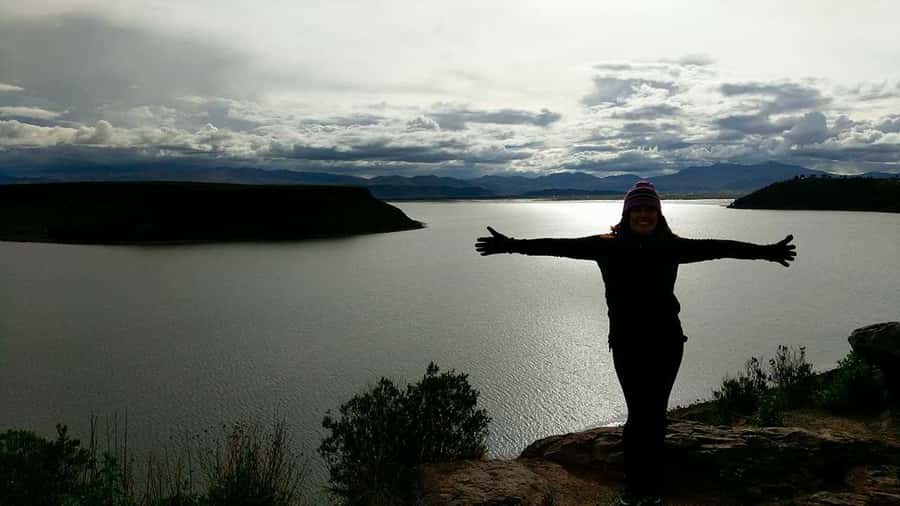
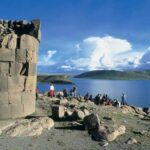
Near the end of the tour, you’ll see Umayo Lake, which sits in front of the archaeological zone. This part is more than scenery—it changes the mood of the tombs. With the lake in the frame, the towers feel less like isolated structures and more like part of a bigger planned landscape.
If you like photography, this is the time to be ready. Even without fancy camera gear, a lake backdrop instantly makes the chullpas feel dramatic. And because you’re approaching this viewpoint late in the experience, you also get a nice emotional payoff: first the stones, then the horizon.

The local house stop: food, camelid photos, and daily life
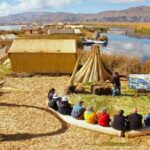
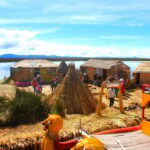
On the way back, the tour includes a stop at a local house. The goal here isn’t just a quick restroom break—it’s a glimpse of day-to-day life, with a chance to learn, taste typical food, and take pictures with different camelids.
This is one of those add-ons that often makes the difference between a tour that feels purely sightseeing and one that leaves you with a more rounded memory. A review specifically called out that the short detour to the farm was interesting, and that matches what this kind of stop can do: it adds a human layer to the tombs you just saw.
You’ll want to treat this moment respectfully and go at the pace your guide sets. If you enjoy conversations, this is where they tend to happen.
Guide quality: why the explanation matters at Sillustani
A good guide makes Sillustani easier to understand and more enjoyable to photograph. You’ll travel with a professional guide who works in English and Spanish, and the explanations can be very detailed—especially about the tombs.
One review highlighted how the guide gave extensive explanations in excellent English, and that’s exactly what you’re paying for beyond transportation and entrance fees. Without guidance, chullpas can feel like impressive shapes. With guidance, they turn into meaningful shapes tied to burial practices and cultural status.
Price and value: what $25 gets you (and what it doesn’t)
At $25 per person for a full one-day outing, the value is strong if you count what’s included. You get transportation throughout the trip, entrance fees for the archaeological site, and a professional guide in English-Spanish.
That’s not just convenience. It means you don’t have to figure out logistics for a half-day site plus a viewpoint plus a local stop. For many visitors in Puno, that alone is worth it.
What’s not included is also clear: personal expenses. In practice, that means you should budget for things like extra snacks, drinks beyond what you bring, or any small purchases during the local stop. If you want the most relaxed experience, plan on having your basics covered before you go.
What to bring for comfort in the Andes
This is a practical list, but it can make the difference between enjoying the scenery and feeling distracted.
Bring:
- Passport
- Snacks and drinks
- Biodegradable sunscreen
- Comfortable clothes
- Cash
A quick note on the passport: it’s explicitly listed, so don’t assume you can skip it. And sunscreen matters here—altitude light can be tough, and you’ll be outside for the drive, the archaeological visit, and the viewpoints.
Also follow the rules: weapons or sharp objects aren’t allowed, and alcohol and drugs are not permitted. If you’re traveling with a daypack, keep it simple so you’re not fumbling through zippers while you’re trying to watch for flamingos.
Who should book this tour (and who should skip)
I’d send this tour to people who want a one-day taste of the Andes that mixes archaeology, animal-life possibilities, and local interaction. It’s especially good if you like when a guide explains not just what you’re seeing, but why it was built and how the landscape worked.
It’s not suitable for pregnant women, wheelchair users, or visually impaired people. If any of those apply, look for a different option that better matches your needs.
Also consider your pace. The day runs from early afternoon pickup through evening return, so if you prefer long, slow museum-style visits, this may feel quick. On the other hand, if your time in Puno is limited, it’s a smart way to make the most of it.
Should you book Sillustani Towers of Time?
Yes—if you want a short, well-guided way to experience Sillustani’s chullpas, learn about how people shaped the land (Waruwaru), and still have a chance at Andean wildlife and Umayo Lake views. The included guide time makes a real difference here, because the tombs are impressive, but they’re also easier to appreciate when someone explains what you’re looking at.
I’d skip it if your priority is a slow-paced day with minimal walking and maximum flexibility, since the schedule is tight and you’ll be moving through multiple stops between 2:00 pm and 6:00 pm. And if you know you need an accessible format, this one isn’t designed for wheelchair use or visual accessibility.
If that sounds like your style, book it. This is one of those places where the architecture, the open air, and the lake together make a strong impression fast.
FAQ
What time is pickup from my hotel?
Pickup is at 2:00 pm from your hotel. Plan to wait in the hotel lobby about 10 minutes before pickup.
How long is the drive to Sillustani?
The transfer to the destination takes approximately 40 minutes.
How much time will I spend visiting the archaeological complex?
You’ll have about 1h30 to visit the Sillustani archaeological complex.
What’s included in the price?
Transportation during the trip, entrance fees to the archaeological site, and a professional guide (English-Spanish) are included.
What languages does the guide speak?
The guide provides explanations in English and Spanish.
What should I bring with me?
Bring your passport, snacks, drinks, biodegradable sunscreen, comfortable clothes, and cash.
Are snacks or drinks provided?
Snacks and drinks are not listed as included, so you should plan to bring them.
What animals might I see?
There is a chance to see wild pigs of the Andes, flamingos, and other wildlife in the Andes, depending on luck.
Is the tour suitable for everyone?
It is not suitable for pregnant women, wheelchair users, or visually impaired people.
Can I cancel for a refund?
Yes. Free cancellation is offered up to 24 hours in advance for a full refund.