REVIEW · PUNO
From Puno: Excursion to Uros and Taquile Islands + Income
Book on GetYourGuide →Operated by Exploor Trip E.R.L · Bookable on GetYourGuide
You’re heading for the strangest islands on Lake Titicaca. In one day, I love how this trip mixes Uros floating islands made from totora with a full visit to Taquile Island and its high-weaving traditions.
The big win here is the cultural context: you’re not just looking at boats and huts, you’re meeting local descendants and learning how the Andean highland communities make life work on the lake. One drawback to keep in mind: Taquile time is tightly scheduled, so if you’re specifically hoping to include a textile museum stop, you should confirm that the version you book covers it.
In This Review
- Key moments you’ll actually care about
- Puno to the Floating Uros: the morning speedboat rhythm
- Arriving on the Uros floating islands: what makes them different
- The guided Uros visit: time well spent
- Taquile Island: weaving craft you can see with your eyes
- The lunch break: local family meal, vegetarian option included
- Drop-off back in Puno: an 8-hour day with a clear ending
- Price and value: is $44 reasonable for this route?
- Who this tour suits best (and who might want to adjust)
- Small timing details that change your day
- Should you book this Uros and Taquile excursion?
- FAQ
- What time does pickup happen in Puno?
- Where is the meeting point?
- How long is the tour?
- What languages is the guide available in?
- What’s included in the price?
- Is vegetarian food available?
- Are drinks included with lunch?
Key moments you’ll actually care about
- Totora-built floating islands of Uros and guided explanations, not just photos
- A real cultural stop with descendants of the ancestral pre-Inca Uros
- Taquile’s textile craft and the weaving know-how locals are famous for
- About an hour on each island, so you see a lot without a long day of waiting
- Local-family lunch included, plus a vegetarian option
Puno to the Floating Uros: the morning speedboat rhythm
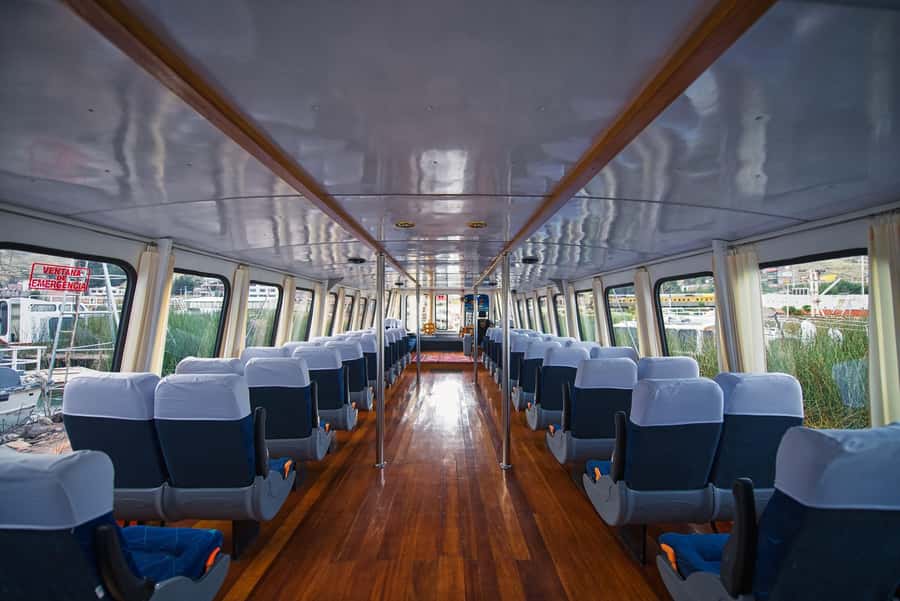
This is a classic Lake Titicaca day trip format: quick pickup, straight to the port, then out on the water. I like that your day starts with a practical timeline—pickup from central Puno happens between 7:00 and 7:20, and you’ll be back about 8 hours after pickup.
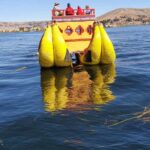
You’ll board a speedboat for the ride across the highest navigable lake in the world, which matters because it sets the tone right away. Instead of “we’ll arrive eventually,” you’re on the water early, with that Lake Titicaca feeling of open space and big sky.
The tour begins at Plaza del Faro, and after the boat ride you get your first island stop without delays. If you want a smooth day with minimal backtracking, this itinerary is built for that.
You can also read our reviews of more tours and experiences in Puno.

Arriving on the Uros floating islands: what makes them different
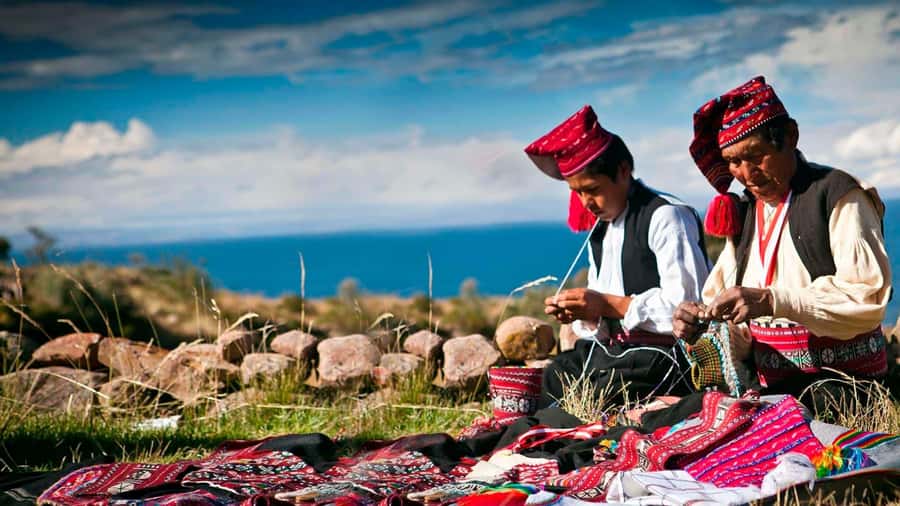
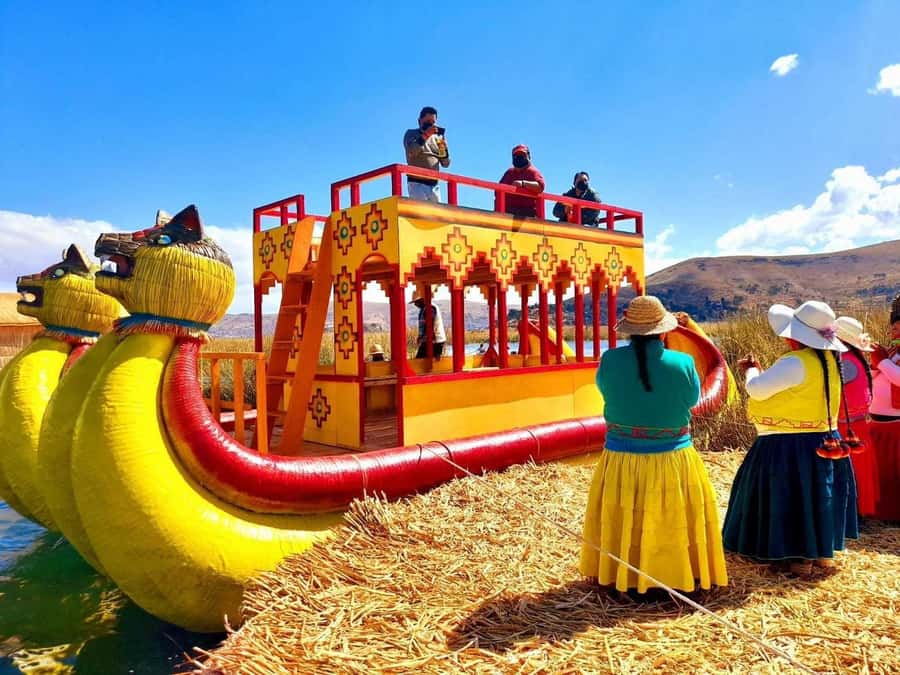
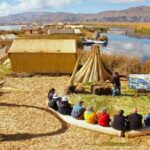
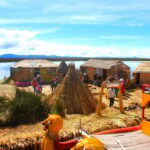
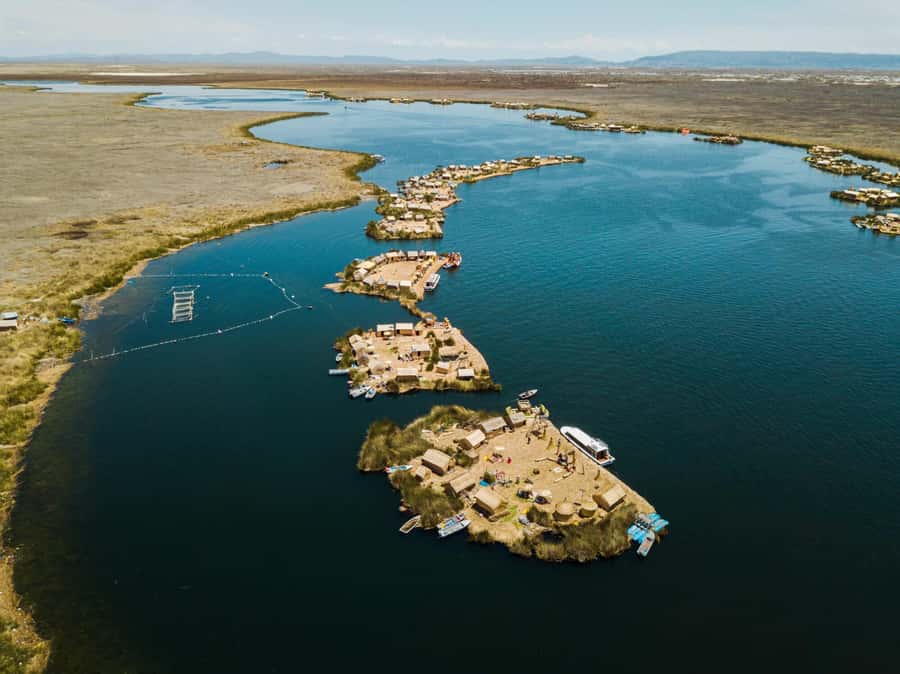
The Uros islands are famous for a reason, and you’ll see the “floating” part up close. Your first stop includes a photo stop plus a guided visit for about one hour, and that hour is where the experience turns from scenery into understanding.
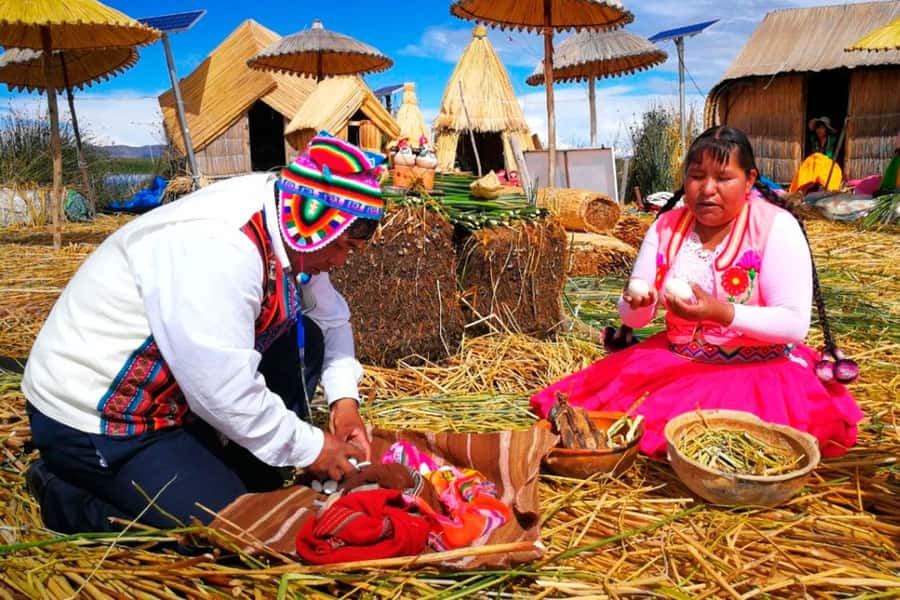
You’ll disembark on one of the main islands and meet locals who are descendants of the ancestral pre-Inca people of the Uros. That human connection is the heart of the trip, because it’s not framed as a museum display—you get the living story of how communities adapt to the lake.
A key detail you’ll learn is that the islands are built with an aquatic plant called totora. Knowing totora isn’t just interesting trivia; it helps you understand why the islands look the way they do and why upkeep matters.
The guided Uros visit: time well spent
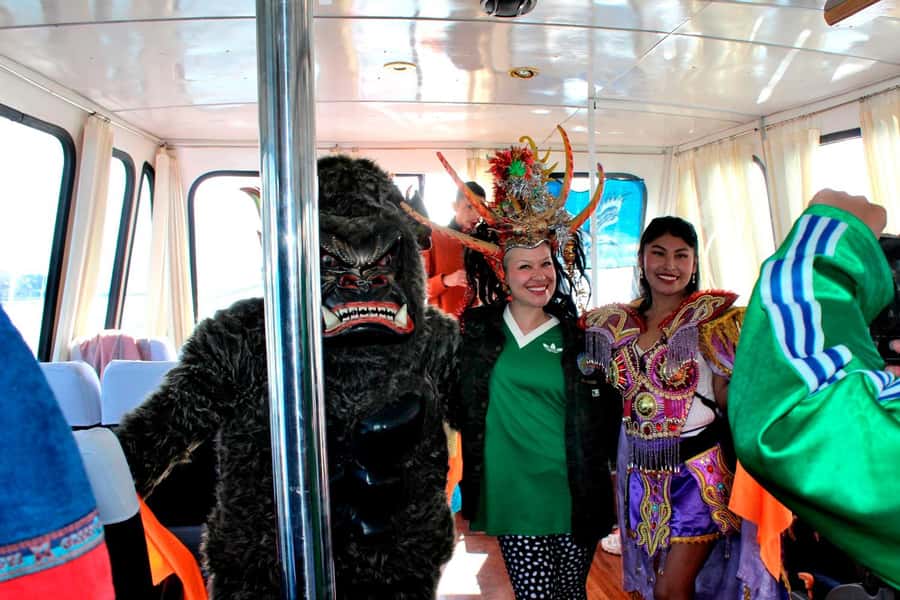
On this tour, the Uros stop is guided, which is exactly what I look for when I visit cultural sites. You’ll get an official bilingual guide (English and Spanish), and the goal is to explain how the community lives and what the artificial archipelago represents.
There’s a simple rhythm: you meet locals, you explore the island, and you absorb the logic behind it all. Because the visit is about an hour, it’s enough time to walk around, ask questions, and take photos without feeling rushed from start to finish.
What you should know: Uros islands are also a well-known destination, so parts of the experience can feel “tour-friendly.” Still, the guided culture piece is what helps you move past that and focus on the people and their traditions.
Taquile Island: weaving craft you can see with your eyes
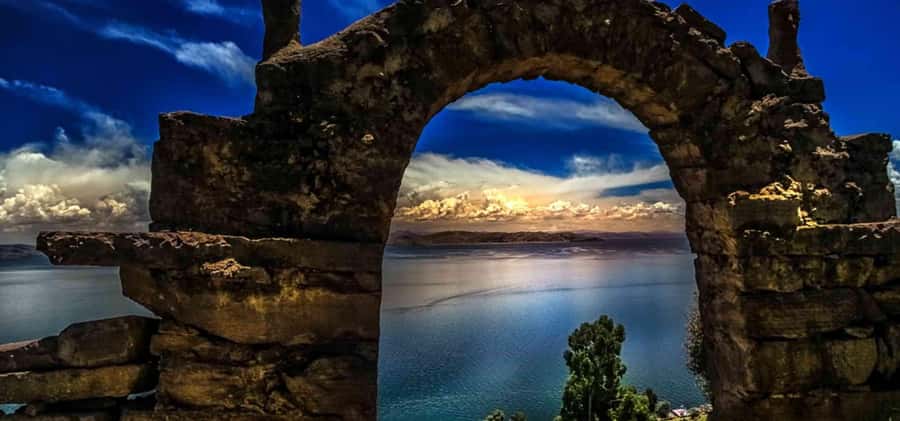
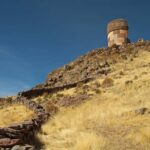
After Uros, you head to Taquile Island, the largest island in Lake Titicaca. Your Taquile portion also runs on that clear schedule: a photo stop, a break time, and a guided visit for about one hour.
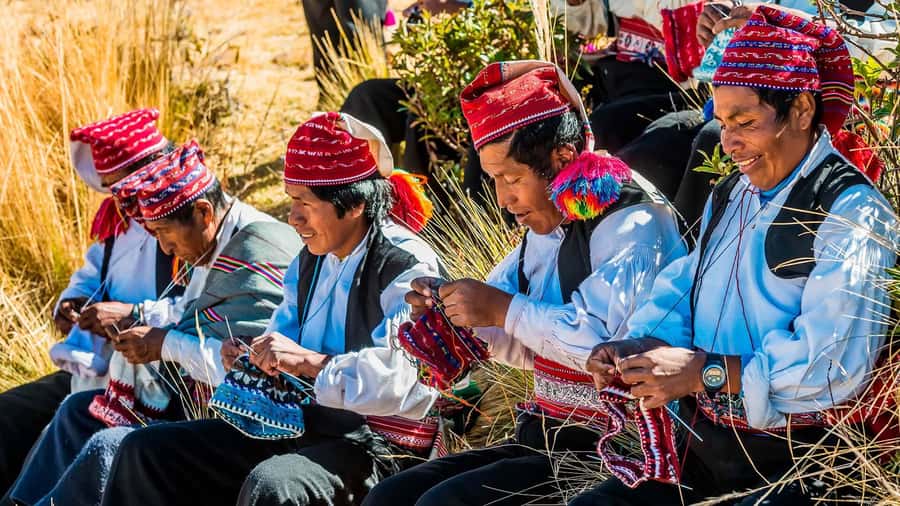
Taquile is a different vibe from Uros. Instead of totora-built floating islands, you’re working with a land-based island culture, and the standout theme is textile craft. The tour focuses on artisanal garments and the high weaving techniques that made Taquile locals famous.
This is where I think the day trip hits a good balance for most people. You’re not stuck only on the novelty of floating islands—you get a deeper look at human skill, daily life, and craft knowledge that keeps getting passed on.
One consideration from my perspective: the Taquile stop is time-limited. If textile history is your top priority, make sure you ask the guide where the emphasis goes during that hour and whether there’s time for any specific textile museum-style stop included in your exact departure.
The lunch break: local family meal, vegetarian option included
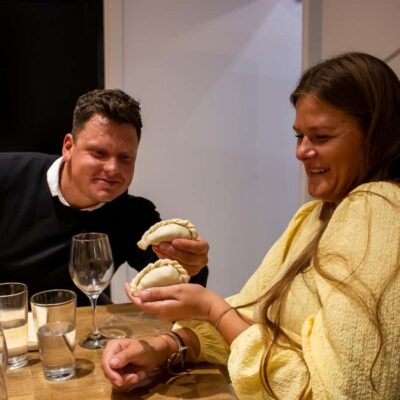
You’ll get a traditional lunch on Taquile at a local family stop, and it’s included in the price. That’s not just a convenience—it’s a chance to slow down after the boat and island walking, and to experience the day’s culture through food.
The tour includes 1 lunch, and there’s also a vegetarian feeding option if you need it. Drinks are not included, so plan on bringing extra cash or buying your own water/juice on the way if you’re the kind of person who likes to sip throughout the day.
If you’re trying to decide whether this tour is “good value,” the lunch matters here. Many day trips charge separately for food. This one gives you a built-in meal, which helps your budget stay predictable.

Drop-off back in Puno: an 8-hour day with a clear ending

The day ends with drop-off at your hotel in Puno, about eight hours after pickup. That timing is helpful because you can plan a second activity later—dinner, a relaxed stroll around the center, or just a good rest after an early start.
The tour also notes a practical pickup rule. Pickup is included from hotels in central Puno. If your accommodation is farther out, you should go to Jirón Arequipa street, near Plaza de Armas—close enough to make the pickup system work without you crossing the whole city at dawn.
At the top of the day, the meeting point is linked to Plaza del Faro, so if you like clarity, confirm where your guide meets you and which entrance or point they use. Lake Titicaca days run smoother when you remove ambiguity early.
Price and value: is $44 reasonable for this route?
This tour costs $44 per person for a full day. For many visitors, the value equation comes down to three big things: boat transport, island access, and a guided cultural program.
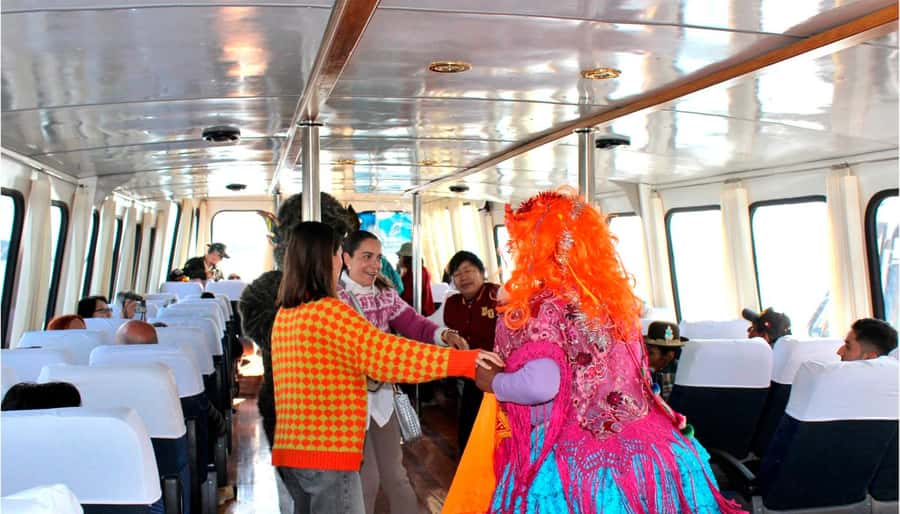
Here, you’re getting a speedboat ride Puno → Uros → Taquile → Puno, plus entry tickets to the islands, and an official bilingual guide. You’re also getting lunch with a local family and a vegetarian option.
Add it up and you’re not only paying for transport—you’re paying for guided interpretation and the cultural stops themselves. That’s where I think the price makes sense, especially if you’d otherwise have to piece together separate tickets, guides, and timing.
Main watch-out: drinks are not included. That’s normal for Peru day trips, but it can nudge your total cost if you’re expecting bottled water included. Bring your own bottle if you like, or plan to buy on site.
Who this tour suits best (and who might want to adjust)
This trip fits best if you want a “two-island” sampler without committing to a longer Lake Titicaca itinerary. You’ll cover the famous Uros floating islands plus Taquile Island in one day, which is ideal if you have limited time in Puno.
I also think it’s a good match if you care about culture with context. The guided Uros visit and the craft-focused Taquile stop are both built around learning—what totora is, who the Uros descendants are, and why Taquile textiles matter.
It may be less ideal if your only goal is one deep, slow, museum-style day. The Taquile segment is guided but limited to an hour, and the Taquile experience can be more “craft exposure” than “full textile research visit.” If you specifically want a textile museum stop, confirm it directly before you pay.
Small timing details that change your day
A lot of day-trip stress comes from not knowing how the day flows. This itinerary is structured around simple blocks: pickup, boat ride, about an hour at Uros, then about an hour at Taquile, then lunch and return.
That means you’ll be moving, but not constantly. You get focused time on the islands rather than a quick stop-and-go experience with no guided element.
Also, the tour offers an official bilingual guide in English and Spanish, so you won’t be stuck relying on hand gestures for the key cultural parts. If you’re traveling with someone who prefers one of those languages, this is a practical advantage.
Should you book this Uros and Taquile excursion?
If you want a strong first impression of Lake Titicaca, I’d book it. This route gives you the headline Uros floating islands and the craft-focused Taquile island in one day, with lunch included and a bilingual guide to translate the culture behind what you’re seeing.
Book with extra care if Taquile’s textile museum component is a must-have for you. The schedule is tight, and your exact version of the trip may emphasize weaving demonstrations over museum time. Ask the provider what’s included in your Taquile visit—so you don’t end the day feeling like you missed the one thing you were chasing.
FAQ
What time does pickup happen in Puno?
Pickup is scheduled from 7:00 to 7:20 from hotels in central Puno.
Where is the meeting point?
The itinerary lists Plaza del Faro as the starting location.
How long is the tour?
The tour lasts 1 day, and you’re dropped off about eight hours after pickup.
What languages is the guide available in?
The guide is official and bilingual, available in English and Spanish.
What’s included in the price?
The tour includes hotel pickup (central Puno), the boat Puno–Uros–Taquile–Puno, 1 lunch with a local family, entry tickets to the islands, and an official bilingual guide.
Is vegetarian food available?
Yes. The tour includes a vegetarian feeding option.
Are drinks included with lunch?
No. Drinks are not included.