REVIEW · PUNO
From Puno: Floating Islands of the Uros Half-Day Tour
Book on GetYourGuide →Operated by SuriExplorerEIRL · Bookable on GetYourGuide
Reeds float, and so does daily life. This half-day ride out on Lake Titicaca takes you to the Uros floating islands, where you can see how totora reeds support an entire way of living. You’re also set up with a bilingual guide and enough time on the islands to take in the views and ask questions.
What I really love is the on-the-water feeling—you leave Puno and quickly end up walking on a surface made from aquatic plants. I also like that guides like Freddy (born and raised in the community) explain what you’re seeing with real-world context, including how the reeds are woven and layered.
One thing to plan for: you’ll be offered chances to buy crafts, and the traditional reed boat ride costs extra (15 Soles per person). If you want zero shopping pressure and fixed costs, this may not feel perfectly frictionless.
In This Review
- Key things that make this Uros half-day work
- Why the Uros floating islands feel genuinely different from land tours
- The guides and captains: Freddy and the team make or break the day
- Getting from Puno to the islands is fast and straightforward
- Walking the totora islands: what you’ll actually learn
- The Balda/Balsa de Totora reed-boat ride: budget 15 Soles
- Shopping and craft sales: friendly, but go in with eyes open
- Price and value: why $10 can feel like a steal, then how to calculate the real total
- What to bring and what can get annoying (weather and rules)
- Should you book the Uros floating islands half-day tour?
- FAQ
- How long is the Uros floating islands half-day tour?
- How much does it cost?
- What’s included in the tour price?
- Is food and drinks included?
- Can I ride a traditional reed boat made of totora?
- What language is the guide?
- Where do you get picked up?
- What do I need to bring?
- Is the tour only outdoors?
- Are there any restrictions on bags or pets?
- Is the tour suitable for mobility impairments?
Key things that make this Uros half-day work
- Local guides with firsthand stories, including Freddy and other community-connected hosts
- Totora construction in plain view, with a demonstration of how the island surface is built and maintained
- A short, efficient schedule that fits even tight days in Puno
- Plenty of photo time on floating walkways and around homes
- The option to add a Balda/Balsa de Totora reed-boat ride for 15 Soles per person
- Lake Titicaca scenery from the water and while you’re on the islands
Why the Uros floating islands feel genuinely different from land tours
Lake Titicaca has a way of making you slow down. The moment you’re out on the water, the scale hits: this is the highest navigable lake in the world, and the Uros islands are built right on top of it.
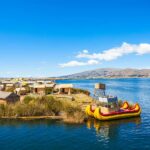
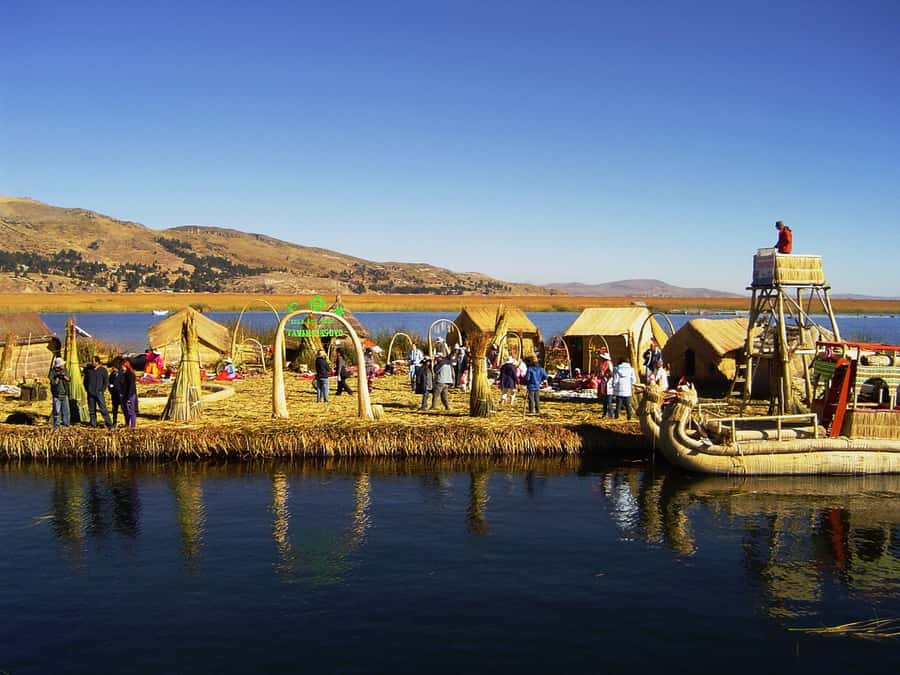
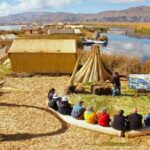
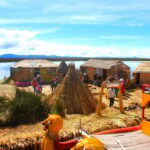
The Uros floating islands aren’t a theme park. You’ll be visiting a living community where totora reeds are the building material and also part of everyday life. The tour focuses on what the plant is used for—building the island surface, plus traditional uses like houses and cooking—so the whole experience connects back to one practical question: how do you make a habitat that floats?
You’ll also get a sense of how the islands are organized. The visit typically includes walking around and getting guided time on an island, plus a bit of free time to look around and take photos. Even with only half a day, it’s enough time to feel like you saw a real place, not just a quick stop.
You can also read our reviews of more tours and experiences in Puno
The guides and captains: Freddy and the team make or break the day
The biggest quality leap here is the people. This tour runs with bilingual English and Spanish interpretation, and many guides are closely connected to the islands.
Freddy is a standout example from recent guests’ experiences—he grew up in the Uros community and brings first-hand knowledge. Other guides you might hear about include Rolly/Roly/Robbie, and one group mentioned a host named Jenny. When the guide is from the community, explanations tend to land differently. Instead of someone reciting facts from a script, you get answers that feel grounded in day-to-day life.
On the water side, the boat captains matter too. Guests mention captains such as Bryan/Brian, Christopher, and Christian. You don’t need to be thinking about navigation, but you do want to feel that the ride is handled well—and that comes through in the way people describe the captains’ care and smooth driving.
If you care about communication quality, this is a solid pick. The tour is designed for bilingual guiding, so you won’t be stuck guessing what you’re looking at.
Getting from Puno to the islands is fast and straightforward
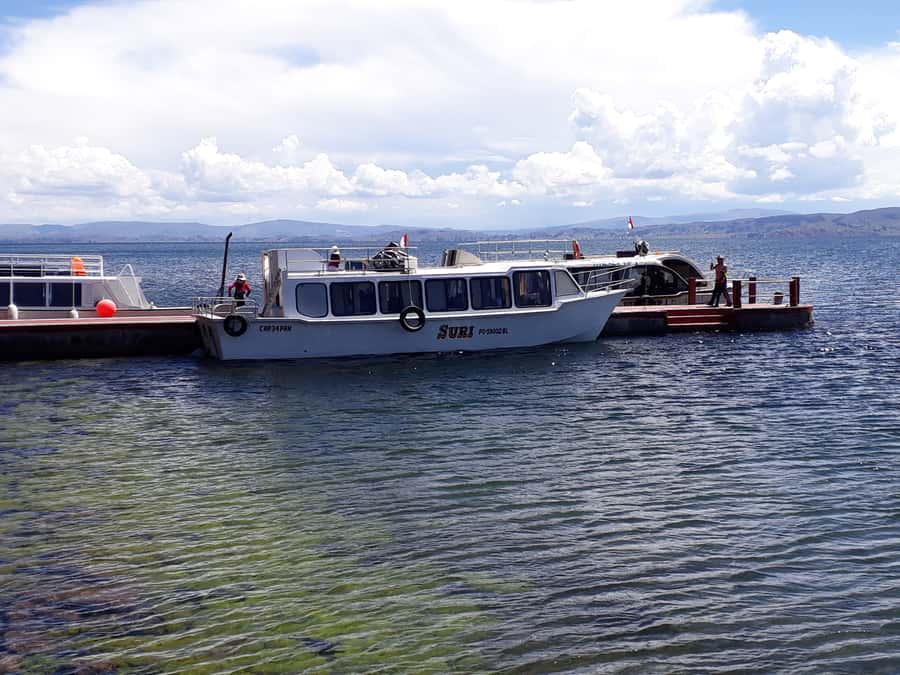
This is a practical half-day tour. You start in Puno with pickup at a city center location (if you choose that option), then you’ll transfer by van briefly before heading to the pier.
From there, you’ll spend time on boat transport—first toward the floating islands area, then later back again. The timeline is tight: van time is short, water time is the main event, and the island visit portion is designed to fit into a 3-hour overall duration.
That structure is part of the value. If you only have a limited window in Puno—maybe you’re adjusting to altitude, maybe you want something calm before a bigger day—this tour doesn’t demand an early-morning commitment and it doesn’t swallow your entire day.
Walking the totora islands: what you’ll actually learn
Once you arrive, the focus turns to how the islands are built and why totora works.
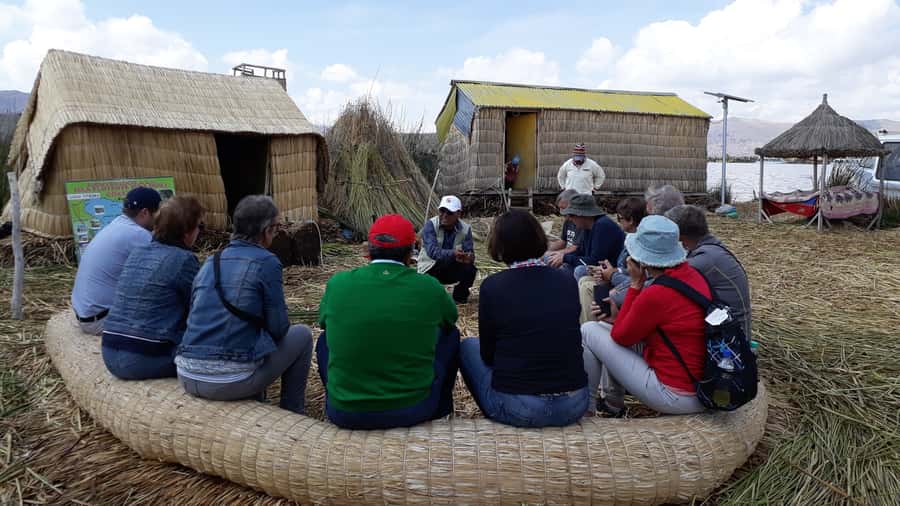
You’ll visit a set of floating islands and get a guided tour plus walking time. A key moment is the explanation and demonstration of island construction: how totora is woven and laid down in layers to create the surface. It’s not complicated in concept, but seeing it up close makes it click. The island is not just floating—it’s maintained.
The tour also frames totora as a multi-use resource. The reed isn’t only a building material. It’s also traded and used in everyday routines, including cooking and other household uses. Even if you don’t remember every detail, the big idea stays: the plant is the engine behind the entire settlement.
You’ll also have some time to look around. Many tours include time to browse and photograph, and some groups even mention moments like trying on local clothing or hearing a bit of language practice (such as Aymara/Amara phrases). Those extras depend on the day and who’s leading, but the overall flow is designed to balance guided explanation with personal time to observe.
The Balda/Balsa de Totora reed-boat ride: budget 15 Soles
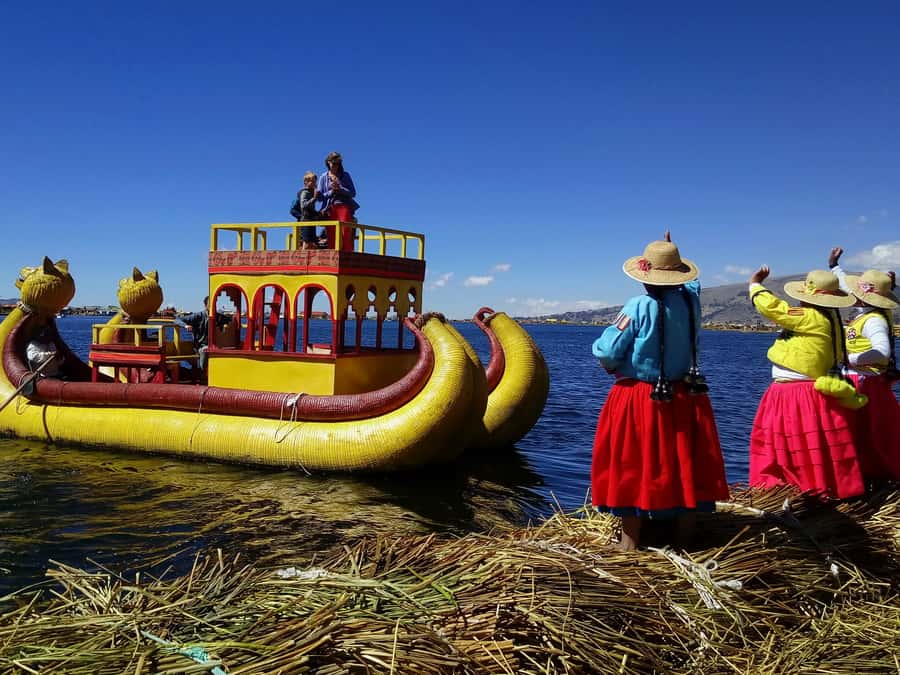
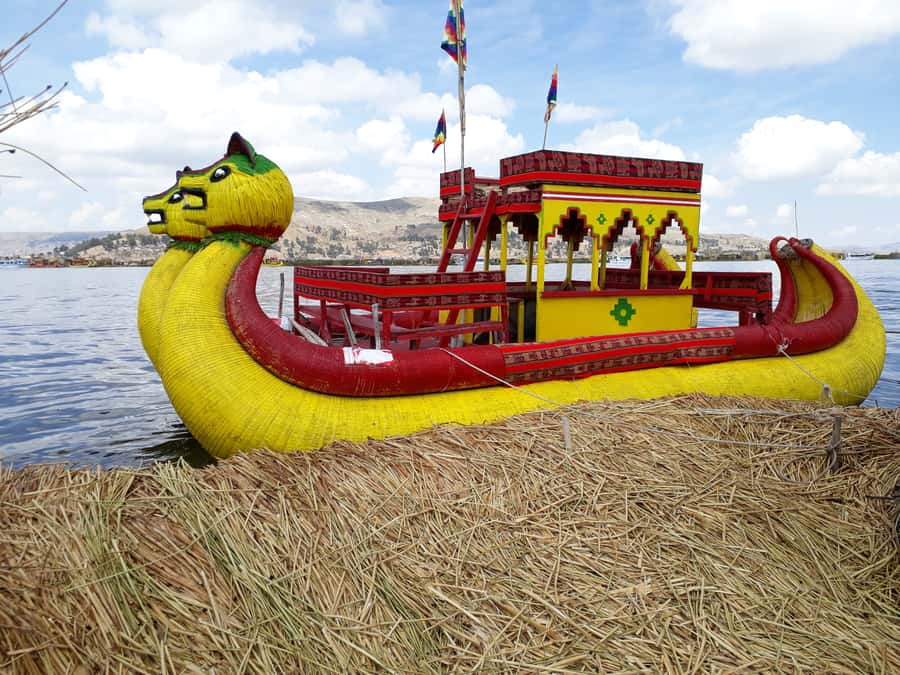
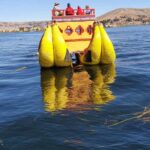
There’s an additional opportunity during the visit: a ride on a traditional reed boat made from totora, often referred to as Balsa de Totora. The important part for your planning is simple.
- The tour price includes boat transfers and island entrance.
- The reed boat ticket is not included.
- You pay 15 Soles per person on the spot if you want that ride.
So yes, it’s an extra cost. But it’s also one of the best ways to make the totora theme go from theory to experience. If you’re the type who likes hands-on moments—stepping onto a reed-built structure, feeling how it works—then this add-on is worth having in your budget from the start.
If your plan is strictly fixed-cost, keep the 15 Soles in mind so you don’t feel caught off guard when you arrive.

Shopping and craft sales: friendly, but go in with eyes open
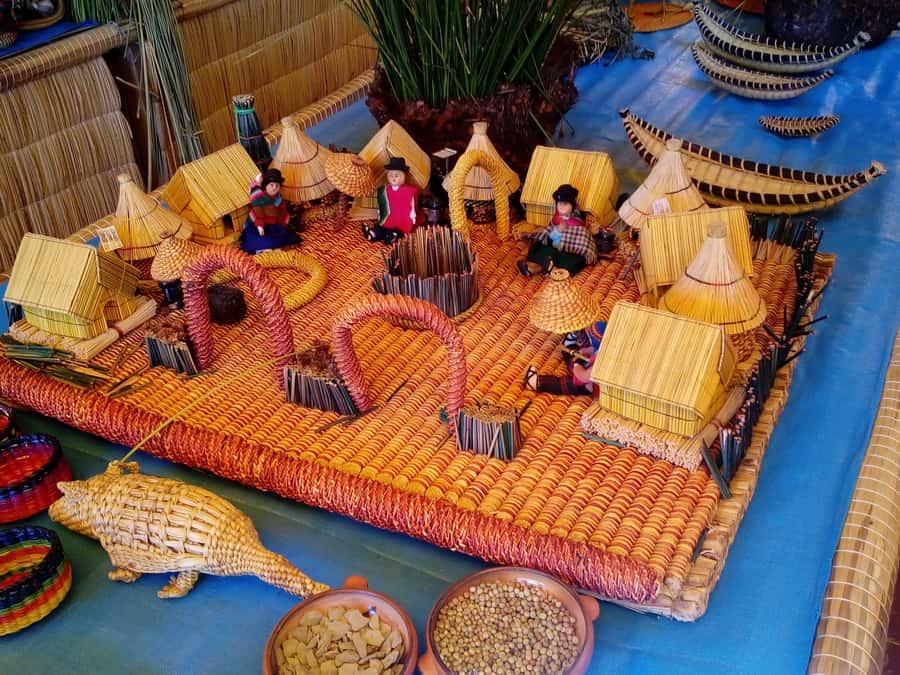
This is a sensitive area. Uros communities rely on visitors, and the tour includes time for shopping and free time on the island. That means you’ll be offered crafts and souvenirs.
Some guests describe it as a bit of a sales pitch. Others describe islanders as welcoming and warm, with no aggressive pressure. In practice, it often comes down to your expectations and your attitude: you’re visiting a working community with a limited number of income streams.
My advice: treat shopping time like a cultural interaction, not a pop-in store. If you want to buy something, do it because you genuinely like an item, not because you feel rushed. If you’re not buying, you can still walk, look, and ask questions—just keep your boundaries calm and clear.
And if you do buy, remember you’re supporting livelihoods tied directly to the islands. That makes even small purchases feel more meaningful than a typical souvenir stop.
Price and value: why $10 can feel like a steal, then how to calculate the real total
The listed price is about $10 per person, and for a half-day tour that can include hotel pickup (from the city center, if selected), bilingual guiding, transfers, and island entrance, that’s strong value.
Here’s the part you should calculate before you go:
- The tour itself covers boat transfers and entrance
- Food and drinks are not included
- The traditional reed-boat ride (if you do it) adds 15 Soles per person
So your real cost is usually the tour price plus optional add-ons. For many people, the experience still wins. You get access to a rare place on the water, plus a chance to learn how totora construction actually works, in only about 3 hours.
Where this feels especially good value is when:
- you’re short on time in Puno
- you want an easy, guided introduction before committing to longer Lake Titicaca plans
- you enjoy culture that’s tied to daily problem-solving (instead of only performances)
What to bring and what can get annoying (weather and rules)
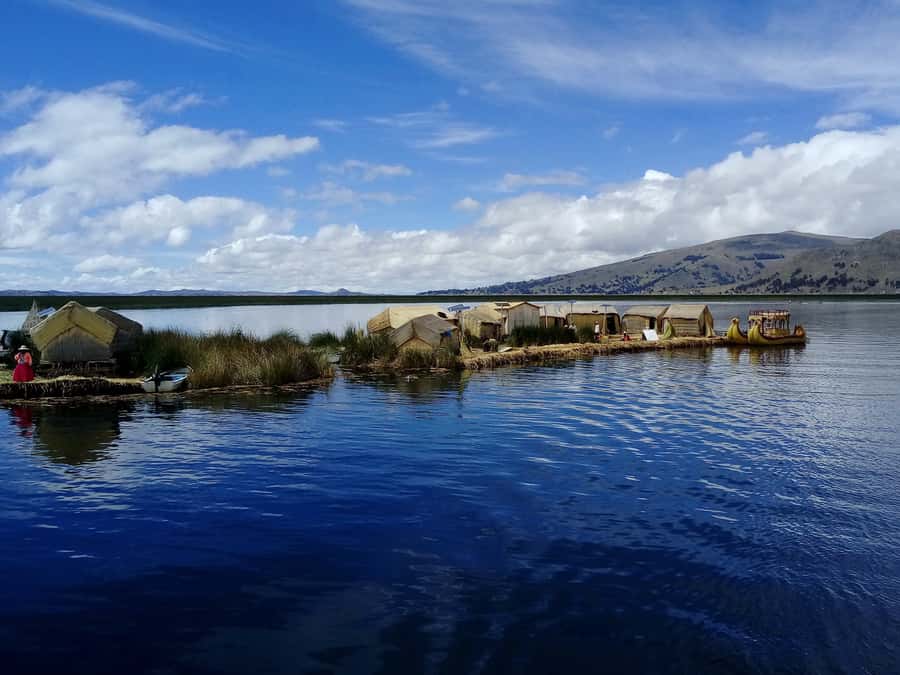
This tour happens in shine or rain, so pack like it might be both. A warm layer helps because Lake Titicaca conditions can shift fast, even when the day starts calm.
You’ll also want to bring identification—passport or ID card. Leave bulky bags behind. The tour notes that luggage or large bags aren’t allowed, and pets aren’t allowed either.
One more practical note: the tour isn’t suitable for people with mobility impairments. That’s not a detail to gamble on. Boat transfers and walking on floating surfaces can be tough even for people who handle uneven ground well.
Should you book the Uros floating islands half-day tour?
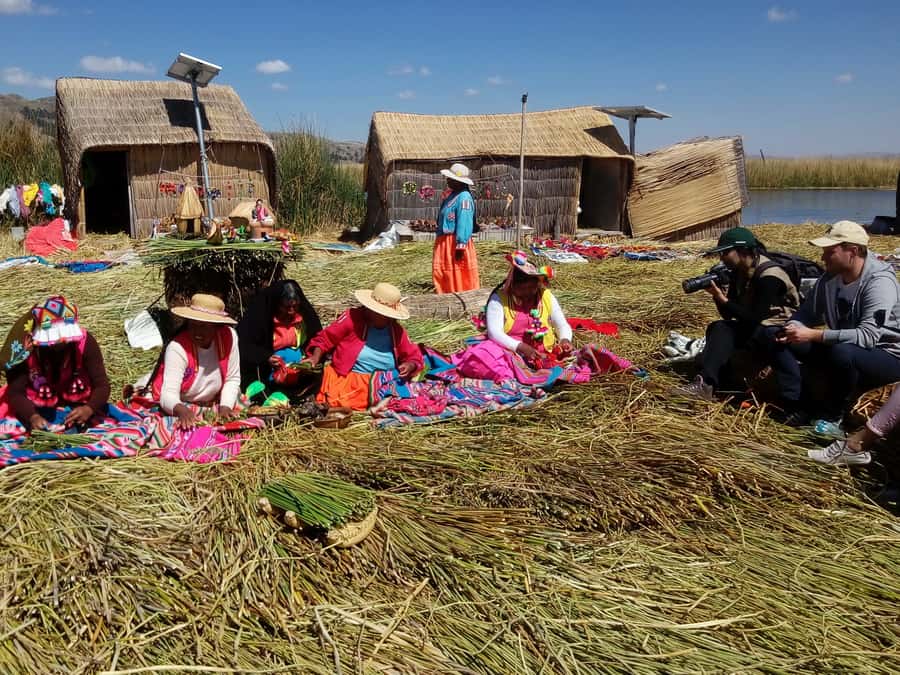
Book it if you want a short, guided taste of an unusual living system—totora-built islands where the material isn’t just scenery, it’s infrastructure. This is also a good pick if you value human explanation from guides connected to the community. Freddy’s kind of firsthand storytelling is the difference between just seeing reeds and understanding the point of them.
Skip or reconsider if:
- you strongly dislike shopping/sales interactions (even if they’re often friendly)
- you need strict fixed pricing with no on-the-spot add-ons
- mobility limits make boat transfers and walking difficult
If you do book, go in with one mindset: you’re visiting a working lakeside community. The most satisfying moments tend to be the ones where you ask simple questions, look closely at the totora construction, and remember that this isn’t a backdrop—it’s home.
FAQ
How long is the Uros floating islands half-day tour?
The tour duration is about 3 hours.
How much does it cost?
The price is listed as $10 per person.
What’s included in the tour price?
It includes boat transfers, entrance to the Uros island, and a bilingual English and Spanish tour guide. Hotel pickup and drop-off from the city center is included if you select that option.
Is food and drinks included?
No. Foods and drinks are not included.
Can I ride a traditional reed boat made of totora?
Yes, it’s possible to take a ride on the traditional reed boat (Balsa de Totora). The ticket for the ride is not included, and you pay 15 Soles per person on the spot.
What language is the guide?
The guide provides bilingual interpretation in English and Spanish.
Where do you get picked up?
Pickup is from the city center in Puno if you choose the hotel pickup option. You also need to start from a pickup location in Puno.
What do I need to bring?
Bring your passport or an ID card.
Is the tour only outdoors?
The tour takes place in shine or rain.
Are there any restrictions on bags or pets?
Pets are not allowed, and luggage or large bags are not allowed.
Is the tour suitable for mobility impairments?
No, it is not suitable for people with mobility impairments.