REVIEW · PUNO
From Puno: 3-Hour Uros Floating Islands Tour
Book on GetYourGuide →Operated by Lago del Cielo Sociedad Anonima Cerrada · Bookable on GetYourGuide
Floating reed islands feel like a sci-fi movie.
What I like most is walking through real Uros reed homes with families who explain daily life, not a script. I also like the flexible half-day timing (morning, midday, or afternoon) so you can match it to your altitude routine in Puno. One thing to consider: on busier days, the experience can feel more crowded and sales-focused, so a private or small-group setup is worth it.
This tour is a clean, doable way to see the Uros from Puno without losing your whole day. You’ll ride out across Lake Titicaca, visit two islands, and get time to wander, shop, and even get your passport stamped with the Uros seal.
In This Review
- Key things to know before you go
- Why the Uros Floating Islands feel different from everything else
- Getting there from Puno: boat ride comfort and pacing
- Main island visit: reed homes, daily routines, and family interaction
- The second island stop: views, crafts, and that Uros seal passport stamp
- Optional totora reed boat ride: when that extra S/20 makes sense
- Price and value: what you’re paying for at about $39
- Group size: how private changes the whole feel
- Timing in Puno: choosing 9:00 vs 12:00 vs 3:00
- What to bring (and what will annoy you once you’re there)
- Who this tour is perfect for
- Should you book this Uros floating islands tour from Puno?
- FAQ
- How long is the Uros floating islands tour?
- Where is the pickup in Puno?
- How many islands do you visit?
- Do you walk on the floating reed islands?
- Is lunch included?
- Is there an optional reed boat ride?
- How do the departure times work?
- What language is the guide?
- What documents should I bring?
- Is this tour wheelchair accessible?
Key things to know before you go
- Two islands in about 1.5 hours on the water-side itinerary, including a main community visit
- Hotel pickup from central spots like Plaza Mayor, Pino Park, or Parque de las Aguas
- Bilingual guide (Spanish/English), with guides praised for clear English like Richard, Omar, Hugo, and Samuel
- Walk on layered totora reeds and see how islands are maintained and rebuilt
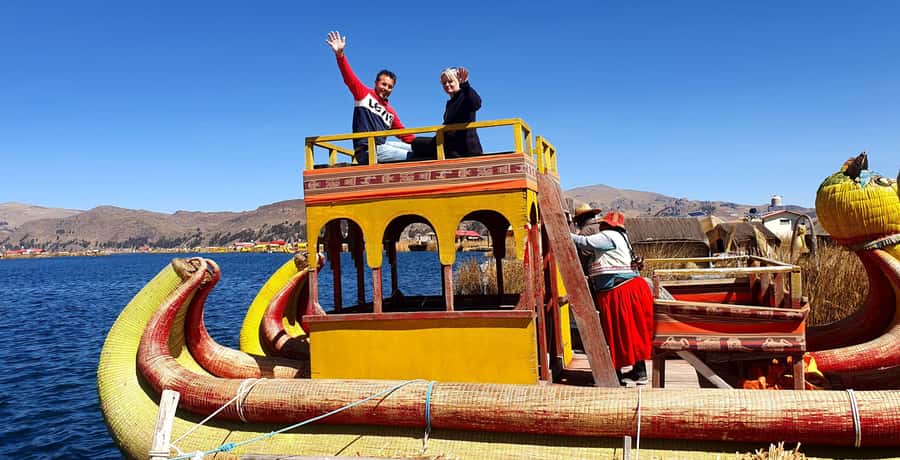
- Optional totora reed boat ride on-site for an extra fee paid directly to families
- 3 departure times daily at 9:00, 12:00, and 3:00 for an easy fit
Why the Uros Floating Islands feel different from everything else
The Uros floating islands sit on Lake Titicaca, about a boat ride from Puno that’s short enough to feel manageable. But once you’re there, the change is huge. You go from paved streets and hotel lobbies into a world built from totora reeds, maintained by people who live there every day.
I like that the focus isn’t just photos. You get a guided explanation of how the islands are constructed, why they float, and how the reed layers are replaced over time. It’s one of those experiences where the “how” matters almost as much as the “wow.”
You can also read our reviews of more tours and experiences in Puno.


Getting there from Puno: boat ride comfort and pacing
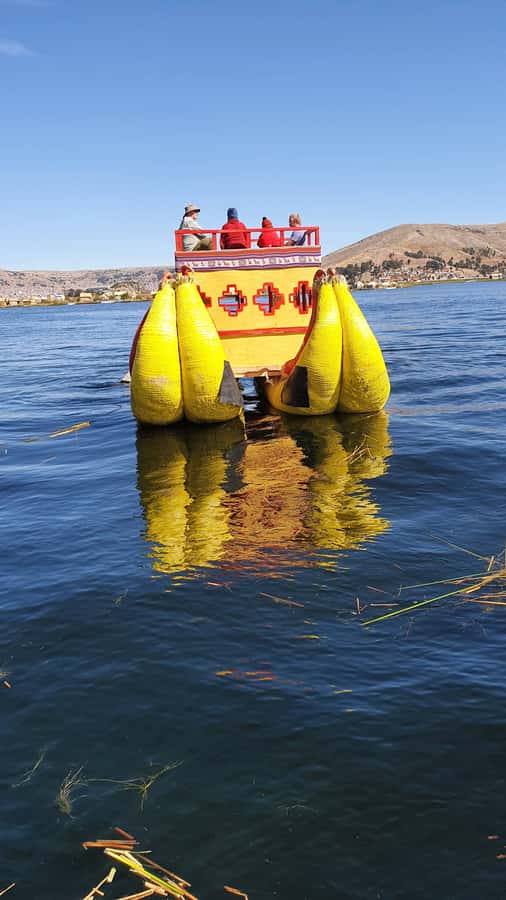
Your day starts with pickup from one of several central points in Puno, such as Plaza Mayor, Pino Park, or Parque de las Aguas. From there you head to the port and board a motorboat for the ride out to the islands.
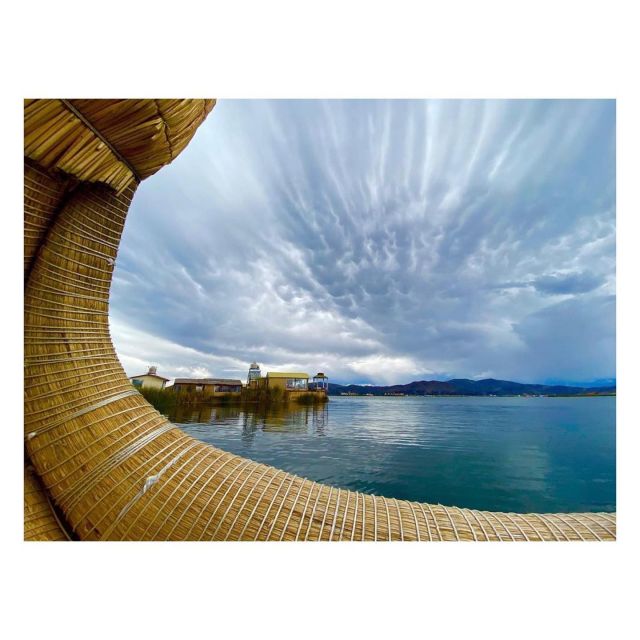
The ride itself is part of the experience. You’ll cross open water with big views toward the Andes horizon, and your guide starts setting context as you travel. Expect around 25–30 minutes each way by water transport, so the whole pace stays half-day friendly.
On the boat, look for a good viewing spot. Some boats include a top deck area for the best angles, which matters because Lake Titicaca’s light can be striking and the water can look calm even when conditions are changeable.
Main island visit: reed homes, daily routines, and family interaction
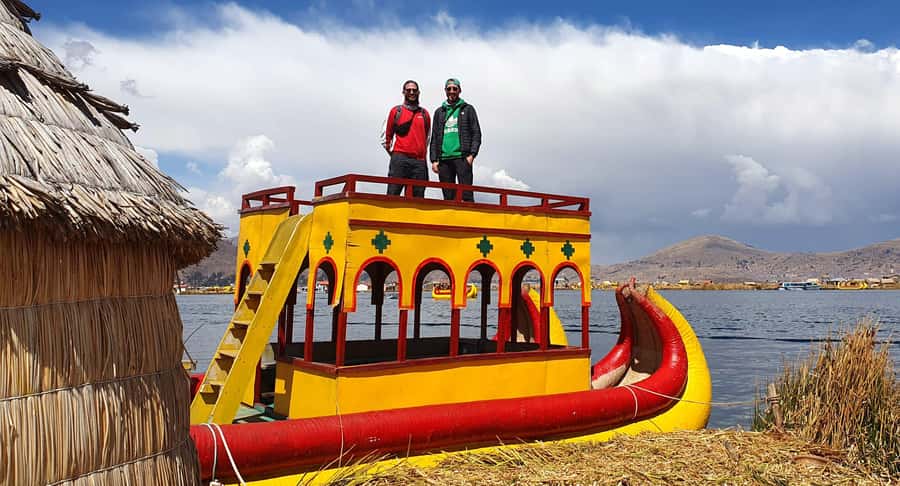
This is the heart of the tour. You’ll visit the main community island, where you walk around and learn how families organize daily life on floating land. It’s built on layered totora reeds, and your visit explains how the island is maintained and re-layered with fresh reeds.
What makes this stop valuable is that you’re moving through real spaces rather than just looking from a distance. You can walk through homes, see everyday objects, and hear how people handle routine tasks that make the islands work. If you’re the type who likes asking practical questions, this is where your guide and the families can answer them best.
You may also have the chance to dress in traditional Uros clothing for photos. Even if you skip it, don’t underestimate how much this moment helps you understand the culture in a visual way. Just treat photos respectfully and follow the families’ lead.
The second island stop: views, crafts, and that Uros seal passport stamp
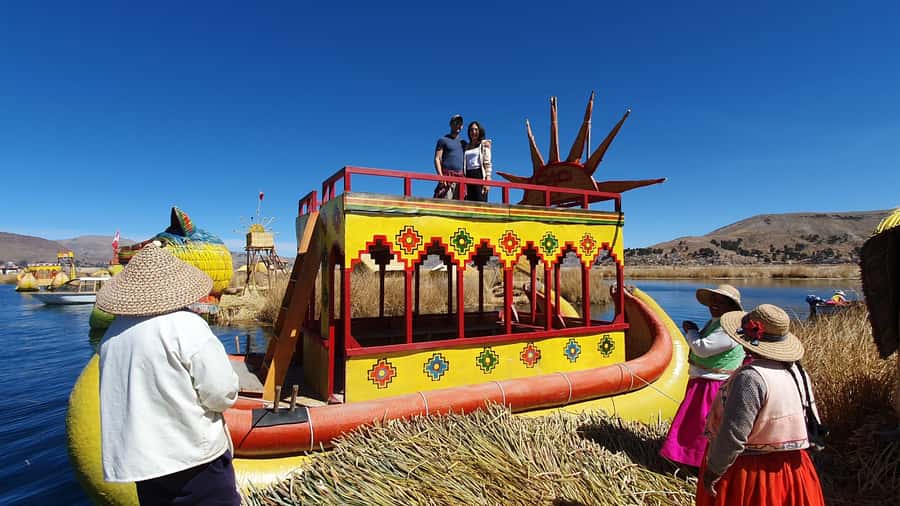
After the main island, you’ll head to a second stop with a more relaxed feel. This part tends to center on viewpoints and wandering at your own pace.
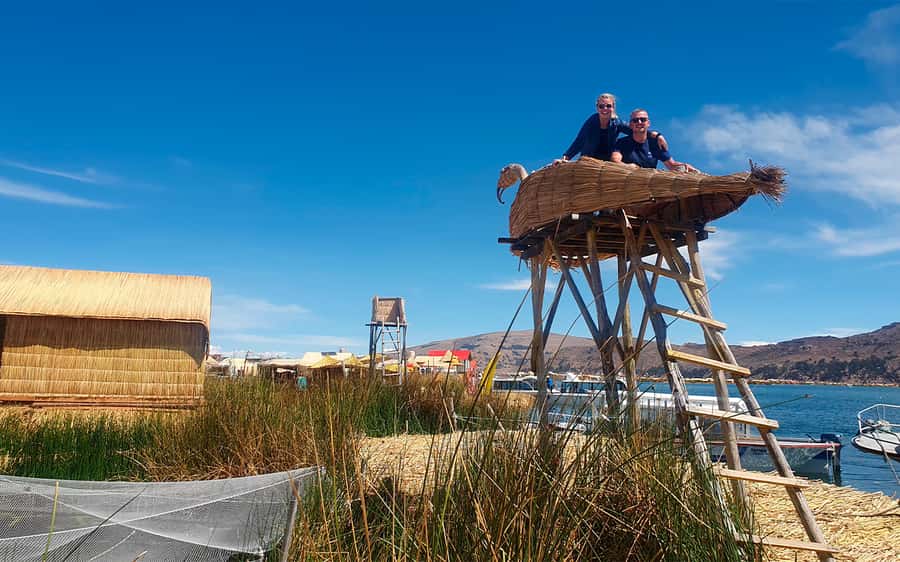
You’ll find wooden lookout platforms that give broad views across Lake Titicaca. This is a good moment to slow down. The light changes quickly on the lake, and your first intense learning stop can feel like it passes fast—this second stop gives your brain time to catch up.
There’s also time for small purchases and crafts. If you want souvenirs, this is where you’ll browse. If you don’t, it’s still worth lingering, because you’ll understand the islands better once you’ve seen them from multiple angles.
One detail I love for travel proof: you can often get a passport stamped with the Uros seal. It’s small, but it turns the experience into something you can keep long after the photos fade.
Optional totora reed boat ride: when that extra S/20 makes sense
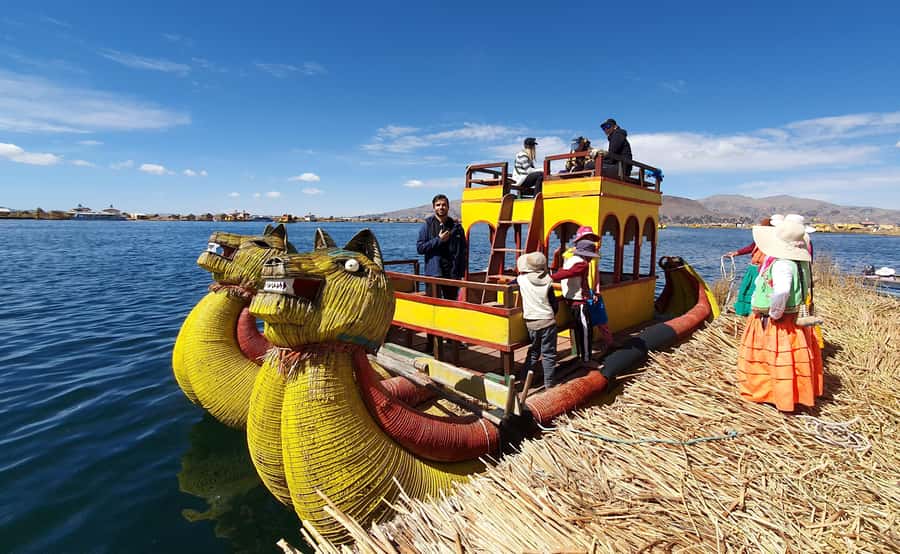
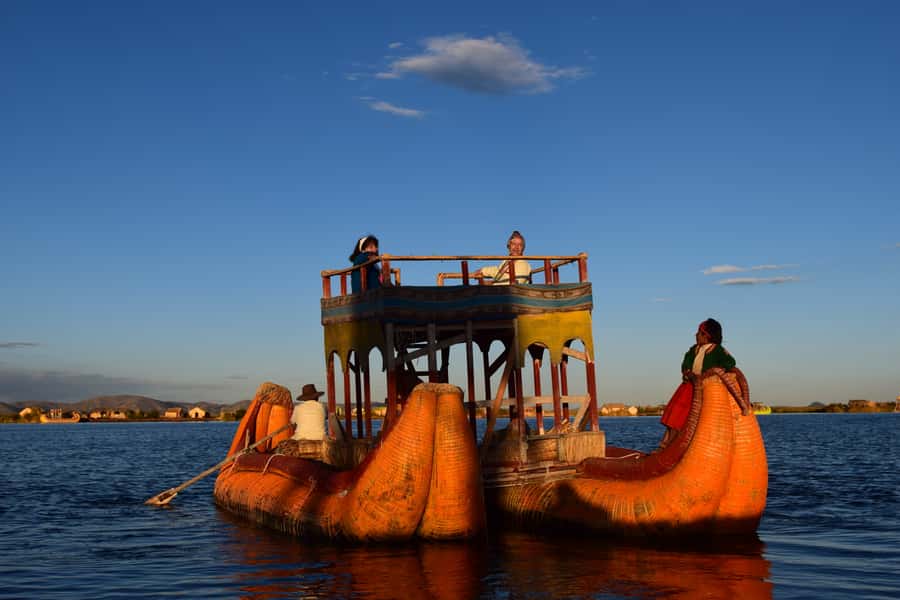
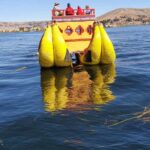
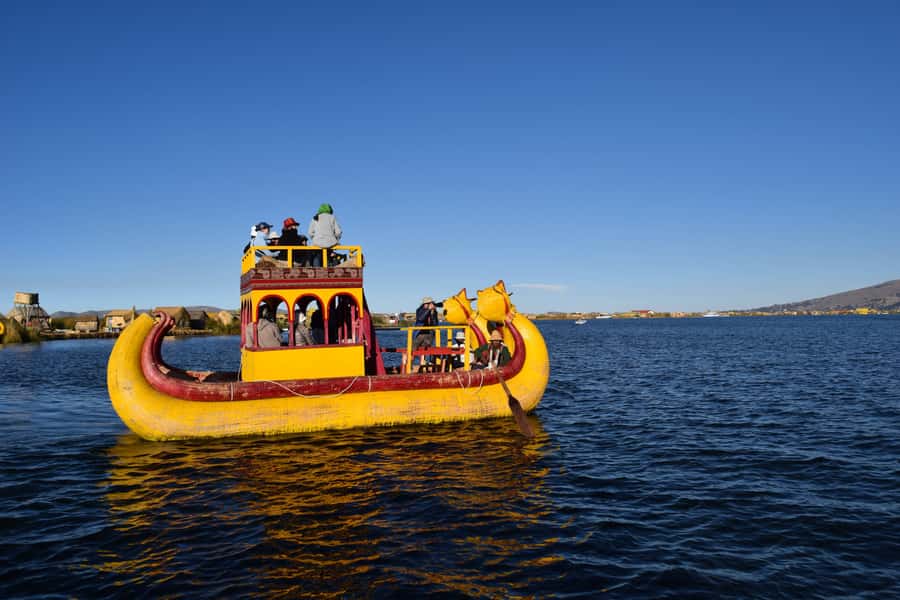
There’s an optional add-on here: a ride on a small traditional totora reed boat. It’s about 20 minutes, and it costs around S/20 soles (paid directly to the families who built it, not through the tour operator).
Is it worth it? For me, the decision is simple:
- If you want more time moving through the reed world on the water, add it.
- If you’re already happy with the main walking portion, you can skip it and keep your energy for the return boat ride.
Because it’s paid directly to the families, this isn’t just an attraction. It’s also another moment of interaction. Just factor in time, because you only have around 3 hours total.



Price and value: what you’re paying for at about $39
At $39 per person for a roughly 3-hour tour, what you’re really buying is structure plus transport plus guided access. The included pieces are hotel pickup and drop-off, a guided tour, entrance fees, and motorboat transport to the islands.
What’s not included: meals, and the optional reed boat ride. Food isn’t built into this tour, so plan to eat before or after. If you’re doing this as part of a Puno multi-day schedule, your meal timing becomes the main planning task.
Where the value gets real is the time efficiency. Instead of figuring out boats, ports, and timing yourself, you get a smooth half-day experience with a guide who can translate and explain what you’re seeing. On a tight itinerary, that matters.
Also, the tour’s pacing is designed for short attention spans and altitude limits. Puno can hit some people with altitude fatigue. A half-day trip is often a smarter choice than a full day on the lake.
Group size: how private changes the whole feel
One theme that comes through clearly is that the experience can feel more intimate with a private or small group setup. When it’s just your group, you’re not stuck waiting your turn. You can ask questions longer. You can decide when to move on.
This matters at the islands because so much of what you’ll enjoy is conversational and observational. Reed construction isn’t a quick landmark stop—it’s a living system. Small group time helps you actually understand it instead of rushing through it.
If you choose a bigger group option, you should still go in with the right expectations. Crowding can happen on popular days, and some stops can feel more commercial than you’d like. If that would annoy you, pay for the smaller-group experience or consider choosing a less busy departure time.
Timing in Puno: choosing 9:00 vs 12:00 vs 3:00
You get three daily departures at 9:00 AM, 12:00 PM, and 3:00 PM. That flexibility is practical for planning around:
- Your energy levels on arrival in Puno
- Morning plans like acclimatization walks
- Afternoon schedules for other Lake Titicaca options
If you’re sensitive to altitude, I usually suggest starting earlier or keeping the day simple. But if mornings are rough for you, the 12:00 or 3:00 departure keeps the trip from feeling like a deadline.
What to bring (and what will annoy you once you’re there)

Bring your passport or ID card. There’s also a lot of walking on uneven surfaces made of layered reeds, so wear shoes with grip.
If you’re thinking about photos, plan to move carefully and follow guidance at home areas. Reed surfaces are living materials, and you’ll help everyone by not stomping where you don’t need to.
A couple quick rules from the tour info:
- No smoking indoors
- Not suitable for wheelchair users, so plan accordingly if mobility is an issue
And yes, pack water. Meals aren’t included, so you don’t want to get hungry halfway through the trip.
Who this tour is perfect for
This is a great match if you want:
- A short, structured Lake Titicaca experience from Puno
- Real cultural contact with an indigenous community
- Guided translation so you catch the details you’d otherwise miss
- The ability to explore both islands and have some free time too
It’s also a nice option for families and couples who want something different without committing to a full-day excursion. If you’re the kind of traveler who likes asking why and how things work, this tour rewards you.
Should you book this Uros floating islands tour from Puno?
If you want a half-day, high-impact experience with hotel pickup, guided explanations, and two island visits, book it. The pricing is fair for what’s included, and the optional reed boat add-on can give you extra time on the water if you’re curious.
I’d book the private or small-group version if you hate feeling rushed or squeezed into crowd flow. Otherwise, you’ll likely enjoy it either way, especially if you keep your expectations grounded: you’re visiting living communities, not a theme park.
FAQ
How long is the Uros floating islands tour?
The tour lasts about 3 hours.
Where is the pickup in Puno?
Pickup is available from central points such as Parque de las Aguas, Plaza Mayor, Pino Park, and a Puno pickup option.
How many islands do you visit?
You visit two islands: the main community island and a second stop with lookout platforms and free time.
Do you walk on the floating reed islands?
Yes. You’ll walk on the floating reed islands as part of the guided visit.
Is lunch included?
No. Meals are not included.
Is there an optional reed boat ride?
Yes. There is an optional traditional totora reed boat ride (around 20 minutes) for about S/20 soles per person, paid directly to the families.
How do the departure times work?
There are three daily departures at 9:00 AM, 12:00 PM, and 3:00 PM.
What language is the guide?
The guide is bilingual, with Spanish and English.
What documents should I bring?
Bring your passport or an ID card.
Is this tour wheelchair accessible?
No, it’s not suitable for wheelchair users.