REVIEW · CUSCO
From Cusco: Quad bike tour Moray and Salt Mines
Book on GetYourGuide →Operated by QUAD BIKE CUSCO TOURS · Bookable on GetYourGuide
Two Inca sites, one ATV ride. This half-day tour blends ATV driving with Moray and Maras, so you’re not stuck on a bus while the Andes look on. I like how the day is run in clear pieces, starting with a quick practice and then moving through the Sacred Valley with planned photo stops.
You’ll also appreciate the human touch: the guides who lead the ride and explain the sites (I’ve seen names like Floyd, Wilson, Joel, Gustavo, and Andy) tend to make the information feel practical, not rushed. The salt mines portion is especially memorable because you’re there long enough to actually look at the patterned pools and soak up the setting.
One consideration: the tour packs a lot into a short window. Moray and the salt mines both involve paid site entry on top of the base price, and your time on site can feel tight if you want a slow, deep guided walk (or if you’re hoping for lots of extra stops on the route).
In This Review
- Key things to know before you go
- Cusco pickup, transport, and the ATV safety lesson that matters
- The van ride out to the Sacred Valley: long views start early
- Moray: Inca agricultural lab, guided context, and photo time
- The ATV ride between Moray and the salt mines: pace, dust, and fun control
- Maras Salt Mines: patterned ponds, guided orientation, and salted chocolate
- Timing that works: how the half-day tour feels in real time
- Equipment, weather, and what to wear for an ATV day
- Price and value: the $27 ride plus cash site tickets
- Who this quad bike Moray and Salt Mines tour suits best
- Should you book this ATV tour or choose something calmer?
- FAQ
- Where does pickup happen if I’m staying on an Airbnb?
- What if I’m staying in the historic center?
- How do Moray and the salt mines work for entrance fees?
- What’s included in the tour price?
- Do I drive the ATV myself?
- What should I bring for this quad bike day?
- Is the tour offered in multiple languages?
- What kinds of people should not book?
- Can I cancel or pay later?
Key things to know before you go
- Safety first, then practice: you get helmet and gloves, plus an on-site lesson before you roll.
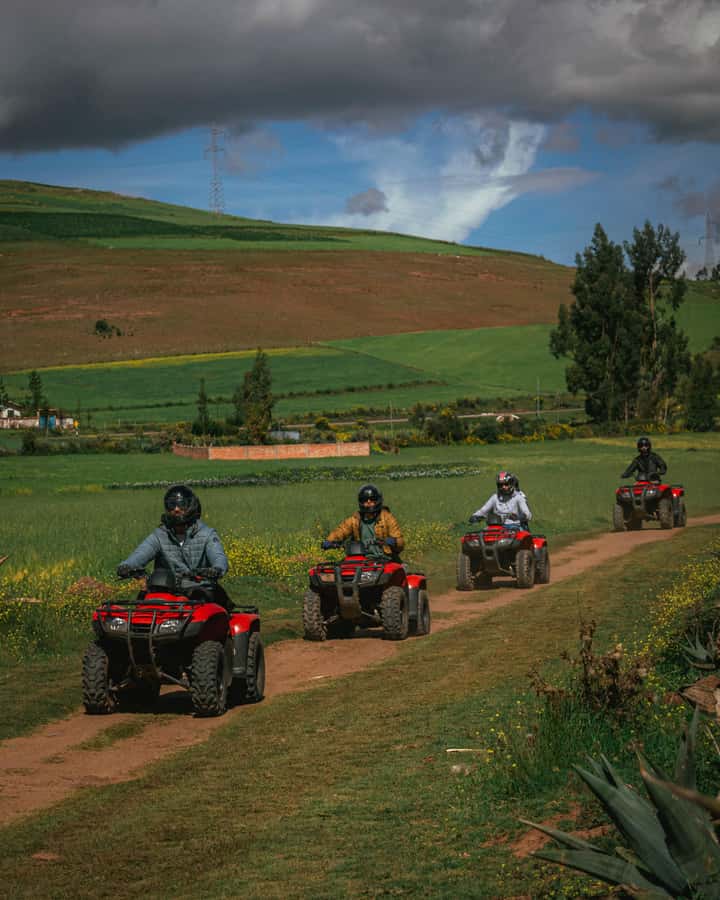
- Drive your own quad bike: you’re not a passenger the whole time; you’ll be controlling the pace and turns.
- Moray is quick but scenic: you get guided context plus free time for photos and wandering.
- Maras Salt Mines are visually addictive: you’ll have time to view the ponds and take photos, not just pass by.
- Salt-tasting surprises: you’ll get a chance to try salted chocolate, and you’ll likely see salt products for sale.
- Bring cash for entry tickets: Moray and the salt mines have separate entrance fees you pay on site.
Cusco pickup, transport, and the ATV safety lesson that matters
Your day typically starts in Cusco with hotel pickup. If you’re staying at an Airbnb or a private residence, the meeting point is set at the Plaza de Armas at KFC. Pickup begins about 15 minutes before the scheduled start, and your guide or driver will call out your name when they arrive in a marked vehicle.
From Cusco, you’re looking at roughly an hour of van transport to the quad base. The important part is what happens after you arrive: the guides are waiting with instructions, and you’re not thrown straight onto the trail. You’ll get a short safety briefing and then a practice round, which is a big reason first-timers often feel comfortable quickly. Multiple guide styles show up in the experience names you’ll hear on the day, including Wilson, Gustavo, and Andy, and the common thread is clear coaching and steady attention to how people are handling the quad.
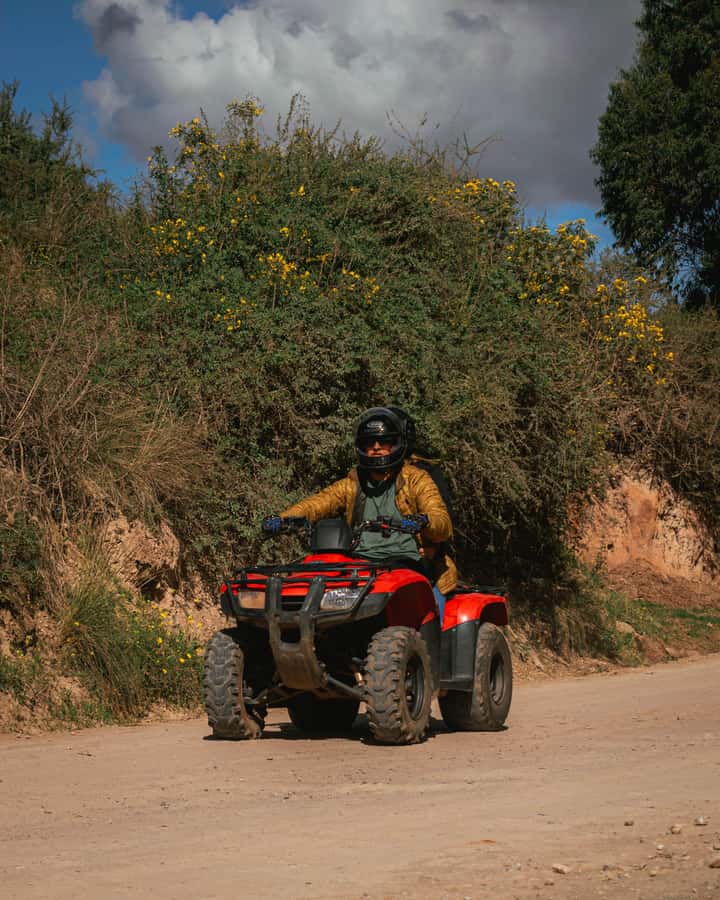
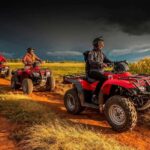
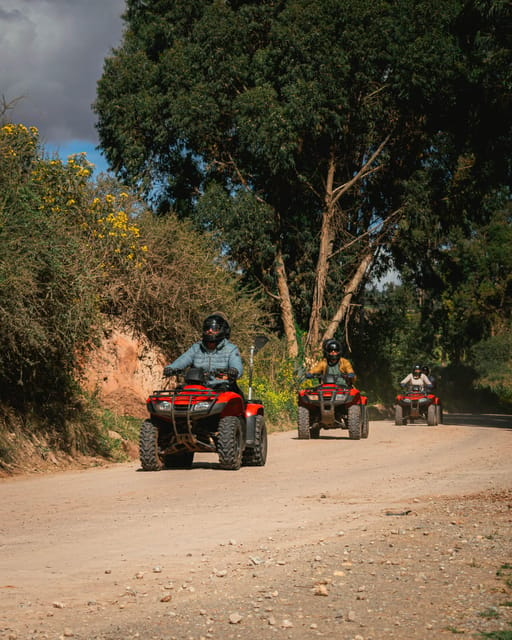
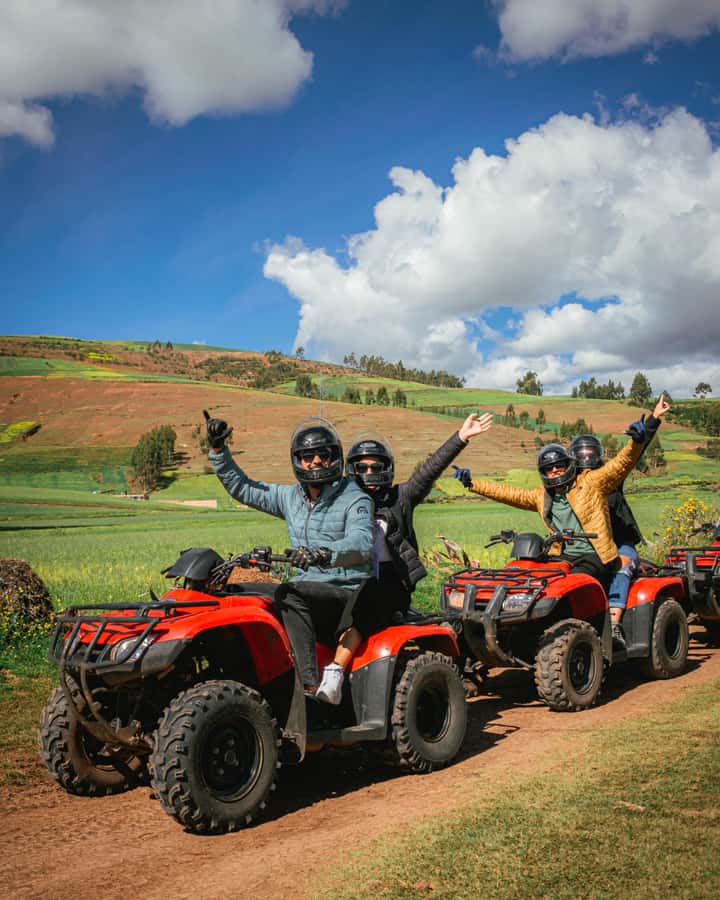
You’ll be kitted out with Honda ATVs (TRX 250), a certified helmet, and gloves. There’s also a water bottle included, and you may get a rain poncho depending on the season. If the weather is wet, you’ll want to follow their lead on layers and hand protection, because the ride involves dust, mud, and mountain air in the same half-day.
You can also read our reviews of more cycling tours in Cusco

The van ride out to the Sacred Valley: long views start early
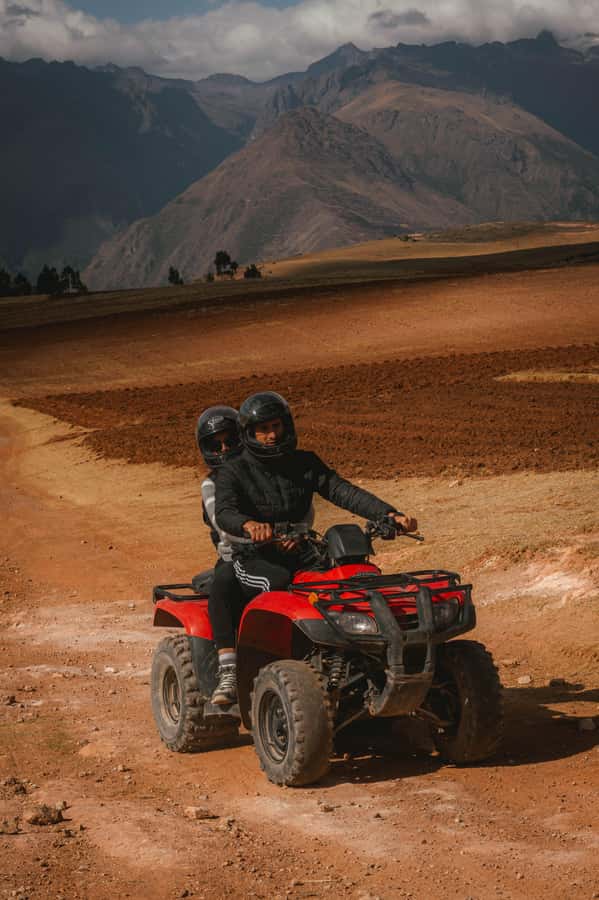
Even before the engine starts, the pacing is designed to get you to the right places fast. After the van transfer, you’ll get a final check-in from your guide and then start driving for about an hour toward the first main stop.
This is one of the best stretches for appreciating how the Sacred Valley looks from the road less taken. The route includes photo stops with mountain views, and your driver-guides keep the day moving so you’re not waiting around too long with nothing happening. The experience is meant to feel like a guided road trip with a motorbike feel, not like a checklist where you hop on and off repeatedly.
If you’re someone who hates big group delays, pay attention to the rhythm: the tour includes a practice phase, then a longer continuous drive, then site time, and then the return transport. It’s structured enough that most people stay energized rather than bored.
Moray: Inca agricultural lab, guided context, and photo time
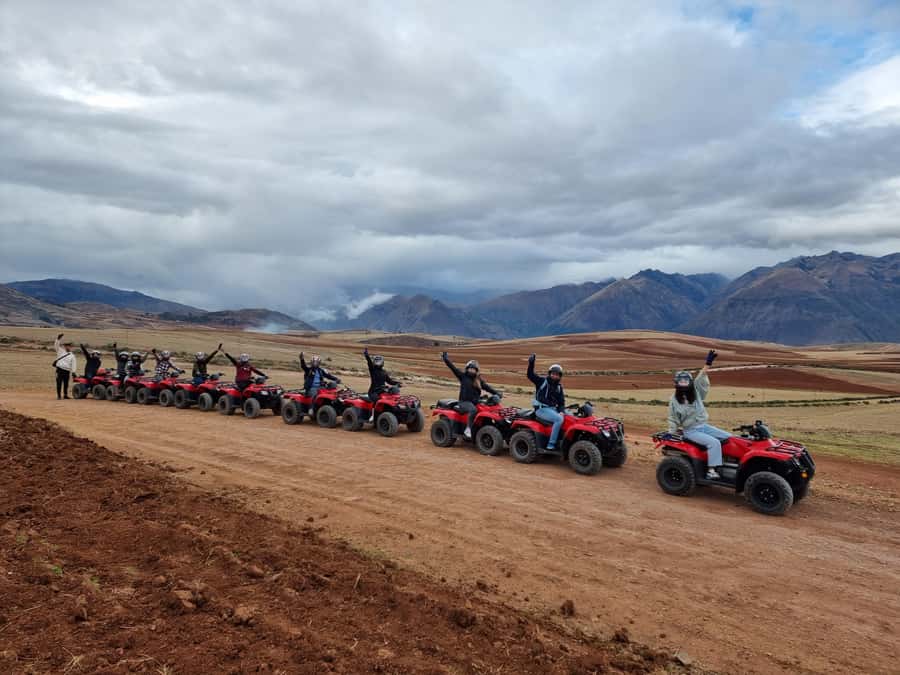
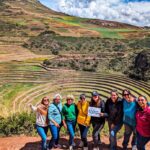
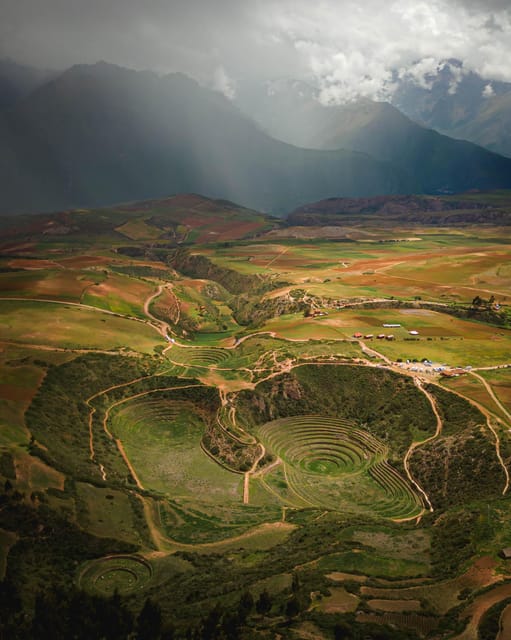
Moray is the first big stop, and it’s the reason this tour sells itself: you see an Inca site that was designed for experimentation, not just ceremony. Here you’ll get a guided explanation and then time to explore on your own with a camera.
Expect roughly two hours at Moray. That includes the guided portion plus free time for photos and wandering around the complex. In practice, that’s a sweet spot for many people because Moray is fascinating without needing a full day to understand it. It also helps that you arrive early enough that the site isn’t always packed, which makes getting good angles easier.
That said, if you want a long, slow, heavily guided version of Moray, this format may feel short. One tradeoff with any ATV-and-two-sites tour is time compression. You may find you spend more energy choosing photo spots than listening to every detail the guide could explain.
Still, guides often do a good job setting up the “why” before you go free-roam. You’ll get the background on how the Incas used Moray as an agricultural laboratory, and then the visuals make more sense when you’re standing there.
The ATV ride between Moray and the salt mines: pace, dust, and fun control
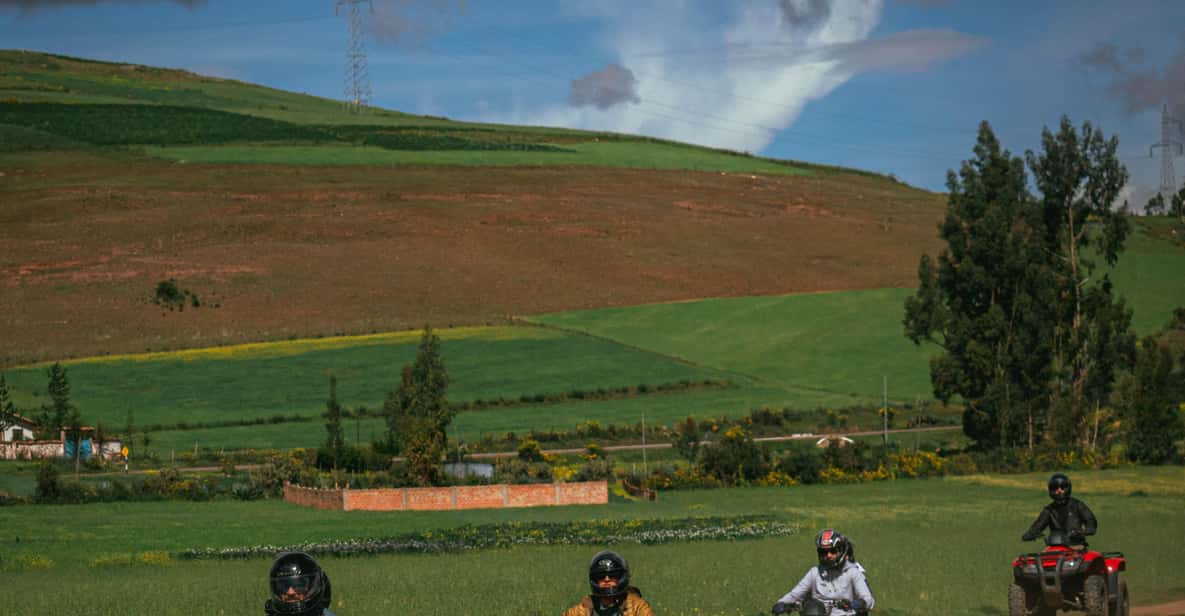
After Moray, you’ll regroup and continue with short stops along the way. The route isn’t just a transfer; it’s part of the experience. People who love the “grip it and rip it” style tend to enjoy the dirt-road feel, including puddles and muddy patches you might not expect in a scenic valley.
At the same time, the ride is best seen as controlled adventure rather than a motocross race. One review-type takeaway you can plan for: if you’re chasing constant high-speed adrenaline, you might find the ATV portion more moderate than you hoped. Most people still have fun because the steering is rewarding, and the views keep changing behind you.
Also, keep one rule in mind if you’re driving in a group: don’t tailgate. The guides explicitly stress keeping distance between ATVs for a reason. It’s not about being polite; it’s about safety when you’re covering uneven ground and changing speed together.
Maras Salt Mines: patterned ponds, guided orientation, and salted chocolate
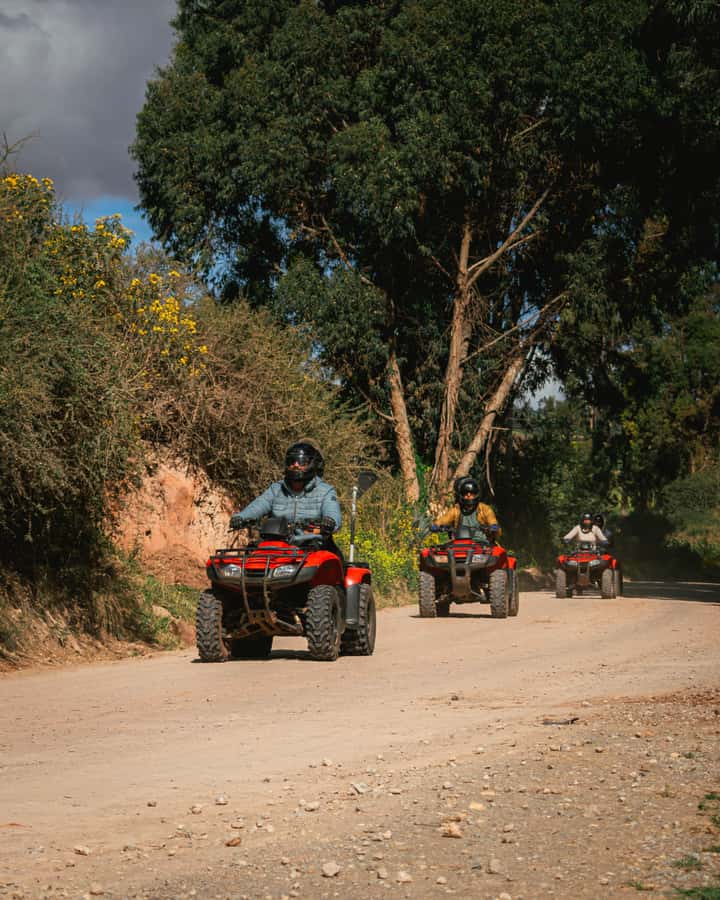
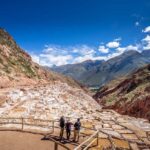
Maras Salt Mines are a visual experience first, and the tour gives you time for both learning and looking. After you arrive, your guide explains how the salt extraction works from the salt ponds of Maras, and then you get a guided visit plus free time for photos.
You’ll typically have about one hour at the salt mines. That includes the orientation and the time to walk around and get your own perspective of the terraces and water-pool patterns. It’s one of those places where the structure is so distinctive that pictures almost do it justice, even when the lighting changes quickly.
A nice bonus: you’ll have a tasting stop involving salted chocolate. It’s a small thing, but it connects the site to a local product. Some salt mine shops also push bath salts and cooking-salt-style products, so if you’re planning to buy souvenirs, set a budget. It’s easy to spend more than you meant to once you see how many salt-based items are for sale.
You can also read our reviews of more tours and experiences in Cusco
Timing that works: how the half-day tour feels in real time
This is a 6-hour tour, but it doesn’t feel like a full day of bouncing around. The structure usually lands like this:
- Van transfer from Cusco to the ATV base
- Safety briefing and practice
- ATV driving for about an hour to the first site area
- Time at Moray (around two hours)
- Short regrouping and van transfer toward Maras
- Time at Maras (around one hour)
- Van back to Cusco and drop-off in the historic center
In practical terms, that means you often get your Cusco afternoon back. Some schedules return by early afternoon, which is useful if you have other plans like a city walk, a museum, or a Cusco food stop.
Equipment, weather, and what to wear for an ATV day
ATV tours can go from comfortable to cold in minutes, especially with changing altitude and weather. Plan for layers. Bring a jacket even if it starts warm. The sun can be strong, so sunscreen and sunglasses help.
A few practical items to prioritize:
- Sun hat and sunglasses
- Sunscreen
- Comfortable clothes you don’t mind getting dusty
- Camera (you’ll want it for both sites and the ride stops)
- Cash for entry fees
- Passport or ID card (a copy is accepted)
Your kit includes helmet and gloves. In rainy conditions, you might get a poncho, but mud and spray still happen. If you’re sensitive to wet conditions, treat this as a day where you might get dirty, then plan accordingly for dinner afterward.
Price and value: the $27 ride plus cash site tickets
The base price is listed as about $27 per person for a 6-hour half-day tour. That price is mainly paying for:
- Roundtrip transport between Cusco and the ATV base
- The guide
- ATV rental (Honda TRX 250)
- Helmets and gloves
- Water
- Guided explanations at Moray and Maras
- The ATV experience itself
Then come the extras that aren’t included: entrance fees.
- Moray entrance fee: 70 soles (cash only)
- Salt mines entrance fee: 20 soles (cash only)
So you should budget for both sites in cash on the day. It’s common for this kind of tour to include transport and activities, while the historical-site entry is handled separately. The good news is you can control how much you pay in add-ons once you’re at shops.
Tips are not included, and food isn’t included either. If you’re hungry, plan a snack and drink strategy before or after the tour. Since you’re in and out of sites quickly, eating onboard isn’t part of the setup.
Who this quad bike Moray and Salt Mines tour suits best
This is a great fit if you want a mix of culture and action. You get the big Inca sites (Moray and Maras), but you also get something active: driving an ATV through the Sacred Valley scenery.
It also tends to work well for first-time drivers because the guides include instruction and a practice round. If you like a guided day with enough structure to stay safe and enough free time to explore, you’ll probably enjoy the balance.
It’s not a good match if:
- You’re traveling with children under 6
- You’re pregnant
- You want a slow, deeply guided museum-style tour at every stop
And if you hate dirt/mud, you might still enjoy the sites, but the ATV element may be more messy than you expect.
Should you book this ATV tour or choose something calmer?
If you’re choosing between a bus-only route and an ATV version, I’d lean ATV for most active travelers in Cusco. You’ll spend time in two major Sacred Valley sights and also get the satisfaction of driving through the valleys yourself. The guides I saw praised by name (Floyd, Wilson, Joel, Gustavo, Andy, and Kristien) are repeatedly tied to safety coaching, clear explanations, and good energy.
Book it if:
- You want Moray and Maras in one half-day
- You’re comfortable riding in a group and following distance rules
- You can handle extra cash for site tickets
- You’ll dress for dust and possible mud
Skip it or look for a different format if:
- You’re hoping for lots of guided time at Moray
- You prefer a calmer pace with minimal driving interruptions
- You want constant high-speed adventure
If you do book, keep it simple: bring cash for the entrances, wear layers, listen during the safety briefing, and don’t rush your photo moments. The payoff is seeing these two sites with both context and motion.
FAQ
Where does pickup happen if I’m staying on an Airbnb?
If you’re staying at an Airbnb, the meeting point is at the Plaza de Armas at KFC. Pickup starts about 15 minutes before the tour start.
What if I’m staying in the historic center?
Pickup is included from most hotels and accommodations in the Historical Center area. You should wait in the lobby or outside the main entrance about 10 minutes before pickup.
How do Moray and the salt mines work for entrance fees?
Entrance fees are not included. Moray costs 70 soles and the salt mines cost 20 soles, and you must pay in cash at the sites.
What’s included in the tour price?
The tour includes roundtrip transport between Cusco and the ATV base, a certified bilingual professional guide, Honda ATVs (TRX 250), certified helmets and gloves, water, and guided time at the two stops.
Do I drive the ATV myself?
Yes. You’ll get a short lesson and a practice before starting, and then you drive your own quad bike. Individual or shared ATVs depend on the option you choose.
What should I bring for this quad bike day?
Bring sunglasses, sun hat, camera, sunscreen, a jacket, comfortable clothes, cash for entrance fees, and your passport or ID card (a copy is accepted).
Is the tour offered in multiple languages?
Yes. The live guide is available in English, Spanish, and Portuguese.
What kinds of people should not book?
The tour is not suitable for children under 6 and it’s not recommended for pregnant women.
Can I cancel or pay later?
Yes. You can cancel up to 24 hours in advance for a full refund, and there is a reserve now & pay later option shown for flexibility.