REVIEW · BOGOTA
Graffiti Tour in La Candelaria Bogotá with Transportation
Book on GetYourGuide →Operated by Gran Colombia Tours · Bookable on GetYourGuide
One of Bogotá’s best street stories starts on a sidewalk. This graffiti walk in La Candelaria ties murals to the city’s social and political pulse, from indigenous ancestry to downtown identity. You begin at Chorro de Quevedo and end with more street art at Café Herencia, with named local artists and real context along the way.
What I like most is how the guide connects the images to meaning, not just style. I also love the practical details: private hotel pickup/drop-off, transportation, and a Coca leaf tea tasting that makes the whole thing feel tied to place, not just a photo stop.
One thing to consider: the tour runs rain or shine, so plan for wet streets and bring something for your camera and shoes.
In This Review
- Key things you’ll notice on this La Candelaria graffiti walk
- Why La Candelaria graffiti isn’t just decoration
- Getting started at your hotel, then rolling into Chorro de Quevedo
- Chorro de Quevedo Plaza, then a quick pulse check at Bolivar Square
- The narrow street of indigenous ancestry stories
- La Candelia’s off-the-beaten murals and the artists behind the paint
- Park of La Concordia and La Concordia marketplace: art where ideas collide
- Women artists and why their work matters on these streets
- Journalists Park promenade and the writers who shaped the mood
- Finishing at Café Herencia with Carlos Trilleras artworks
- The Coca leaf tea tasting and other small touches that add up
- Timing and weather: 3 hours, steady walking, no big surprises
- Price check: $48 with transport, tea, and context
- Who should book this graffiti tour in La Candelaria
- Should you book this Bogotá graffiti tour?
- FAQ
- How long is the graffiti tour in La Candelaria?
- What’s included in the price?
- Where does the tour start?
- Is lunch included?
- Does the tour run rain or shine?
- What languages is the guide available in?
- Is this a private tour?
- Will I need to pay for anything during the tour?
- What’s the cancellation policy?
- Can I book without paying right away?
Key things you’ll notice on this La Candelaria graffiti walk
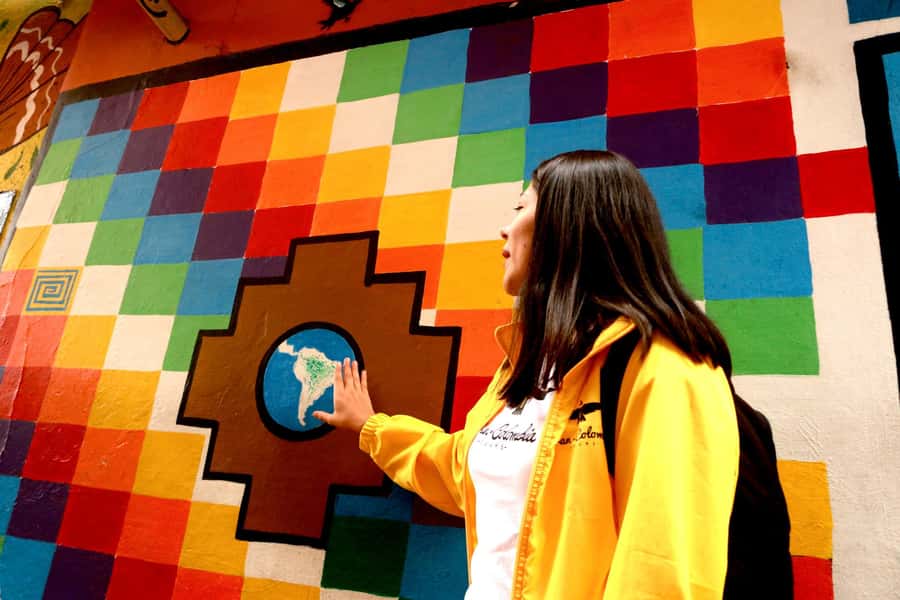
- Artist names with context: you’ll hear about local writers like Ledania, 3 Manos, Wosnan, Ocio4, Carlos Trilleras, Bastardilla, Vera, and Erre
- A political and social lens: graffiti is framed as a conversation, not vandalism
- Downtown meeting points: La Concordia Park and La Concordia marketplace show why art forms where people gather
- Women artists get real attention: you’ll see works by women and hear about their role in spreading the art
- Short stops, steady flow: Chorro de Quevedo and Bolivar Square are quick hits, then you move into the quieter streets
Why La Candelaria graffiti isn’t just decoration
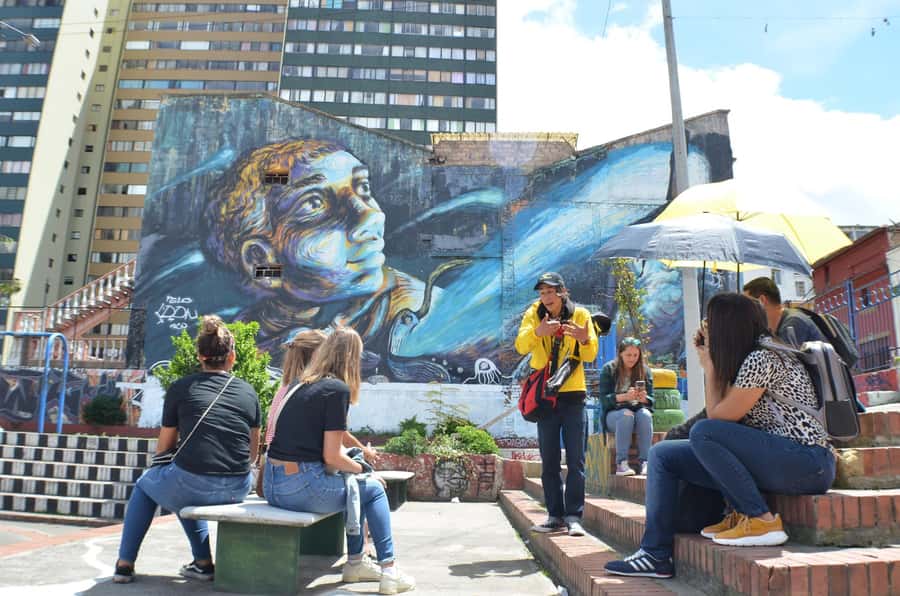
La Candelaria is the part of Bogotá where history and everyday life mix on the street. On this tour, you’re not just looking at walls. You’re looking at a system of messages: power, memory, identity, and community, all painted in public.
The best part is that the guide keeps the focus on why graffiti shows up where it does. You’ll hear how works reflect socio-political context and how artists use murals to talk back to the city. That context matters because it changes what you see. A tag becomes a statement. A character becomes a symbol. A mural becomes a record of local arguments happening right now.
You can also read our reviews of more tours and experiences in Bogota.
Getting started at your hotel, then rolling into Chorro de Quevedo
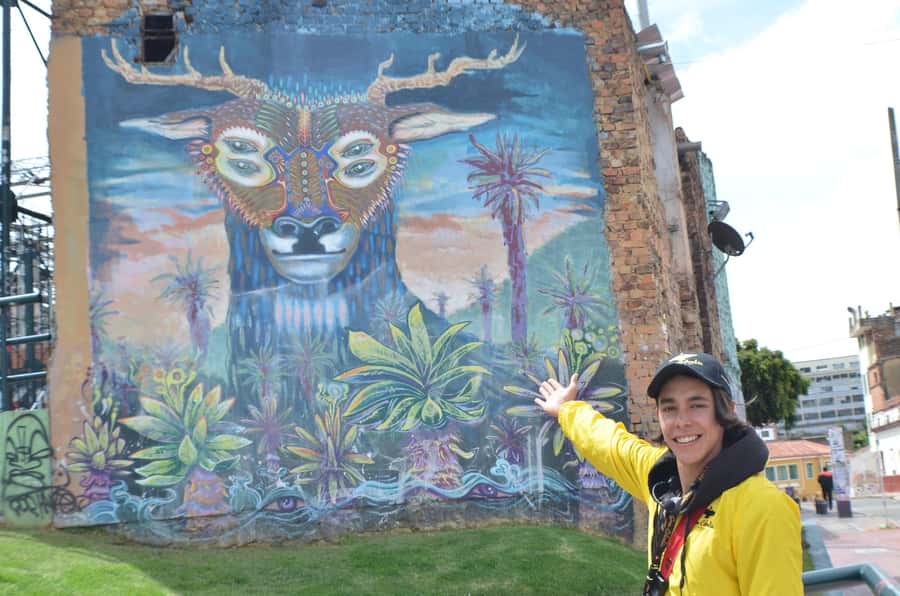
This experience uses private transportation with hotel pickup and drop-off in Bogotá, which is a big quality-of-life win. You don’t waste time figuring out routes or rushing ahead to make it to a meeting point.
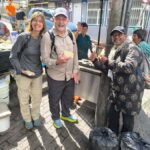
After pickup, you start the walking portion in La Candelaria around Chorro de Quevedo Square. Guides here tend to be very hands-on. In past tours, guides such as Gerald have messaged ahead on WhatsApp to confirm the meeting spot, and they’ll help you get oriented fast—especially helpful if you’re new to Bogotá streets.
Chorro de Quevedo Plaza, then a quick pulse check at Bolivar Square
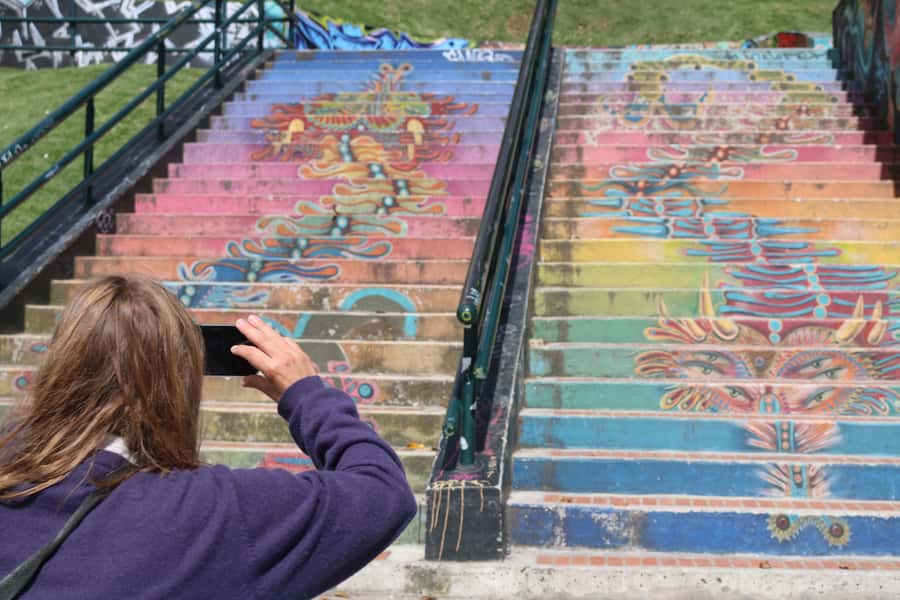
Chorro de Quevedo is where the tour kicks into gear. You’ll get a guided orientation at the plaza, then move on with a clear sense of what you’re looking for.
Bolivar Square is included as a short stop, not a long linger. Think of it like a quick geographic and civic bookmark: you’re seeing the city’s public face while the guide ties it back to the street art you’ll encounter next.
The narrow street of indigenous ancestry stories
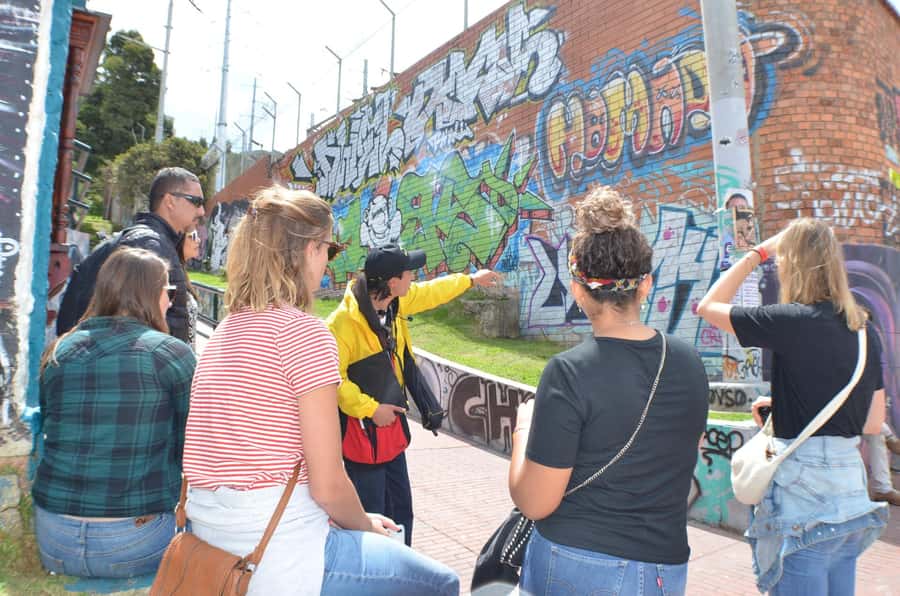
One of the most memorable parts is the walk through a narrow street packed with graffiti retelling the indigenous ancestry of the city. This is the tour’s narrative backbone: you move from the broad idea of street art into something more specific—ancestry, roots, and how artists keep memory visible in public space.
You’ll also hear about artists tied to these messages, including Carlos Trilleras and other local writers you’ll spot repeatedly as the tour progresses. The guide’s job is to help you read the wall: what symbols mean, what themes repeat, and how the work is meant to land with viewers.
If you’re the kind of person who usually takes photos and moves on, this section slows you down in a good way. The street stops feeling like random graffiti and starts feeling like a local dialogue you can actually understand.
La Candelia’s off-the-beaten murals and the artists behind the paint
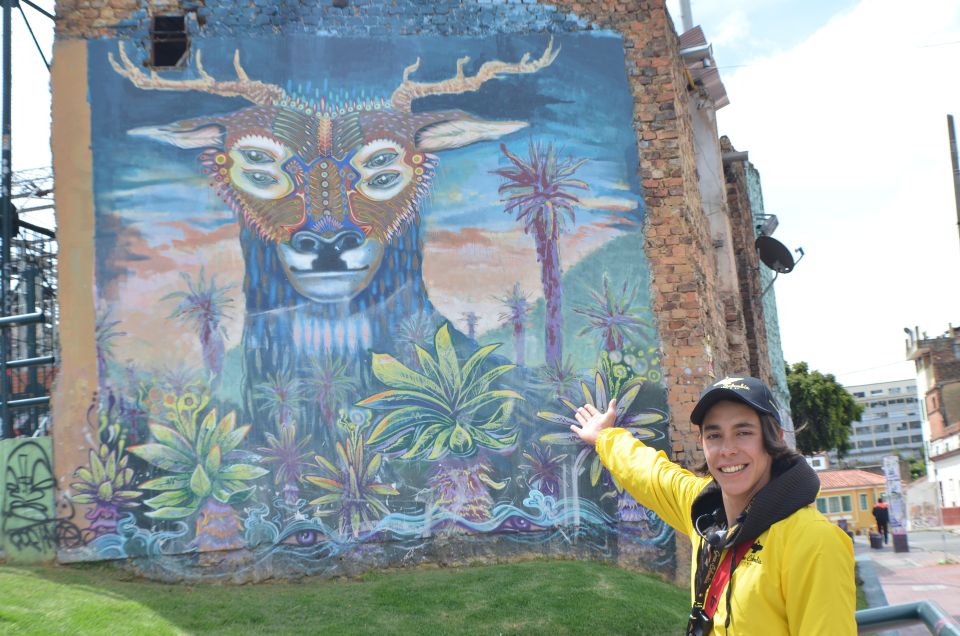
As the walk continues, you’ll hit off-the-beaten-track murals—the sort of places you’d probably miss if you were just wandering. You’re guided to specific works rather than chasing every colorful wall.
Artists featured include a mix of names from the broader scene, such as Ledania and groups like 3 Manos, plus writers like Wosnan and Ocio4. Some stops are built around particular mural clusters, so you can compare styles and themes without feeling like you’re zigzagging aimlessly.
In the better moments of the tour, the guide talks about the images as intentional choices: symbolism, influence, and the image’s role in the street conversation. Past guests have praised guides like Luis, Lorena, Natalie, and Christian for explaining symbolism and meaning in a way that feels clear rather than academic.

Park of La Concordia and La Concordia marketplace: art where ideas collide
Then you head toward the Park of La Concordia and the La Concordia marketplace. This is a key stop, not just for murals, but for the setting. The marketplace is described as a tension spot, a meeting point, and a melting pot of ideas and influences. In plain terms: people come here. People argue, trade, watch, and remember. Street art fits right into that energy.
This is where the tour makes a strong point about downtown identity. You’ll connect the dots between what you see on the walls and how the neighborhood functions day to day. It’s not art for art’s sake. It’s art as part of the social weather.
So if you’ve ever wondered why some neighborhoods have more street expression than others, this stop gives you the answer: it’s where people gather and stories keep moving.
Women artists and why their work matters on these streets
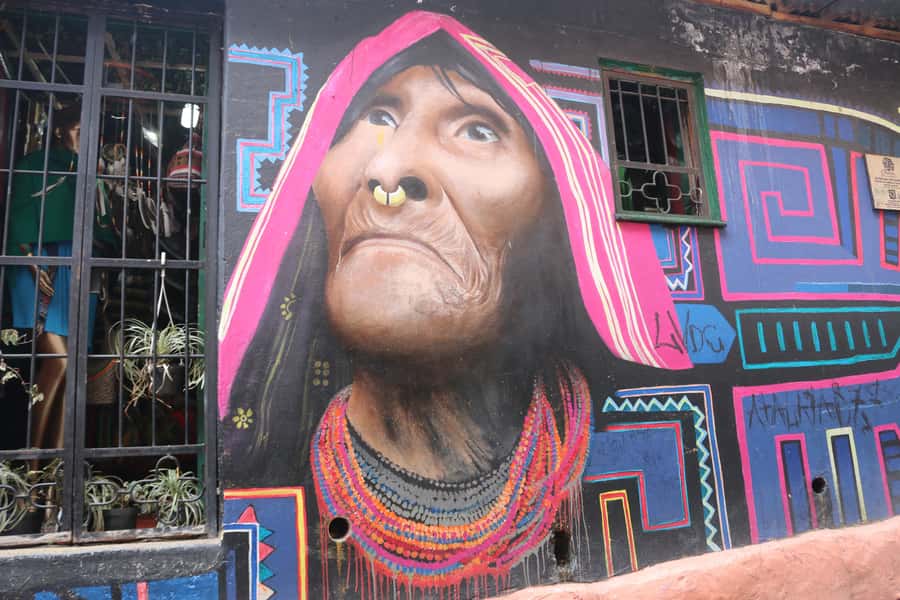
As you continue through picturesque streets, you’ll see some of the best graffiti authored by women on this route. This isn’t treated like a side note. The guide explains women’s role in the propagation of the art.
You’ll encounter works by artists such as Bastardilla, Vera, Ledania, and Erre. Watching their style and themes alongside the other artists gives you an easy way to compare approaches. It also helps you understand that graffiti isn’t a single voice. It’s multiple voices, sharing walls and shaping public opinion.
This section also has a practical payoff: if you want photos, your chances are good here because murals are more spread out, and your guide keeps you moving at a pace where you can stop without feeling rushed.
Journalists Park promenade and the writers who shaped the mood
Next comes the promenade toward Journalists Park. The tour frames this area with the idea that journalists, poets, and writers used to gather there in the 60s. Even if you didn’t know Bogotá’s literary geography beforehand, it gives the street art a new angle.
You start seeing how public gathering spaces create cultural ecosystems. The same neighborhood that shaped writers can also shape artists. Different mediums, same human impulse: show your truth in public where it can’t be ignored.
This is also a good section for slowing down mentally. By now you’ve heard how artists tell stories through symbols. So when you reach the quieter edges of the walk, you’re not just staring at paint. You’re connecting themes you’ve already heard.
Finishing at Café Herencia with Carlos Trilleras artworks
The tour ends at Café Herencia, where you can admire more Carlos Trilleras works. This is a smart way to wrap things up. You’re not forced into a last-minute sprint to capture one final photo. Instead, you have a calmer ending point where the guide can let the story breathe.
If you want a drink or snack, this is your moment. The tour itself doesn’t include lunch, but ending at a café gives you an easy transition into the rest of your day in La Candelaria without relocating.
The Coca leaf tea tasting and other small touches that add up
One included detail I genuinely appreciate is the Coca leaf tea tasting. It doesn’t feel like a random add-on. The tour places it alongside the cultural context, which makes the experience feel grounded rather than purely visual.
Another plus is the insurance included with the activity. It’s not the kind of thing you think about while you’re walking. But knowing it’s there makes you relax and focus on the art.
And yes, the guide photos matter too. In one past tour, Gerald took photos during the walk and sent them afterward, which is a small but real quality-of-life improvement—especially for couples trying to get decent shots without coordinating.
Timing and weather: 3 hours, steady walking, no big surprises
The total duration is 3 hours, including the guided walk through La Candelaria. You’re looking at about 2 hours of guided touring and walking in La Candelaria, plus shorter guided stops at places like Chorro de Quevedo Plaza and Bolivar Square.
This tour is rain or shine, so bring gear that works on wet sidewalks. If you’ve got a camera or phone, keep it ready but protected—paint can be glossy, and the ground can be slick.
Also, it’s a private group, which tends to help the guide keep the pace comfortable and questions flowing. The tour guide is available in English and Spanish, so you should be able to follow the story clearly.
One note from a review: there was mention of a driver being a bit aggressive on the road. The overall experience was still rated highly, but if you’re sensitive to driving style, it’s worth keeping that in mind.
Price check: $48 with transport, tea, and context
At $48 per person for a 3-hour experience, the value depends on what you’d otherwise spend. This price includes tour guiding, hotel pickup/drop-off, private transportation, Coca leaf tea, and insurance.
If you tried to do it on your own, you’d probably pay for transport anyway, and you’d lose the “why” behind the murals. That’s the core value here: the tour helps you read the street art as communication—social, political, historical, and personal.
Given the consistently high ratings (around 4.9 with many five-star reviews), this is the kind of tour where you’re paying for interpretation and direction as much as for pictures.
Who should book this graffiti tour in La Candelaria
This is a strong fit if you want:
- A guided graffiti walk with named artists and meaning explained
- A route that goes beyond the easiest walls and includes calmer back-street murals
- A cultural add-on like Coca leaf tea and history tied to specific places
- A private group experience with time to ask questions
It’s also a good choice if you care about context. People who love street art but don’t want it reduced to aesthetics usually have a great time here.
If you’re the kind of traveler who wants complete silence and zero walking after 90 minutes, this might feel like too much. But if you like walking tours with stories, you’ll likely enjoy the pacing.
Should you book this Bogotá graffiti tour?
If you’re in Bogotá and you want your street art experience to feel like part of the city—not a disconnected checklist—this is an easy yes. The combination of La Candelaria street art, specific artists, women’s contributions, and the stop at La Concordia marketplace gives you more than pretty walls.
Book it especially if you’ll appreciate explanation: symbolism, socio-political context, and why these murals live where they do. Just pack for weather, and you’ll be ready to spend three hours seeing Bogotá with new eyes.
FAQ
How long is the graffiti tour in La Candelaria?
It lasts 3 hours.
What’s included in the price?
The tour includes a guide, hotel pickup and drop-off, private transportation, Coca leaf tea tasting, and insurance.
Where does the tour start?
It starts with pickup in Bogotá, and the tour begins around Chorro de Quevedo Plaza in La Candelaria.
Is lunch included?
No, lunch is not included.
Does the tour run rain or shine?
Yes, it takes place rain or shine.
What languages is the guide available in?
The tour guide is available in English and Spanish.
Is this a private tour?
Yes, it’s a private group.
Will I need to pay for anything during the tour?
Extra purchases are not included, so you may spend money on your own if you choose to buy something.
What’s the cancellation policy?
Free cancellation is available up to 24 hours in advance for a full refund.
Can I book without paying right away?
Yes, you can reserve now and pay later.
If you want, tell me your travel dates and whether you’re more into politics/storytelling or pure visual art—and I’ll suggest what to pay attention to on each stop.