REVIEW · BOGOTA
Bogotá: La Candelaria Graffiti & Urban Art Guided Tour
Book on GetYourGuide →Operated by Gran Colombia Tours · Bookable on GetYourGuide
Street art tells Bogotá’s story on foot. This guided walk through La Candelaria turns a “pretty wall” into a readable street history, with local context you’d easily miss if you go solo. You’ll follow the lines from major murals to the daily-life places that shaped the city’s downtown identity.
I especially liked two things: the guide’s socio-political context—why certain graffiti themes show up, and what they’re responding to—and the last-stop ritual of sipping coca leaf tea at Café Herencia while you look at more art. Seeing named artists like 3 Manos and Ledania (and then learning what their work is saying) makes your photos feel like documentation, not decoration.
One consideration: it’s still a street-walk tour, so you’ll be on your feet for about 150 minutes. If you’re hoping for a mostly sit-down experience, wear comfortable shoes and plan for steady walking through downtown streets.
In This Review
- Quick hits before you go
- Chorro de Quevedo: start where downtown conversations begin
- La Candelaria murals: learning to read tags, symbols, and indigenous themes
- La Concordia Market: graffiti’s ideas shaped by street-level life
- Journalists’ Park: public memory, public art
- Photo stop time in La Candelaria: turn viewing into a usable photo set
- Women in Bogotá’s street art: more voices, different angles
- Café Herencia coca leaf tea: the taste that closes the cultural loop
- Price and logistics: is $16 good value for 150 minutes?
- What to bring (and how to get the most out of it)
- Who should book this Bogotá graffiti walk?
- Should you book Bogotá: La Candelaria Graffiti & Urban Art Guided Tour?
- FAQ
- Where is the meeting point for the Bogotá graffiti tour?
- What times does the tour run?
- How long is the tour?
- How big is the group?
- What languages are available?
- Is the coca leaf tea included?
- What should I bring?
Quick hits before you go
- Small group (up to 10) so you can ask questions without shouting over the street
- Meet next to the yellow umbrella at Plazoleta del Chorro de Quevedo (10am or 2pm)
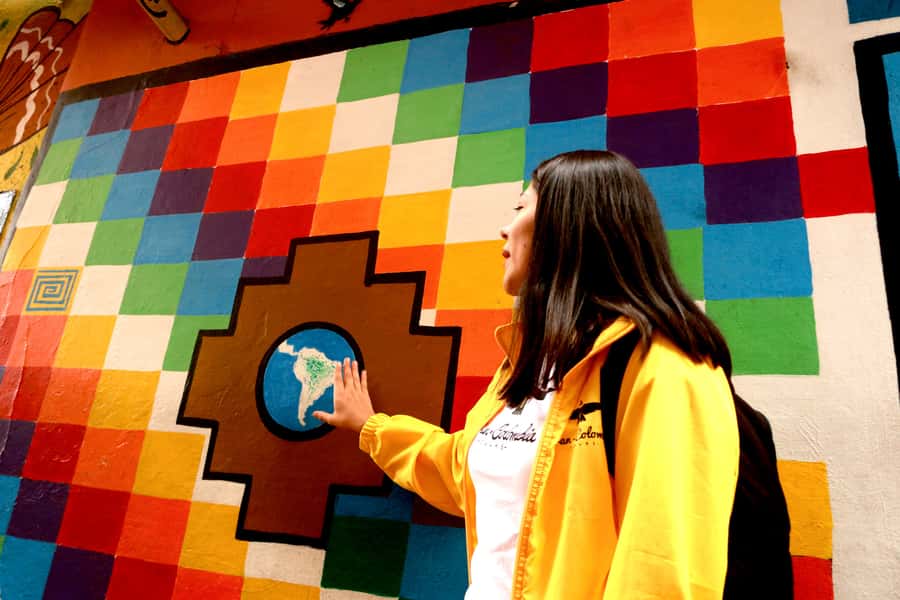
- Street art with context, including indigenous ancestry themes and political angles
- Stop-by-stop viewing, from La Concordia’s market area to Journalists’ Park
- Women’s graffiti and mural work gets its own spotlight, with artists like Bastardilla, Vera, and Ledania
- Coca leaf tea included at Café Herencia, plus you get support for local artists there
Chorro de Quevedo: start where downtown conversations begin
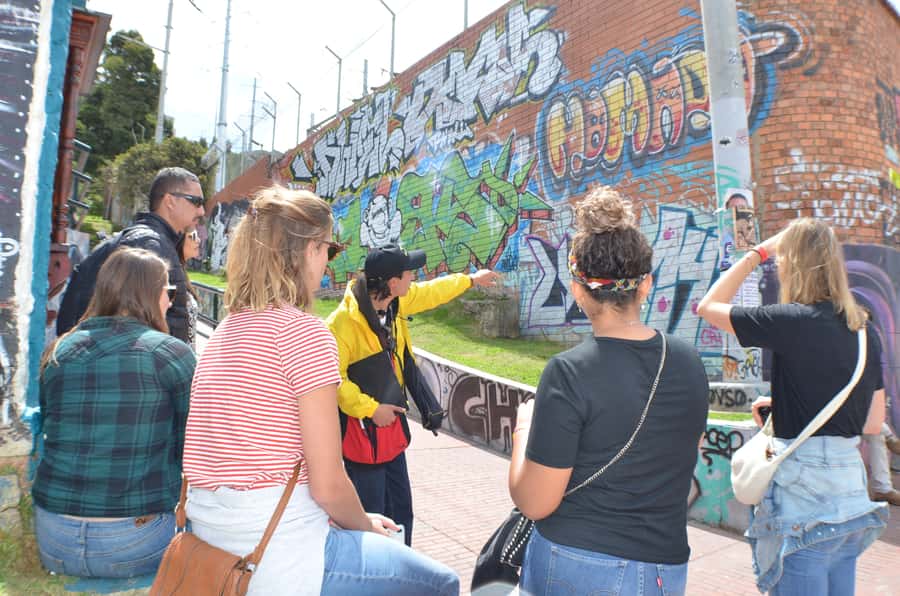
Your tour starts at Plazoleta del Chorro de Quevedo, right by the fountain next to the yellow umbrella. Two departure times run daily—10am and 2pm—so you can line it up with other La Candelaria plans without losing the day.
This first stretch matters more than it sounds. It’s where you get your bearings fast, and where your guide frames the big idea: Bogotá’s street art isn’t random decoration. It’s a visible argument about identity, power, and belonging—often made by people working right in the middle of the city’s public life.
If you like learning how to “read” a wall, this is a good place to start. You’re not just looking; you’re learning what to notice—symbols, styles, and the social signals hiding in plain sight.
You can also read our reviews of more guided tours in Bogota
La Candelaria murals: learning to read tags, symbols, and indigenous themes
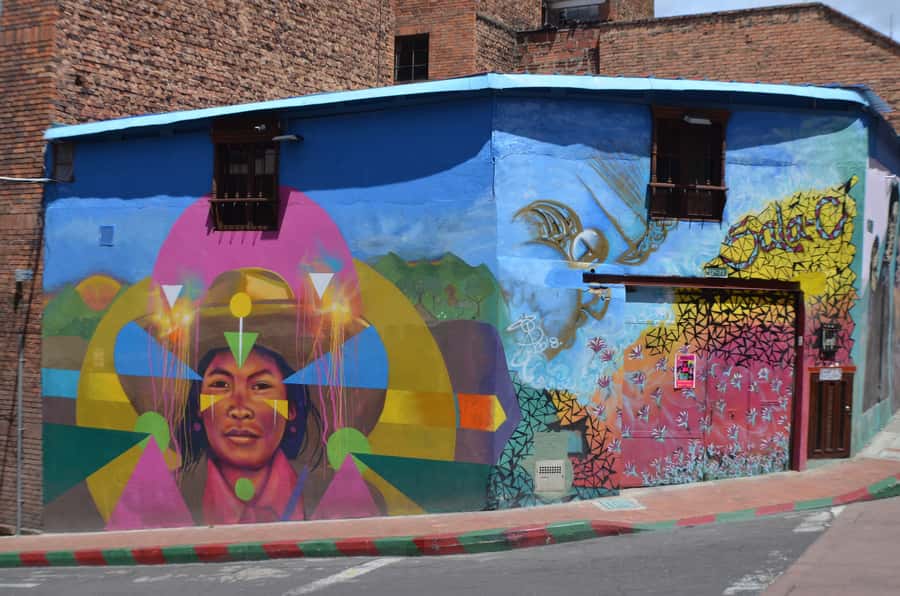
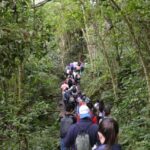
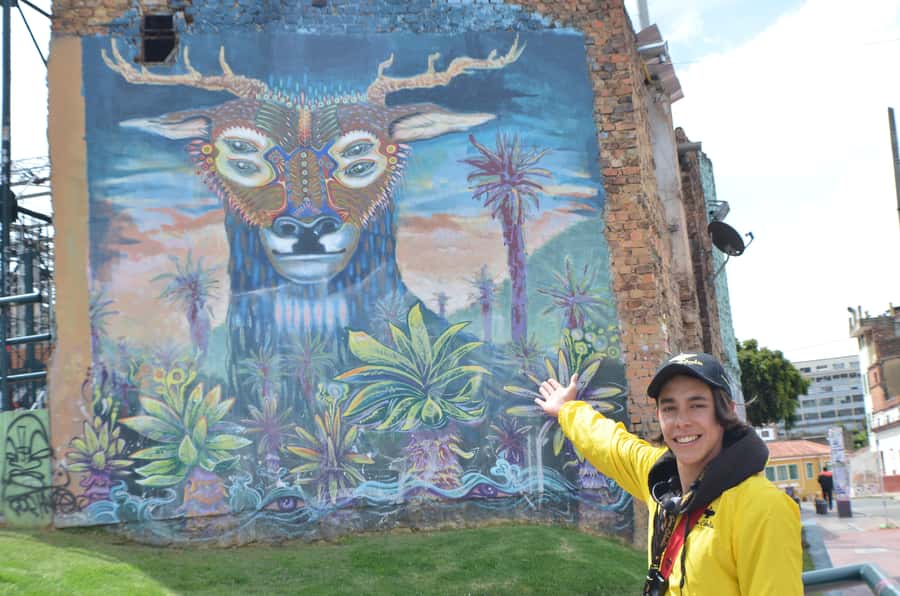
Most of your time is spent walking through the heart of La Candelaria, where the walls can feel like an open-air gallery. You’ll see works by artists such as Carlos Trilleras, Wosnan, Ocio 4, and 3 Manos, plus you’ll get guidance on why each piece lands the way it does.
One of the best parts is the way the guide connects art to lived realities. You get a brief introduction to the socio-political context of graffiti production, and then you watch those themes unfold in the murals around you. Indigenous ancestry shows up as more than an aesthetic choice; it’s part of how artists retell story, memory, and relationship to the city.
From the names alone, you can tell this tour aims for more than the loudest, most obvious images. You’ll also learn how different artists use different approaches—so you can spot the difference between a tag-like presence and a full mural message, even at street level.
If you’re camera-first, plan to slow down. Your photos will look better when you pause long enough to let the guide point out what you’re really looking at.
La Concordia Market: graffiti’s ideas shaped by street-level life
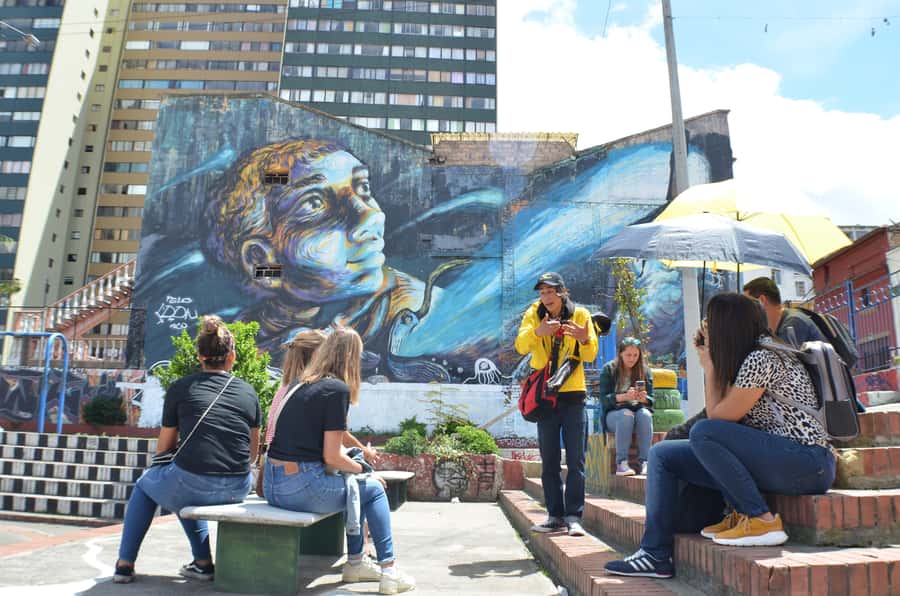
You’ll also pass by La Concordia’s market area, a stop that’s only briefly on the clock but still useful. Markets in cities like Bogotá aren’t just places to buy things—they’re where ideas trade hands, where people gather, and where different influences collide.
Your guide uses that point to talk about street art as a form of public communication. When you connect murals to a place where locals actually meet, the artwork stops feeling like something imported from outside. It starts feeling like part of the city’s ongoing conversation.
Even if you don’t spend much time inside the market itself, you get a valuable comparison: art made for walls versus daily life made for people. That helps you understand why some murals lean into community identity, protest energy, or social critique instead of purely decorative style.
A quick practical note: this is a walking route, so keep water handy and don’t drift away from the group in busier moments.
Journalists’ Park: public memory, public art
Another major pause is Journalists’ Park, which your guide helps you see as more than a pretty landmark. The tour frames it as part of Bogotá’s downtown identity—another public meeting point where culture and ideas mingle.
This stop is where themes start to click. You’ll hear local insight into the murals that might otherwise slide by unnoticed, including how the city’s spray-painting prominence developed over time. You’ll also get help noticing the “why” behind certain visual choices—style, location, and message all working together.
From a practical standpoint, this part of the tour works well if you like explanation. Guides on this walk are known for taking time with questions, and you’ll get the chance to ask what a specific mural is referencing.
If you’re traveling with someone who normally thinks graffiti is just noise, this stop can change their mind. The logic is usually straightforward once the guide ties it to place and context.
Photo stop time in La Candelaria: turn viewing into a usable photo set
You’ll return to La Candelaria for a photo stop, which is a smart move. It gives you a chance to catch the images you cared about most after you’ve learned what to notice.
I like this structure because it keeps your photos from becoming random snapshots. You’re not just taking pictures of paint; you’re capturing murals in a way that matches what you understood during the walk.
Bring a phone camera or regular camera, but remember the real win isn’t high-tech gear. It’s timing and focus. Take a step back to capture more context, then move in for details once the guide points out the elements worth zooming on.
If it’s sunny, plan sunscreen. Bogotá daylight can surprise you, and you’ll be outside long enough for it to matter.

Women in Bogotá’s street art: more voices, different angles
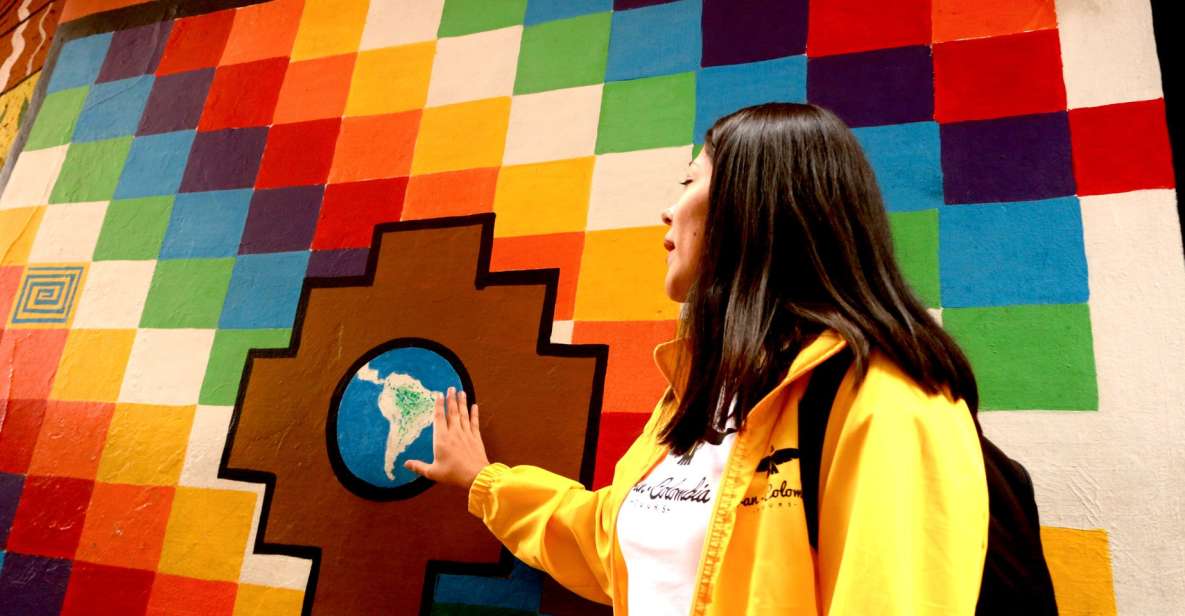
One of the tour’s most important themes is the role of women in graffiti and mural work. You’ll hear about women artists and how they’ve helped propagate the art—so the story isn’t only told through a handful of male names.
Artists mentioned include Bastardilla, Vera, and Ledania. The guide also highlights how their presence shifts what gets expressed and how it gets expressed, tying it back to identity and public space.
This section works especially well if you care about representation in modern art. Instead of treating women’s work as a side note, the tour makes it central—part of the larger socio-political story graffiti is telling.
And if you like following artists beyond the tour, this is where the tour becomes a stepping stone. You leave with names you can look up later, along with a better sense of what to search for in their work.
Café Herencia coca leaf tea: the taste that closes the cultural loop
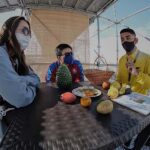
Your tour finishes with a stop at Café Herencia, where you’ll taste coca leaf tea. This is more than a random “local drink” moment. It’s part of the same theme as the street art: learning to understand something that outsiders often misunderstand.
The café also connects back to what you’ve been seeing. Your guide’s framing supports local artists, and the space is part of the art ecosystem rather than a generic coffee break.
If you’re worried about trying coca tea, you’ll likely appreciate it more with context first. The tour gives you the chance to treat the tea as a cultural detail, not a dare.
You’ll also have one last chance to look around more slowly. By the time you get here, your eyes are tuned, so even small murals in the café feel legible.
Price and logistics: is $16 good value for 150 minutes?
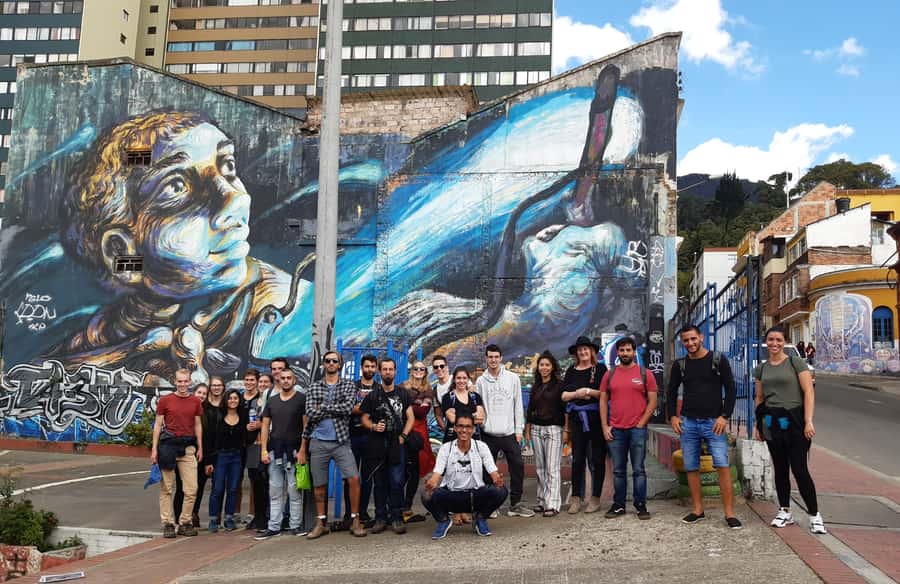
At $16 per person for a 150-minute small-group walking tour, this is strong value—especially because the cost bundles more than a guide’s time. You’re also getting: a guide (with Spanish and English), a socio-political street art introduction, multiple downtown stops, tea tasting, all risk insurance, and even an umbrella if rain shows up.
What you’re not paying for is transportation—so you should budget for your own way to the start point and plan your other activities around walking. The good news is the meeting location is in the action, so you’re already inside the area you want to explore.
Group size helps here. With a limit of 10 participants, you’re less likely to get stuck listening from the back with no chance to ask anything.
One small practical detail: the tour can run in English and Spanish at the same time depending on the group. If that doesn’t bother you, you’ll be fine. If you need total language separation, you may want to confirm when you book.
What to bring (and how to get the most out of it)
This is an outdoor walking tour, so pack for comfort. Bring comfortable shoes, a camera, sunscreen, and water. Weather-appropriate clothing matters because you’ll be outside long enough to feel the day.
A tip that sounds obvious but really helps: don’t just line up for the next mural. Take a moment to let the guide’s explanation land, then take your photo after. Your final set will look more intentional, and you’ll remember the points you learned.
Also, keep close to the group. The route includes busier downtown blocks, and the tour is designed as a unit—your guide covers specific spots for specific reasons.
Who should book this Bogotá graffiti walk?
I think this tour suits you best if you want street art with real context. If you’re the type who likes asking why an artist chose a symbol or why a mural is placed where it is, you’ll get a lot out of it.
It’s also a good match for short-time visits because you cover multiple key downtown locations in one go. And if you’re traveling with someone who’s skeptical of graffiti as “art,” this format—history, politics, and named artists—usually wins them over.
Finally, if you care about representation, the spotlight on women artists is a strong reason to book.
Should you book Bogotá: La Candelaria Graffiti & Urban Art Guided Tour?
Yes, if you want to see Bogotá’s street art like a story instead of a photo challenge. For $16, you’re getting context, named artists, multiple downtown stops, and an included tea tasting in a local art-supporting café.
Skip it only if you strongly prefer museums over walking, or if you need a slow pace with lots of seated time. Otherwise, this is one of those tours that makes the city feel sharper—less postcard, more meaning.
FAQ
Where is the meeting point for the Bogotá graffiti tour?
Meet next to the fountain by the yellow umbrella in Plazoleta del Chorro de Quevedo.
What times does the tour run?
The tour meets every day at 10am and 2pm.
How long is the tour?
The duration is 150 minutes.
How big is the group?
It’s a small group limited to 10 participants.
What languages are available?
Live guides are available in Spanish and English.
Is the coca leaf tea included?
Yes. You’ll taste coca leaf tea at Café Herencia as part of the tour.
What should I bring?
Bring comfortable shoes, a camera, sunscreen, water, and weather-appropriate clothing.