REVIEW · IQUITOS
From Iquitos: Full day tour in the Peruvian jungle
Book on GetYourGuide →Operated by Libertrek Peru Travel Agency · Bookable on GetYourGuide
The Amazon feels close to your skin. This 10-hour Iquitos outing pairs an Itaya-to-Amazon river cruise with a real chance at pink and grey dolphins, then finishes with a visit to the Yagua community. I like that it mixes wild nature with real human culture, and one possible drawback is the long day: you’ll be moving from about 9:00 AM until around 5:00 PM in humid conditions.
You’ll travel with a professional guide in English and Spanish, and in some cases (like Ronnie, one name that comes up) the pacing stays friendly and safe, with explanations that connect what you’re seeing to bigger conservation ideas. The tour also runs even when conditions are wet—so if you’re worried about flooding, you should feel reassured that the plan is built for jungle reality.
In This Review
- Quick hits
- River Time First: Getting from Iquitos onto the Amazon
- Natural Reserve and the Giant Lilies Moment
- Wildlife Rescue Center: Toucans, Macaws, Sloths, and Monkeys
- Lunch at the Lodge, Then a Canoe Across Shanshococha Lagoon
- Yagua Native Community: Clothing, Crafts, and Daily Life
- Price and Timing: Is $133 a Good Deal?
- What to Bring (So You Enjoy It Instead of Managing It)
- Should You Book This Iquitos Full Day Jungle Tour?
- FAQ
- What time is pickup in Iquitos?
- How long is the full day tour?
- What does the tour include for language and guidance?
- What stops are part of the day?
- Is there a chance to see dolphins?
- What should I bring?
- What is the cancellation policy?
Quick hits
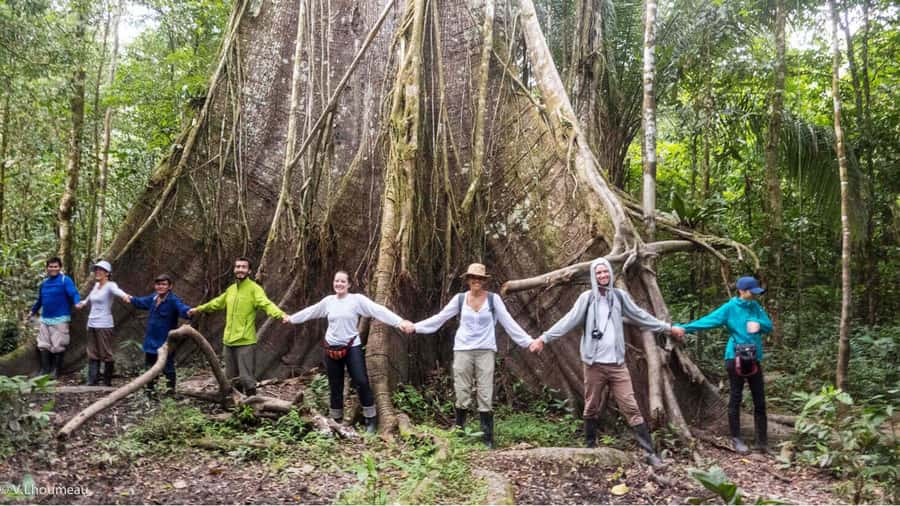
- Itaya River to the Amazon River: a short cruise that sets the tone, with guide commentary and a dolphin-spotting possibility
- Victoria Regia water lilies: see the largest aquatic plants in the Amazon at a natural reserve stop
- Feeding encounters: you may be able to feed paiches, alligators, and piranhas as part of the reserve experience
- Wildlife rescue center time: toucans, macaws, monkeys, and sloths, explained with context
- Shanshococha Lagoon canoe ride: quieter water, slow pace, and chances to notice lake biodiversity
- Yagua community visit: traditional clothing and handmade crafts, plus a look at daily life
River Time First: Getting from Iquitos onto the Amazon
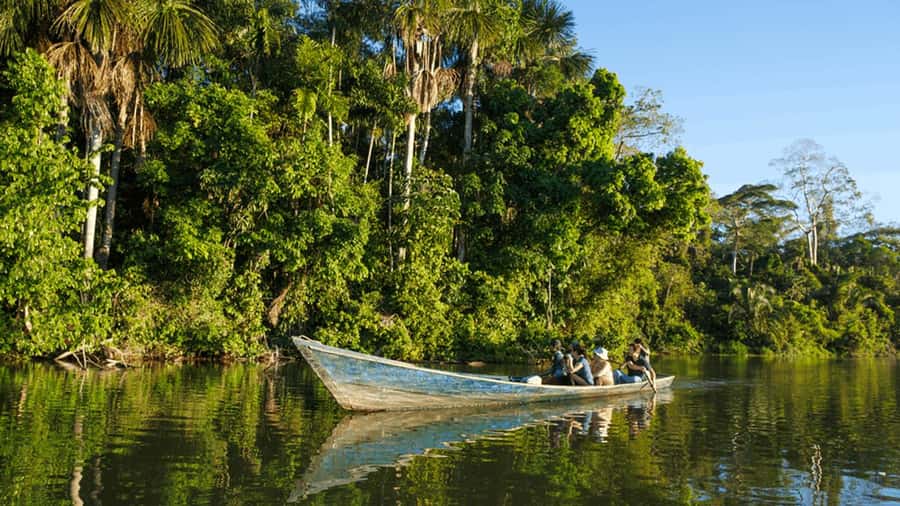
This tour starts when Iquitos is still waking up. You’re picked up from your hotel (or even the airport in Iquitos) at 9:00 AM, then there’s a short walk to the dock before you shift from city street sounds to engine hum and bird calls.
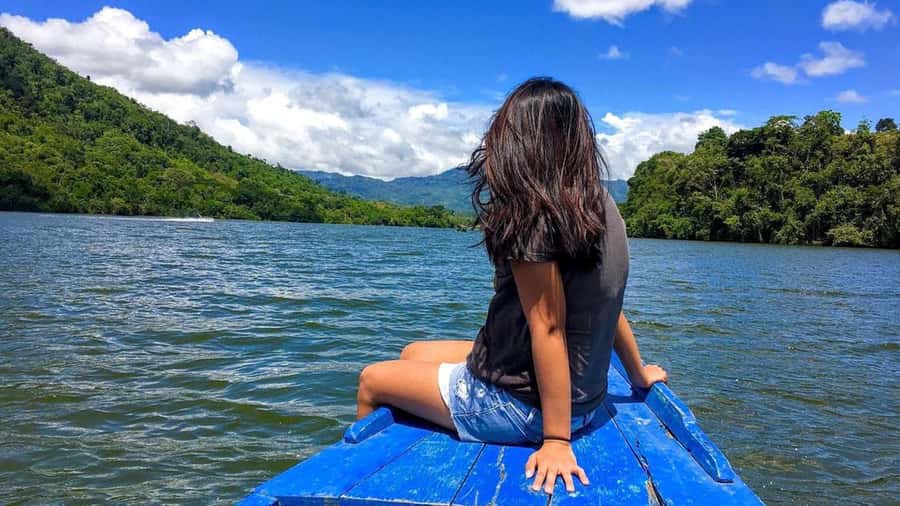
Board the boat and cruise the Itaya River for about 15 minutes, then connect to the Amazon River—the big one everyone talks about, and the one your guide uses to frame the day. What I like here is that the river isn’t just transport. It’s part of the story, with your guide talking as you go.
And yes, you’ll keep your eyes open for wildlife. There’s a chance you’ll see pink and grey dolphins while cruising. You shouldn’t treat that as guaranteed, but even if you don’t spot dolphins, the moving river world still sets a great baseline for the rest of the day.
Practical note: bring your camera and a sun hat. Even in the morning, light bounces off water and you’ll want to capture quick moments without fiddling with gear.
You can also read our reviews of more tours and experiences in Iquitos.
Natural Reserve and the Giant Lilies Moment
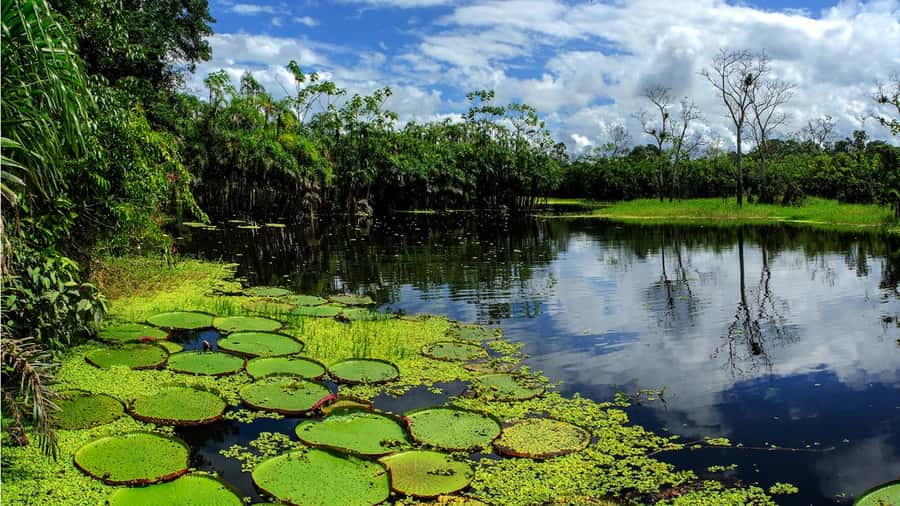
After the cruise, you head to a natural reserve. This is the stop built around amazonscale plants—especially the Victoria Regia water lilies, known as the largest aquatic plants in the Amazon. If you’ve only seen lilies in ponds back home, this is a wake-up call. These are big enough to change how you understand what “aquatic” means.
The reserve experience also includes feeding encounters. You’ll have the chance to feed paiches, alligators, and piranhas, as part of the Amazon ecosystem you’re learning about.
A quick consideration: feeding animals can be thrilling, but it’s also very hands-on and very close to the natural behaviors of predators and scavengers. If you’re the type who prefers observation over interaction, treat that part as optional in your mindset—even if it’s offered as a scheduled moment.
If you go into this stop with two expectations—one for plants (giant lilies) and one for animal interaction—you’ll get more out of it, instead of feeling surprised by the change in pace.
Wildlife Rescue Center: Toucans, Macaws, Sloths, and Monkeys
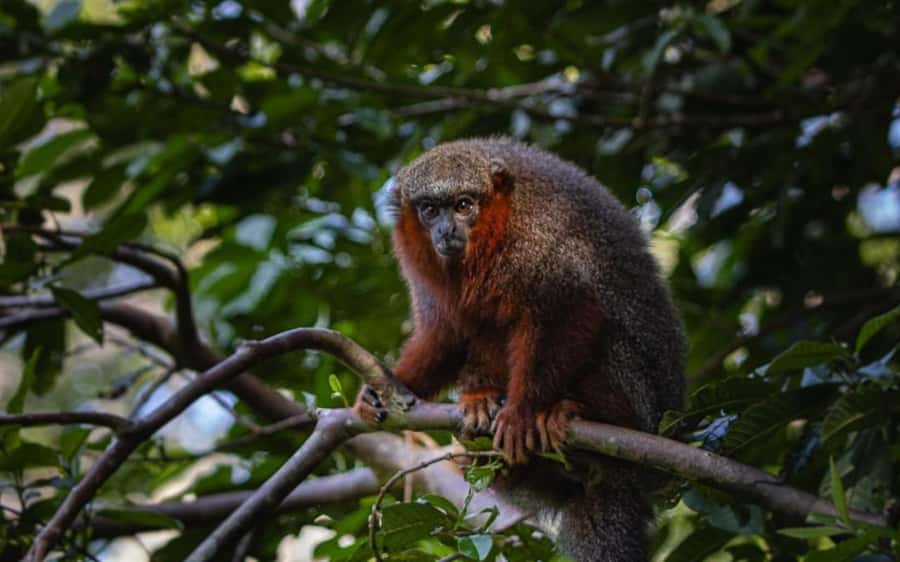
Next comes a wildlife rescue center, and it’s one of the most useful stops for understanding what you’re seeing later in the jungle. Here, you’ll encounter species like toucans, macaws, monkeys, and sloths.
Why this matters: the Amazon can feel endless at first. Rescue centers help you put names to shapes. Instead of seeing motion in the canopy and guessing, you get a guided introduction to animals you’re likely to think about all day.
This is also where good guiding makes a difference. One recurring strength from the tour experience is clear, friendly explanation—people talk about guides who stay engaging and careful on the water rides, then keep that same energy on land. In some cases, guides even connect local conservation to global responsibility and the role of indigenous communities, including references like COP 16 and how conservation is shaped by more than just science.
That bigger context can be surprisingly motivating. It turns a zoo-like walk-through into a conversation about why rescues exist in the first place.
Lunch at the Lodge, Then a Canoe Across Shanshococha Lagoon
After wildlife time, you’ll eat traditional lunch at the lodge. The day has a lot of motion—boat, walking, reserve stops—so this break matters. It also gives you a chance to cool down a bit and reset before the quieter segment.
Then it’s on to the Shanshococha Lagoon canoe ride. This is your shift from river travel to lake travel: slower water, different visibility, and a better chance to notice how biodiversity plays out across Amazon lakes.
I like lagoon canoe time because it encourages a calmer style of watching. On a cruise boat, everything moves fast. In a canoe, you’re more likely to spot small things: a bird landing, a ripple that hints at fish activity, or just how the air changes when you’re gliding close to the shoreline.
You won’t need special skills, but you will appreciate the basics: wear comfortable clothes, keep your camera accessible, and be ready for moments where you want a photo but don’t want to fight your bag.
Yagua Native Community: Clothing, Crafts, and Daily Life
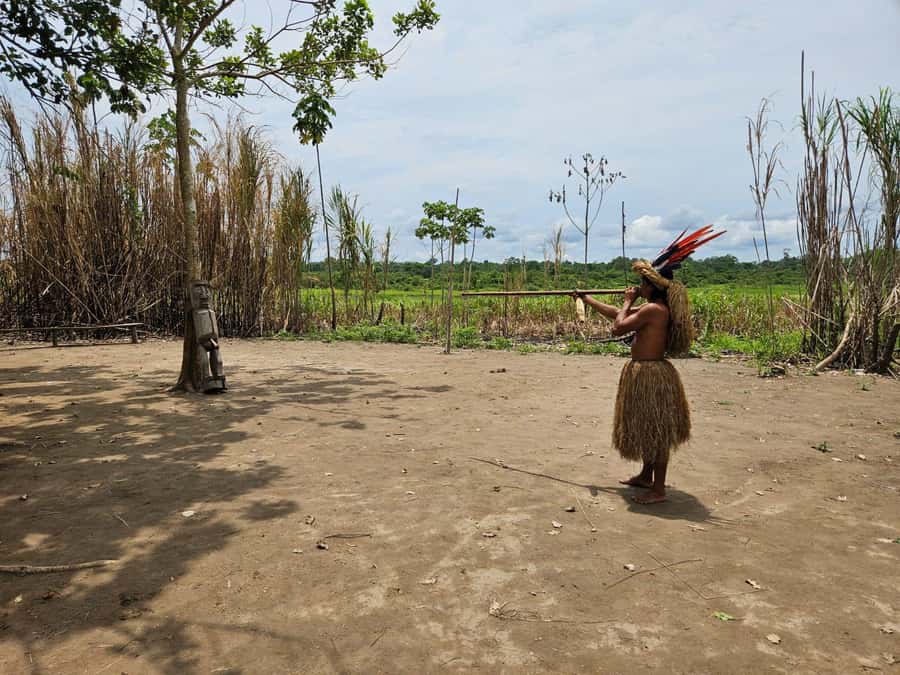
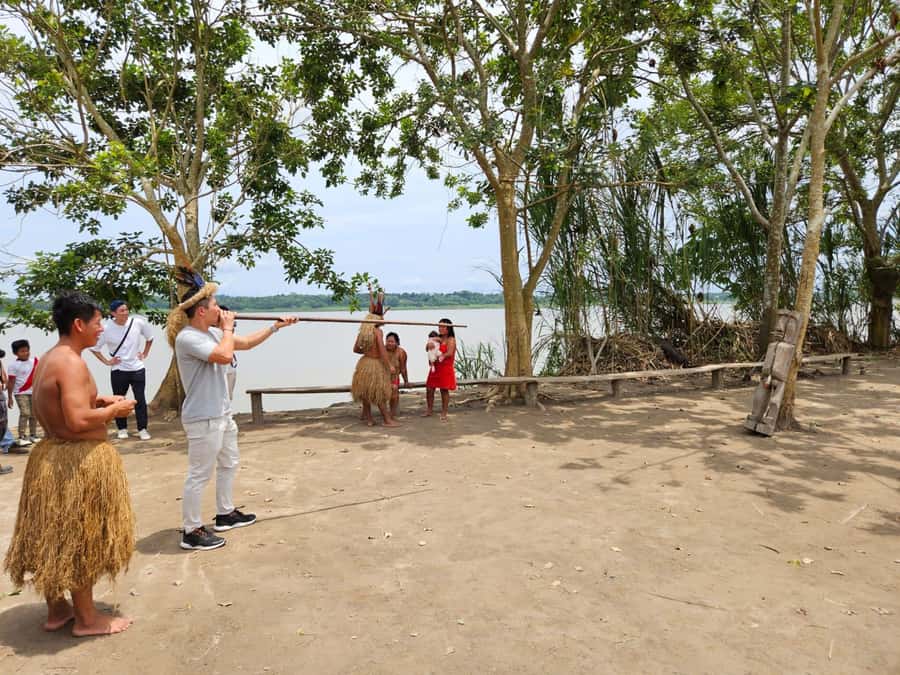
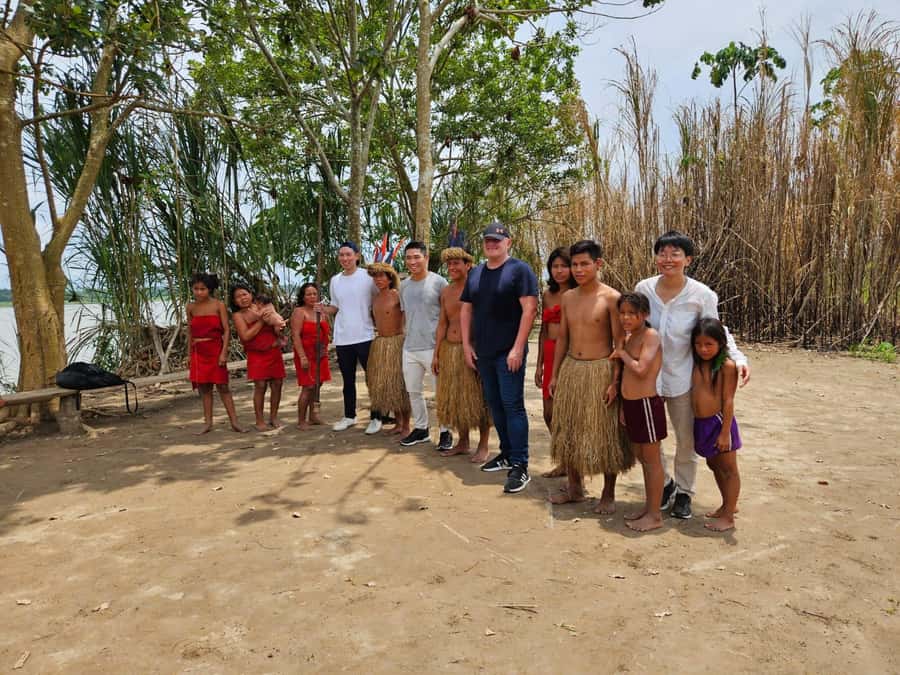
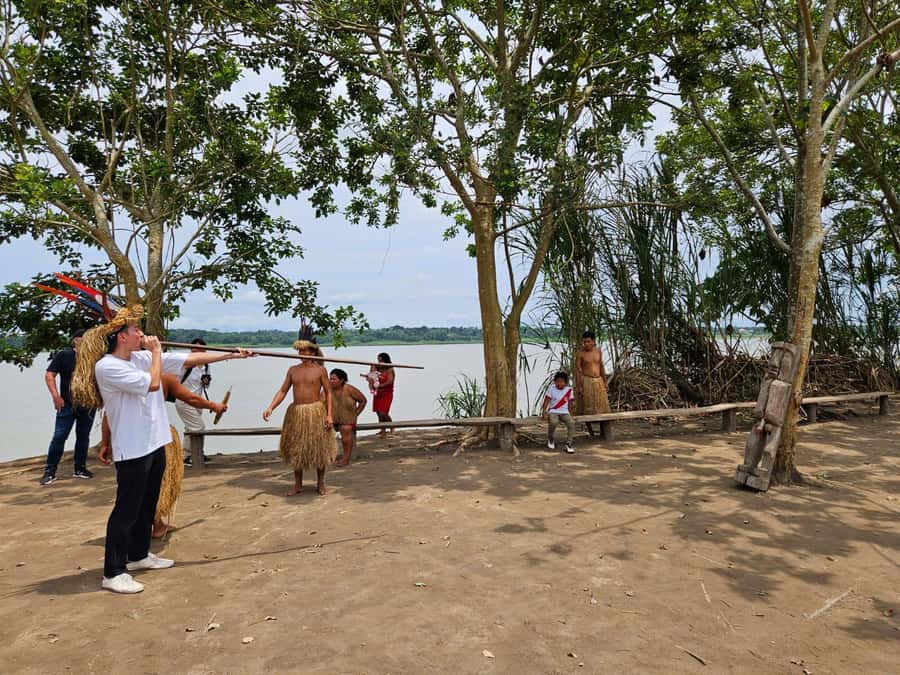
The day ends with a visit to the Yagua native community. This part is different from the wildlife stops, and that’s a big part of the tour’s value. You’re not only seeing nature—you’re seeing people who live with the forest as part of their everyday reality.
You’ll experience their way of life, learn about traditional clothing, and see handmade crafts. This is the kind of stop that helps you connect the jungle you’ve been tracking—rivers, animals, plants—to human culture and knowledge systems.
A word of advice: go in curious and observant. Ask questions when your guide offers space for dialogue. Even if your Spanish or English is basic, a community visit rewards your attention far more than your vocabulary.
When you finish up, you return to the dock and head back to Iquitos, arriving at about 5:00 PM.
Price and Timing: Is $133 a Good Deal?
At $133 per person, this is a full-day program that bundles several major components: hotel pickup in Iquitos, a professional guide in English or Spanish, transport by boat, entrance fees to the stops, lunch at the lodge, and additional activities like the canoe ride and the community visit.
What makes it feel like value is that you’re not paying separately for all the pieces in a tight jungle schedule. You get one organized day with a sequence that moves logically from river → reserve and rescue center → lagoon → community.
The timing is also a real factor. The tour is 10 hours, starting at 9:00 AM. That means it can work well as your main Amazon day if you only have a limited window in Iquitos. It’s long enough to feel like you did something substantial, but not so long that you lose the whole day to logistics.
The main consideration is effort. This is a full day with multiple environments—boats, walking, and outdoor conditions—so comfortable shoes aren’t optional.
From a planning angle, I’d treat it as best for travelers who want a single-day introduction to the Amazon that mixes wildlife and people, rather than a specialized birding trip or an overnight jungle stay.
What to Bring (So You Enjoy It Instead of Managing It)
You’ll be outside for hours, on and off boats, and likely around water. Pack for comfort first:
- Comfortable shoes (you’ll walk during the day)
- Sun hat and sunscreen
- Camera (with a way to protect it from humidity/splashes)
- Comfortable clothes for warm jungle weather
- Cash (handy for extras, since extras aren’t included)
- Any personal medication you need
Also, if you’re the type who likes to stay prepared, bring a little extra patience. The Amazon runs on its own schedule, and the tour is designed to keep you moving through that reality.
Should You Book This Iquitos Full Day Jungle Tour?
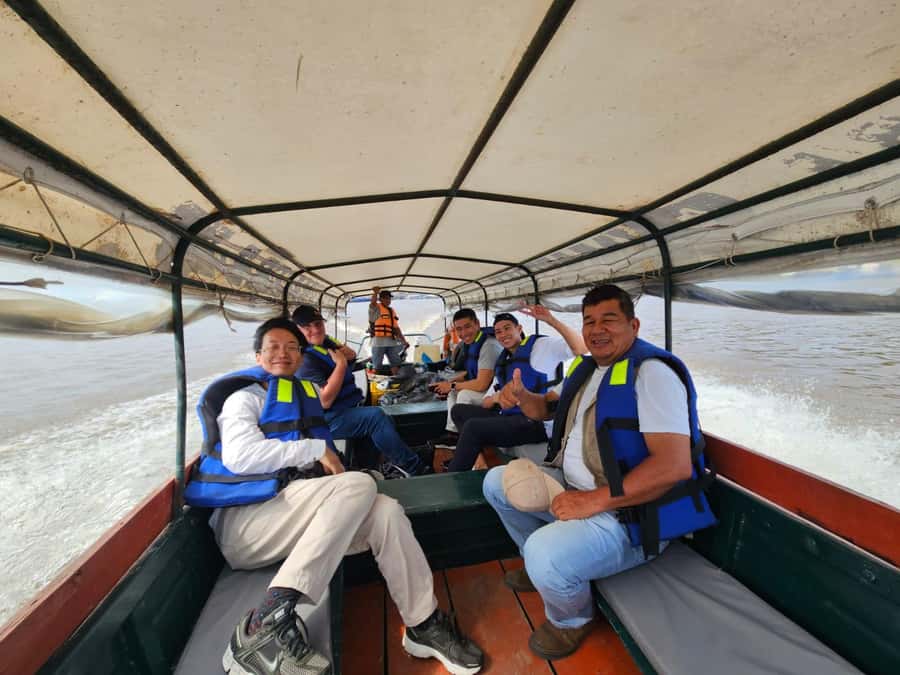
Book it if you want one organized day that delivers a full slice of the Peruvian Amazon: river cruise, Victoria Regia water lilies, a wildlife rescue center, a canoe ride on Shanshococha Lagoon, and a Yagua community visit. It’s also a smart pick if you like guided conversation, because guides on this route tend to explain what you’re seeing—and sometimes connect it to larger conservation responsibility.
Skip it (or choose a different format) if you hate long days in hot, humid weather or if you’re uncomfortable with the idea of feeding encounters included in the reserve experience.
If your goal is a balanced, practical Amazon day from Iquitos, this is the kind of tour that fits.
FAQ
What time is pickup in Iquitos?
Pickup starts at 9:00 AM from your hotel (or the airport in Iquitos).
How long is the full day tour?
The duration is 10 hours.
What does the tour include for language and guidance?
You’ll have a professional guide in English and Spanish.
What stops are part of the day?
The day includes a river cruise (Itaya River and connection to the Amazon), a natural reserve with Victoria Regia water lilies, a wildlife rescue center, lunch at a lodge, a canoe ride across Shanshococha Lagoon, and a visit to the Yagua native community.
Is there a chance to see dolphins?
Yes, while sailing on the rivers, the guide may help you spot pink and grey dolphins in their natural habitat.
What should I bring?
Bring comfortable shoes, a sun hat, camera, sunscreen, comfortable clothes, cash, and any personal medication you may need.
What is the cancellation policy?
You can cancel up to 24 hours in advance for a full refund.