REVIEW · ANTIGUA GUATEMALA
From Antigua: Pacaya Volcano Day Hike
Book on GetYourGuide →Operated by Old Town Outfitters · Bookable on GetYourGuide
Pacaya is a volcano you can taste in the air. This day hike from Antigua pairs geothermal heat with real volcanic walking—then tops it off with a picnic and marshmallows cooked above steaming vents. I love that the route mixes fresh crater activity with dried lava paths you’re actually stepping across, and I also love how the guides keep things organized and friendly, with people like Dulce and Verónica, or Ivanna and Oscar, showing up in recent departures. One possible drawback: you’re doing a rugged hike on uneven rock, so you’ll want proper shoes and a bit of grit for the climb.
You’ll meet in Antigua for a morning or sunset schedule, ride just over an hour to the park area, and spend about six hours on the mountain. Expect smoking summit views, dramatic caldera terrain, and wide panoramas that can reach toward the Pacific on clear days. If you’re sensitive to heat or sun, plan to bring water and sun protection even though the tour includes lunch and transport.
In This Review
- Key things that make this Pacaya hike worth your time
- Pacaya in one hit: smoke, caldera, and huge volcano views
- From Antigua to the park: the drive that sets the day up
- The ascent: stepping across dried lava and the 2010 impact
- The crater area: geothermal heat, hot spots, and marshmallows
- Picnic time below the smoking cone: what you see while you eat
- The descent: dried lava down, greener ground back
- Price and value: what you’re really paying for at $165
- Who should book this Pacaya hike (and who might want another option)
- Booking call: should you go to Pacaya from Antigua?
- FAQ
- What time does the Pacaya hike start?
- How long is the tour and how soon do I return to Antigua?
- What’s included in the price?
- What should I bring for the hike?
- Are sandals allowed?
- Do I need to bring drinking water?
- Can I cancel for a refund?
Key things that make this Pacaya hike worth your time
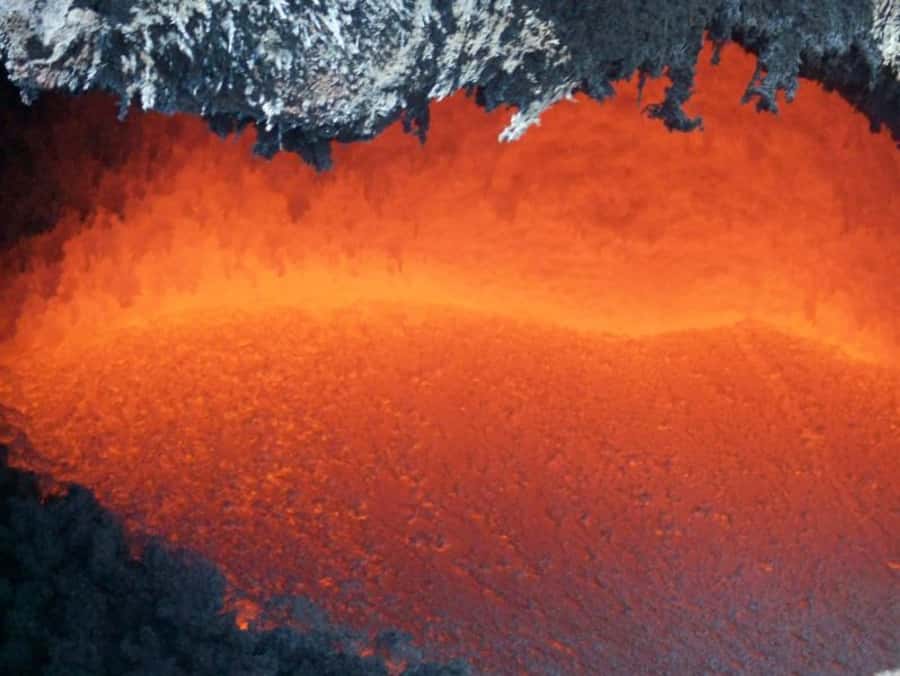
- Roast marshmallows over geothermal vents where the heat comes from the volcano itself
- Walk dried lava flows shaped by the volcano’s long history, plus newer rock from the big 2010 eruption
- A real picnic stop at the crater area with views toward Agua, Fuego, and Acatenango
- Geothermal “hot spots” built into the route so you don’t just watch the volcano—you experience it
- A guided return through different terrain as you descend back toward forest and farmland
- Well-looked-after pacing with bilingual, first-aid-trained guidance and supportive help at the shop
Pacaya in one hit: smoke, caldera, and huge volcano views
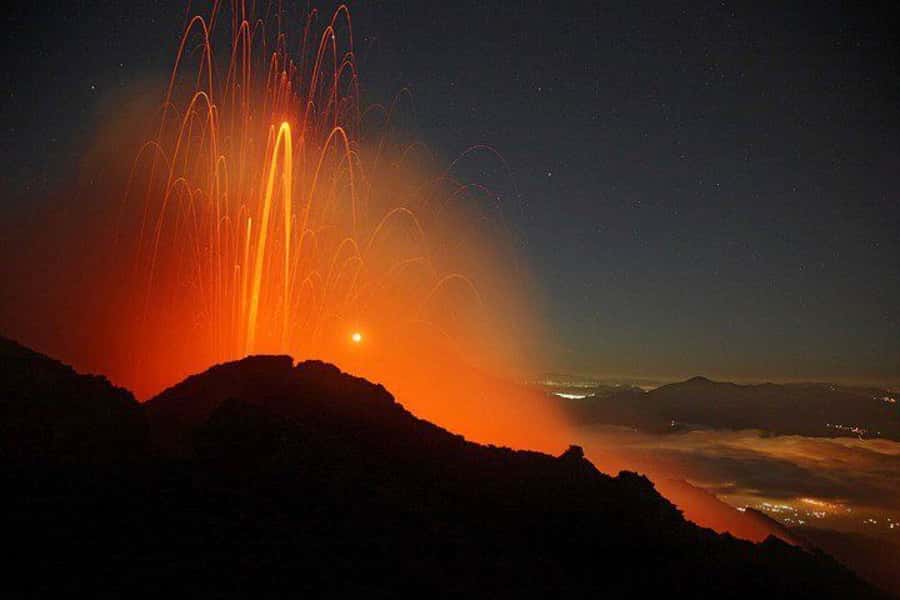
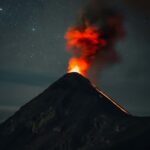
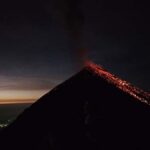
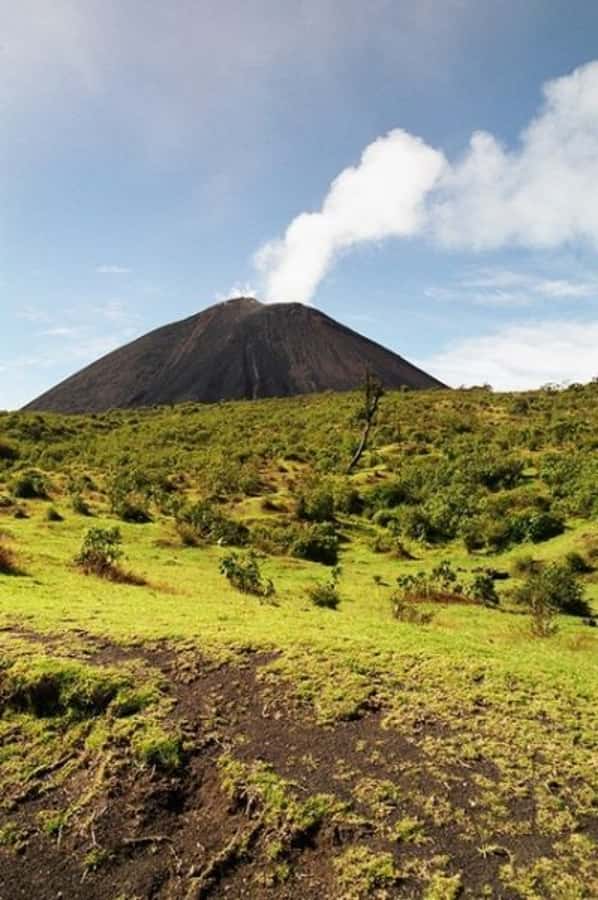
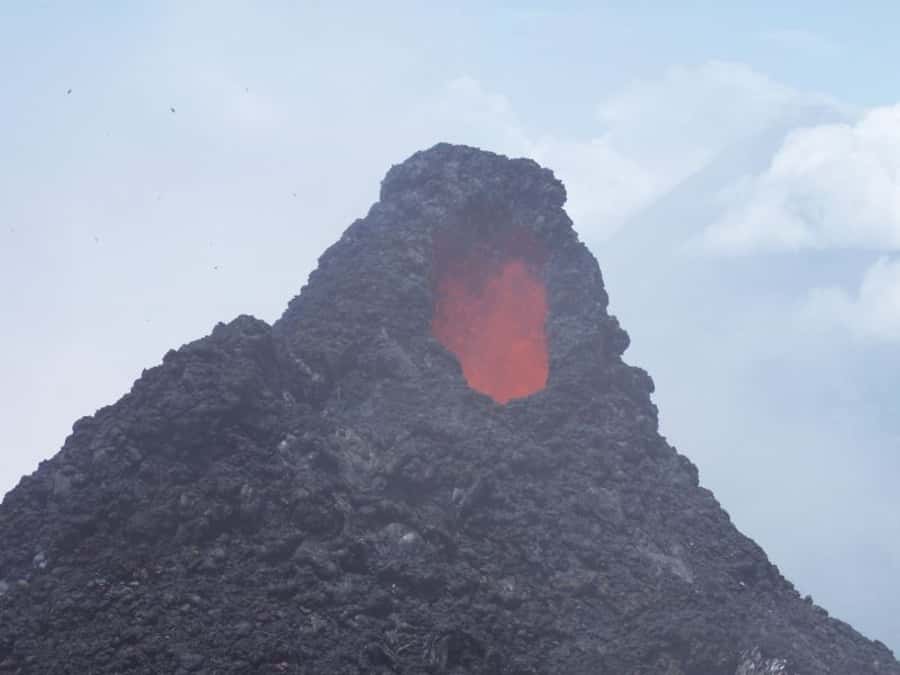
Pacaya (about 8,370 feet / 2,552 meters) is one of Guatemala’s major sights for a reason. It’s not about a single photo moment. It’s about how the whole hike feels like one long lesson in how volcanic areas work—smoke drifting from the summit, steam rising where geothermal heat is trapped underground, and hard, dried lava forming a strange walking surface.
What I like about Pacaya is that it’s dramatic without being confusing. Your guide keeps the group moving across trails that make sense for a day hike, and they’ll point out what you’re seeing: cooled lava, geothermal spots, and the broader volcanic neighborhood. If you’ve come to Guatemala mainly for volcano scenery, this tour gives you a dense dose in one morning or one sunset session.
You should also know what to expect in your head before you lace up. This isn’t a gentle nature walk on a paved path. You’ll climb, step across volcanic rock, and spend time in bright sun at higher elevation. The tour includes a lot—transport, fees, lunch/dinner, and a guided experience—but your comfort still depends on your clothing and footwear.
You can also read our reviews of more hiking tours in Antigua Guatemala
From Antigua to the park: the drive that sets the day up
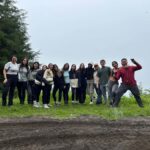
The meeting point is Old Town Outfitters in Antigua, at 7a Calle Poniente 23, by the end of 6a avenida Sur. You’ll start at 08:00 for the morning hike or 14:00 for the sunset hike. This matters because Pacaya feels different depending on light: morning is usually crisp and clear for views, while sunset adds atmosphere and can make the cooler air easier on you—if you’re prepared for darker conditions.
The drive to the park office is just over an hour by private transport. That kind of ride is a real value. It saves your energy for the hike and keeps the timing tight, so you’re not losing half the day figuring out logistics. It also gives you a buffer if you’re arriving in Antigua without a lot of extra time.
Before you move uphill, your guide and the team will help you get ready for what the mountain asks of your body: sun, heat, and uneven ground. On at least some departures, the shop staff have even lent head torches for the sunset group, which is exactly the kind of practical help that makes a trip smoother.
The ascent: stepping across dried lava and the 2010 impact
As the hike starts, you’ll move up the trails toward the caldera area. The terrain is the star here. You’ll be walking on rock formed by volcanic activity, including areas recently reshaped by a major eruption in 2010. That piece matters, because it’s why the walking surface can feel fresh—rougher, more jagged, and clearly different from older, more weathered lava.
Along the way, guides typically manage the pace so the group can handle both the altitude and the footing. Even if you’re not a “serious hiker,” the route is designed as a day experience, not an endurance expedition. Still, you’ll want to respect the basics: steady steps, take breaks when your guide suggests it, and stay aware of where you place your feet.
One reason this part of the hike is so memorable is that you’re not just looking at volcanic rocks—you’re living on them for hours. You cross dried lava that formed in the past and then you keep moving over new evidence of more recent eruptions. The effect is like walking through a timeline, with each section of rock telling a different story about heat and cooling.
The crater area: geothermal heat, hot spots, and marshmallows
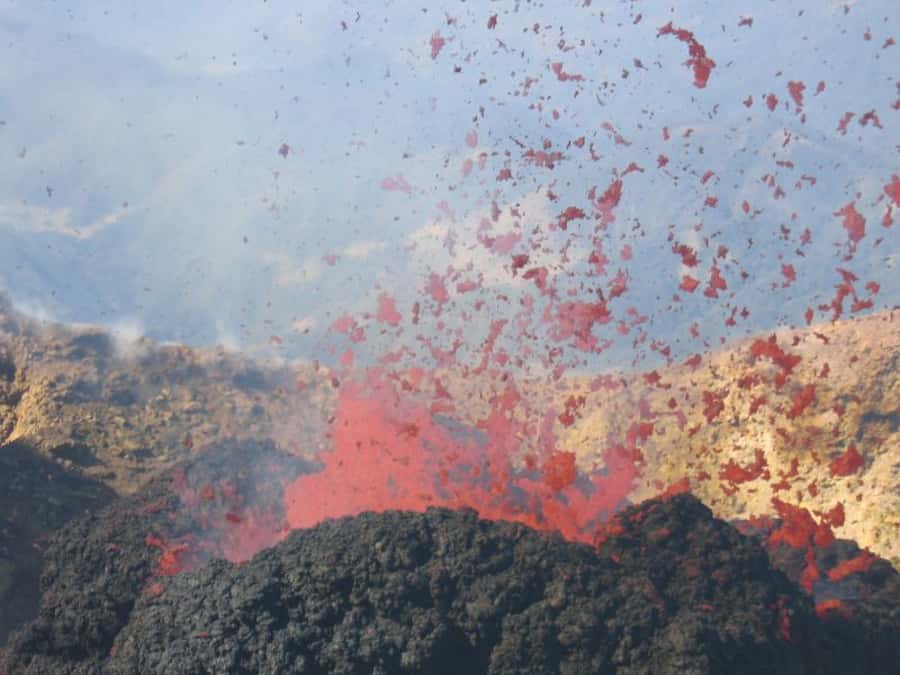
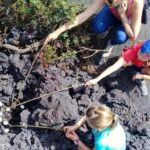
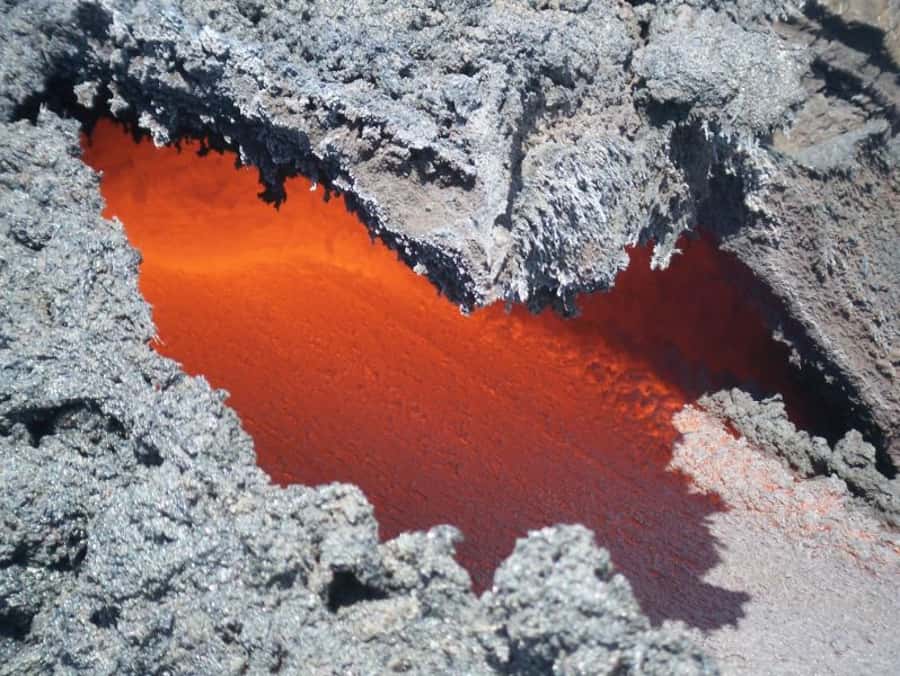
Once you reach the base of the caldera area, the guide directs the group through the rugged dried lava fields. This is when Pacaya starts to feel almost unreal. You’ll see geothermal areas where heat rises from cooled formations, and your group gets a hands-on experience: roasting marshmallows above the vents.
Marshmallows can sound like a gimmick until you’re standing near real geothermal warmth. The point isn’t sugar—it’s context. The heat source is right there, and the guide helps you understand what geothermal activity looks like on the ground. You’ll also learn how to behave around it, which is important because you’re dealing with hot surfaces and unstable volcanic ground.
This is also where your preparation shows. If you came without a sun hat or sunglasses, you’ll feel it quickly. Pacaya can be bright and exposed. If you didn’t bring sunscreen, you’ll regret it. The tour doesn’t include drinking water, so plan ahead. On a day like this, dehydration doesn’t make the hike fun or safe.
Good shoes help too. The tour specifically notes no sandals and that you should have comfortable hiking shoes/boots (or trekking footwear). Open-toed shoes aren’t allowed. That’s not nitpicking. Volcanic rock can cut, twist, and slide, especially as the trail changes from one rock type to another.
Picnic time below the smoking cone: what you see while you eat
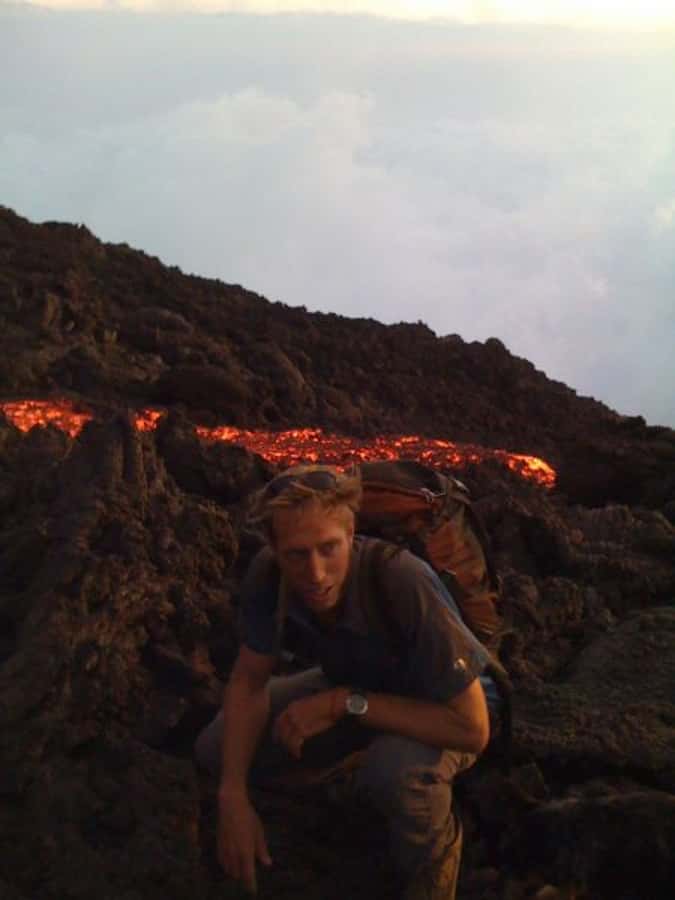
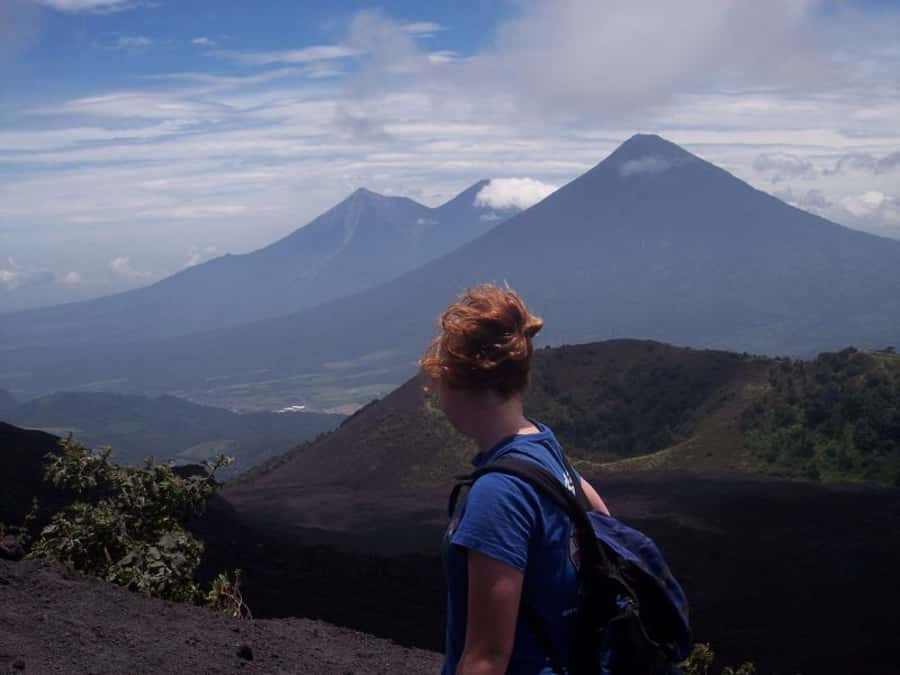
A big moment happens at the stop for your freshly prepared picnic. You’ll eat in the crater area and enjoy views toward major neighboring volcanoes: Agua, Fuego, and Acatenango. Depending on conditions, you may also see out toward the Pacific coast. That’s the kind of view that turns lunch into a pause you don’t want to rush.
This stop is practical as well as scenic. It’s a fuel break after the climb, and it gives your body time to recover before the descent. It also gives the guide space to point out the volcanic geography and help you connect the dots: why these volcanoes sit where they do, and how Pacaya fits into Guatemala’s broader volcanic zone.
If you’re doing the sunset version, the tour includes a dinner served on the mountain. Sunset tours also mean cooler air, and potentially less light as you come down. You’ll want to plan for that with the gear the tour indicates—especially since a flashlight is not included for the sunset hike.
The descent: dried lava down, greener ground back
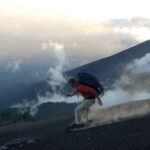
After the crater area, the hike down brings you across remaining dried lava fields again. This can feel easier than the climb, but don’t let your guard down. Descents can be harder on knees and ankles, and loose volcanic rock can make footing trickier.
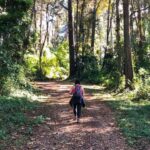
Then the trail shifts into more lush, lesser known forest and farmland areas as you descend back toward the trailhead. This change of scenery is one of the reasons Pacaya feels like more than a single-spot volcano trip. You get contrast: raw volcanic ground up top, and then calmer, greener surroundings as you drop in elevation.
By the time you finish the hike and head back, you’ll be on private transport returning to Antigua. The timing is roughly 16:00 for the day hike, or 20:30 for the sunset hike. That gives you options for the rest of your evening in Antigua—dinner plans, a relaxed walk through the old streets, or just a long, deserved shower.
Price and value: what you’re really paying for at $165
At $165 per person, Pacaya isn’t the cheapest activity in Antigua. But it’s not just a “ticket to stand near a volcano” either. Here’s where the value comes from:
- Round-trip transport from Antigua (private transport, not a scramble to connect buses)
- All park entrance fees
- Freshly prepared picnic lunch/dinner served on the mountain
- A bilingual guide and certified first-aid training, plus a full guided tour of Volcán Pacaya
You’re also paying for experience quality. The guides aren’t just telling stories; they’re managing the route on uneven terrain, keeping the group safe around geothermal areas, and handling timing so you reach the crater and the viewpoints without rushing.
If you already plan to spend money on entrance fees, a car ride, and a guide separately, this packaged hike tends to start looking like a smart deal. If you’re the type who hates group logistics, you might feel the price less comfortable—but the structure here is part of what makes the hike smooth.
Who should book this Pacaya hike (and who might want another option)
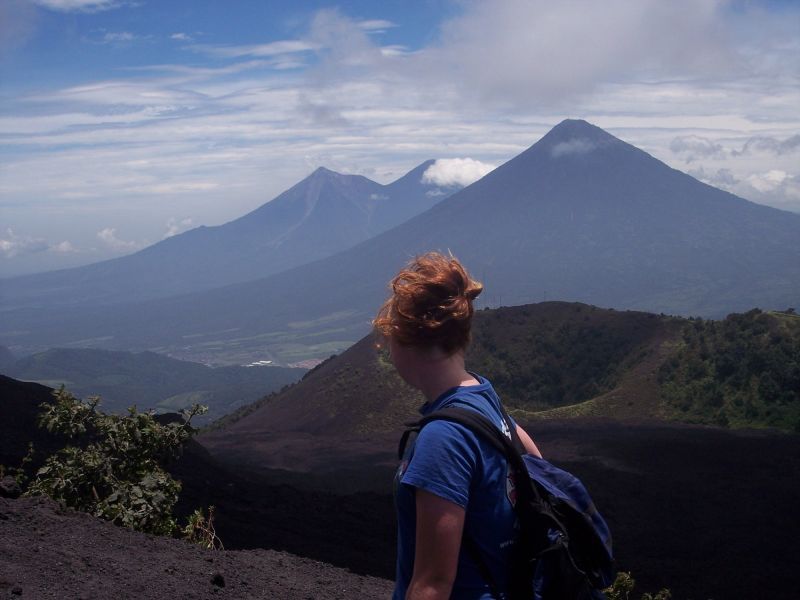
This tour is a great fit if you want an active volcano experience with guidance—especially if you’re excited by hands-on moments like roasting marshmallows over vents and walking across cooled lava.
It’s also a good match if you like your tours balanced: enough time to enjoy views (Agua, Fuego, Acatenango, and potentially the Pacific), but not so much time that you feel exhausted by the schedule. Six hours is a solid length for a day that stays focused.
You should think twice if:
- You’re not comfortable on uneven rocky trails
- You’re sensitive to sun and heat and don’t plan your clothing
- You don’t want to do any real walking up and down the volcanic terrain
That said, the trip is designed as a day hike. You don’t need to be a mountaineer. You do need to be ready to walk on volcanic rock and pay attention to your footing.
Booking call: should you go to Pacaya from Antigua?
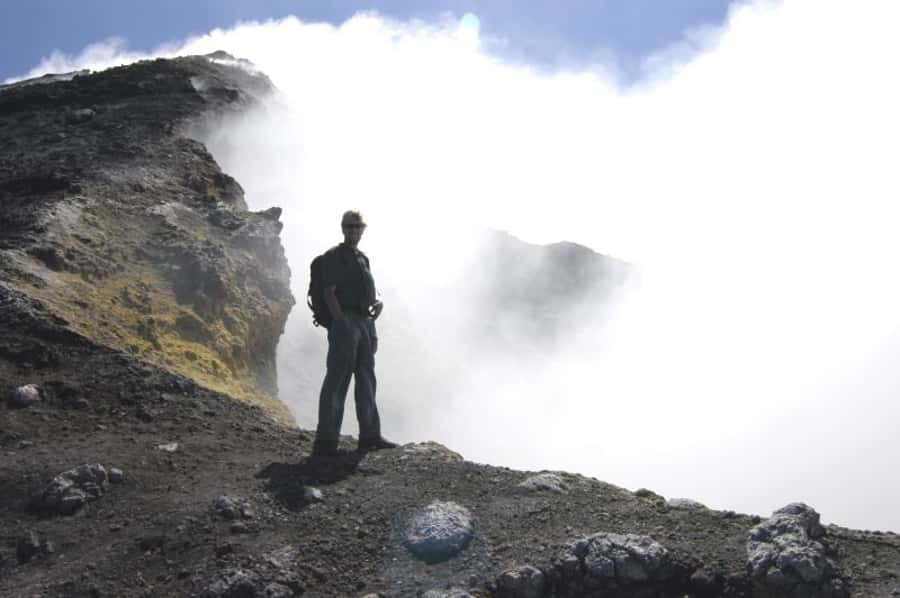
I’d book this tour if Pacaya is high on your Guatemala list and you want the experience to feel guided, safe, and worthwhile—not improvised. The combination of transport, fees, lunch/dinner, and first-aid-trained bilingual guidance is exactly what makes the day feel efficient.
Before you commit, do a quick reality check with your own comfort level: bring the right shoes (no sandals, no open-toed footwear), pack sun protection and a warm layer if you’re going at sunset, and plan to carry what the tour doesn’t provide, including drinking water. If you handle those basics, you’ll get one of Guatemala’s most iconic volcano experiences with a lot of value packed into a single six-hour outing.
FAQ
What time does the Pacaya hike start?
The meeting time in Antigua is 08:00 for the morning hike and 14:00 for the sunset hike. The full experience is about 6 hours.
How long is the tour and how soon do I return to Antigua?
The duration is 6 hours. After the hike, you return to Antigua at roughly 16:00 for the day hike or 20:30 for the sunset hike.
What’s included in the price?
Included are round-trip transportation from Antigua, all park entrance fees, a freshly prepared picnic lunch/dinner served on the mountain, and a local bilingual guide with certified first aid training.
What should I bring for the hike?
Bring comfortable shoes, sunglasses, a sun hat, and sunscreen. For sunset, a flashlight is not included, and you may want additional layers based on conditions.
Are sandals allowed?
No. Open-toed shoes and sandals are not allowed. Comfortable hiking shoes or trekking footwear are recommended.
Do I need to bring drinking water?
Yes. Drinking water is not included, so you should plan to bring your own.
Can I cancel for a refund?
Yes. You can cancel up to 24 hours in advance for a full refund.