REVIEW · ANTIGUA GUATEMALA
Antigua, Guatemala: Volcano Acatenango Overnight Hiking
Book on GetYourGuide →Operated by Tours & Activities SA · Bookable on GetYourGuide
Two volcanoes and one brutal sunrise climb. This Acatenango overnight is a real mountain test, with the best payoff coming at altitude: the sunrise up top and the chance to watch Fuego from basecamp.
I love how the trip is built around the full experience, not just the summit photo. I also like that you get guided pacing and proper meals while you’re hiking at 3,700 meters. The big consideration: this is a steep, cold, carry-your-own-stuff adventure, so you need the right shoes and layers.
You’ll start in Antigua, climb high, sleep in basic A-frames, and wake up early for the views. It’s memorable in a very practical way: your energy goes into the climb, and the payoff is right there in front of you—smoke, glow, and a big sky.
In This Review
- Quick Facts That Shape Your Experience
- From Antigua to Tanque La Unión: Your Launch Pad
- Day 1 Ascent Up Acatenango: Lava River Trail and That First Steep Grind
- Camp at Basecamp in Front of Fuego: Form-A Cabins, Wind, and Lava Light
- The part you’ll remember
- Sunrise From the Top: Cold Morning Air and a View That Makes You Forget Pain
- Trek Back to La Soledad: The Descent Test
- What $90 Pays For: Value, Meals, and the Costs You Must Expect
- The cash detail matters
- Food on the Mountain: Real Calories, Simple Choices, Hot Drinks
- Gear and Packing That Prevents Regret (Warmth Wins)
- The “basic camp” reality
- Optional Fuego Climb and Sunset Add-Ons: How to Choose Without Wrecking Yourself
- Who Should Book This and Who Should Skip It
- Who it fits best
- Should You Book Acatenango Overnight? My Decision Rule
- FAQ
- Where is the meeting point for this hike?
- How long is the Acatenango overnight experience?
- What is the price?
- What is included in the price?
- What is not included?
- Are water and equipment provided?
- What should I bring?
- What clothing or items are not allowed?
- Do I need to provide any personal information before going?
- Can I cancel for a refund?
Quick Facts That Shape Your Experience
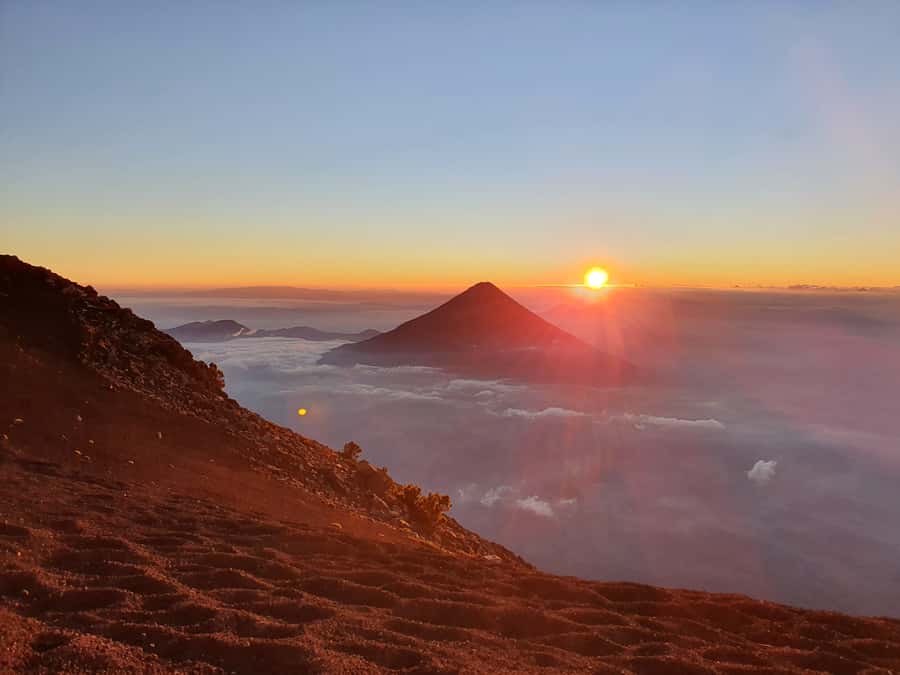
- Sunrise from Acatenango: You’re up early, then rewarded from the top.
- Camp in Form-A cabins: Sleeping bag, mattress, and wind protection at high altitude.
- Lava river scenery: Part of the trail follows volcanic terrain up close.
- Food is handled for you: Hot drinks, lunch, dinner, and breakfast are included.
- Fuego viewing from camp: You’re positioned in front of Fuego to watch eruptions.
- Bring poles and layers: Cold + steep + slippery equals better with the right gear.
From Antigua to Tanque La Unión: Your Launch Pad
Most people do this trek as an Antigua day-plus-two experience, with round-trip transportation built in. You meet at Tanque La Unión (6a Calle Oriente, Antigua Guatemala), which is an easy starting point to find and a good “in-town” meetup before you disappear into the mountains.
Once you meet your guide, the vibe shifts fast. This is not a casual stroll. Expect a briefing, then a long, tiring incline. That matters because your comfort on Day 1 decides everything about your night and your sunrise.
You can also read our reviews of more hiking tours in Antigua Guatemala
Day 1 Ascent Up Acatenango: Lava River Trail and That First Steep Grind
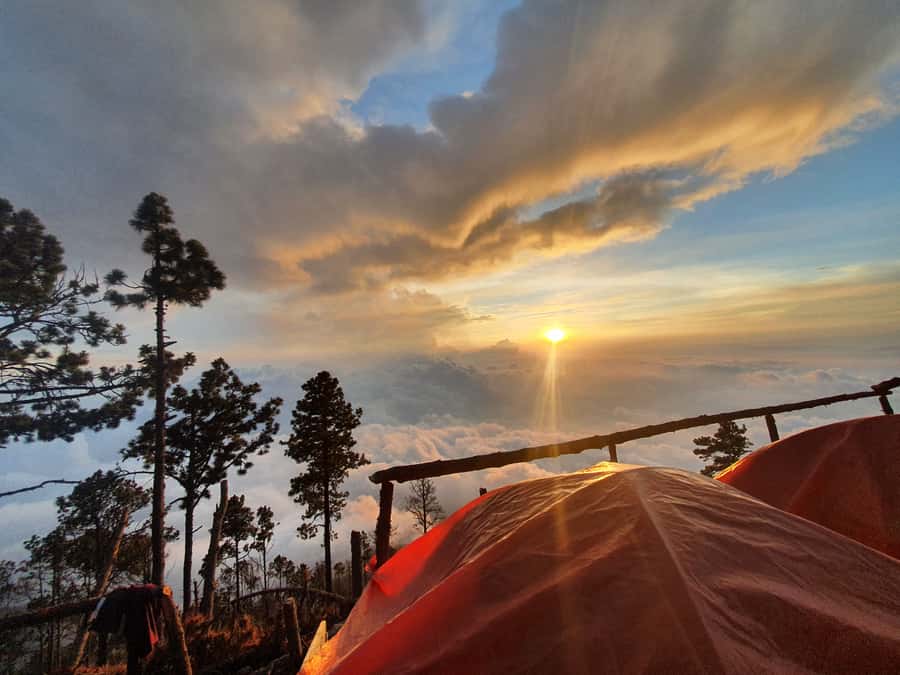
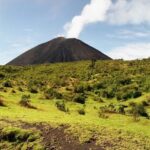
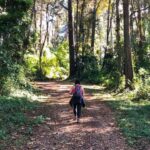
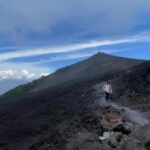
You’ll start the trek with your guide leading the way from the trailhead toward Volcán Acatenango. The scenery is the main reason people sign up, and you feel that from early on. The trail passes by volcanic terrain, including sections described as moving along a lava river, with open views into mountain valleys that look unreal once you’re above the tree line.
A key point: the climb isn’t one long constant wall. It’s steep, yes, but your guide’s job is to keep you moving safely and steadily. In many groups, pacing is built around making sure everyone stays together, with regular stops so you can catch your breath without feeling rushed.
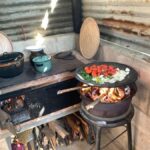
At lunch, you get a real break and a real meal. You’re served grilled chicken, mashed potatoes, and green salad. You’ll also likely be thinking about what you’ll eat later and how much water you’ve got left—because you do not want to ration poorly at altitude.
My practical advice: plan your Day 1 energy like a bank account. If you go out too hard on the first part of the hike, you’ll feel it later at camp and again at sunrise.
Camp at Basecamp in Front of Fuego: Form-A Cabins, Wind, and Lava Light
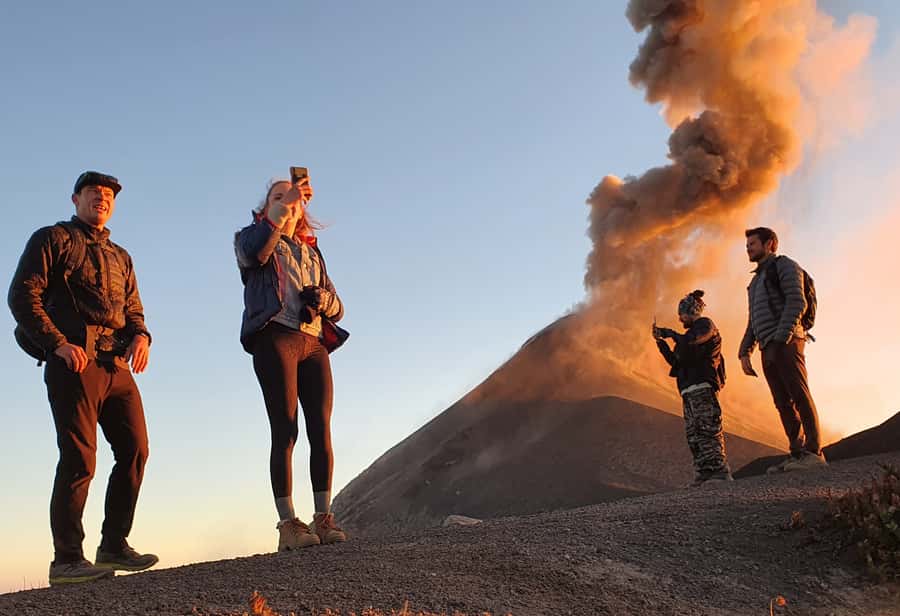
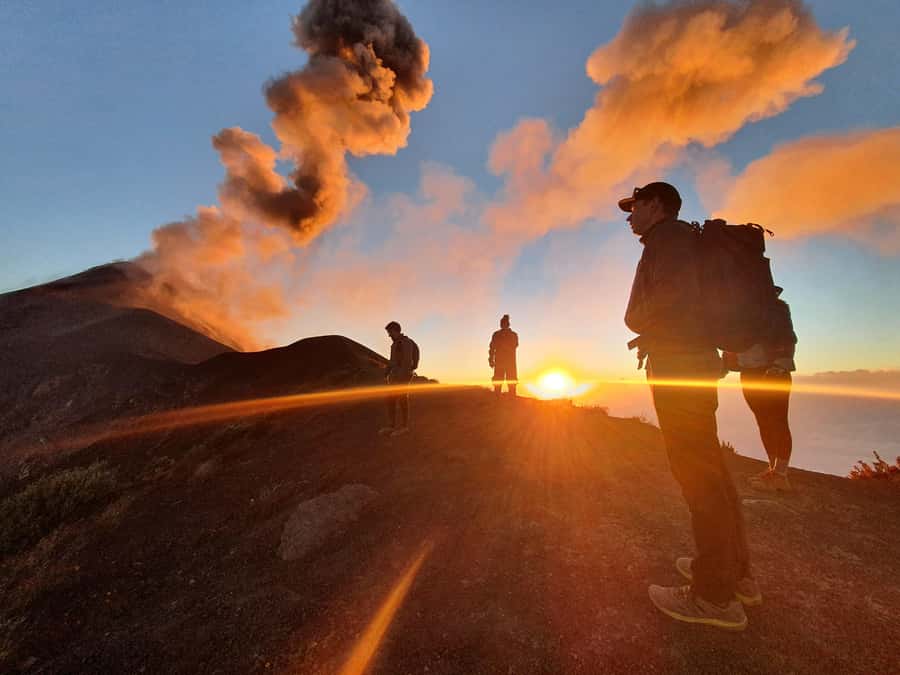
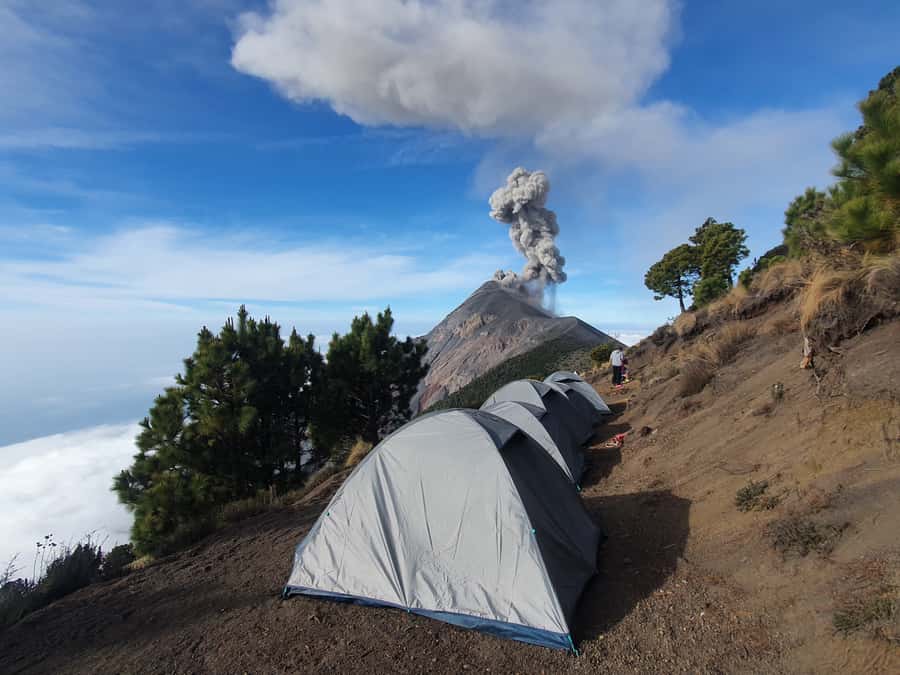
By late afternoon you’re setting up near basecamp, in front of Volcán Fuego. This is where the overnight portion earns its keep. You’re not just sleeping somewhere; you’re positioned for nighttime viewing and the kind of atmosphere that makes the whole trek feel like you’ve stepped into another world.
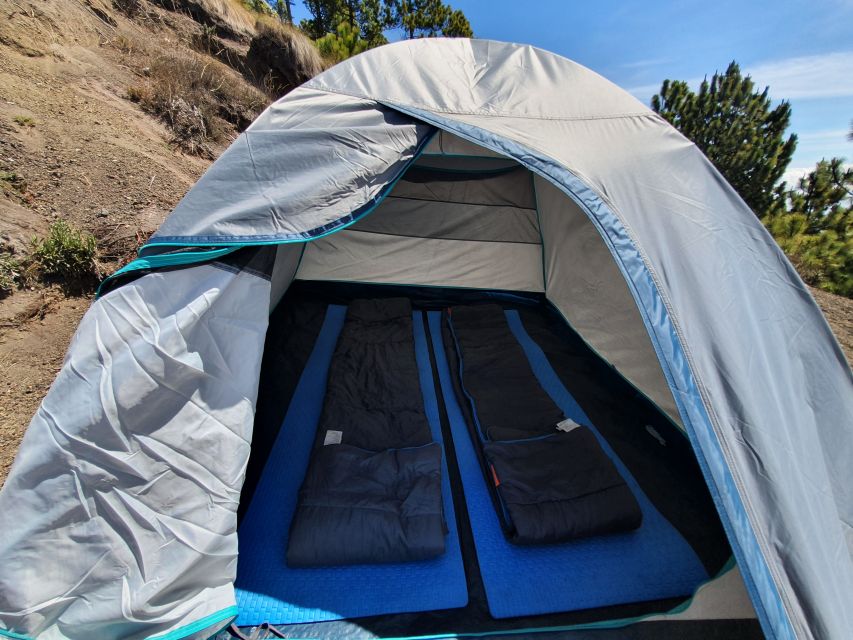
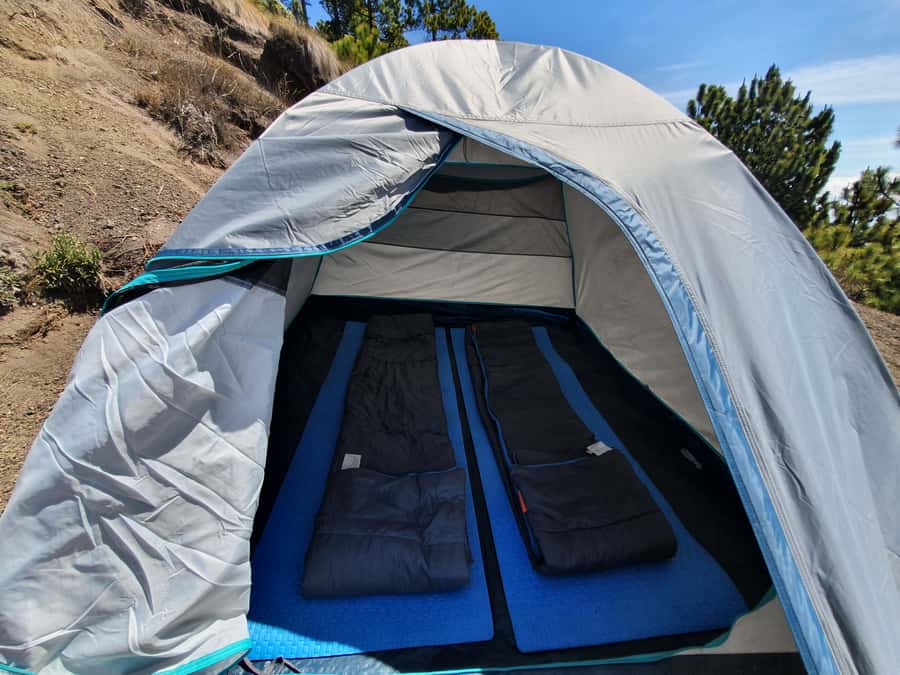
You’ll watch sunset over the mountains, then settle in and eat dinner: chop suey and rice. After dark, the high-altitude cold shows up quickly. Basecamp is far from warm blanket comfort, but you do get Form-A cabins (or a similar frame setup) plus a sleeping bag and mattress.
A-frames are basic, but they work. Multiple people highlight that they cut down the wind, which is the difference between tolerable and miserable at night. The cabin setup is shared space, so you’ll want to keep your habits simple: zip your bag, keep your layers nearby, and don’t plan on spreading out.
The part you’ll remember
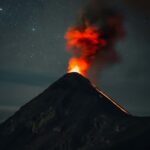
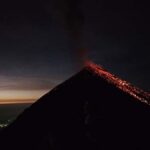
The big draw is watching lava flows and eruptions while you’re inside your camp bubble. When Fuego is active, the sounds can carry. Even when you’re exhausted, it’s hard not to look up.
Practical tip: once you’re at camp, stop “saving your comfort” for later. Put on your warmest layers early, because after dark you won’t want to fumble with clothing during the coldest moments.
Sunrise From the Top: Cold Morning Air and a View That Makes You Forget Pain
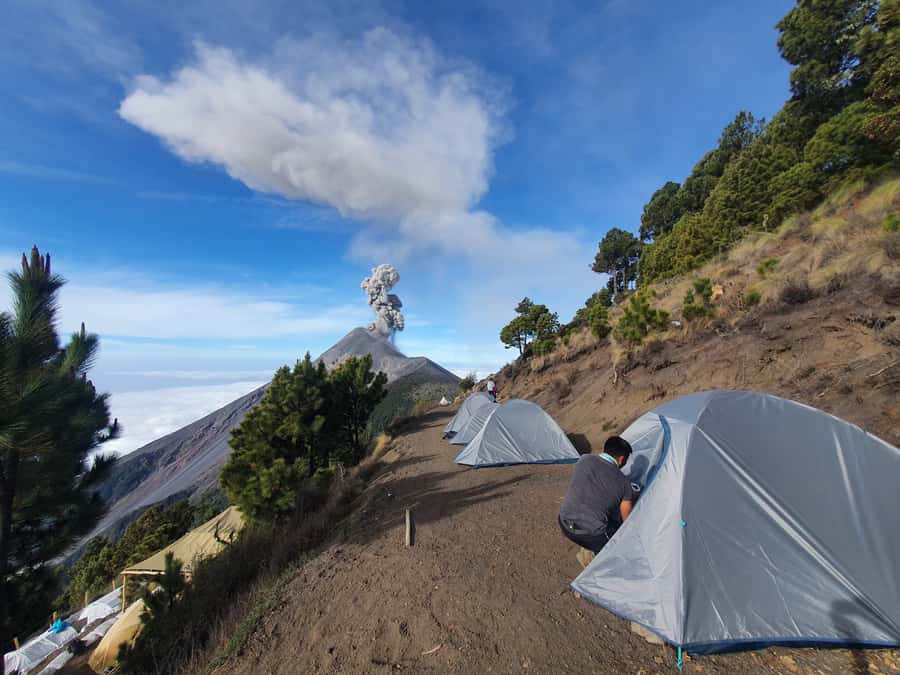
You’ll wake up in time for sunrise and then enjoy breakfast at basecamp: oatmeal, pancakes, and banana. This is your fuel before the final stretch (and it also helps you stay calm, because you know food is coming).
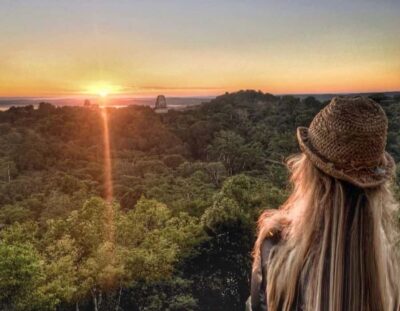
From the top of Acatenango, sunrise is the signature payoff. That early start feels brutal in the moment, but the timing is what gives you a changing sky and a dramatic volcanic perspective—one of the reasons this overnight format beats a day trip for most people.
Here’s what to remember: sunrise hikes usually mean low temperatures, minimal warmth, and quick transitions from walking to standing still for the view. Bring layers you can adjust fast.
My tip for comfort: use a headlamp or flashlight (you’re told to bring one) and dress like you’ll be outside for a while. You’re not just moving; you’re waiting for the sky.
Trek Back to La Soledad: The Descent Test
After breakfast, you pack up and begin the hike back to the starting area near La Soledad, then board your bus back to Antigua.
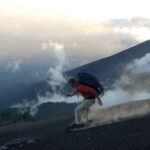
The return is easier than the climb in pure altitude terms, but it can be tougher on your legs. Downhill hiking can stress ankles and knees, especially when trails are steep or slippery. This trip is demanding enough that your earlier pacing really shows up here.
Practical strategy: take the descent slow. Don’t try to “make up time” on the way down. Your last hour is when fatigue can turn into clumsiness.
What $90 Pays For: Value, Meals, and the Costs You Must Expect
At $90 per person for 2 days, you’re paying for a guided climb, high-altitude overnight gear, transportation, and your main meals. Here’s what’s included:
- Hot drinks (like chocolate)
- Sleeping bag + frame-A cabin (or alpine and mattress)
- Professional guide
- Round-trip transportation
- Lunch, dinner, and breakfast (specific meal options listed)
What’s not included:
- Entry fee (Q 100 per person)
- Water
- Gears
So the value isn’t just the hike. It’s the logistics that would otherwise chew up your time and energy in a place that can get complicated quickly at altitude.
The cash detail matters
You’re told to bring cash, because the Q100 entry fee is separate. In addition, if you add optional activities tied to Fuego viewing closer up, those can cost extra and may be paid on the ground.
My take: if you’re deciding whether this is worth it, look at what you’d have to organize yourself: guide coordination, camp sleeping setup, and meal timing. That’s what you’re buying.
Food on the Mountain: Real Calories, Simple Choices, Hot Drinks
Meals here are straightforward and built for hikers. You get:
- Lunch: grilled chicken, mashed potatoes, green salad
- Dinner: chop suey and rice
- Breakfast: oatmeal, pancakes, banana
- Hot drinks: chocolate
In cold conditions, warm drinks make a difference fast. Hot chocolate is one of those “small thing, big mood” comforts that helps you reset mentally after a long day.
If you’re vegetarian, you’re told you can request vegetarian meals by WhatsApp. That’s worth doing early so the kitchen can plan.
Practical note: even with included meals, bring extra snacks. You’ll likely want something between lunch and camp, and again while you’re moving in the dark.
Gear and Packing That Prevents Regret (Warmth Wins)
This hike is hard, and the cold at altitude is real. The most repeated advice is not glamorous, but it’s correct: bring warm clothing and wear proper hiking shoes.
You should plan to bring:
- Warm clothing and winter-sports gear
- Hiking shoes (no sandals or flip-flops)
- Water (you may need several liters)
- Cash
- Flashlight/headlamp
- Hiking pants
- Weather-appropriate layers
And if you can rent gear, do. Hiking poles come up again and again as a big helper for steep sections and the downhill portion. Gloves and a beanie also show up as must-haves once temperatures drop near camp and at sunrise time.
The “basic camp” reality
The cabins protect from wind, but they’re not hotel rooms. A few details to keep expectations realistic:
- You’ll sleep with the provided sleeping bag and mattress.
- Toilets can be basic (a hole in the ground, no toilet paper is mentioned), so bring your own supplies if you care about that stuff.
- Cabin space is shared, so keep your bag organized and limit mess.
Optional Fuego Climb and Sunset Add-Ons: How to Choose Without Wrecking Yourself
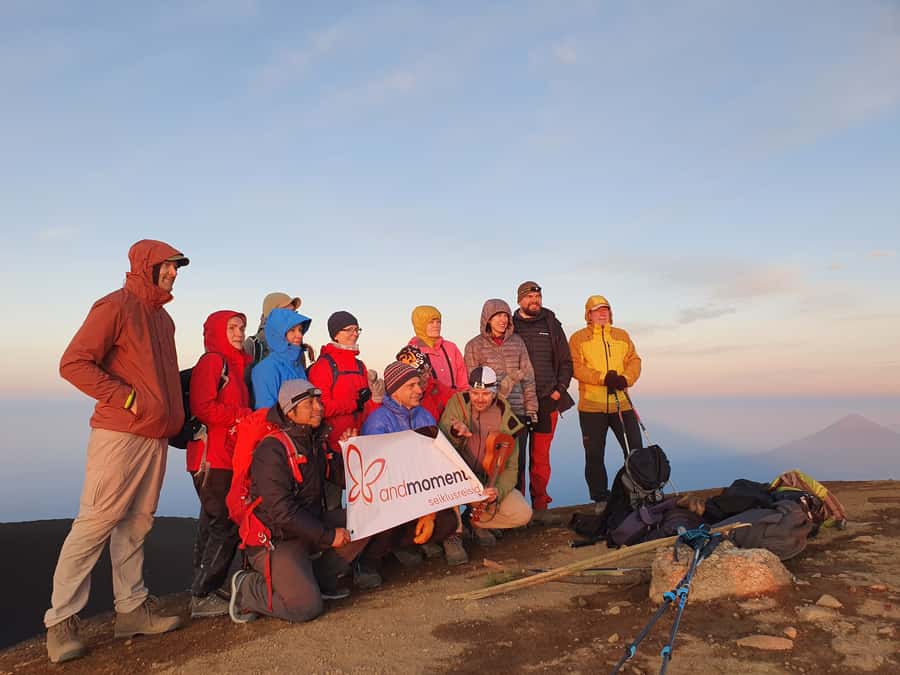
The overnight setup already gives you a great chance to see Fuego from basecamp. Some people also choose extra options—like additional climbing/time closer to Fuego or a closer sunset-style viewing hike.
The practical issue is energy. Optional add-ons can require several more hours and can be physically punishing, especially after Day 1 fatigue and altitude. If you’re not sure, start with what’s included: Acatenango sunrise and basecamp Fuego views. Then decide in the moment based on how you feel.
Also remember: if conditions are less clear or you’re running low on energy, the “extra close-up” plan might not be worth the cost or strain that day.
Who Should Book This and Who Should Skip It
This is not a beginner hike. It’s steep, it’s cold at night, and it’s long enough that you should arrive already in decent hiking shape.
It’s not suitable for people with:
- back problems
- heart problems
- epilepsy
- seasickness-prone issues
- people over 254 lbs (115 kg)
If you have altitude concerns, take them seriously. Some people manage fine; others feel symptoms at the top. If altitude is a risk for you, talk to a clinician before you go, and don’t push beyond safe limits.
Who it fits best
You’ll love this most if you want:
- a guided high-altitude experience with real payoff
- small-group style attention and pacing (some groups are kept around a dozen)
- the chance to watch volcanic activity while you’re camped, not just passing through
If you want a relaxed nature walk, this won’t match your expectations.
Should You Book Acatenango Overnight? My Decision Rule
Book it if you’re the type who likes a challenge and wants a volcano experience with real time at the mountain. The combination of Acatenango sunrise plus Fuego views from basecamp, supported by meals and warm drinks, is the kind of “do it once” memory that sticks.
Skip or reconsider if:
- you’re not ready for steep climbing and cold nights
- you’re unsure about altitude effects
- you don’t have (or can’t rent) the basic gear like warm layers, proper shoes, and ideally poles
This is run by Tours & Activities SA, and the whole setup feels designed for people who show up prepared—then get rewarded in a big, physical way.
If you’re ready to work for it, this overnight is one of the better ways to experience Guatemala’s volcano world without doing everything solo.
FAQ
Where is the meeting point for this hike?
You meet at Tanque La Unión, 6a Calle Oriente, Antigua Guatemala.
How long is the Acatenango overnight experience?
The duration is 2 days.
What is the price?
The price is $90 per person.
What is included in the price?
Included are a professional guide, round-trip transportation, sleeping bag and frame-A cabin (or alpine and mattress), hot drinks (chocolate), and meals: lunch, dinner, and breakfast.
What is not included?
The entry fee (Q 100 per person), water, and gears are not included.
Are water and equipment provided?
Water is not included. Gear is not included, though the activity notes that you can rent gear and that you can request help by WhatsApp.
What should I bring?
You should bring warm clothing, hiking shoes, water, cash, weather-appropriate clothing, a flashlight, hiking pants, and winter sports gear.
What clothing or items are not allowed?
Sandals or flip-flops are not allowed, and pets are not allowed. Smoking indoors is not allowed. Alcohol and drugs are not allowed. Speakers are not allowed.
Do I need to provide any personal information before going?
Yes. You need to share your passport number.
Can I cancel for a refund?
Yes. There is free cancellation up to 24 hours in advance for a full refund.