REVIEW · ANTIGUA GUATEMALA
Chocolate workshop; gastronomic experience of cocoa.
Book on GetYourGuide →Operated by MAYA CACAO CHOCOLATES · Bookable on GetYourGuide
Cocoa can taste like a whole country—step by step. This workshop in Antigua turns Guatemalan cacao into a hands-on, multi-sense food lesson, from origins to your finished bar. I like that it’s practical, not just talk, and you actually touch the process.
I also like the tasting approach: you slow down and use your senses to notice how aroma and flavor change as cocoa goes through different steps. One thing to consider: finding the start can take a careful look, since the meeting spot is a specific house on a busy avenue.
In This Review
- Key Highlights You’ll Remember
- Cocoa Workshop in Antigua: A Smell-First, Taste-Second Kind of Class
- Meeting in Antigua: The Yellow House Near Parque Central
- Learning Cocoa from Mayan Times to Modern Use
- Using Your Five Senses to Taste Guatemalan Cacao
- Roast, Shell, Grind: The Cocoa-Making Part You Control
- Degustations and Tasting: How to Compare Without Getting Overwhelmed
- Your Take-Home Chocolate Bar: The Sweet Proof
- Instructor Language, Translation Reality, and How to Make It Work
- Price and Value: Is $32 Fair for One Day?
- Who This Workshop Suits Best (and Who Might Feel a Mismatch)
- Should You Book This Cocoa Workshop or Skip It?
- FAQ
- FAQ
- How long is the chocolate workshop experience?
- What is the price per person?
- What will I make and take home?
- Is food included?
- What language is the instructor?
- Is it suitable for young children?
- Where exactly is the meeting point in Antigua Guatemala?
- Is this workshop private or group-based?
- Do I get any discounts at the store?
- Are there any restrictions or special notes I should know about?
Key Highlights You’ll Remember
- Mayan cocoa context: you start with the origin, importance, and uses of cacao from ancient times
- Five-sense tasting: you’ll focus on aroma and flavor differences in the cocoa’s stages
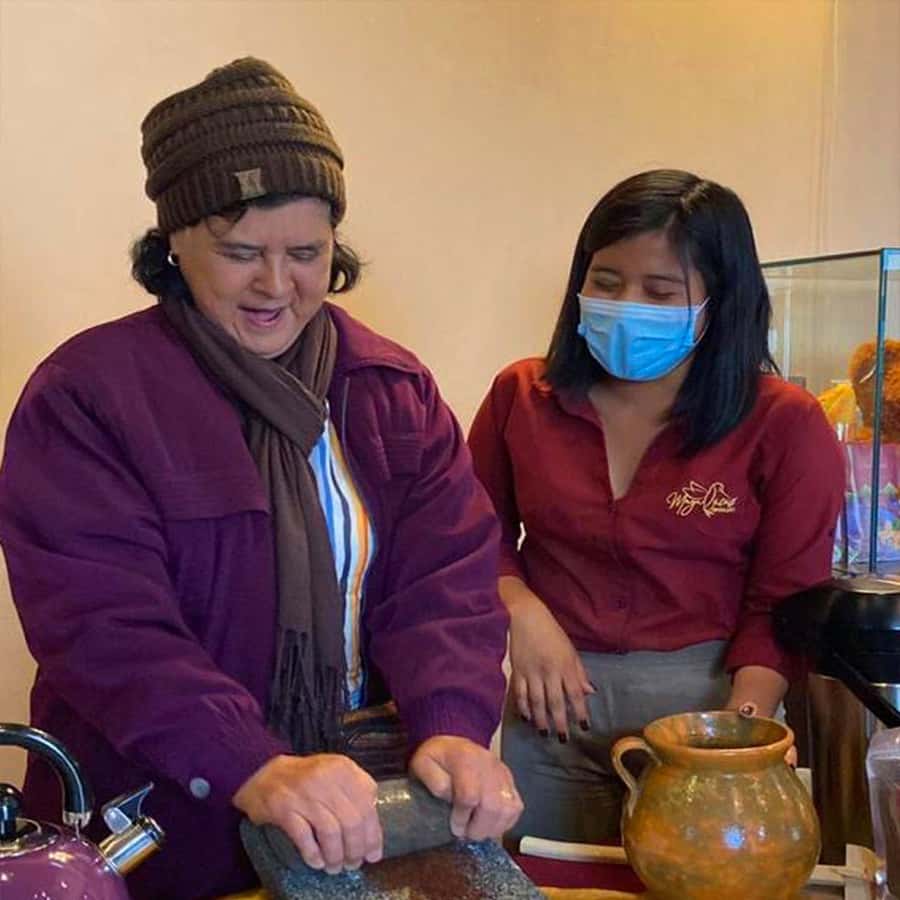
- Hands-on technique: roast, shell, and grind your own cacao
- You take home the result: you leave with a chocolate bar made by you
- Spanish instruction + patient help: the class is taught in Spanish, and past participants found translation ways to work
Cocoa Workshop in Antigua: A Smell-First, Taste-Second Kind of Class
Antigua Guatemala is great for wandering, but this workshop gives your senses a job. You’re not just eating chocolate—you’re learning how cocoa turns into flavor through steps that affect aroma, texture, and taste. That focus matters because most chocolate tastings stay vague. Here, you’ll compare what you’re seeing and smelling as the process changes.
The best part is the pacing. You learn the story first, then you use your senses for the fun part. By the time you’re roasting and grinding, the chocolate stops being a sweet treat and becomes a skill you understand.
You can also read our reviews of more tours and experiences in Antigua Guatemala.
Meeting in Antigua: The Yellow House Near Parque Central
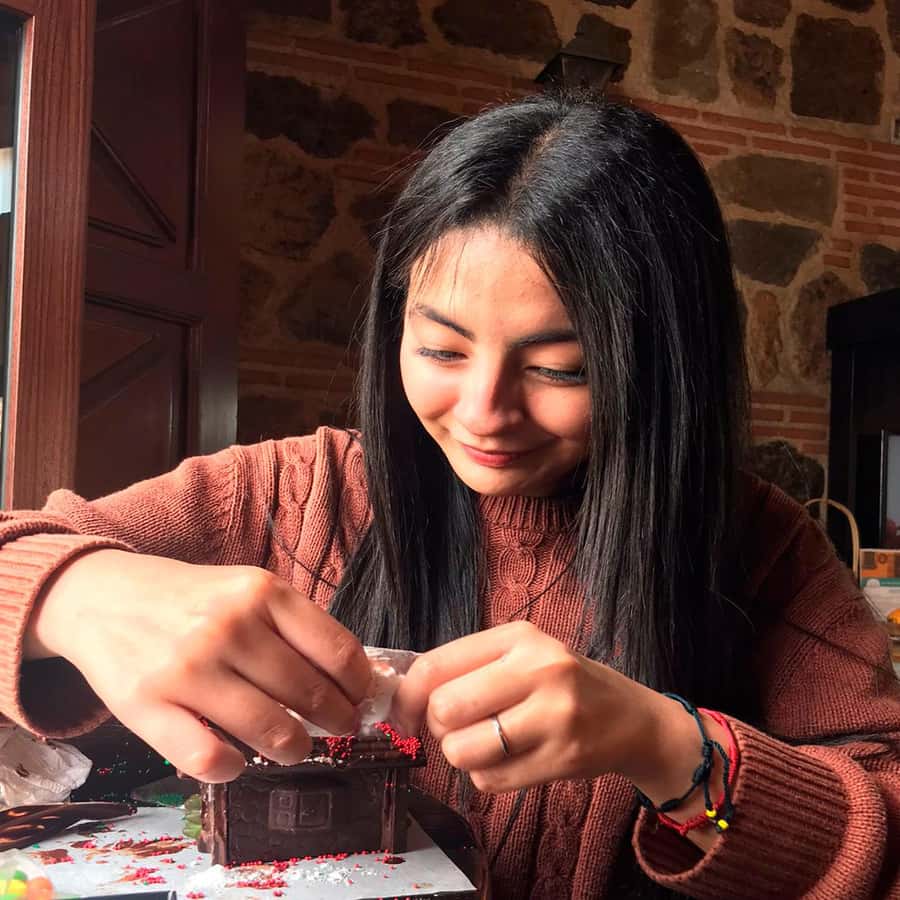
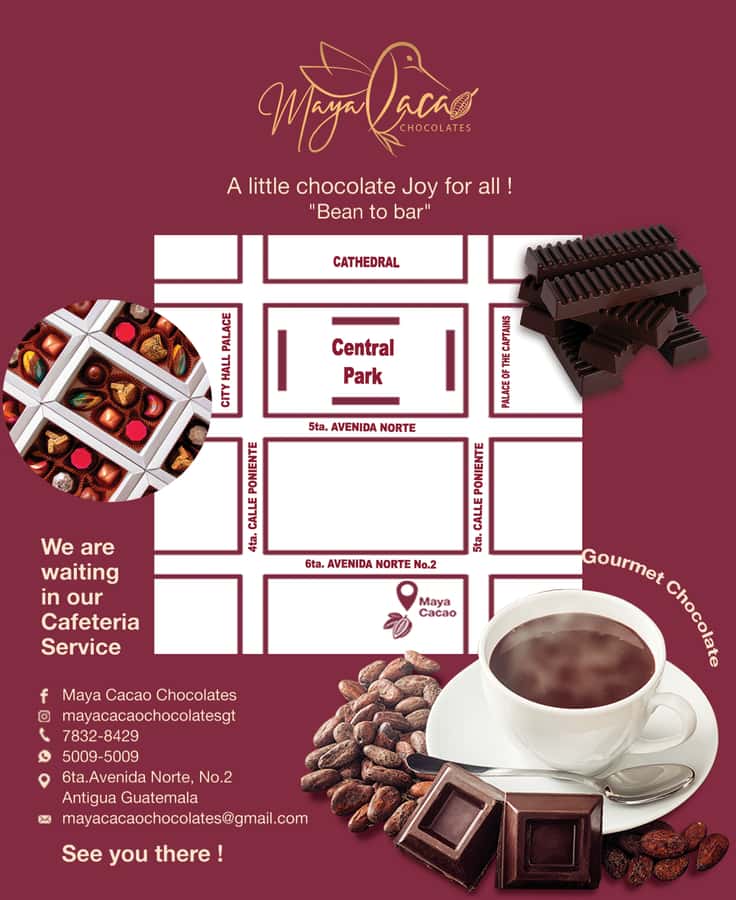
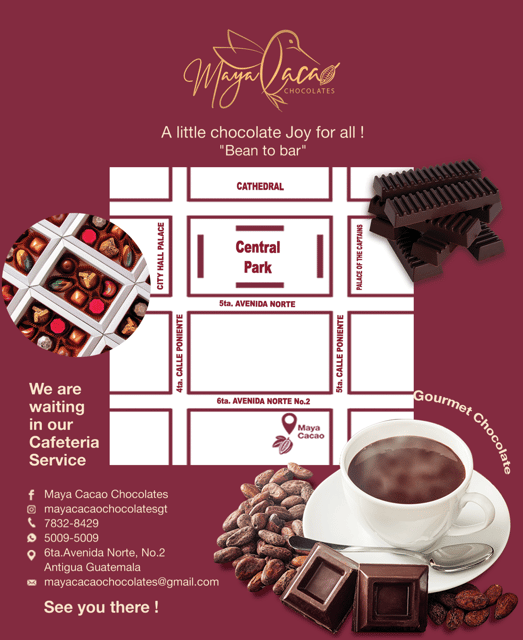
Your starting point is simple to describe and easy to miss if you skim. Meet at 6a Avenida Norte 6, about one block from Parque Central, in a house painted a mustard color. On the door, there’s an on-site host using a plush bear as a welcome sign.
This matters for real-world planning. Antigua streets are lively and signage can be hit or miss, especially if you arrive a few minutes late. Give yourself a little extra time to locate the house and settle in before the workshop starts.
Learning Cocoa from Mayan Times to Modern Use
You begin the experience by learning about cocoa in the time of the Mayans. The class frames cacao as more than dessert—there’s an explanation of its origin, its importance, and its uses back then.
Even if you’ve heard bits about cacao’s role in Mesoamerica, this is a structured way to connect the dots. Instead of jumping straight to chocolate-making, you get the why behind the ingredients. That context also helps later when you taste different stages—because you’re learning a process, not just repeating steps.
Using Your Five Senses to Taste Guatemalan Cacao
After the origin lesson, the workshop shifts into a tasting experience built on your senses—especially aroma. You’ll enjoy cocoa through different processes used in Guatemala and pay attention to how it changes.
Why this is smart: aroma leads flavor. When you smell cocoa as it moves through the steps, you start catching differences you’d normally miss while distracted by sweetness. Expect your class moments to feel like mini tastings you can actually compare: the same ingredient, treated differently.
This is also where the experience becomes memorable. Chocolate can feel universal, but cacao flavor isn’t one-note. By the end, you’ll have more language for what you like—whether it’s a deeper roast note, a different fragrance, or how the ground cocoa behaves once it’s turned into chocolate.
Roast, Shell, Grind: The Cocoa-Making Part You Control
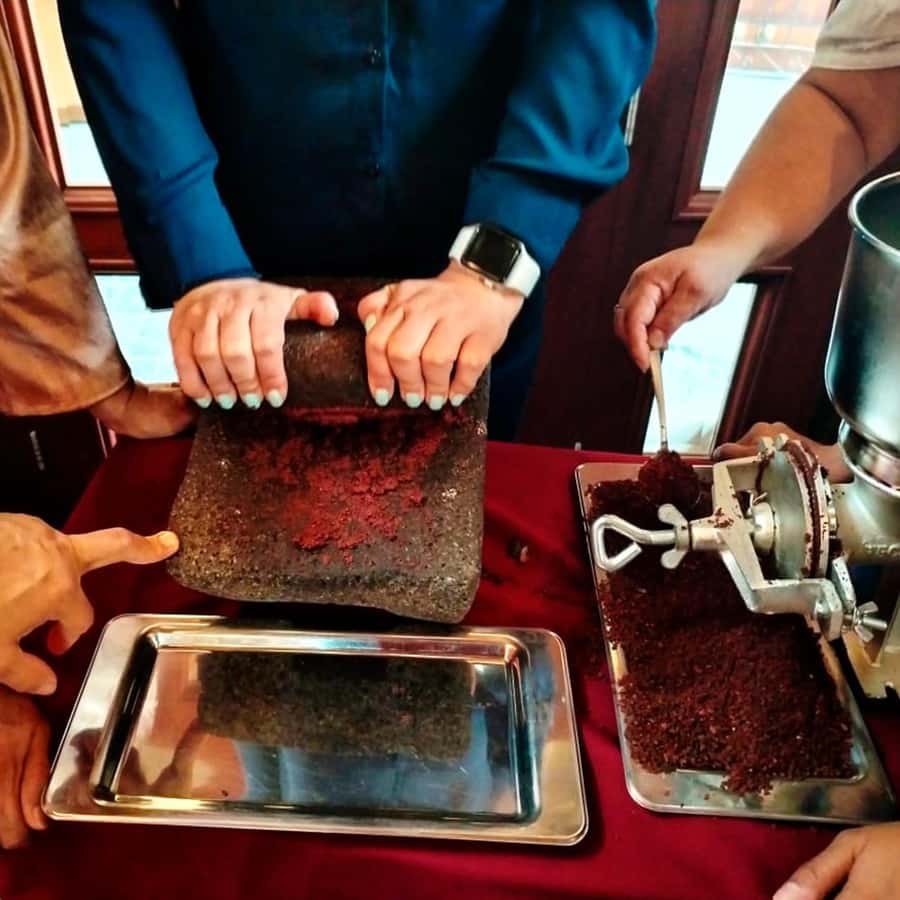
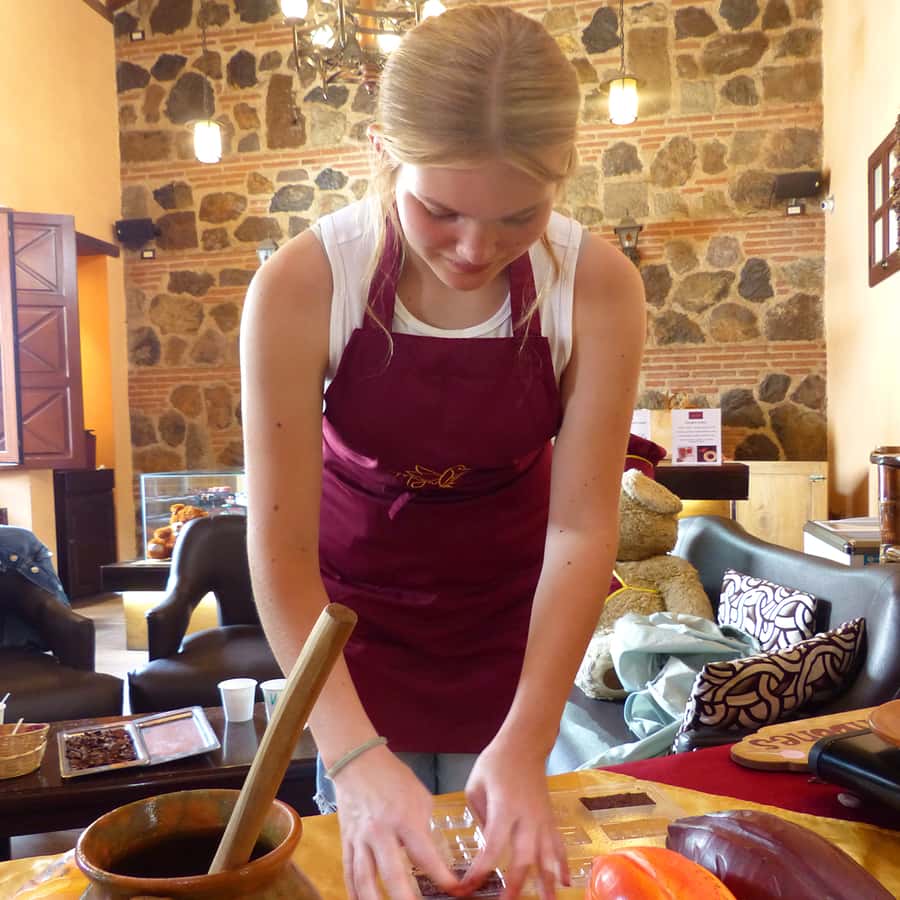
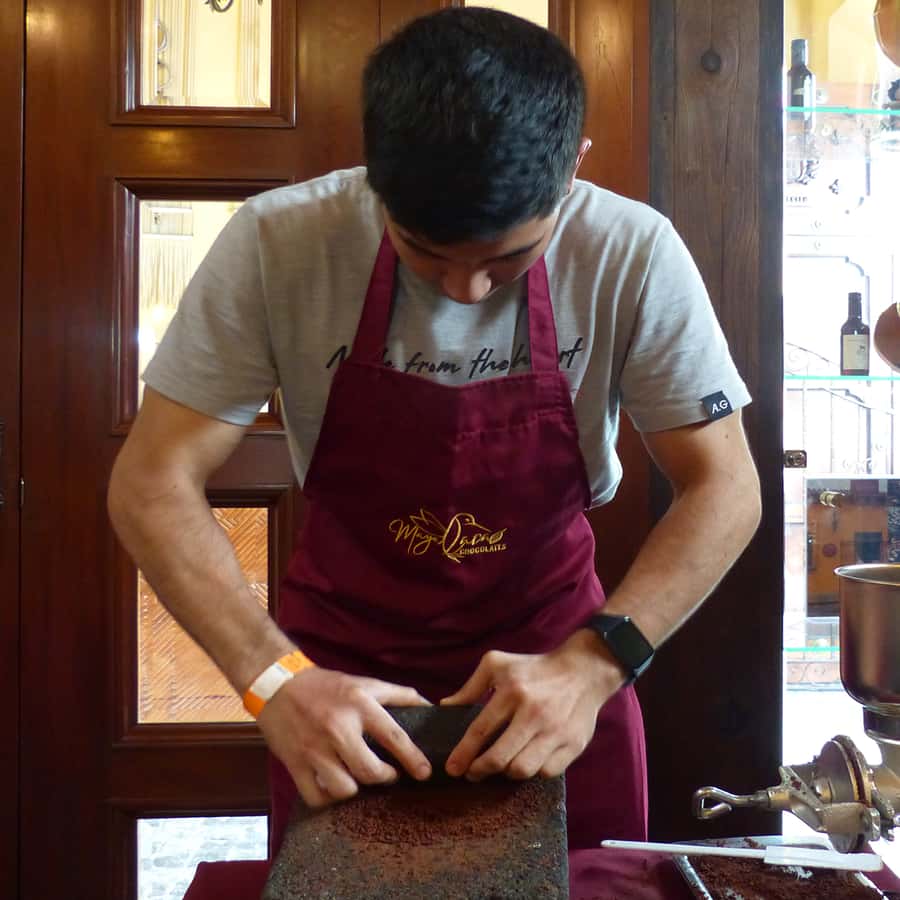
Now you do the work. You’ll learn how to roast, shell, and grind your own cacao. This is the heart of the class, and it’s where the workshop feels most worth it.
Here’s what these steps help you understand:
- Roasting shows how heat changes aroma and taste.
- Shelling teaches you what parts matter and how preparation affects the final texture.
- Grinding is where you see how cocoa transforms into a usable base for chocolate.
Even if you’re not a kitchen person, you don’t need special skills. You’re following instruction and doing each step with materials provided. The payoff is confidence: you’ll leave knowing what you did, and why the final chocolate tastes the way it does.
You can also read our reviews of more tours and experiences in Antigua Guatemala
Degustations and Tasting: How to Compare Without Getting Overwhelmed
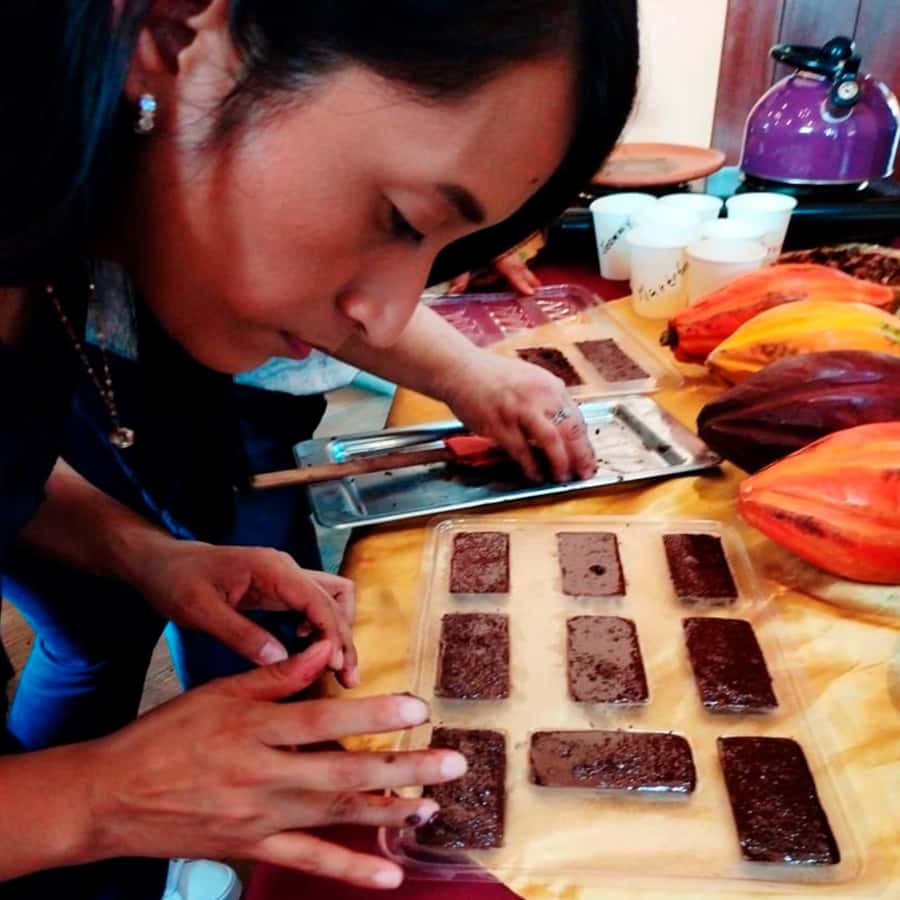
The workshop includes tastings, and the way it’s organized nudges you to slow down. You’ll taste and enjoy cocoa through its different processes, which is the key to making this more than a single-sweet session.
A practical tip: don’t rush the tasting portions. Take a few moments for smell first, then taste. If you’re with friends or family, pause after each stage and do a quick compare—what smells different? what feels different on your palate? You’ll get more value from the class this way.
Your Take-Home Chocolate Bar: The Sweet Proof
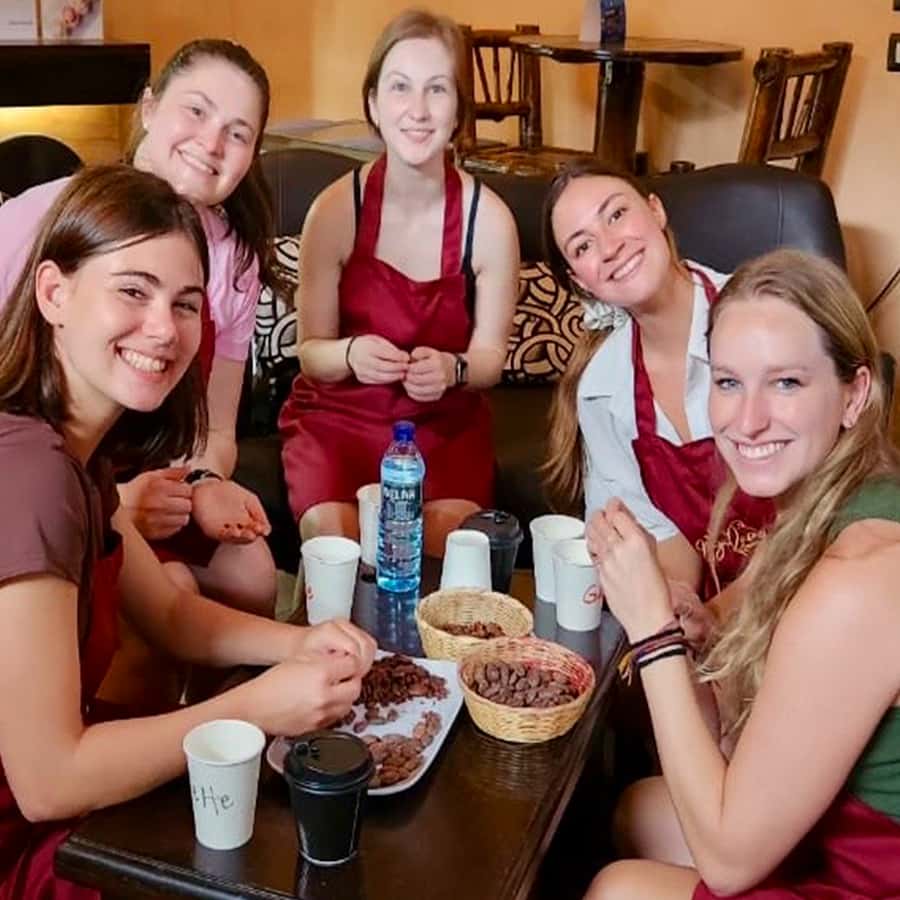
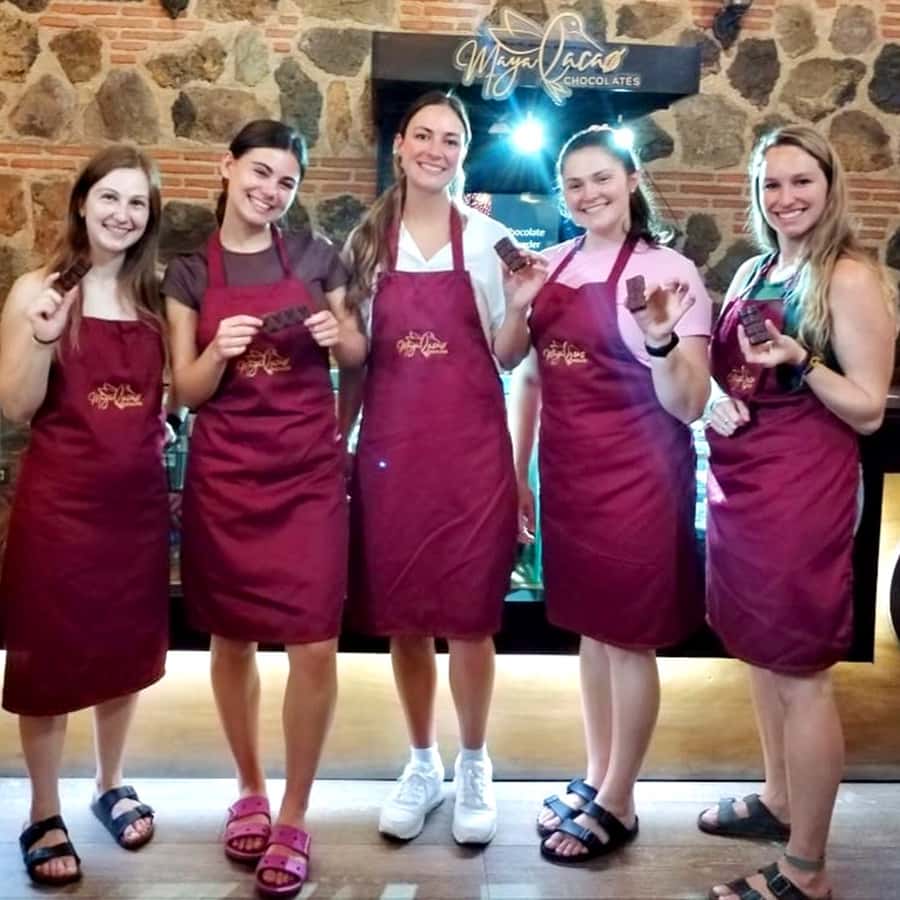
At the end, you take your chocolate made by you. That means you’re not leaving with a general souvenir—you’re carrying the direct result of the roast, shell, and grind you practiced.
And yes, this is where the workshop earns its keep. The bar becomes a personal reference point. Next time you shop for chocolate, you’ll have a clearer sense of what process influences taste, not just brand marketing.
You also get a 5% discount on the entire store, which is handy if you want to buy extra chocolate to compare at home. If you’re the kind of person who brings back food gifts, this perk makes your budget feel more flexible.
Instructor Language, Translation Reality, and How to Make It Work
The instructor teaches in Spanish. If you don’t speak Spanish well, you still have options. In past classes, hosts such as Ingrid, Andrea, and Bea have been described as patient and informative, and participants handled communication using tools like translation apps and written guidance.
So don’t let language scare you off. What you can do before you go:
- Have a translation app ready on your phone
- Be ready to point and follow along with hands-on steps
- Focus on the sensory parts—those don’t require perfect vocabulary
Private group format also helps. When you’re not competing with a large crowd, you can ask questions at a natural pace.
Price and Value: Is $32 Fair for One Day?
The price is $32 per person for a one-day experience. Based on what’s included—materials, tastings, and the chocolate bar you make—this is the kind of workshop where the value comes from doing, not just watching.
If you compare it to paying for tastings alone, this is better because you get:
- guided learning (Mayan-era cocoa context)
- sensory tasting focused on aroma and flavor
- hands-on roasting, shelling, and grinding
- a take-home chocolate bar made by you
It’s also in a convenient base area. Antigua is an easy place to structure a half-day activity around, and this workshop fits cleanly into a longer sightseeing plan.
Who This Workshop Suits Best (and Who Might Feel a Mismatch)
This is a great fit if you like food with a reason behind it. You’ll probably enjoy it most if you:
- care about aroma and flavor, not just sweetness
- want a hands-on activity you can share with family or friends
- like learning food processes in a grounded way
It’s not listed as suitable for children under 7 years, so families should plan with that in mind. It’s also a smart choice if you want a calmer, private-group experience rather than a crowd-based tasting.
Should You Book This Cocoa Workshop or Skip It?
Book it if you want chocolate you understand, not just chocolate you buy. The combination of Mayan context, five-sense tasting, and the roast-shell-grind process makes this feel like a real skill-building food moment. And you get a bar to take home, plus a store discount to keep exploring cacao flavors after the class.
Skip it only if you’re looking for a long, multi-hour tour with heavy sightseeing. This experience is focused and ingredient-led. Think “quality workshop” more than “all-day itinerary.”
FAQ
FAQ
How long is the chocolate workshop experience?
The experience is listed as 1 day, and the workshop portion is about 1.5 hours.
What is the price per person?
It costs $32 per person.
What will I make and take home?
You’ll make chocolate during the class, and you take your own chocolate bar home.
Is food included?
Yes. Your experience includes materials and degustations (tastings).
What language is the instructor?
The instructor teaches in Spanish.
Is it suitable for young children?
It is not suitable for children under 7 years.
Where exactly is the meeting point in Antigua Guatemala?
Meet at 6a Avenida Norte 6, about one block from Parque Central, in a mustard-yellow house. The host welcomes guests at the door with a plush bear.
Is this workshop private or group-based?
It’s offered as a private group experience.
Do I get any discounts at the store?
Yes. You get a 5% discount on the entire store.
Are there any restrictions or special notes I should know about?
The activity is listed as wheelchair accessible.