REVIEW · ANTIGUA GUATEMALA
Acatenango Volcano 2-Day Hike
Book on GetYourGuide →Operated by Old Town Outfitters · Bookable on GetYourGuide
Two volcanoes, one night, big views. I love the 360° views from Acatenango’s summit and I love how close you get to watching Volcán Fuego erupt from camp, around 4km away. It’s a guided, high-altitude hike with the kind of terrain shifts that make every hour feel different.
The main drawback is simple: this is a tough climb in real mountain weather, and cold nights are part of the deal at roughly 3,750m. If you show up under-packed or in the wrong footwear, the whole experience can feel harder than it needs to be.
What keeps it fun is the variety and the people running it. The route takes you through farm fields and old forests, up to the barren scree near the top, with a bilingual guide and community guide from La Soledad—plus meals and camping gear included so you can focus on the hike.
In This Review
- Key things I’d circle on your planning list
- Acatenango + Volcán Fuego: the reason this hike is so popular
- Day 1 from Antigua to La Soledad: farm trails and a cloud forest reality check
- Choosing your comfort level: what the forests teach you about altitude
- Your campsite near the tree-line: views, dinner, and the Fuego factor
- Day 2 summit day: early breakfast and a steep scree push
- Descent: 3 hours of alternate-route variety (and why it’s not trivial)
- What’s included (and why that changes the value)
- Guides and service: the human part that makes or breaks it
- What you should bring: the checklist that prevents misery
- Price and logistics: who this hike fits best
- The bottom line: should you book the Acatenango 2-day hike?
- FAQ
- What is the duration of the Acatenango hike?
- How much does it cost?
- Where do I meet, and what time?
- Does the tour include transportation?
- What’s included for meals and camping gear?
- Do I need to bring my own hiking shoes?
- What about warm clothing and cold nights?
- Is a rain jacket required?
- How much water should I bring?
Key things I’d circle on your planning list
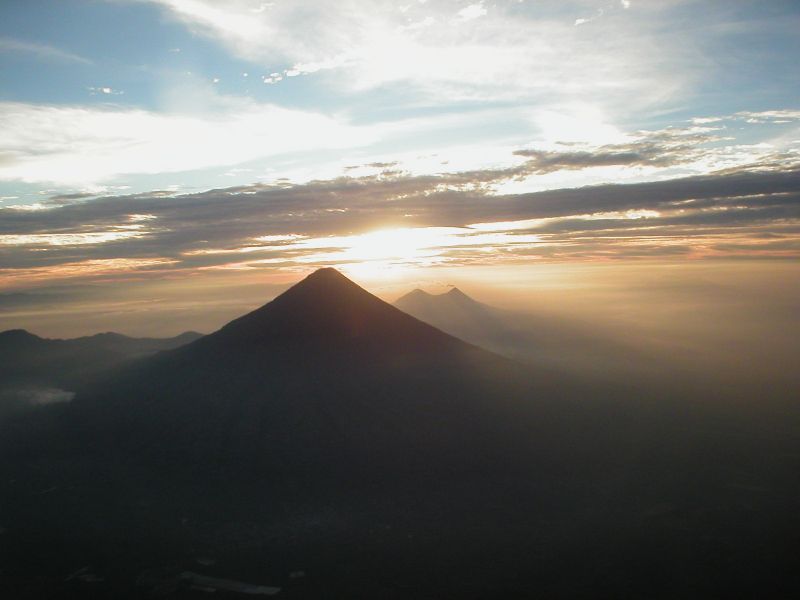
- Summit timing pressure: a steep, rocky scree climb that starts early enough to reach the top before the day heats up
- Volcán Fuego show from camp: camp views toward Fuego, with eruptions visible about 4km away
- Microclimates up close: farm fields to ancient cloud forest to conifer and tropical dry forests
- Gear support you’ll appreciate: sleeping bags, sleeping pads, tents, and hot meals/coffee/tea included
- Small details matter: headlamp (torch), warm layers, hiking poles, and wet wipes can save your sanity
- Private group pace: the guides can match your speed, not just march you along
Acatenango + Volcán Fuego: the reason this hike is so popular
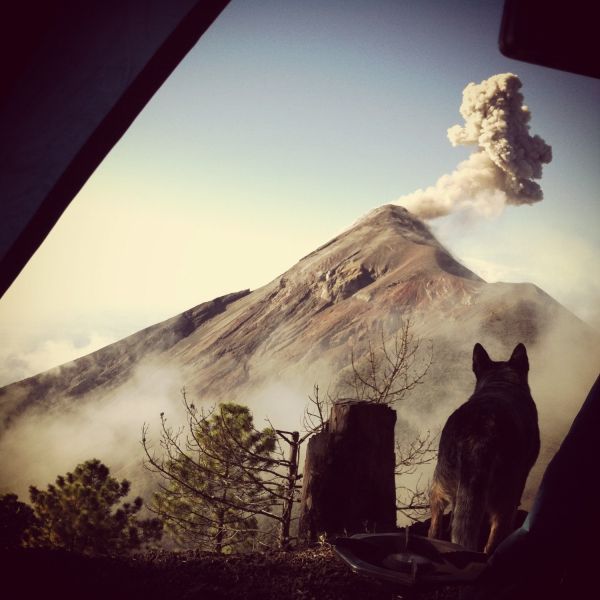
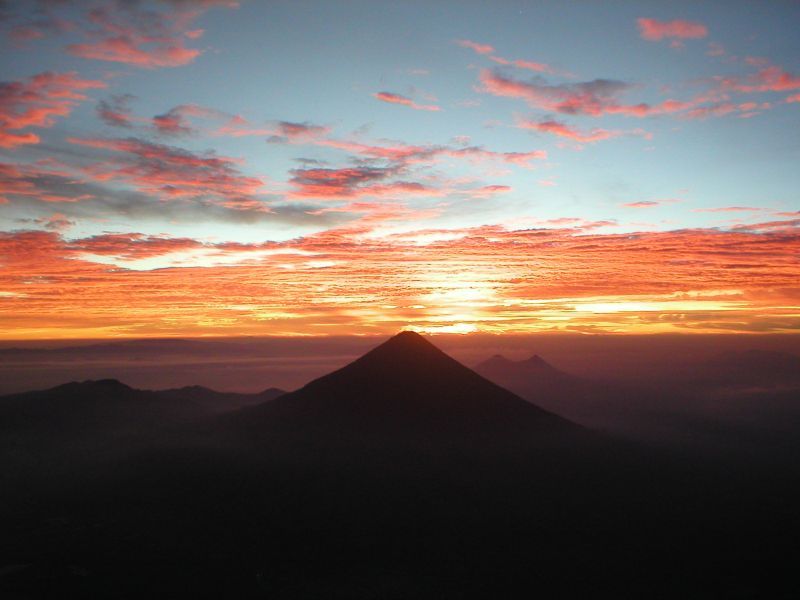
This is one of those Guatemala experiences that hits two goals at once. You get the classic high-volcano reward—big summit views over the Guatemalan highlands, all the way up toward the Mexican border—and you also get the drama of a nearby active volcano.
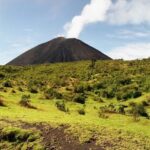
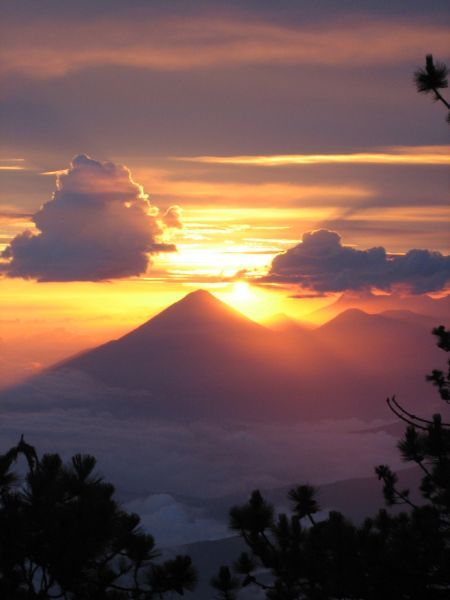
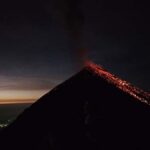
Acatenango reaches about 3,975m. From up there, you’re not just looking at mountains; you’re seeing the whole highland grid—ridges, valleys, and volcanoes layered across the horizon. Then, at camp on Day 1, you’re positioned to watch Volcán Fuego erupt with the sense that it’s almost nearby (it’s about 4km away). That combo—rest, then eruptions while you’re in your sleeping area—changes the emotional feel of a hike. It turns it from a workout into a full-on night outdoors.
You can also read our reviews of more hiking tours in Antigua Guatemala
Day 1 from Antigua to La Soledad: farm trails and a cloud forest reality check
You meet at Old Town Outfitters in Antigua at 9:00am (5a. Avenida Sur #12). From there, it’s a round-trip transfer with transportation included. The goal is to get you to La Soledad, where the hike starts after a drive.
The first leg is intentionally physical. You begin with a steep ascent through local farm fields—good for warming up your legs, but also a reminder that you’ll earn the views. After that, the trail moves into an ancient tropical cloud forest. This is where the hike stops feeling like a straight “up up up” climb and starts feeling like a changing ecosystem walk.
You’ll notice that the air and the vegetation shift as you gain altitude: richer cloud-forest conditions with native birds, and (if you’re lucky) a chance at spotting what you’ve heard about in Guatemala—like quetzal. Even if you don’t see one, the forest itself is worth slowing down for.
Choosing your comfort level: what the forests teach you about altitude
The route keeps stacking different zones. As you continue upward, you transition into temperate coniferous forest and then tropical dry forest, passing the tree-line. This matters because it shapes your effort and your expectations.
Cloud forest can feel humid and cool, which can trick you into thinking you’re not exerting as much as you are. Once you move toward the tree-line, the ground becomes more open and the air can feel sharper. In real terms: you’ll sweat, then you’ll cool off, then you’ll heat up again on the next slope. That microclimate rhythm is part of why this hike feels like two hikes instead of one.
This is also why warm layers and wind protection are on the packing list. At around 3,750m, night temperatures can be close to freezing, even in the warmer months. You’re not just “camping.” You’re camping high.
Your campsite near the tree-line: views, dinner, and the Fuego factor
After the climb, you reach the private campsite carved into the mountainside, below the tree-line. The big win here is location. From camp, you can take in the Antigua valley and see Volcán Fuego.
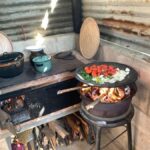
Food and recovery are handled for you. Meals are freshly prepared—dinner plus hot beverages—so you’re not stuck trying to cook after you’re exhausted. Sleeping bags, sleeping pads, and comfortable tents are included, which is a real value if you don’t already own high-altitude camping gear.
If you’re the type who wants to capture everything on camera, plan to do it, but also plan to stop and watch with your own eyes. Fuego eruptions are easier to follow when you’re settled and not juggling gear while the light changes.
Day 2 summit day: early breakfast and a steep scree push
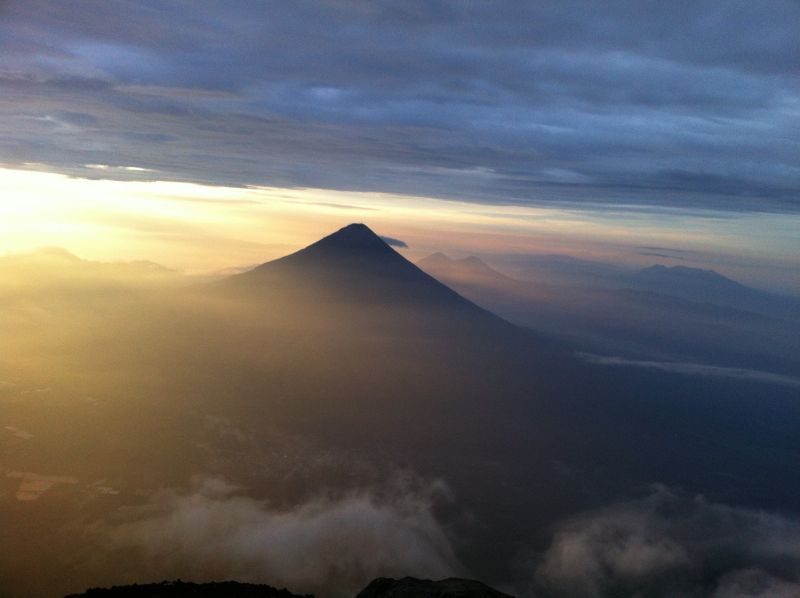
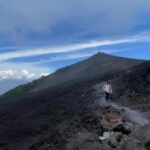
Day 2 starts with breakfast at camp, then the group heads for the summit. The ascent includes a 45-minute climb along a steep, rocky scree trail to the top at about 3,975m.
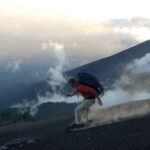
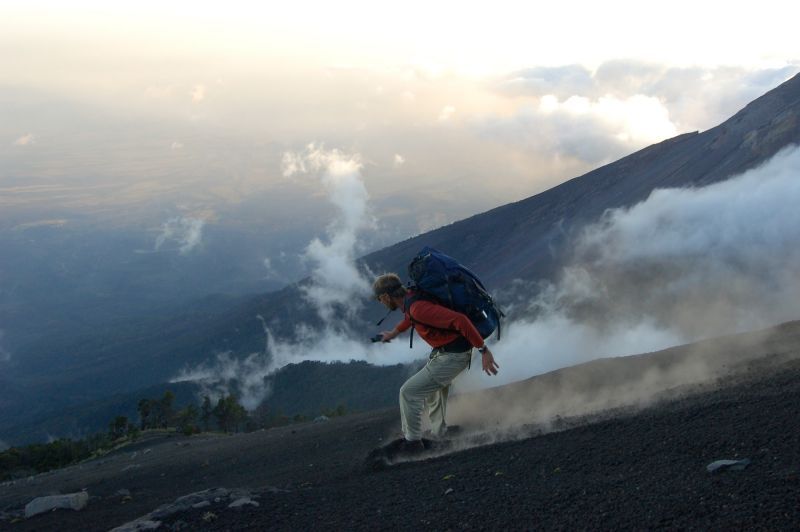
Scree has a personality. It moves under your feet, and it forces shorter steps and careful balance. This isn’t a hike where you just steam forward at your usual pace. You’ll want hiking poles if you have them—one of the best bits of practical advice from past experience with this route.
Also: start thinking about visibility. The summit rewards patience, but the rock and slope mean you’ll work hardest early. Headlamps/torches are a smart idea for pre-summit hours, especially if your start feels darker than you expected.
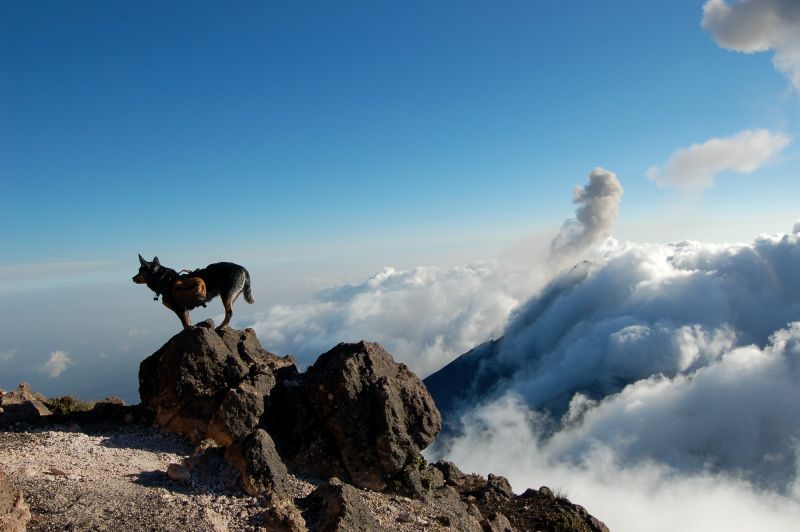
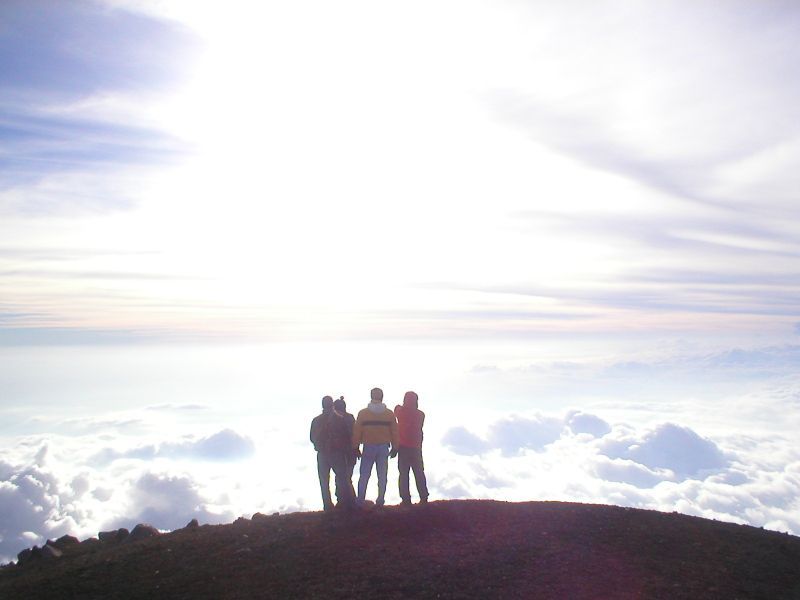
Once you reach the summit, the view is the payoff: 360° panoramas across Guatemala’s highlands, with sights stretching toward the Mexican border. Spend time up there, but don’t linger so long that you feel cold on the descent. You’re switching from effort to exposure.
You can also read our reviews of more tours and experiences in Antigua Guatemala
Descent: 3 hours of alternate-route variety (and why it’s not trivial)
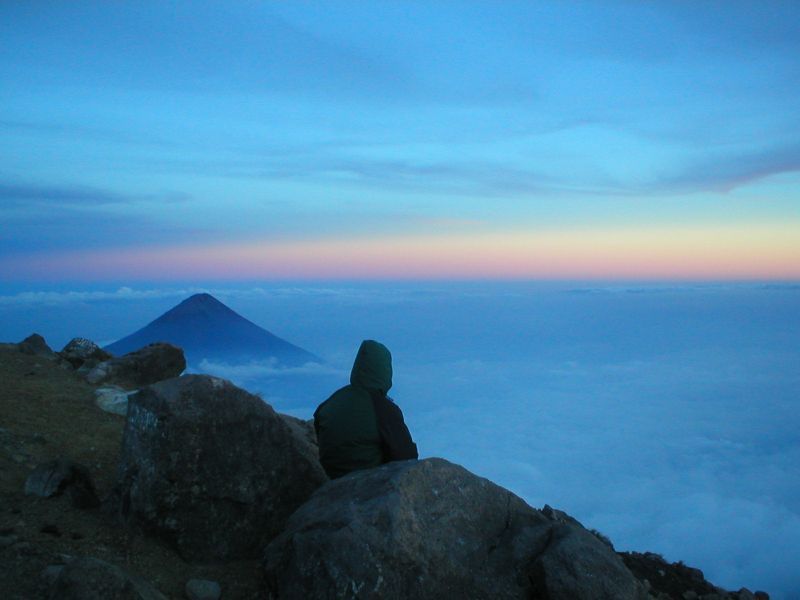
After summit time, you begin a descent that takes about 3 hours using an alternate route. You’ll see even more microclimates on the way down, which is one of the reasons this hike feels richer than a simple “go up, come down” trail.
The descent can still be hard on your legs. Even when it’s shorter than the initial climb, the uneven ground and changing surfaces demand attention. This is another place where good shoes matter, and where gaiters or careful foot placement can help you avoid slipping.
You’ll return to La Soledad and then be transferred back to Antigua by early afternoon, around 13:00hrs. It’s a fast turnaround for the effort you put in, which is good if you want the hike to stay the main event—not a multi-day logistical headache.
What’s included (and why that changes the value)
At $245 per person, the price feels fair because the trip includes the stuff that usually costs time and money on your own: transfers, guides, park entrance fees, meals, and camping gear.
Here’s what you’re getting in plain terms:
- Round-trip transportation from Old Town Outfitters in Antigua
- Park entrance fees and a local guide from the community of La Soledad
- Freshly prepared lunch, dinner, breakfast, plus juice/coffee/tea and snacks
- Sleeping bags, sleeping pads, and tents for high-altitude camping
- A full guided hike with a bilingual guide (Spanish/English/French options) with certified 1st-aid training
For me, the real value is the combo of community guidance and practical camp support. You’re not paying extra for a “guide-only” experience where you still have to figure out camp logistics and meals. You can show up with a daypack and focus on hiking and watching the volcano.
Guides and service: the human part that makes or breaks it
A hike this physical needs more than route knowledge. It needs pacing, food timing, and a calm vibe when the path gets steep.
From shared experiences with this operator, names keep coming up. Guides like David and Willy are described as supportive and willing to match a slower pace. Another guide, Rudy, is highlighted as attentive and safety-focused, and also as an excellent cook who kept energy up with delicious meals. Setup support matters too, and Giovanni is mentioned for getting camp arranged quickly and neatly.
If you care about communication, you’ll be glad the team offers Spanish and English (and French as well). And if you want the experience to feel social instead of robotic, you’ll likely enjoy learning a bit of Spanish along the way while stopping for photos and explanations.
What you should bring: the checklist that prevents misery
The packing list is built around one idea: you’re moving between warm exertion and cold exposure, with wet rock possible and dust/snow-like grit on scree trails.
Bring:
- Comfortable shoes and closed-toe hiking shoes (no sandals)
- Warm clothing plus a one warm layer and/or windbreaker
- Sunglasses, sun hat, sunscreen
- Change of clothes
- A daypack
- Thermal clothing if you run cold
- Reusable water bottle
- Breathable, outdoor clothing you don’t mind getting dirty
- Personal medications
- Your own flashlight/headlamp for early morning summit hours
Also: plan on water. The tour data lists 4 liters minimum as the target. That’s not a casual recommendation; it’s a high-altitude reality check.
What’s not provided:
- Hiking boots/trekking shoes
- Large-capacity backpacks (35L+) with rain cover
- Rain jacket in the May–October period (you may want one then)
- Cold-weather clothing for near-freezing nighttime temperatures at camp
- Personal toiletries and medications
- Camera/hats/sunglasses/sunscreen
- Flashlight
- Extra water beyond what you bring
- Tips for your guide (not included)
A smart “comfort upgrade” from past firsthand advice: wet wipes and tissues. You’ll thank yourself later.
Price and logistics: who this hike fits best
This hike fits best if you:
- Can handle steep terrain and rocky scree without panic
- Don’t mind early starts and cold nights
- Want guided structure with meals and camping gear handled
- Prefer a private group pace (not a cattle-car hike)
It’s less ideal if:
- You don’t have the right shoes or you’re hoping sandals will work
- You hate the cold and refuse warm layers
- You’re traveling with oversized luggage (you shouldn’t plan on bringing large bags)
Because it’s private-group style, you’ll likely get a better match for your walking rhythm. That matters on Acatenango, where tempo can make the difference between feeling strong and feeling wrecked.
The bottom line: should you book the Acatenango 2-day hike?
Yes, if you want a high-altitude challenge with a real payoff: summit views you can’t fake and a campsite where Volcán Fuego puts on a show.
Before you book, be honest about the cold and the footing. This is not a stroll. You’ll feel it in your legs, especially with the scree and the long descent. But with warm layers, the right shoes, and a headlamp/torch, the experience turns into one of Guatemala’s most memorable volcano nights—science of microclimates, forest-to-scree transitions, and a night where you watch an active volcano from your tent.
FAQ
What is the duration of the Acatenango hike?
It’s a 2-day trip with 1 night of camping.
How much does it cost?
The price is $245 per person.
Where do I meet, and what time?
You meet at the Old Town Outfitters shop in Antigua at 9:00am (5a. Avenida Sur #12, Antigua, Guatemala).
Does the tour include transportation?
Yes. Round-trip transportation from the Old Town Outfitters office in Antigua is included.
What’s included for meals and camping gear?
Freshly prepared picnic lunch, dinner, and breakfast are included, along with juice/coffee/tea and snacks. Sleeping bags, sleeping pads, and tents for high-altitude camping are also included.
Do I need to bring my own hiking shoes?
Yes. Hiking boots or trekking shoes are not included, and open-toed shoes are not allowed.
What about warm clothing and cold nights?
Cold-weather clothing for near-freezing nighttime temperatures at camp is not included, and you should bring warm layers and a jacket.
Is a rain jacket required?
A rain jacket is not included for May through October, so you may want to pack one depending on the time of year.
How much water should I bring?
The minimum recommended amount is 4 liters of water.