REVIEW · BOGOTA
Bogotá: Salt Cathedral Private Tour with Entry Ticket Basic
Book on GetYourGuide →Operated by Neva Travels S.A.S · Bookable on GetYourGuide
One sentence worth the ride: going 180 meters underground. I love the feeling of seeing a Roman Catholic church carved into tunnels of a mine, and I also love how the salt itself shapes everything—light, textures, and even the story you’ll hear. The main thing to consider is that this plan isn’t for wheelchair users, so you’ll want to be comfortable walking on-site.
This is also a day built for low stress: hotel pickup in Bogotá, private transportation, and an included entry ticket so you can focus on the cathedral experience instead of logistics. My only hesitation is practical: because you’re going underground and then back up for town time, it helps to plan around the day being fairly full even though the cathedral visit is on the shorter side.
In This Review
- Key highlights to know before you go
- A day trip that turns Bogotá logistics into one underground church
- Entering the Salt Cathedral: 180 meters down, art on salt walls
- How Zipaquirá town time fits the day: lunch and an easy wandering break
- Private transportation from Bogotá: why it’s worth paying for convenience
- Audio guide, stations of the cross, and how to get the most from your 2+ hours
- Lunch timing and the cash-and-shoes reality check
- Who this private Salt Cathedral trip is best for
- Price and value: does $159 per person make sense?
- Book it or pass: my practical recommendation
- FAQ
- How long is the private Salt Cathedral tour from Bogotá?
- What’s included in the price?
- Is a live guide included?
- What languages is the audio guide available in?
- Can I get pickup from any accommodation in Bogotá?
- Is the tour suitable for wheelchair users?
- What do I need to bring, and are there any restrictions?
Key highlights to know before you go
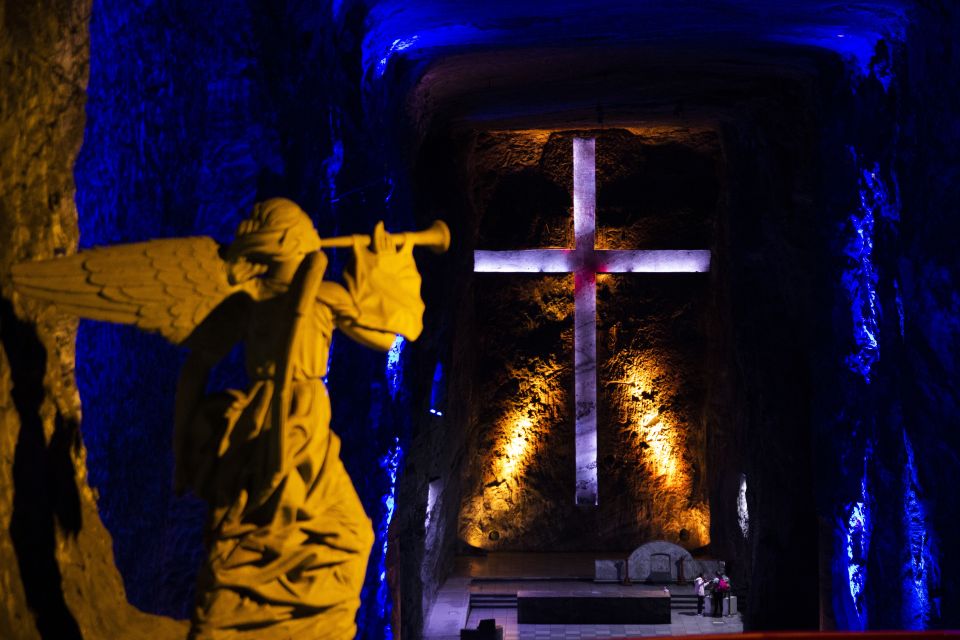
- 180 meters below ground at the Salt Cathedral of Zipaquirá, inside a former mine setting
- Skip-the-ticket-line entry with included tickets and an audio guide in Spanish, English, and Portuguese
- Time in Zipaquirá for lunch with colonial-style streets to slow down and wander
- Art made from salt and light, including religious stations and sculptures that feel unusually moving
- Private Bogotá-to-Zipaquirá transport, with hotel pickup possible from any accommodation
A day trip that turns Bogotá logistics into one underground church
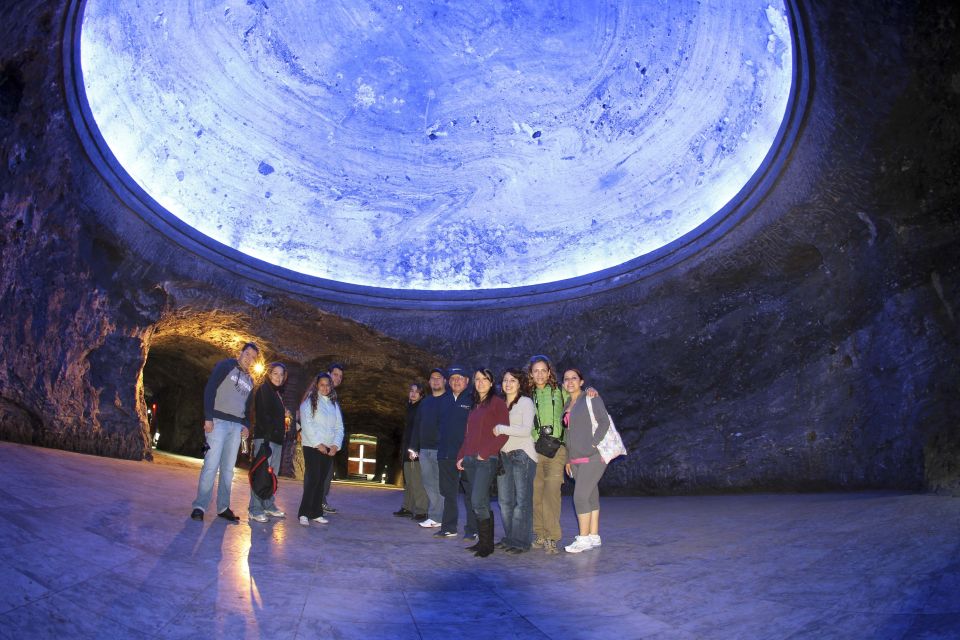
If you’re basing yourself in Bogotá, the Salt Cathedral of Zipaquirá is one of those trips that makes sense because it’s easy to do well. You trade a lot of hassle for a simple plan: a pickup from your hotel or accommodation, private ride out of the city, cathedral entry, lunch, and then you’re back. It’s a whole day, but the pacing feels manageable.
What makes it especially compelling is the setting. This isn’t a church that happens to be underground for show. It’s a Roman Catholic church built in the tunnels of a salt mine, and the result is that you’re literally surrounded by the material that created the place. When you step inside, the salt doesn’t feel like decoration—it feels like infrastructure, the thing the cathedral is made of.
I also like that you’re not forced into a one-size-fits-all religious script. Even if you don’t follow church traditions, the experience still lands because it’s built around atmosphere, artistry, and scale. One reason people find it deeply memorable is that the stations and religious artwork create a kind of slow, reflective route—even if you approach it as history and design first.
The private format matters too. With a dedicated driver (Spanish-speaking) handling the road, you spend your energy on the day, not on navigation or timing.
You can also read our reviews of more tours and experiences in Bogota


Entering the Salt Cathedral: 180 meters down, art on salt walls
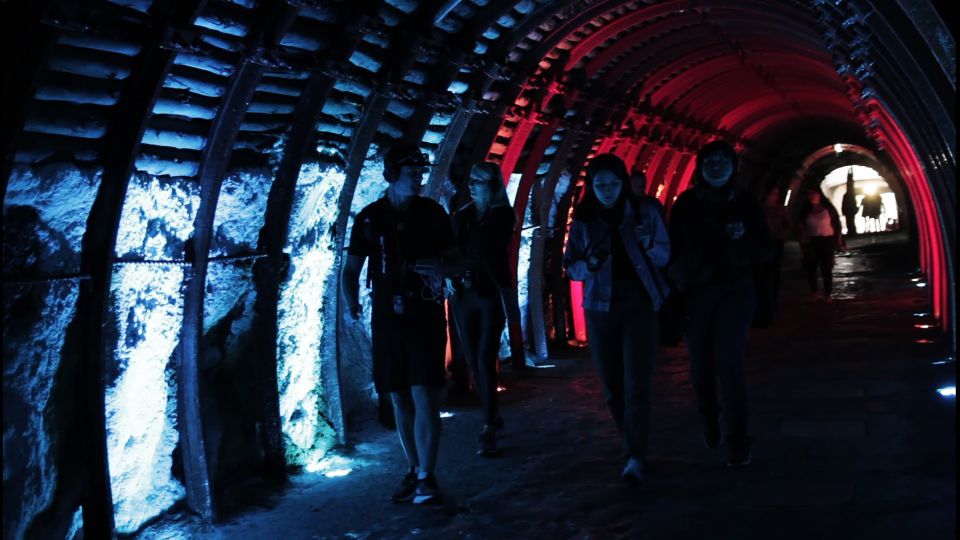
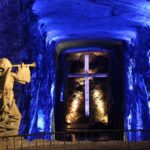
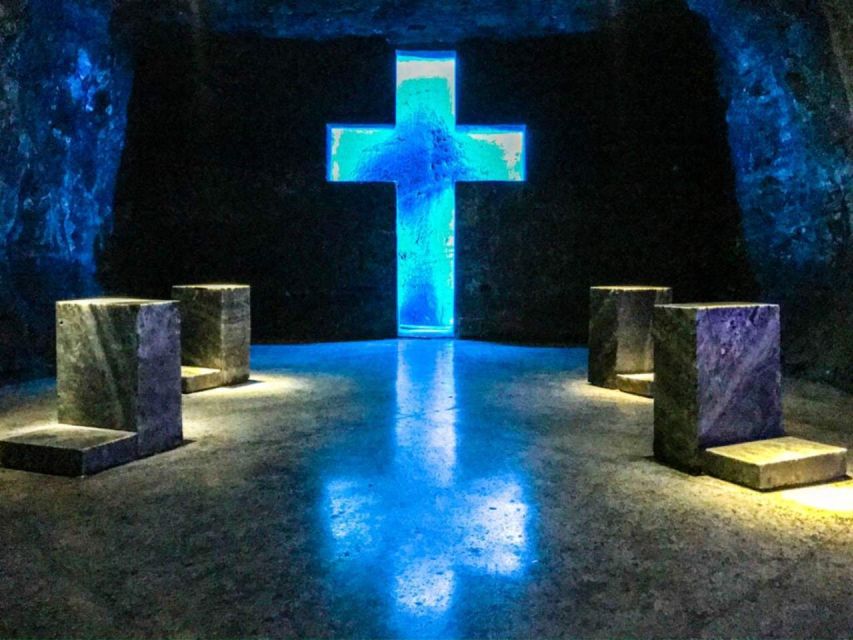
The core of the day is the Salt Cathedral of Zipaquirá, located about 180 meters below ground. That detail alone changes your expectations. You’re not just walking into a dramatic building—you’re going into a working mine environment where the cathedral concept was carved into the existing tunnels.
Your visit includes time to explore the cathedral’s sculptures and religious artwork while learning about the history and salt formation process. The experience is designed to be meaningful even if you’re not religious, because the craftsmanship does a lot of the talking: forms, depth, and the way the space guides your route.
Here’s what to plan for while you’re inside:
- You’ll want comfortable shoes. Floors can be uneven and you’ll be doing walking and standing.
- You’ll want to move at a slow pace. The cathedral is meant to be read visually as you go.
- Bring water. You’ll be below ground and then you’ll rise into daylight again, and you’ll still want hydration.
One detail I really recommend is using the English audio guide (it’s included with this tour) if that’s your preference. People specifically praise the audio because it gives structure to what you’re seeing—what the salt formation and mining story has to do with the cathedral, and why certain design choices exist. Even if you only use it partway, it helps you connect the art to the place.
Time-wise, the schedule typically gives you a visit window of a little over 2 hours. In practice, it can feel longer once you include reading the stations and letting the audio guide pace you. Either way, treat it as your main “slow moment” of the day, not a quick stop.
How Zipaquirá town time fits the day: lunch and an easy wandering break
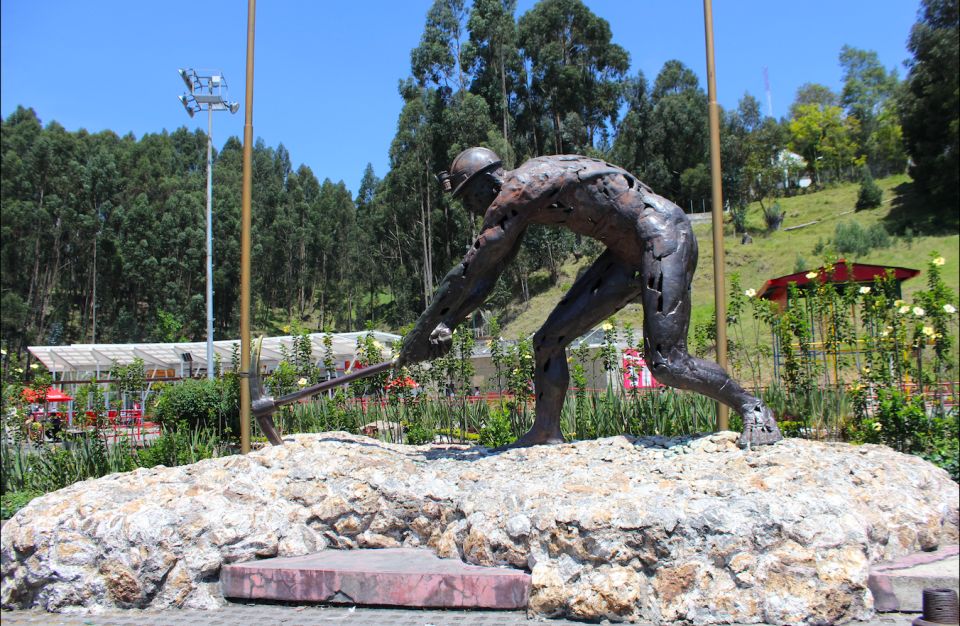
After the cathedral, the plan includes time in Zipaquirá for lunch (about 80 minutes). This is a smart balance because it gives your body a chance to come back up to normal air and rhythm.
The town is known for colonial architecture and picturesque streets, and that matters because it turns the day from one big highlight into a full experience. Lunch is not just a food break; it’s your reset. You’ll also get a chance to look around from street level and take in the surrounding views from this higher-elevation area around Bogotá.
A practical note: you should have cash on hand. The tour info calls for bringing cash, and it’s one of those “don’t make it harder than it has to be” tips when you’re eating on your own time.
If you’re the kind of traveler who likes to arrive hungry and leave satisfied, you’ll appreciate this structure. The cathedral is intense in its own way—cooler, darker, more focused. Zipaquirá gives you daylight, open air, and enough time to eat without turning lunch into a second job.
Private transportation from Bogotá: why it’s worth paying for convenience
This tour is private, and that’s not a small detail in Bogotá. Driving in and out of the city can be work—traffic, navigation, meeting points, timing. Here, the tour includes hotel pickup and drop-off and private transportation, so you don’t spend your day coordinating rides.
Pickup is described as possible at any accommodation in Bogotá, which helps if you’re staying somewhere less “tour-friendly.” The driver is Spanish-speaking, which can also make the day feel smoother since the ride and logistics don’t require you to piece things together with limited communication.
It’s also part of the value equation. At $159 per person for an 8-hour day, the price isn’t just “a ticket to an attraction.” You’re paying for:
- private logistics (not shared transport)
- round-trip driving time from Bogotá
- included cathedral entry tickets
- an audio guide and assistance on-site via an assistance card
If you’ve ever tried to cobble together a day trip with buses, taxis, and timing games, you’ll recognize why this kind of private setup can feel like a fair trade. You’ll be paying for your time and stress reduction, not only for the attraction itself.
And yes, people often highlight the ride quality: a punctual pickup and a relaxing journey, plus the way the day stays comfortable from start to finish. You’ll feel that comfort most when you’re leaving the city and don’t have to worry about the clock.
Audio guide, stations of the cross, and how to get the most from your 2+ hours
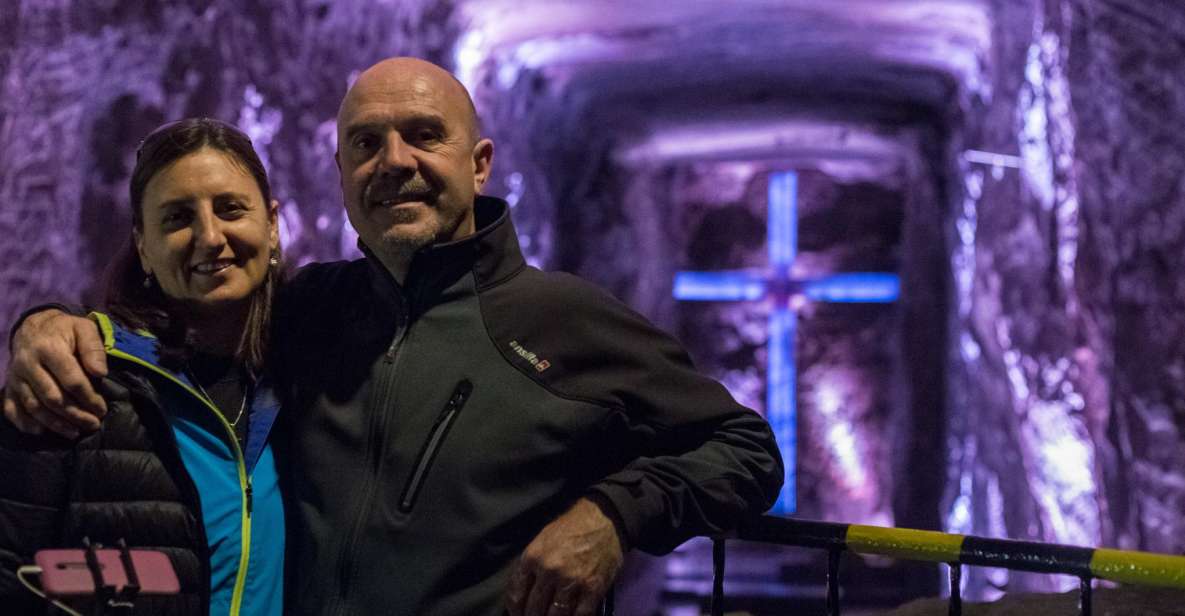
The tour includes an audio guide in Spanish, English, and Portuguese. Even though this experience can be approached without religious interest, it’s still rich with symbolism and design choices. The audio guide helps you decode those choices at your own pace.
This is especially useful because the experience includes stations of the cross elements, and the layout can feel like a guided path through art rather than a single “photo spot.” When the audio guide is working well, you don’t just look—you understand what you’re seeing and why it was created where it was created.
A couple of tips that align with what I’d do in your shoes:
- Start with the audio guide right away so you learn the logic behind the route.
- Take a moment at major sculptures before you move on. Let your eyes adjust.
- Don’t rush toward the exit. The cathedral rewards time spent slowly reading the space.
Also note: a guide is not included in the basic setup. That sounds like a small difference until you’re standing in the cathedral wondering what to ask. The audio guide fills the knowledge gap, and the assistance card can help too, but you won’t have a live guide unless you choose that add-on elsewhere.
That’s why I think the audio guide is so important here—without it, you’d be relying on your own interpretation of the art.
You can also read our reviews of more private tours in Bogota



Lunch timing and the cash-and-shoes reality check
This kind of day trip rewards small preparation. The tour info is clear about what helps:
- Comfortable shoes (do not underestimate this)
- Water
- Comfortable clothes
- Cash
Also, there’s a rule that alcohol and drugs are not allowed. It’s rare, but it’s good to know this before you show up with plans that don’t match the site rules.
And here’s one more detail that can catch people off guard: you’ll need the passport numbers of all participants for insurance purposes. That doesn’t have to be scary, but it does mean you should gather that information early so your booking doesn’t get stuck in admin limbo.
Who this private Salt Cathedral trip is best for
I think this tour fits best if you want a high-impact cultural site without spending your day doing logistics. It’s also ideal if you like structure: pickup, defined stops, entry ticket handled, and a planned lunch window.
You’ll probably enjoy it if:
- You want a private day trip rather than shared group scrambling
- You’re happy using an audio guide to shape the story
- You enjoy design, history, or religious art—even from a non-religious point of view
You might want to skip it if:
- You need wheelchair accessibility. This tour is listed as not suitable for wheelchair users.
- You hate walking and standing inside enclosed spaces (the cathedral route involves movement).
Price and value: does $159 per person make sense?
At $159 per person for an 8-hour private tour from Bogotá, the value comes from what’s included: private round-trip transport, pickup and drop-off, entry tickets, and an included audio guide, plus an assistance card.
If you’re the kind of traveler who doesn’t want to manage bus schedules, taxi coordination, or ticket queues, private value is usually about time saved and comfort gained. Here, the skip-the-line entry also supports that value, because it helps keep the day moving.
Where the price may feel steep is if you’re only looking for a quick photo stop and you won’t use the audio guide or spend time exploring. The cathedral experience is the reason you’re paying—so get ready to actually enjoy the route, not just take one quick shot.
When I think about value, I look at what you’re not paying extra for here: the ride, the tickets, and the audio guide. Then I compare it to what you’d likely pay if you tried to do the trip independently with multiple taxis and last-minute ticket purchases. Even without getting into exact comparisons, this tour’s structure is built to keep your day comfortable and predictable.
Book it or pass: my practical recommendation
If you want one standout day trip from Bogotá that mixes culture, unusual architecture, and a memorable “how did they build this here?” factor, I’d say book. The private transport and skip-the-line ticket support a smooth day, and the included audio guide gives you what you need to understand the cathedral’s meaning without requiring a live guide.
I’d be cautious only if accessibility is a deal-breaker for you, or if you’re the type who gets restless in enclosed spaces and long walks. Otherwise, this is one of those experiences where the setting does half the work for you—and the audio guide helps you get the other half.
FAQ
How long is the private Salt Cathedral tour from Bogotá?
The tour duration is 8 hours. The cathedral visit time is listed at about 2.17 hours, with lunch in Zipaquirá for about 80 minutes.
What’s included in the price?
Included are hotel pickup and drop-off in Bogotá, private transportation, entrance tickets to the cathedral, and an assistance card. The audio guide is also included.
Is a live guide included?
No. The tour info lists that a guide is not included. You’ll have an audio guide instead.
What languages is the audio guide available in?
The audio guide is included in Spanish, English, and Portuguese.
Can I get pickup from any accommodation in Bogotá?
Yes. Pickup is possible at any accommodation in Bogotá.
Is the tour suitable for wheelchair users?
No. The tour is not suitable for wheelchair users.
What do I need to bring, and are there any restrictions?
Bring comfortable shoes, water, comfortable clothes, and cash. Alcohol and drugs are not allowed. Passport numbers for all participants are required for insurance purposes.